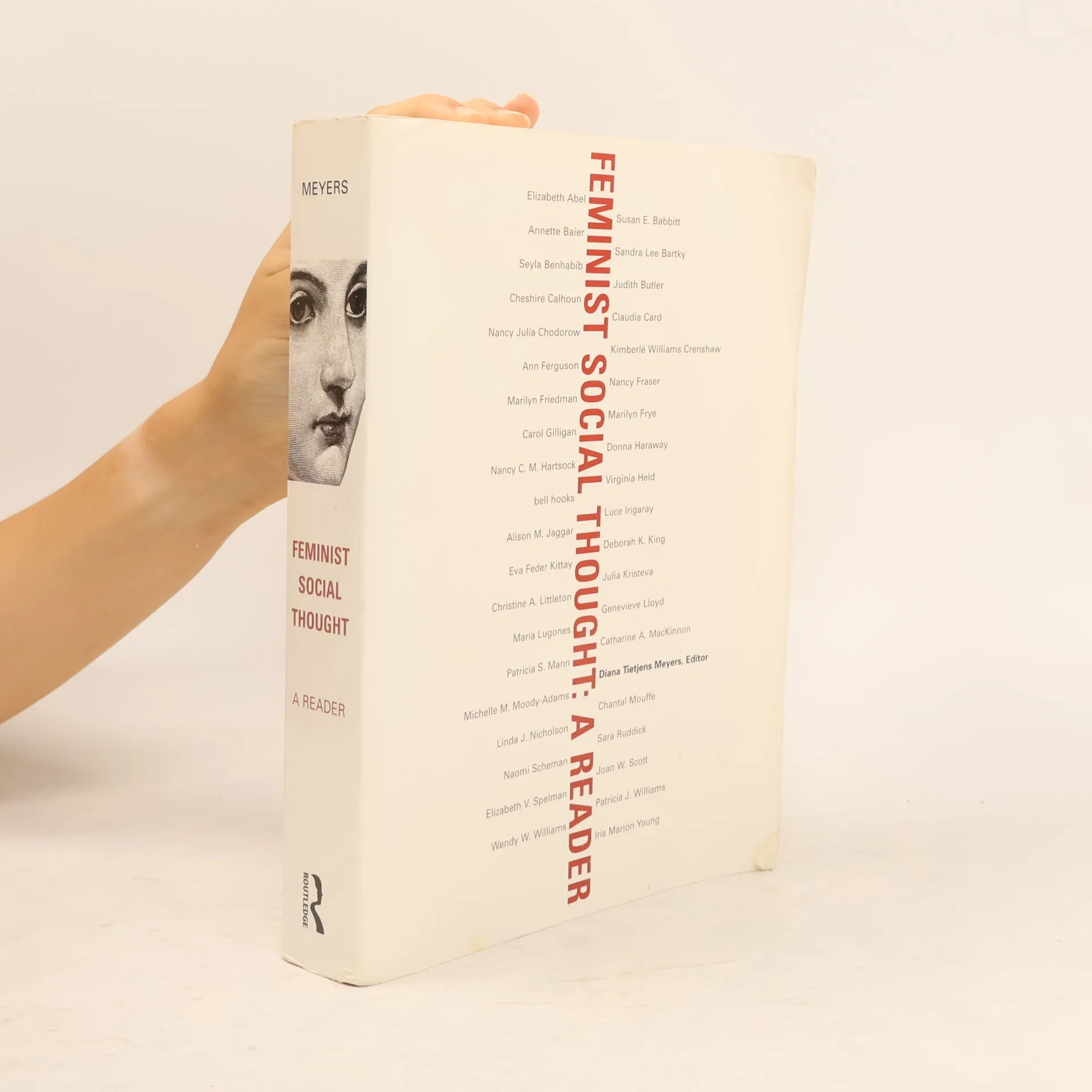
First published in 1998, this collection brings together key articles by prominent feminist thinkers, providing a sophisticated exploration of theoretical topics central to feminist social thought. It highlights significant concerns in contemporary feminist scholarship and the advancements made by feminist philosophers. The editor's introduction offers alternative pathways through the text, enabling instructors to tailor the reader to their specific courses and student interests. Each article includes a brief introduction that contextualizes it, emphasizing the main issues and conclusions, which aids students in navigating challenging theoretical concepts. Organized around seven topics—constructions of gender; theorizing diversity; figurations of women; subjectivity, agency, and feminist critique; social identity, solidarity, and political engagement; care and its critics; and women, equality, and justice—this collection represents a broad spectrum of feminist thinking. Students will engage with critical questions, including how gender norms are instilled and perpetuated, the relationships between gender and other social positions like race and class, the resources available for recognizing and resisting subordination, the goals of feminist politics, and the reconciliation of social and legal equality with difference.
Judith Butler Boeken
Judith Butler is een invloedrijke poststructuralistische en feministische filosoof wiens werk zich uitstrekt over feminisme, queer theorie, politieke filosofie en ethiek. Haar academische werk duikt in literaire theorie, moderne filosofische fictie en studies naar seksualiteit. Butler onderzoekt ook Europese literatuur en filosofie uit de 19e en 20e eeuw, Kafka, en thema's als verlies, rouw en oorlog. Recentere werken richten zich op Joodse filosofie en kritiek op staatsgeweld.



Subjects of Desire
- 304bladzijden
- 11 uur lezen
This classic work by one of the most important philosophers and critics of our time charts the genesis and trajectory of the desiring subject from Hegel's formulation in Phenomenology of Spirit to its appropriation by Kojève, Hyppolite, Sartre, Lacan, Deleuze, and Foucault. Judith Butler plots the French reception of Hegel and the successive challenges waged against his metaphysics and view of the subject, all while revealing ambiguities within his position. The result is a sophisticated reconsideration of the post-Hegelian tradition that has predominated in modern French thought, and her study remains a provocative and timely intervention in contemporary debates over the unconscious, the powers of subjection, and the subject.
Themes & Movements: The Artist's Body
- 304bladzijden
- 11 uur lezen
Tracing artists' increasing use of their bodies as subject and actual material of their artworks, this title charts the rise of new forms of expression such as Body Art, Happenings, Performance and Live Art.
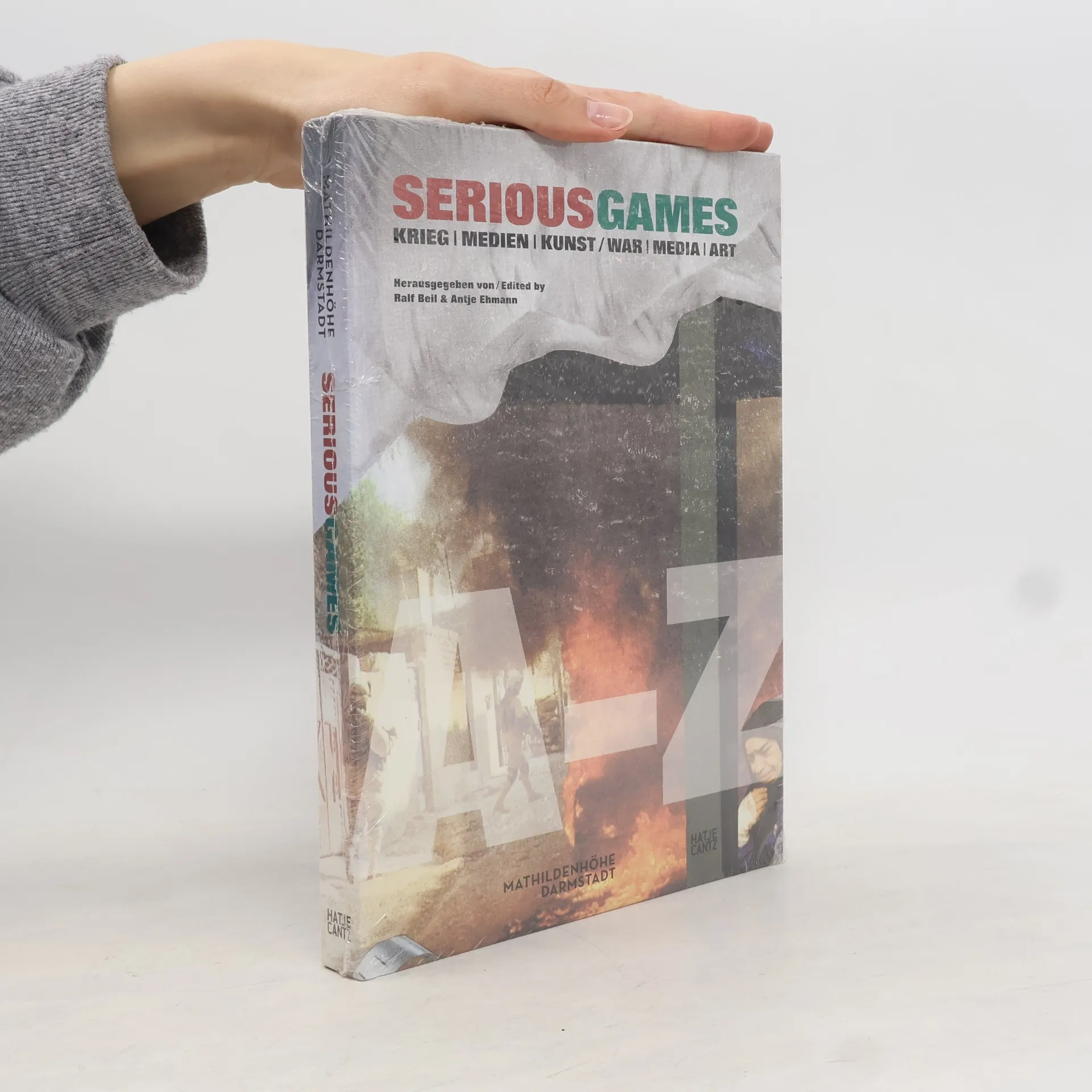
Serious Games - Zur Ausstellung in der Mathildenhöhe Darmstadt, 2011. Dtsch.-Engl.
- 207bladzijden
- 8 uur lezen
Im Irak-Krieg 1992 fiel die Kriegsführung mit der Berichterstattung zusammen: Das zivile Fernsehen zeigte Bilder, die kurz zuvor noch auf militärischen Kontroll-Monitoren zu sehen waren. Mittlerweile liefern Dienststellen der US-Armee komplette Datensätze für Computerspiele. Virtuelle Wüstenlandschaften mit Betonpisten und Strommasten prägen heute die Fantasie von Kindern und Jugendlichen wie früher einmal die Tunnel und Bergdörfer von Spielzeugeisenbahnen. Das lexikalisch aufgebaute Kompendium untersucht die permanente Umwandlung von Kriegsbildern zu Unterhaltungsbildern und damit die Militarisierung der Imagination. Es geht darum, welche Bilder Kriege erzeugen und wie diese in der Kunst der Gegenwart aufgegriffen und gespiegelt werden. Beleuchtet wird diese Frage anhand von Fotografien, Videos, Computerspielen, Gemälden und Rauminstallationen, unter anderem von Peggy Ahwesh, Oliver van den Berg, Kota Ezawa, Harun Farocki, Jean-Luc Godard, Richard Hamilton, Walid Raad, Martha Rosler, Allan Sekula und Hito Steyerl. Ausstellung: Mathildenhöhe Darmstadt 27.3.–24.7.2011
To sense what is living in the order
- 40bladzijden
- 2 uur lezen
Published in conjunction with the Documenta 13 exhibition in Kassel, Germany, the Documenta notebook series 100 Notes,100 Thoughts ranges from archival ephemera to conversations and commissioned essays. These notebooks express director Carolyn Christov-Bakargiev's curatorial vision for Documenta 13.
The Livable and the Unlivable
- 96bladzijden
- 4 uur lezen
At once profound, accessible, and utterly essential-an animated conversation between two eminent thinkers illuminating what we mean when we talk about living.
What does it mean to lead an ethical life under vexed social and linguistic conditions? In her first extended study of moral philosophy, Judith Butler offers a provocative outline for a new ethical practice -one responsive to the need for critical autonomy yet grounded in the opacity of the human subject.
In her most impassioned and personal book to date, Judith Butler responds in this profound appraisal of post-9/11 America to the current US policies to wage perpetual war, and calls for a deeper understanding of how mourning and violence might instead inspire solidarity and a quest for global justice.
WITCHY EYE
- 800bladzijden
- 28 uur lezen
Sarah Calhoun is the fifteen-year-old daughter of the Elector Andrew Calhoun, one of Appalachees military heroes and one of the electors who gets to decide who will next ascend asthe Emperor of the New World. None of that matters to Sarah. She has a natural talent for hexing and one bad eye, and all she wants is to be left aloneespecially by outsiders. But Sarahs world gets turned on its head at the Nashville Tobacco Fair when a Yankee wizard-priesttries to kidnap her. Sarah fights back with the aid of a mysterious monk named Thalanes, who is one of the not-quite-human Firstborn, the Moundbuilders of the Ohio. It is Thalanes who reveals to
Notes Toward a Performative Theory of Assembly
- 256bladzijden
- 9 uur lezen
Judith Butler elucidates the dynamics of public assembly under prevailing economic and political conditions. Understanding assemblies as plural forms of performative action, she extends her theory of performativity to show why precarity destruction of the conditions of livability is a galvanizing force and theme in today's highly visible protests.
Parting Ways
- 256bladzijden
- 9 uur lezen
Here, the provocative theorist argues for the separation of Jewishness from Zionism, engaging a number of thinkers who offer important resources for thinking about dispossession, state violence, and possibilities of cohabitation.
Senses of the Subject
- 228bladzijden
- 8 uur lezen
This book brings together a group of Judith Butler's philosophical essays written over two decades that elaborate her reflections on the roles of the passions in subject-formation through an engagement with Hegel, Kierkegaard, Descartes, Spinoza, Malebranche, Merleau-Ponty, Freud, Irigaray and Fanon.
Undoing Gender
- 284bladzijden
- 10 uur lezen
Focusing on contemporary issues in gender and sexuality, Judith Butler explores themes such as new kinship, psychoanalysis, and the dynamics of social violence. She revisits her earlier views on gender performativity, emphasizing the need to challenge dominant notions of personhood. The book examines the evolving landscape of "New Gender Politics," addressing transgender and intersex identities while situating these discussions within feminist and queer theory. Butler advocates for social transformation through a critical analysis of the norms that shape gender and sexuality.
Judith Butler's new book considers the way in which psychic life is generated by the social operation of power, and how that social operation of power is concealed and fortified by the psyche that it produces. It combines social theory, philosophy, and psychoanalysis in novel ways, and offers a more sustained analysis of the theory of subject formation implicit in her previous books.
In Bodies That Matter, renowned theorist and philosopher Judith Butler argues that theories of gender need to return to the most material dimension of sex and sexuality: the body. Butler offers a brilliant reworking of the body, examining how the power of heterosexual hegemony forms the "matter" of bodies, sex, and gender. Butler argues that power operates to constrain sex from the start, delimiting what counts as a viable sex. She clarifies the notion of "performativity" introduced in Gender Trouble and via bold readings of Plato, Irigaray, Lacan, and Freud explores the meaning of a citational politics. She also draws on documentary and literature with compelling interpretations of the film Paris is Burning, Nella Larsen's Passing, and short stories by Willa Cather.
Dispossession
- 240bladzijden
- 9 uur lezen
Dispossession describes the condition of those who have lost land, citizenship, property, and a broader belonging to the world. This thought- provoking book seeks to elaborate our understanding of dispossession outside of the conventional logic of possession, a hallmark of capitalism, liberalism, and humanism.
Witchy Winter
- 832bladzijden
- 30 uur lezen
Sarah Calhoun paid a hard price for her entry onto the stage of the Empire's politics, but she survived. Now she rides north into the Ohio and her father's kingdom, Cahokia. To win the Serpent Throne, she'll have to defeat seven other candidates, win over the kingdom's regent, and learn the will of a hidden goddess--while mastering her people's inscrutable ways and watching her own back. In New Orleans, a new and unorthodox priest arises to plague the chevalier and embody the curse of the murdered Bishop Ukwu. He battles the chevalier's ordinary forces as well as a troop of Old World mamelukes for control of the city and the mouth of the great Mississippi River. Dodging between these rival titans, a crew of Catalan pirates--whose captain was once a close associate of Mad Hannah Penn--grapples with the chevalier over the fate of one of their mates. Meanwhile, a failed ceremony and a sick infant send the Anishinaabe hunter Ma'iingan on a journey across the Empire to Cavalier Johnsland, to a troubled foster child named Nathaniel. Ma'iingan is promised that Nathaniel is a mighty healer and can save his imperiled baby, but first Nathaniel--a pale young man with a twisted ear who hears the voices of unseen beings--must himself be rescued, from oppression, imprisonment, and madness
What World Is This?
- 144bladzijden
- 6 uur lezen
Judith Butler shows how COVID-19 and all its consequences—political, social, ecological, economic—challenge us to develop a new account of interdependency. Butler argues for a radical social equality and advocates modes of resistance that seek to establish new conditions of livability and a new sense of a shared world.
Who's Afraid of Gender?
- 308bladzijden
- 11 uur lezen
Judith Butler explores the fear of gender as a catalyst for reactionary politics globally, highlighting how anti-gender ideology movements manipulate this fear to challenge reproductive justice and undermine rights for trans and queer individuals. The book critiques the demonization of gender by authoritarian regimes and connects it to broader issues like critical race theory and xenophobia. Offering a hopeful vision, Butler calls for solidarity among those fighting for equality, making this a crucial intervention in contemporary social justice discourse.
Gender trouble : feminism and the subversion of identity
- 236bladzijden
- 9 uur lezen
Since its initial publication in 1990, this book has become a key work of contemporary feminist theory, and an essential work for anyone interested in the study of gender, queer theory, or the politics of sexuality in culture. This is the text where the author began to advance the ideas that would go on to take life as "performativity theory," as well as some of the first articulations of the possibility for subversive gender practices. Overall, this book offers a powerful critique of heteronormativity and of the function of gender in the modern world
Before and After Gender - Sexual Mythologies of Everyday Life
- 362bladzijden
- 13 uur lezen
Exploring the complexities of sex and gender, this work delves into the cultural codes surrounding femininity and the mythology of sex. Originally intended for a general audience in the 1970s, it offers unique insights into gender dynamics, prefiguring concepts later articulated by Judith Butler. After being shelved for over forty years due to a publisher's closure, this feminist classic highlights Strathern's engagement with key feminist thinkers and critiques various fields, enhancing our understanding of late twentieth-century feminist discourse.
Frames of War
- 224bladzijden
- 8 uur lezen
In Frames of War, Judith Butler explores the media’s portrayal of state violence, a process integral to the way in which the West wages modern war. This portrayal has saturated our understanding of human life, and has led to the exploitation and abandonment of whole peoples, who are cast as existential threats rather than as living populations in need of protection. These people are framed as already lost, to imprisonment, unemployment and starvation, and can easily be dismissed. In the twisted logic that rationalizes their deaths, the loss of such populations is deemed necessary to protect the lives of ‘the living.’ This disparity, Butler argues, has profound implications for why and when we feel horror, outrage, guilt, loss and righteous indifference, both in the context of war and, increasingly, everyday life. This book discerns the resistance to the frames of war in the context of the images from Abu Ghraib, the poetry from Guantanamo, recent European policy on immigration and Islam, and debates on normativity and non-violence. In this urgent response to ever more dominant methods of coercion, violence and racism, Butler calls for a re-conceptualization of the Left, one that brokers cultural difference and cultivates resistance to the illegitimate and arbitrary effects of state violence and its vicissitudes.
In "Excitable Speech," Judith Butler analyzes recent passionate debates surrounding verbal violence directed at minorities, pornography, and the prohibition against openly gay members of the U.S. military. She aims to demonstrate the dangers of allowing the state to define what is sayable and unsayable. Engaging in critical dialogue with figures such as J.L. Austin, the founder of performative speech theory, as well as Sigmund Freud, Michel Foucault, Pierre Bourdieu, Jacques Derrida, and Catharine MacKinnon, Butler explores the ambivalence of verbal violence, including hate speech and homophobic, sexist, or racist discourse. While such speech can harm those it targets, it can also be subverted, potentially opening up spaces for political struggle and identity transformation.
The Judith Butler reader
- 374bladzijden
- 14 uur lezen
The Judith Butler Reader is a collection of writings that span her impressive career and trace her intellectual history. Judith Butler, author of influential books such as Gender Trouble, has built her international reputation as a theorist of power, gender, sexuality and identity. Organized in active collaboration between Judith Butler and Sara Salih, The Judith Butler Reader collects together writings that span Butler's impressive career as a critical philosopher, including selections from both well-known and lesser-known works. Includes an introduction and editorial material to assist students in their readings of theories that stand at the forefront of contemporary theoretical and political debates.
Boston Review Forum: On Anger
- 160bladzijden
- 6 uur lezen
Anger looms large in our public lives. Should it?Reflecting on two millennia of debates about the value of anger, Agnes Callard contends that efforts to distinguish righteous forms of anger from unjust vengeance, or appropriate responses to wrongdoing from inappropriate ones, are misguided. What if, she asks, anger is not a bug of human life, but a feature—an emotion that, for all its troubling qualities, is an essential part of being a moral agent in an imperfect world? And if anger is both troubling and essential, what then do we do with the implications: that angry victims of injustice are themselves morally compromised, and that it might not be possible to respond rightly to being treated wrongly? As Callard concludes, “We can’t be good in a bad world.”The contributions that follow explore anger in its many forms—public and private, personal and political—raising an issue that we must grapple with: Does the vast well of public anger compromise us all?
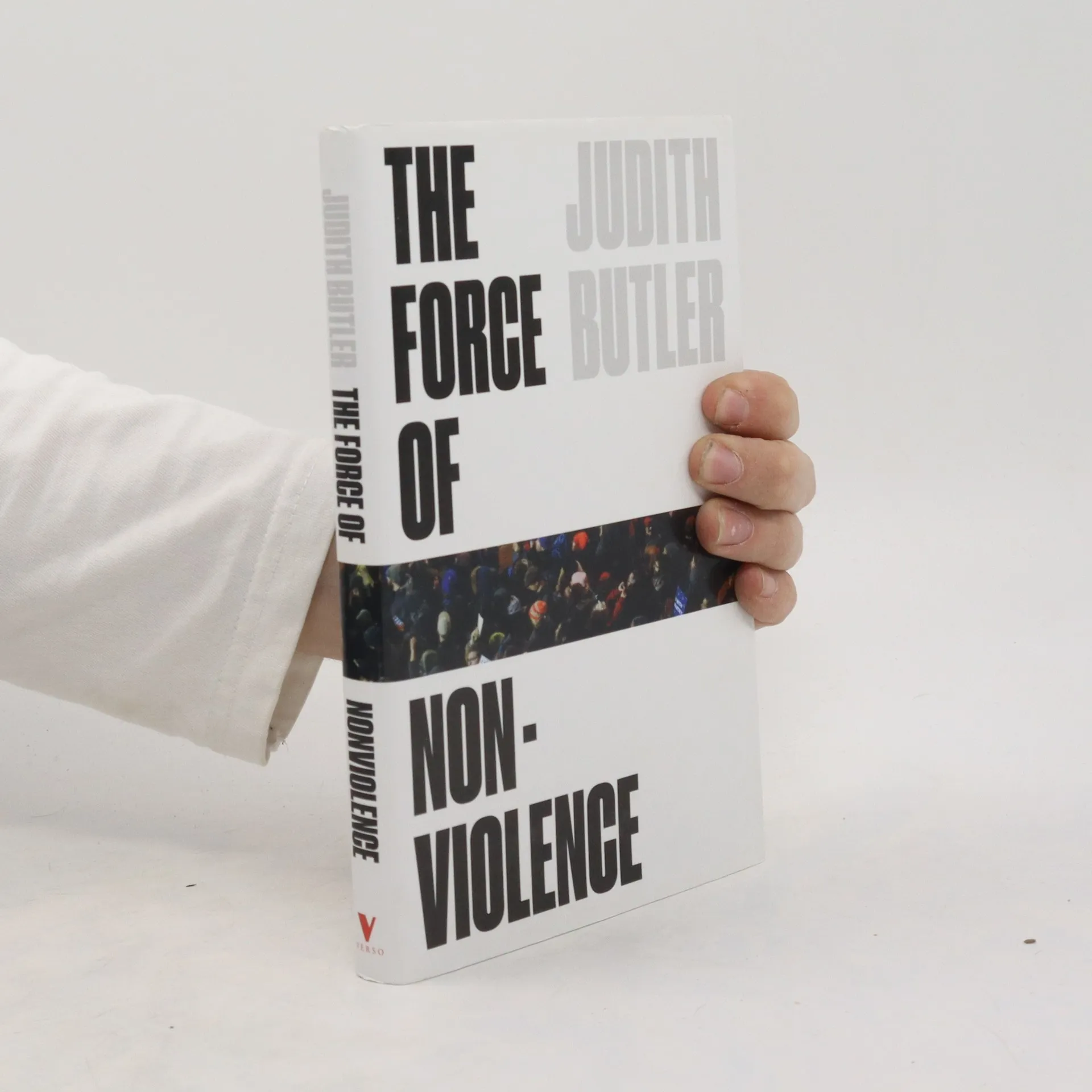
The Force of Nonviolence
- 224bladzijden
- 8 uur lezen
Situating non-violence at the intersection of ethics and politics, this work highlights the ethical dilemmas that arise in the context of violence. Non-violence is often misinterpreted as a passive stance or an individualistic ethic disconnected from power dynamics. The author advocates for a more assertive form of non-violence that grapples with internal conflicts while striving for ideals of inter-dependency and equality. By critiquing individualism, the ethical and political dimensions of non-violence can be better understood alongside the principles of equality and the need for grievability. Drawing on the insights of Foucault, Fanon, Freud, and Benjamin, the text argues that opposing violence today necessitates an awareness of its various forms, including how society regulates the grievability of lives. It examines how "racial and demographic phantasms" influence state violence and the neglect of marginalized lives, leading to systemic "letting die." The pursuit of non-violence is framed within resistance movements that redirect aggression towards constructive ends, ultimately affirming the potential for radical egalitarian politics.
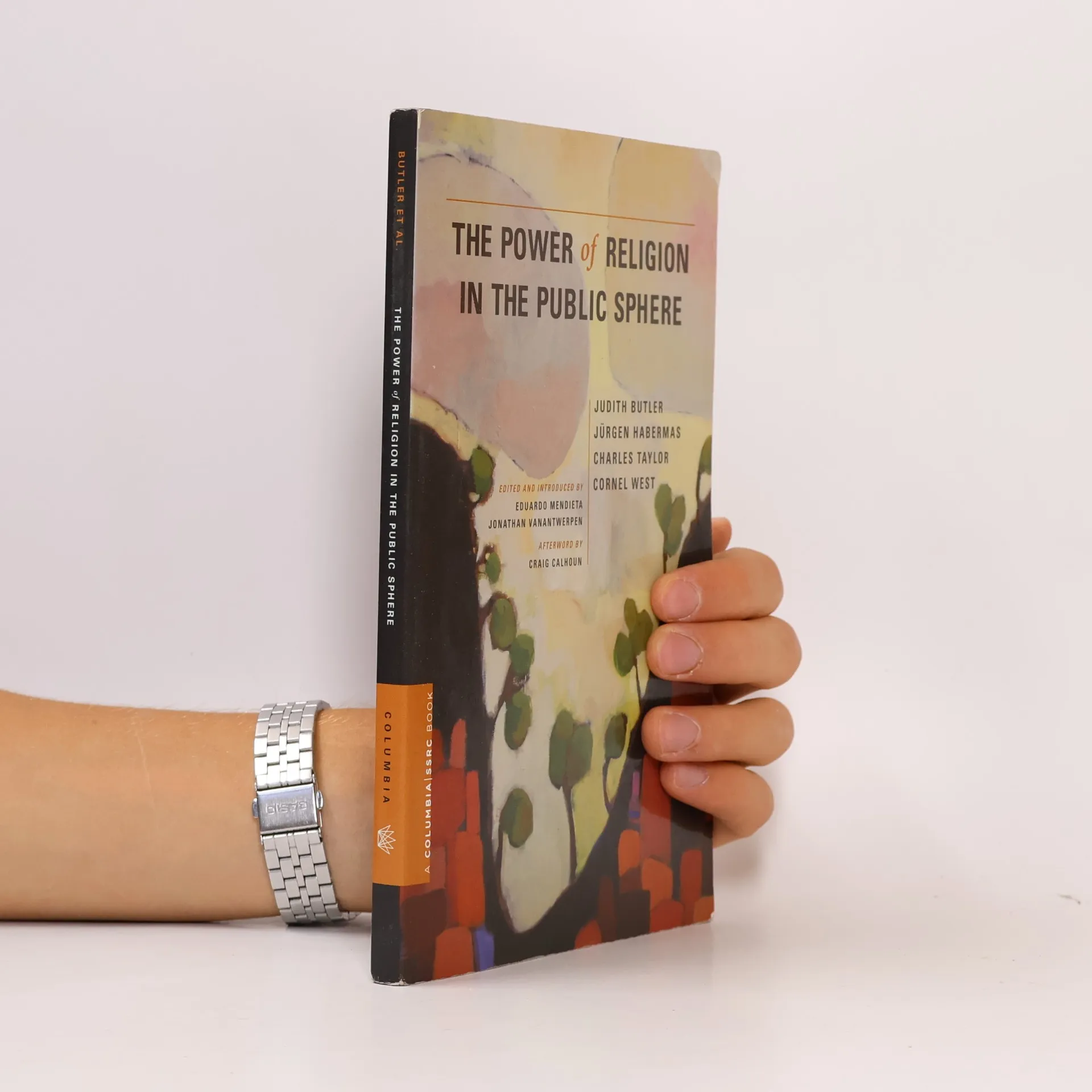
Eduardo Mendieta is professor of philosophy at the State University of New York, Stony Brook. --
Who Sings the Nation-State brings together two of America´s foremost critics and two of the most influential theorists of the last decade. Together, they explore the past, present and future of the state in a time of globalization. What is contained in a state has become ever more plural whilst the boundaries of a state have become ever more fluid. No longer does a state naturally come with a nation. In a world of migration and shifting allegiances - caused by cultural, economic, military and climatic change - the state is a more provisional place and its inhabitants more stateless. This spirited and engaging conversation ranges widely across Palestine, what Enlightenment and key contemporary philosophers have to say about the state, who exercises power in today´s world, whether we can have a right to rights, and even what the singing of the Star Spangled Banner in Spanish says about the complex world we live in today.
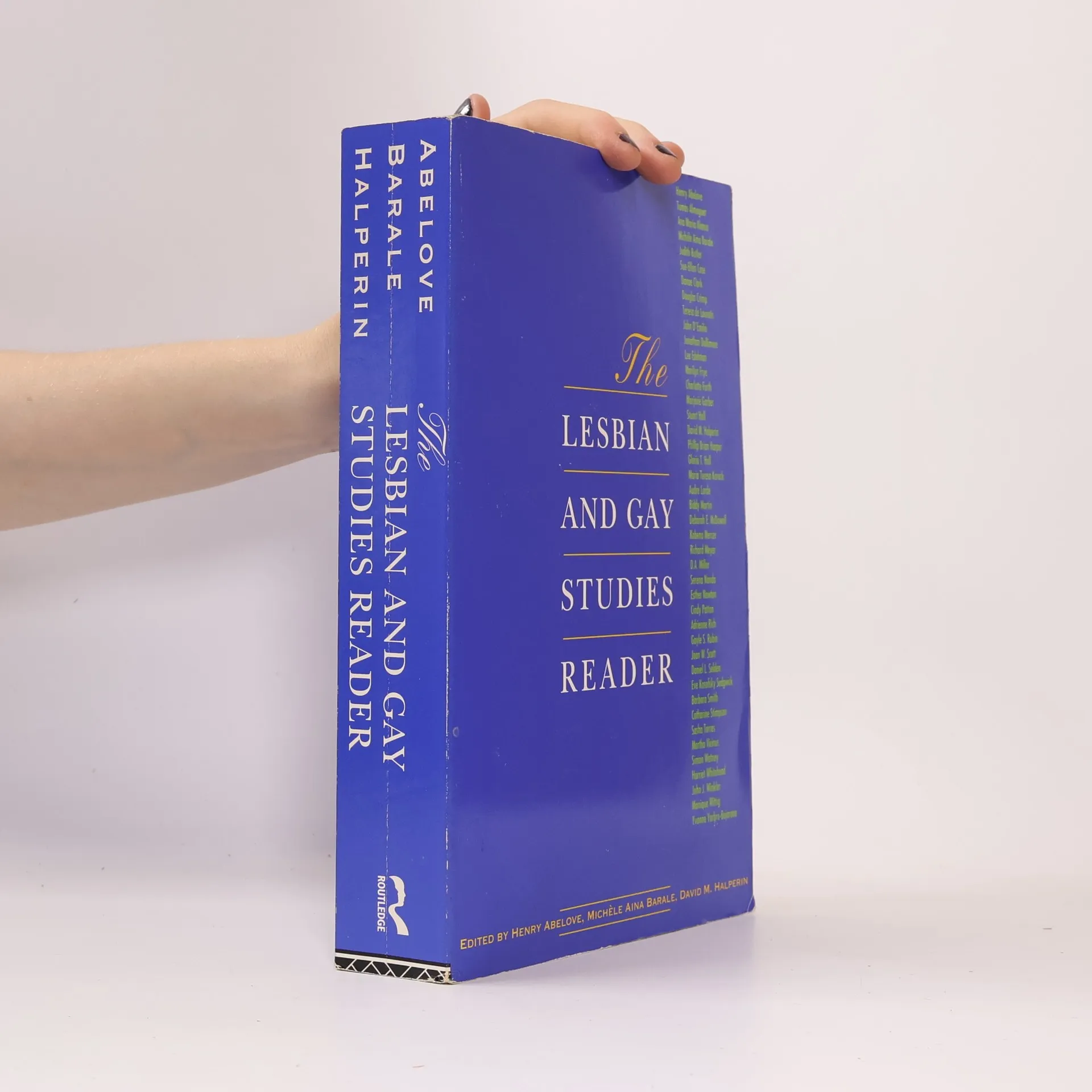
The Lesbian and Gay Studies Reader
- 688bladzijden
- 25 uur lezen
This anthology brings together forty-two influential essays, many regarded as classics, providing a vital overview of contemporary lesbian and gay studies. It showcases the breadth and depth of current scholarship, featuring contributions from esteemed scholars such as Judith Butler, John D'Emilio, and Eve Kosofsky Sedgwick. The essays delve into diverse sexual, ethnic, racial, and socio-economic experiences, reflecting a wide range of disciplines including history, literature, cultural studies, and sociology. The collection addresses significant themes such as gender roles, feminist theory, AIDS, and the politics of representation, while also exploring figures and topics like Oscar Wilde, Gertrude Stein, and the hijras of India. It highlights the cultural construction of gender and sexuality, examining the impact of societal norms on individual identities and experiences. Additionally, the anthology includes an extensive bibliographical essay, serving as a valuable resource for further exploration in the field. The contributions reflect the most important English-language work in lesbian and gay studies, making it an essential read for anyone interested in understanding the complexities of sexual identity and cultural expression.
Dem Problem des prekären, gefährdeten Lebens kommt in Judith Butlers Werk eine zentrale Stellung zu. Dabei wird es stets im Zusammenhang mit den sozialen, diskursiven und geschlechtlichen Normen verhandelt, die das menschliche Leben bis in seine intimsten Facetten prägen und die für abweichende Körper und Lebensformen mitunter tödlich sein können. Auch Frédéric Worms berührt mit seinen Überlegungen zum kritischen Vitalismus, zu Fürsorge und Care-Arbeit aktuelle gesellschaftliche Debatten wie jene zum politischen Umgang mit Geflüchteten. In diesem Band erkunden die beiden Philosophen die Aporien und Ambivalenzen in ihrer Erörterung der Fragen: Was ist ein erträgliches Leben? Unter welchen Umständen lässt sich ein Leben (nicht mehr) aufrechterhalten? Wann wird ein gefährdetes Leben unmöglich?
Sinn und Sinnlichkeit des Subjekts
- 250bladzijden
- 9 uur lezen
In "Sinne des Subjekts" untersucht Judith Butler, wie Trauer, Liebe und Hass das Selbst prägen. Sie analysiert die Rolle sozialer Kräfte und Sprache in der Handlungsmacht des Subjekts. Durch den Dialog mit Denkern wie Spinoza und Freud entwickelt sie eine Ethik, die auf der Affizierbarkeit des Körpers basiert.
Gewaltlosigkeit wird häufig als eine Praxis der Passivität verstanden, welche die ethische Einstellung sanftmütiger Einzelpersonen gegenüber existierenden Formen von Macht reflektiert. Dieses Verständnis ist falsch, wie Judith Butler darlegt. Denn Gewaltlosigkeit kann durchaus eine aktive, ja aggressive Form annehmen. Mit Freud und Benjamin macht sie deutlich, dass wir grundsätzlicher fragen müssen: Wer sind wir und in welcher Welt wollen wir leben? Butlers kraftvolle Antwort lautet: in einer Welt radikaler sozialer Gleichheit, die getragen ist von der Einsicht in die Abhängigkeiten und Verletzlichkeiten menschlicher Existenz. Diese Welt gilt es, gemeinsam im politischen Feld zu erkämpfen – gewaltlos und mit aller Macht.
Antigones Verlangen
- 120bladzijden
- 5 uur lezen
Antigone zwischen der Pflicht gegenüber dem unbestatteten Bruder und der Staatsräson: Das ist - nach Hegel und anderen - das zentrale Thema der Sophokles'schen Antigone. Dieser politischen Interpretation steht die psychoanalytische zur Seite: Für Freud oder Levi-Strauss steht die ödipus-Sage im Dienst der Verwurzelung verwandtschaftlicher Strukturen in Inzesttabu und Heterosexualität. Solchen staatstragenden Lektüren setzt Judith Butler, ausgehend von der Uneindeutigkeit der Verwandtschaftsbeziehungen, eine subversive Antigone entgegen. Zugleich Tochter und Schwester des ödipus, verhindert ihr Liebesdienst an dem toten Bruder die Vereinigung mit dem Geliebten. Ist Antigone ein Modell für neue Verwandtschaftsformen? Für Familien etwa mit nur einem Elternteil oder deren zwei, aber mit demselben biologischen Geschlecht?
Marx ökologisch
Pariser Marxlektüren
Marx neu lesen und vor allem wissen, wie man ihn aktualisiert. Ausgehend von der Auffassung der Natur als „anorganischem Körper“ des Menschen, die der junge Marx in seinen Manuskripten von 1844 entwickelte, schlägt Judith Butler eine innovative und völlig andere Sicht auf die ökologische Frage vor. Mit der Schärfe, die ihr gesamtes theoretisches Werk kennzeichnet und sie zu einem der Hauptreferenzen des feministischen und queeren Denkens gemacht hat, hinterfragt Butler die Interpretation des frühen Marx, der oft beschuldigt wird, eine anthropozentrische Perspektive zu verwenden. Im zweiten Teil dieser Sammlung von noch unveröffentlichten Schriften untersucht die Autorin den berühmten Brief von Marx an Arnold Ruge aus dem Jahr 1843, um erneut die Rolle der Philosophie als „gnadenlose Kritik“ zu betonen, die in der Lage ist, die bestehende Ordnung ständig zu untergraben.
Judith Butler untersucht die Herausforderungen unserer Zeit, geprägt von Pandemie und Klimakrise. Sie reflektiert über die globale Interdependenz und fragt, wie eine gerechte Welt für alle Menschen geschaffen werden kann. Dabei stützt sie sich auf phänomenologische sowie queer-feministische und antirassistische Ansätze.
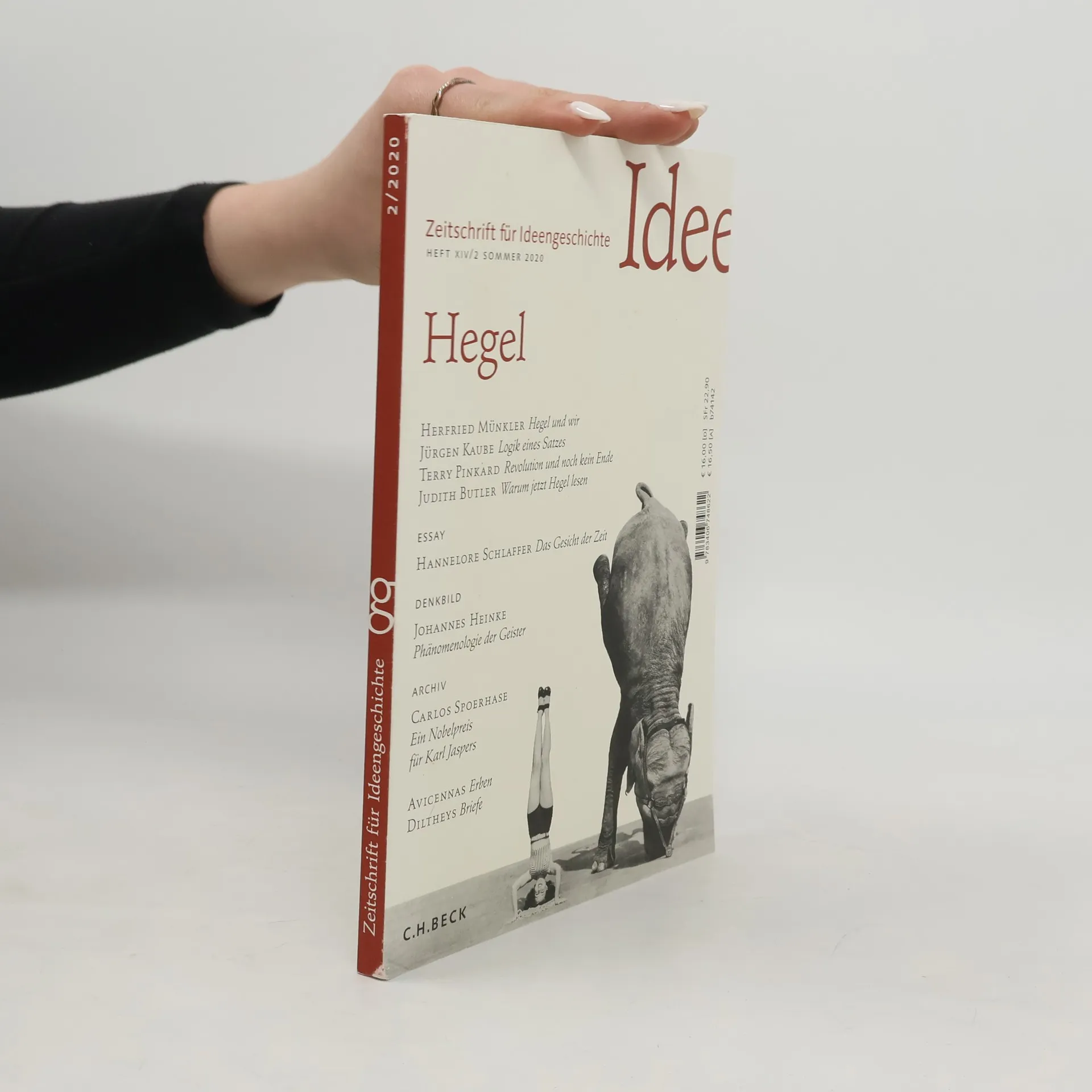
Die "Zeitschrift für Ideengeschichte" fragt nach der veränderlichen Natur von Ideen, seien sie philosophischer, religiöser, politischer oder literarischer Art. Herausragende Fachleute aus allen Geisteswissenschaften gehen in originalbeiträgen der Entstehung, den zahlreichen Metamorphosen, aber auch dem Altern von Ideen nach. Dabei erweist sich manch scheinbar neue Idee als alter Hut. Und umgekehrt gilt es, in Vergessenheit geratene Ideen neu zu entdecken. Die "Zeitschrift für Ideengeschichte" wird von den großen deutschen Forschungsbibliotheken und Archiven in Marbach und Wolfenbüttel, der Klassik Stiftung Weimar, der Stiftung Preußischer Kulturbesitz sowie dem Wissenschaftskolleg zu Berlin gemeinsam getragen. Mögen die Quellen der Zeitschrift im Archiv liegen, so ist ihr intellektueller Zielpunkt die Gegenwart. Sie beschreitet Wege der Überlieferung, um in der Jetztzeit anzukommen; sie stellt Fragen an das Archiv, die uns als Zeitgenossen des 21. Jahrhunderts beschäftigen.
Kontingenz, Hegemonie, Universalität
- 407bladzijden
- 15 uur lezen
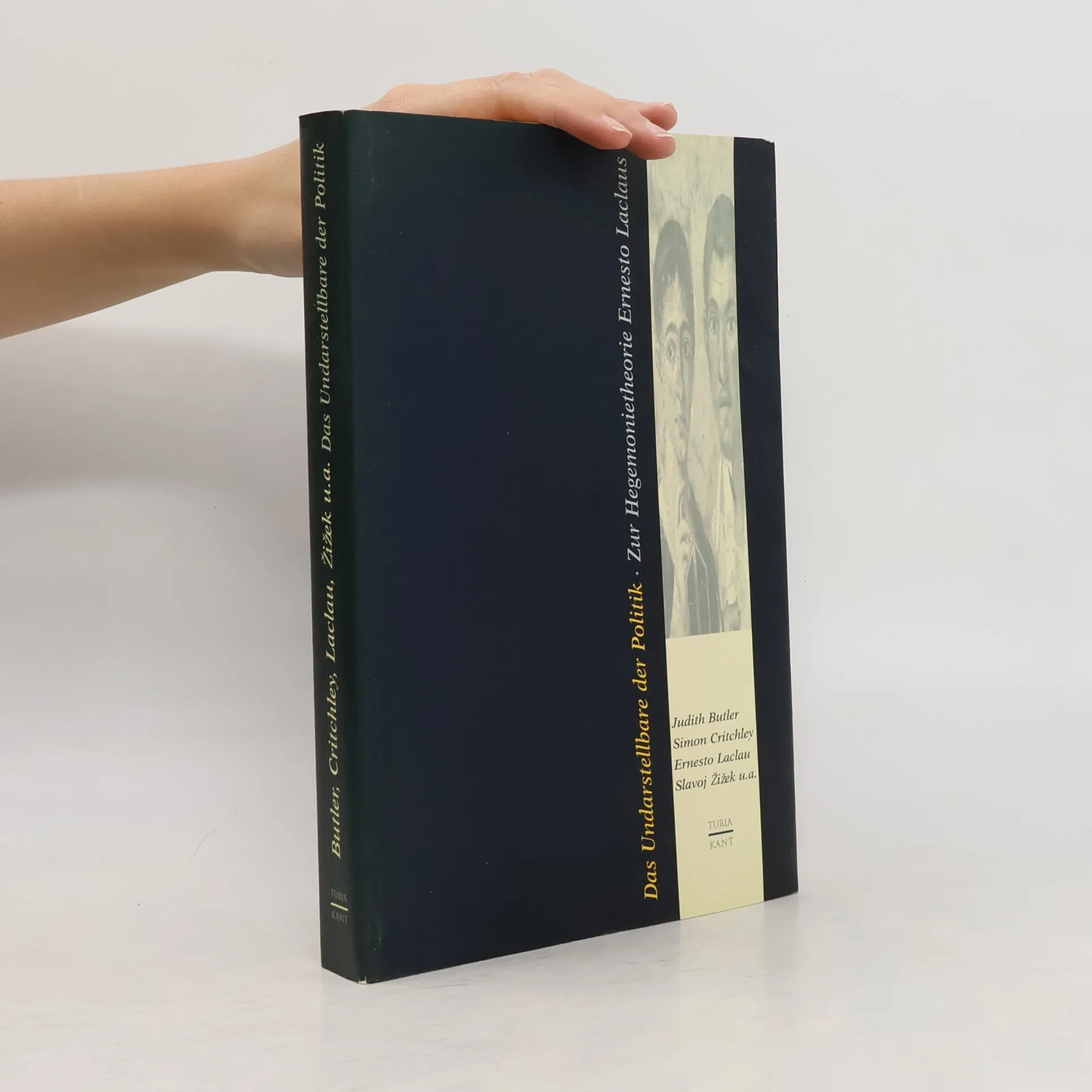
In diesem richtungsweisenden Band begeben sich Judith Butler, Ernesto Laclau und Slavoj Žižek in eine engagierte Debatte über die zentralen Grundfragen und Voraussetzungen ihrer theoretischen Projekte und politischen Einsatzpunkte. Ausgehend von Hegel und Marx, Gramscis Hegemoniebegriff, Lacans Psychoanalyse und poststrukturalistischen Theorien zur Subjektkonstitution diskutieren die AutorInnen in dialogisch verfassten Beiträgen die Perspektiven und Möglichkeiten radikaldemokratischer Theorie und Politik in der gegenwärtigen Welt.
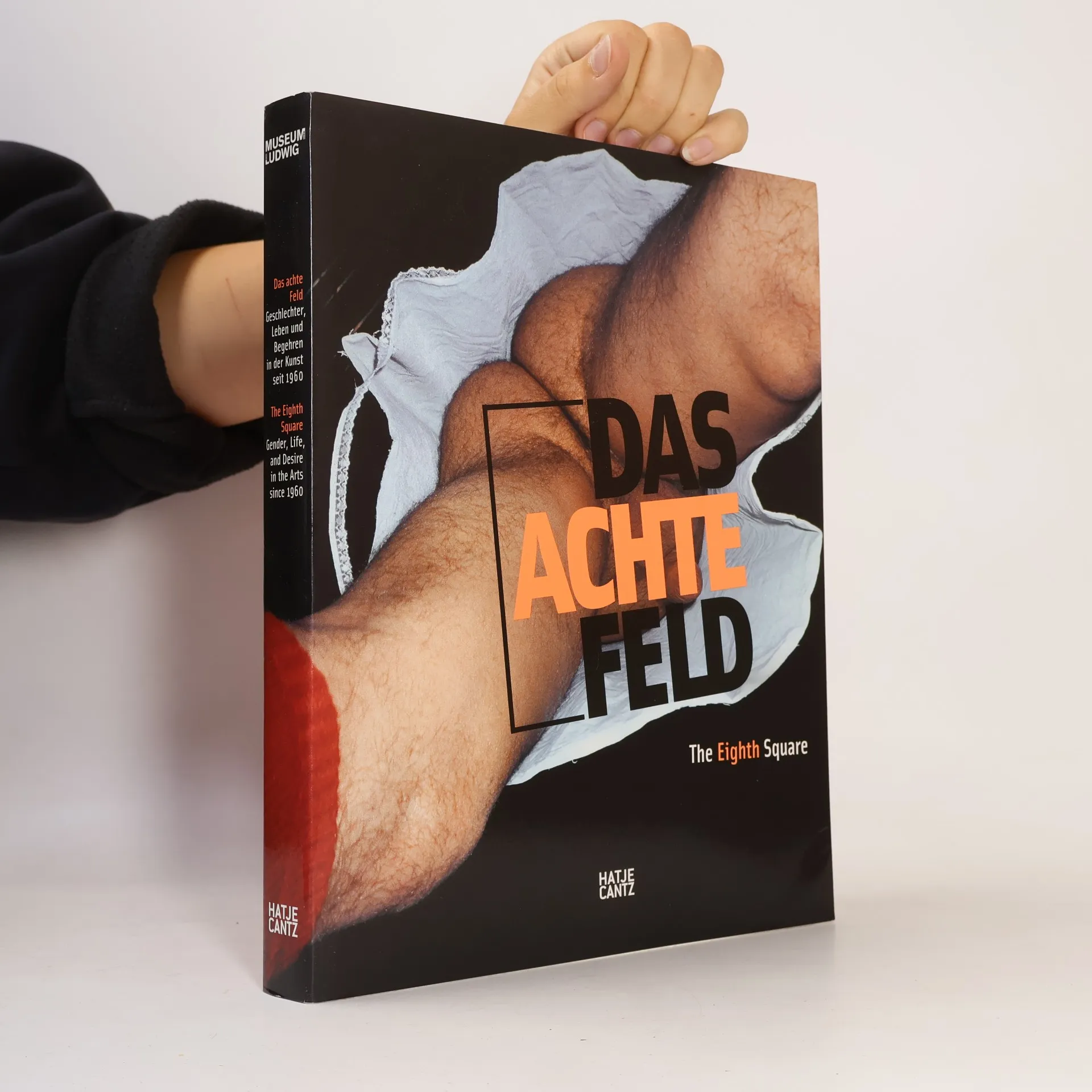
Museum Ludwig: Das achte Feld
Geschlechter, Leben und Begehren in der Kunst seit 1960 = The Eighth Square: Gender, Life, and Desire in the Arts Since 1960
- 303bladzijden
- 11 uur lezen
Im Schachspiel kann ein Bauer, der das achte Feld erreicht, gegen eine Figur seiner Wahl getauscht werden, was ihn von einer machtlosen in eine mächtige Figur verwandelt. Diese Metapher spiegelt wider, dass Sexualität weit über Familienpolitik und Medien hinausgeht. Sie umfasst Begehren, Macht, Verführung und Trauer, und entfaltet sich in der Kunst, die die Komplexität des Themas erfasst. Kunst ermöglicht das Spiel mit Geschlechtern und verbotenen Wünschen und thematisiert deren Widersprüchlichkeit. In einer liberalisierten, normalisierten Welt stellt sich die Frage, wie abweichendes Begehren und die Realität für weibliche Männer und männliche Frauen aussehen. Die Ausstellung präsentiert über 80 internationale Künstler und bietet einen neuen Blick auf Drag, Gender, Queerness und Transsexualität, die in all ihren Facetten und erotischen Ausdrucksformen gezeigt werden. Zu den Künstlern zählen Diane Arbus, Nicole Eisenman, Robert Gober, David Hockney, und viele mehr. Die Ausstellung fand im Museum Ludwig Köln statt und beleuchtet historische sowie gesellschaftliche Entwicklungen in der Kunst.
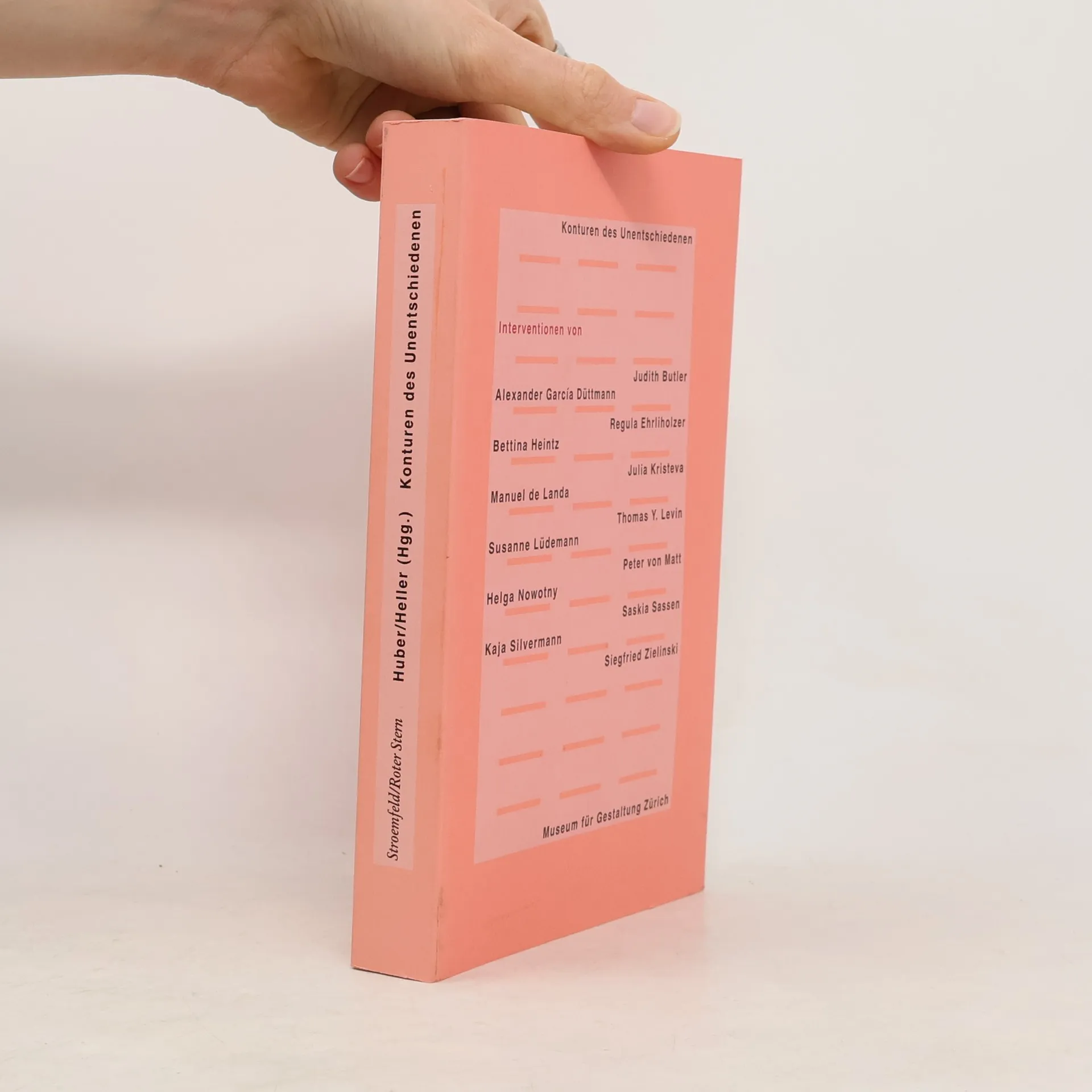
Konturen des Unentschiedenen (Interventionen Band 6) - Museum für Gestaltung Zürich
Sigmund Freud Vorlesung 2014 - 41: Politik des Todestriebes: Der Fall Todesstrafe
- 73bladzijden
- 3 uur lezen