

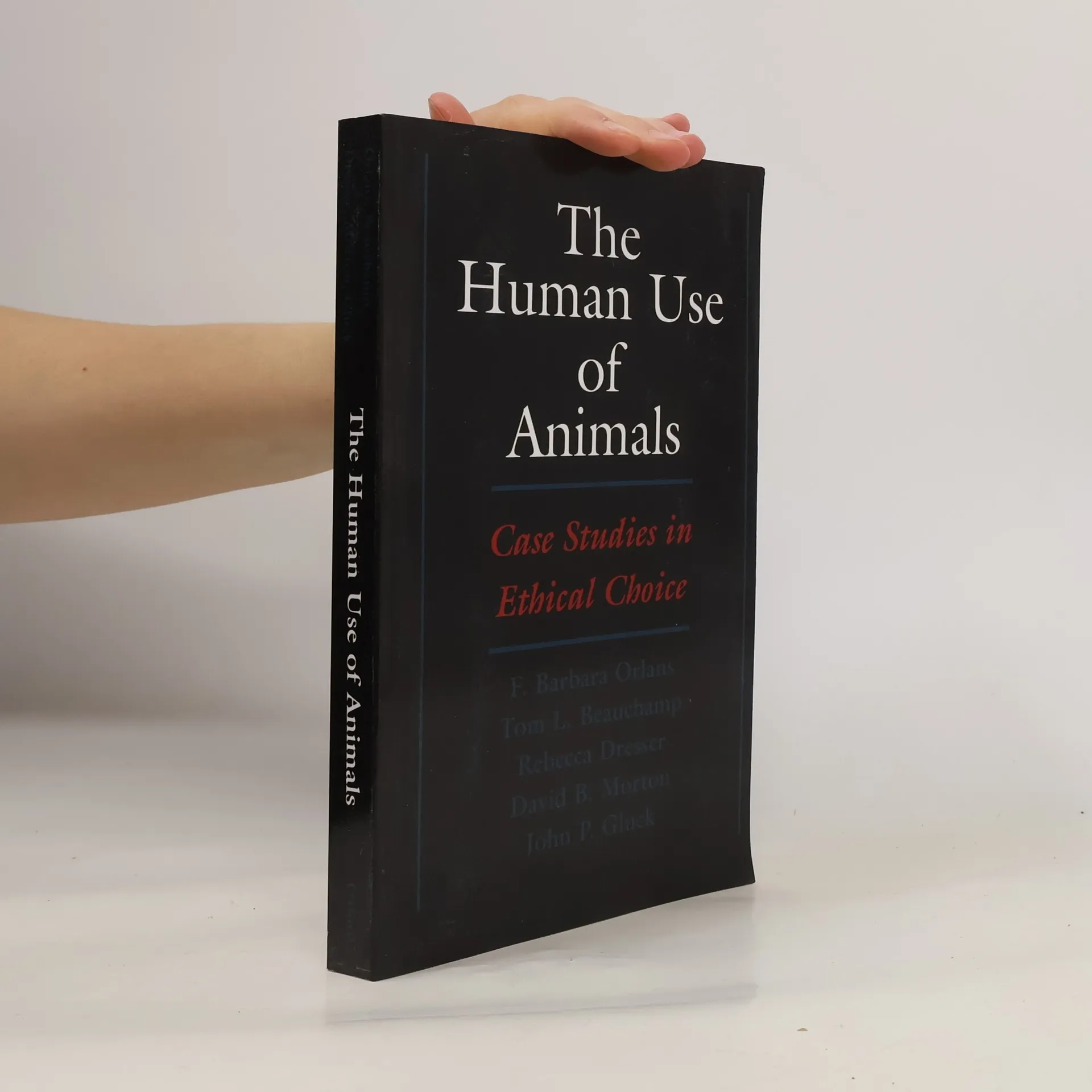
The first set of case studies on animal use, this volume offers a thorough, up-to-date exploration of the moral issues related to animal welfare. Its main purpose is to examine how far it is ethically justifiable to harm animals in order to benefit mankind. An excellent introduction provides a framework for the cases and sets the background of philosophical and moral concepts underlying the subject.Sixteen original, previously unpublished essays cover controversies associated with the human use of animals in a broad range of contexts, including biomedical, behavioral, and wildlife research, cosmetic safety testing, education, the food industry, commerce, and animal use as pets and in religious practices. Scientific research is accorded the closest scrutiny. The authors represent a wide range of expertise within their specialized areas of research--physiology, public policy, ethics, philosophy, law, veterinary science, and psychology. The careful analysis of each case makes it possible to elevate the discourse beyond over-simplified positions, and to demonstrate the complexity of the issues. The Human Use of Animals will be welcomed by students and faculty in law, philosophy, ethics, public policy, religion, medicine, and veterinary medicine. It will also interest activists in the animal protection movement, and members of animal protection organizations and Institutional AnimalCare and Use Committees.
F. Barbara Orlans Boeken
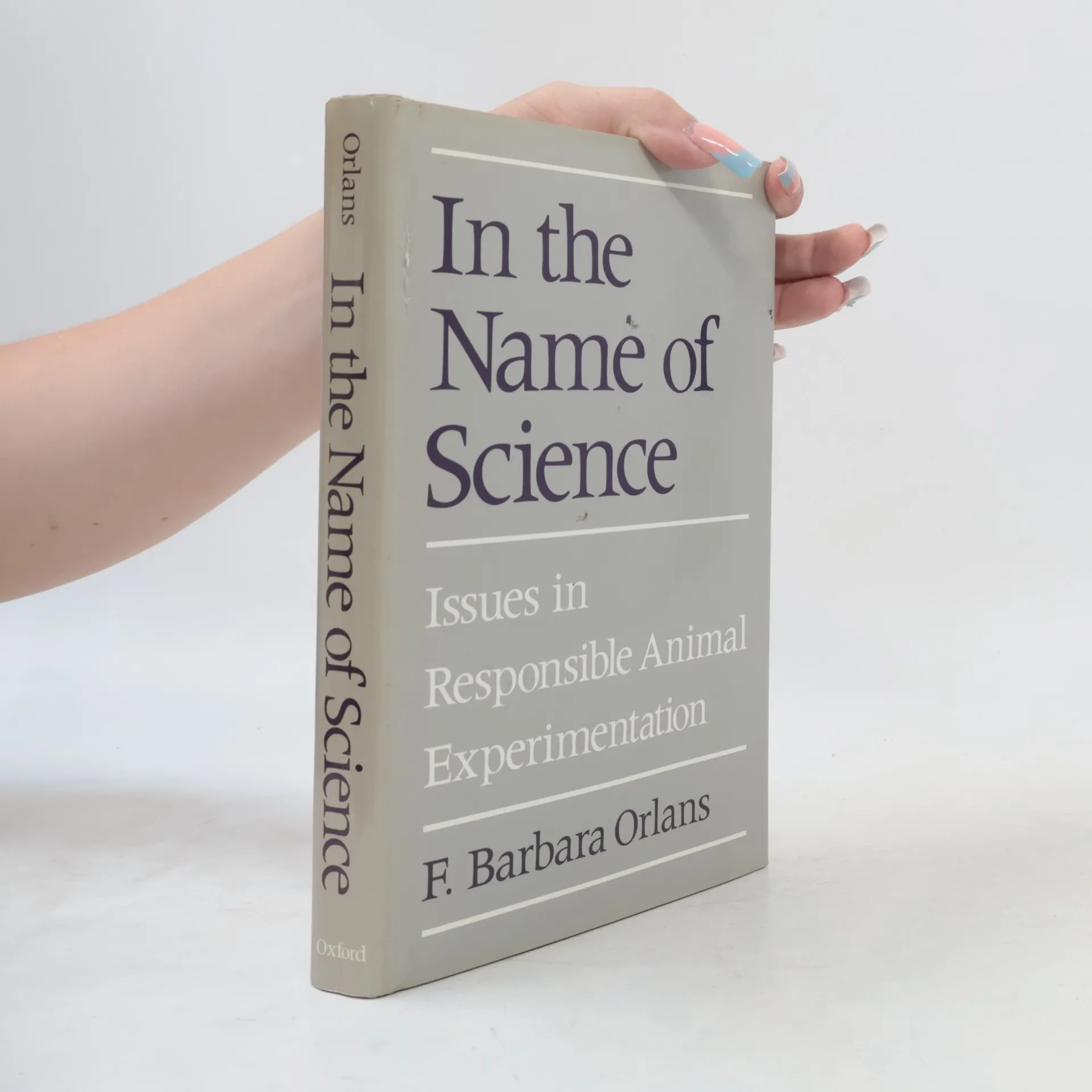
Few arguments in biomedical experimentation have stirred such heated debate in recent years as those raised by animal research. In this comprehensive analysis of the social, political, and ethical conflicts surrounding the use of animals in scientific experiments, F. Barbara Orlans judges both ends of the spectrum in this debate - unconditional approval or rejection of animal experimentation - to be untenable. Instead of arguing for either view, she thoughtfully explores the ground between the extremes, and convincingly makes the case for public policy reforms that serve to improve the welfare of laboratory animals without jeopardizing scientific endeavor. This book presents controversial issues in a balanced manner based on careful historical analysis and original research. Different mechanisms of oversight for animal experiments are compared and those that have worked well are identified. This compelling work will be of interest to biomedical scientists, ethicists, animal welfare advocates and other readers concerned with this critical issue.