

Bookbot

Slawomir Blaut

    Krótki list na długie pożegnanie
    Blaszany bębenek
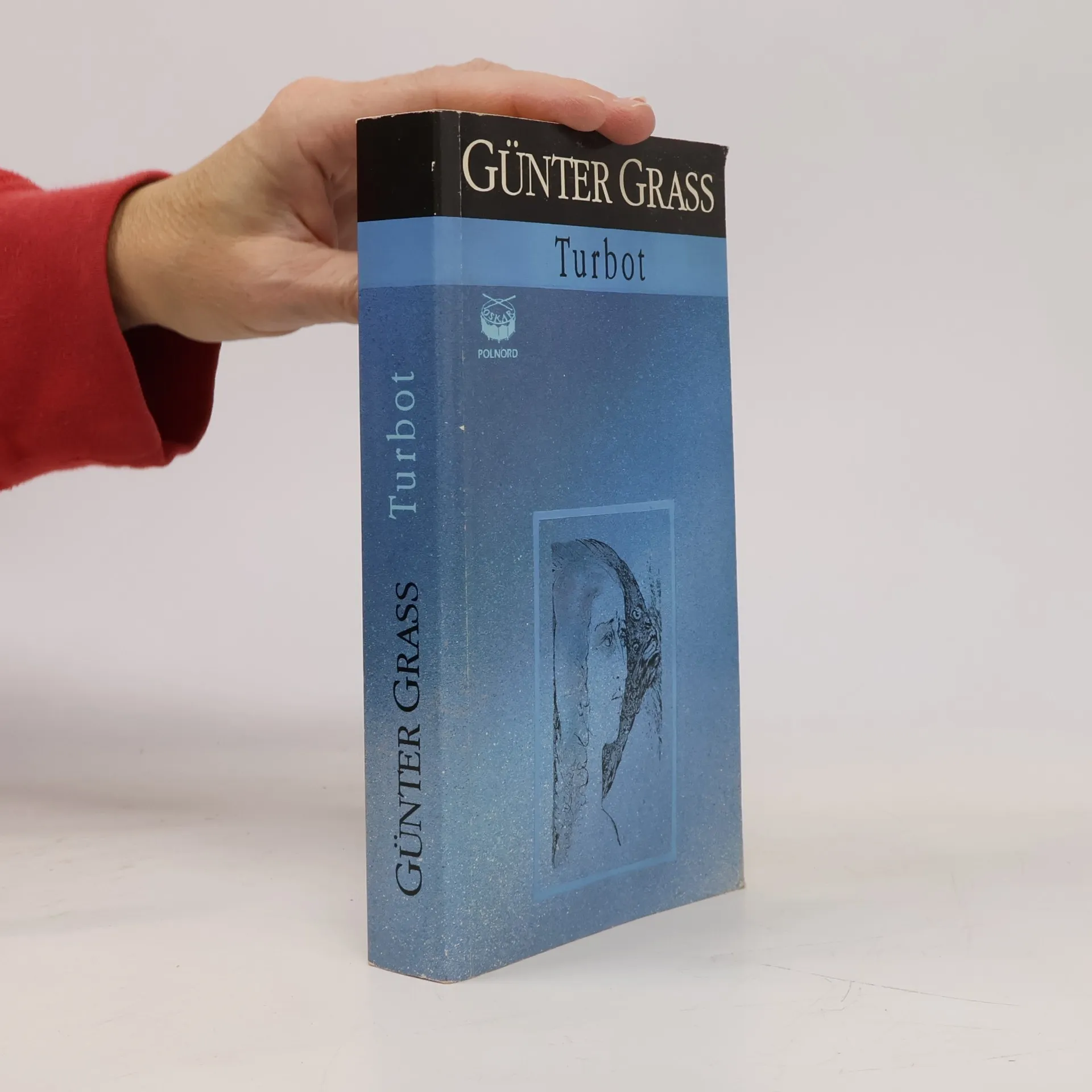
    Turbot
    • Turbot

      • 534bladzijden
      • 19 uur lezen

      Op een mooie zomerdag, tegen het einde van de Jonge Steentijd, vist de visser Edek daar waar duizenden jaren later de stad Danzig zal staan, een ongewone vis uit de Oostzee: een bot die kan spreken, oeroud en alwetend lijkt en de visser van nu af ter zijde wil staan. Net als de vis is voortaan ook de visser onsterfelijk: hij laat het Stenen Tijdperk en de heerschappij der vrouwen achter zich, vindt zichzelf, terwijl het allang de mannen zijn die geschiedenis maken, terug in de schaduw van vrouwen, in hun bed, in de keuken, aan en onder hun rokken. Als schrijver tenslotte, vertelt hij in de jaren zeventig van onze eeuw aan zijn Ilsebil gedurende de negen maanden van haar zwangerschap die hele lange geschiedenis: negen levens, met negen kookvrouwen, door de eeuwen heen. En terwijl hij vertelt, wordt de bot ten tweeden male gevangen, ditmaal door drie vrouwen. In een bioscoop in Berlijn, vastgehouden in een beveiligde zinken badkuip wordt hij voor een feministisch tribunaal gebracht: aangeklaagd als raadgever en begunstiger van de zaak der mannen. In De bot geeft Günter Grass zijn visie op de verhouding man-vrouw, de emancipatie van de vrouw, de rol van de man in de geschiedenis. Grass schrijft een geschiedenis van de mensheid vanaf het begin der tijden tot het heden vanuit het gezichtspunt dat wat mensen doen in grote mate bepaald wordt door wat ze eten. En wie was -traditioneel- verantwoordelijk voor het eten? Door de vermenging van levensgeschiedenissen met tribunaalscènes vlecht Grass het heden, de actualiteit, ineen met een zeer persoonlijke mensgeschiedenis. De bot is buitengewoon aards, Rabelaisiaans epos, barstensvol verhalen, sprookjes, gedichten en recepten, grappen en grollen, woordspelingen en behartigenswaardige gedachten.

      Turbot1995
    • Blaszany bębenek

      • 526bladzijden
      • 19 uur lezen

      Meet Oskar Matzerath, "the eternal three-year-old drummer." On the morning of his third birthday, dressed in a striped pullover and patent leather shoes, and clutching his drumsticks and his new tin drum, young Oskar makes an irrevocable decision: "It was then that I declared, resolved, and determined that I would never under any circumstances be a politician, much less a grocer; that I would stop right there, remain as I was--and so I did; for many years I not only stayed the same size but clung to the same attire." Here is a Peter Pan story with a vengeance. But instead of Never-Never Land, Günter Grass gives us Danzig, a contested city on the Polish-German border; instead of Captain Hook and his pirates, we have the Nazis. And in place of Peter himself is Oskar, a twisted <i>puer aeternis</i> with a scream that can shatter glass and a drum rather than a shadow. First published in 1959, <i>The Tin Drum</i>'s depiction of the Nazi era created a furor in Germany, for the world of Grass's making is rife with corrupt politicians and brutal grocers in brown shirts: <blockquote> There was once a grocer who closed his store one day in November, because something was doing in town; taking his son Oskar by the hand, he boarded a Number 5 streetcar and rode to the Langasser Gate, because there as in Zoppot and Langfuhr the synagogue was on fire. The synagogue had almost burned down and the firemen were looking on, taking care that the flames should not spread to other buildings. Outside the wrecked synagogue, men in uniform and others in civilian clothes piled up books, ritual objects, and strange kinds of cloth. The mound was set on fire and the grocer took advantage of the opportunity to warm his fingers and his feelings over the public blaze. </blockquote> As Oskar grows older (though not taller), portents of war transform into the thing itself. Danzig is the first casualty when, in the summer of 1939, residents turn against each other in a pitched battle between Poles and Germans. In the years that follow, Oskar goes from one picaresque adventure to the next--he joins a troupe of traveling musicians; he becomes the leader of a group of anarchists; he falls in love; he becomes a recording artist--until some time after the war, he is convicted of murder and confined to a mental hospital. <p> <i>The Tin Drum</i> uses savage comedy and a stiff dose of magical realism to capture not only the madness of war, but also the black cancer at the heart of humanity that allows such degradations to occur. Grass wields his humor like a knife--yes, he'll make you laugh, but he'll make you bleed, as well. There have been many novels written about World War II, but only a handful can truly be called great; <i>The Tin Drum</i>, without a doubt, is one. <i>--Alix Wilber</i></p>

      Blaszany bębenek1991