

In just over two centuries, America has transformed from a regional power to a hyperpower, raising questions about its ability to maintain dominance or if it is already in decline. While historians have long debated the rise and fall of empires, the phenomenon of hyperpowers—societies with extraordinary military and economic might—has been less explored. This sweeping history delves into the hyperpowers of Persia, Rome, Tang China, the Mongols, the Dutch, the British, and the United States, revealing the reasons for their successes and the roots of their eventual downfalls. A striking pattern emerges: each of these dominant powers was, by the standards of its time, remarkably pluralistic and tolerant, thriving by harnessing diverse talents. For instance, Rome allowed individuals from various backgrounds to ascend to power, while the Mongols conquered vast territories through their unprecedented ethnic and religious tolerance. In contrast, regimes like Nazi Germany and imperial Japan, marked by intolerance, failed to achieve global dominance. However, the irony lies in the fact that this very multicultural tolerance often sowed the seeds of decline, leading to conflict and violence. The United States exemplifies a power that rose through diversity, yet current concerns about immigration and cultural openness raise questions about its future cohesion. Chua argues that America may have reached a tipping point, suggesting a need f
Marianne Tieleman Volgorde van de boeken (chronologisch)

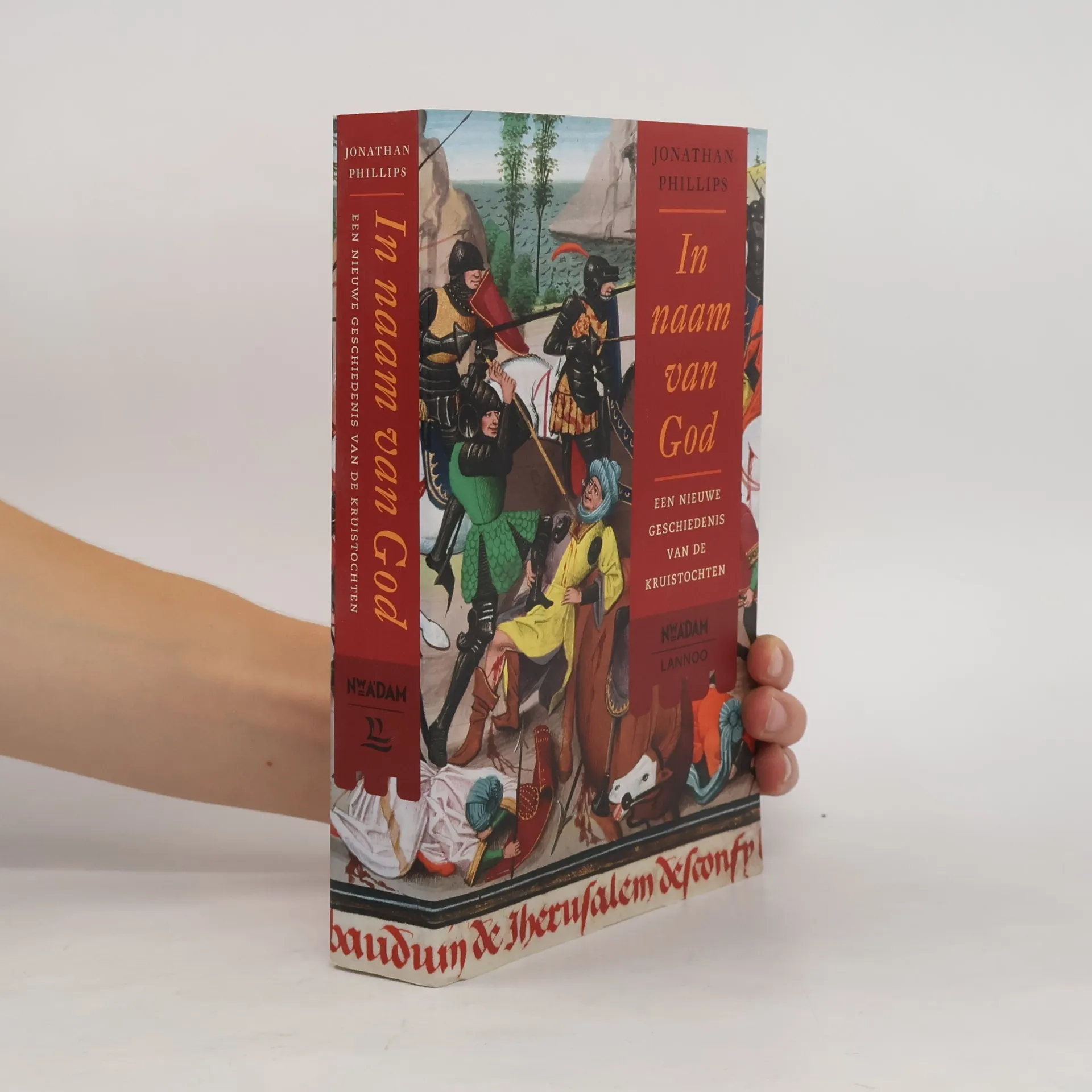
From an internationally renowned expert, this accessible and captivating history of the Crusades is told through the experiences of its diverse players—knights, sultans, kings, poets, Christians, and Muslims. The narrative traces the origins, expansion, decline, and conclusion of the Crusades, while also commenting on their contemporary echoes, from the mysteries of the Templars to the realities of al-Qaeda. Beginning with Pope Urban II’s groundbreaking speech in November 1095, which called for the recovery of Jerusalem, the account explores the centuries-long conflict between two major faiths. Utilizing songs, sermons, narratives, and letters from the period, it reveals how the First Crusade's success inspired kings to seek glory and blurred the lines between chivalry and crusading. In the Muslim world, early jihad calls went unheeded until the charismatic Sultan Saladin brought the struggle to a climax. This history incorporates the holy wars within the broader context of medieval Christendom and Islam, shedding light on forgotten truces and alliances. It also examines how the term “crusade” evolved into the modern era, influencing events from the Spanish Civil War to George W. Bush’s “war on terror.” Elegantly written and compelling, this work is essential for understanding medieval Europe and the history of religious conflict.