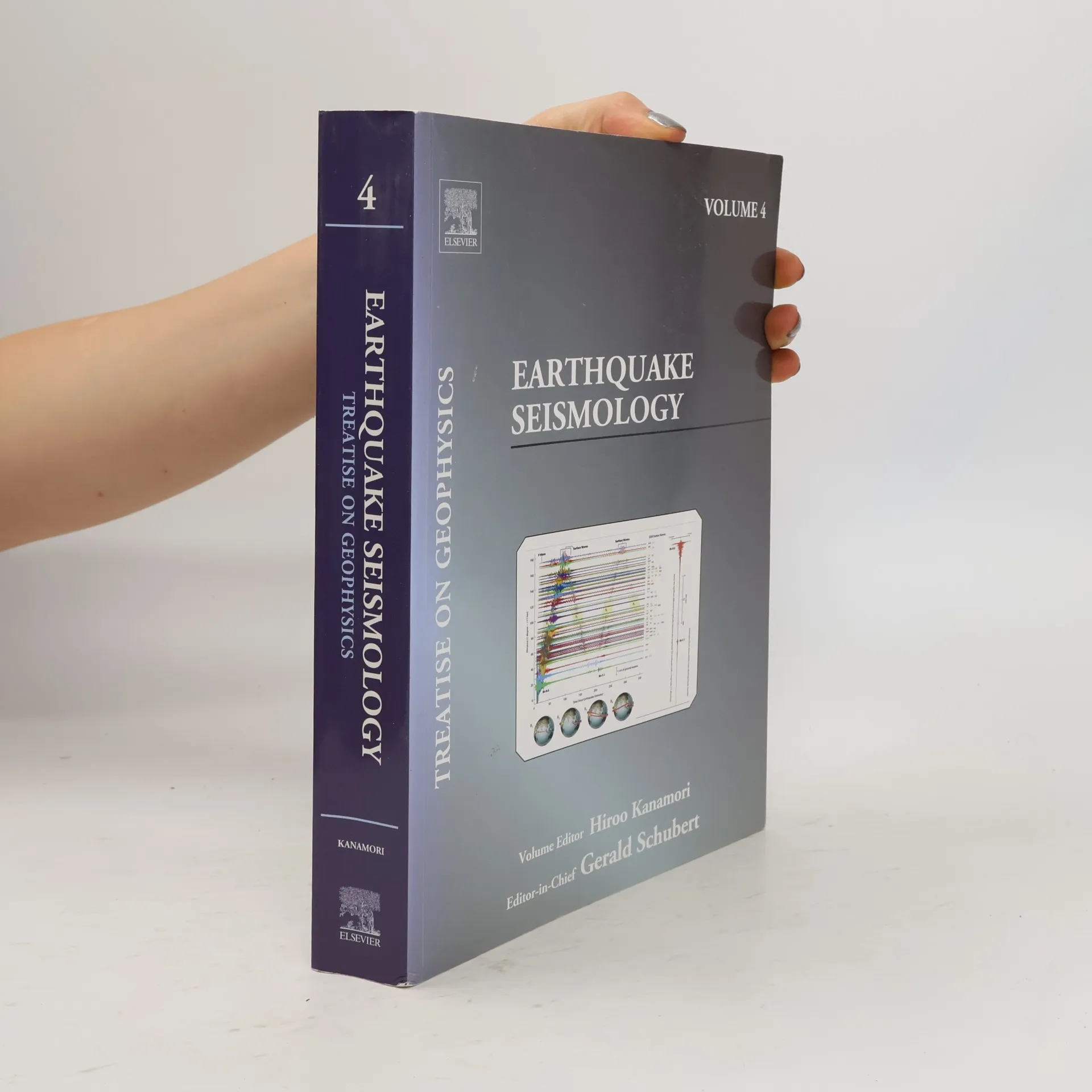
Earthquake Seismology presents the most recent findings on the physics of earthquakes. It includes chapters on seismicity studies from pre-historic periods to the most modern studies on a global scale, deep earthquakes, nucleation, stress transfer, triggering, hydrological processes, and recently discovered slow slips at plate boundaries. It also covers closely related fields including tsunami, volcanic seismology and physics, interaction between solid earth, atmosphere and ionosphere. Discussions on strong-motion seismology and its social implications are also reviewed. Self-contained volume starts with an overview of the subject then explores each topic with in depth detailExtensive reference lists and cross references with other volumes to facilitate further researchFull-color figures and tables support the text and aid in understandingContent suited for both the expert and non-expert
Gerald Schubert Volgorde van de boeken (chronologisch)


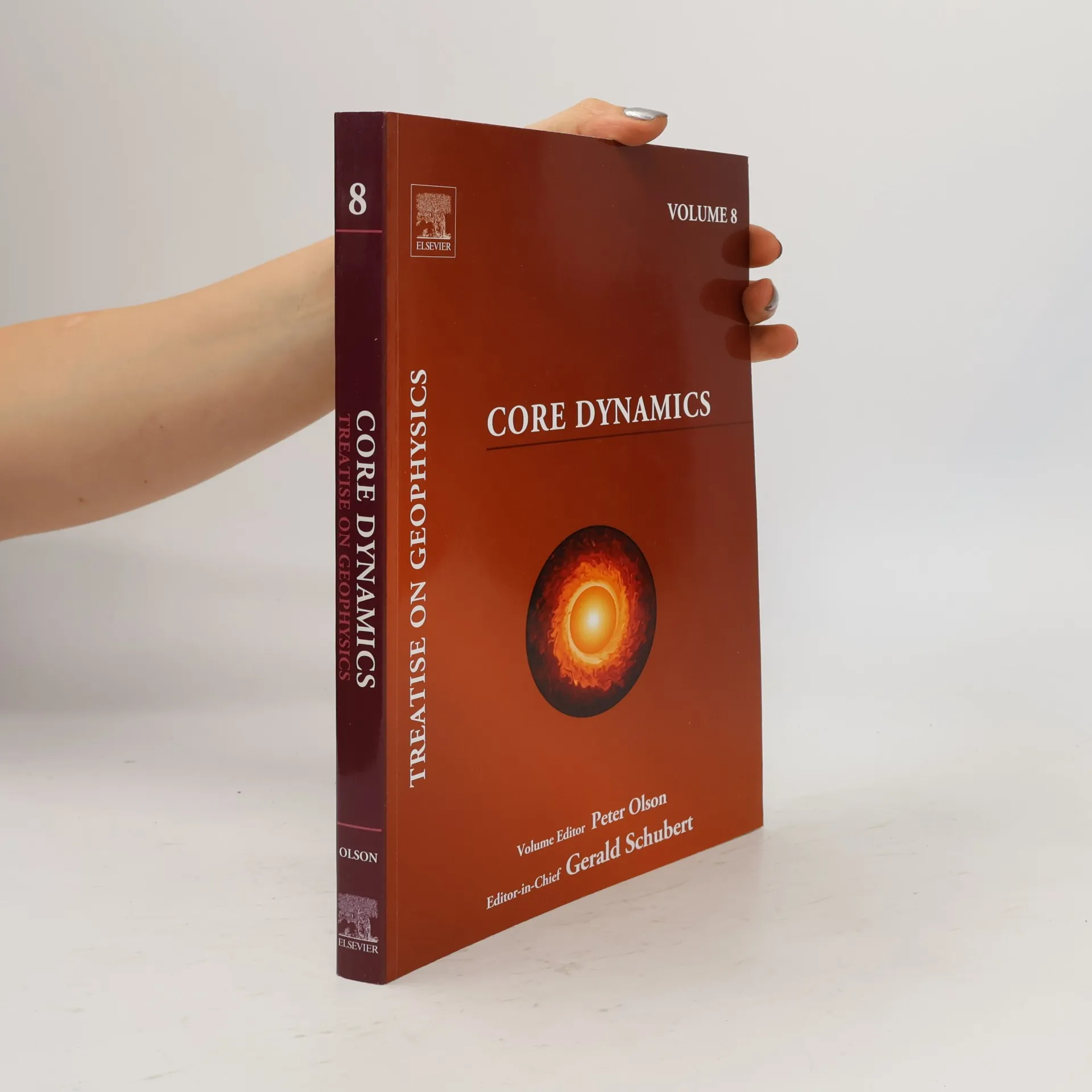
Treaties on Core Dynamics, Volume 8 , provides a comprehensive review of the current state of understanding of core dynamics. The book begins by analyzing a subject of long-standing and on-going the gross energetics of the core. It then explains the important elements of dynamo theory; actual fluid motions in the core; the basic physical principles involved in thermochemical convection in the core and the basic equations governing the convection; and turbulence and the small-scale dynamics of the core. This is followed by discussions of the state of knowledge on rotation-induced core flows; the use of first-principles numerical models of self-sustaining fluid dynamos; and the behavior of polarity reversals in numerical dynamo models. The remaining chapters cover the various roles the inner core plays in core dynamics and the geodynamo; experiments that have shaped knowledge about the flows in the core that produce the geodynamo and govern its evolution; and ways the mantle can affect core dynamics, and corresponding ways the core can affect the mantle.
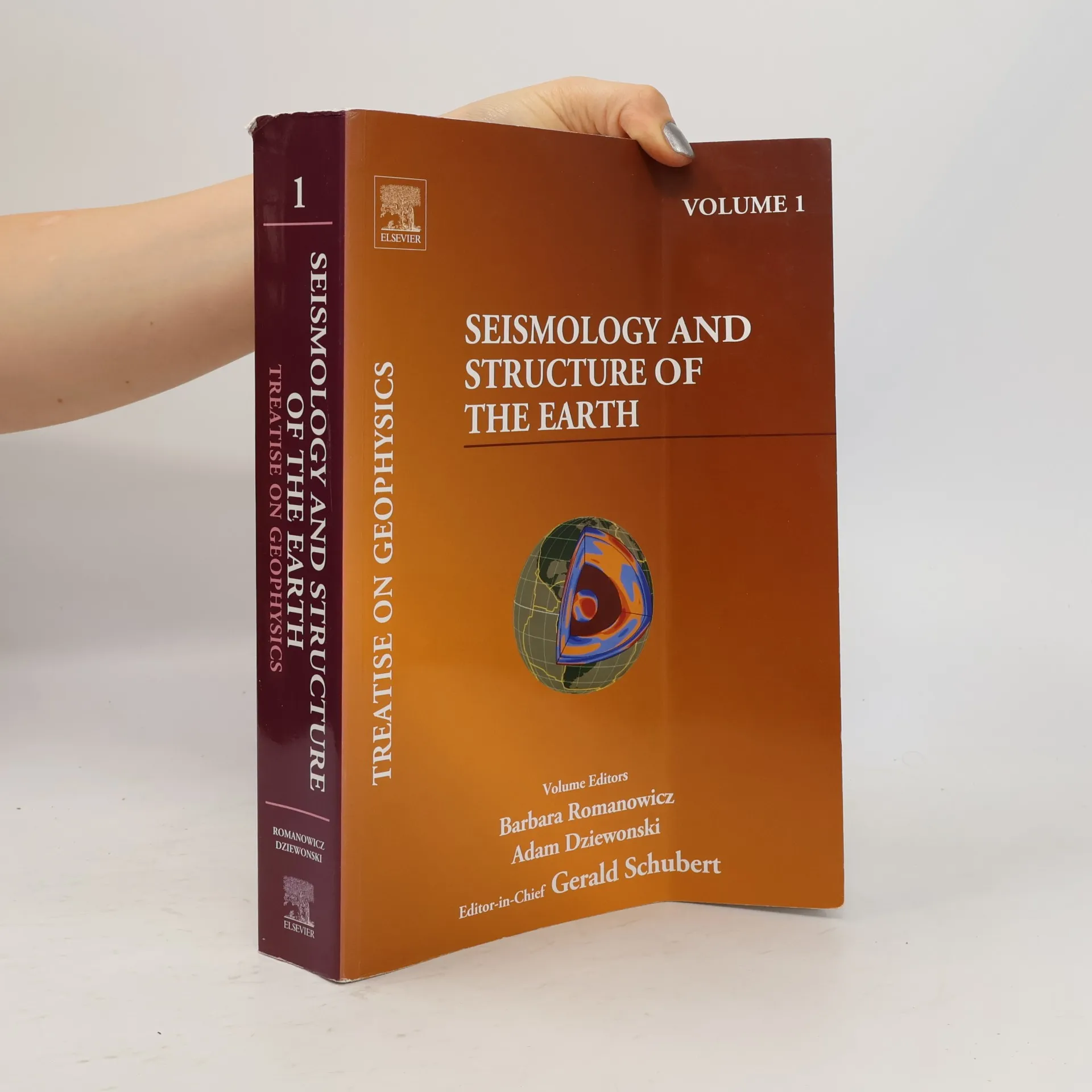
Treatise on Seismology and Structure of the Earth, Volume 1, provides a comprehensive review of the state of knowledge on the Earths structure and earthquakes. It addresses various aspects of structural seismology and its applications to other fields of Earth sciences. The book is organized into four parts. The first part principally covers theoretical developments and seismic data analysis techniques from the end of the nineteenth century until the present, with the main emphasis on the development of instrumentation and its deployment. The second part reviews the status of knowledge on the structure of the Earths shallow layers, starting with a global review of the Earth's crustal structure. The third part focuses on the Earth's deep structure, divided into its main the upper mantle, the transition zone and upper-mantle discontinuities, the D region at the base of the mantle, and the Earth's core. The fourth part comprises two chapters which discuss constraints on Earth structure from fields other than mineral physics and geodynamics.
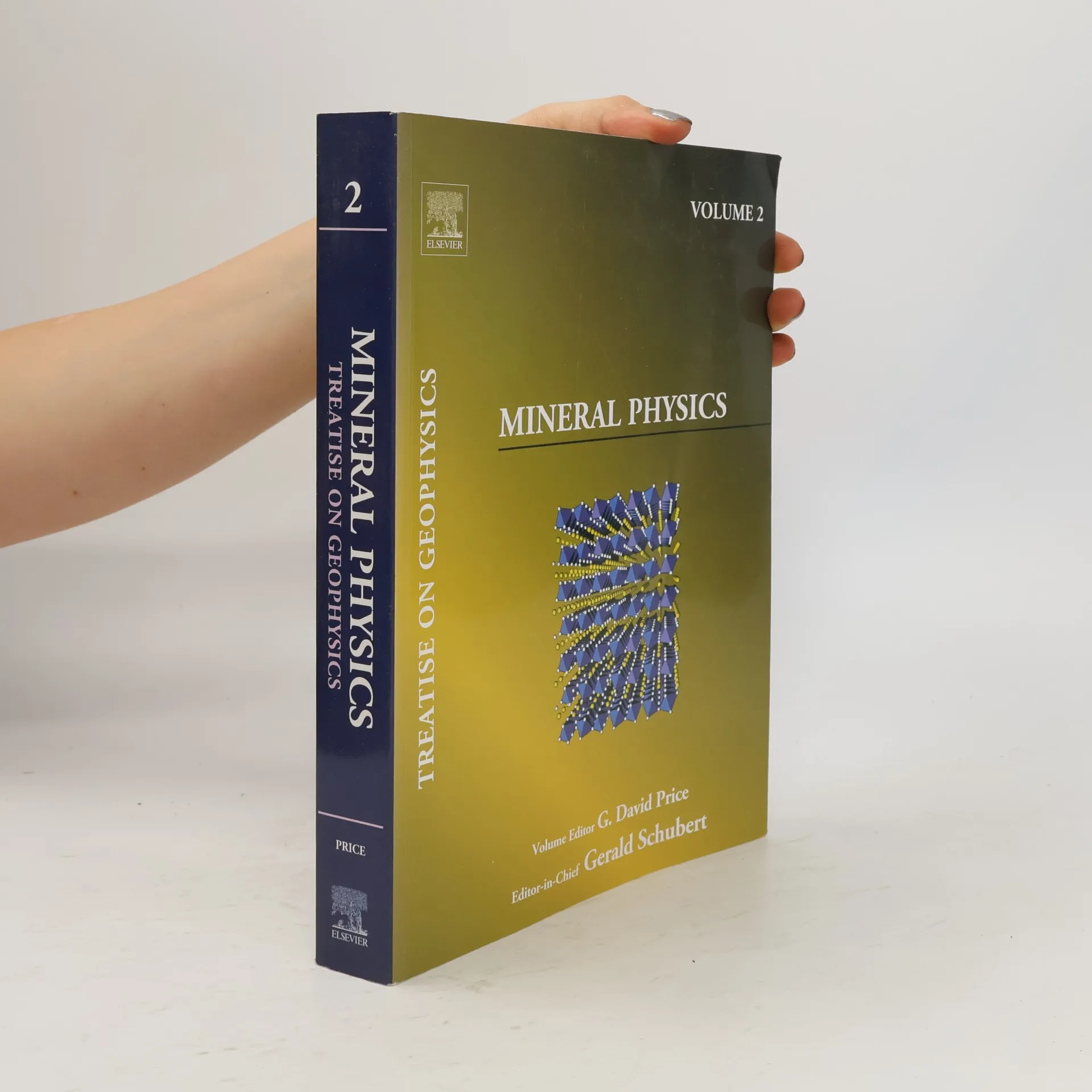
This volume offers a thorough review of the current understanding of mineral physics, showcasing significant advancements in the field while identifying unresolved issues that require further investigation. It begins by examining our knowledge of the deep Earth, including the seismic properties of rocks and minerals, challenges related to the lower mantle and core-mantle boundary, and insights into mantle chemistry and core evolution. The text then delves into the theoretical foundations of high-pressure, high-temperature physics and explores major experimental techniques developed to investigate these conditions. Subsequent chapters detail specific methods for measuring elastic and acoustic properties, electronic and magnetic characteristics, and rheological properties. Additionally, it addresses the nature and origin of anisotropy within the Earth, the properties of melt, and the magnetic and electrical attributes of mantle phases. This self-contained volume starts with an overview and proceeds to explore each topic in depth, featuring extensive reference lists and cross-references to facilitate further research. Full-color figures and tables enhance comprehension, making the content accessible to both experts and non-experts alike.
Treatise on Mantle Dynamics, Volume 7 aims to provide both a classical and state-of-the-art introduction to the methods and science of mantle dynamics, as well as survey leading order problems (both solved and unsolved) and current understanding of how the mantle works. It is organized around two (1) how is mantle convection studied; and (2) what do we understand about mantle dynamics to date. The first four chapters are thus concerned with pedagogical reviews of the physics of mantle convection; laboratory studies of the fluid dynamics of convection relevant to the mantle; theoretical analysis of mantle dynamics; and numerical analysis and methods of mantle convection. The subsequent chapters concentrate on leading issues of mantle convection itself, which include the energy budget of the mantle; the upper mantle and lithosphere in and near the spreading center (mid-ocean ridge) environment; the dynamics of subducting slabs; hot spots, melting anomalies, and mantle plumes; and finally, geochemical mantle dynamics and mixing.
Treatise on Geophysics - 6: Crust and Lithosphere Dynamics
- 7000bladzijden
- 245 uur lezen
Crust and Lithosphere Dynamics brings together the results of studies that are fundamental to our understanding of crust and lithosphere dynamics. It begins with a discussion of plate kinematics and mechanics. Then it considers the evidence from surface heat flow, stress measurements, and magmatism for the thermal and mechanical structure of the lithosphere. Finally, consideration is given to the structural styles of faulting, the deformation of the crust and lithosphere in extensional (e.g. rifting) and compressional (e.g. mountain building) regions, and the implications of plate mechanics for sedimentary basin evolution. Self-contained volume starts with an overview of the subject then explores each topic with in depth detailExtensive reference lists and cross references with other volumes to facilitate further researchFull-color figures and tables support the text and aid in understandingContent suited for both the expert and non-expert
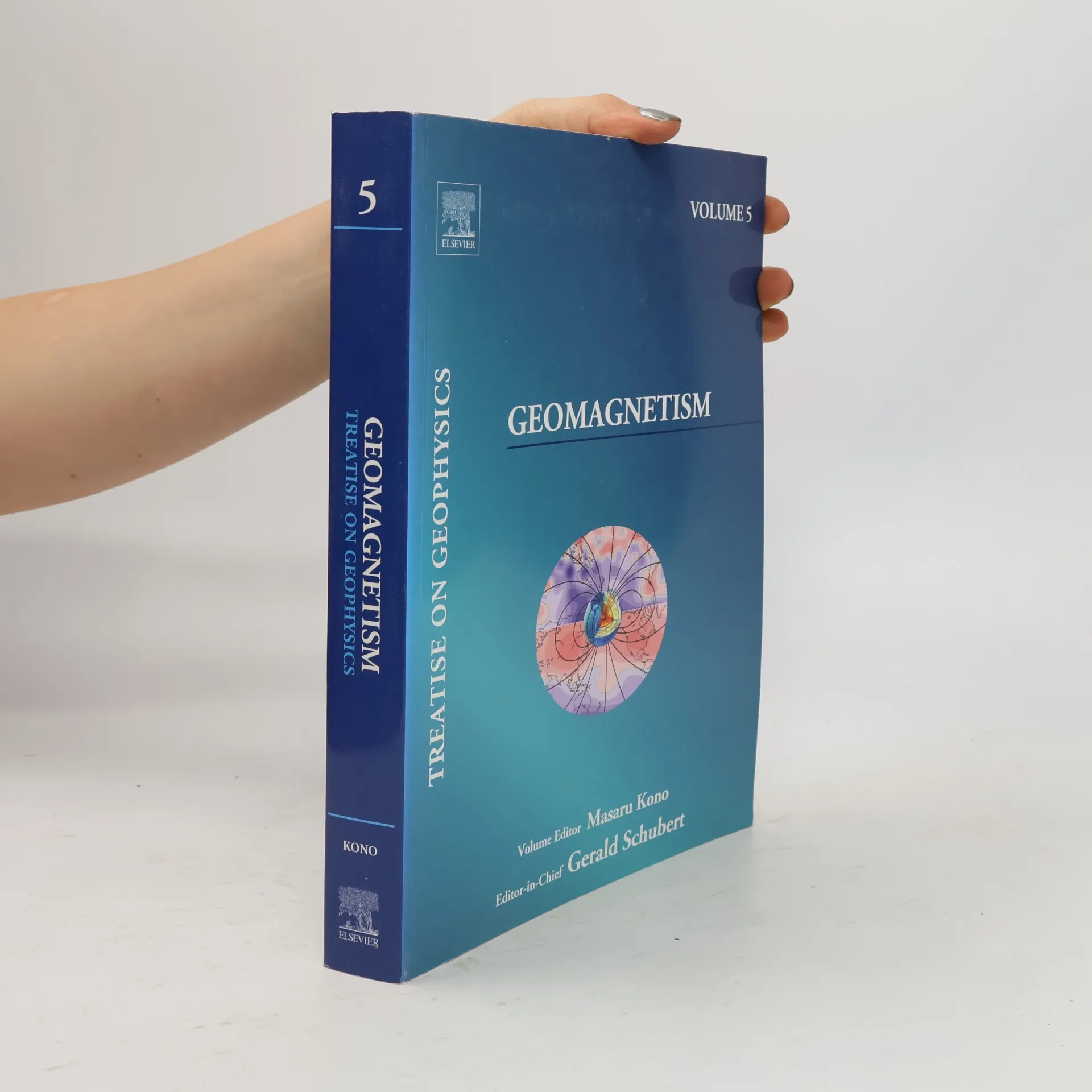
Treatise on Geophysics - 5: Geomagnetism
- 7000bladzijden
- 245 uur lezen
Treatise on Geomagnetism, Volume 5, provides an overview of the most important aspects of geomagnetism. The book begins by tracing the history of the study of geomagnetism. It then reviews global models of the Earth's magnetic field; the main sources of external magnetic field contributions; and the instruments and practices used to observe and measure the full range of features of the geomagnetic field. It discusses the origins of current knowledge of the secular variation of the Earth's magnetic field; crustal magnetism; geomagnetic excursions; the study of geophysical electromagnetic induction; the magnetization process; and the status of recent magnetic field data and their applications. The remaining chapters cover the geometry of the geomagnetic field and its temporal variability as recorded in volcanic and sedimentary rocks over the past few million years; the ocean crust as a recorder of geomagnetic field variations; and the theoretical basis for paleointensity experiments in igneous and sedimentary environments. The final chapter explains the concept of true polar wander (TPW), defined as shifts in the geographic location of Earth's daily rotation axis and/or by fluctuations in the spin rate (length of day anomalies).
Planets and Moons covers topics relating to the physics of the major planetary bodies in the solar system, starting with an introductory description of the solar system and collection of pertinent data, continuing with a discussion of the early history of the planets, and finishing with articles about planet dynamics, thermal evolution of planets and satellites, and descriptions of their magnetic fields and the processes that generate them. In addition to providing a review on the solid planets and the satellites, this volume addresses the interactions of solid surfaces and atmospheres as well as the roles of water and ice in shaping the surfaces of planetary bodies.
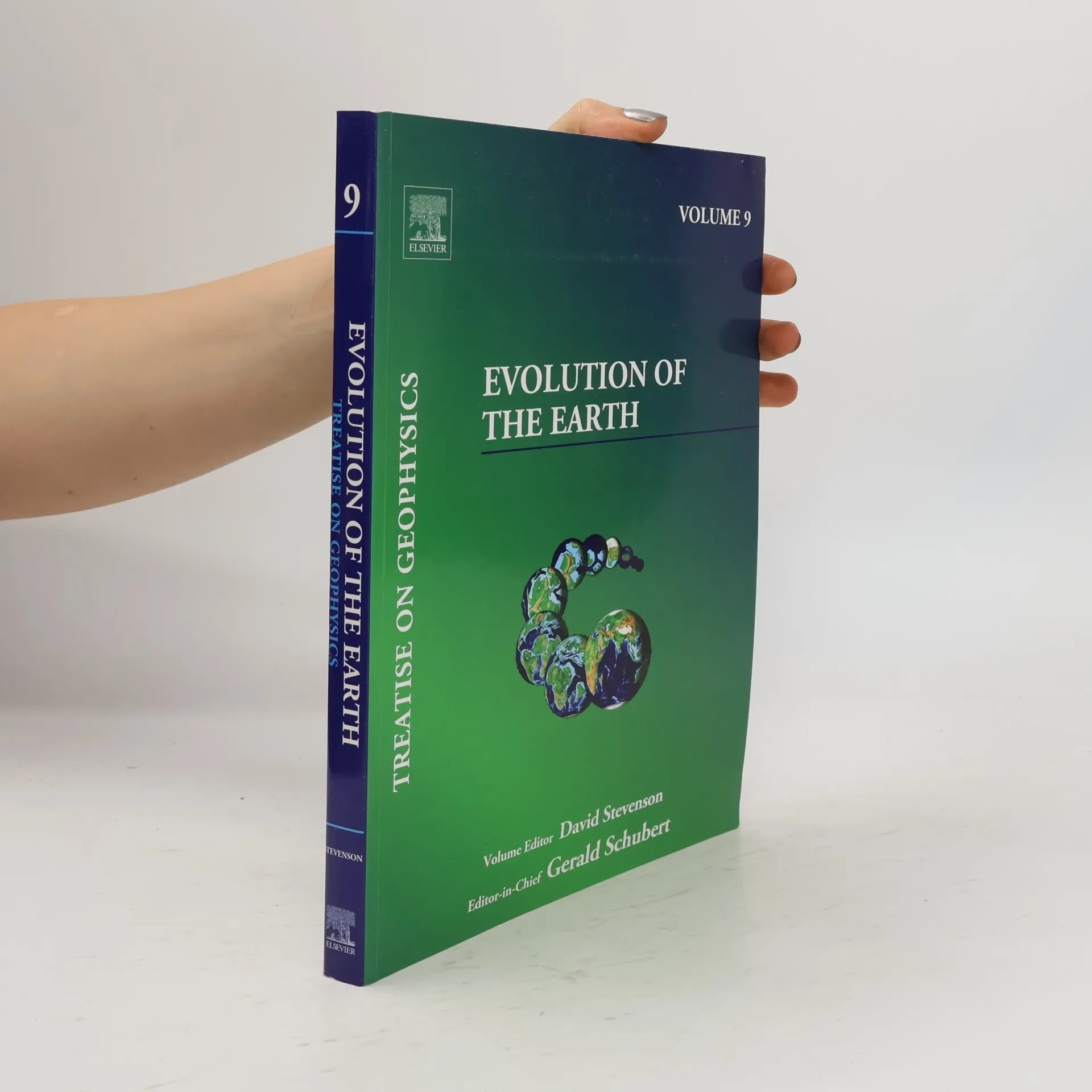
Treatise on Geophysics - 9: Evolution of the Earth
- 320bladzijden
- 12 uur lezen
Evolution of the Earth focuses on the formation of Earth. Topics include the differention of the core, mantle and crust; the formation of the ocean basins and continents; outgassing and volcanism; the initiation of plate tectonics, the origin and persistence of Earth's magnetic field; the growth of the inner core; changes in mantle convection through time; and the impact of life on the planet. The volume takes an interdisciplinary viewpoint that emphasizes the interplay of geophysics, other aspects of earth science and biological evolution. Some outstanding questions are identified and debated. Self-contained volume starts with an overview of the subject then explores each topic with in depth detailExtensive reference lists and cross references with other volumes to facilitate further researchFull-color figures and tables support the text and aid in understandingContent suited for both the expert and non-expert