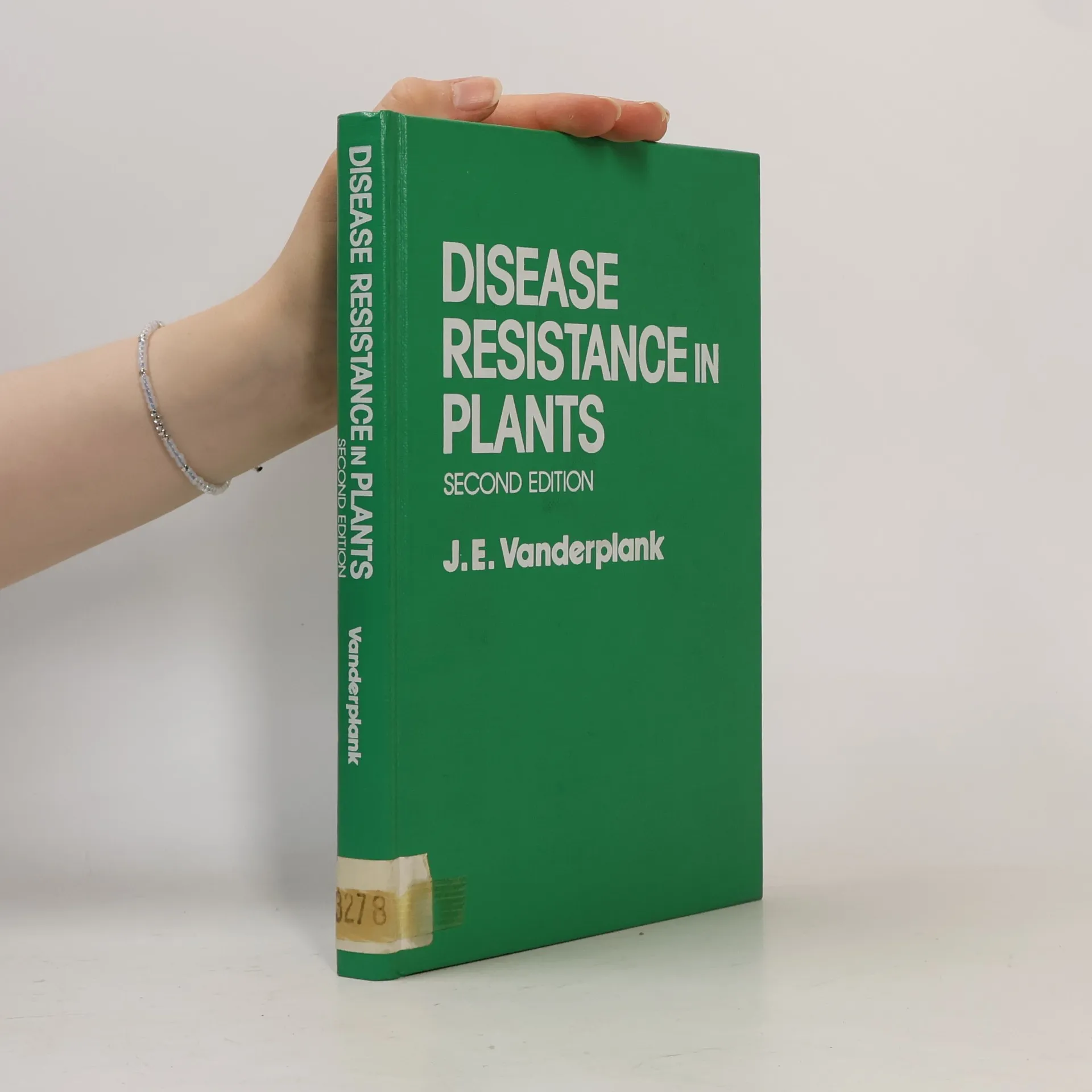
This volume explores genetic, epidemiologic, biochemical, and biometric principles essential for developing disease-resistant plant cultivars. It delves into the nature of disease resistance and the role of resistance genes, emphasizing stabilizing selection, sugar, biotrophy, and necrotrophy to maximize yields. Organized into 17 chapters, it begins with an overview of disease resistance and methods for creating resistant variants. Key topics include unspecific resistance, the resistance gene paradox, susceptibility and resistance within narrow host taxa, and the complexities of phenotypic variation and gene numbers in host plants. The text addresses experimental challenges in variance partitioning, epistasis, and pathogen virulence structure, alongside concepts like physiological race and pathogen adaptation. It examines mutations in pathogens from avirulence to virulence, horizontal and vertical resistance, and the epidemiological implications of these dynamics. Additionally, the book discusses susceptibility genes in hosts versus avirulence or virulence genes in pathogens, sink-induced resistance loss, high-sugar disease processes, slow rusting in cereals, and the accumulation of resistance genes in diverse host populations. This work serves as a valuable resource for plant pathologists and breeders.
J. E. Vanderplank Volgorde van de boeken (chronologisch)