
Constant de Rebecque was een edelman en denker wiens literaire werk en politieke opvattingen het liberale denken diepgaand beïnvloedden. Hij onderzocht de aard van vrijheid en het moderne leven, waarbij hij de spanningen tussen individuele autonomie en maatschappelijke krachten analyseerde. Zijn geschriften worden gekenmerkt door scherp psychologisch en politiek inzicht, en onderzoeken de voortdurende strijd om persoonlijke onafhankelijkheid te behouden in een dynamische wereld.
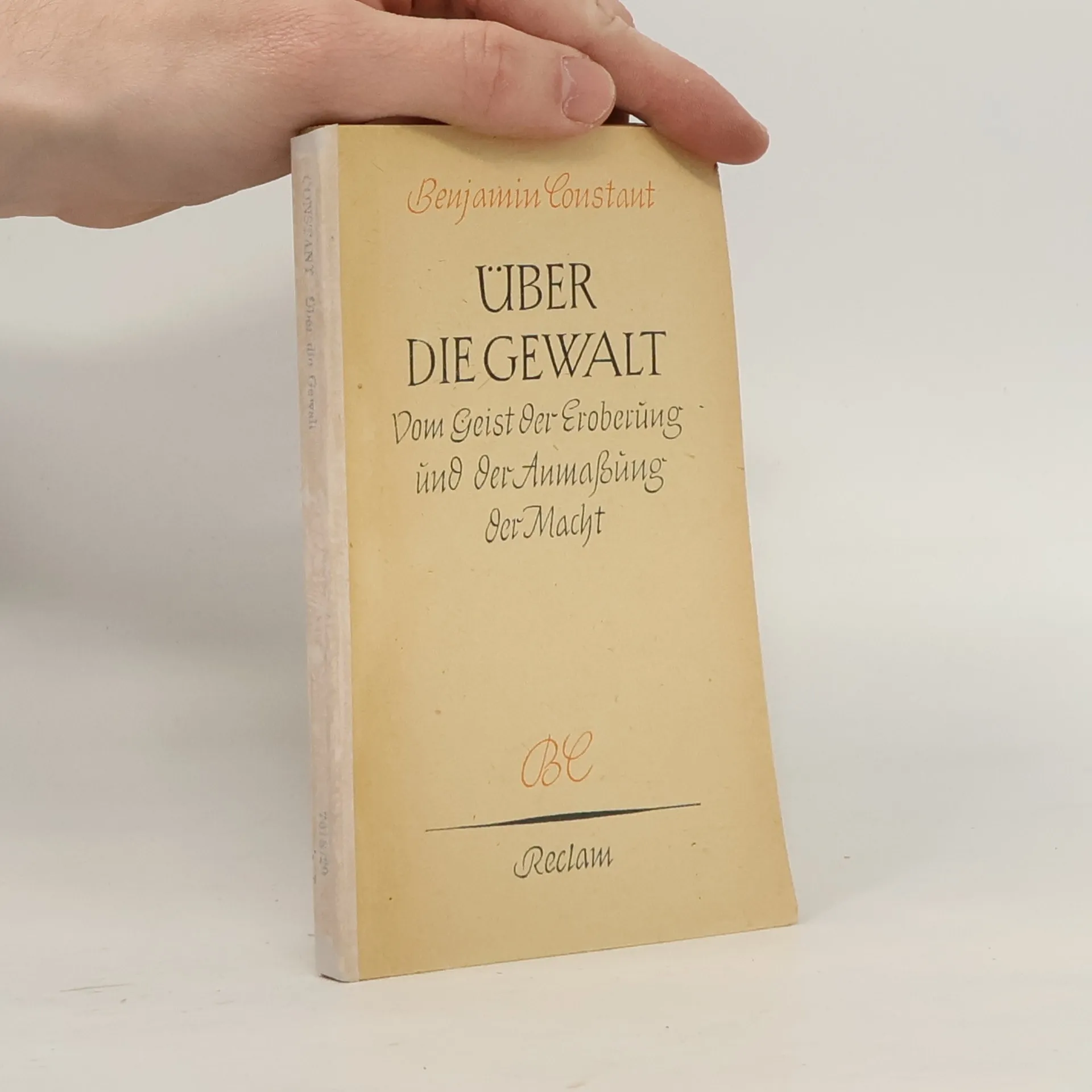
Focusing on fundamental political concepts, this work delves into law, sovereignty, and representation, examining the dynamics of power and accountability. It addresses critical issues such as government, property rights, taxation, and the societal impacts of wealth and poverty. Additionally, the text explores the complexities of war and peace, the importance of public order, and the essential freedoms of individuals, including those of the press and religion, offering a comprehensive analysis of political philosophy in the early 19th century.
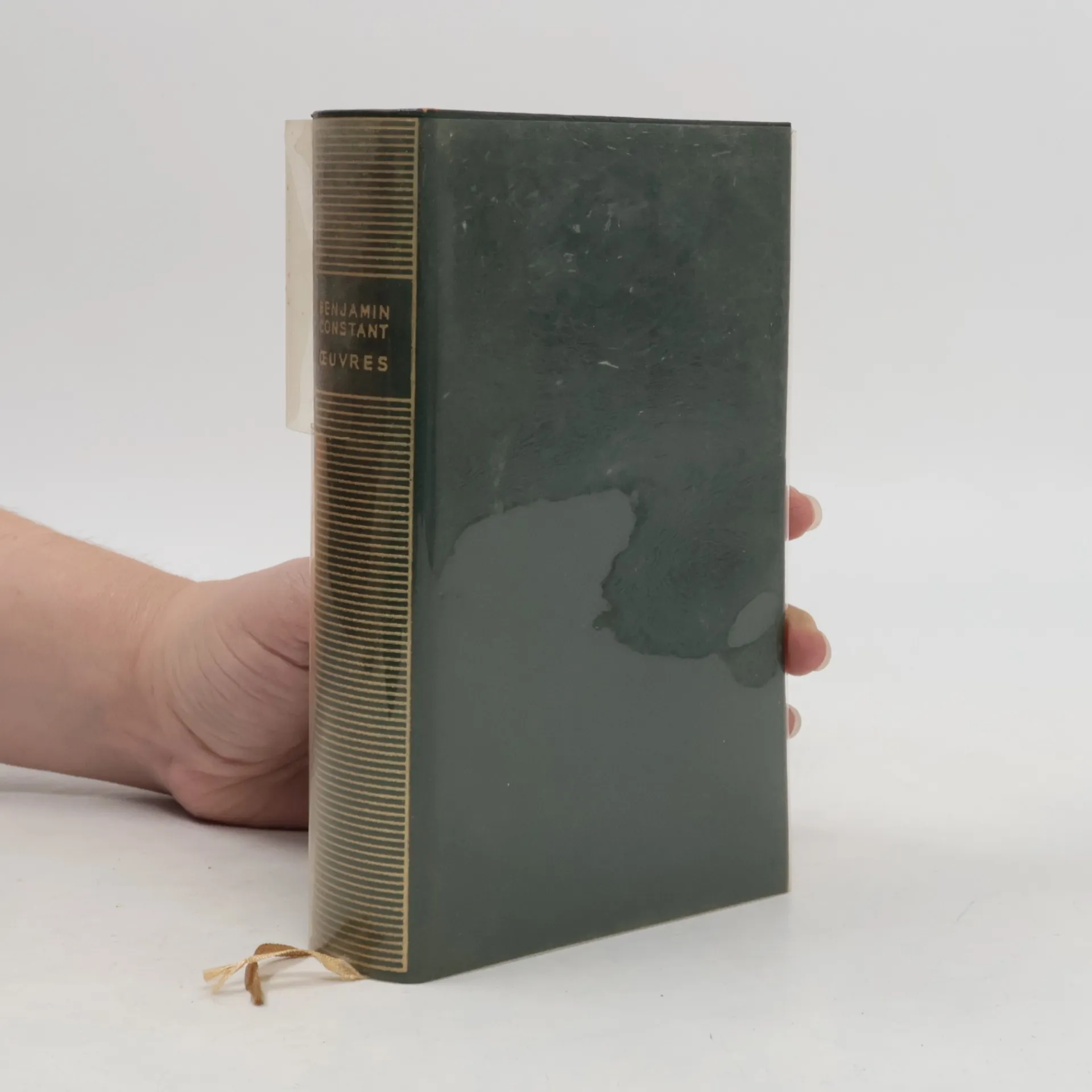
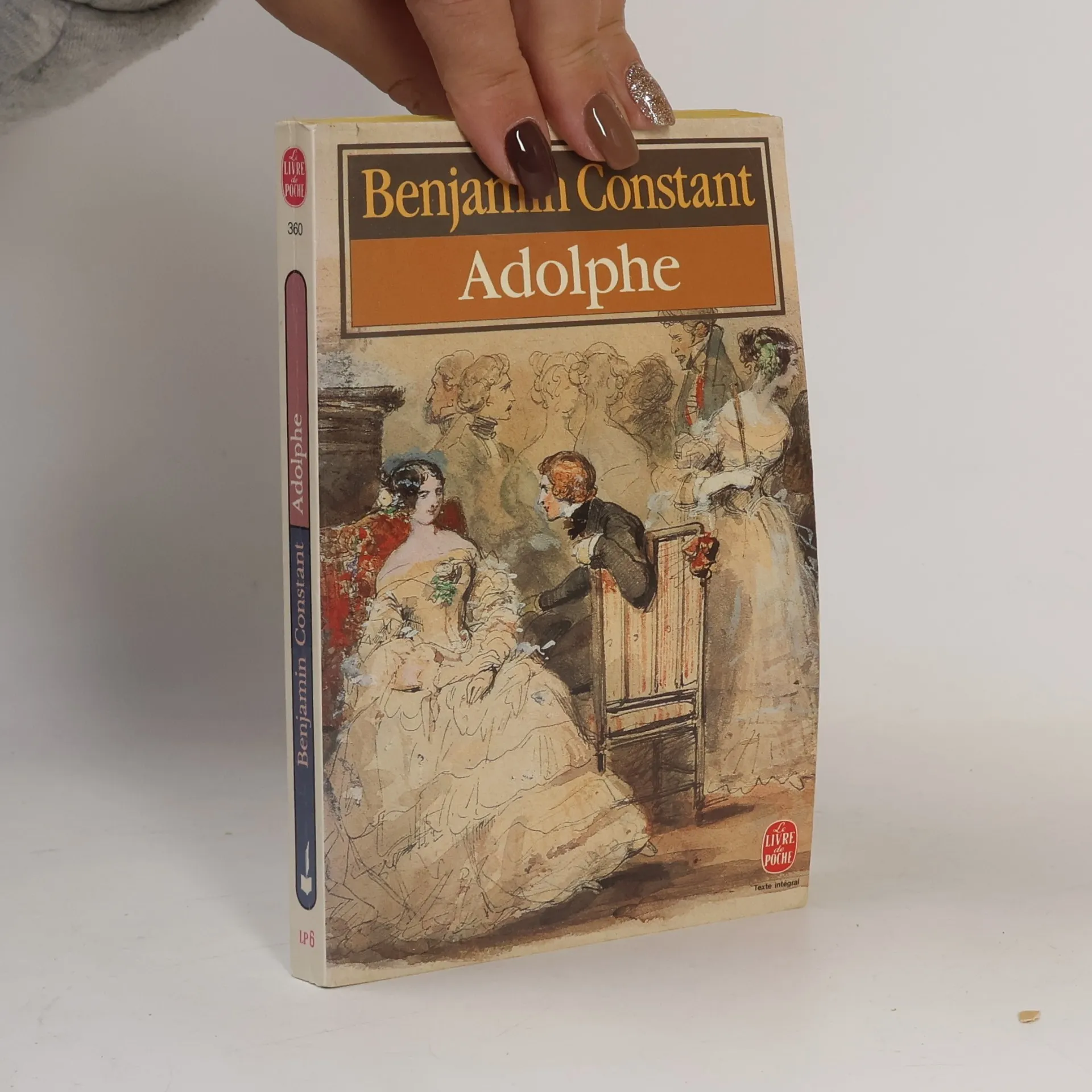
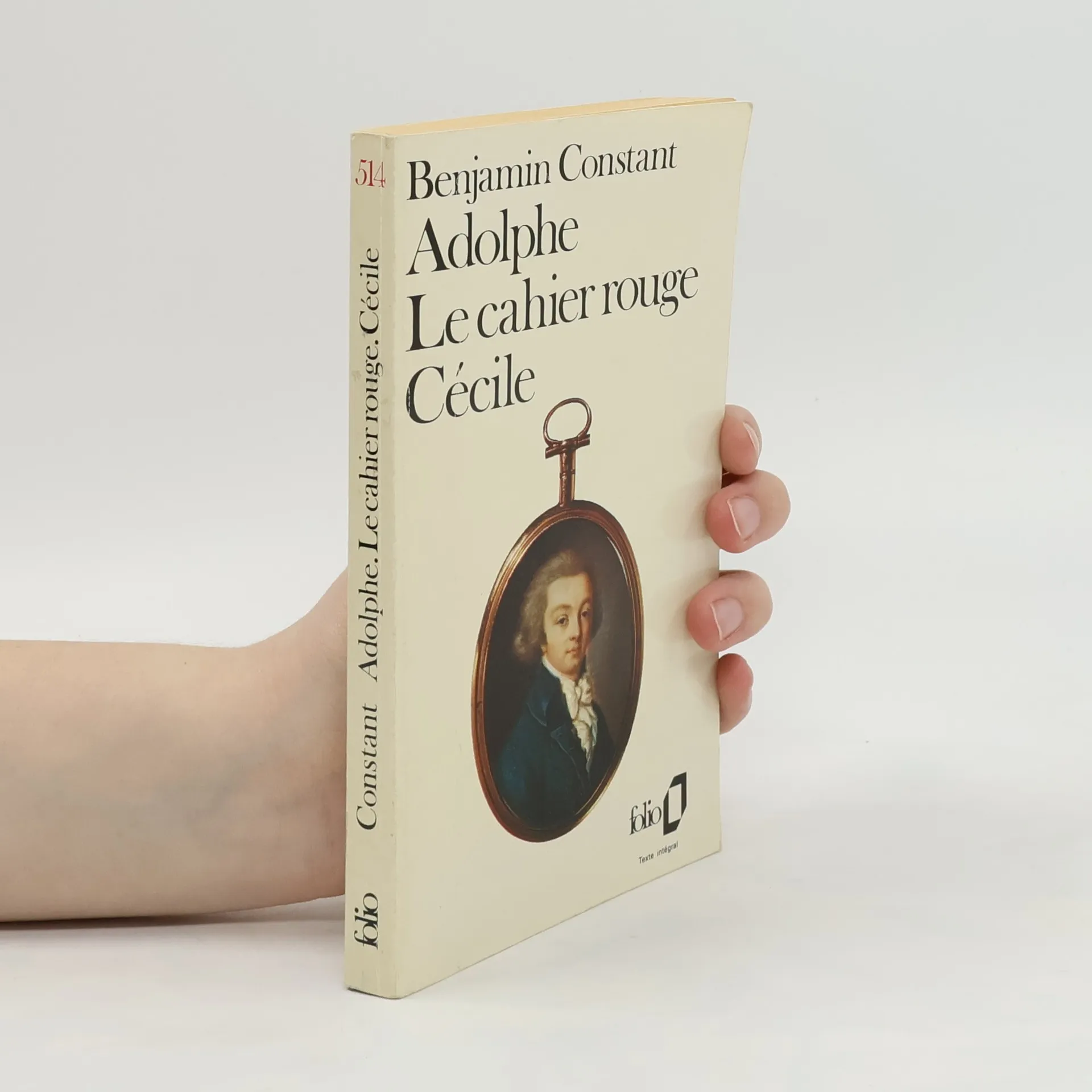
The novel delves into the intricate nature of human emotions and relationships through the perspective of Adolphe, the main character. As he narrates his experiences, readers gain a deep understanding of his inner thoughts and feelings, revealing the complexities of love, desire, and emotional turmoil.
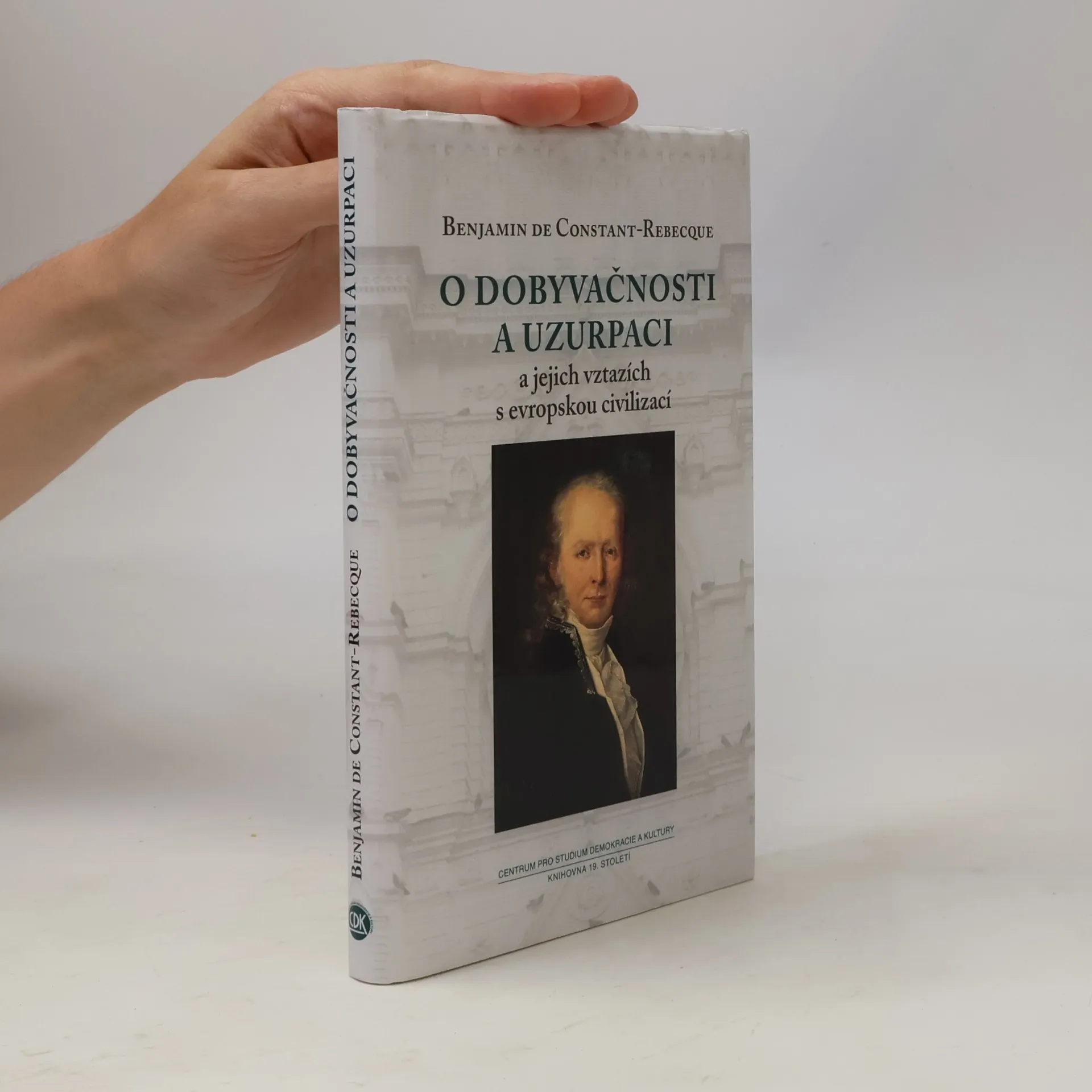
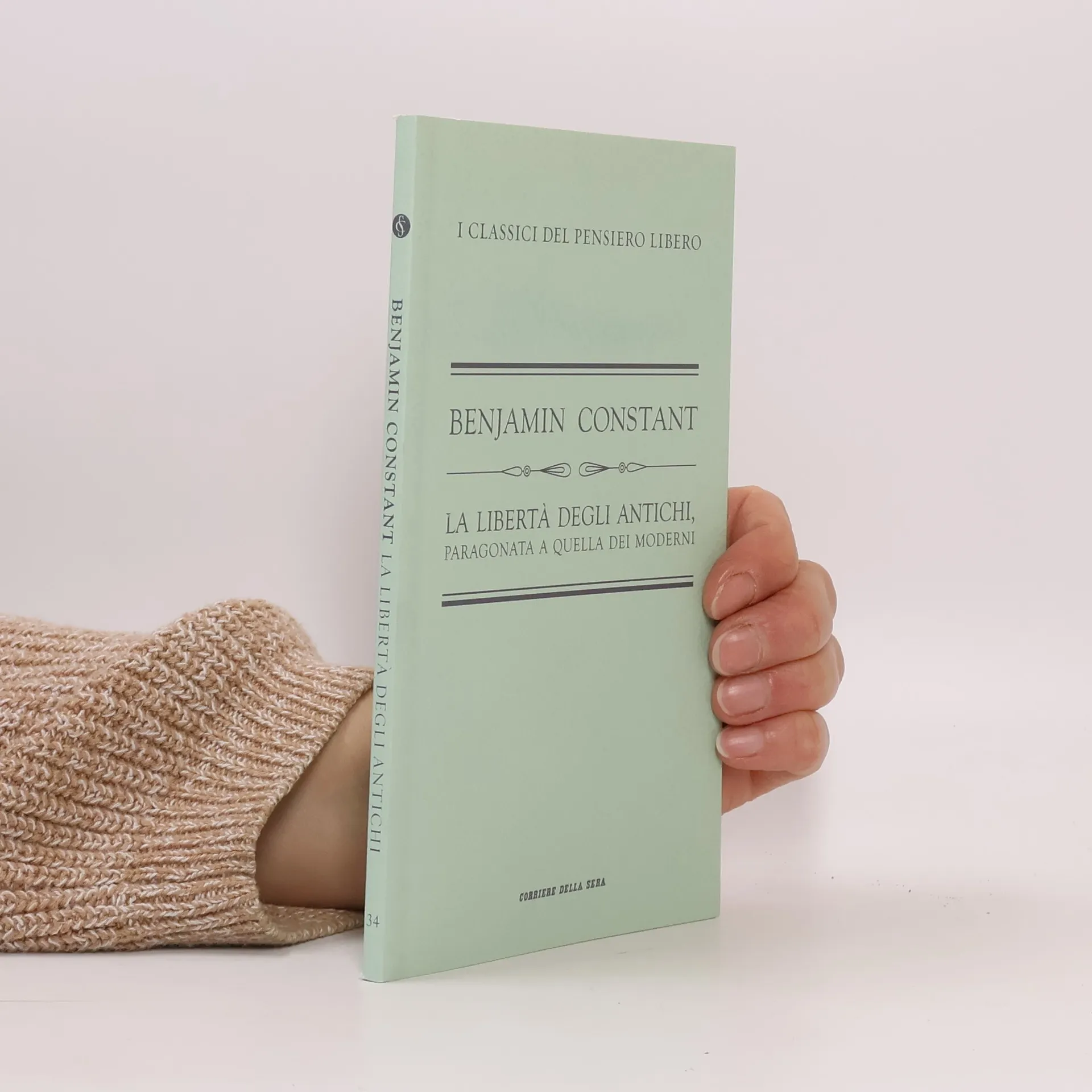
Benjamin Constant de Rebecque se narodil v Lausanne v protestantské rodině a mládí strávil na cestách se svým otcem. Pobýval v Holandsku, Belgii, Německu a Anglii, přičemž v letech 1783–1785 studoval v Edinburghu. Klíčovým momentem jeho života bylo setkání s Mme de Staël v roce 1794. Během císařství musel opustit Francii, ale vrátil se v roce 1816, kdy se stal vůdcem liberální opozice jako poslanec. V tomto roce také vydal psychologický román Adolphe, který předznamenal romantismus. Mezi jeho nejvlivnější politické práce patří protinapoleonský pamflet De l’esprit de conquête et de l’usurpation (1814), Principes de politique z roku 1815 a slavná přednáška De la liberté des Anciens comparée à celle des Modernes (1819).
Nový pohled na Constantovo politické myšlení přineslo vydání rukopisné verze Principů politiky z roku 1806 v roce 1980. Tato verze obsahuje zásady, které autor později rozvinul a obhajoval v politice. Constant se zde kriticky vyrovnává s Rousseauem a navazuje na ekonomickou teorii Adama Smithe, reflektuje dopady Francouzské revoluce na politické myšlení. Rukopisná verze potvrdila jednotu Constantova myšlení a jeho význam pro klasický liberalismus, jehož je dnes považován za předního představitele. Tento svazek obsahuje první český překlad rukopisné verze Principů politiky.
Pris Adolphe ou la première grande histoire d'amour romantique française. Avec cet ouvrage, Benjamin Constant inaugure un long siècle de romantisme, d'amours douloureuses et mortelles.
Voyages à travers l'Europe, lectures fiévreuses et désordonnées, découverte de la société et de ses travers, rencontres amoureuses et passionnées... tels sont les premiers pas dans le monde du jeune Benjamin Constant. A l'heure du bilan, l'auteur d'Adolphe pose sur sa jeunesse un regard tendre et amusé.
This 12 th volume gathers all of Constant’s interventions at the French Chamber of deputies from April 1819 to July 1820, after his success at the complementary election of the Sarthe department in March 1819. In his speeches, Constant offers a powerful defense of his political convictions against the conservative turn imposed by successive governments: the liberal Restauration is living its last moments, suffocated by the Ultras’ comeback.
Die Erzählung thematisiert die komplexen emotionalen und psychologischen Konflikte des Protagonisten Adolphe, der in eine leidenschaftliche, aber destruktive Beziehung verwickelt ist. Der Roman, ursprünglich zwischen 1806 und 1807 entstanden, bietet einen tiefen Einblick in die Themen Liebe, Freiheit und das Streben nach Identität. Diese Ausgabe ist eine sorgfältige Bearbeitung des Textes, die an die neue deutsche Rechtschreibung angepasst wurde, und präsentiert die Geschichte in einem lesefreundlichen Großdruck. Die ansprechende Umschlagabbildung von Ingres ergänzt das literarische Werk.