Selma Lagerlöf Boeken
De geschriften van Selma Lagerlöf worden geroemd om hun verheven idealisme, levendige verbeelding en spirituele perceptie. Geïnspireerd door Zweedse sprookjes en bijbelse verhalen, was zij een pionier in een unieke stijl van magisch realisme. Voordat ze zich volledig aan het schrijven wijdde, werkte ze een decennium lang als lerares, een ervaring die haar genuanceerde portretten van menselijke verbinding waarschijnlijk heeft beïnvloed. Haar werk verkent vaak thema's als geloof, gemeenschap en sociale rechtvaardigheid.

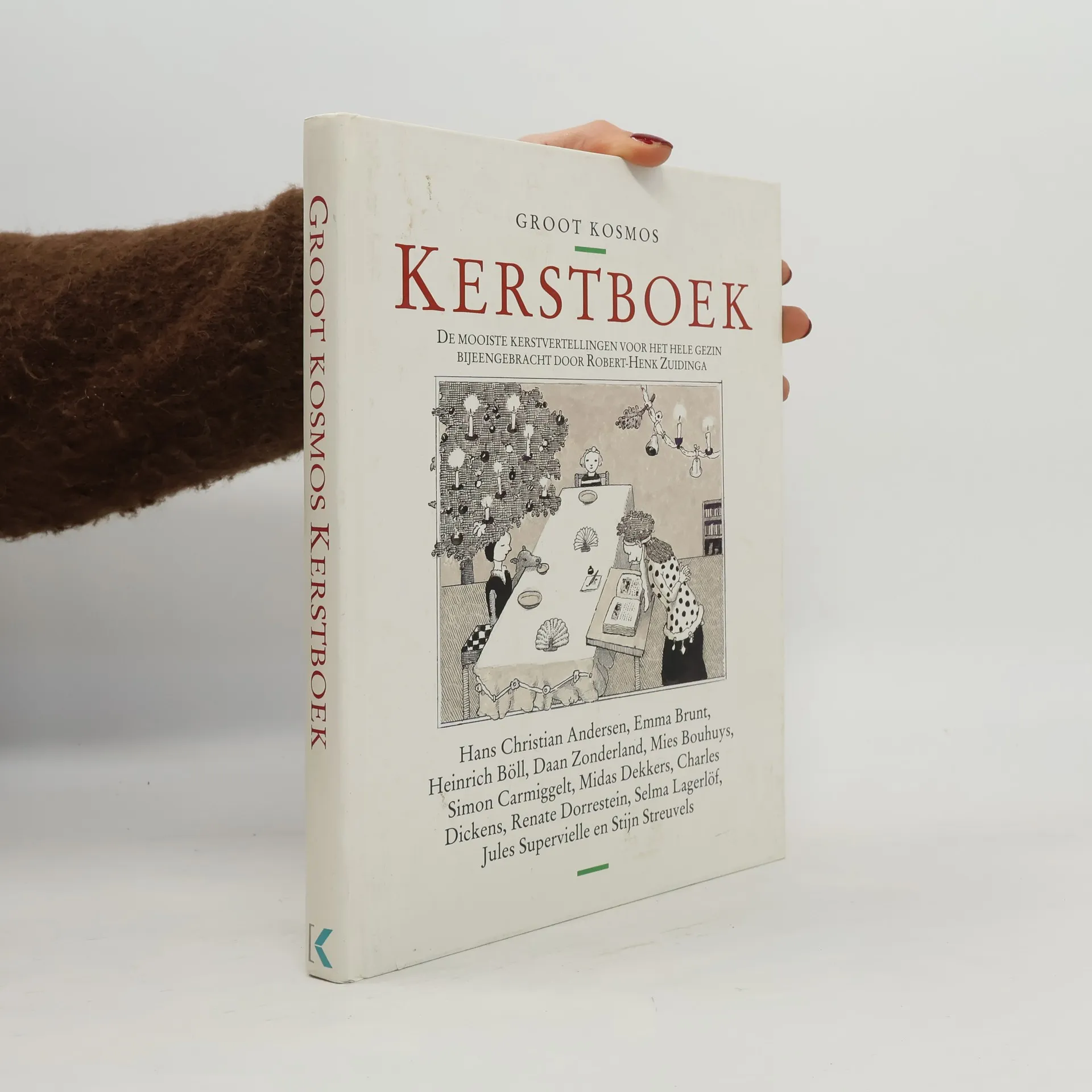
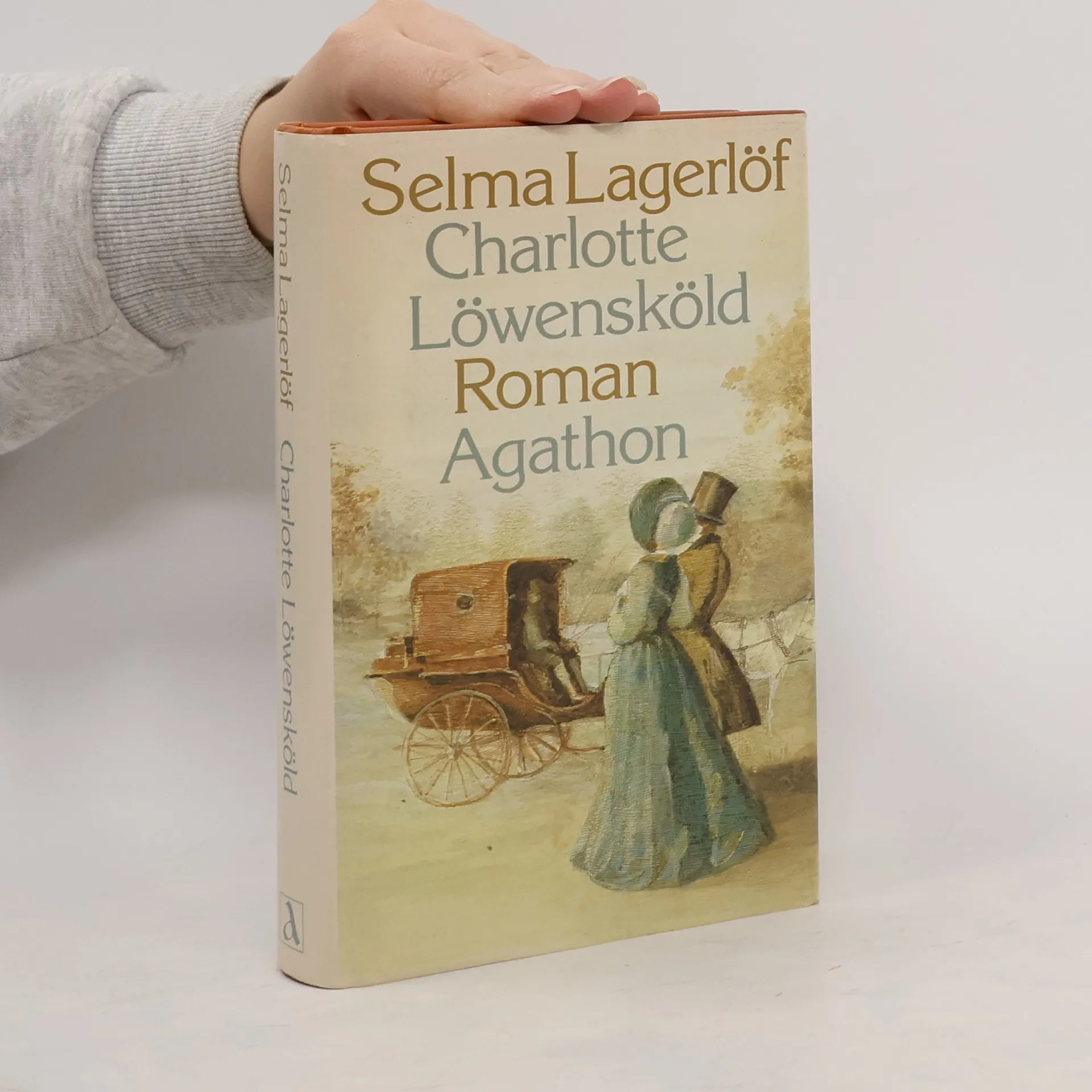
Charlotte Löwensköld
- 254bladzijden
- 9 uur lezen
Met een warm gevoel voor humor vertelt Selma Lagerlöf in deze 'romantische roman' een aantal gebeurtenissen rond Charlotte Löwensköld, een weesmeisje dat verloofd is met een godsdienstig dweepzieke hulppredikant die zij uit liefde verlaat om te trouwen met een oudere weduwnaar. Ze wordt daardoor het middelput van venijnige dorpsroddel, veel onaangenaamheden in intriges. Naast deze hoofdfiguur plaats Selma Lagerlöf nog een aantal zeer uiteenlopende karakters: de briljante, geestige en geliefde kolonelsvrouw Ekenstedt; haar zoon, de slappe hulppredikant die uiteindelijk Charlottes liefde niet waard blijkt; de valse vrouw van de organist, de kwade genius in het verhaal; de rijke Schagerström die niet kan geloven dat Charlotte écht van hem houdt.
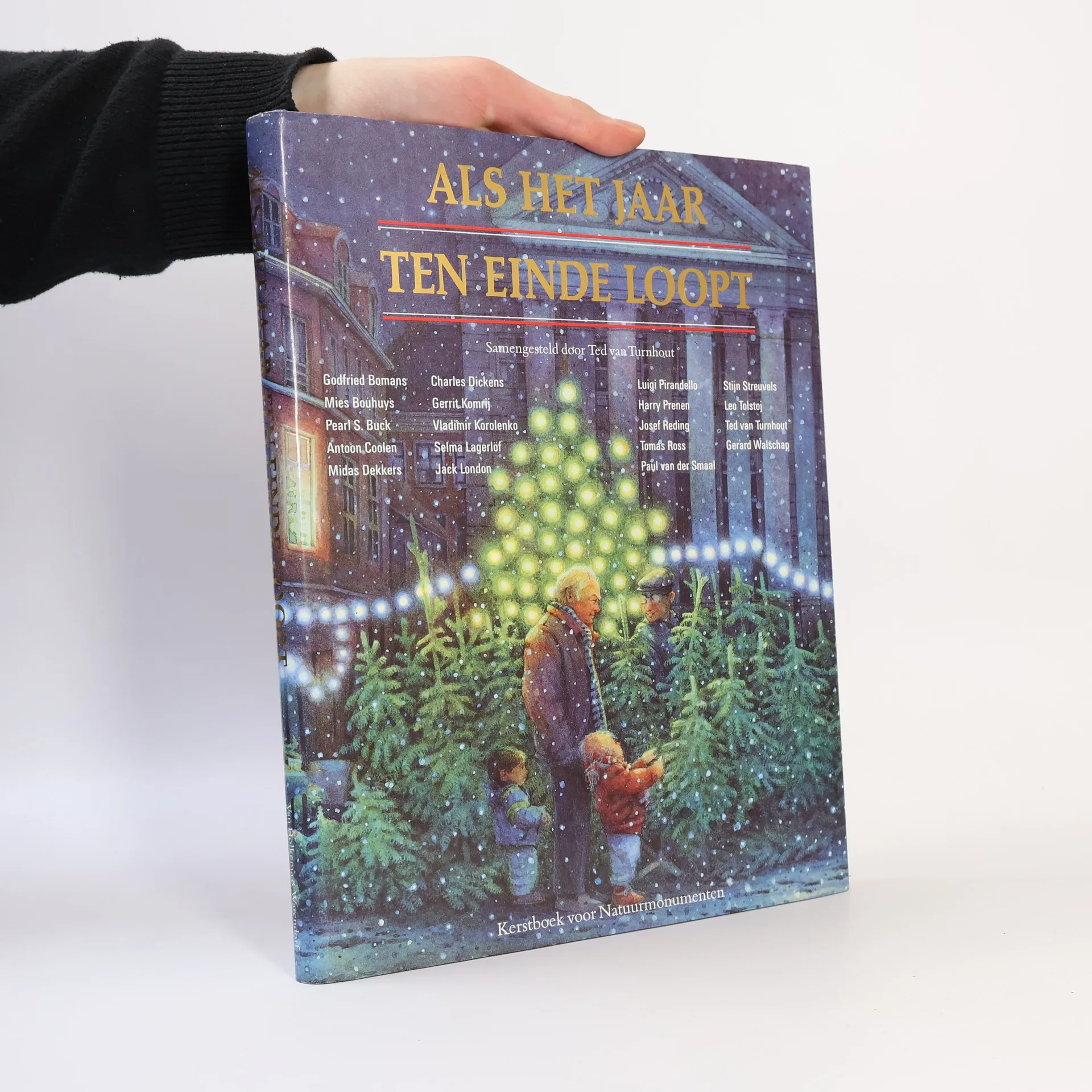
De avond valt al vroeg in. De sfeerverlichting in de stad brandt. Winkeletalages lachen je uitbundig toe. Op het plein prijst de verkoper zijn kerstbomen aan. Nog even en dan is het kerstmis.Als het jaar ten einde loopt, wordt het vanzelf gezellig. De kinderen drinken dampende chocolademelk, moeder maakt een kerstkrans voor aan de deur en vader richt een plek in voor de boom.'Als het jaar ten einde loopt' is een boek voor het hele gezin met verhalen van alle tijden en plaatsen. Verhalen van gerenommeerde Nederlandse en buitenlandse auteurs, van schitterende illustraties voorzien door uitnemende illustratoren.Uitgave voor Natuurmonumenten.
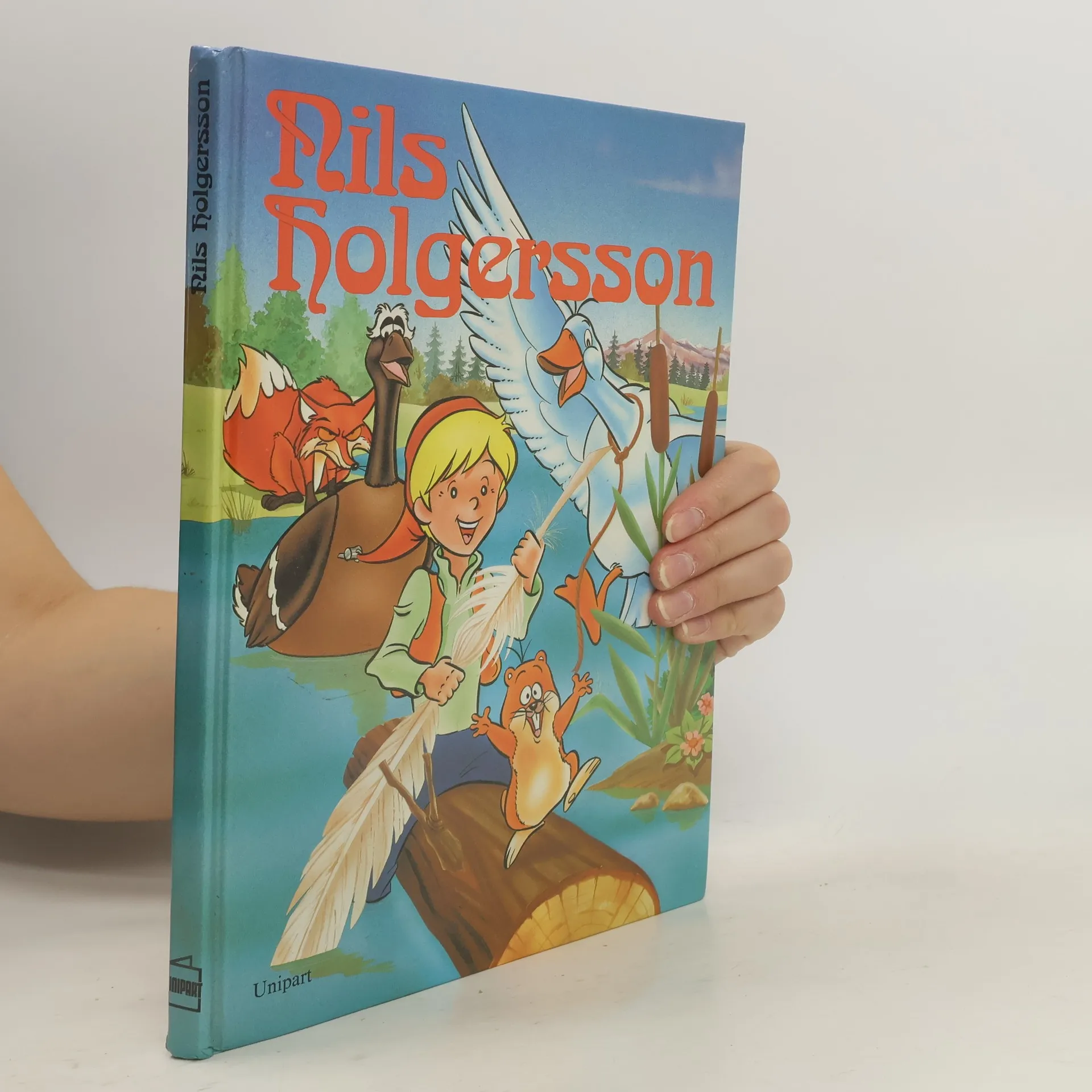
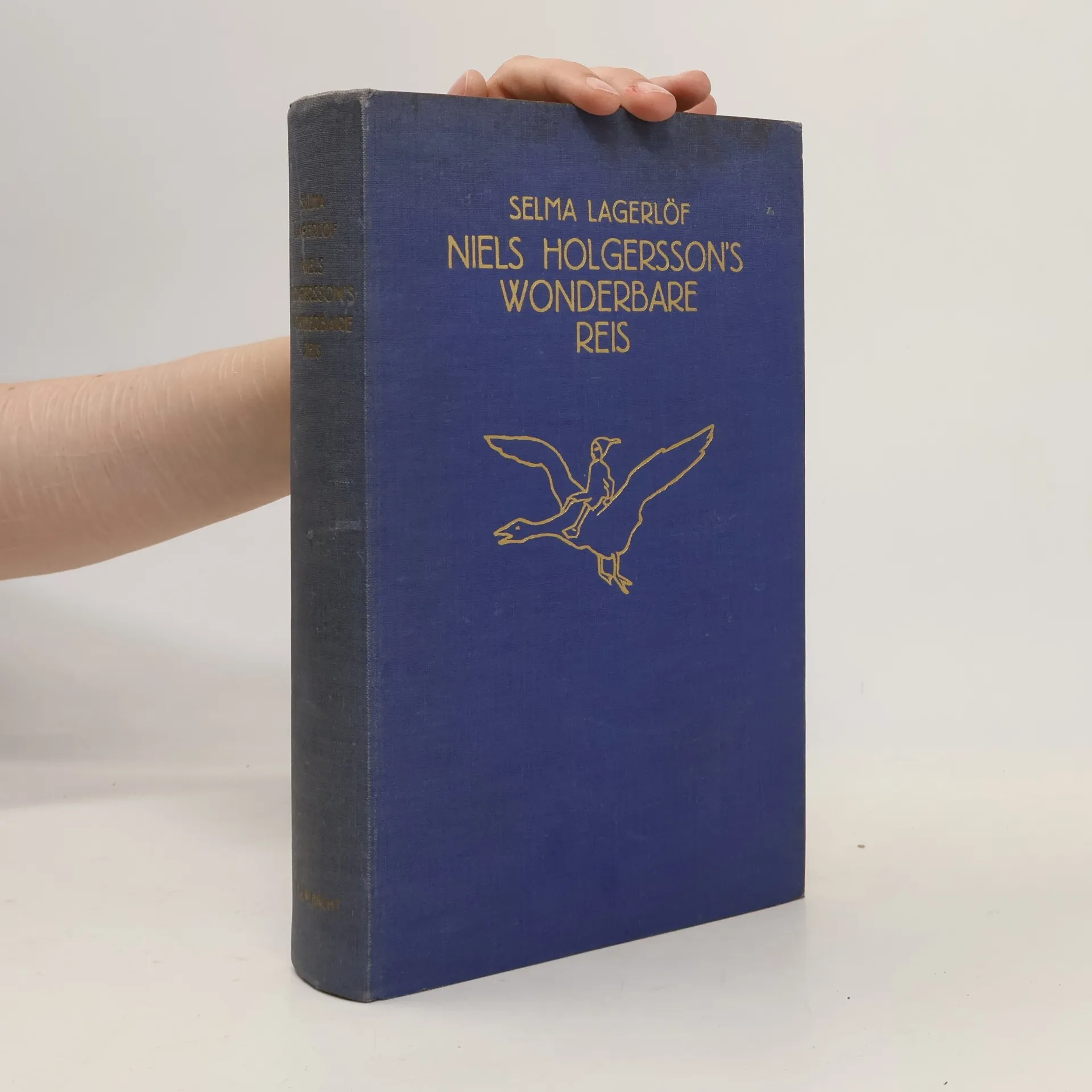
Selma Lagerlöfs wereldberoemde verhaal van Niels Holgersson die een kabouter werd en op de rug van een witte gans naar Lapland vloog, wordt in dit boek opnieuw verteld. Lars Klinting maakte er sfeervolle illustraties bij.
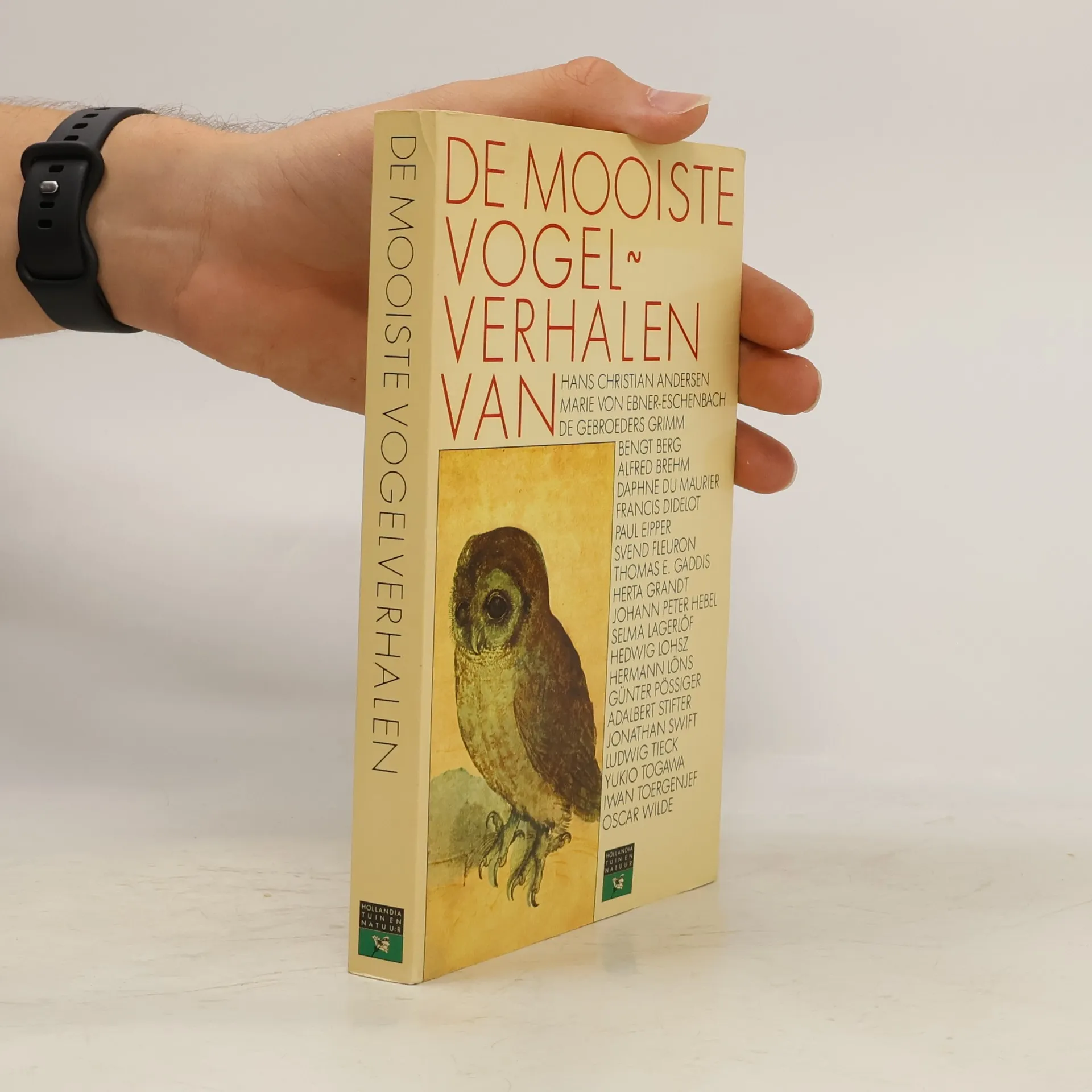
Geen in de vrije natuur levend dier staat de mens zo na als de vogel. Vele vogels zijn nauw verbonden met onze samenleving, van cultuurvolgers tot symbolen in wereldreligies. Bij de oude Egyptenaren was er Horus, de Valkgod, en in het oude Griekenland was de uil de metgezel van Athene, de godin van de wijsheid. In de christelijke traditie is de duif een mystiek symbool. In sprookjes spelen vogels een belangrijke rol, zoals de Phoenix die herboren uit zijn as opstijgt en de nachtegaal die zijn leven offert voor de liefde. Talrijke roofvogels zijn vrienden en helpers van de mens geworden tijdens de jacht, terwijl kooivogels dagelijks schoonheid en vreugde in onze huizen brengen. Hun aanwezigheid, zowel in de natuur als rondom onze woningen, maakt ons gelukkig. In onze tijd, waarin de natuur steeds verder wordt teruggedrongen door wetenschap en techniek, zijn vogels kostbaarheden die onze bescherming en aandacht verdienen. Hun diversiteit, prachtige veren, krachtige zang en wonderlijke vliegkunst inspireren natuurliefhebbers. Uit de overvloed aan vogelverhalen van schrijvers wereldwijd en de mondelinge tradities die door de eeuwen heen zijn doorgegeven, is nu een selectie gemaakt van de meest interessante en boeiende verhalen.
Verhalen van binnen- en buitenlandse auteurs.
Marbacka
- 270bladzijden
- 10 uur lezen
The book Marbacka, the first part of a trilogy written in 1922-32, can be read as many different things: memoir, fictionalised autobiography, even part of Lagerlof's myth-making about her own successful career as an author.
Jerusalem
- 236bladzijden
- 9 uur lezen
JERUSALEM (1901-1902) by Selma Lagerlof, first woman author to win the Nobel Prize in Literature, is a story of Swedish families caught up in desire and divine exultation. Homestead tradition and religious inspiration, love and duty, come in conflict in this inspirational and gently bittersweet period novel that follows a pilgrimage of the idealist human spirit of Ingmar Ingmarsson and his kin.
Gosta Berling's Saga
- 604bladzijden
- 22 uur lezen
GÖsta Berling is a failed parson in nineteenth century rural Sweden, too fond of pleasure and the drink, torn by conflicting aims -- the charm and deceit, love and laziness in him fighting for supremacy. He teams together with a group of sometimes dissolute, often well-meaning freemen of their district to evict the seemingly mad owner of a great rambling house at the centre of its own semi-feudal estate, Ekeby. This group call themselves the cavaliers. In her telling of what happens next, LagerlÖf creates a strange fusion between the realism of authors like Ibsen and Strindberg and the mythic force of the Scandinavian sagas. GÖsta's great loves, his enemies, those to whom he teaches lessons about life, either intentionally or accidentally, and others whose stories he has only a small part in, all start up from the page into a strange, elemental clarity, creating a sprawling mosaic of romance and realism. This first novel from the deeply original mind of the 1909 Nobel Prize winner weaves a balance between everyday rural reality and underlying dreams and fable to create a patchwork of extraordinary complexity and looming fascination, in which the reader can detect the author's passion for the stories of her country, and her sceptical warmth for the troubled human spirit.
Thy Soul Shall Bear Witness
- 66bladzijden
- 3 uur lezen
Thy Soul Shall Bear Witness! 102 pages
The Girl from the Marsh Croft
- 152bladzijden
- 6 uur lezen
Set in a rural Swedish landscape, this novella explores the life of a young girl living near a marshy croft. Through her experiences, themes of love, sacrifice, and the connection to nature emerge. Selma Lagerlöf's poignant storytelling captures the struggles and dreams of her characters, reflecting the social dynamics of the time. The narrative has garnered attention and has been adapted into various films, showcasing its enduring appeal and relevance.
The Wonderful Adventures of Nils
- 96bladzijden
- 4 uur lezen
In this classic Swedish folk tale, Nils is shrunk to a tiny size by a dwarf, and carried across Sweden by a flock of wild geese.
The Emperor of Portugallia
- 128bladzijden
- 5 uur lezen
No matter how old he became, Jan Andersson from Skrolycka could never tire of recounting the day his little daughter was born. Klara Gulla is the light of life for the peasant Jan. When she leaves for the city and is drawn into its carefree lifestyle, Jan descends into madness. His helpless paternal love knows no bounds, leading him into the realm of insanity. He becomes the Emperor of Portugallia, waiting with unwavering patience for his daughter's return in princely splendor and glory. "The Emperor of Portugallia," first published in 1914, presents one of Selma Lagerlöf's most poignant character studies. Here, her psychological insight reaches a peak in this timeless tale of the power of love.
The Treasure
- 52bladzijden
- 2 uur lezen
The Treasure is a 1904 novel by the Swedish writer Selma Lagerlof. Its original Swedish title is Herr Arnes penningar, which means "Sir Arne's money." Set in Bohuslan in the 16th century, "The Treasure" tells the story of a group of Scottish mercenaries who escape from prison and go on to murder a family to steal a treasure chest...
The Saga of Goesta Berling
- 399bladzijden
- 14 uur lezen
Set in 1820s Sweden, this title tells the story of a defrocked minister named Gosta Berling.
Focusing on accessibility, this publishing house specializes in reproducing historical works in large print, catering specifically to individuals with impaired vision. The aim is to enhance the reading experience for those who may struggle with standard text sizes, ensuring that important historical narratives remain available to a wider audience.
Invisible Links
- 168bladzijden
- 6 uur lezen
Set against a backdrop of a serene yet haunting natural landscape, the story intertwines the life of Hatto, a hermit devoted to prayer, with ancient mythological elements. As young trees flourish and roots penetrate granite, the presence of old gods and the horse of Hel adds a layer of mystique. The narrative hints at themes of spirituality and the intersection of life and death, as the horse's actions foreshadow a new burial in the cemetery.
The Silver Mine
- 25bladzijden
- 1 uur lezen
“Good day!” said Per Persson. “Do you come from Falun now?” “I do,” said the parson. “And now I must tell you that it has turned out even better than we had imagined. The mineralogist said it was silver ore that we had found.” That instant Per Persson looked as though the ground under him had opened! “What are you saying, what are you saying? Is it silver?”
Scandinavian Short Stories
- 278bladzijden
- 10 uur lezen
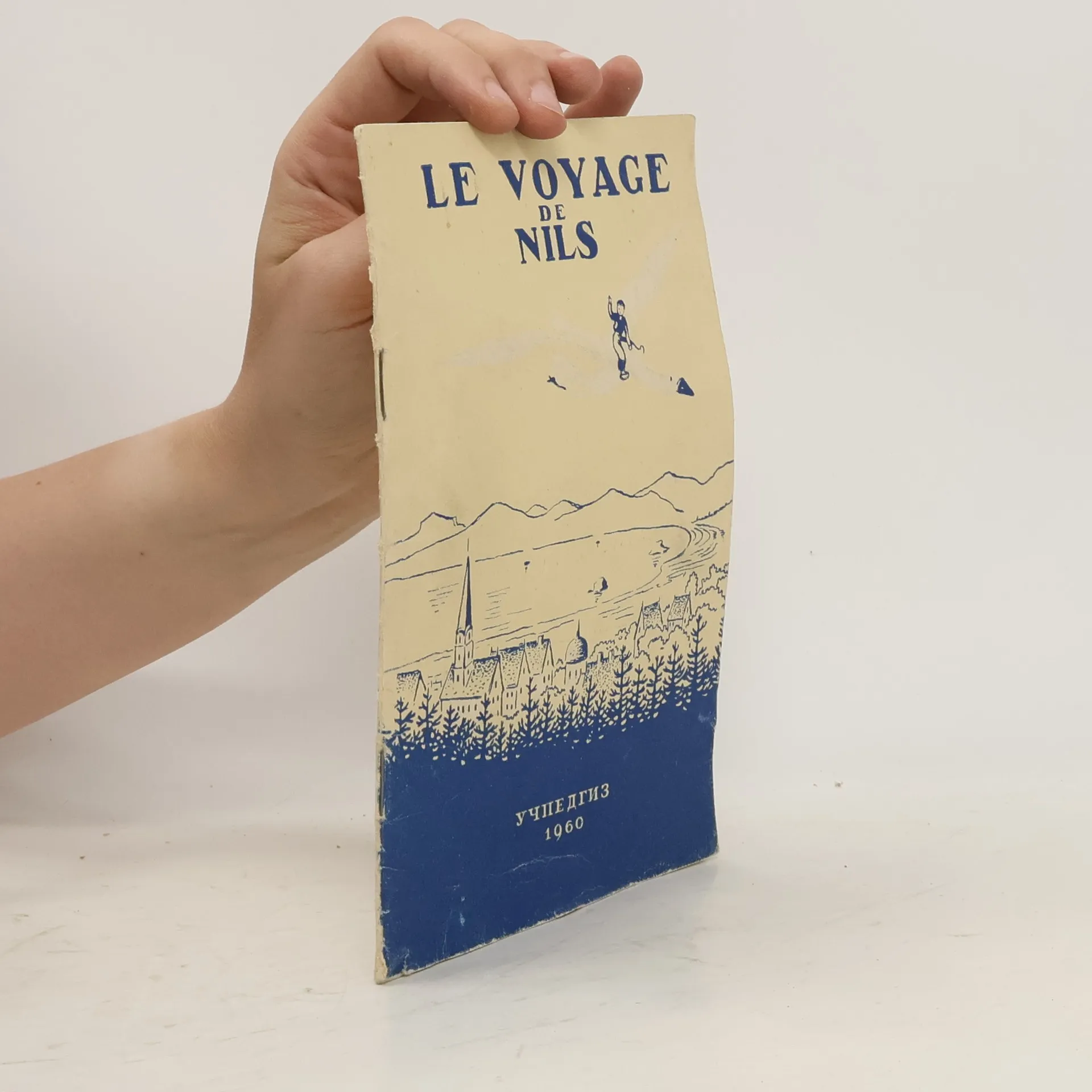
Bibliothèque Rose: Nils Holgersson
Et Smirre le renard
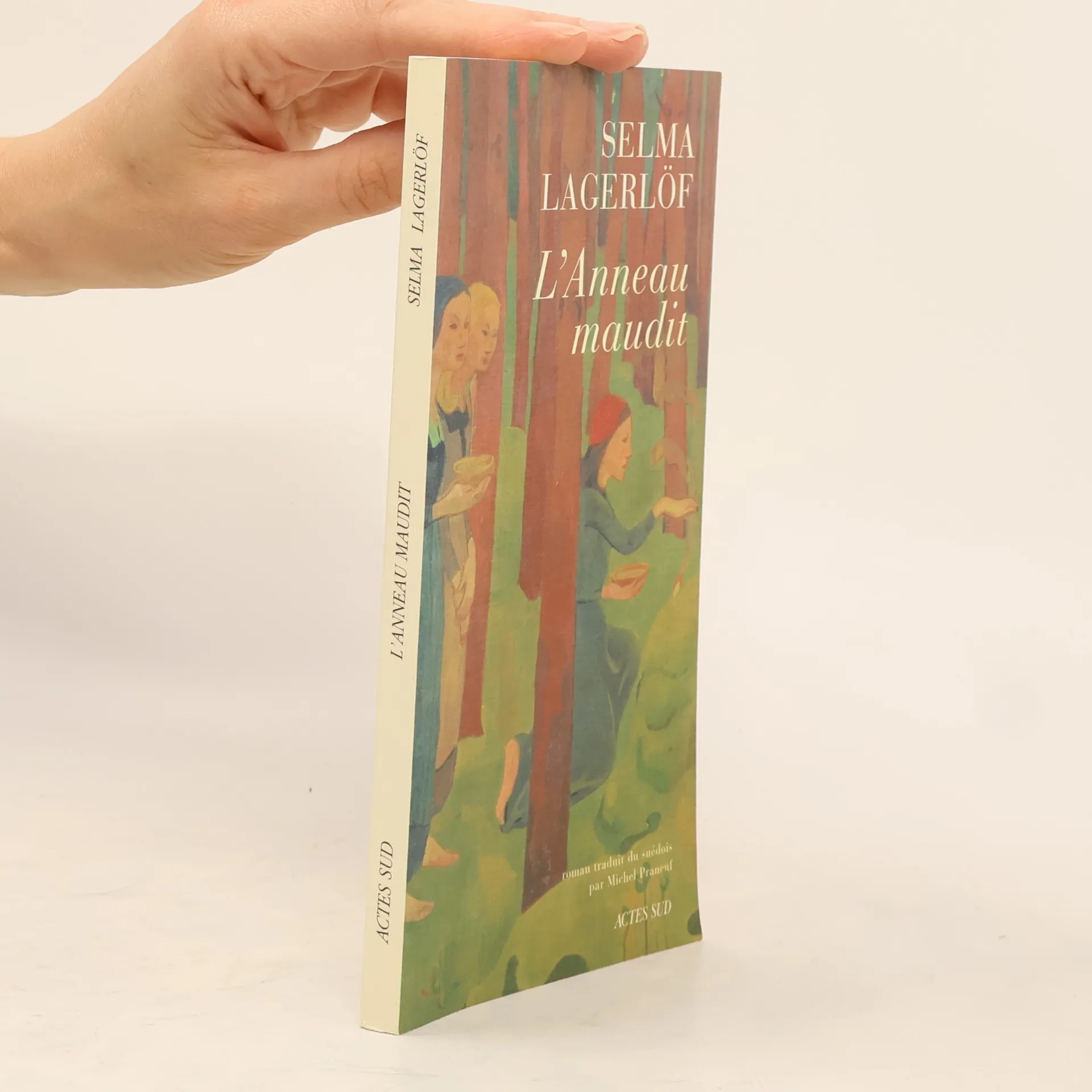
L'Anneau maudit
- 127bladzijden
- 5 uur lezen
L'anneau dont Selma Lagerlöf nous raconte ici l'histoire inquiétante est celui que le roi Charles XII offrit à l'un de ses fidèles officiers, le général Bengt Löwensköld. De l'or et une belle agathe, de quoi attirer quelques convoitises, surtout quand tout le monde sait que le général a été enterré l'anneau au doigt. Le voleur sera Bard, paysan entraîné avec sa femme vers le cimetière alors qu'il pensait protéger le cadavre des détrousseurs. Fuyant les cendres de leur ferme découverte brûlée à leur retour, puis la mort de leur troupeau et le suicide de sa femme, Bard le paysan se réfugie en forêt. C'est là que, à la suite d'un accident de bûcheronnage, et se sentant mourir, il va confier son crime au pasteur que ses enfants sont allés quérir. Mais le cycle des convoitises est loin d'être achevé, et l'anneau mystérieux continue de susciter désirs, passions et maléfices. Ecrit en 1925, donc tardivement dans l'œuvre de Selma Lagerlöf qui débuta en 1891, L'Anneau des Löwensköld suit de quelques années Le Banni, récit lui aussi profondément tragique.
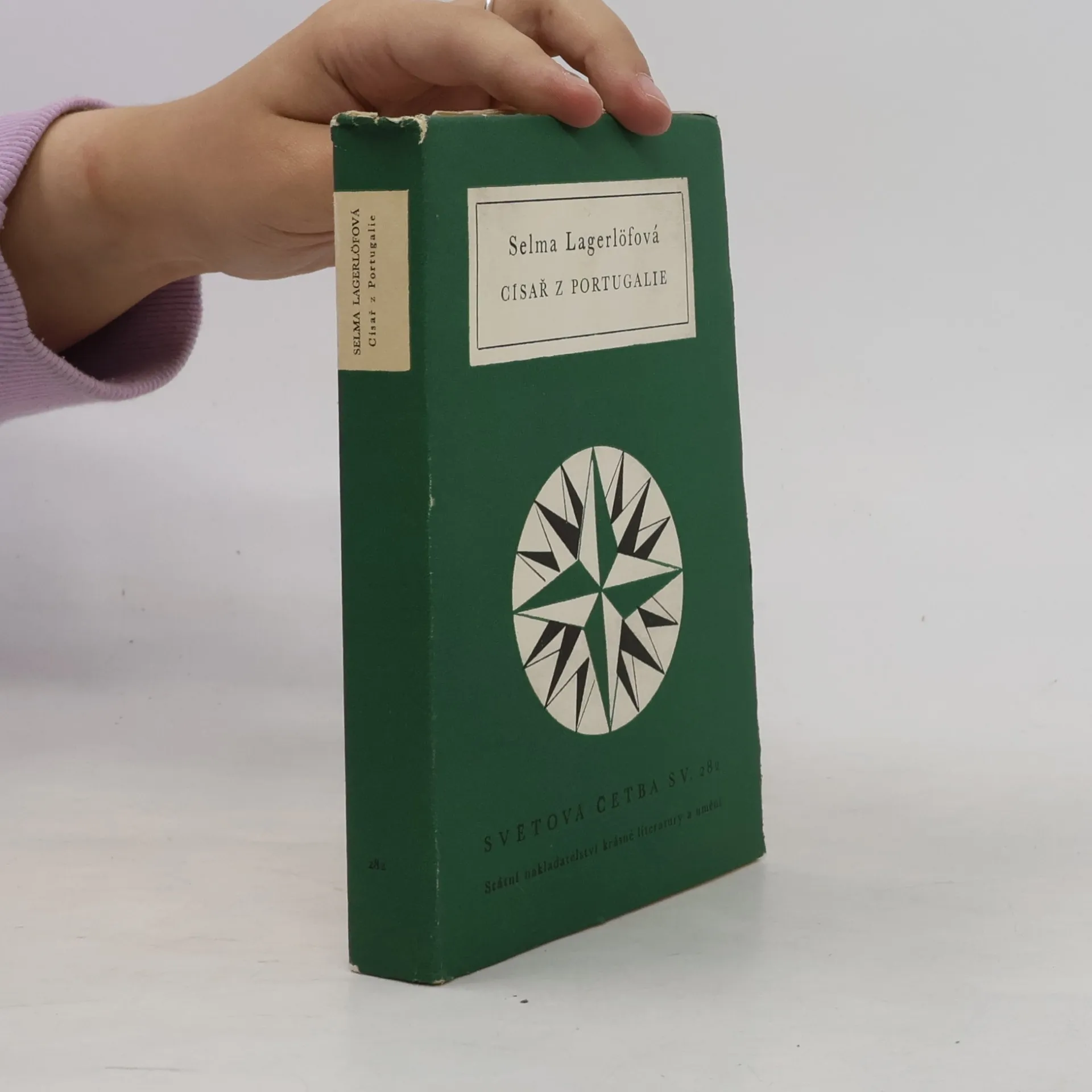
Mistrně vyprávěný příběh otcovské lásky prostého venkovana, který nevýslovně miluje svojí dceru, vlivem jejího zblouznění se pomátne na rozumu a pokládá se za císaře z Portugalie... Vedoucí myšlenkou celého díla, prozařující osudy mnoha jeho hrdinů, vykreslených s hlubokou láskoua porozuměním, je požadavek dobra, obětavosti a lásky k člověku, zejména k člověku ponižovanému a trpícímu.
Hrsg. Neunzig, Hans A. getr. pag. N.-A. cpl. in Kass.
Hrsg. Neunzig, Hans A. getr. pag. N.-A. cpl. in Kass.
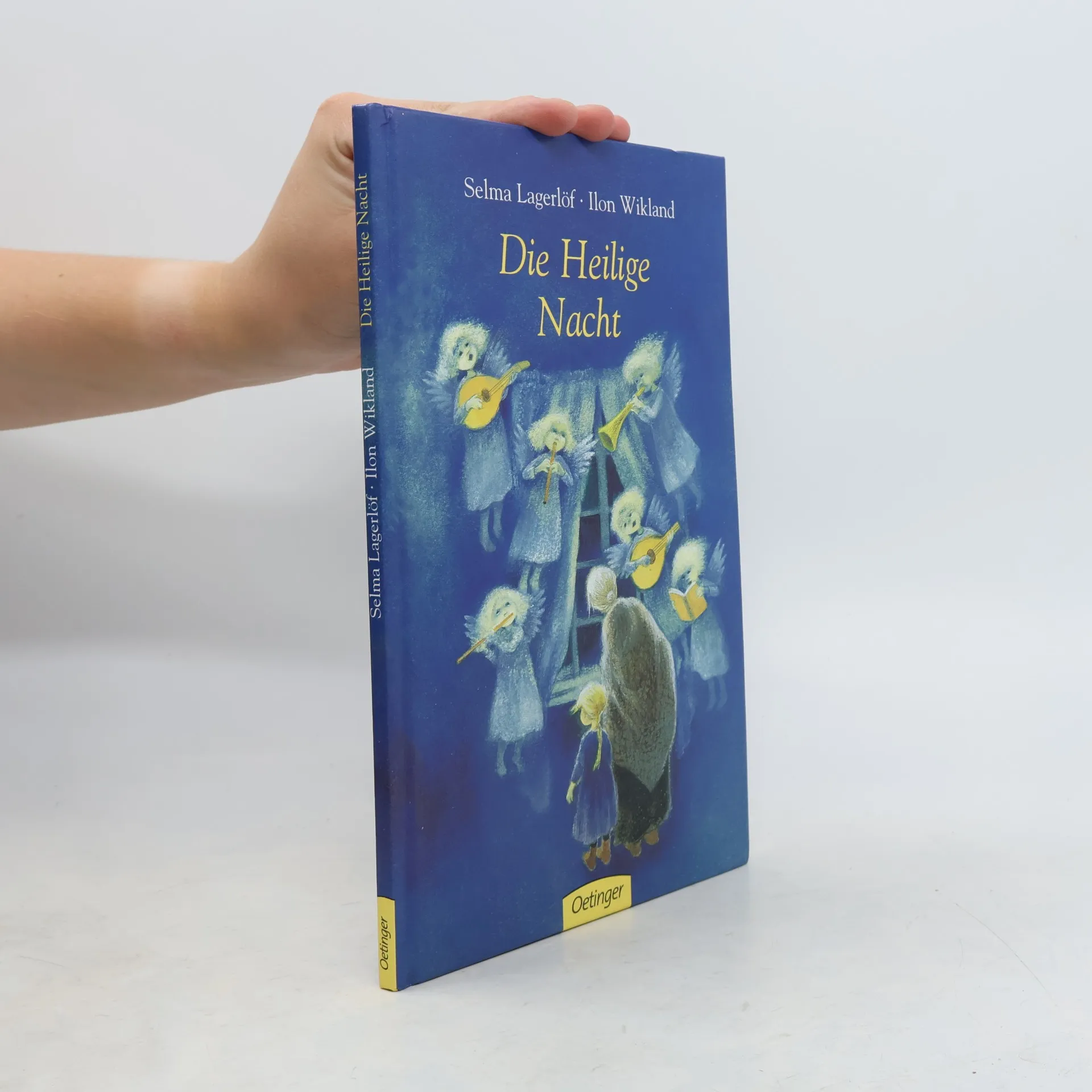
Ein Kleinod zum Fest: Selma Lagerlöfs zauberhafte Weihnachtsgeschichte In jeder Weihnachtsnacht fliegen die Engel unter dem Himmel, so erzählt es die Großmutter. So war es wohl auch in jener Nacht, als die Dunkelheit hell wurde vor Jubel, Freude und Singen. In dieser Nacht waren die Hunde nicht bissig, und die Schafe auf dem Feld konnten ruhig schlafen. Denn alles war anders in der Nacht von Jesu Geburt … Selma Lagerlöfs Weihnachtsgeschichte wurde von Ilon Wikland neu und stimmungsvoll illustriert. Für Kinder und Erwachsene
Hrsg. Neunzig, Hans A. getr. pag. N.-A. cpl. in Kass.
Hrsg. Neunzig, Hans A. getr. pag. N.-A. cpl. in Kass.
Die Heilige Nacht. Der große Weihnachtsklassiker in edler Ausstattung
- 32bladzijden
- 2 uur lezen
Der Weihnachts-Klassiker von Selma Lagerlöf wird als zauberhaft illustriertes Bilderbuch präsentiert, das sowohl für Kinder als auch Erwachsene geeignet ist. Die Geschichte handelt von einem Hirten, der in einer besonderen Nacht einem Mann um Hilfe für sein neugeborenes Kind begegnet und die Herrlichkeit Gottes erkennt.
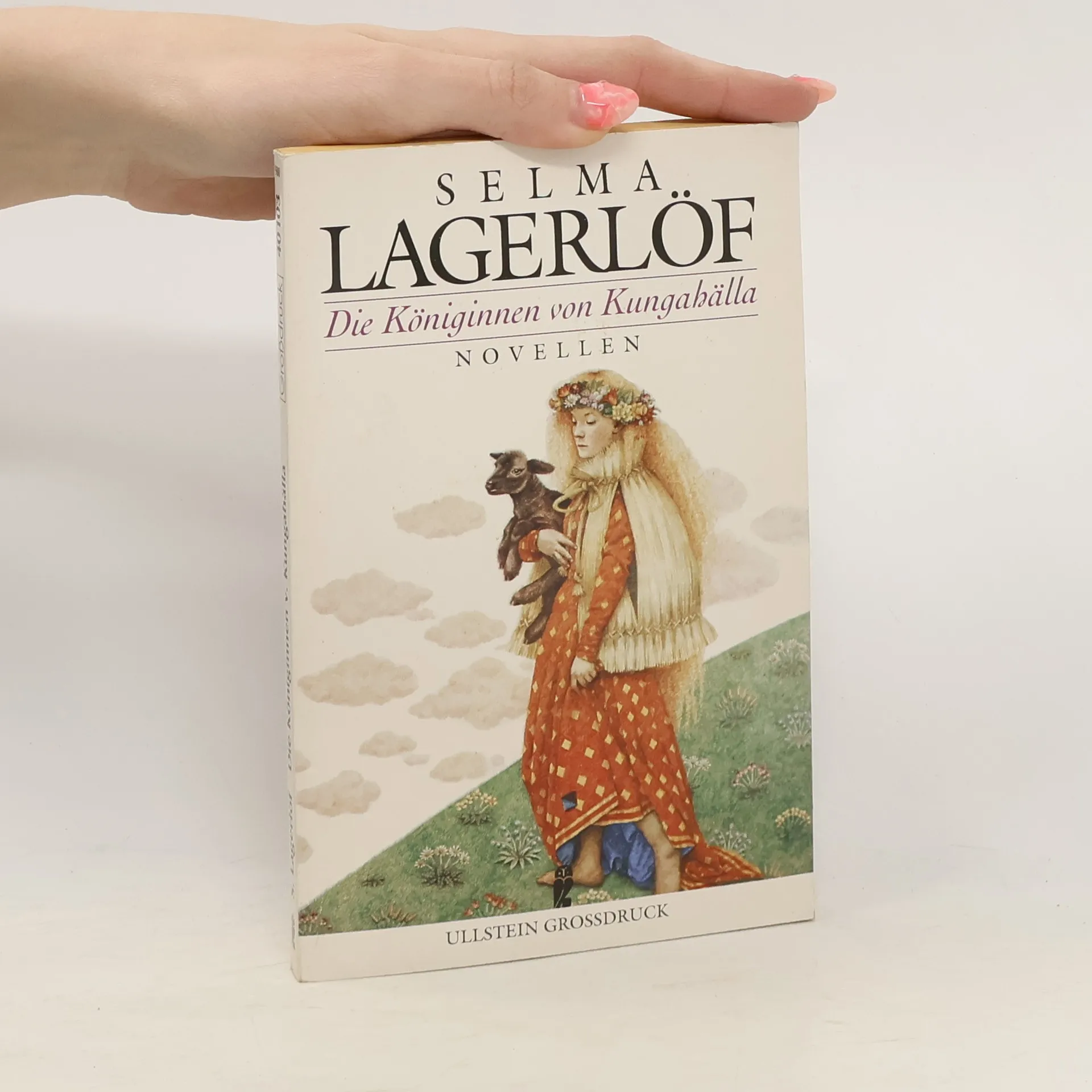
Die Königinnen von Kungahälla
- 157bladzijden
- 6 uur lezen
Es war einmal ein schöner Frühling. Und das war gerade der Frühling, in dem die schwedische Königin Sigrid Storråda in Kungahälla mit dem norwegischen König Olaf Tryggvason zusammentreffen sollte, um mit ihm über ihre Heirat zu beschließen. Es war ganz wunderlich, daß König Olaf Königin Sigrid besitzen wollte, denn freilich war sie reich, schön und hochgesinnt, aber sie war die ärgste Heidin, während König Olaf Christ war und nichts anderes im Sinne hatte, als Kirchen zu bauen und die Menschen zu zwingen, sich taufen zu lassen. Aber vielleicht dachte er, daß der Herr, Gott in der Höh', sie bekehren würde. Doch noch wunderlicher war es, daß, als Storråda König Olafs Sendboten kundgetan hatte, daß sie nach Kungahälla segeln wollte, sobald das Meer eisfrei war, der Frühling sogleich seinen Anfang nahm. Alle Kälte und aller Schnee floh dahin, gerade wenn es sonst strenger Winter zu sein pflegt..."
Die Saga, die erzählt werden wollte, war in Värmland entstanden, und man kann sicher sein, daß sie über so manchen Herrenhöfen und Eisenhämmern, über so manchen Pfarrhöfen und Offizierswoh-nungen in der schönen Provinz schwebte, zum Fenster hineinguckte und um Einlaß bat. Aber sie mußte [Pg 8]viele vergebliche Versuche machen: überall wurde sie abgewiesen. Es konnte ja kaum anders sein. Die Leute hatten an viel wichtigere Dinge zu denken. Endlich kam die Saga in ein altes Haus, das Mårbacka hieß. Das war ein kleines Gehöft mit niedrigen Wirtschaftsgebäuden, die von hohen Bäumen überschattet wurden. Früher einmal war es ein Pfarrhof gewesen, und es war, als hätte ihm das ein Gepräge aufgedrückt, das es nicht verlieren könnte. Man schien dort größere Liebe zu Büchern und Studien zu haben als anderswo, und immer lag ein stiller Friede über diesem Hause. [Zitat aus: Ein Stück Lebensgeschichte]
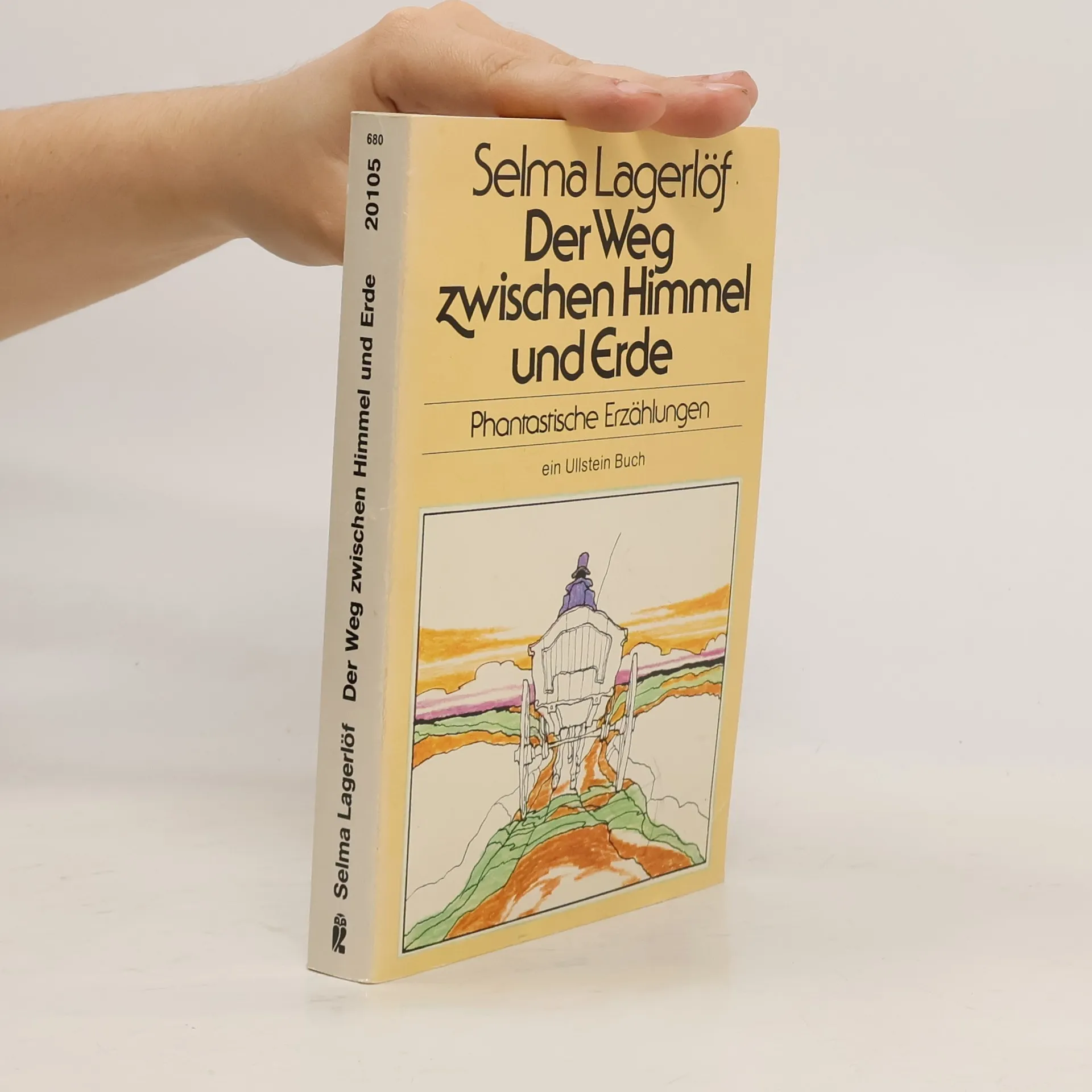
enthält die Geschichten:- Der Weg zwischen Himmel und Erde- Eine alte Almgeschichte- Der dienstbare Geist- Das Hünengrab- Die Geisterhand- Der Fischerring- Trollmusik- Vineta- Das Heinzelmännchen von Törby- Der Bruderteil- Der Befreier Tod- Der Ring des Generals
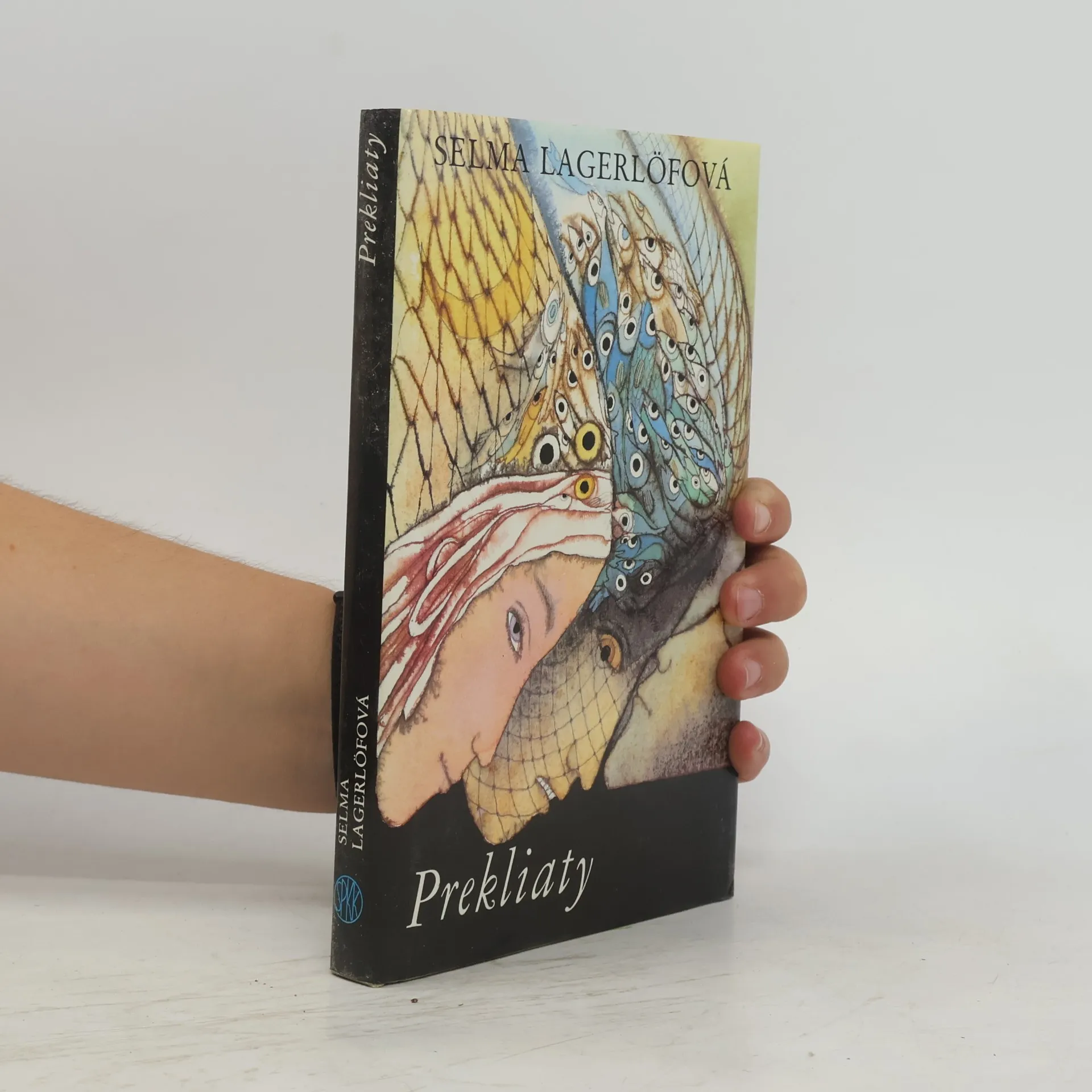
Dílo vyniká svou jednoduchostí a zároveň nepustí čtenáře z děje.Prokletý se v tomto díle dá spíše aplikovat jako Prokletí,protože autorka nás seznamuje s životním osudem dvou mužů a jedné ženy.Nakonec se ukáže,jaký je někdy lidský předsudek velký a je potřeba hodně námahy na jeho odstranění.
Der edle Brieföffner aus Holz ermöglicht es, täglich eine neue Seite des Werks von Selma Lagerlöf zu entdecken, während die warmherzigen und stimmungsvollen Texte die Vorfreude auf das Fest steigern. Die Geschichten der Literaturnobelpreisträgerin versprechen eine spannende und besinnliche Leseerfahrung, die die Wartezeit auf besondere Anlässe verkürzt.
Nils Holgerssons wunderbare Reise
Der Klassiker altersgerecht neuerzählt für Kinder ab 3 Jahren
- 40bladzijden
- 2 uur lezen
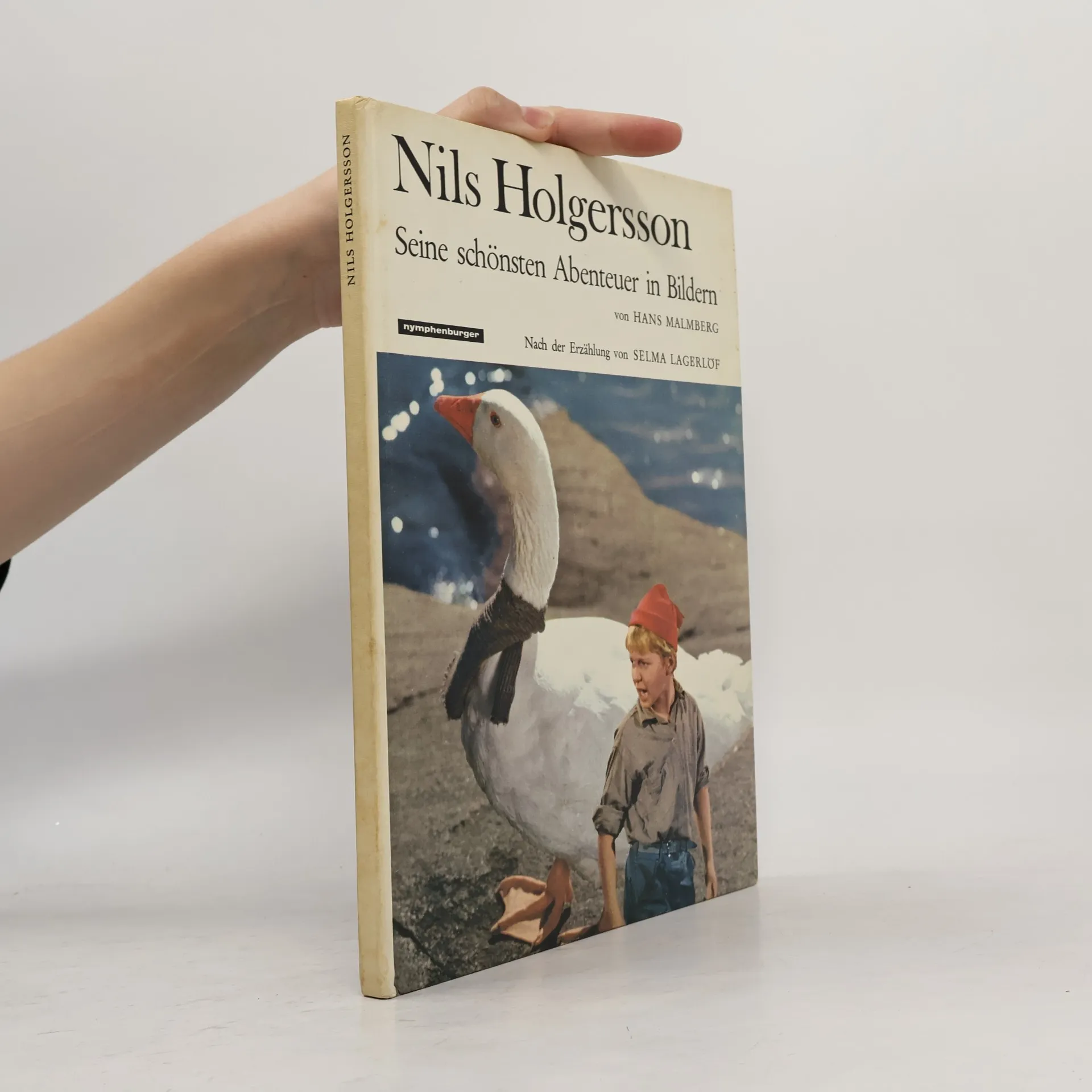
Der Klassiker , geschrieben von der ersten Nobelpreisträgerin für Literatur , altersgerecht neuerzählt für Kinder ab 3 Jahren mit echtem Leinenrücken Nils Holgersson wird zur Strafe für seine bösen Streiche von einem Wichtelmännchen geschrumpft und reist mit den Wildgänsen durch seine schwedische Heimat hoch in den Norden. Mit dem zahmen Gänserich Martin treu an seiner Seite, verjagt er den Fuchs Smirre , hilft einer Eichhörnchenfamilie und beweist in vielen weiteren Abenteuern , dass er auf seiner Reise und durch seine Freunde ein besserer Mensch geworden ist. Schließlich erhält er die Chance wieder ein normalgroßer Junge zu werden. Aber der Preis ist hoch. Wie wird Nils sich entscheiden.
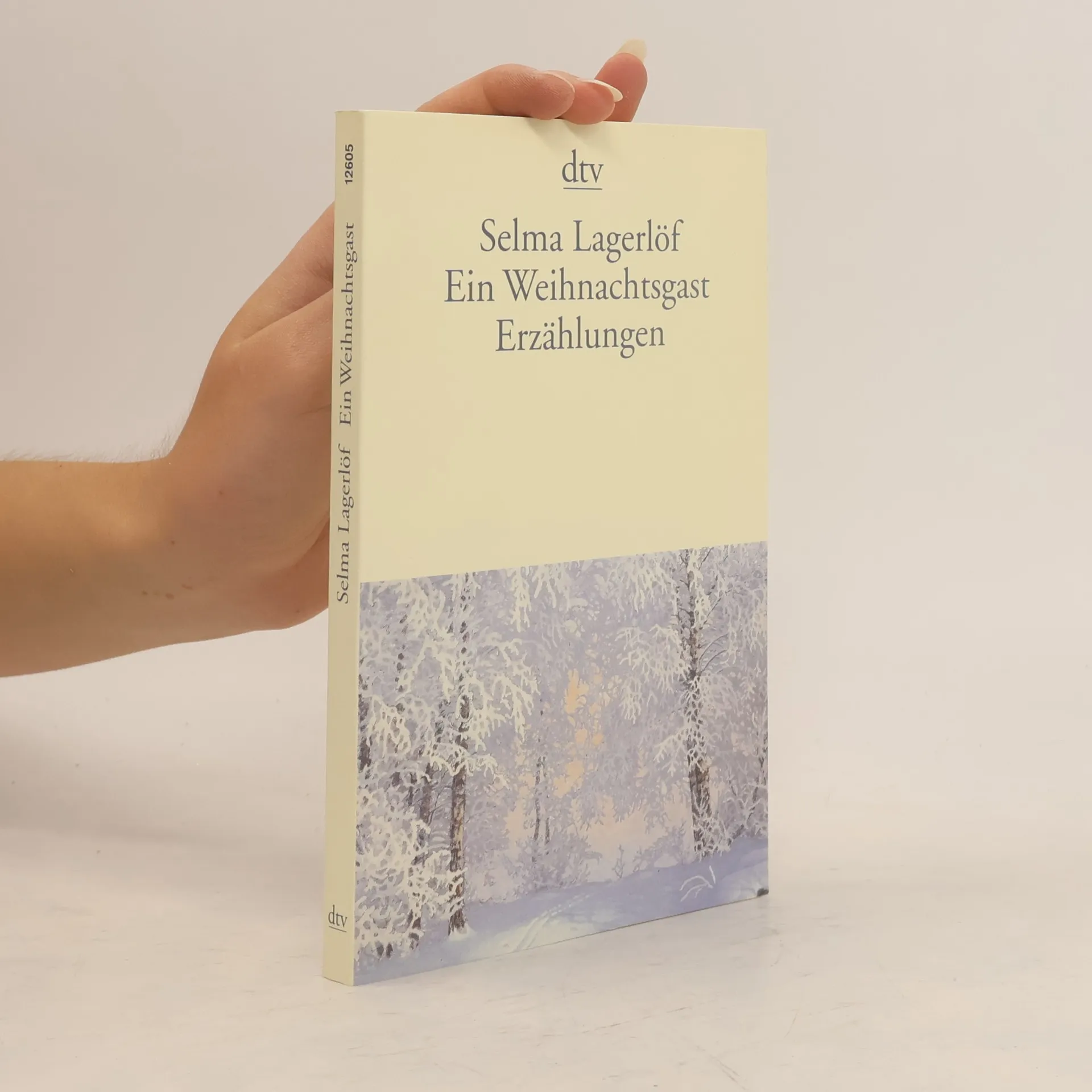
Ein Weihnachtsgast
- 160bladzijden
- 6 uur lezen
Es sind literarische Glanzlichter zur Weihnachtszeit, diese drei Erzählungen der Lagerlöf aus ihrer nordischen Heimat, die hier wieder neu im Taschenbuch vorgelegt werden. Nicht zufällig tauchen beim Lesen Erinnerungen an Charles Dickens auf, denn auch in ihren Geschichten geht es darum, das Gute im Menschen aufzuspüren, das oft unter einer abstoßenden Hülle verborgen ist.
Die schönsten Liebesgeschichten
- 198bladzijden
- 7 uur lezen
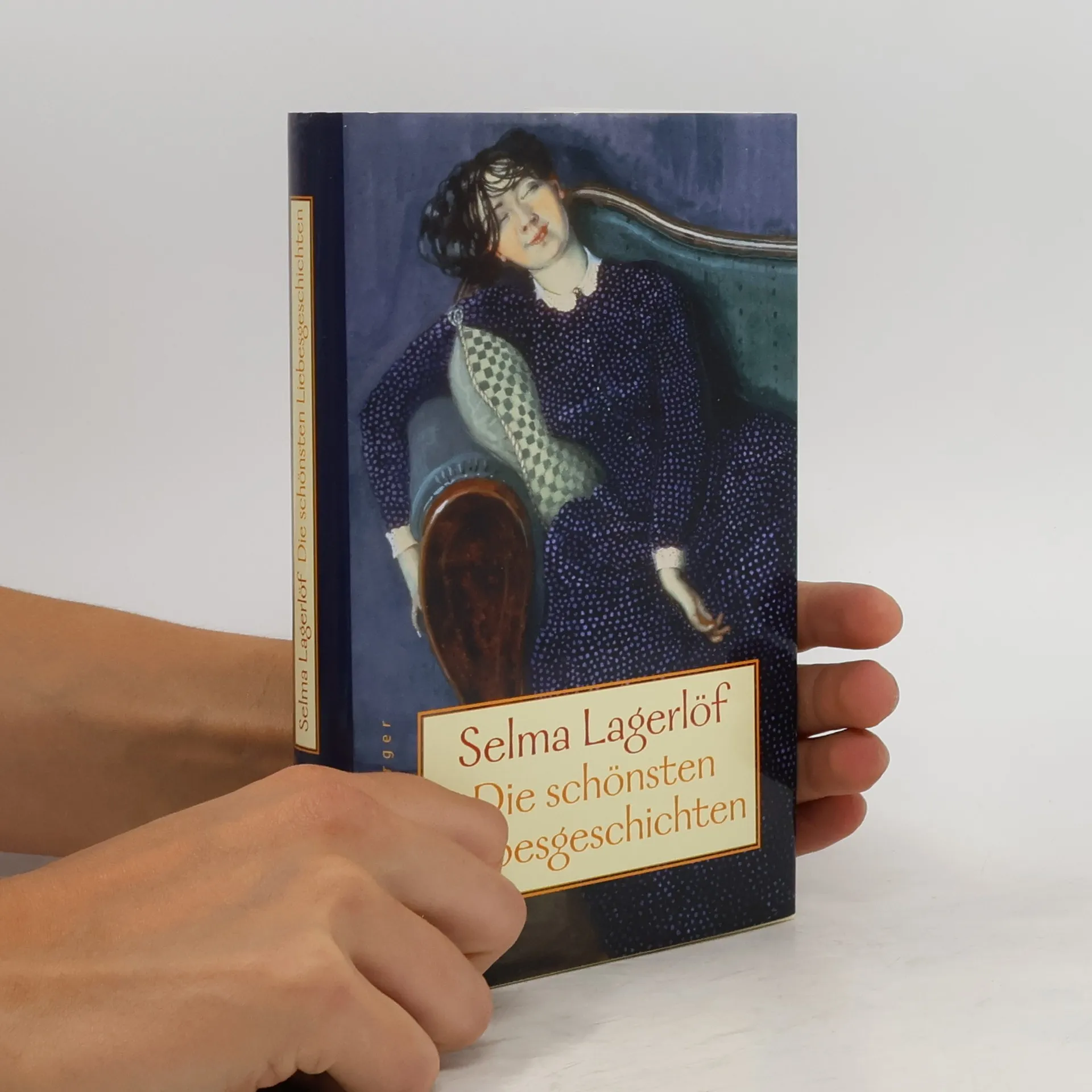
Die Nobelpreisträgerin erzählt berührende Geschichten des Herzens: Mit der ihr eigenen Sensibilität schildert Selma Lagerlöf in diesen ausgewählten Erzählungen, wie die Liebe sich in das Leben ihrer Heldinnen und Helden geschlichen hat - oft überraschend und mit manchmal magisch anmutenden Kräften. Sie zeigt, dass die Liebe und die Vorstellungen, die sich die Menschen von ihr machen, einander in den wenigsten Fällen entsprechen. Dennoch verbinden Erfahrungen der Liebe die Menschen durch alle Zeiten. Die urtümliche Sprachkraft dieser fünf Erzählungen entlarvt hinter den atmosphärisch dichten Schilderungen der schwedischen Feudalgesellschaft ewig gültige Hoffnungen und Sehnsüchte, unerwartete Erfüllung und stilles Glück. Der Band enthält die Erzählungen „Das Flaumvögelchen“, „Der Stein im See“, „Wie der Adjunkt die Pfarrerstochter freite“, „Die Geisterhand“ und „Das Mädchen vom Moorhof“.
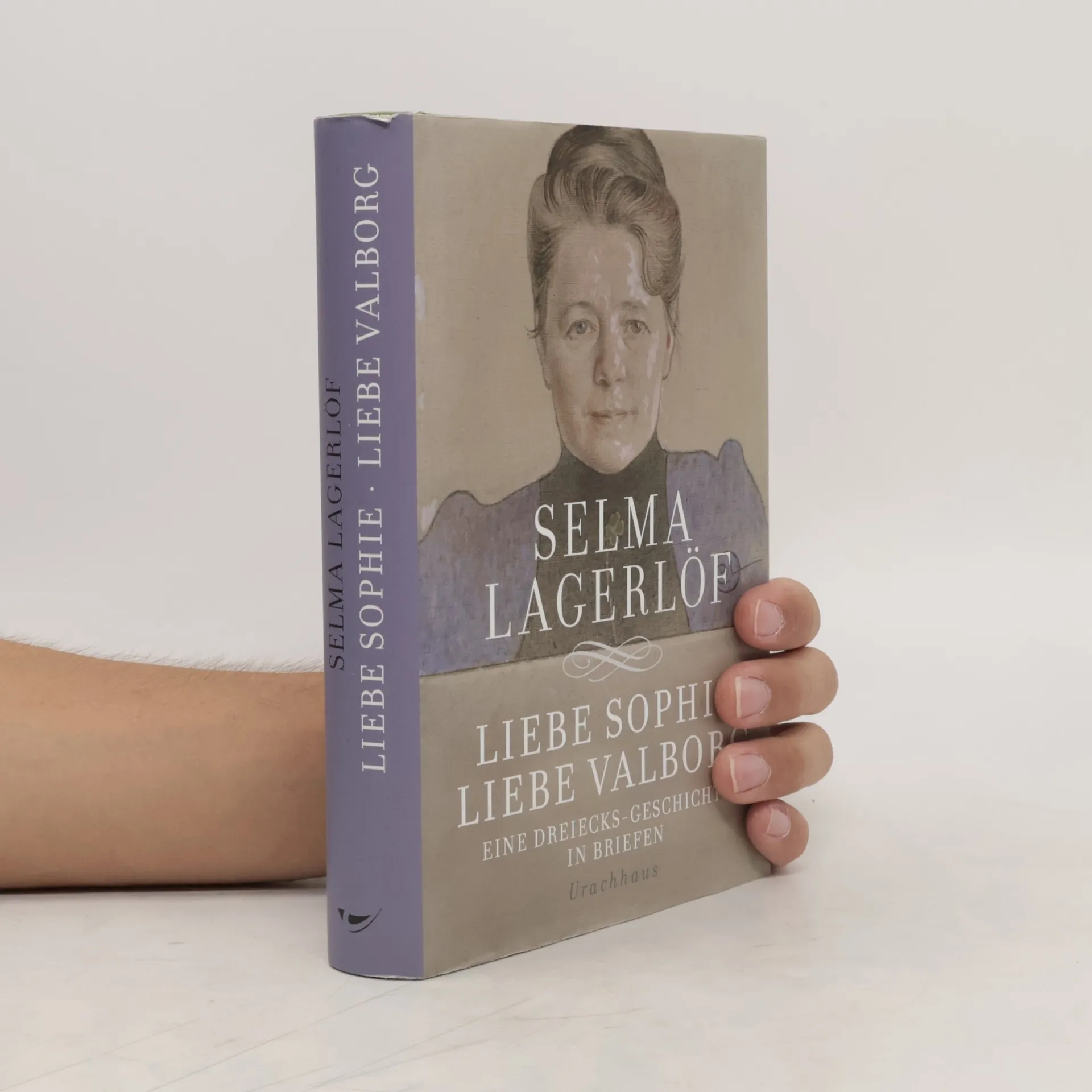
So nahe kamen wir dem Menschen Selma Lagerlöf noch nie! Erstmals liegen Teile ihrer Korrespondenz in deutscher Übersetzung vor. Über 100 Briefe der Schriftstellerin an ihre beiden engsten Vertrauten gewähren dem Leser Einblick in ein reiches und intensives Leben. Ein ausführliches Vorwort und eingestreute Kommentare erläutern Hintergründe und schaffen Zusammenhänge.
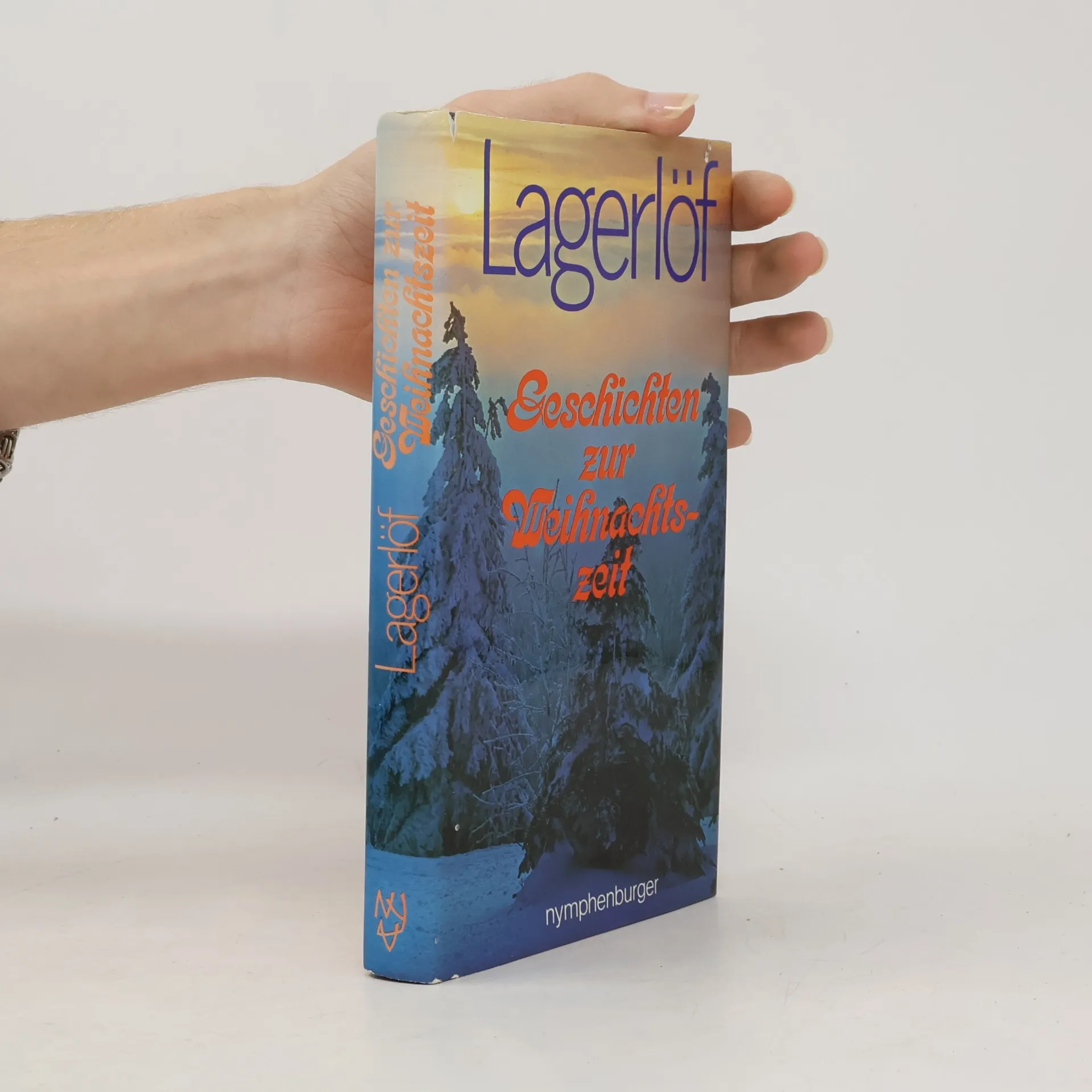
Inhalt: Ein Weihnachtsgast. Die Legende des Luciatags. Die Heilige Nacht. Die Vision des Kaisers. Die Legende von der Christrose. Trollmusik. Eine Weihnachtsgeschichte. Der Weihnachtsmorgen. Gottesfriede. Der Sturm. Der Traumpfannenkuchen. Selma Lagerlöf 1858 geboren, 1940 gestorben. Erlangte mit ihrem Erstlingsroman „Gösta Berlings“ weltweite Anerkennung. 1909 erhielt sie den Nobelpreis für Literatur, 1914 wählte man sie als Mitglied in die Schwedische Akademie der Künste.
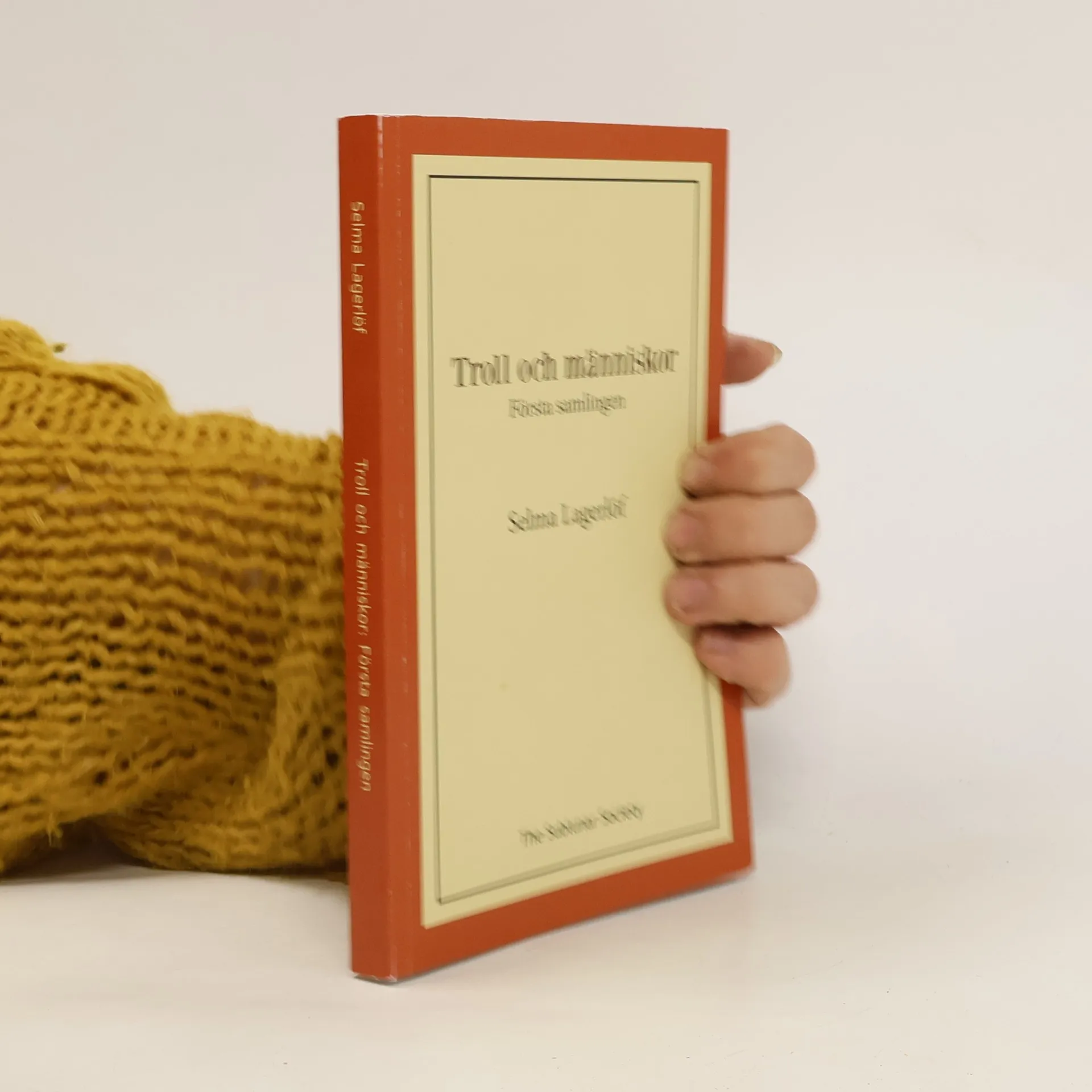
Selma Lagerlöf (1858-1940) är en av Sveriges mest hyllade författare genom tiderna. Hon var den första kvinnan att tilldelas Nobelpriset i litteratur (1909) och den första kvinnan som blev invald i Svenska Akademien (1914). Lagerlöf gav ut över tjugo romaner och novellsamlingar. Troll och människor består av två volymer; den första utgavs 1915 och den andra 1921. Här återfinns många av Lagerlöfs mest kända noveller, men även ett flertal betraktelser och tal. Flera av novellerna avhandlar hemlighetsfulla, och många gånger hotfulla samband mellan människa och natur, som t.ex. "Bortbytingen" och "Vattnet i Kyrkviken" i första samlingen och "Tomten på Töreby" i andra samlingen. Första volymen rymmer även "Hem och stat", Lagerlöfs tal vid rösträttskongressen i Stockholm (1911). I andra volymen återfinns bl.a. ett antal gripande betraktelser om krigsåren.
Es war die schönste Zeit für uns
- 96bladzijden
- 4 uur lezen
Dahin, wo nur auf vereinzelten Höfen Menschen wohnen, die Winter lang und das Leben eng mit der Natur verwoben ist, entführen die Geschichten der weltbekannten schwedischen Autorin Selma Lagerlöf. Sie erzählt alte Legenden, berichtet vom rauen, aber herzlichen Menschenschlag ihres Landes und dem ungeduldigen Warten auf das Christfest. Der beliebte schwedische Maler Carl Larsson berührt und begeistert dazu mit seinen atmosphärischen Zeichnungen und Gemälden. Ob draußen beim Skilaufen und Schlittenfahren oder drinnen in der guten Stube beim Schmücken des Weihnachtsbaums – seine Bilder lassen die heiteren Szenen in diesem Band lebendig werden. • Wintererzählungen der Literaturnobelpreisträgerin Selma Lagerlöf • mit Bildern des beliebten schwedischen Malers Carl Larsson • vom weihnachtlichen Zauber Skandinaviens
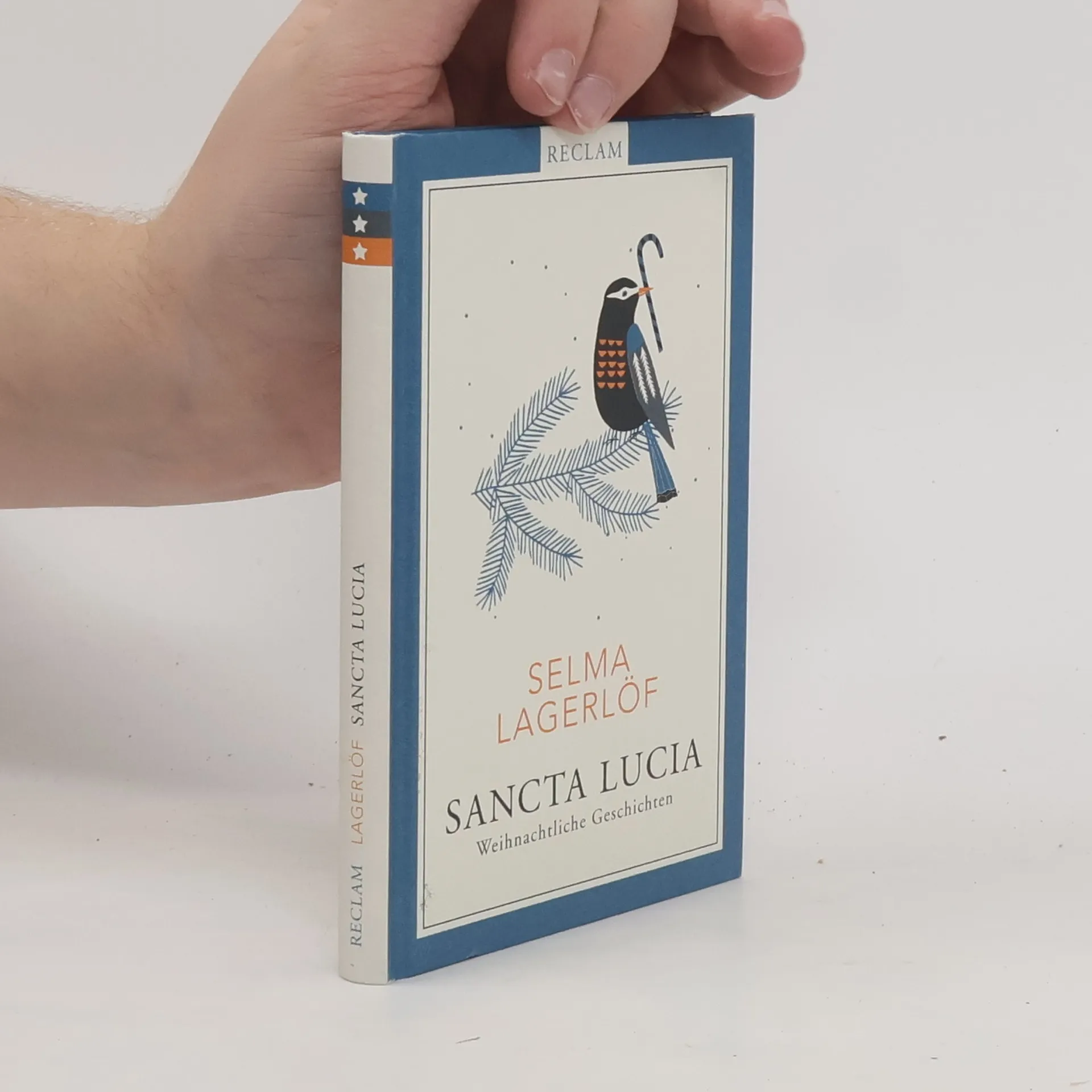
Sancta Lucia
Weihnachtliche Geschichten
»Am 13. Dezember, in früher Morgenstunde, wenn Kälte und Dunkelheit auf Värmland lastet, kam noch in meiner Kindheit die heilige Lucia von Syrakus in alle Häuser. Sie ist das Licht, das die Dunkelheit besiegt«, so heißt es in der Legende zum Luciatag . Diese und vier weitere Geschichten rund um das Weihnachtsfest ( Die Heilige Nacht , Die Legende von der Christrose , Gottesfriede , Ein Weihnachtsgast ) enthält dieser Band in neuer Übersetzung.
Klassiker zur Weihnachtszeit Vom Zauber der Christrose, einem ganz besonderen Weihnachtsmorgen und der Kraft eines unerwarteten Geschenks erzählen Selma Lagerlöfs schönste Weihnachtsgeschichten. Sie entreißen ihre Leser*innen der Hektik der heutigen Zeit und entführen ins winterliche Schweden voller fantastischer Sagen und Legenden. Ein Lesegenuss für eine besinnliche Adventszeit. • Die bekanntesten Weihnachtslegenden der Literaturnobelpreisträgerin Selma Lagerlöf • Der Weihnachtsmorgen, Die Legende der Christrose, Die Heilige Nacht, Ein Weihnachtsgast, Der Sturm, Ein Emigrant • Wunderschön illustriert • Rote Folienveredelung auf dem Cover und mit Lesebändchen
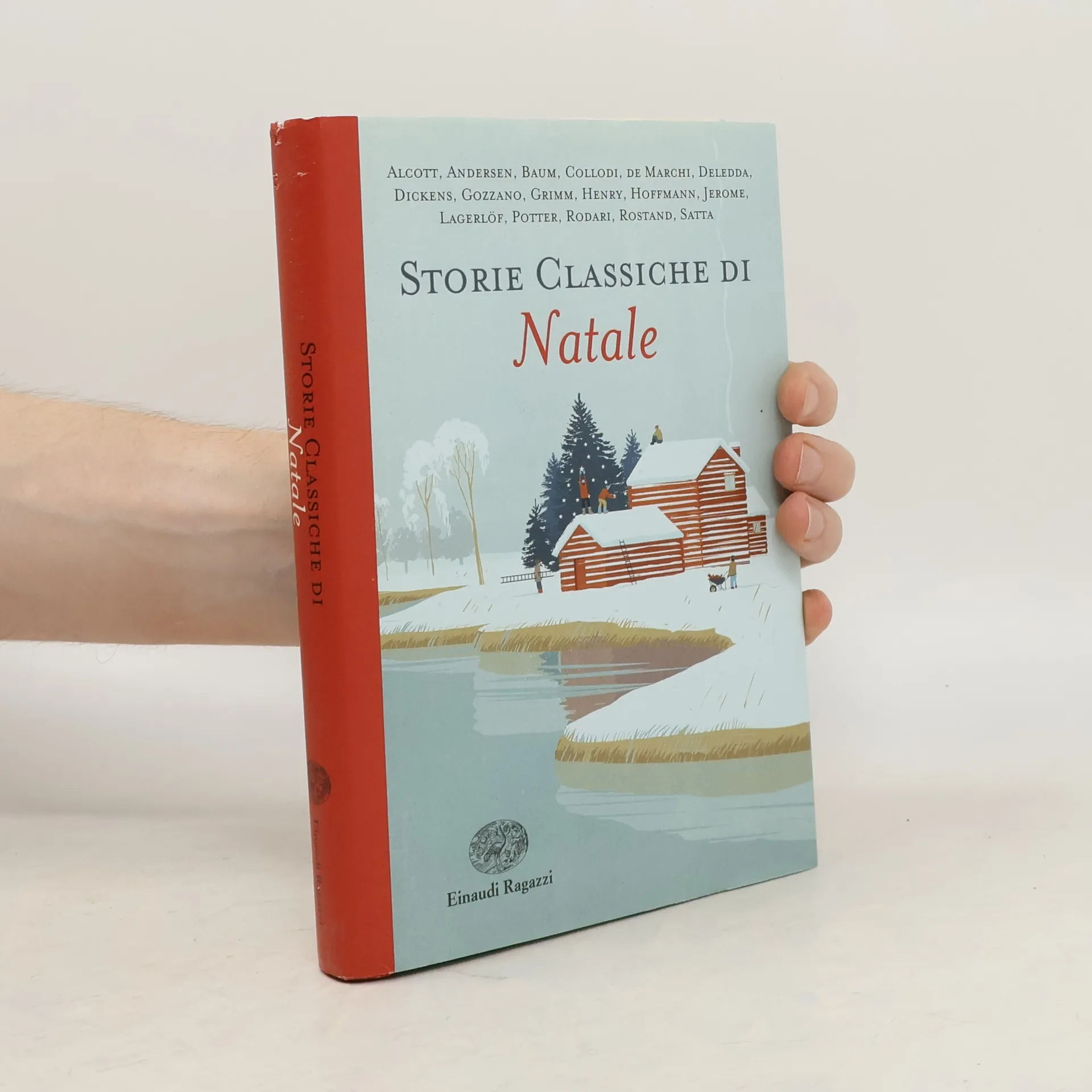
Storie classiche di Natale
- 220bladzijden
- 8 uur lezen
Il cielo profuma di neve, si accendono le luci sugli alberi della città. Arriva il periodo più bello dell'anno! Ma com'era il Natale quando al posto delle auto, c'erano le carrozze trainate dai cavalli? Com'era quando non c'erano i centri commerciali, ma le botteghe dei falegnami e i laboratori dei giocattolai? Com'era quando il pane si faceva in casa e invece del riscaldamento c'era la stufa a legna? Com'era quando tutta la famiglia si riuniva per il pranzo natalizio intorno alla tavola illuminata dalle candele e decorata con il vischio e le bacche di agrifoglio? Ce lo raccontano i grandi autori della letteratura, in questa raccolta di racconti e brani di romanzi storie straordinarie che sono ormai entrate a far parte della nostra tradizione natalizia. Età di da 8 anni.
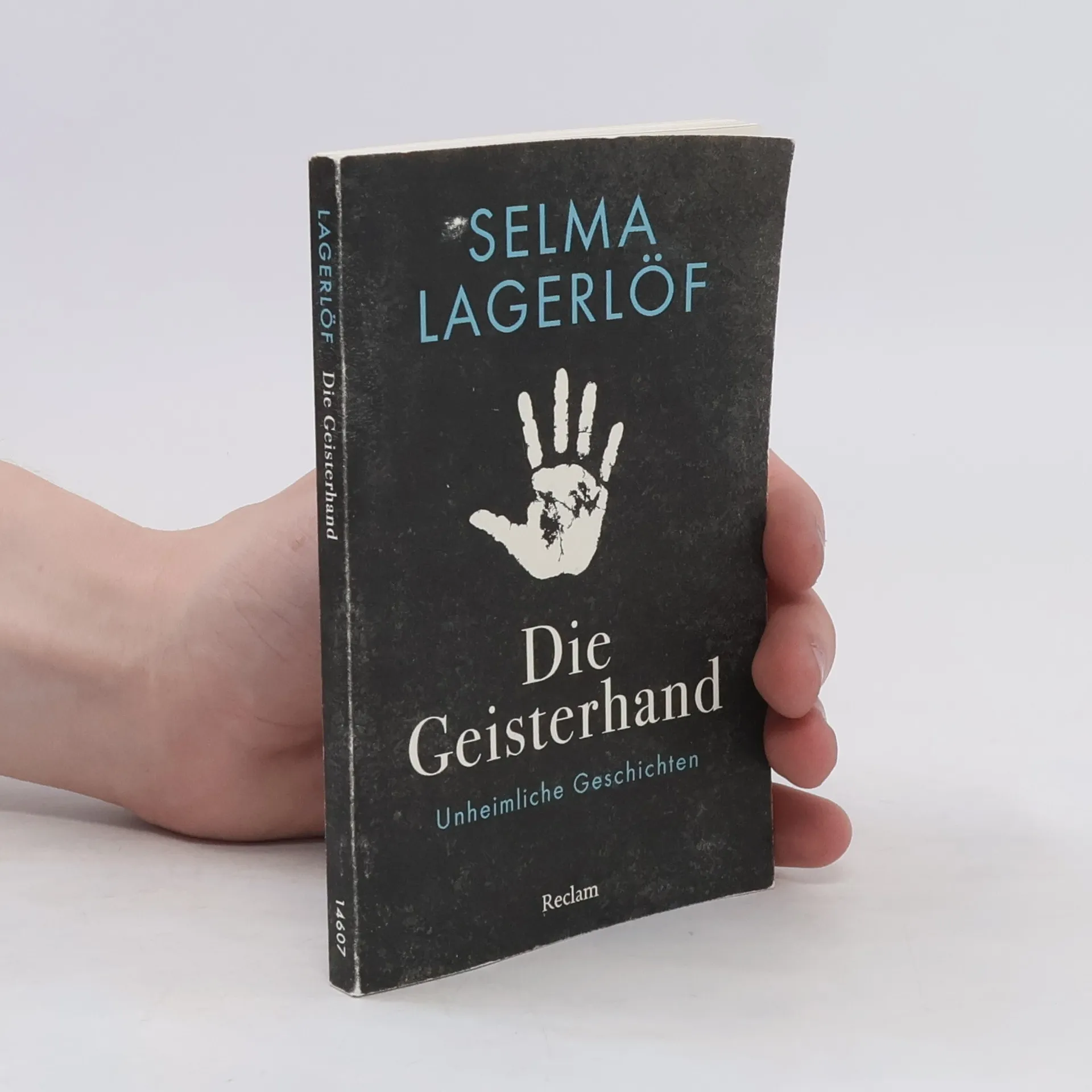
Die Geisterhand. Unheimliche Geschichten
Lagerlöf, Selma – Erzählungen zum Gruseln; schwedische Literatur zum Fürchten – 14607
- 136bladzijden
- 5 uur lezen
In "Unheimlich schöne Geschichten" erlebt die junge Ellen, die bei ihren Tanten lebt, ein unbegreifliches Ereignis, das ihr Leben verändert. Selma Lagerlöf, bekannt für "Die Wunderbare Reise des kleinen Nils Holgersson", fasziniert in diesem Band mit unheimlichen Erzählungen wie "Die Geisterhand" und "Vineta".
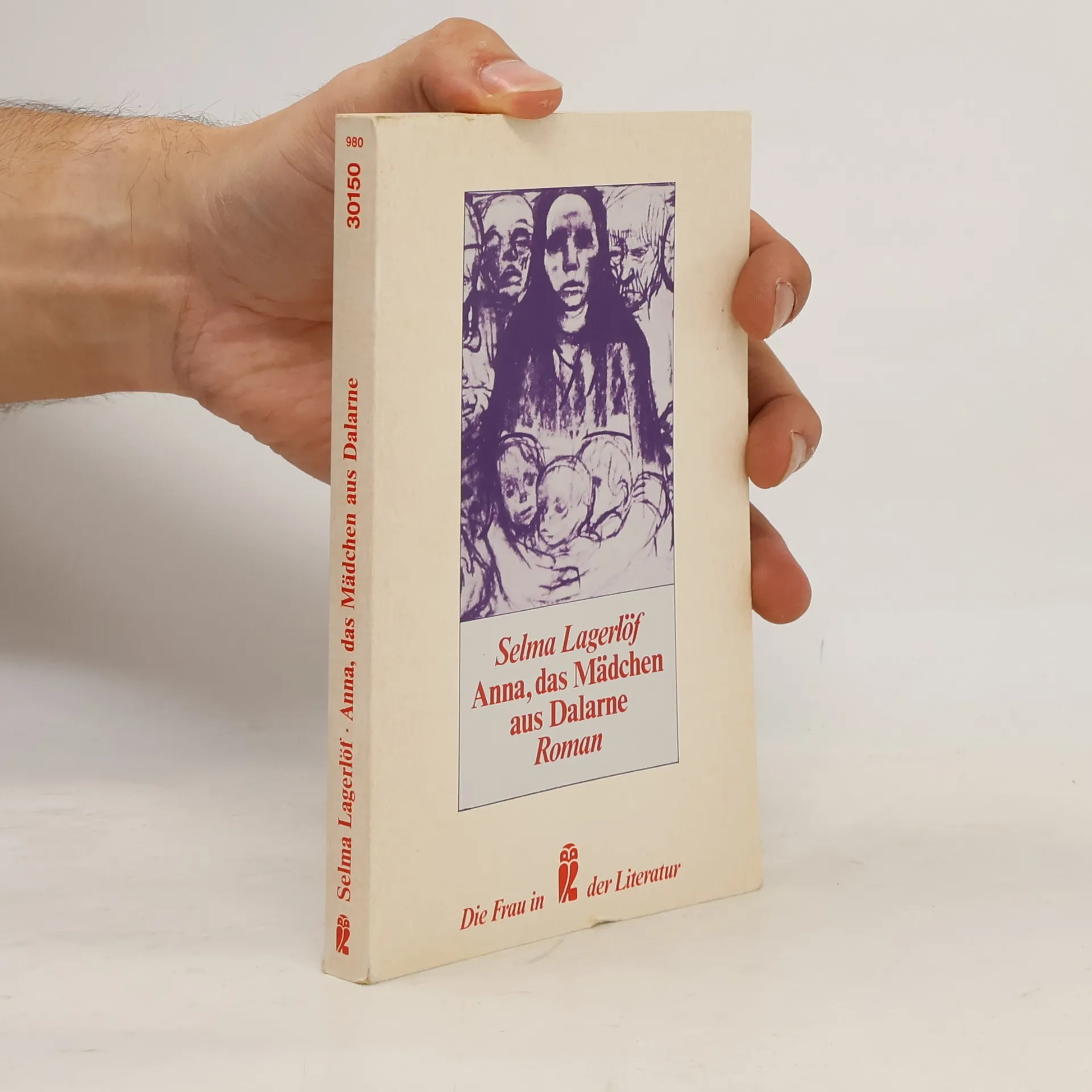
Anna, das Mädchen aus Dalarne. Roman. Nachw. v. Anni Carlsson
- 252bladzijden
- 9 uur lezen
Nachwort von Anni Carlsson zu "Die Frau in der Literatur" mit 252 Seiten.
In diesem Roman von Selma Lagerlöf wird das Leben eines Heiligen auf eindrucksvolle Weise erzählt. Die Geschichte beleuchtet die Herausforderungen und Prüfungen, die der Protagonist durchlebt, während er nach spiritueller Erfüllung und dem Verständnis seiner Bestimmung sucht. Lagerlöf verwebt tiefgreifende Themen wie Glauben, Liebe und das Streben nach Wahrheit in eine fesselnde Erzählung, die den Leser auf eine emotionale Reise mitnimmt. Die poetische Sprache und die lebendigen Charaktere verleihen dem Werk eine besondere Tiefe und Anziehungskraft.
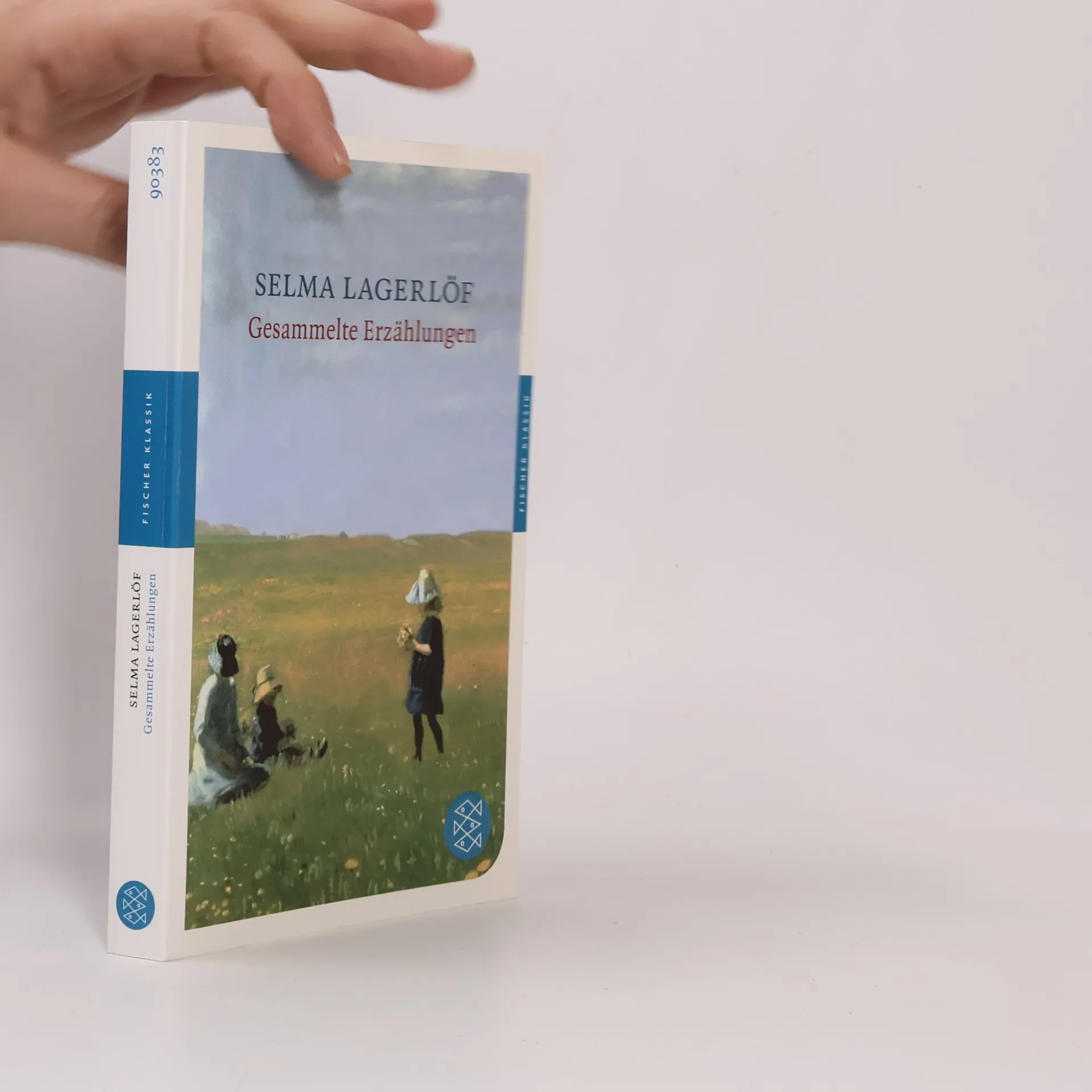
Stimmungsvolle Landschaften, sehnsuchtsvolle Liebesgeschichten, Trolle und Heilige – die Erzählungen der schwedischen Nobelpreisträgerin Selma Lagerlöf zeichnen sich durch ihren Detailreichtum und den Zauber des Wundersamen aus. Dieser Band versammelt die bekanntesten und schönsten Erzählungen der großen Autorin. Mit dem Werkbeitrag aus Kindlers Literatur Lexikon. Mit Daten zu Leben und Werk, exklusiv verfasst von der Redaktion der Zeitschrift für Literatur TEXT + KRITIK.
Die Seele voll von Frühlingsträumen
Geschichten & Legenden - Mit Bildern von Carl Larsson
- 96bladzijden
- 4 uur lezen
Die weltbekannte schwedische Autorin Selma Lagerlöf entführt ins Landleben der guten alten Zeit. Sie erzählt vom rauschenden Frühlingsfest, von der Legende des Rotkehlchens, einem wunderschönen Garten und vielem mehr. Natürlich spielen auch Nils Holgerssons Wildgänse und ihre Vogelperspektive auf die erwachende Natur eine wichtige Rolle. Bebildert ist der Leseband mit heiteren Motiven des beliebten schwedischen Malers Carl Larsson. Meisterhaft fängt er in seinen lebensfrohen Frühlingsbildern Licht und Stimmung des ländlichen Skandinaviens ein. • 6 Frühlingserzählungen der Literaturnobelpreisträgerin Selma Lagerlöf • mit Bildern des beliebten schwedischen Malers Carl Larsson • Nordischer Frühling
Sie gilt als das reifste Werk der Nobelpreisträgerin – die Löwensköld-Trilogie. In ihr vereint sich die mythische Sage von dem Fluch, der auf dem Ring des Generals Löwensköld liegt, mit den Lebensgeschichten von Charlotte Löwensköld und Anna Svärd, die zu den bewundernswertesten und modernsten Frauengestalten Selma Lagerlöfs zählen. Wie magisch von dem wertvollen Schmuckstück angezogen rauben der Bauer Bård Bårdsson und seine Frau einen Ring aus dem Grab des Generals Löwensköld – und ziehen damit einen schrecklichen Fluch auf sich, der nicht einmal mit dem grauenhaften Tod der Bårdssons endet. Noch viele Generationen ringen um ihr Lebensglück und dasjenige ihrer Liebsten, unheimlichen Mächten trotzend, die ihr Schicksal zu lenken scheinen.
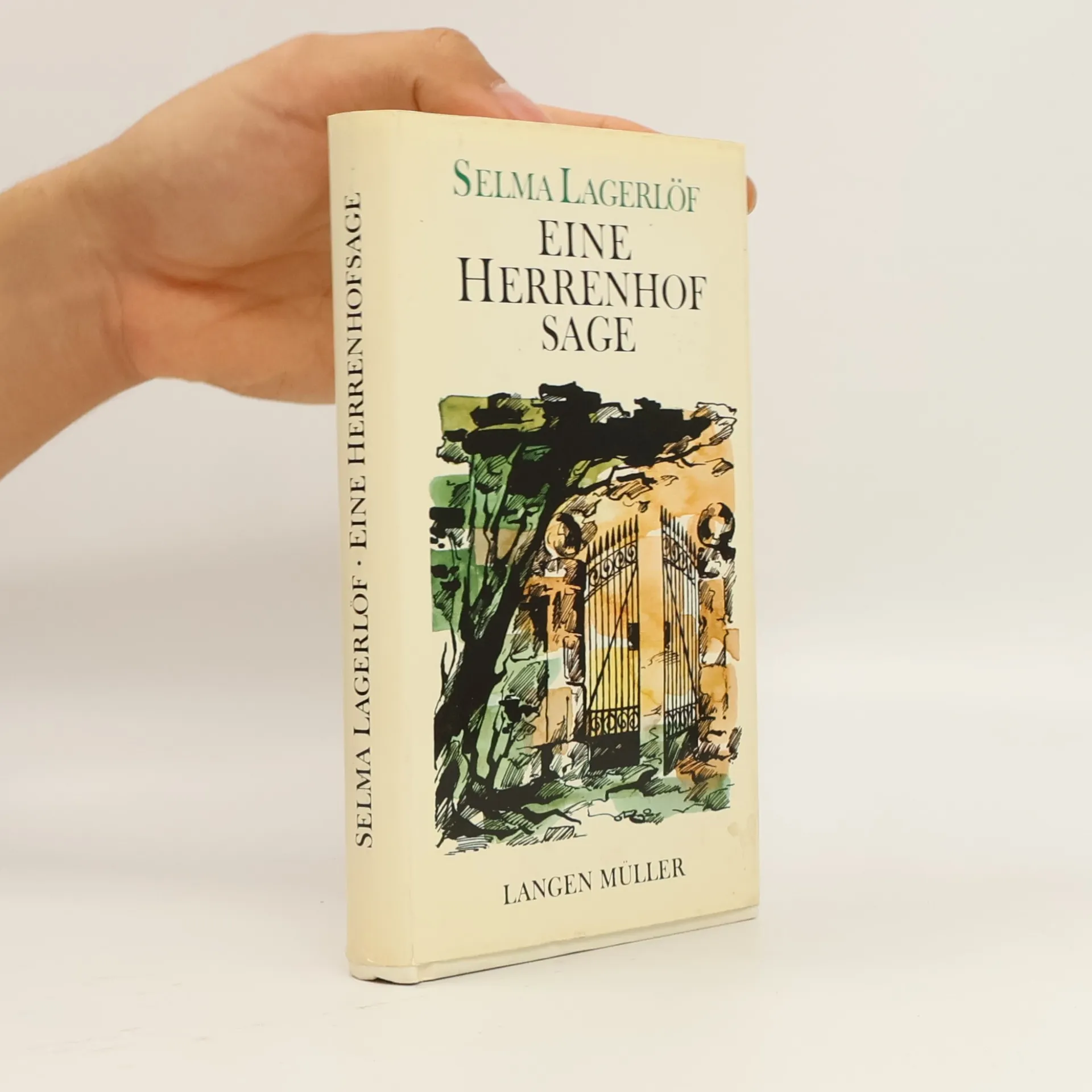
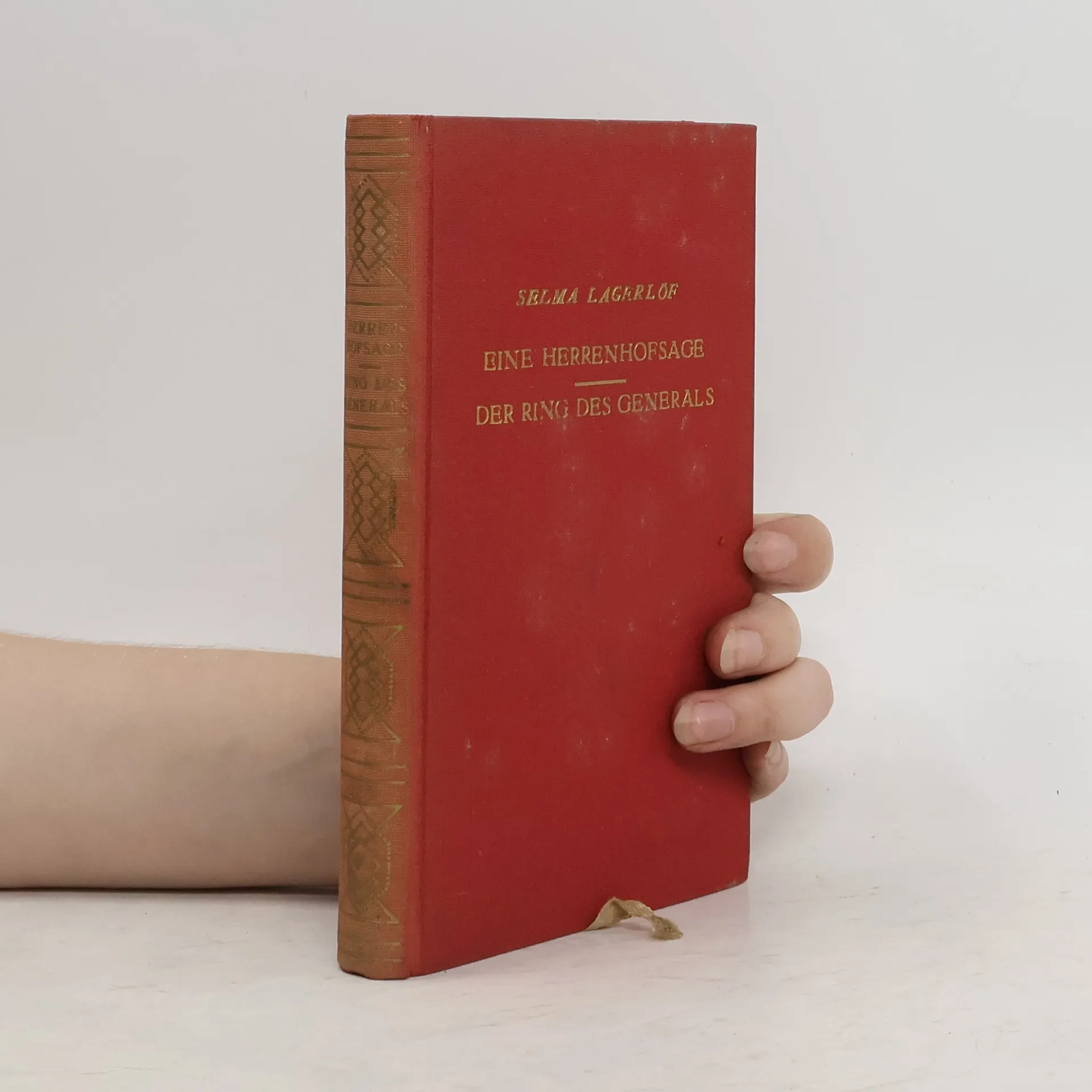
Eine Herrenhofsage
- 158bladzijden
- 6 uur lezen
Selma Lagerlof: Eine Herrenhofsage Edition Holzinger. Taschenbuch Berliner Ausgabe, 2016 Durchgesehener Neusatz bearbeitet und eingerichtet von Michael Holzinger En herrgardssagen. Erstdruck: 1899. Hier in der Ubersetzung von Pauline Klaiber-Gottschau. Auch erschienen unter dem Titel Eine Gutsgeschichte. Herausgeber der Reihe: Michael Holzinger Reihengestaltung: Viktor Harvion Umschlaggestaltung unter Verwendung des Bildes: Carl Larsson, Selma Lagerlof, 1908 Gesetzt aus der Minion Pro, 11 pt.
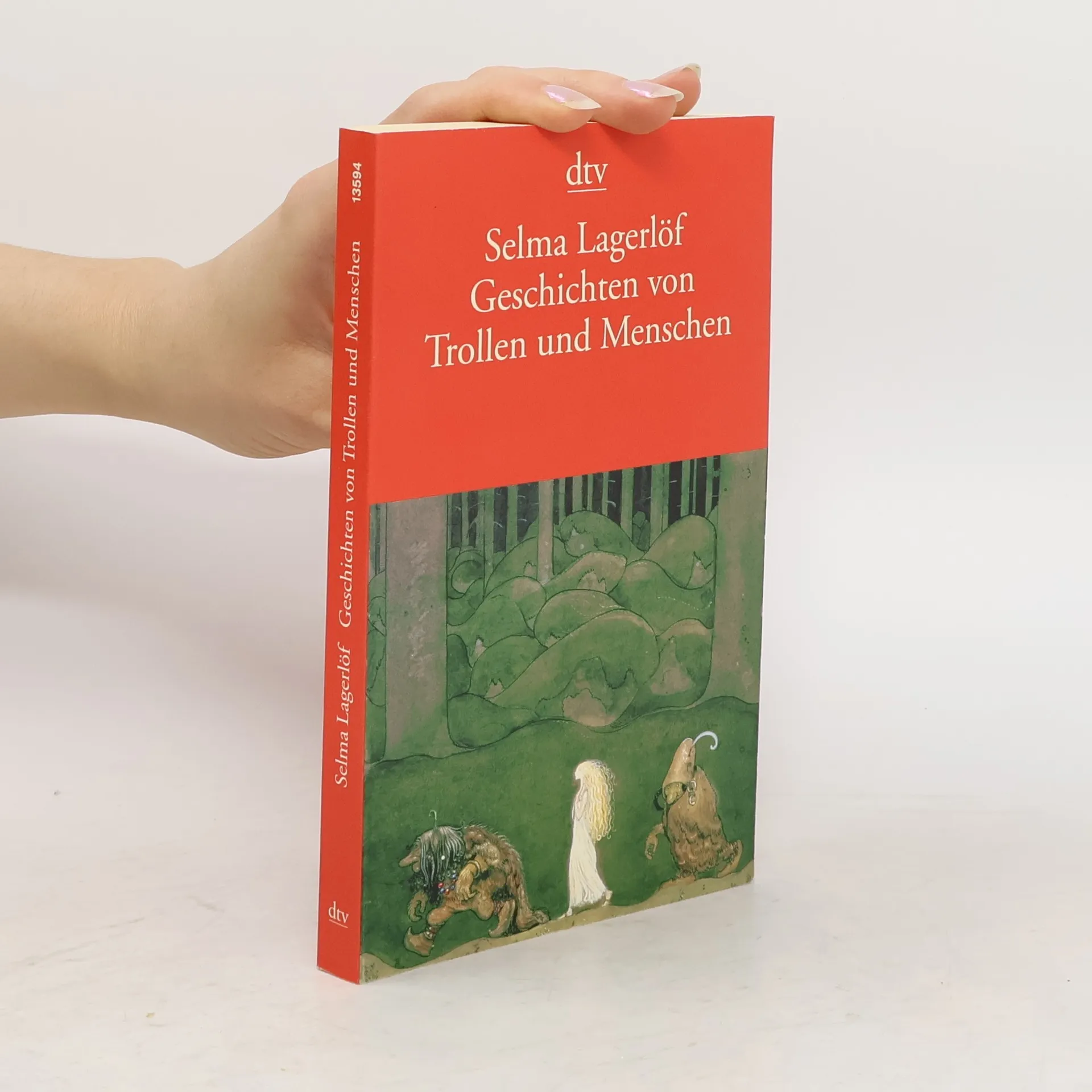
Neun meisterhafte Erzählungen der schwedischen Nobelpreisträgerin »Das alles beherrschende Element in Selma Lagerlöfs Prosa ist die Landschaft, die mitbestimmt über das Los des Menschen und ihn formt.« Jörg Weigand in Die WeltAm 20. November 2008 ist der 150. Geburtstag von Selma Lagerlöf zu feiern und am 16. März 2010 jährt sich ihr 70. Todestag. Diese Gedenktage sind Anlass, das Werk der berühmten Nobelpreisträgerin neu aufzubereiten. Den Auftakt bildet dieser Band mit Geschichten von Trollen und Menschen aus dem großen erzählerischen Oeuvre der Autorin, die in unnachahmlicher Weise die schicksalsmächtige Verbindung zwischen den Menschen, der Natur und der in ihr lebenden Wesen zu ergründen weiß.
A coleção apresenta uma variedade de contos e lendas suecas que refletem a fantasia e a cultura da época. Entre as histórias, encontram-se narrativas conhecidas como "O Anel do Peixe" e "A Fuga para o Egito", que são permeadas por temas morais e místicos. Obras menos conhecidas como "Sangue Romano" e "A Mão Fantasma" também estão incluídas e oferecem um profundo insight na folclore sueca. Selma Lagerlöf consegue, com sua narrativa sensível, transportar os leitores para um mundo encantado.
Die junge, fröhliche Pfarrerstochter Maja Lisa lebt zu Beginn des 19. Jahrhunderts mit ihrem Vater auf dem Gutshof Lövdala in Värmland. Ihr Leben verändert sich drastisch, als der Vater seine Haushälterin Anna Maria Raklitz heiratet, die das Haus fortan mit eiserner Hand regiert und Intrigen gegen ihre Stieftochter spinnt …
Mistrzowie opowieści. Skandynawskie lato
- 400bladzijden
- 14 uur lezen
Latem świat jest piękniejszy, a codzienność bardziej intensywna."Bo latem mało się musi, a wszystko może." Skandynawowie kochają światło. A letnie światło na Północy nie przypomina żadnego innego – dłużej trwa, jest ostrzejsze, przejrzystsze, a jednocześnie nasycone błękitem morza, wszędobylskich jezior oraz zielenią gęstych lasów. Więc gdy dzień staje się choć odrobinę dłuższy, zaczyna się święto prostej radości i wyzwolenia.Skandynawskie lato to fascynujący przegląd mistrzów literatury pochodzących z Danii, Finlandii, Islandii, Norwegii i Szwecji. Od autorów znanych polskim czytelnikom od czasów dzieciństwa, jak Tove Jansson, Astrid Lindgren lub Hans Christian Andersen, przez noblistów, jak Selma Lagerlöf i Halldór Kiljan Laxness, po tych, z którymi zetkną się po raz pierwszy, jak Naja Marie Aidt czy Mikkel Bugge. Można otworzyć ten zbiór na dowolnej stronie i od razu zanurzyć się w jeziorze, morzu, wejść do lasu lub posiedzieć w ogrodzie, powędrować ulicami opustoszałego miasta, wystawić twarz do słońca i poczuć na policzku pocałunek jego promieni.
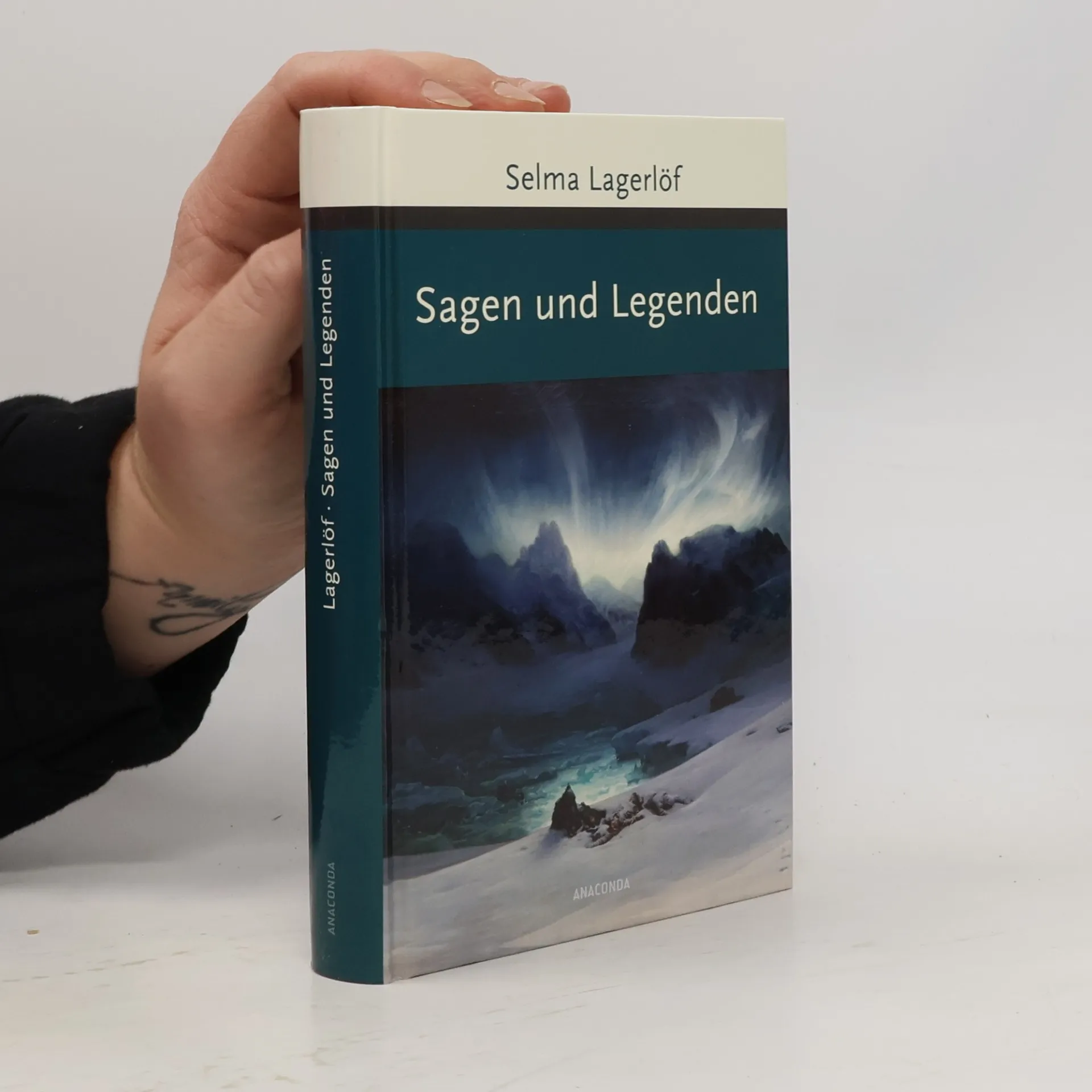
Sagen und Legenden
- 256bladzijden
- 9 uur lezen
Im umfangreichen Werk Selma Lagerlöfs nehmen die meisterhaften Erzählungen eine wichtige Rolle ein: Denn in ihnen wird besonders deutlich, warum sie 1909 den Nobelpreis für Literatur erhalten hat – wegen des »edlen Idealismus, des Fantasiereichtums und der seelenvollen Darstellung« in ihren Texten. Insbesondere die Erzählungen aus »Sagen und Legenden«, getragen von christlichen und mystischen Motiven, sind dafür Musterbeispiele. Sie handeln von Schuld und Sühne, von Vergebung und Erlösung. Die eindringliche Wirkung der Prosa wird durch eine faszinierende Sprache verstärkt, die mit Elementen aus einer langen Erzähltradition angefüllt ist.
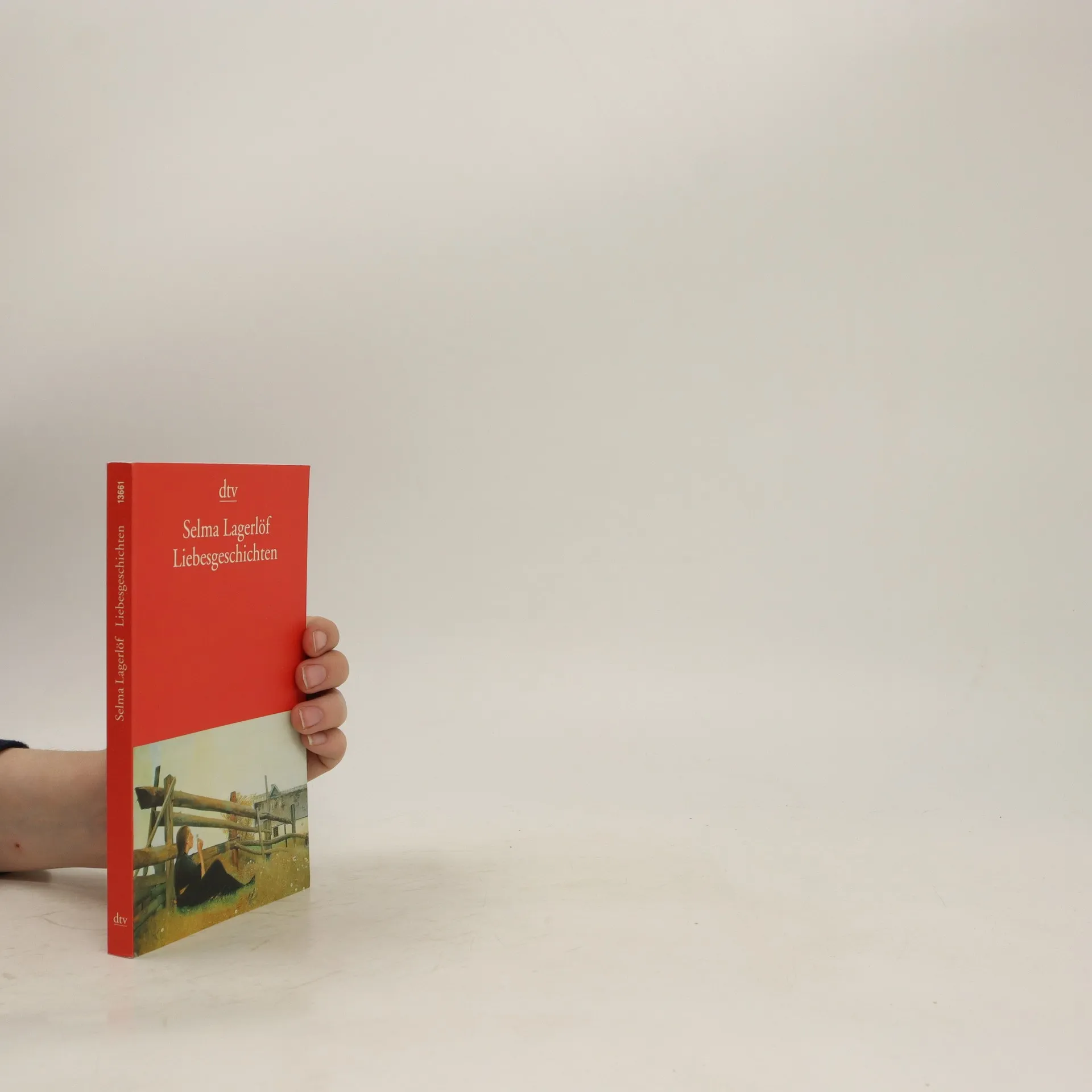
Der dritte Band der neuen Lagerlöf-Edition bei dtvDie Nobelpreisträgerin beschreibt darin die Facetten von Liebesglück und -leid. Im Vordergrund steht dabei nicht das Happy End, es werden vielmehr die vielfältigen und oft widersprüchlichen Gefühle der Heldinnen und Helden dieser kleinen Geschichten in den Mittelpunkt gestellt.
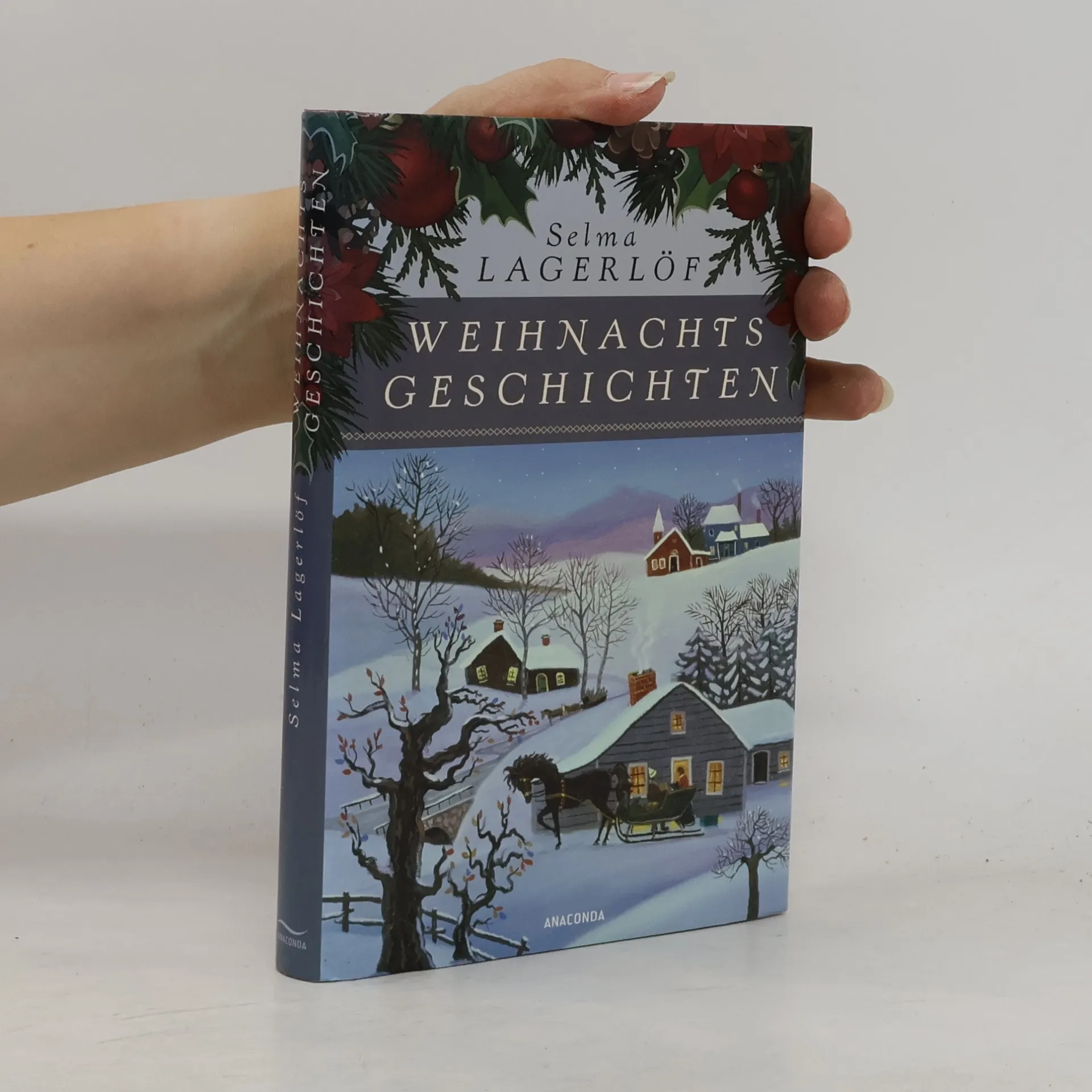
Weihnachtsgeschichten
- 160bladzijden
- 6 uur lezen
Die Weihnachtsgeschichten der Selma Lagerlöf haben Schneegarantie, denn sie spielen im winterlichen Schweden. Und sie entreißen ihre Leser wirkungsvoll aus der Hektik der 'besinnlichen Zeit'. Hier begegnet man keinen bärtigen Männern mit roter Mütze, sondern Trollen, Schafen oder auch der Räubermutter und einem Traumpfannkuchen. Und vor allem begegnet man sich selbst, seinen eigenen Sorgen, Mühen und Hoffnungen, gespiegelt in legendenhaften Erzählungen von schlichter Anmut und Größe.
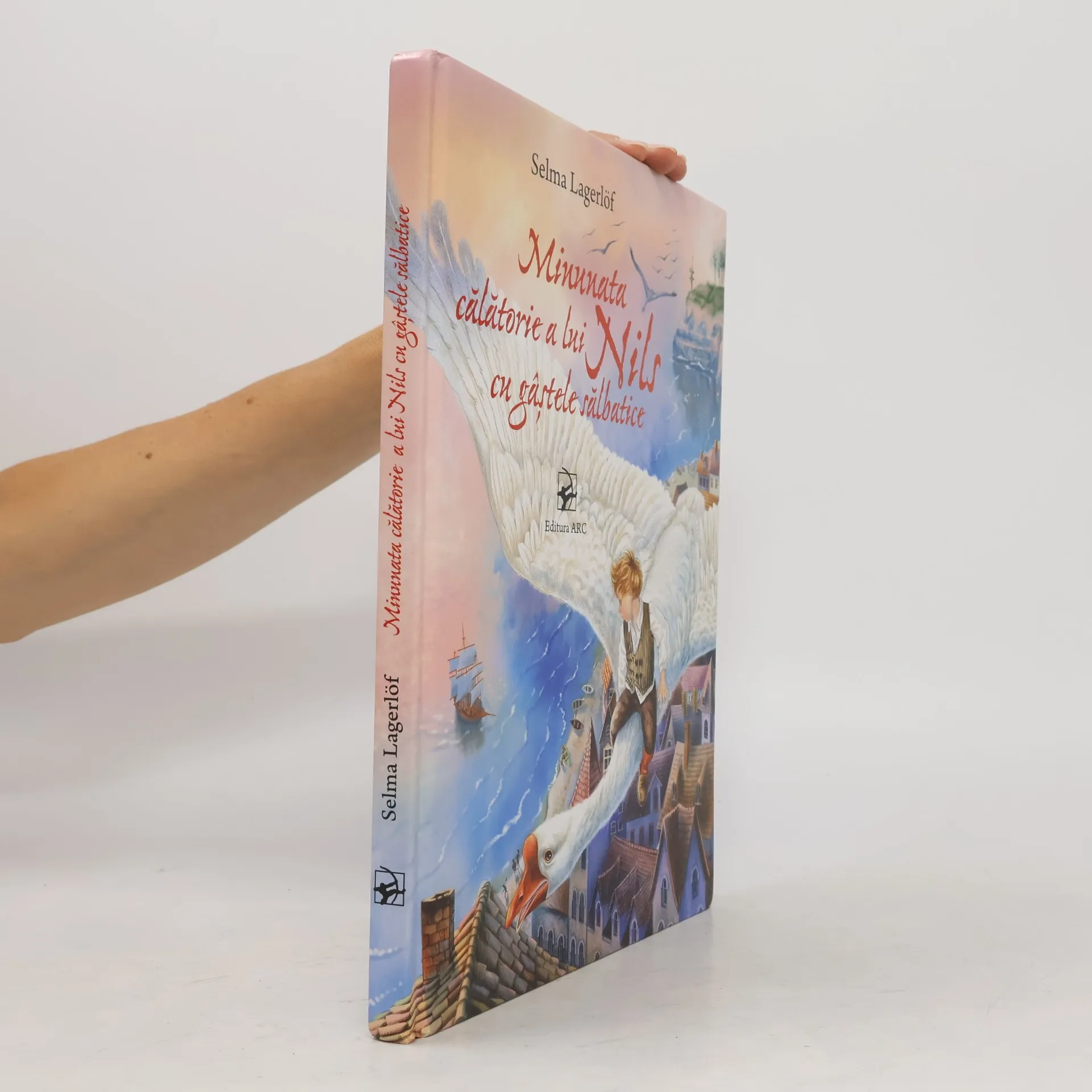
Minunata călătorie a lui Nils cu gâștele sălbatice
- 80bladzijden
- 3 uur lezen
Cartea Minunata călătorie a lui Nils Holgersson prin Suedia a fost scrisă la începutul secolului trecut de Selma Lagerlöf, învățătoare la o școală de fete. Autoarea o concepuse drept material didactic la geografie. Subiectul lucrării s-a dovedit însă atât de captivant, încât în scurt timp, a ajuns bestseller. Nils, eroul cărții, este vrăjit de un gnom deoarece își bătea joc de animalele din curte. Pentru a-și ispăși pedeapsa, este obligat să călătorească în compania unui cârd de gâște sălbatice. În neobișnuitul său periplu, micul personaj descoperă lumea și importanța întrajutorării. În aceste condiții, Nils se schimbă treptat, devenind salvatorul celor încăpuți la nevoie. Noua sa calitate îl face deosebit de simpatic pentru micii cititori. După îndelungi peripeții, Nils se întoarce acasă pe deplin maturizat și mult mai curajos decât plecase. Asta îl face pe gnomul care l-a vrăjit și care l-a urmărit de-a lungul călătoriei să-l scoată de sub puterea magiei.
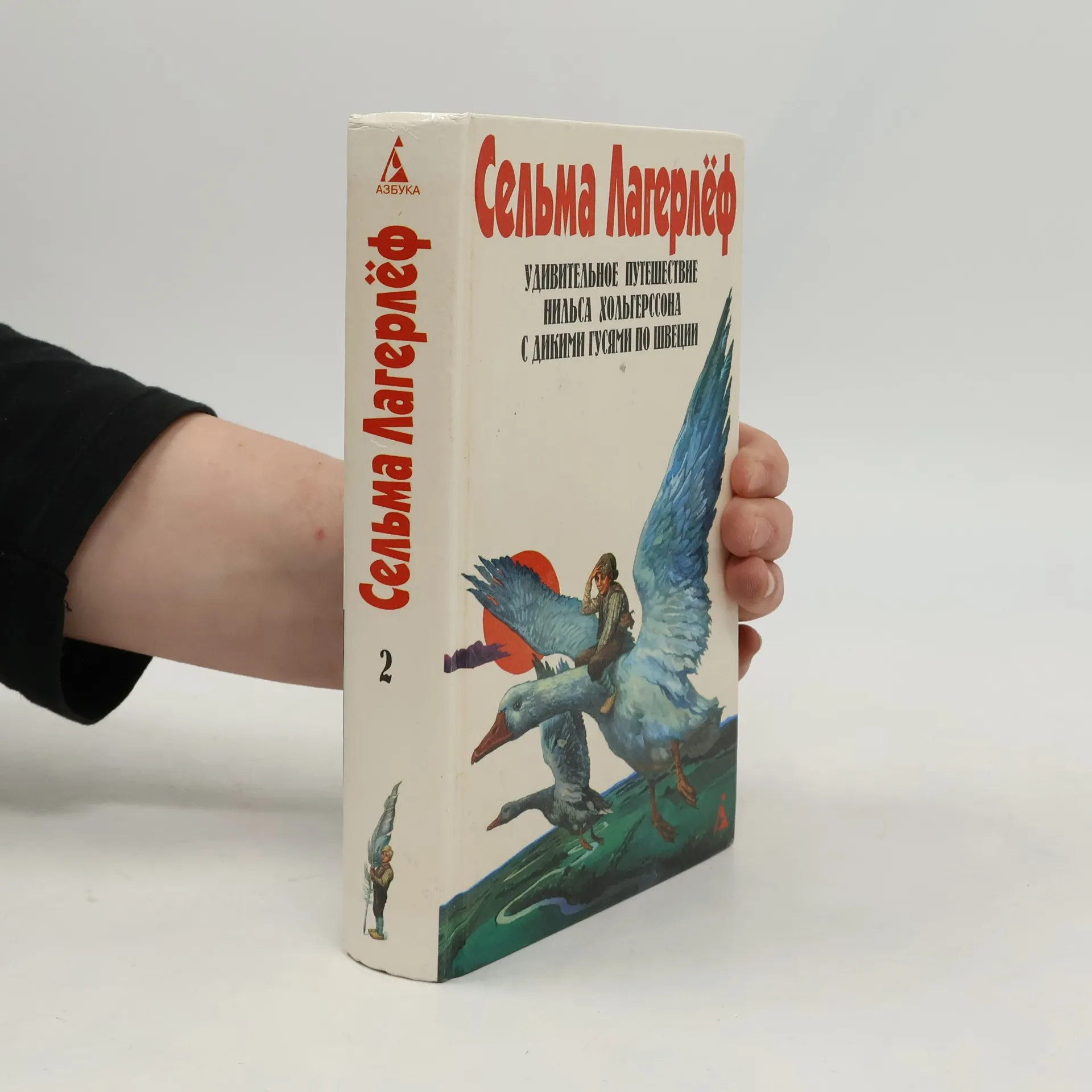
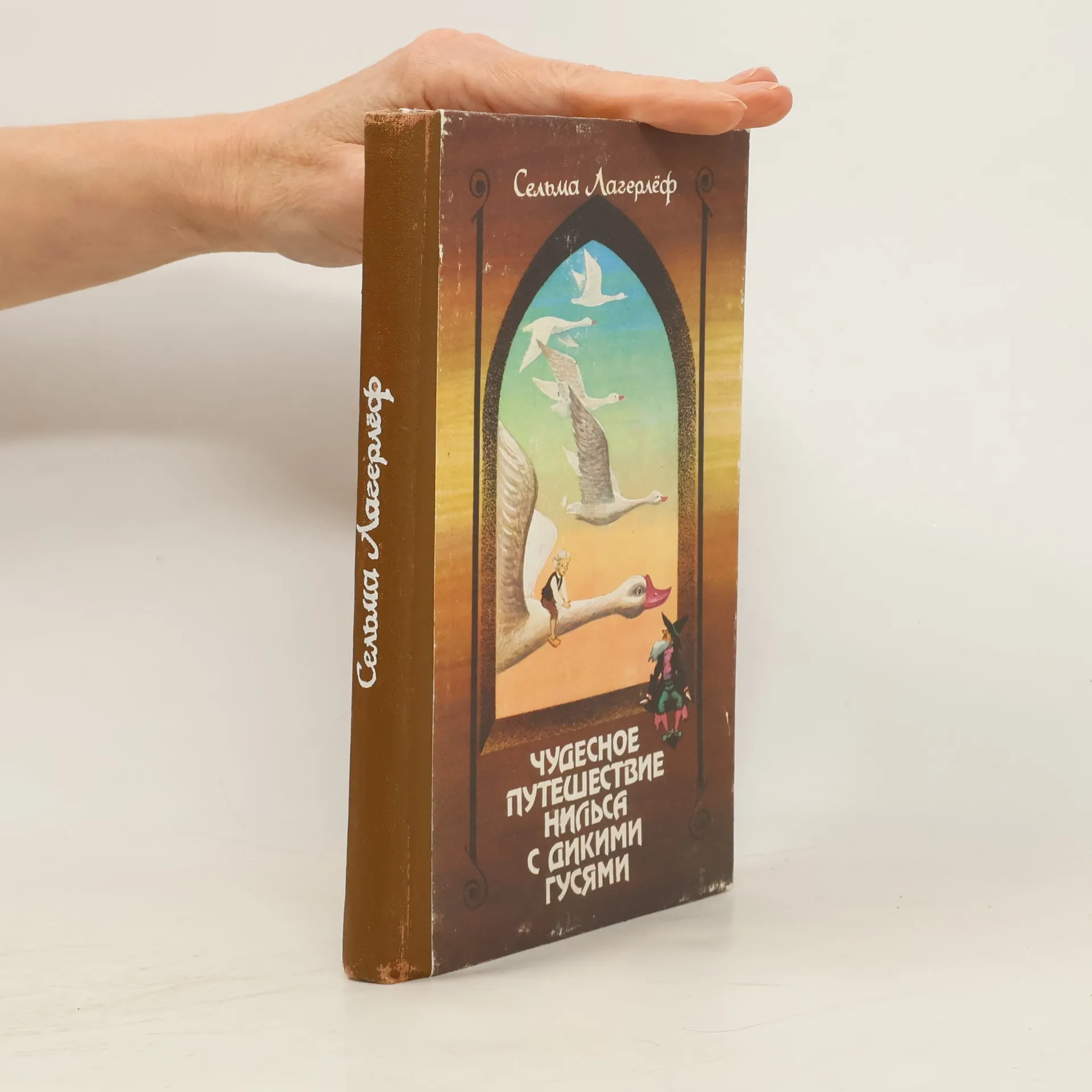
Удивительное путешествие Нильса Хольгерсона с дикими гусями по Швеции
- 462bladzijden
- 17 uur lezen
Sverige set gennen drengen Niels' øjne fra vildgåsens ryg på flyveturen landet rundt
El maravilloso mundo de Nils Holgersson a través de Suecia
- 219bladzijden
- 8 uur lezen
Una tarde, Akka de Kebnekaise y su bandada aterrizaron en la orilla de un lago forestal. La primavera estaba retrasada, como siempre en los distritos montañosos. El hielo cubría todo el lago, salvo una estrecha franja junto a la tierra. Las gansos se lanzaron al agua para bañarse y buscar comida. Por la mañana, Nils Holgersson había dejado caer uno de sus zapatos de madera, así que bajó junto a los olmos y abedules que crecían a lo largo de la orilla, para buscar algo con qué atarse el pie. El chico caminó una buena distancia antes de encontrar algo que pudiera usar. Miró a su alrededor con nerviosismo, pues no le gustaba estar en el bosque. -¡Dame las llanuras y los lagos!- pensó. -Ahí puedes ver lo que es probable que encuentres. Ahora, si este fuera un bosque de pequeños abedules, estaría bien, porque entonces el suelo estaría casi despejado; pero cómo puede a la gente gustarle estos bosques salvajes y sin caminos es incomprensible para mí. Si fuera dueño de esta tierra, talaría cada árbol.-
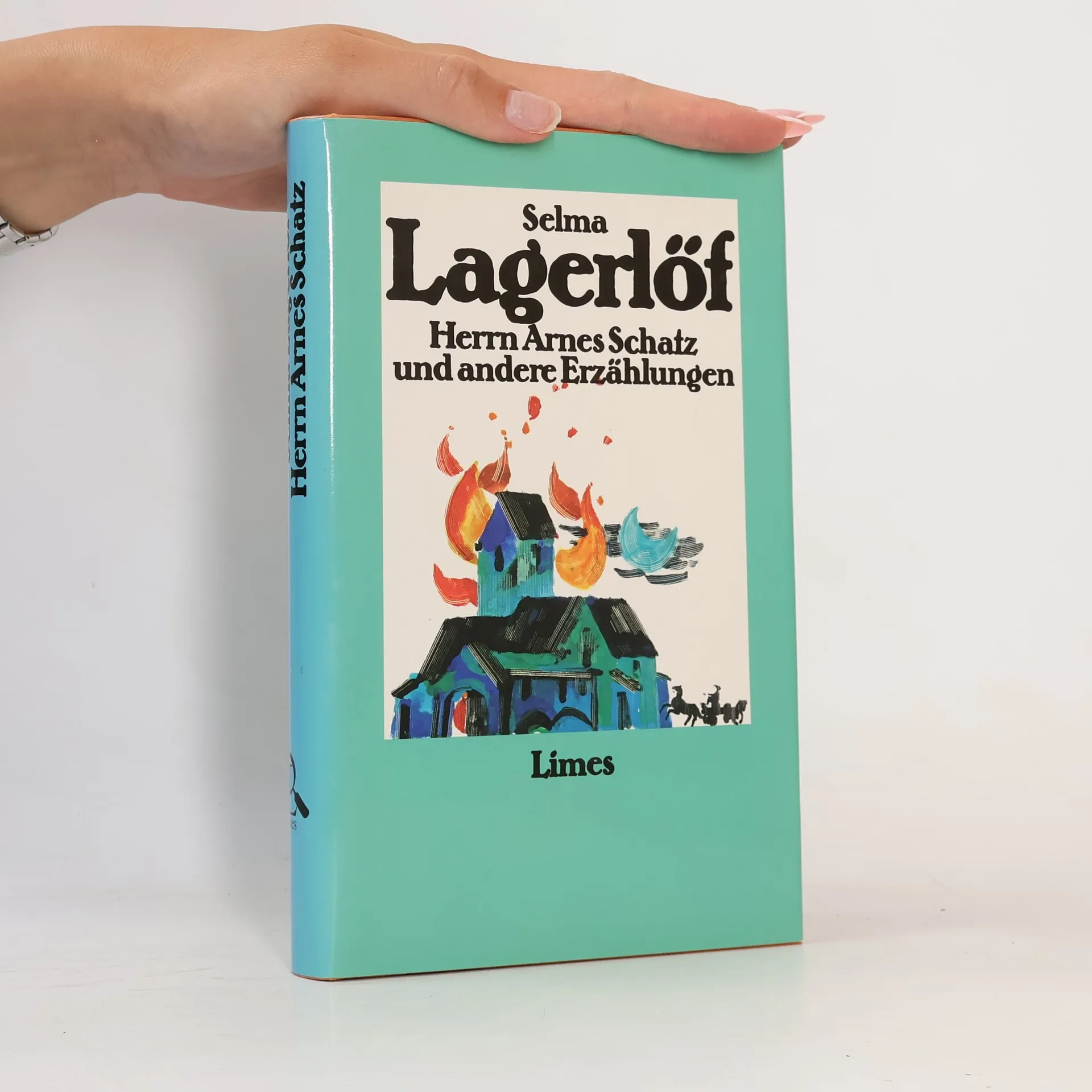
Herrn Arnes Schatz und andere Erzählungen
- 202bladzijden
- 8 uur lezen
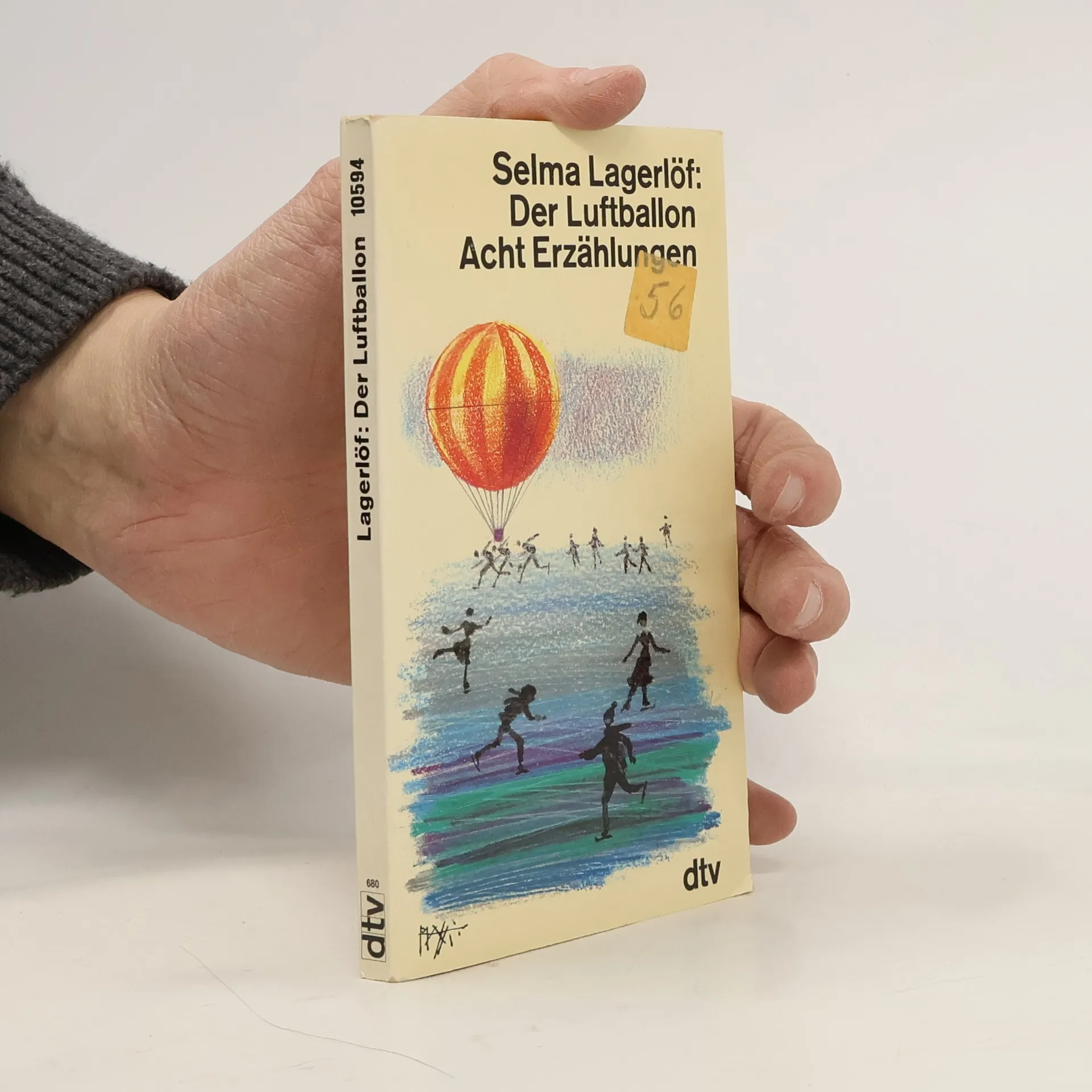
Der Luftballon
- 123bladzijden
- 5 uur lezen
Weihnachtsgeschichten
Für die Jugend bearbeitet