

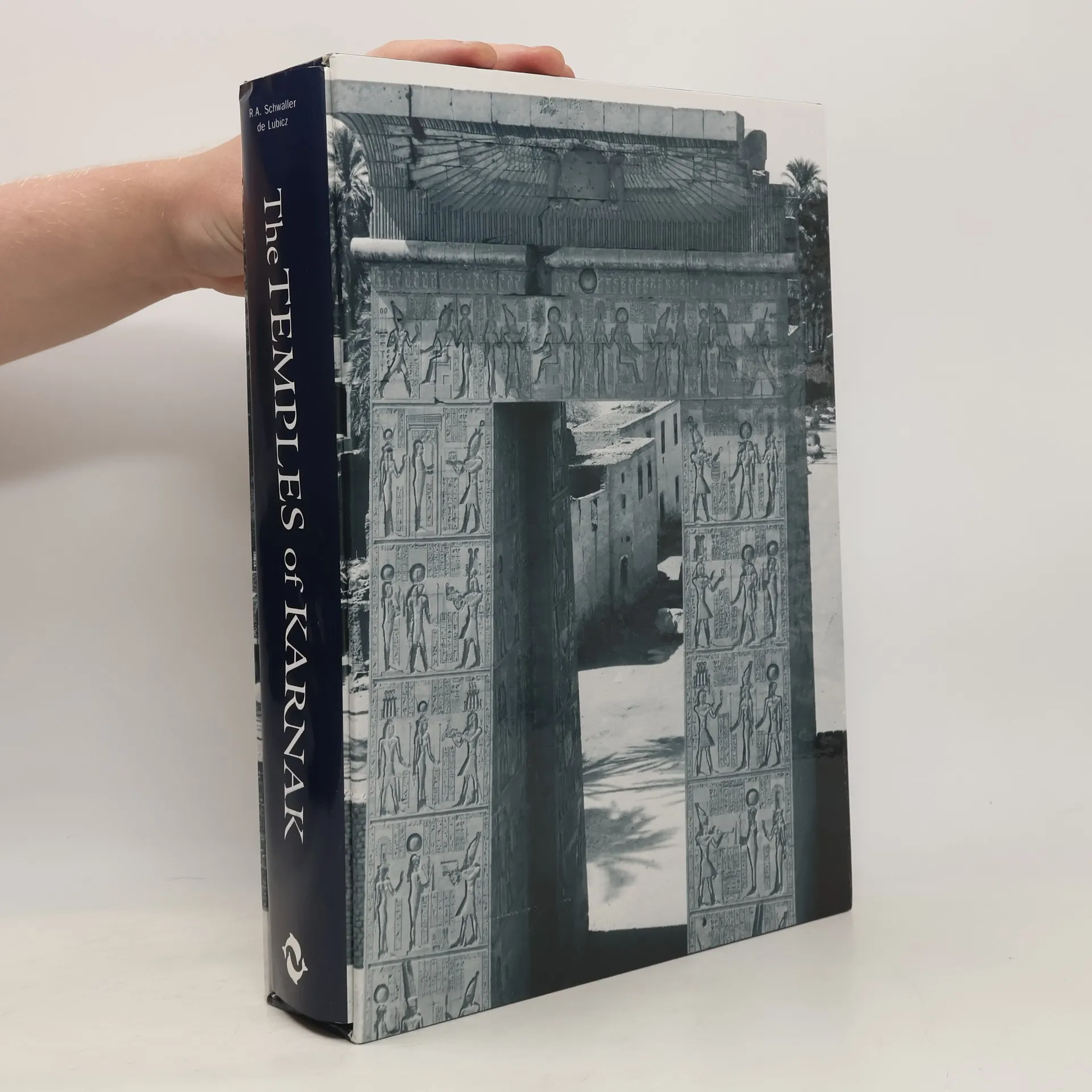
This is an excursion to the monuments, ruins, statues and bas-reliefs of the Ancient Egyptian temples of Karnak, and a photographic record of this important historic site. Illuminated by the insights of Egyptian scholar R.A. Schwaller de Lubicz, the temples of Karnac reveal the remains of a world devoted to an unimpeachable faith in the afterlife, a faith whose conviction seems to have exalted its builders and artists.
René Adolphe Schwaller de Lubicz Boeken
7 december 1887 – 7 december 1961
René Schwaller de Lubicz was een Franse schrijver en filosoof wiens werk zich verdiept in de spirituele en kosmologische inzichten van het oude Egypte. Hij stelde dat de Egyptische beschaving veel ouder is dan conventioneel wordt aangenomen, en postuleerde dat de gehele cultuur voortkwam uit een diep begrip van "de wetten van de schepping". Schwaller de Lubicz betoogde dat elk facet van de Egyptische beschaving, van monumentale structuren tot alledaagse voorwerpen, gemotiveerd was door een centrale metafysische visie op kosmische harmonie en de plaats van de mensheid in de evoluerende bewustzijn. Hoewel uitdagend voor veel lezers, streven zijn geschriften ernaar om niet-lineaire inzichten uit te drukken binnen lineaire taal, wat zijn bredere filosofische en metafysische onderzoek weerspiegelt.
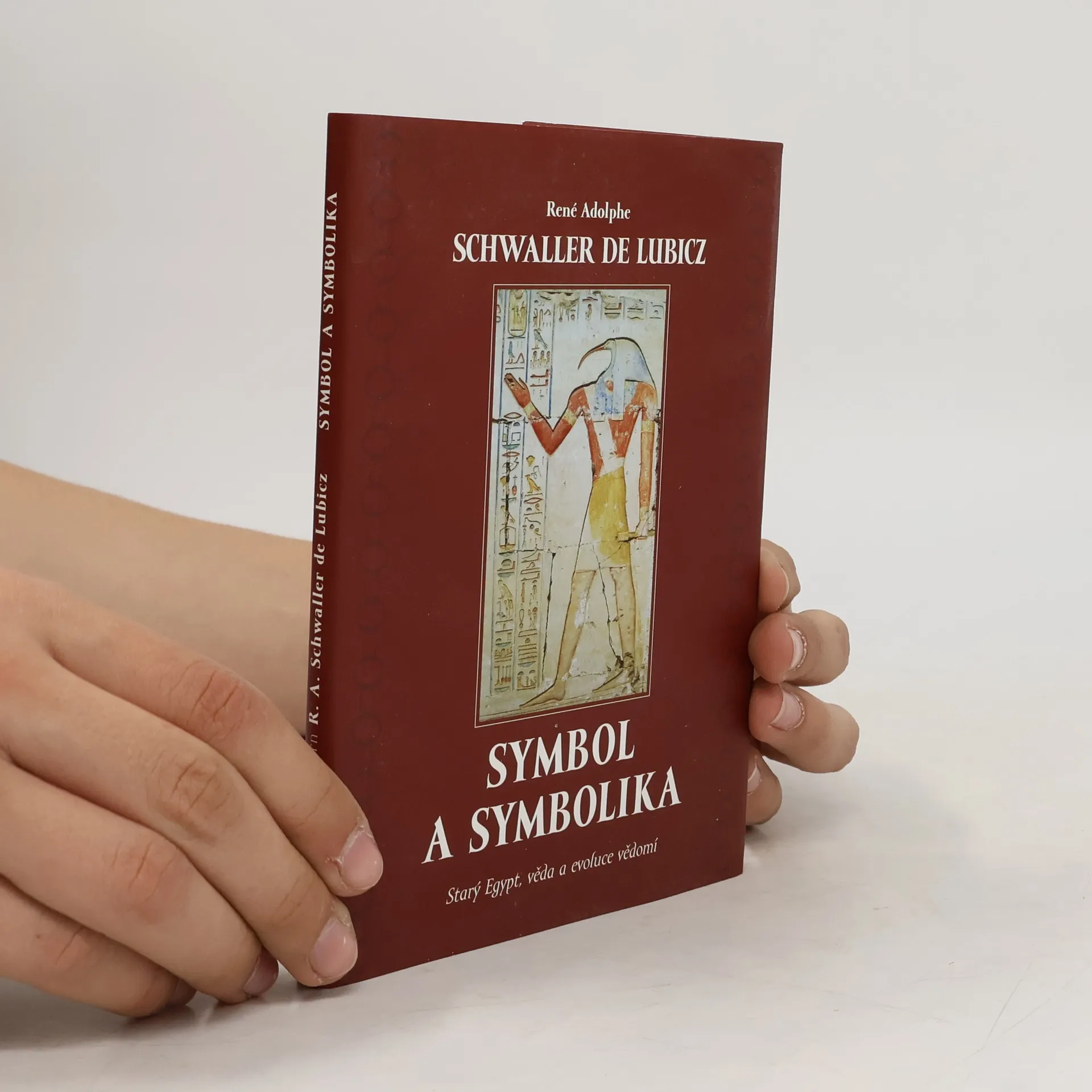
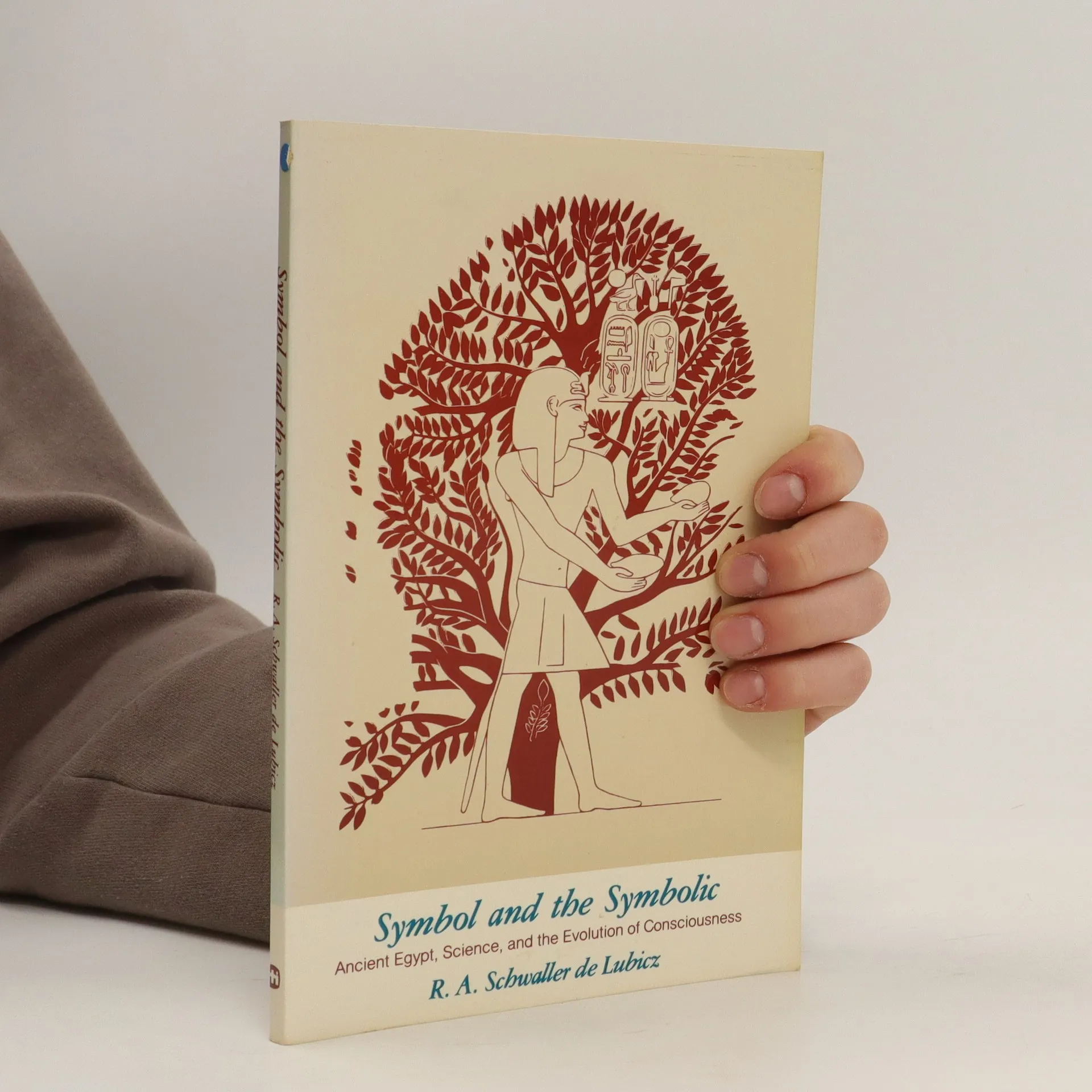

This book contains the first published results of Schwaller's 12 years of research at the temple of Luxor and its implications for interpreting the symbolic and mathematical processes of the Egyptians through their sacred architecture.
Symbolism is the intuitive means of overcoming the limitations of reason. Here Schwaller explains how true progress in human thought can be made only if we call upon the "symbolizing" faculty of intelligence, developed and refined in the temple culture of ancient Egypt and reflected in its hieroglyphs.
Symbol je materiální reprezentací nemateriálních kvalit a funkcí. Je to objektivizace obsahů, které máme ve své mysli, subjektivně a podprahově, a jež v nás probouzí způsob vnímání světa, který by nám mohl pomoci, abychom si byli vědomi vědění obsaženého v naší duši. Práce Schwallera de Lubicz nám nabízí nasměrování nikoli k opuštění schopnosti racionálního uvažování v jógových extázích, nýbrž k integraci této schopnosti s vyšší, vrozenou inteligencí. Toto nasměrování spočívá jak v „technikách myšlení“, tak i v poznání zákonů „křížení“ a „inverze“ a v aplikaci principů „přítomného okamžiku“ a „simultánnosti protikladů“. Experimenty dokazují, že v našem mozku jsou obsaženy funkční známky těch nejodlehlejších tělesných myslí. Schwaller de Lubicz říká, že bychom o nich neměli uvažovat jen jako o zvířecích popudech a hrubých aspektech našeho vědomí, které s ním nejsou v souladu, ale rovněž jako o nezměrné instinktivní inteligenci zákonů přírody, kterou v nás zanechala naše zvířecí a plazí zkušenost. Místo potlačování a ignorování celku naší evoluce bychom možná měli spíše hledat cesty, jak vtělit nezměrné symbolické obsahy těchto prastarých částí mozku do naší inteligence v současnosti.