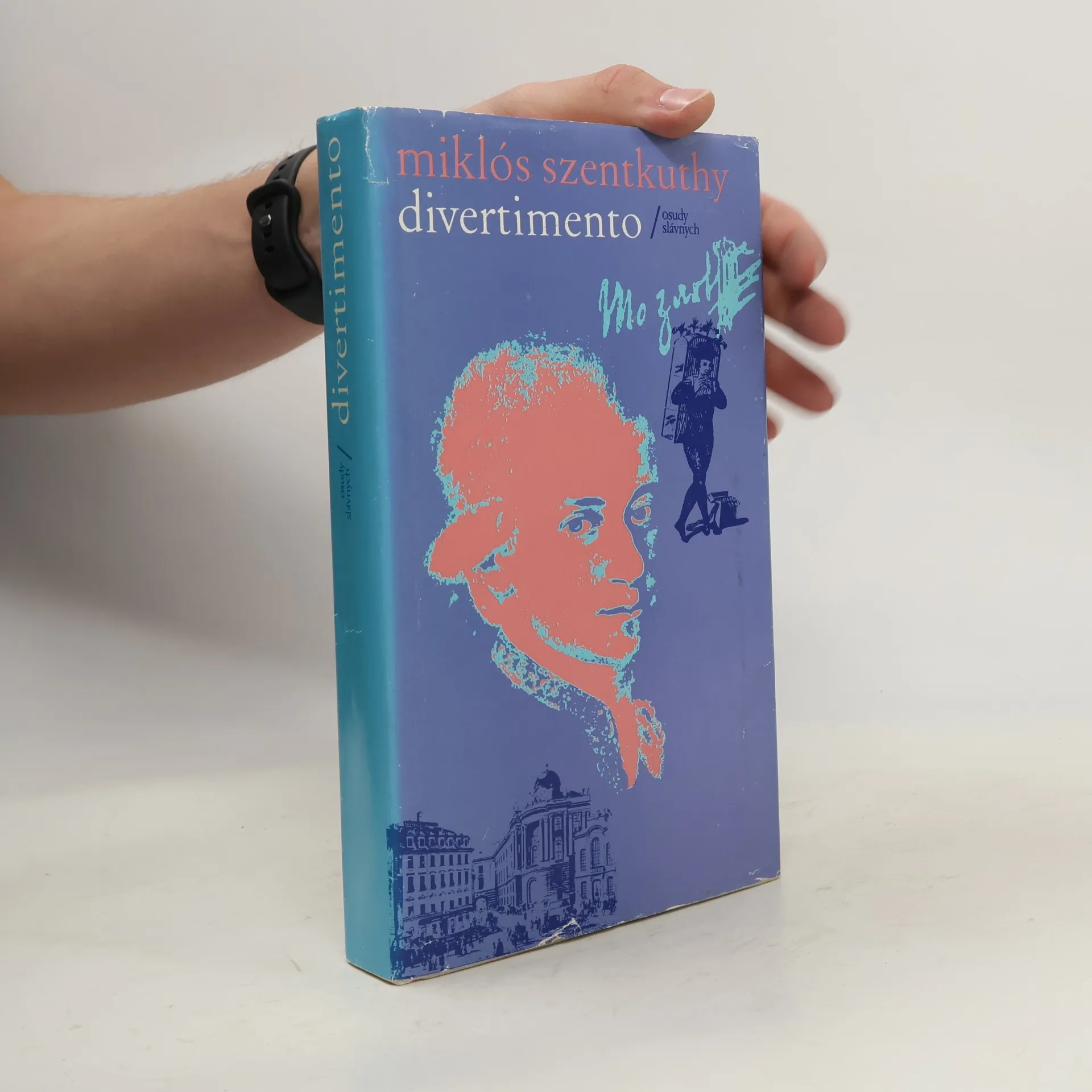
Miklós Szentkuthy's debut novel, published in 1934, challenges traditional realism and provoked strong reactions from Hungarian critics, who found it shocking and labeled Szentkuthy as an outsider to Hungarian culture. The work's unconventional style and themes led to its classification as a "monstrous" piece of literature, highlighting the tension between cosmopolitan influences and national identity in Hungarian art.
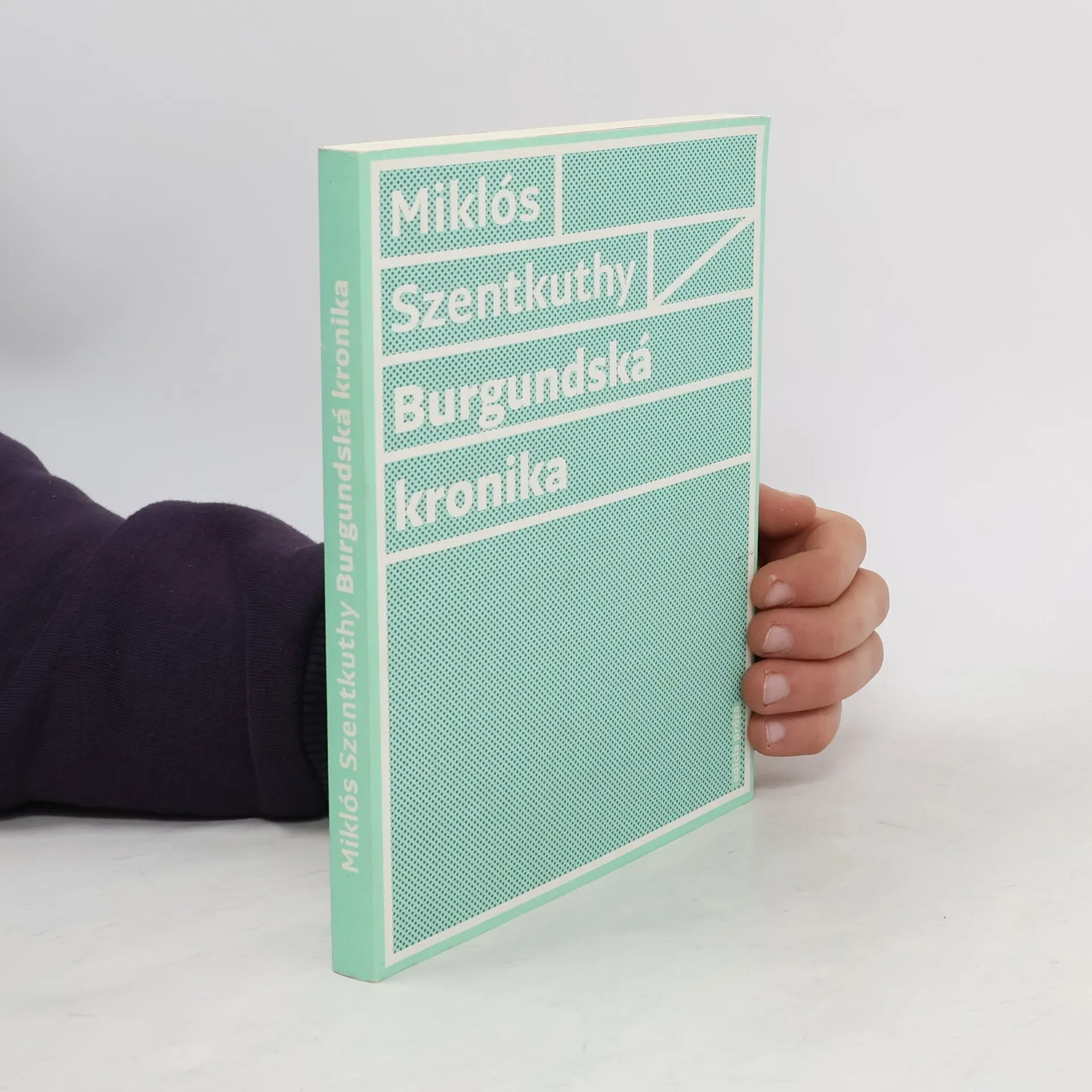
V polovici pätnásteho storočia vedie bohaté mesto Liége slabý cirkevný hodnostár, zatiaľ čo jeho bohatstvo priťahuje dobrodruhov. Burgundské knieža daruje mesto svojej milenke a na miesto starého biskupa dosadí svojho nedospelého synovca. Nový biskup a jeho ľudia devastujú Liége, a keď sa obyvatelia pokúsia protestovať, pápež uvalí na mesto kliatbu. Na čelo mesta sa postaví rytier Raes, ktorý sa snaží predať Liége okolitej šľachte. Chaos narastá, prichádzajú rytieri a lúpežníci, aby mesto vyplienili. Obyvatelia očakávajú pomoc od rôznych veľmožov, ale pravdu pozná len rozprávač – študent vylúčený z kňazského seminára, ktorého názory sú pre ostatných neprijateľné, pretože predbehli svoju dobu. Szentkuthy vytvoril svoj príbeh na základe skutočných udalostí, pričom ho fascinuje pätnáste storočie, keď ľudia žili bližšie k prírode a svojej prirodzenosti. Ich konanie bolo často divoké a spontánne. Dielo je zábavnou prózou, kde aj najtemnejšie udalosti sú podávané hravým a humorným spôsobom. V podstate ide o smutnosmiešnu alegóriu, ktorá zachytáva nadčasovú absurdnosť dejín, spleť intríg a túžob mocných, ako aj životné peripetie bezbranných.
Szentkuthy Miklós klasszikussá vált művei (Prae, Divertimento) mellett az utóbbi években az író hagyatékából előkerülő írásokkal (Bezárult Európa, Fájdalmak és titkok játéka) gazdagodik a Szentkuthy-kép. A Barokk Róbert az író tizenkilenc éves korában született regénye. A kamaszkor erotikus fantáziáit, a szellemi útkeresést nagy mesélőkedvvel - nem kevés bujasággal és iróniával felidéző mű második, javított kiadása jelenik meg most.
Er ist der Solitär der ungarischen Literatur. 60 Jahre arbeitete Miklós Szentkuthy an seinem enormen, uferlosen Werk - auf Deutsch lagen bisher nur wenige Seiten vor. Zu entdecken ist ein literarischer Kosmopolit, ein ungarischer Borges, ein zu jeder Zeit Unzeitgemäßer. »Hier ist ein wirklich amusabler, ein sehr wacher, sensitiver, empfänglicher Geist, der im höchsten Sinne Spaß versteht.« - Thomas Mann, 1949. Moderner Mystiker und virtuoser Gedankenjongleur: Mit Apropos Casanova führt Miklós Szentkuthy (1908 -1988) gewitzt ein in seine Gedankenwelt. In der Lektüre der Memoiren Casanovas treibt er sein höchst subjektives Spiel mit der Sprache und der Geschichte. Ob als barocker Liebesabenteurer oder als Pseudo-Abaelard, zerrissen zwischen Scholastik und Héloise - bei seinem Ritt durch die Epochen spricht Szentkuthy mit vielen Stimmen
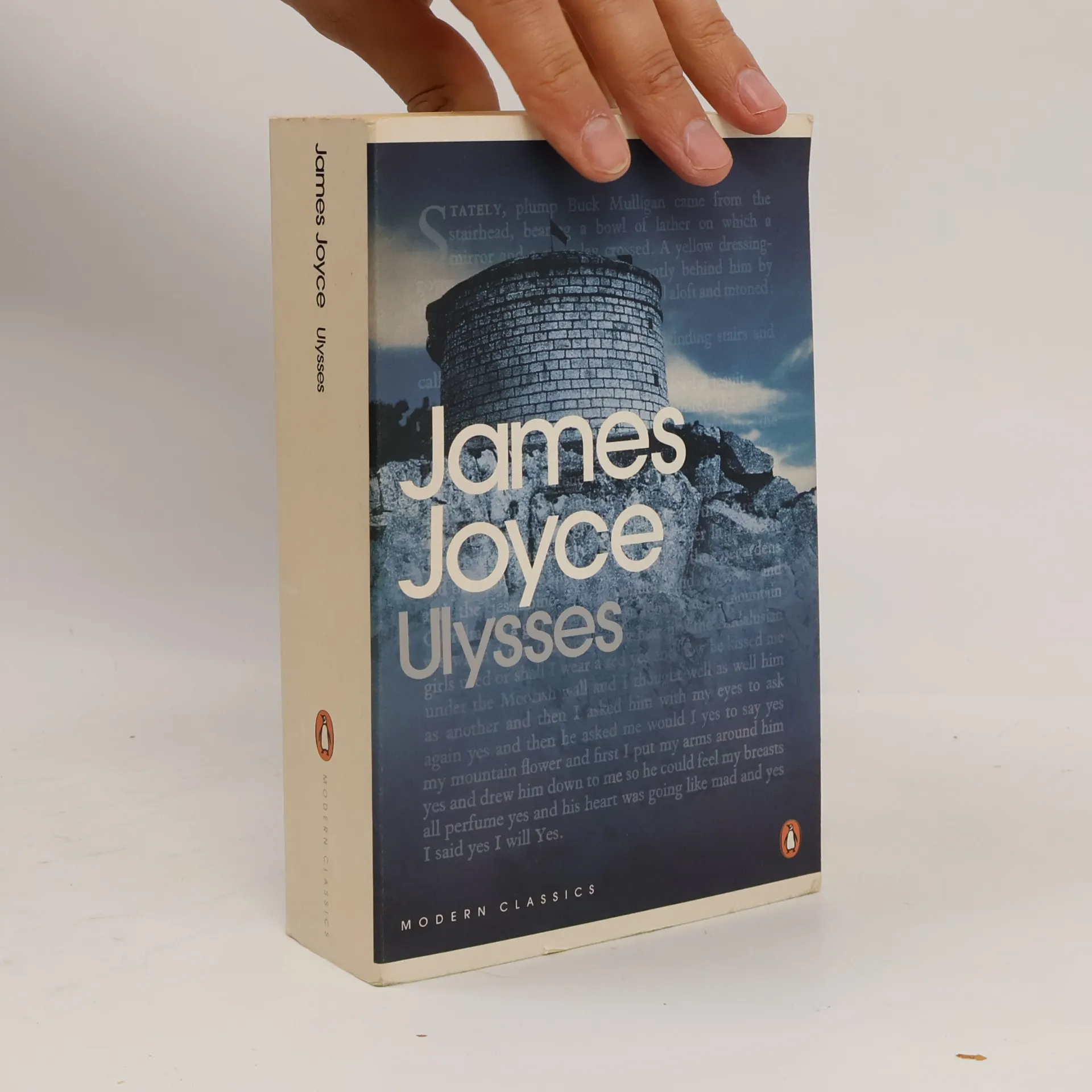
Written over a seven-year period, from 1914 to 1921, this book has survived bowdlerization, legal action and controversy. The novel deals with the events of one day in Dublin, 16th June 1904, now known as "Bloomsday". The principal characters are Stephen Dedalus, Leopold Bloom and his wife Molly. Ulysses has been labelled dirty, blasphemous and unreadable. In a famous 1933 court decision, Judge John M. Woolsey declared it an emetic book--although he found it not quite obscene enough to disallow its importation into the United States--and Virginia Woolf was moved to decry James Joyce's "cloacal obsession". None of these descriptions, however, do the slightest justice to the novel. To this day it remains the modernist masterpiece, in which the author takes both Celtic lyricism and vulgarity to splendid extremes. It is funny, sorrowful, and even (in its own way) suspenseful. And despite the exegetical industry that has sprung up in the last 75 years, Ulysses is also a compulsively readable book.