Steve Bruce exploreert uitgebreid de aard van religie in de moderne wereld en de ingewikkelde verbanden ervan met politiek. Zijn werk duikt in hoe geloof functioneert binnen de hedendaagse samenleving en politieke landschappen vormgeeft. Bruce onderzoekt nauwgezet de dynamiek tussen geloof en macht, en biedt diepgaande inzichten in de sociale en politieke rollen van religie. Zijn schrijven wordt gekenmerkt door een rigoureuze, analytische aanpak, gebaseerd op grondig onderzoek.
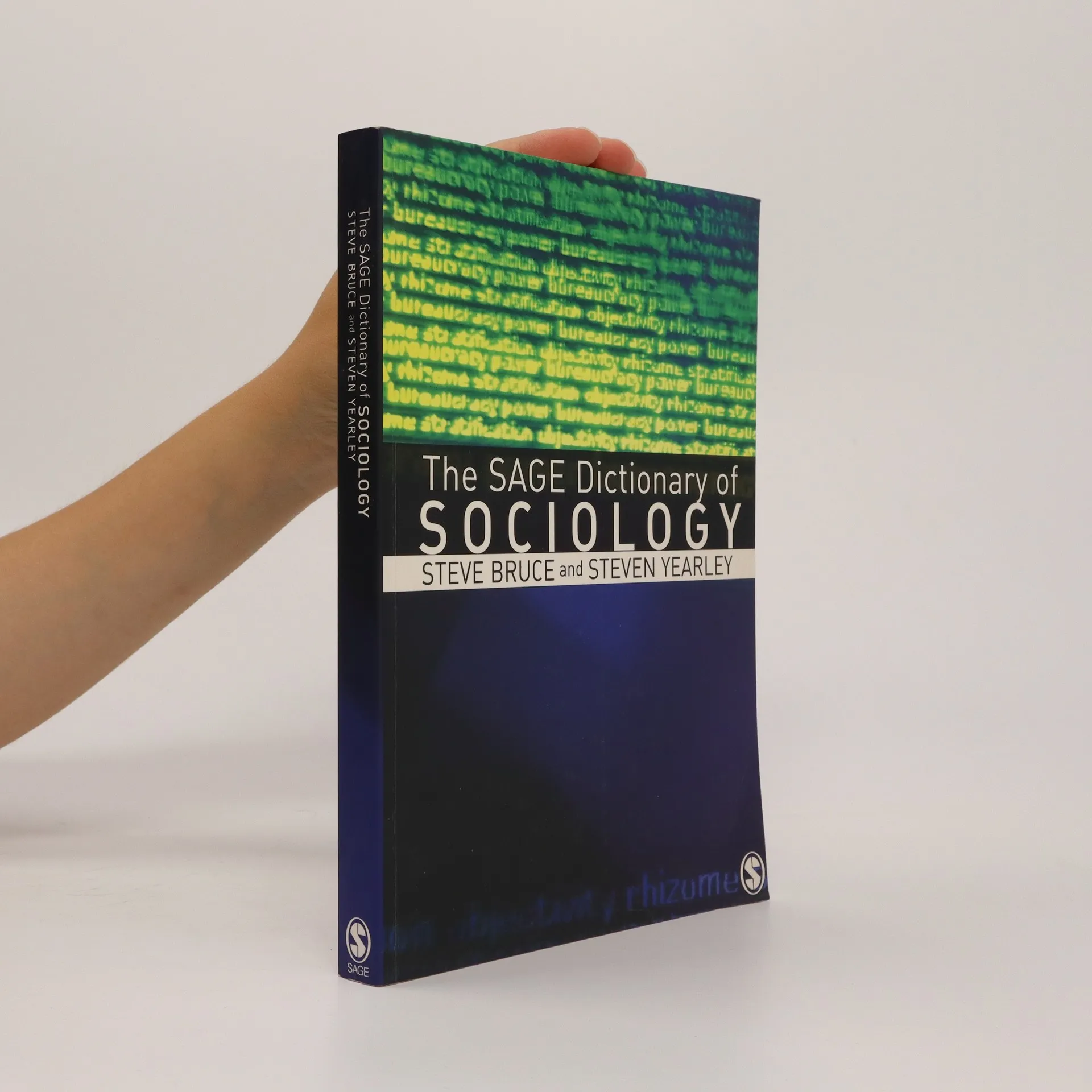
With over 1000 entries on key concepts and theorists, The SAGE Dictionary of Sociology provides full coverage of the field, clarifying the technical use of apparently common words, explaining the fundamentals concepts, and introducing new and unfamiliar terms. A humorous, enjoyable read, this book provides authoritative, reliable definitions; accessible ‘digests’ of key arguments; contemporary, and appealing illustrations of points.
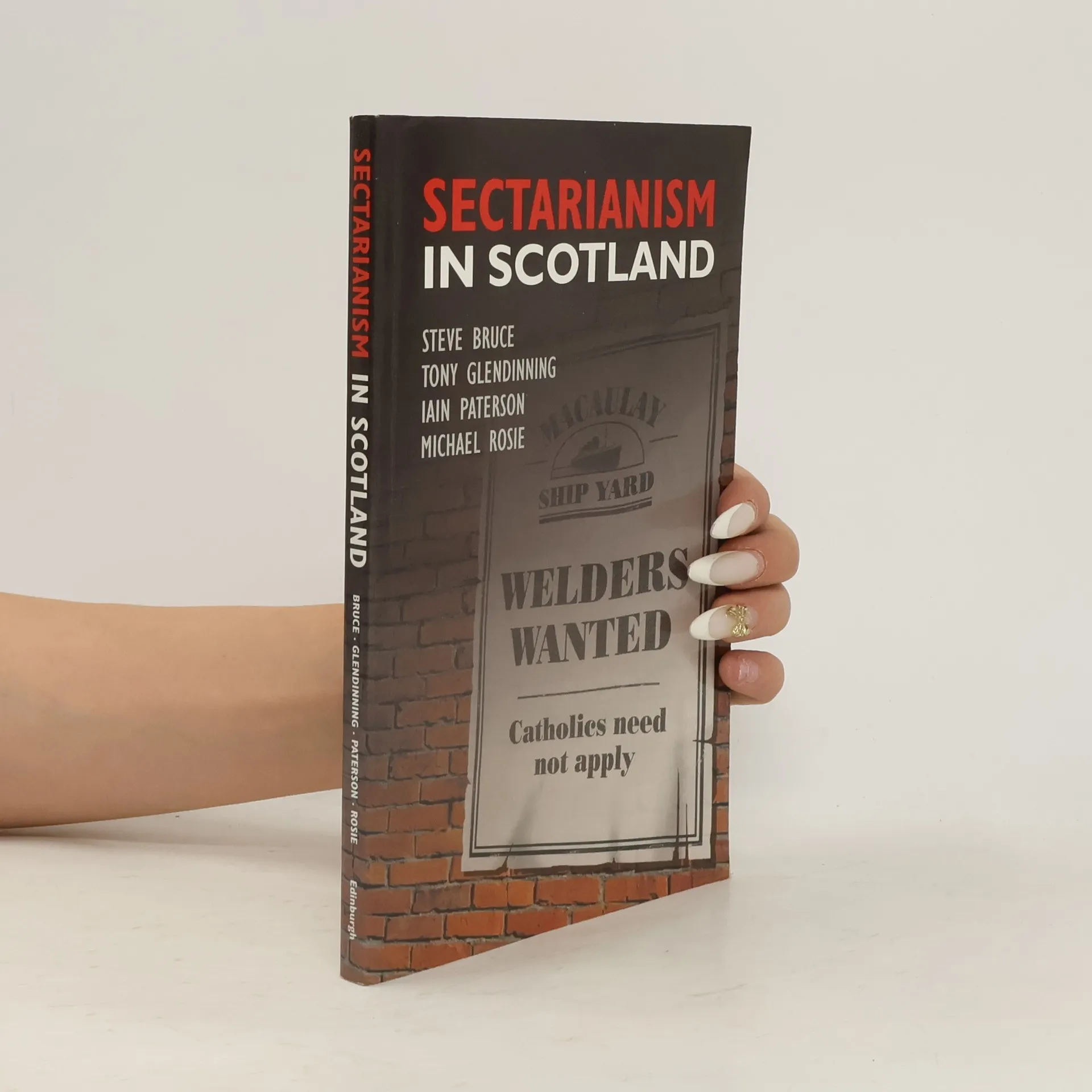
This book tests the rhetoric with historical and social scientific data, describing and explaining the changing pattern of relations between Catholics and Protestants over the 20th century.
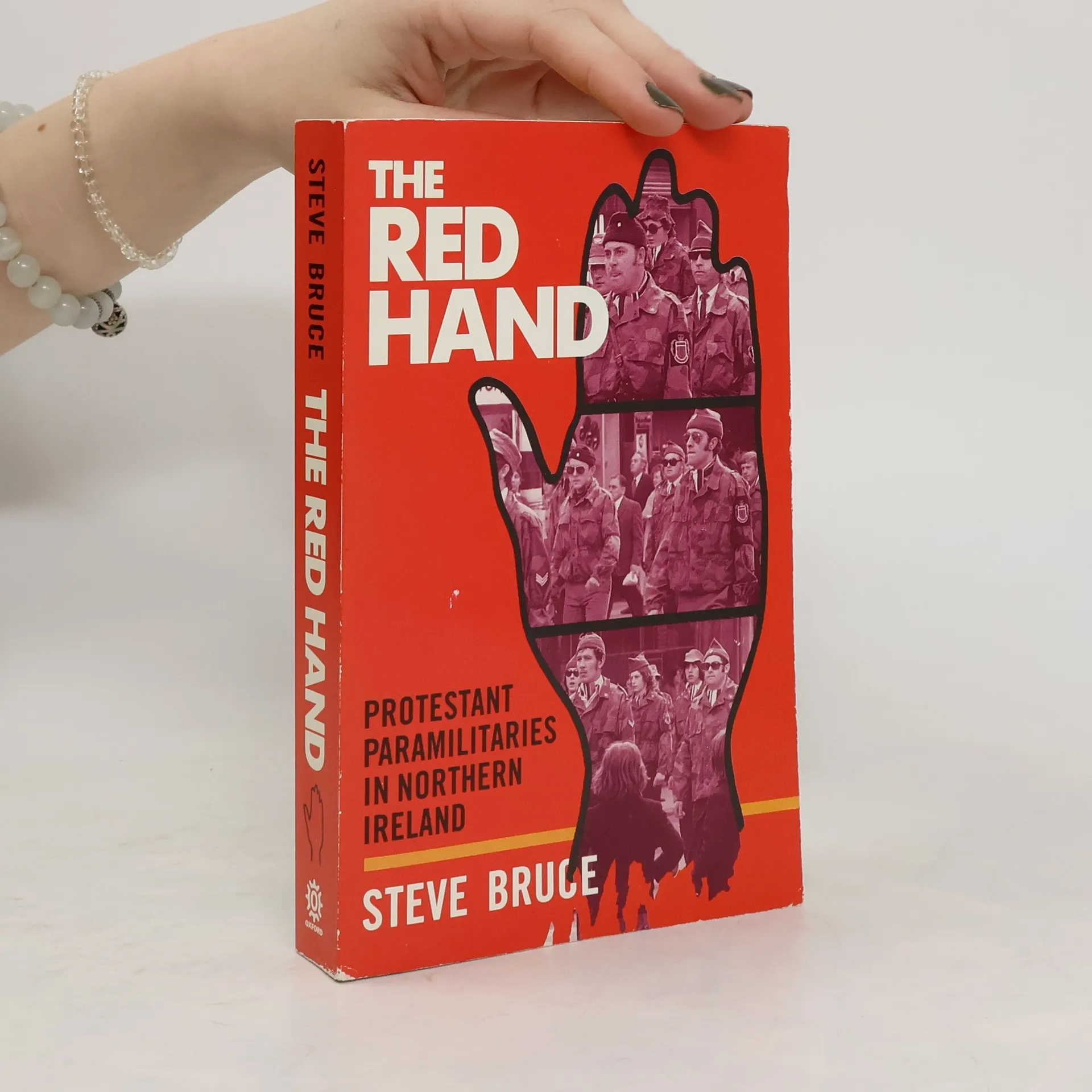
Since the start of the "Troubles" in Northern Ireland", working class Protestants have used violence and terror to "defend Ulster from traitorous republicans". Despite being responsible for about half the civilian casualties of the present conflict and despite having subverted major political initiatives, the loyalist paramilitary organizations - The Ulster Defence Association, the Ulster Volunteer Force, the Red Hand Commando and others - have been relatively neglected by scholars. This study, based on extensive interviewing of loyalist terrorists, is a comprehensive survey of a group that is central to the Ulster conflict. "The Red Hand" recounts the history of loyalist terorism, analyzes the motives that inform it, examines the political innovations of the terrorists, critically explores claims of security force collusion with loyalist terror, and concludes by arguing that what appear to be unconnected aspects of loyalist paramilitarism can be understood as having common origins in the problems of trying to use terror to defend, rather than to destroy, the state. The primary importance of the book is in filling a large gap in our understanding of the Northern Ireland conflict; its secondary purpose is to extend our understanding of the relationship between terrorism and the modern state.
Drawing on studies of social class, crime and deviance, work in bureaucracies,
and changes in religious and political organizations, this Very Short
Introduction explores the tension between the individual's role in society and
society's role in shaping the individual, and demonstrates the value of
sociology as a perspective for understanding the modern world. schovat popis