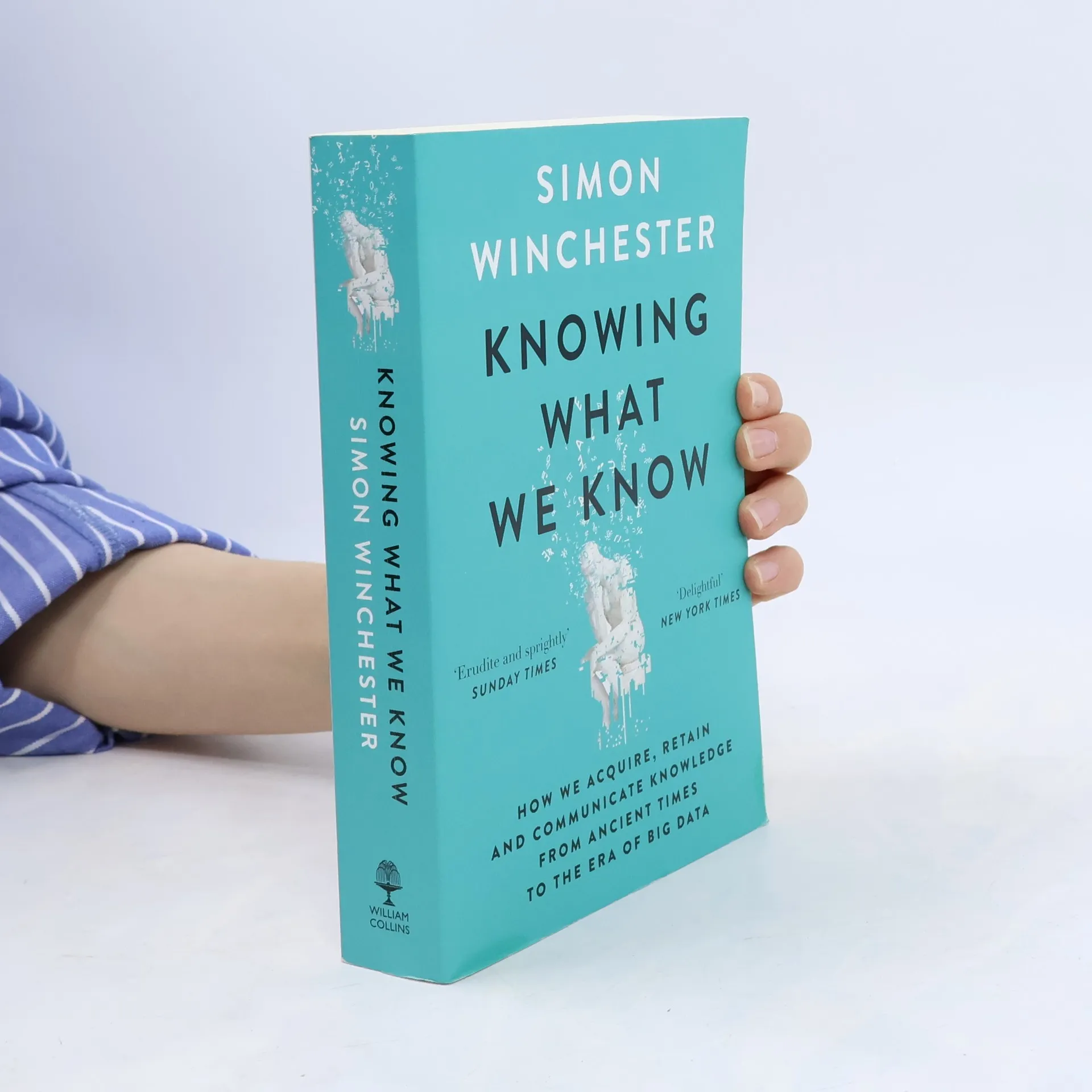
This delightful compendium presents an engaging exploration of how humans acquire, retain, and share knowledge, from the first encyclopedia to the age of Wikipedia. Award-winning writer Simon Winchester infuses the narrative with an ebullient spirit, examining the impact of technology on our understanding and retention of information. In a world where knowledge is instantly accessible via smartphones, he raises critical questions about the implications of this convenience. Are we diminishing our capacity for thought by relying on technology? As we abandon traditional skills like math and map reading, could we risk becoming incapable of deep thinking? Winchester delves into various fields, including education, journalism, and museum curation, tracing the evolution of knowledge diffusion from ancient Babylonian cuneiform to modern artificial intelligence. He highlights significant milestones, such as Gutenberg's printing press and the Victorian Mundaneum, a vast collection of human knowledge stored in Belgium. Through this exploration, he prompts us to reflect on the value of knowledge and the importance of wisdom. What happens when information overload leads to a lack of thoughtful engagement? Does Descartes' assertion, "I think, therefore I am," still resonate in our digital age? Ultimately, the narrative challenges us to consider the future of wisdom in a rapidly changing world.
Simon Winchester Volgorde van de boeken (chronologisch)
Simon Winchester is een Britse schrijver en journalist wiens uitgebreide carrière de verslaggeving van cruciale historische gebeurtenissen en diepgaande verkenningen van onderwerpen, van linguïstiek tot geologie, omvat. Zijn aanpak wordt gekenmerkt door nauwgezet onderzoek en meeslepende verhalen, die vaak fascinerende verhalen uit de wereld van wetenschap en geschiedenis blootleggen. Winchester blinkt uit in het samenvoegen van schijnbaar uiteenlopende elementen tot coherente en leesbare werken, waardoor complexe concepten en over het hoofd geziene figuren toegankelijk worden voor lezers. Zijn bijdragen worden gewaardeerd om hun geleerdheid, maar vooral om hun vermogen om het verleden tot leven te wekken en tot nadenken over de wereld aan te zetten.



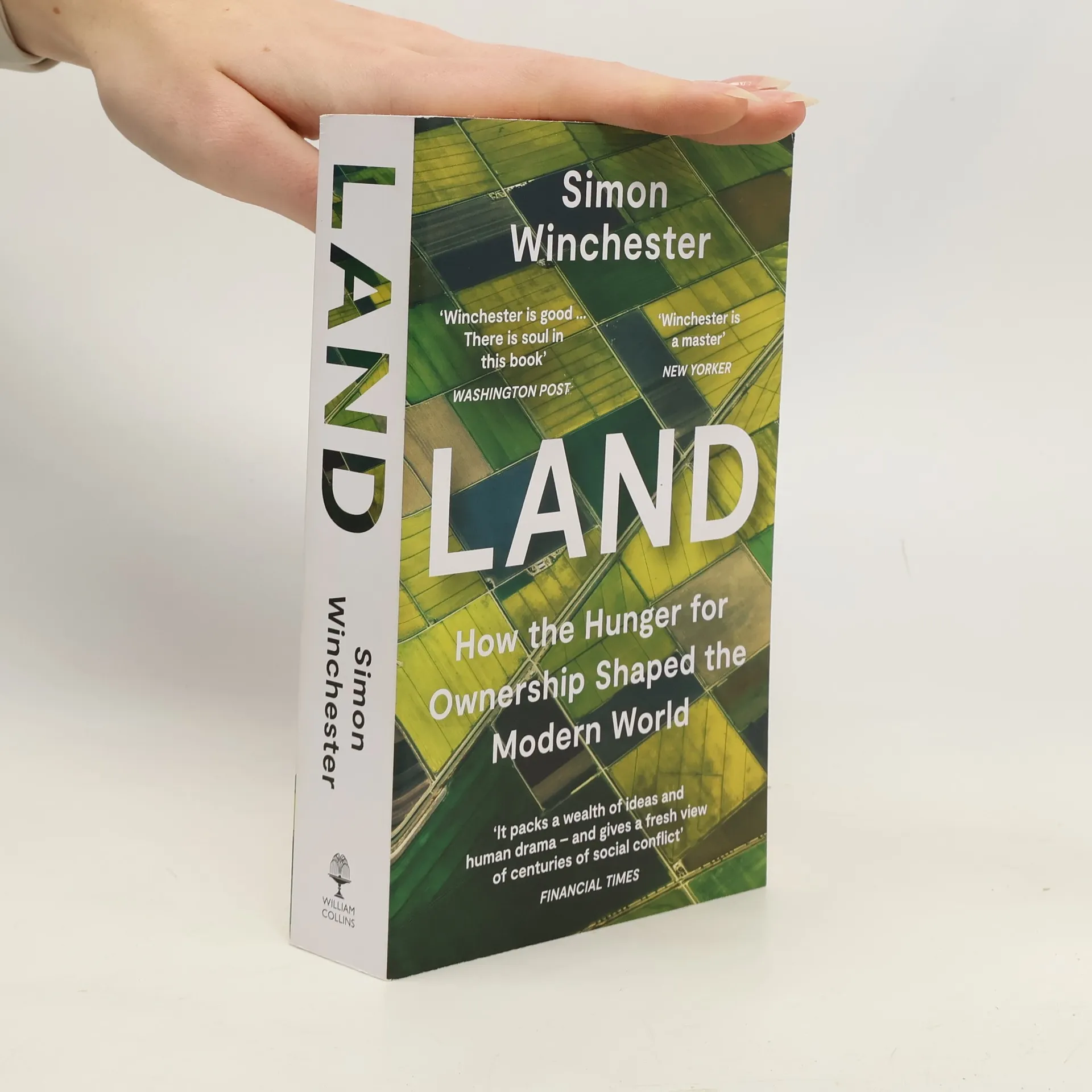
Land : how the hunger for ownership shaped the modern world
- 464bladzijden
- 17 uur lezen
From the bestselling author Simon Winchester, a human history of land around the world: who mapped it, owned it, stole it, cared for it, fought for it and gave it back.
The revered New York Times bestselling author examines the evolution of technology from the Industrial Age to the Digital Age, focusing on the vital role of precision in advancement. The Industrial Revolution in eighteenth-century England marked the establishment of measurement standards, leading to the creation of machine tools—machines that produce other machines. This emphasis on precision facilitated the mass production of various items, from firearms and glass to lenses and cameras, ultimately paving the way for innovations like gene splicing, microchips, and the Hadron Collider. The narrative takes us back to the origins of the Industrial Age, highlighting key figures such as John Wilkinson, Henry Maudslay, Joseph Bramah, Jesse Ramsden, and Joseph Whitworth, whose contributions were later exported to the United States by Thomas Jefferson, setting the stage for American manufacturing dominance. Winchester then transitions to contemporary advancements across the globe, exploring essential questions about precision: its importance, the tools for measuring it, and the individuals who have refined it. He also contemplates whether the relentless pursuit of precision has overshadowed other values, such as craftsmanship and culture, and whether precision and nature can coexist in society.
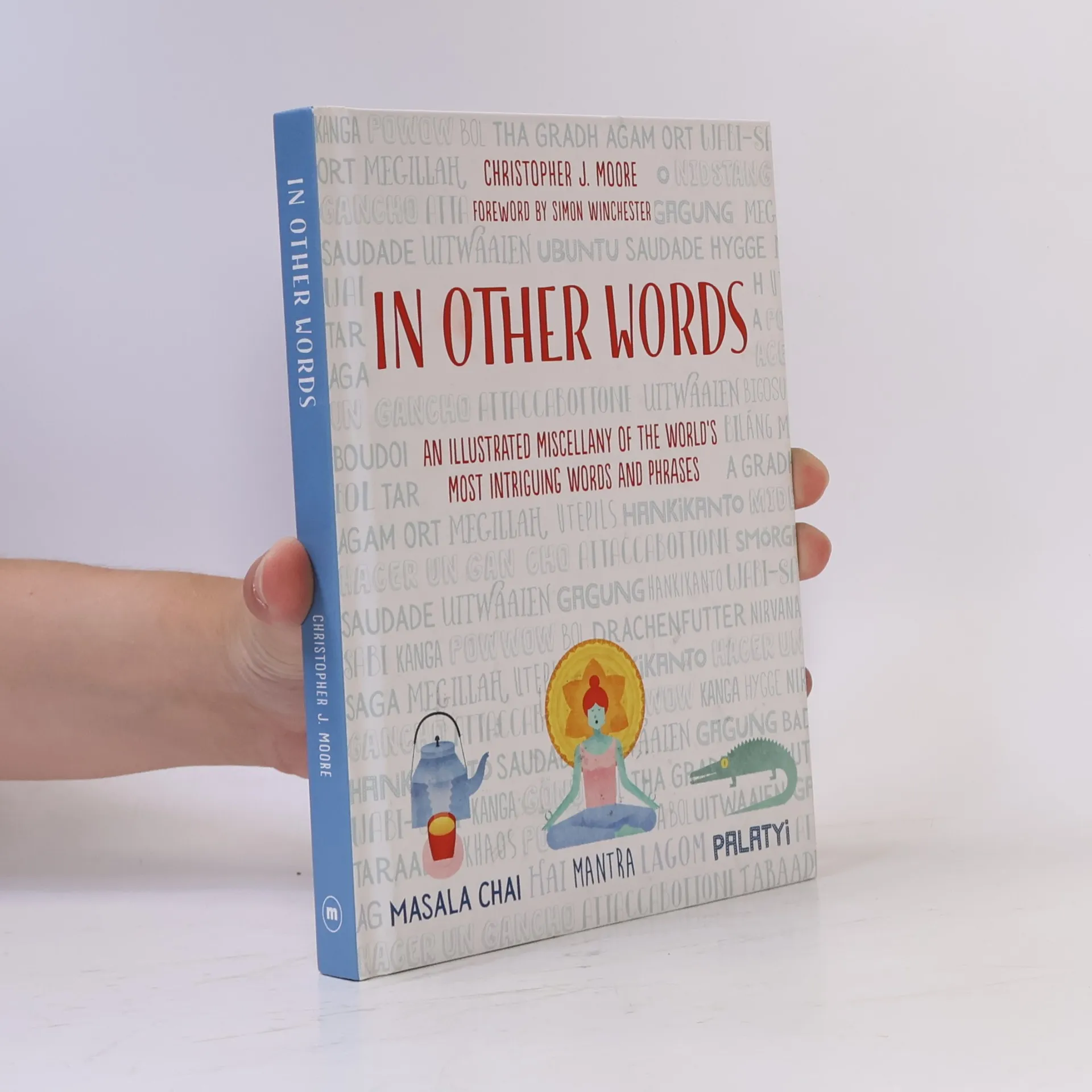
In Other Words
- 128bladzijden
- 5 uur lezen
Ever racked your brain for a word you're convinced should exist, yet is inexplicably absent from the dictionary? All languages have their limitations - should Englis h fall short, the expression may lie elsewhere. That's where this book comes in: a quirky, international lexicon of linguistic gems that capture certain moments or things with satisfying precision. The mots justes are grouped according to language and pref aced with insightful overviews of the relevant cultures. Embellished with entertaining and characterful colour illustrations, The Untranslatable s is the perfect gift book to entertain even the most well -versed polyglot.
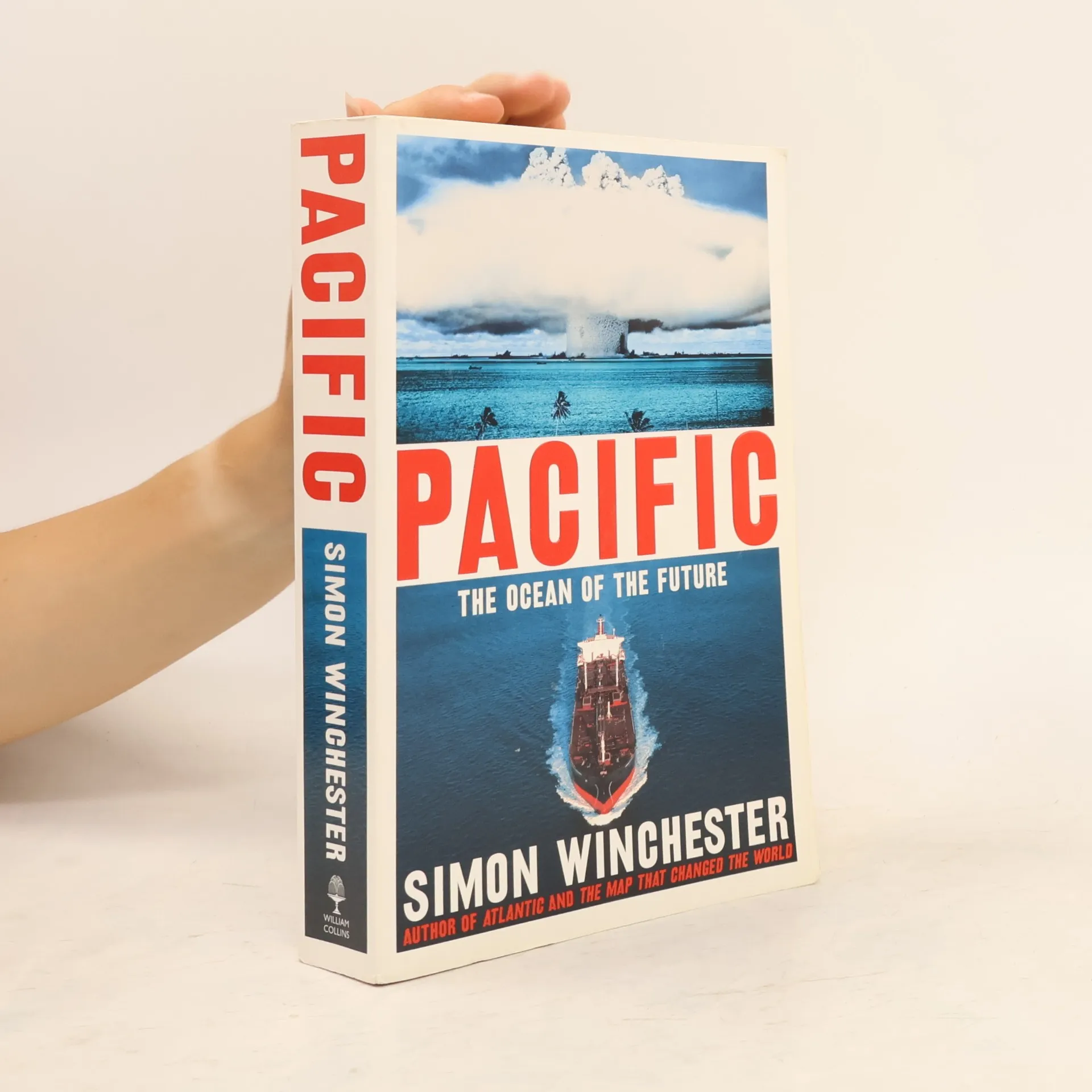
Travelling the circumference of the truly gigantic Pacific, Simon Winchester tells the story of the world's largest body of water, and - in matters economic, political and military - the ocean of the future. The Pacific is a world of tsunamis and Magellan, of the Bounty mutiny and the Boeing Company. It is the stuff of the towering Captain Cook and his wide-ranging network of exploring voyages, Robert Louis Stevenson and Admiral Halsey. It is the place of Paul Gauguin and the explosion of the largest-ever American atomic bomb, on Bikini atoll, in 1951. It has an astonishing recent past, an uncertain present and a hugely important future. The ocean and its peoples are the new lifeblood, fizz and thrill of America - which draws so many of its minds and so much of its manners from the sea - while the inexorable rise of the ancient center of the world, China, is a fixating fascination. The presence of rogue states - North Korea most notoriously today - suggest that the focus of the responsible world is shifting away from the conventional post-war obsessions with Europe and the Middle East, and towards a new set of urgencies. Navigating the newly evolving patterns of commerce and trade, the world's most violent weather and the fascinating histories, problems and potentials of the many Pacific states, Simon Winchester's thrilling journey is a grand depiction of the future ocean.
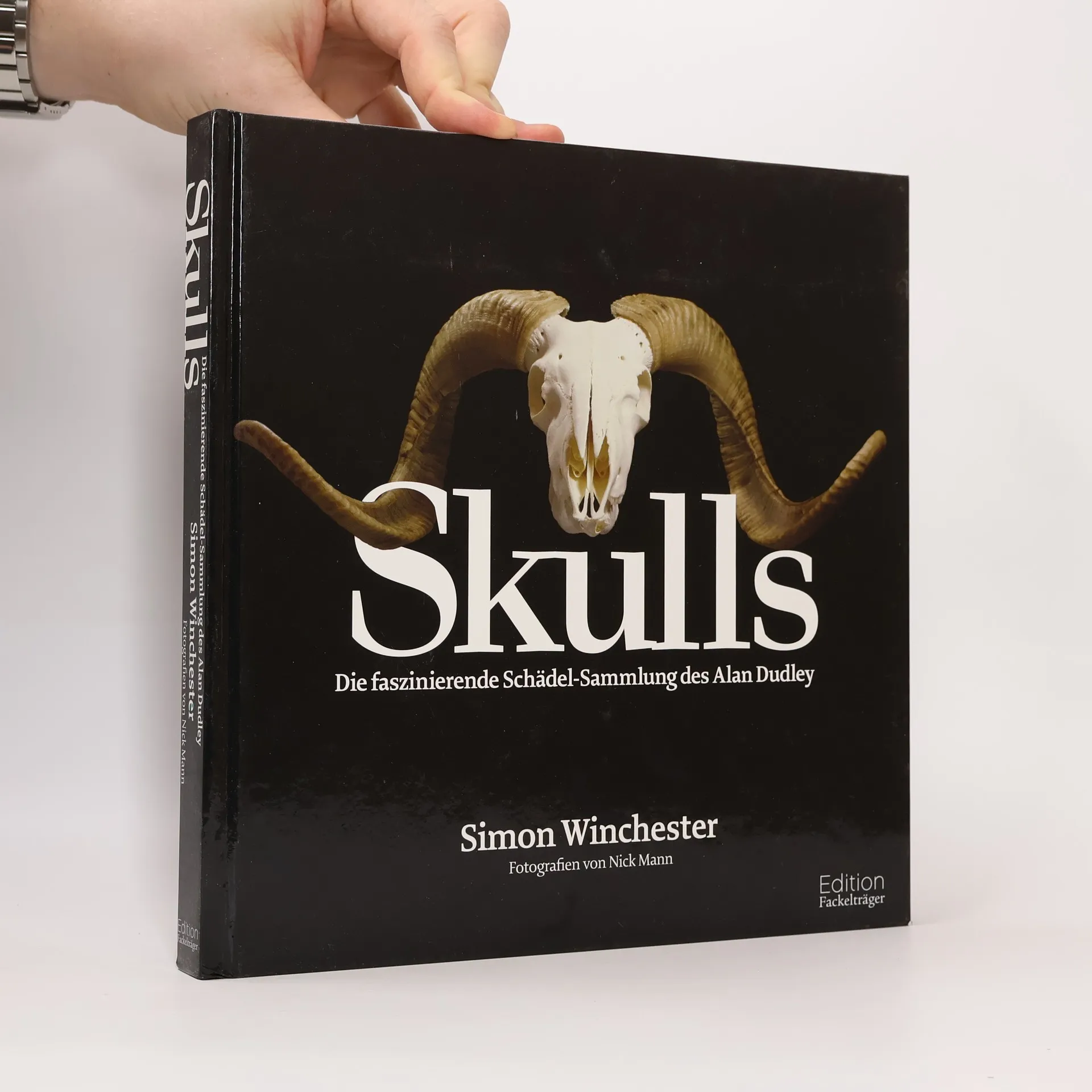
Schwelgen in makabrer Faszination! • Vom Erdferkel bis zum Roten Piranha, vom afrikanischen Löwen bis zum Runzelhornvogel über 300 faszinierenden Schädel aus der Sammlung Dudley in spektakulärer Aufnahmen • Klasse, Familie, Art erläuternde Kurzinfos zu wissenschaftlichen Eigentümlichkeiten, Einordnung, Ernährungs- und Verhaltensweisen der Tiere • Von Leonardo da Vinci bis Damien Hirst Geschichten und Geschichtliches über die Tradierung des Schädels in Kunst und Kultur Der Schädel ist seit jeher Symbol gegenwärtiger wie vergangener Existenz; er verströmt eine Aura der Gefahr, der Autorität, des Erhabenen. Wohl kein anderes biologisches Gebilde vermag die menschliche Psychologie derart zu packen wie diese hohle Knochenkugel. Simon Winchester blättert mit brillanter Erzählkunst die faszinierende Geschichte des Schädels auf und stellt einen Besessenen vor, der in lebenslanger Sammlerleidenschaft die wohl weltgrößte und umfassendste Privatkollektion von Tierschädeln zusammengetragen hat: Alan Dudley. Mehr hat als 2000 Schädel nennt er sein eigen, die er nahezu in Museumsqualität präpariert und katalogisiert hat. Über 300 der faszinierendsten Exponate seiner Sammlung werden in diesem packenden Bildband in verblüffend schönen Bildern und mit allen wesentlichen wissenschaftlichen Fakten vorgestellt.
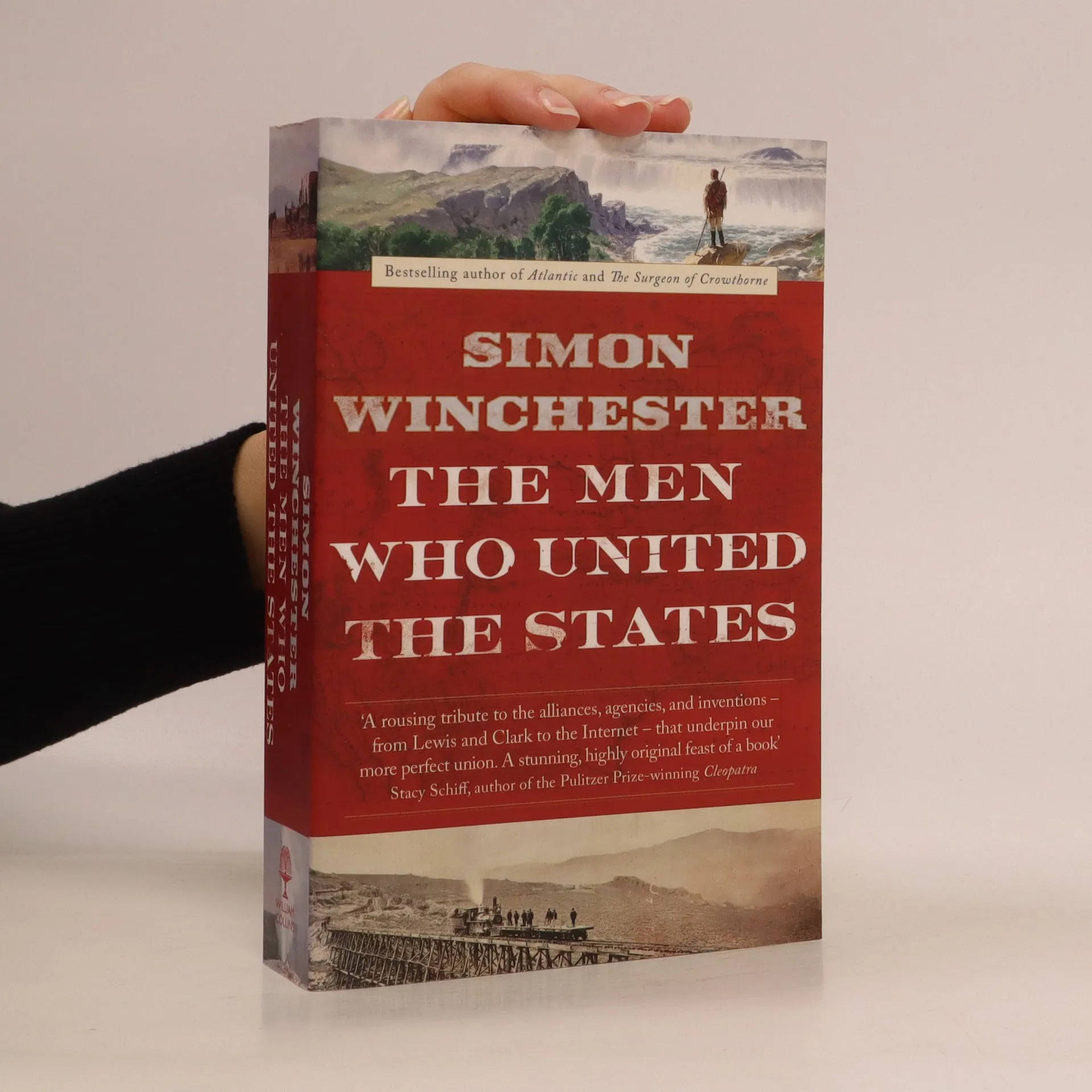
The men who united the States
- 496bladzijden
- 18 uur lezen
Acclaimed New York Times bestselling author Winchester illuminates the men who toiled fearlessly to discover, connect, and bond the citizenry and geography of the U.S.A. from its beginnings and ponders whether the historic work of uniting the States has succeeded, and to what degree
La collana dei casi: Atlantico
- 484bladzijden
- 17 uur lezen
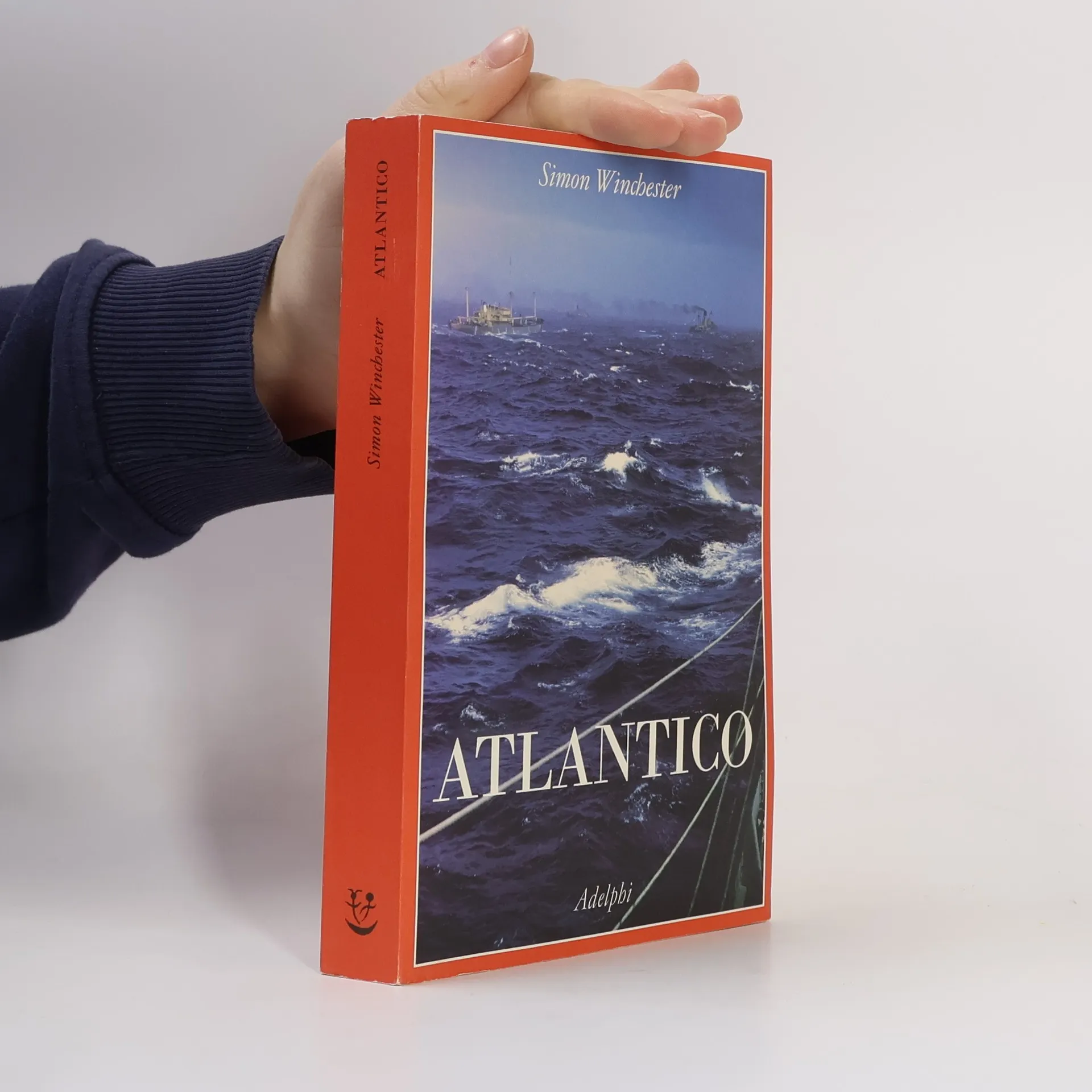
Per secoli l'uomo si è rifiutato di affrontare il mare grigio, rombante e tempestoso che si estendeva al di là delle Colonne d'Ercole, abitato da mostri terrificanti come le Gorgoni e i Giganti Centimani o da razze bizzarre come i Cimmeri, gli Etiopi e i Pigmei; solo i Fenici, avidi e temerari, osarono sfidare quelle acque alla ricerca di un mollusco da cui estrarre il colore più ambito dalle élite di potere dell'età classica. Oggi l'Atlantico, nella percezione di molti, non è altro che un piccolo inconveniente, che dura giusto il tempo di un paio di film proiettati durante un volo intercontinentale. Fra questi due estremi sono passati duemilacinquecento anni di esplorazioni, guerre, commerci e disastri, attraverso i quali l'oceano ha plasmato le ambizioni e la condotta di marinai, scienziati, mercanti e soldati, venendo visto, a seconda delle circostanze e della sorte, come un alleato o un nemico, una risorsa o un pericolo. Simon Winchester racconta con sapienza e arguzia l'ultramillenaria relazione fra l'Atlantico e gli esseri umani – predatori vichinghi e monaci irlandesi, cacciatori di balene e mercanti di schiavi, posatori di cavi e pirati –, mescolando storia e aneddoto, geografia e ricordi personali, scienza e affabulazione. Il risultato è un'epopea del «mare interno della civiltà occidentale» maestosa, sorprendente, burrascosa, cangiante – quasi quanto l'oceano stesso.
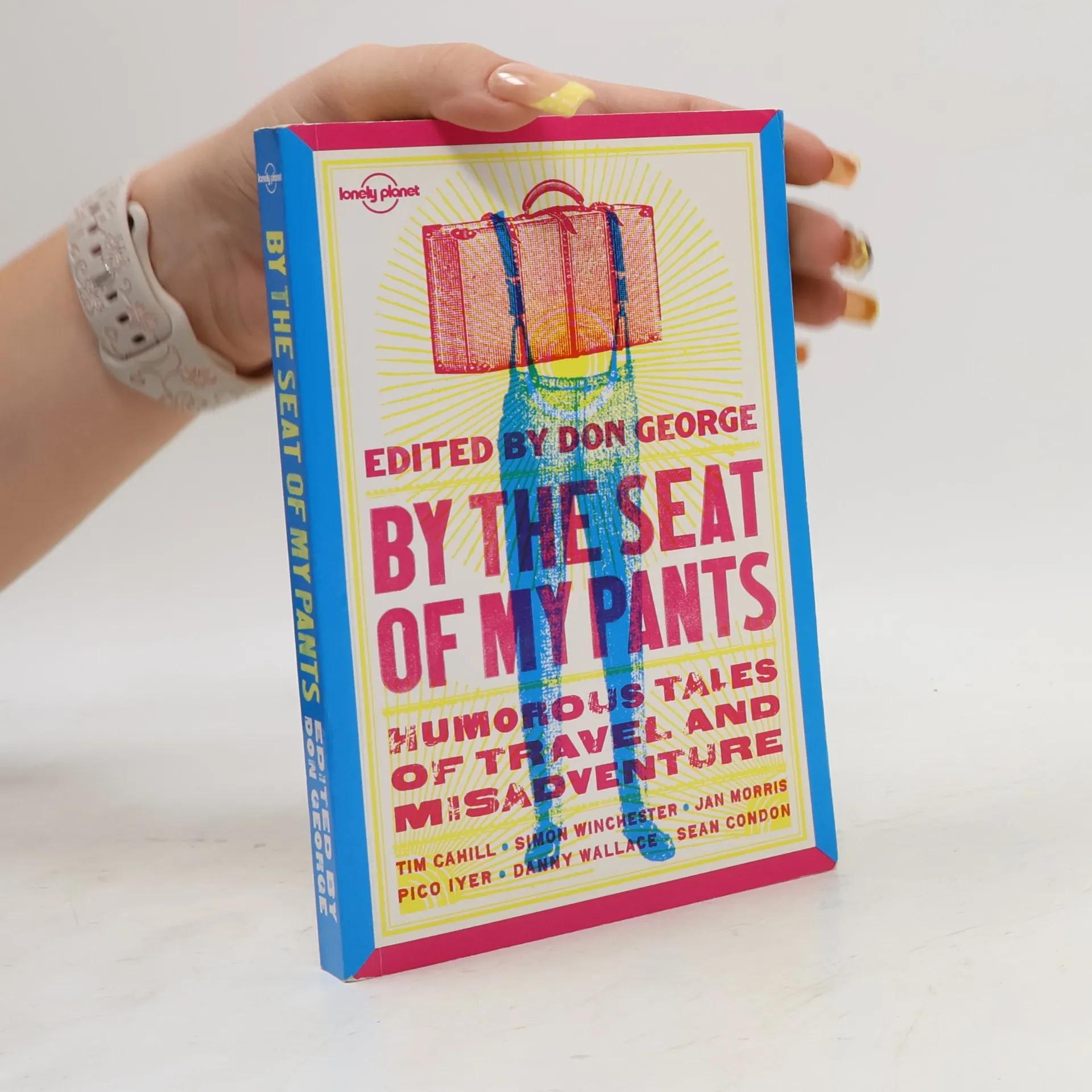
Humorous tales of travel and misadventure highlight that some of life's funniest experiences occur on the road. From unexpected detours to unforgettable encounters, these moments often lead to our most memorable travel stories. This collection features 31 globetrotting tales, ranging from close-encounter safaris to loss-of-face follies, hair-raising rides to culture-leaping brides, and eccentric expats to mind-boggling meals. It showcases renowned travelers and storytellers alongside previously unpublished writers. The anthology includes contributions from notable authors such as Wickam Boyle, Tim Cahill, Pico Iyer, and many others, each sharing their unique experiences and insights. Started in 1973, Lonely Planet has evolved into the leading travel guide publisher, offering guidebooks for every destination, an award-winning website, and a suite of mobile and digital travel products. Their mission is to help curious travelers experience the world and connect deeply with the places they visit. Recognized with TripAdvisor Travellers' Choice Awards in 2012 and 2013, Lonely Planet guides are celebrated for their unparalleled quality and accessibility, making them a staple for travelers everywhere.
Original Letters From India
- 288bladzijden
- 11 uur lezen
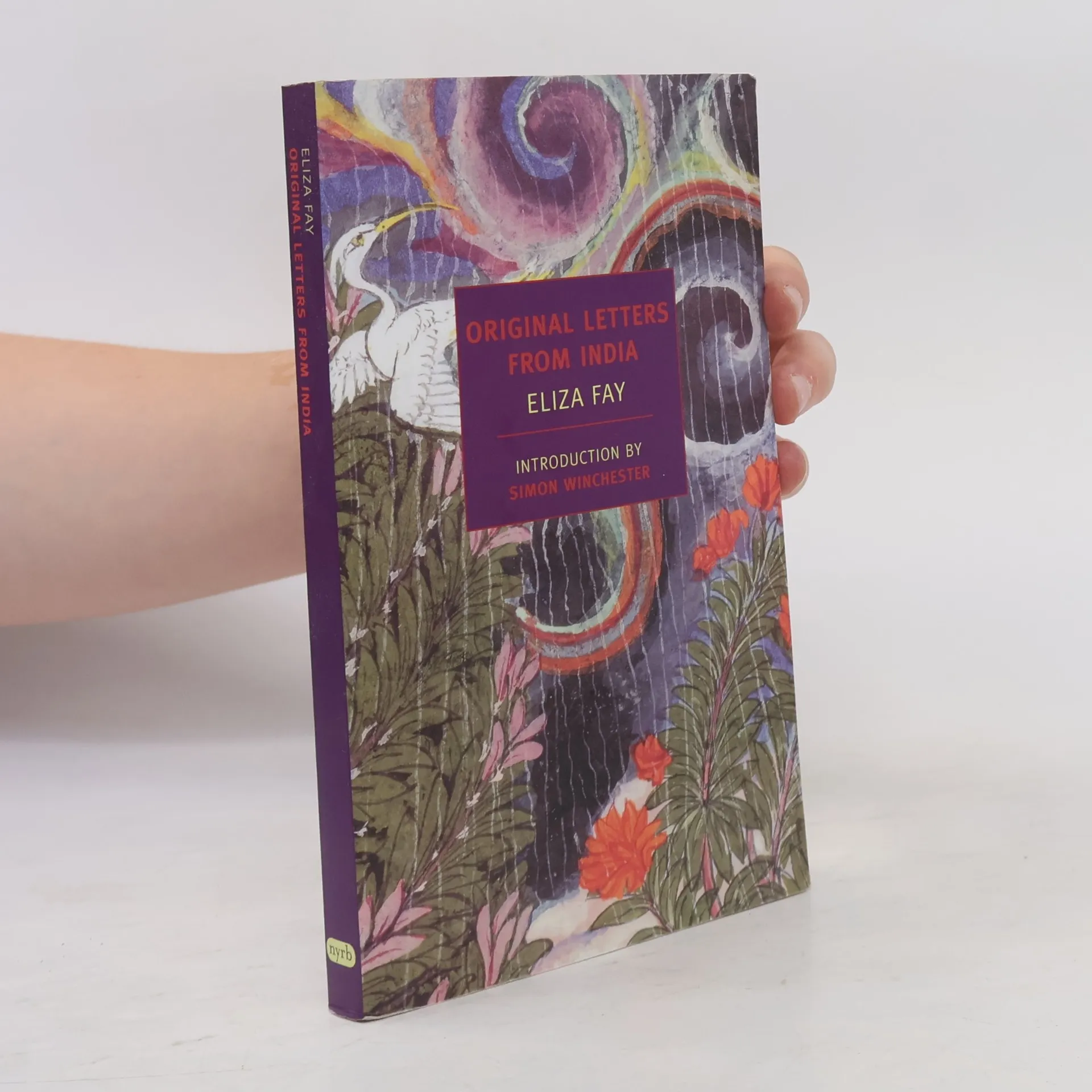
Eliza Fay’s origins are obscure; she was not beautiful, rich, or outlandishly accomplished. Yet the letters she wrote from her 1779 voyage across the globe captivated E. M. Forster, who arranged for their British publication in 1925. The letters have been delighting readers ever since with their truth-is-stranger-than-fiction twists and turns, their earthy humor, and their depiction of an indomitable woman. When the intrepid Mrs. Fay departed from Dover more than two hundred years ago, she embarked on a grueling twelve-month journey through much of Europe, up the Nile, over the deserts of Egypt, and finally across the ocean to India. Along the way her party encountered wars, territorial disputes, brigands, and even imprisonment. Fay was a contemporary of Jane Austen, but her adventures are worthy of a novel by Daniel Defoe. These letters—unfiltered, forthright, and often hilarious—bring the perils and excitements of an earlier age to life.
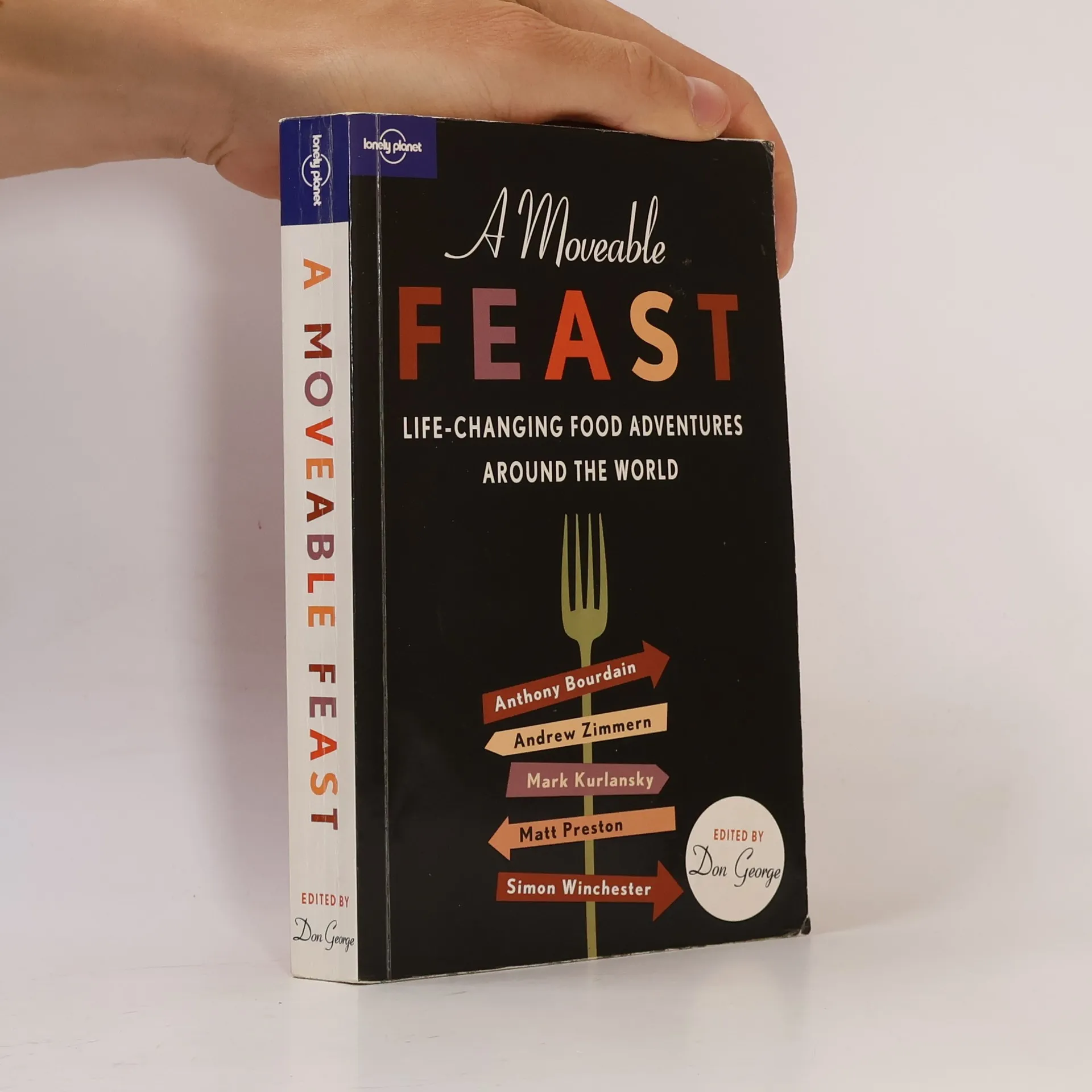
Lonely Planet: A Moveable Feast
Life-Changing Food Adventures Around the World
- 288bladzijden
- 11 uur lezen
From bat on the island of Fais to chicken on a Russian train to barbecue in the American heartland, from mutton in Mongolia to couscous in Morocco to tacos in Tijuana - on the road, food nourishes us not only physically, but intellectually, emotionally, and spiritually too. It can be a gift that enables a traveler to survive, a doorway into the heart of a tribe, or a thread that weaves an indelible tie; it can be awful or ambrosial - and sometimes both at the same time. Celebrate the riches and revelations of food with this 38-course feast of true tales set around the world.
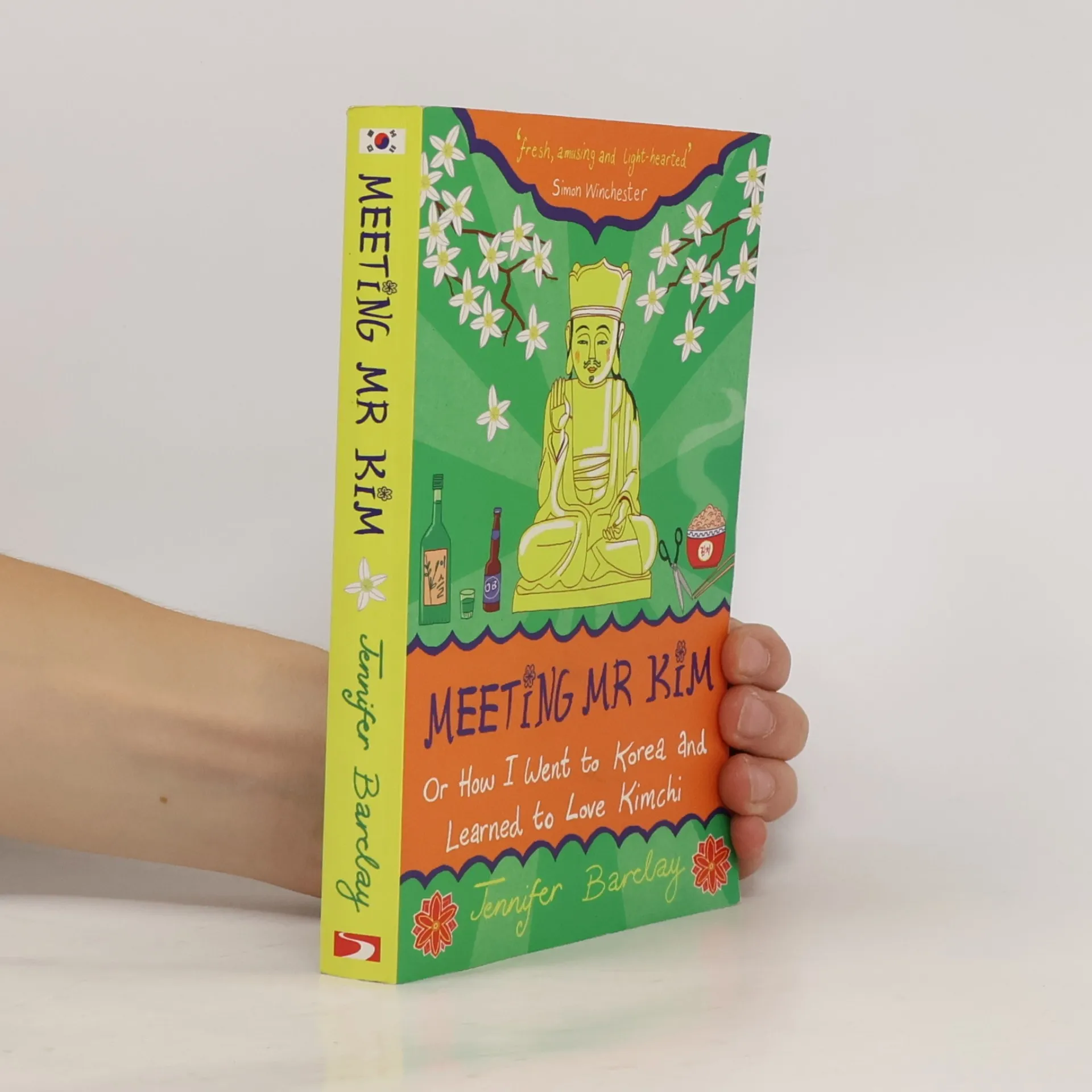
Meeting Mr Kim. How I Went to Korea and Learned to Love Kimchi
- 288bladzijden
- 11 uur lezen
Jennifer Barclay explores South Korea, uncovering its vibrant spirit filled with passion, tradition, spirituality, humor, and delicious food, amidst the backdrop of a peace summit that signals a new era for the divided nation.
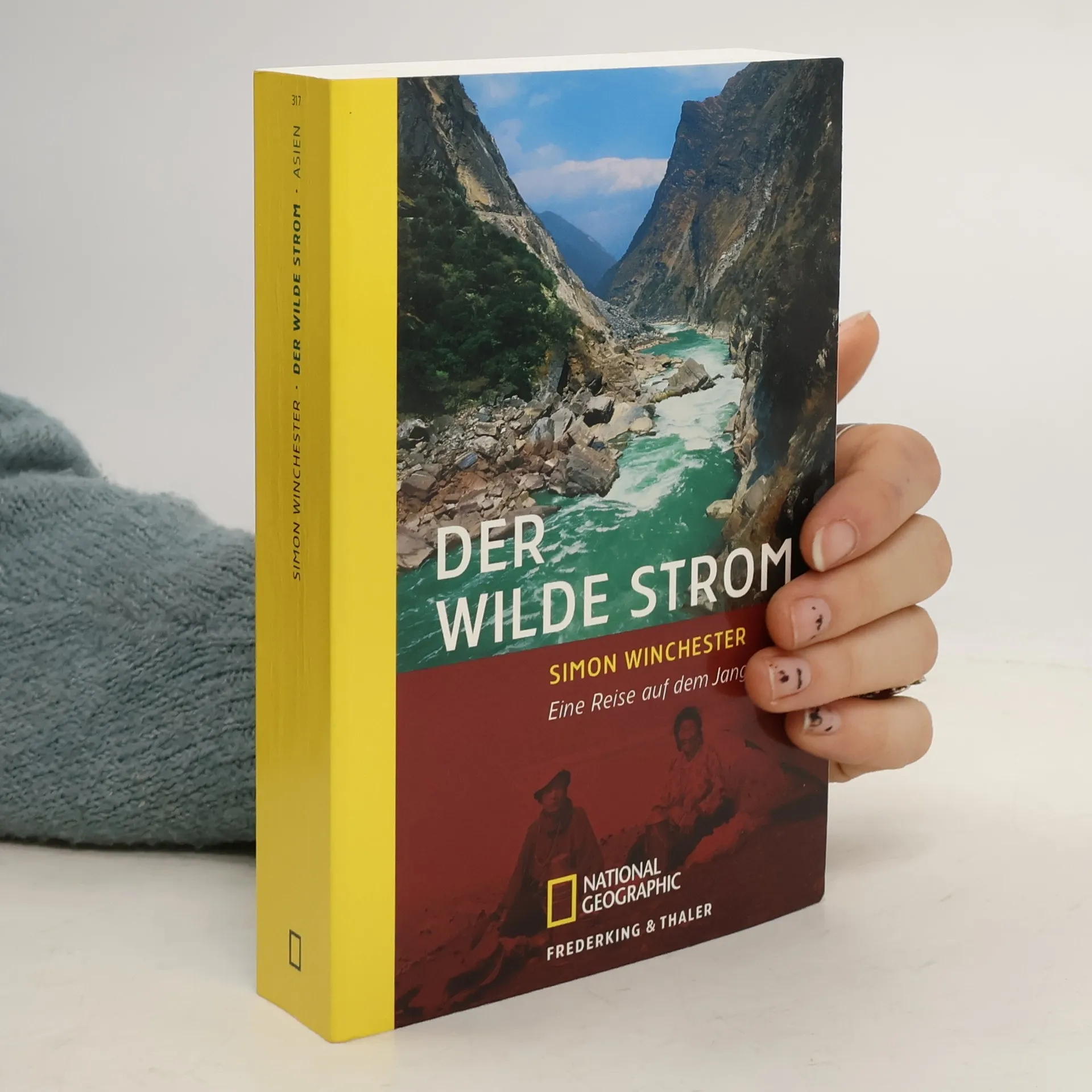
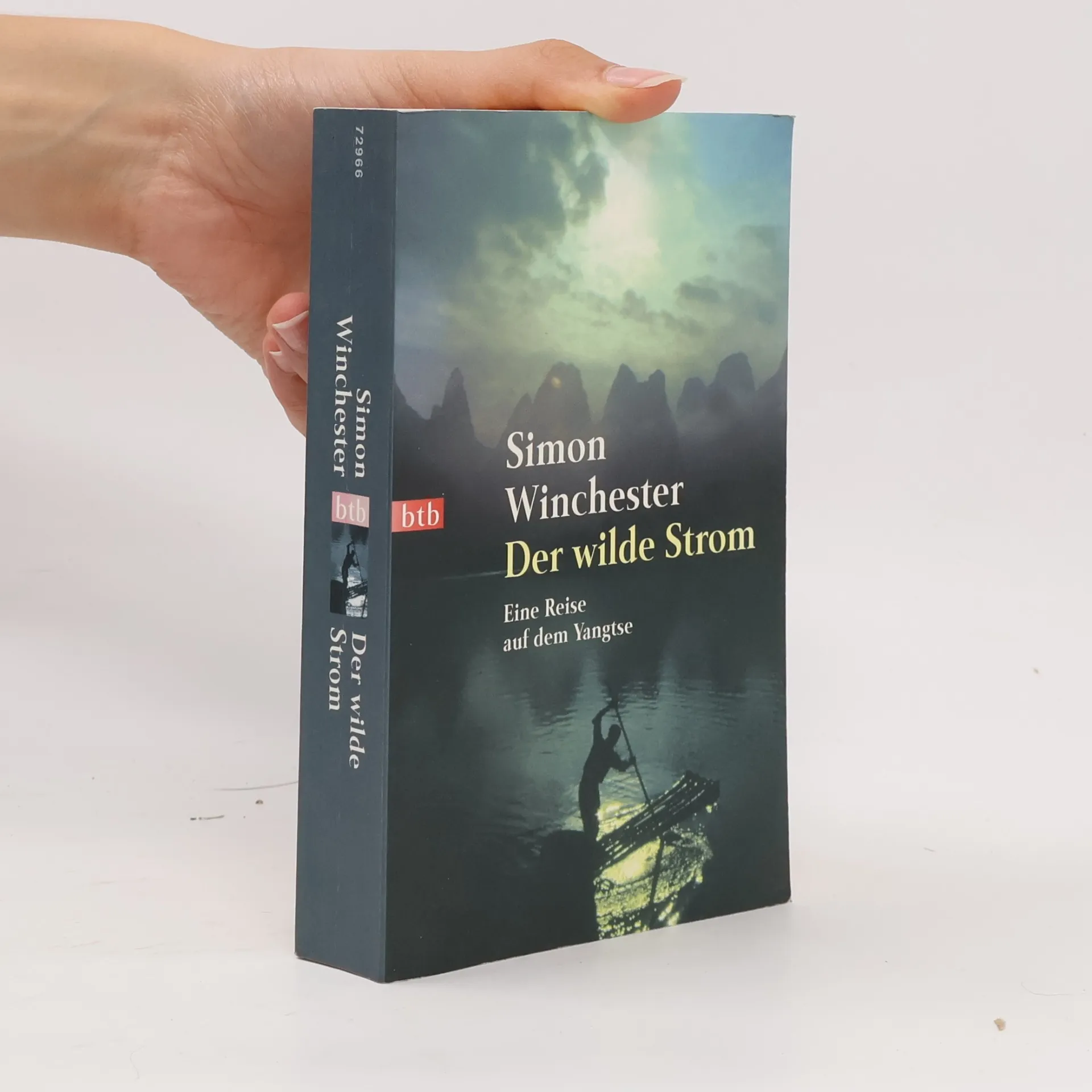
Der wilde Strom. Eine Reise auf dem Jangtse
- 519bladzijden
- 19 uur lezen
Simon Winchester reist auf dem Yangtse, einem der größten Flüsse der Welt, von Shanghai bis zur tibetischen Quelle. Auf über 5800 Kilometern erkundet er die von diesem Strom geprägten Uferregionen und erzählt faszinierende Geschichten über Chinas Geschichte, Land und Leute – ergreifend, witzig und informativ.
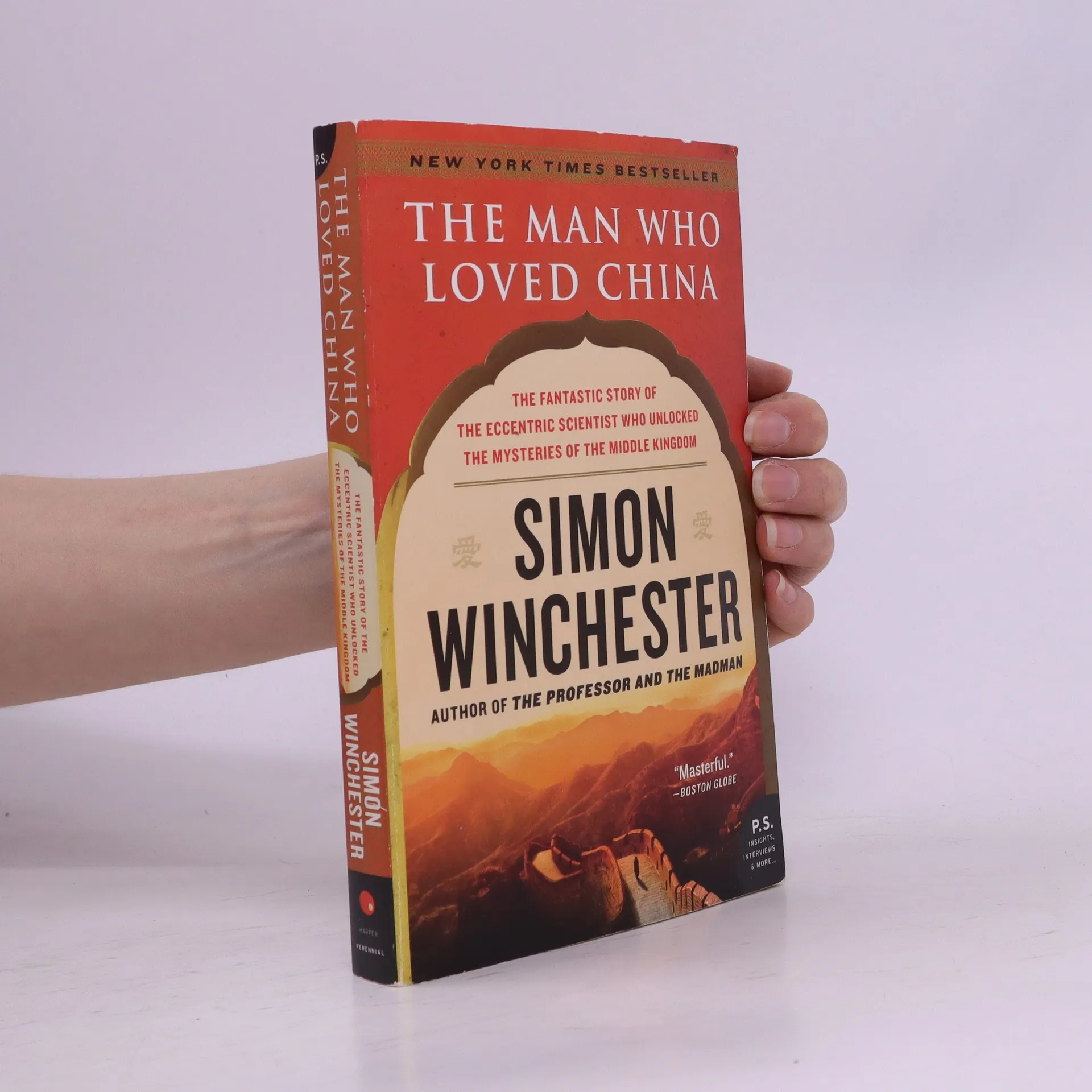
The Man Who Loved China
- 352bladzijden
- 13 uur lezen
In sumptuous and illuminating detail, Simon Winchester, bestselling author of The Professor and the Madman, brings to life the extraordinary story of Joseph Needham—the brilliant Cambridge scientist, freethinking intellectual, and practicing nudist who unlocked the most closely held secrets of China, once the world's most technologically advanced country.
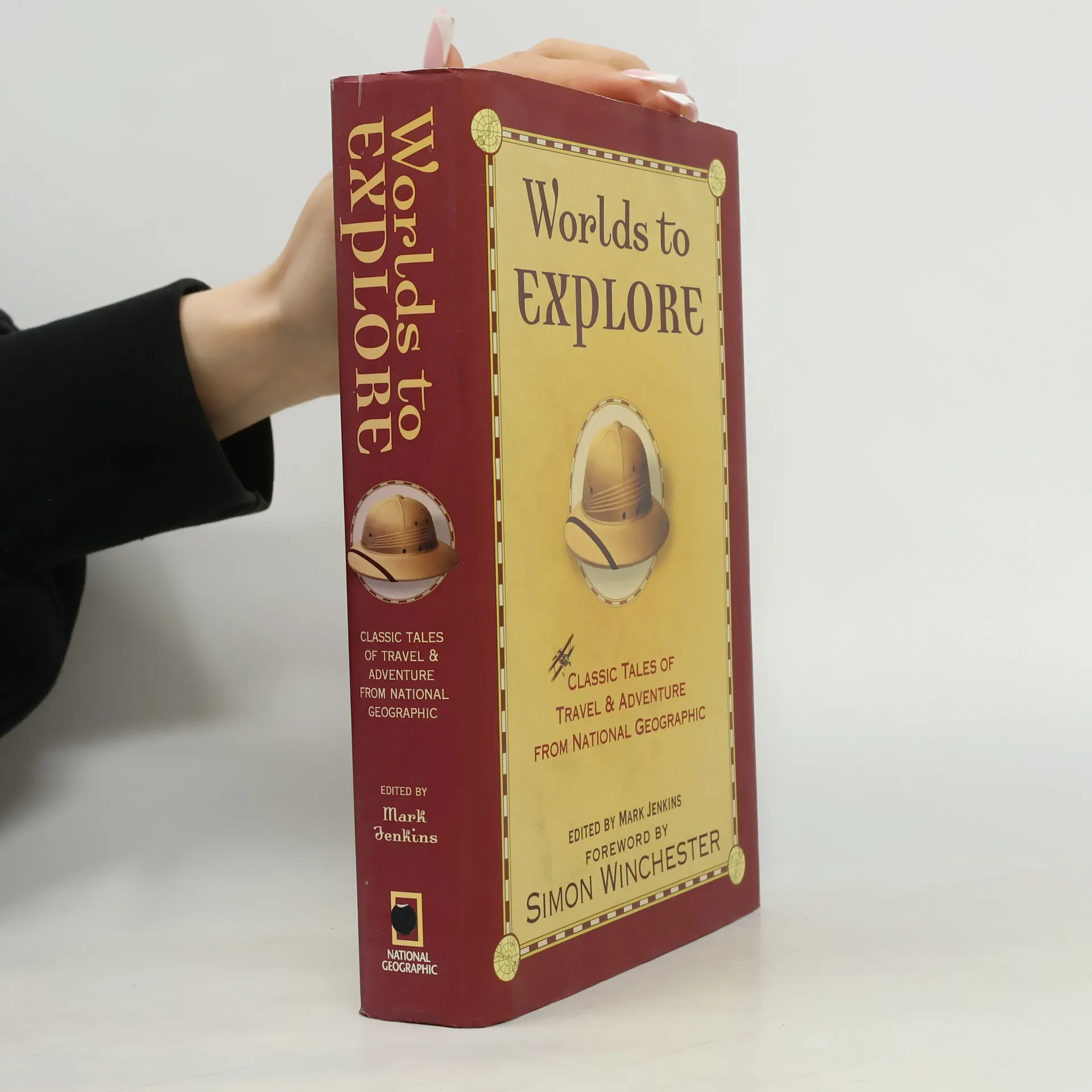
Worlds to Explore
Classic Tales of Travel and Adventure from National Geographic
- 464bladzijden
- 17 uur lezen
Polar fleece, titanium, and GPS have forever changed the face of exploration. Today an explorer can make a phone call from the top of Mount Everest and geo-locate himself in the thickest rain forest or the widest desert. Yet despite these advances, few modern adventures get close to the charm and romance of "The Desert Road to Turkestan," "Mysterious Temples of the Jungle," and "Airplanes Come to the Isles of Spice." In those bygone days, the pages of National Geographic were as close as most people could get to high adventure and faraway lands—and here's a chance to recapture them. Alongside noteworthy names like Robert Peary, Amelia Earhart, and Teddy Roosevelt, other less famous travelers take us on long-forgotten trips to places few Americans had gone. We follow as "An American Girl Cycles Across Transylvania," trek "A Thousand Miles Along the Great Wall of China," and glide "By Felucca Down the Nile." Introduced by brief essays that provide context and perspective, these engaging, engrossing selections speak for themselves—and trace the National Geographic Society's growth as it explored the unknown and brought it to readers eager for knowledge of "the world and all that is in it."
Das Drama des großen Erdbebens von San Francisco 1906 Am frühen Morgen des 18. April 1906 wurde San Francisco durch ein Erdbeben fast vollständig zerstört. Die Katastrophe hinterließ einen unauslöschlichen Eindruck im Bewusstsein einer ganzen Nation. Der studierte Geologe und preisgekrönte Journalist und Autor Simon Winchester lässt die dramatischen Ereignisse lebendig werden und zeigt die langfristigen wirtschaftlichen und gesellschaftlichen Folgen für Amerika und die Welt auf. Fundiert, spannend und für jeden verständlich erklärt er die geologischen Zusammenhänge und erinnert eindringlich daran, wie fragil das komplexe Gleichgewicht unseres Planeten ist.
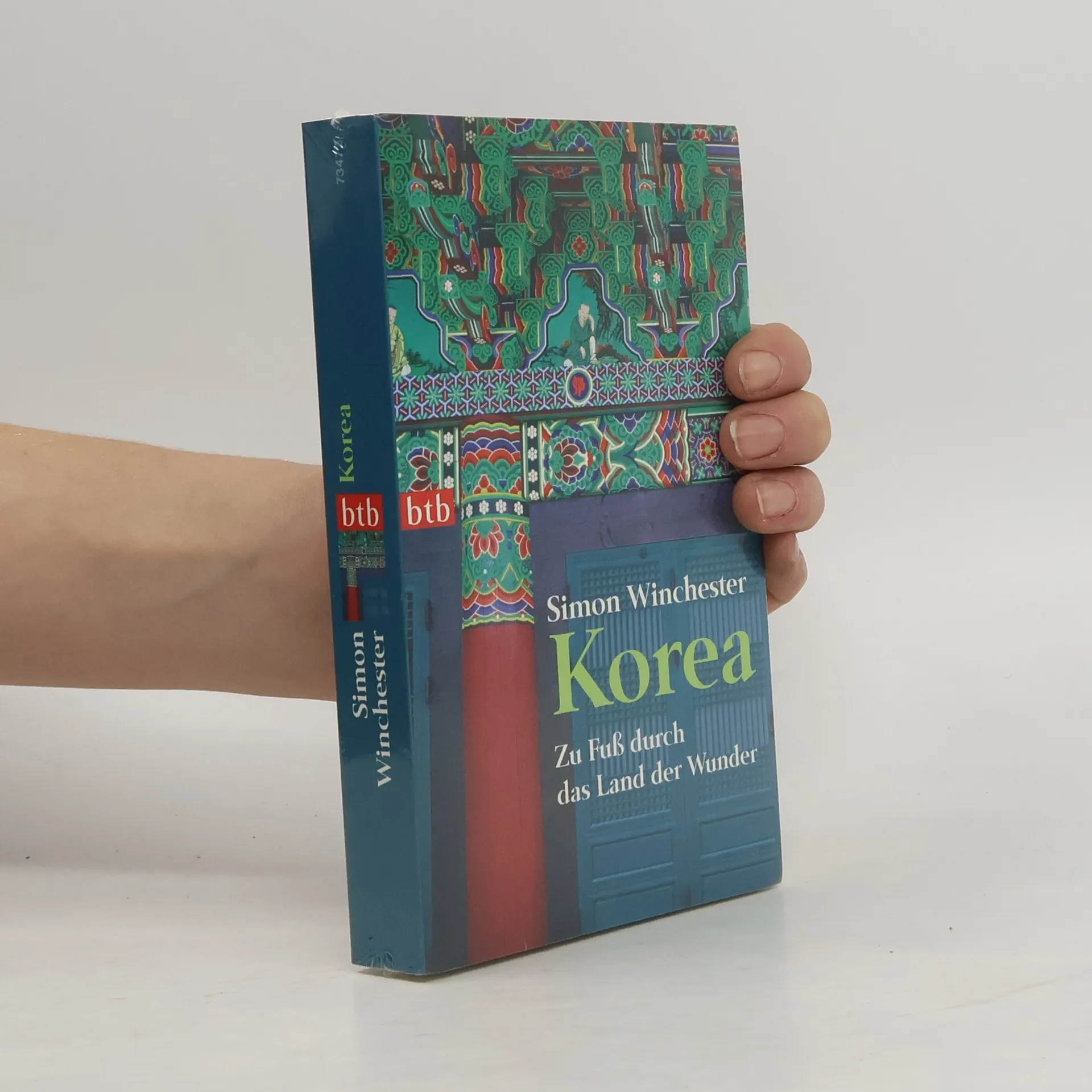
Korea
- 382bladzijden
- 14 uur lezen
Korea - so faszinierend wie fremd Korea: das Land der Wunder. Für uns Europäer noch immer ein fremdes Land zwischen konfuzianischer Weisheit, rasender Modernisierung und politischer Brisanz. Simon Winchester begibt sich mitten hinein in diese fremde Kultur, er entwirft ein wahres Kaleidoskop der schillernden Bewohner des Landes, seiner Sitten und Bräuche, seiner Geschichte und seiner gesellschaftlichen Probleme und politischen Konflikte. Hinreißend anschaulicher Reisebericht und scharfsinnige Analyse zugleich.
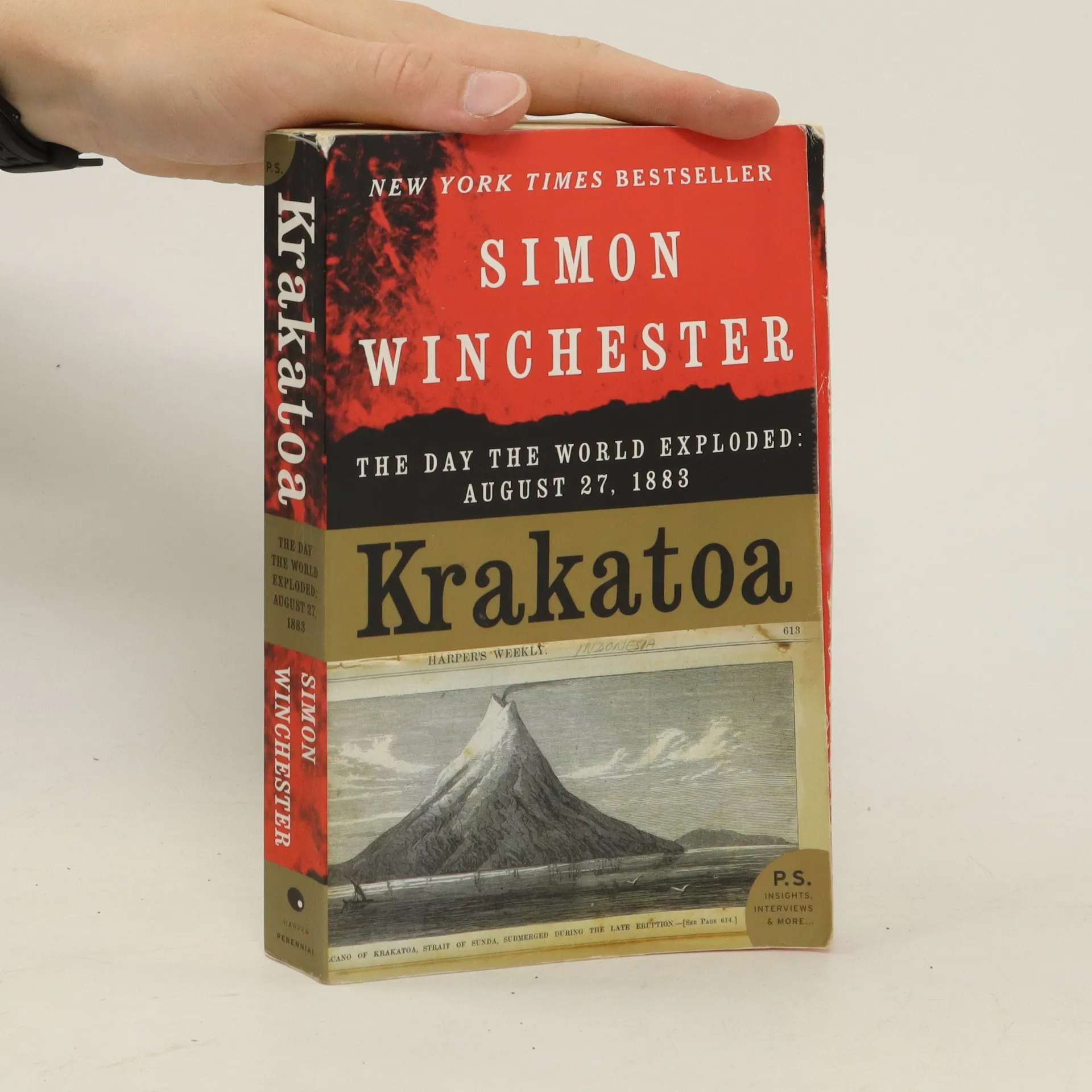
Krakatoa. The day of world exploded. August 27, 1883
- 416bladzijden
- 15 uur lezen
Simon Winchester, New York Times bestselling author of The Professor and the Madman, examines the legendary annihilation in 1883 of the volcano-island of Krakatoa, which was followed by an immense tsunami that killed nearly forty thousand people. The effects of the immense waves were felt as far away as France. Barometers in Bogotá and Washington, D.C., went haywire. Bodies were washed up in Zanzibar. The sound of the island's destruction was heard in Australia and India and on islands thousands of miles away. Most significant of all -- in view of today's new political climate -- the eruption helped to trigger in Java a wave of murderous anti-Western militancy among fundamentalist Muslims, one of the first outbreaks of Islamic-inspired killings anywhere. Krakatoa gives us an entirely new perspective on this fascinating and iconic event. This P.S. edition features an extra 16 pages of insights into the book, including author interviews, recommended reading, and more.
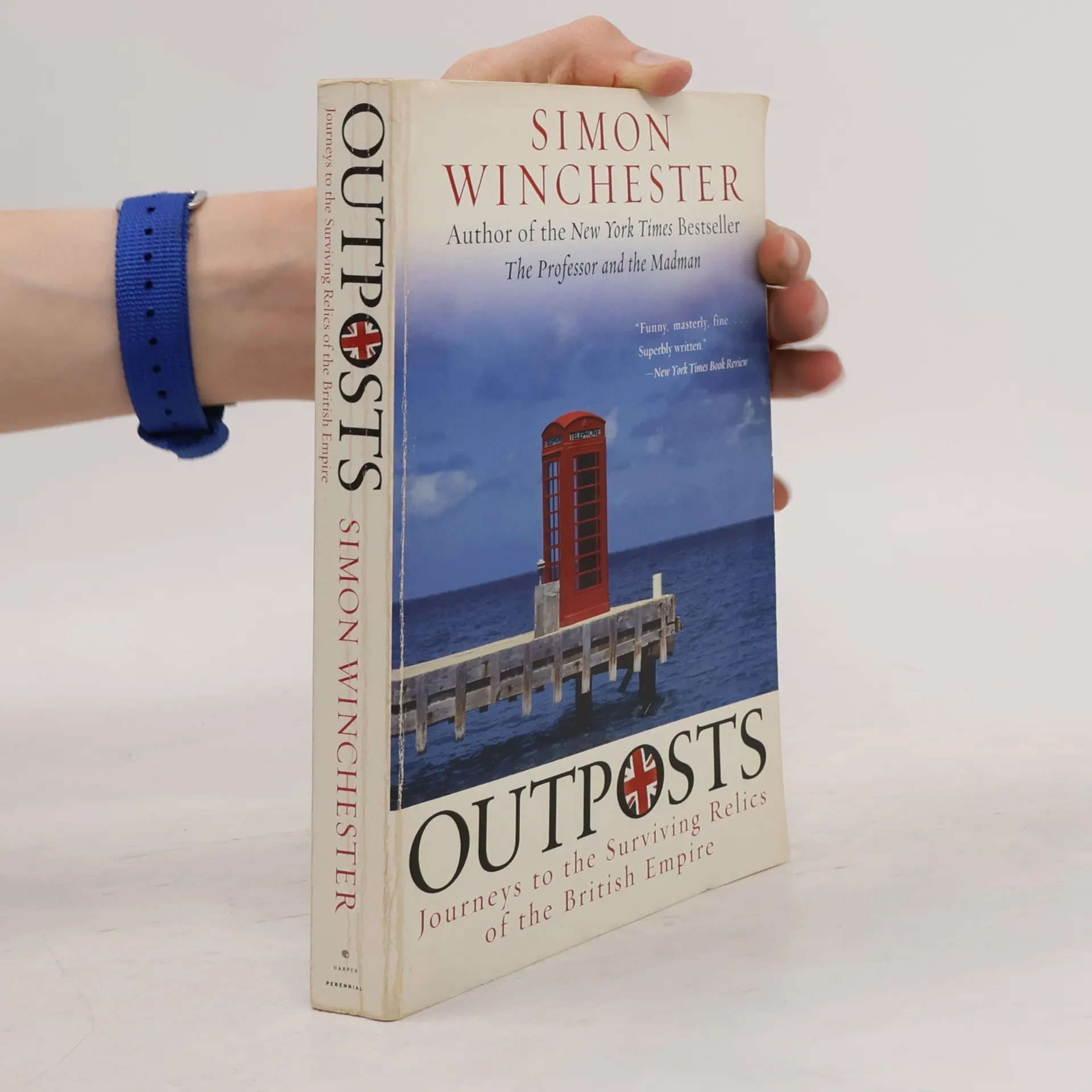
Simon Winchester, struck by a sudden need to discover exactly what was left of the British Empire, set out across the globe to visit the far-flung islands that are all that remain of what once made Britain great. He traveled 100,000 miles back and forth, from Antarctica to the Caribbean, from the Mediterranean to the Far East, to capture a last glint of imperial glory.His adventures in these distant and forgotten ends of the earth make compelling, often funny reading and tell a story most of us had thought was over: a tale of the last outposts in Britain's imperial career and those who keep the flag flying.With a new introduction, this updated edition tells us what has happened to these extraordinary places while the author's been away.
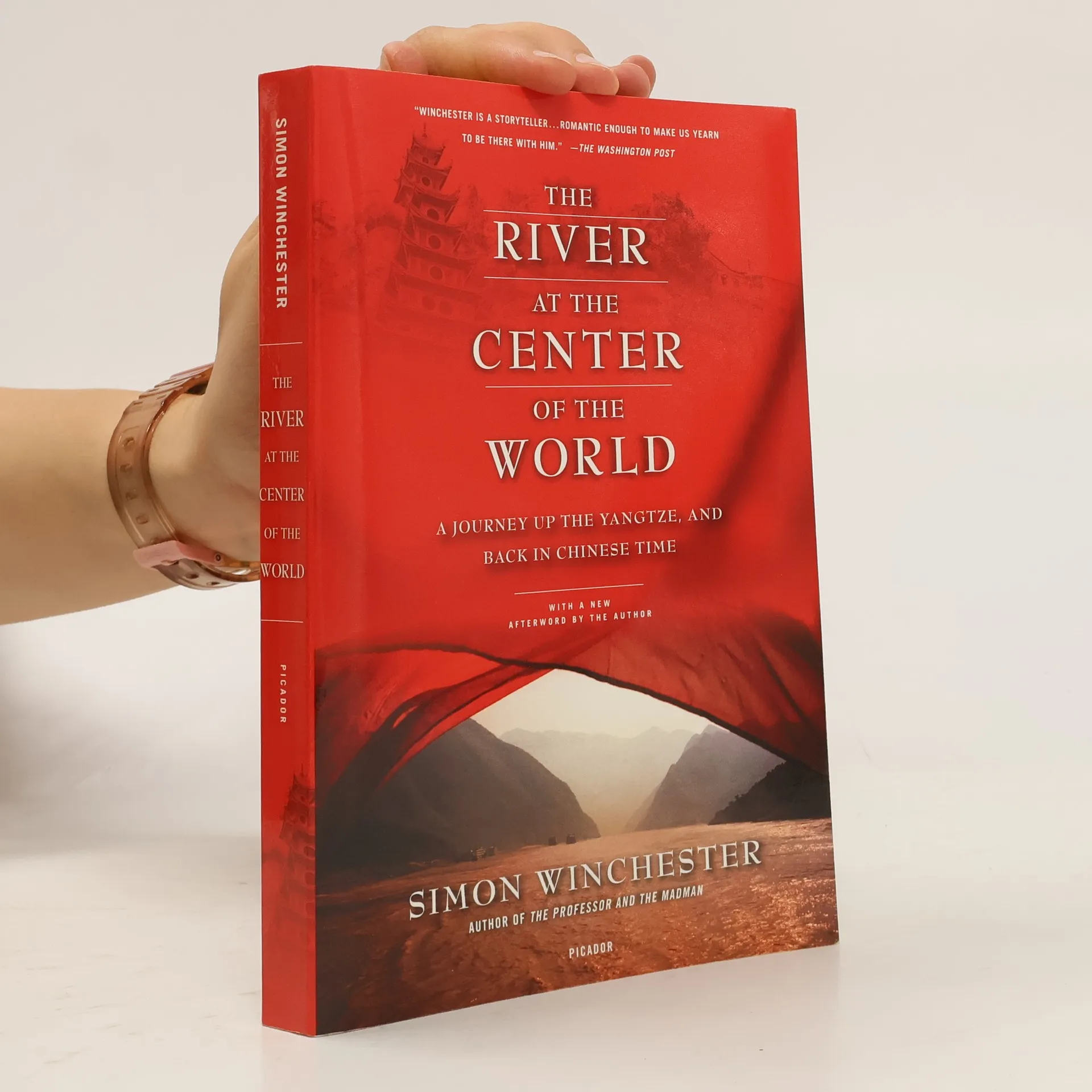
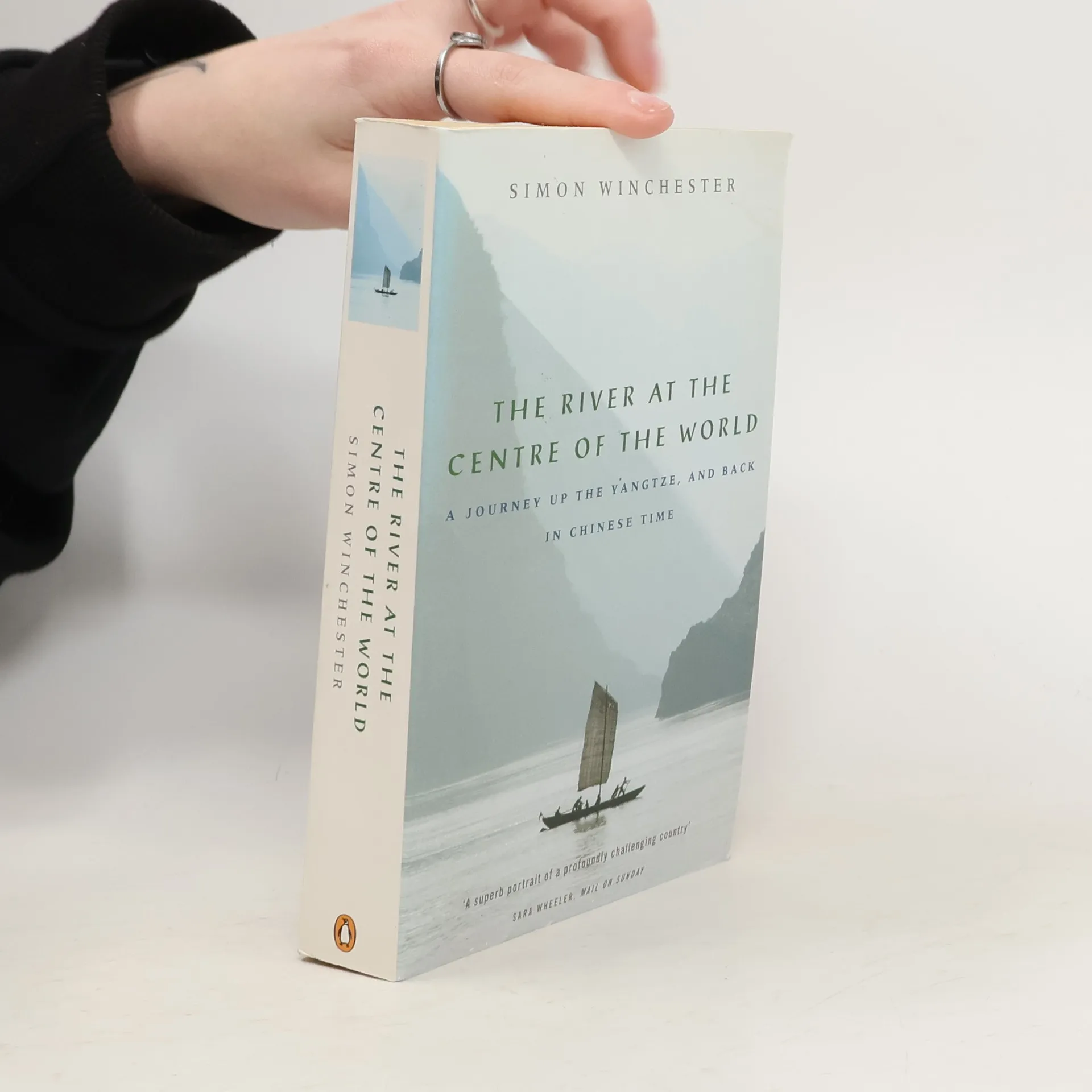
The River at the Center of the World
A Journey Up the Yangtze, and Back in Chinese Time
- 434bladzijden
- 16 uur lezen
Offering a captivating exploration of China, the book delves into the rich tapestry of its culture, history, and the diverse lives of its people. Recognized as one of the top travel books of 1996 by the New York Times Book Review, it combines insightful observations with vivid storytelling, making it a remarkable guide for anyone interested in understanding the complexities of this vast nation.
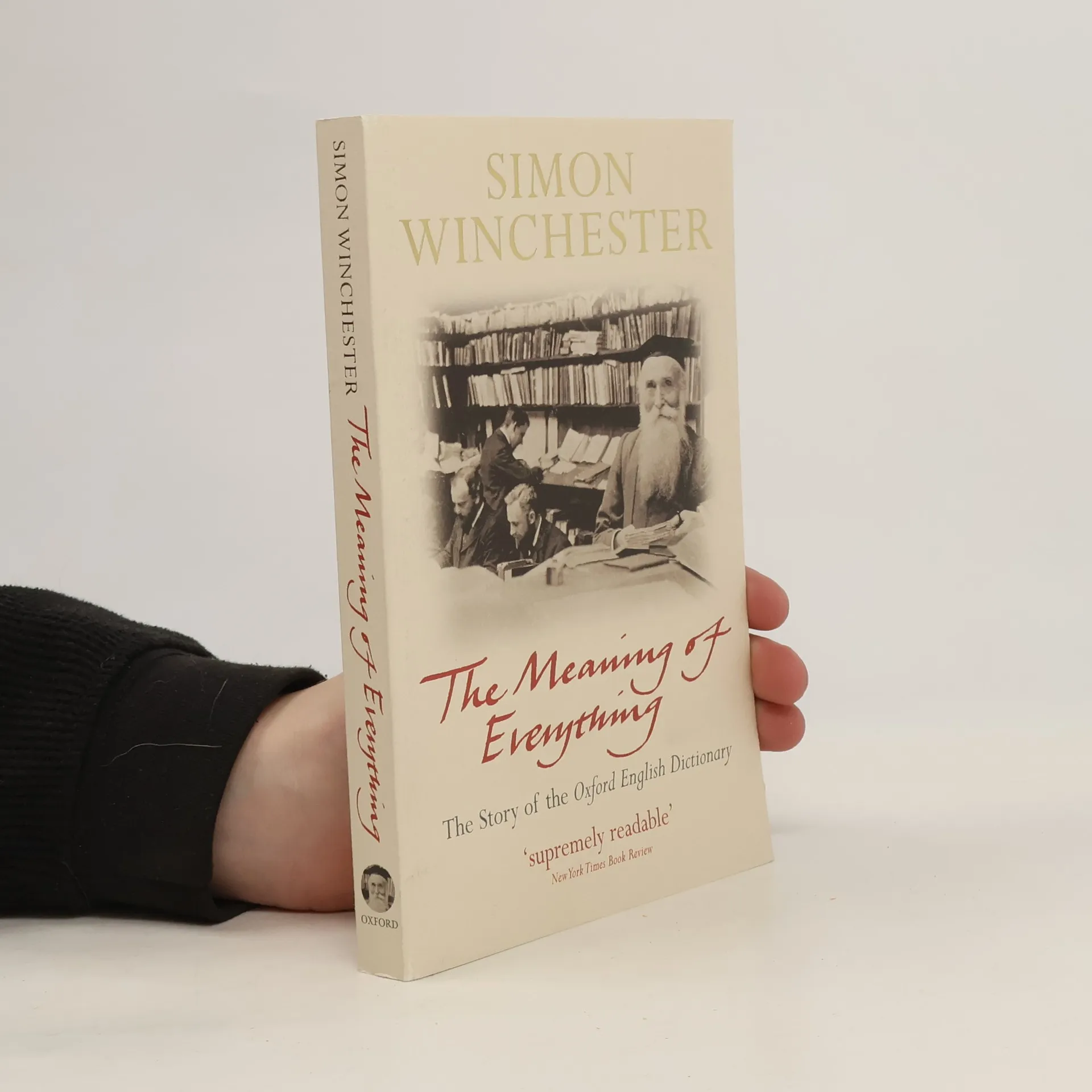
The Meaning of Everything
- 288bladzijden
- 11 uur lezen
"We visit the ugly corrugated iron structure that Murray grandly dubbed the Scriptorium -- the Scrippy or the Shed, as locals called it -- and meet some of the legion of volunteers, from Fitzedward Hall, a bitter hermit obsessively devoted to the OED, to W.C. Minor, whose story is one of dangerous madness, ineluctable sadness, and ultimate redemption. The Meaning of Everything is a scintillating account of the creation of the greatest monument ever erected to a living language. Simon Winchester's supple, vigorous prose illuminates this dauntingly ambitious project -- a seventy-year odyssey to create the grandfather of all word-books, the world's unrivaled uber-dictionary. Book jacket."--Jacket.
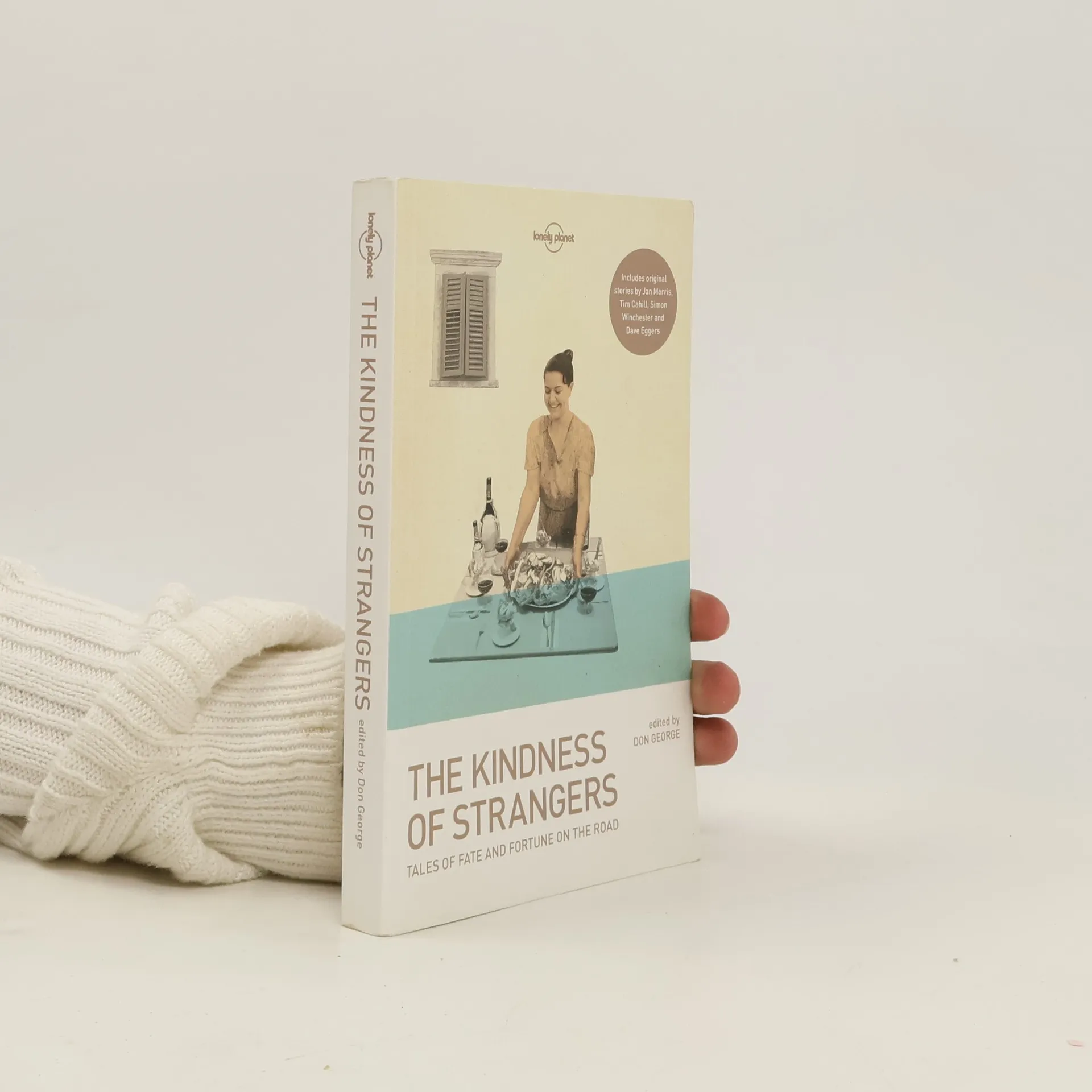
The Kindness of Strangers
- 220bladzijden
- 8 uur lezen
A timely collection of 26 inspiring tales, The Kindness of Strangers explores the unexpected human connections that so often transfigure and transform the experience of travel, and celebrates the gift of kindness around the world. Featuring stories by Jan Morris, Tim Cahill, Simon Winchester and Dave Eggers.
Krakatoa
- 432bladzijden
- 16 uur lezen
Based on three days of teaching in London in May 1999, this text is an edited version of the Dalai Lama's discourse on one of the most profound and sacred texts in the Tibetan Buddhist tradition. The Eight Verses on Generating Compassion are known in Tibetan as lojong - literally, transforming your mind. In this commentary on these teachings, the Dalai Lama shows us how to transform difficult situations into opportunities for spiritual growth. He also offers practical methods as to how to develop positive ways of thinking and compassion.
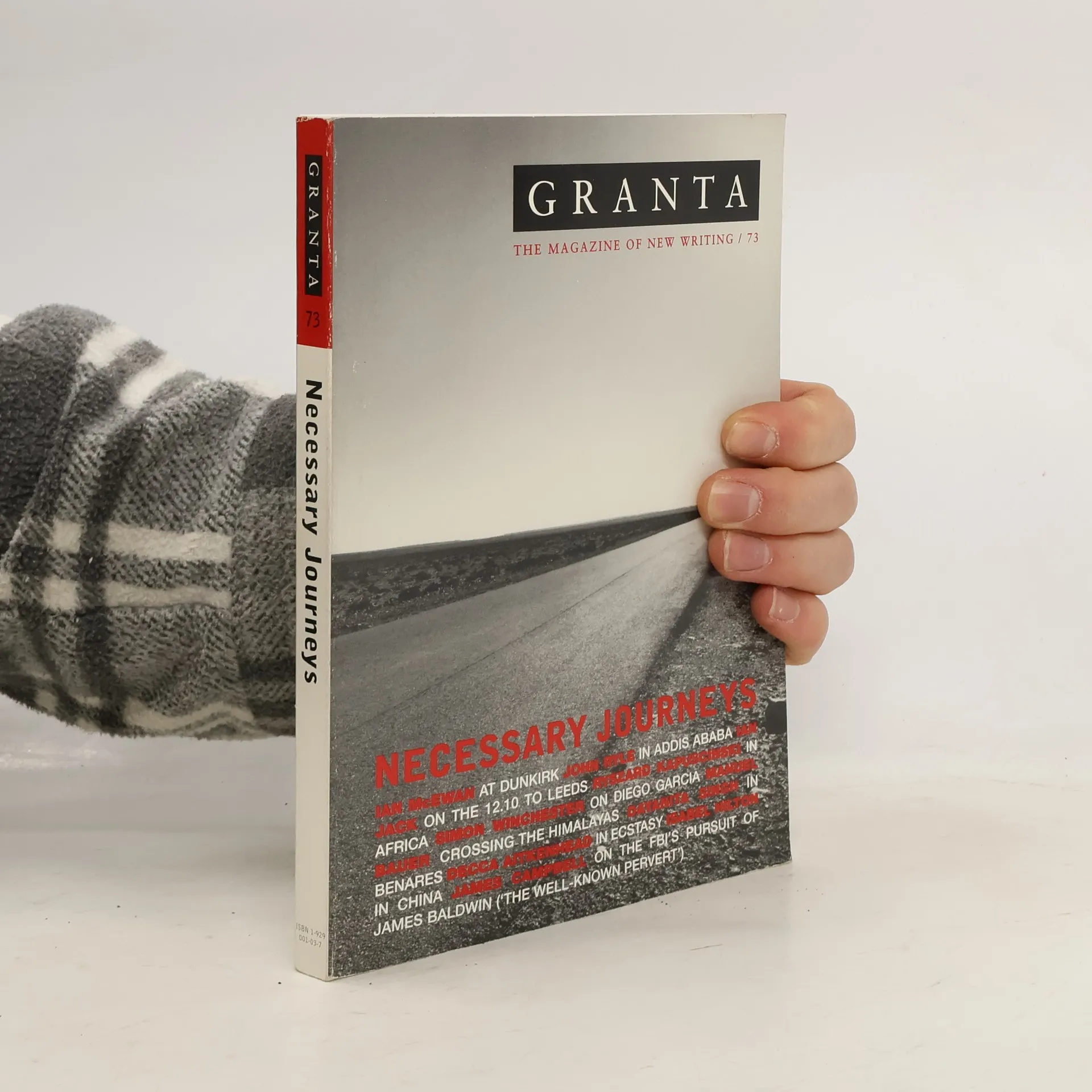
Travel is no longer a luxury and not always an entertainment. Many journeys need to be made‹to get home or away from an enemy, to work, to find a last resting place, or because someone has told you to go. This issue of Granta is about such journeys; you might call it necessary travel writing, with Decca Aitkenhead: looking for cheap sex and drugs; Manuel Bauer: a child¹s escape over the Himalayas; Isabel Hilton: what have they done to Beijing?; Ian Jack: the train crash that stopped Britain; Ryszrd Kapuscinski: in the forests of Cameroon; Ian McEwan: on the retreat to Dunkirk, 1940; John Ryle: the last Emperor makes his last journey; Dayanita Singh: inside a sanctuary for girls in Benares; Simon Winchester: how Britain and the US made a people homeless; plus the untold story of how the FBI pursued James Baldwin at home, revealed by James Campbell. Granta is the paperback magazine of new writing. Every issue features the best new fiction, reportage, memoir and photography, generally collected under a theme.
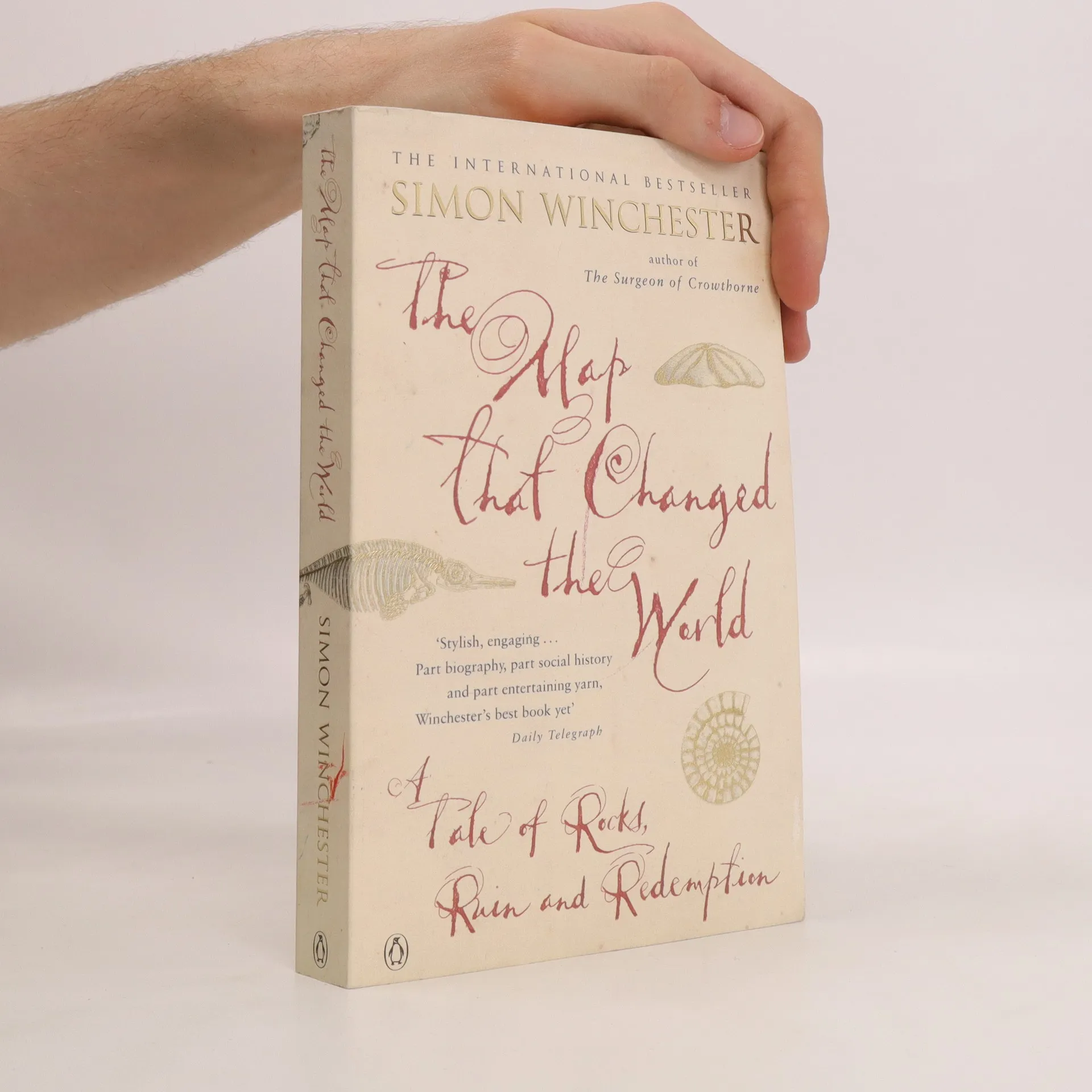
The map that changed the world : a tale of rocks, ruin and redemption
- 352bladzijden
- 13 uur lezen
The first geological map was made by an Oxfordshire farmer's son called William Smith. His life was beset with troubles: his work was plagiarized, he was imprisoned for debt, his wife went insane and the scientific establishment shunned him. This is the tale of his life and work in modern geology.
Der wilde Strom
- 475bladzijden
- 17 uur lezen
„Eine der wohl ungewöhlichsten Reisen unserer Zeit“ (Der Standard) unternahm der Journalist und Asienkenner Simon Winchester. Er bereiste monatelang einen der gewaltigsten Ströme der Erde, den Yangtse. Er folgte dem Fluss stromaufwärts von Shanghai bis ins Quellgebiet im Hochland von Tibet. Immer wieder unternahm er Abstecher in die Städte und Dörfer, die seit Jahrtausenden von diesem Strom geprägt wurden. Winchester erzählt vom Alltag der Menschen und von ihrer Herzlichkeit, er lässt sich einnehmen von der Schönheit der Landschaft. Aber er verhehlt auch nicht sein Entsetzen über das Ausmaß der Gleichgültig gegenüber Umwelt und Natur, seine Bitterkeit über Bürokratie und Korruption. Dem preisgekrönten Journalisten und Autor gelingt damit ein ebenso ergreifendes wie exakt recherchiertes Geschichts- und Geschichtenbuch.
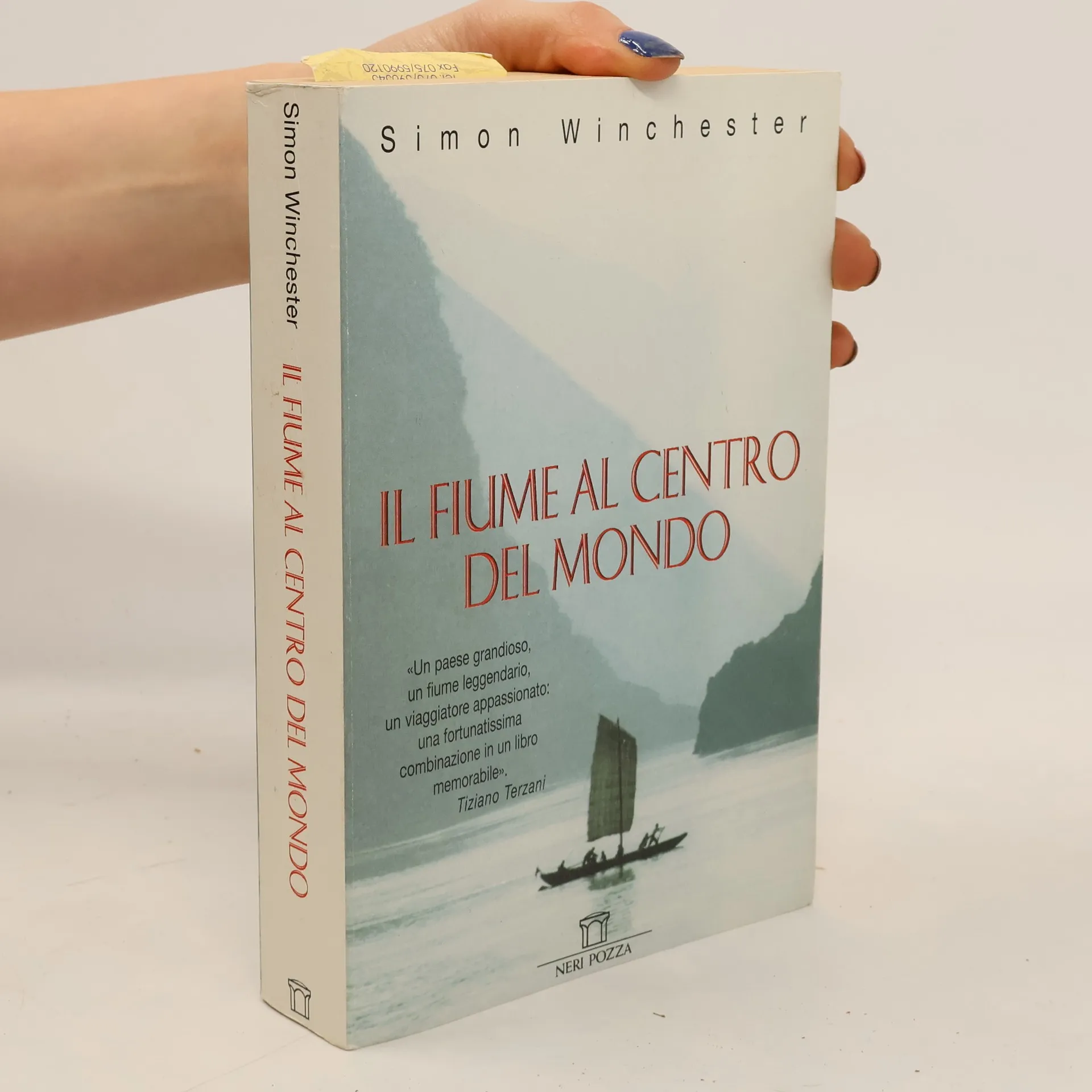
Il fiume al centro del mondo
- 448bladzijden
- 16 uur lezen
Vi sono fiumi che racchiudono simbolicamente la storia del paese che attraversano: uno di questi è certamente lo Yangtze, che scorre per tutta la sua lunghezza in territorio cinese. Di volta in volta reportage, cronaca di costume, narrazione storica e racconto d'avventura, il libro ripercorre a ritroso la millenaria storia cinese risalendo la corrente dello Yangtze. Accanto a ritratti d'ambiente e racconti d'epica quotidiana s'incontrano personaggi tragici o buffi, ma sempre "veri", e luoghi di "culto" come il guado di Jiaopingdu, una delle tappe fondamentali della Lunga Marcia di Mao.
A True Portrait of One of the World's Most Chaotic and Beautiful Regions That Explains Why Violence Has Always Occurred There--And Why It May Continue For Years To Come The vast and mountainous area that makes up the Balkans is rife with discord, both cultural and topographical. And, as Simon Winchester superbly demonstrates in this intimate portrait of the region, much of the political strife of the past century can be traced to its inherent contrasts. With the aid of a guide and linguist, Winchester traveled deep into the region's most troublesome areas--including Slovenia, Croatia, Bosnia, Montenegro, Albania, Kosovo, and Turkey--just as the war was tearing these countries apart. The result is a book not just about war but also about how war affects the living. Both timeless and current, The Fracture Zone goes behind the headlines to offer a true picture of a region that has always been on the brink. Winchester's remarkable journey puts all the elements together--the faults, the fractures, and the chaos--to make sense out of a seemingly senseless place.
The River at the Centre of the World. A Journey Up the Yangtze, and Back in Chinese Time
- 448bladzijden
- 16 uur lezen
The author embarks on a journey from the mouth to the source of the Yangtze River, exploring its cities and people. This narrative reflects the author's quest to understand the essence of China, with the Yangtze representing its soul and center.
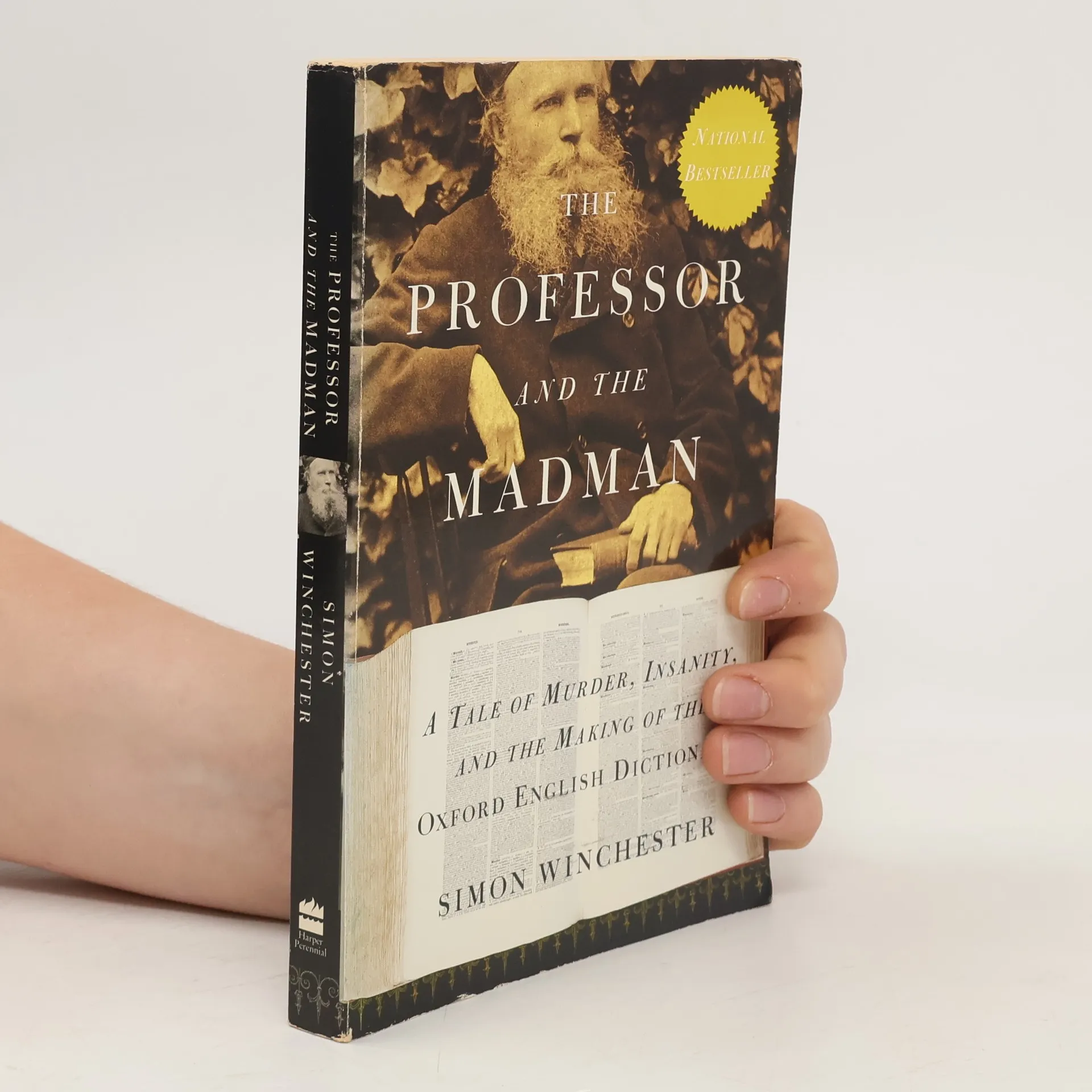
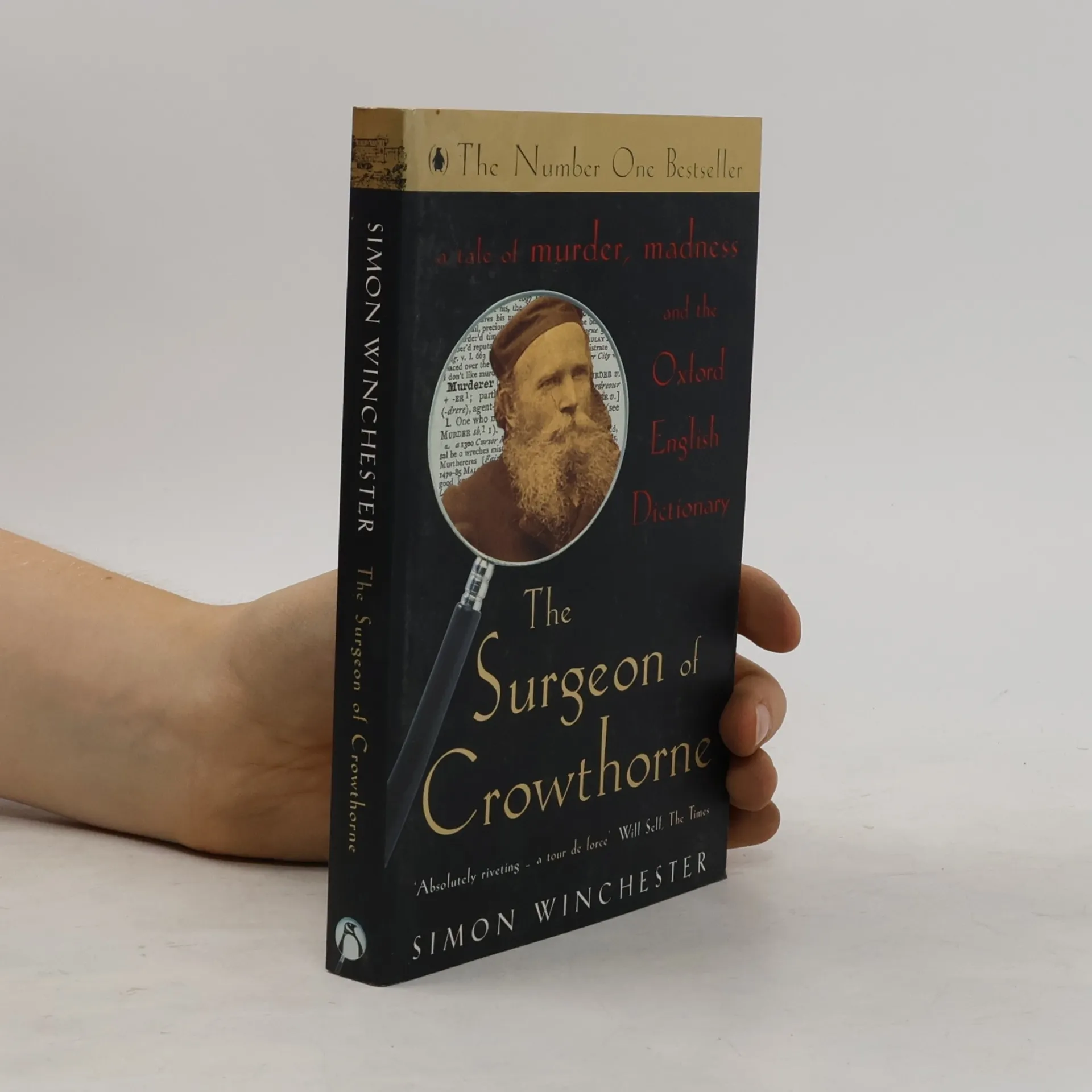
The Professor and the Madman
A Tale of Murder, Insanity, and the Making of The Oxford English Dictionary
- 220bladzijden
- 8 uur lezen
Describes how more than ten thousand definitions were submitted for the first Oxford English Dictionary from Dr. W. C. Minor, an American Civil War criminal whose life of genius and insanity make this true story both fascinating and unique. BOMC.
The making of the Oxford English Dictionary was a monumental 50 year task requiring thousands of volunteers. One of the keenest volunteers was a W C Minor who astonished everyone by refusing to come to Oxford to receive his congratulations. In the end, James Murray, the OED's editor, went to Crowthorne in Berkshire to meet him. What he found was incredible - Minor was a millionaire American civil war surgeon turned lunatic, imprisoned in Broadmoor Asylum for murder and yet who dedicated his entire cell-bound life to work on the English language.