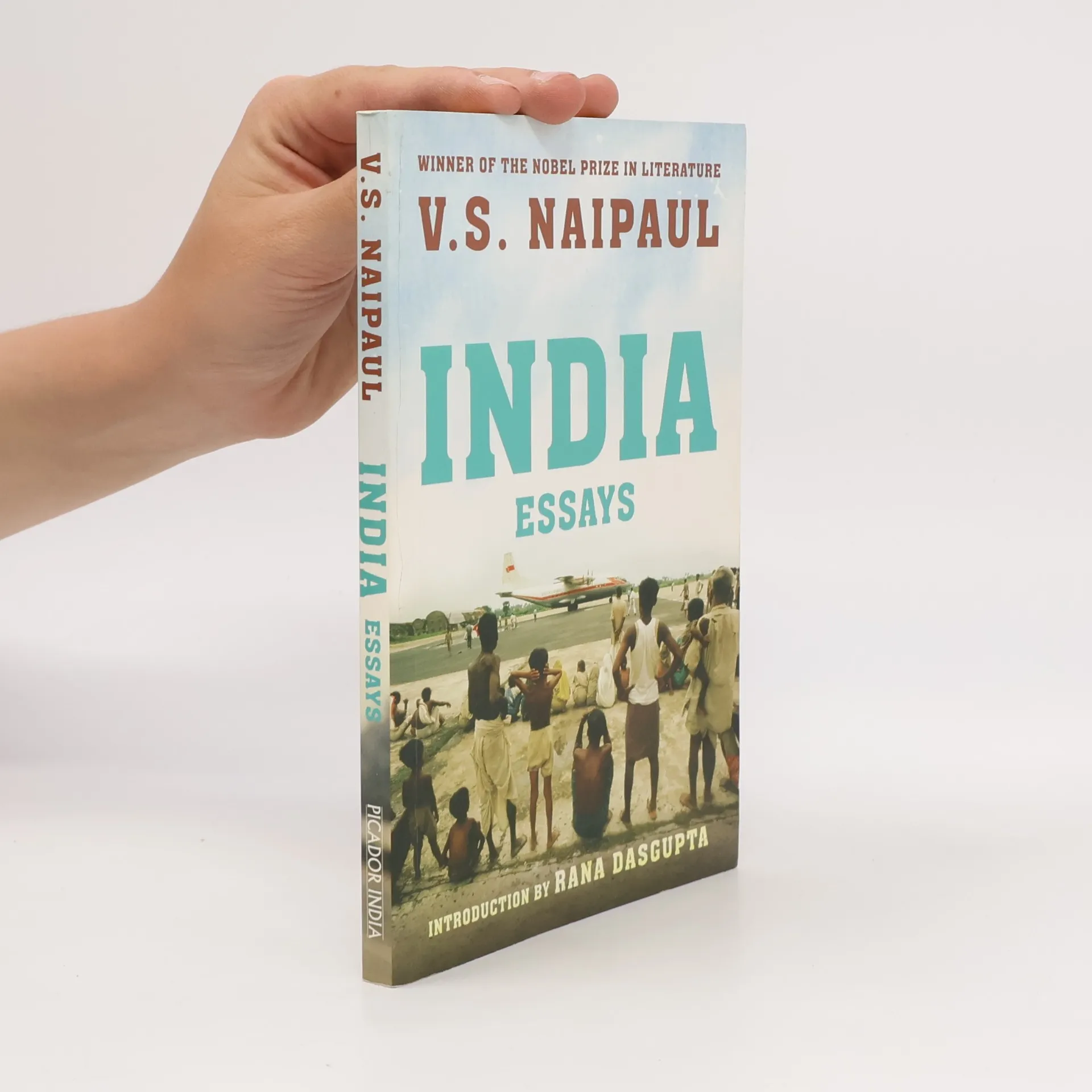
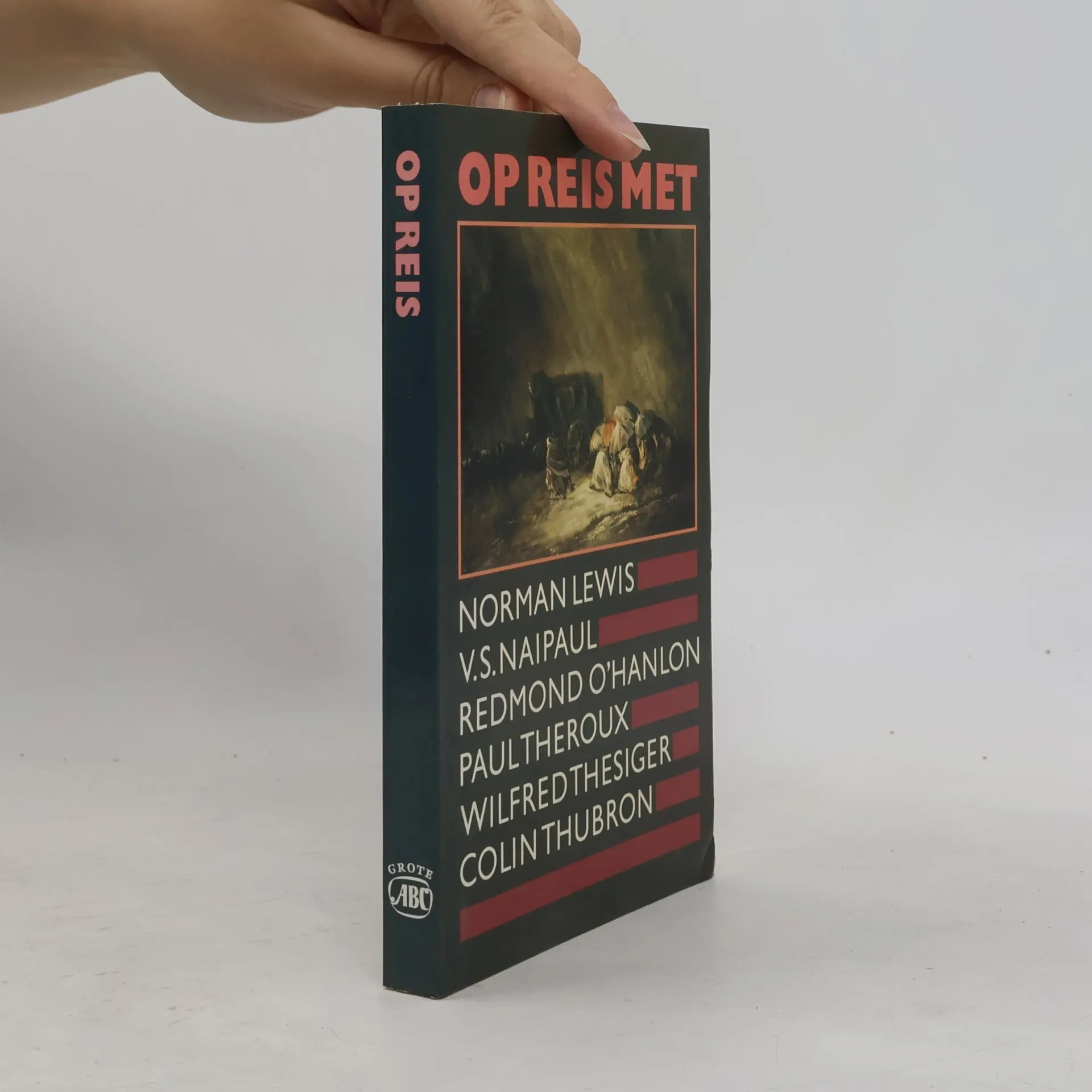
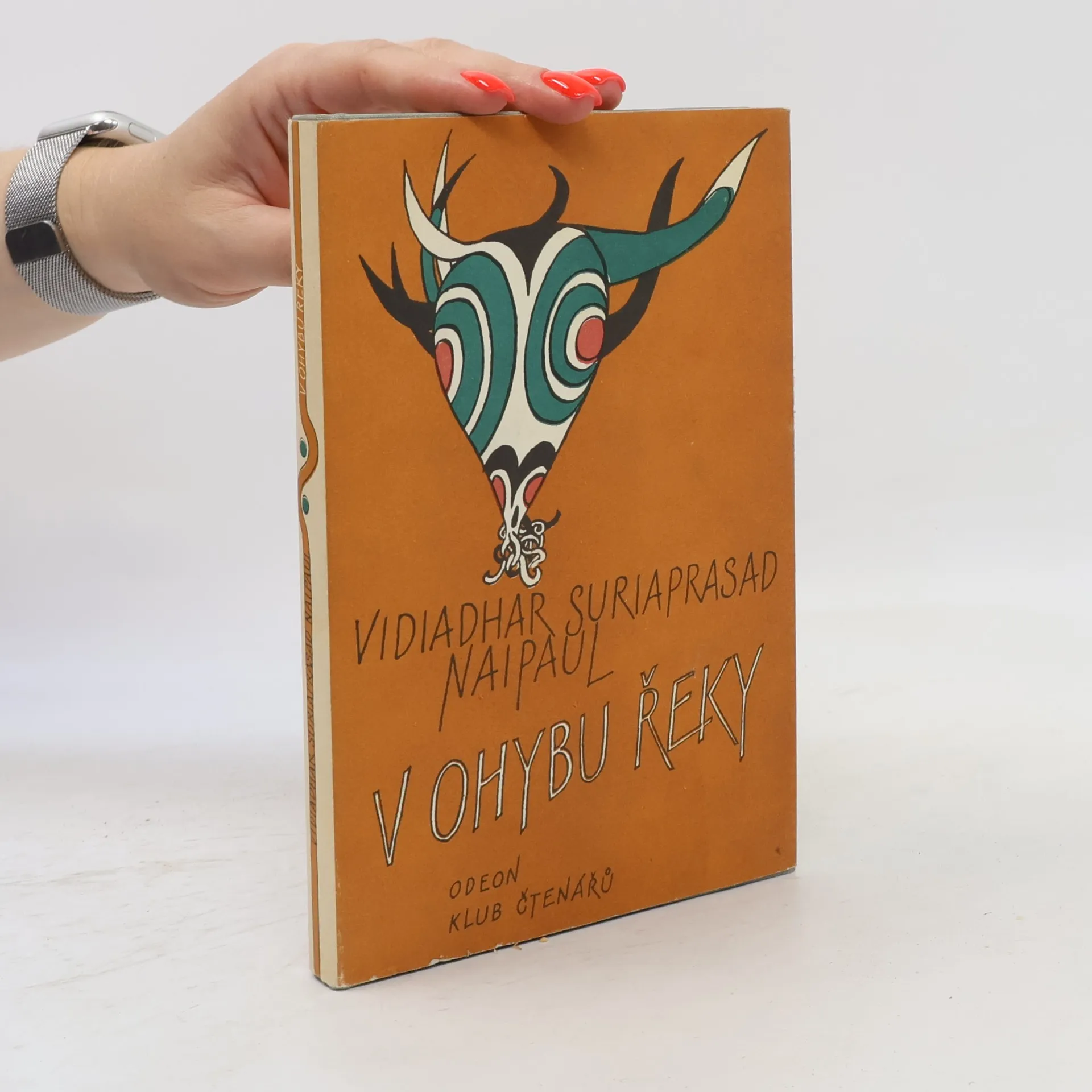
Between 1962 and 2006, V. S. Naipaul wrote six essays about his travels in India, some of his finest pieces of reflection and reportage. Approaching India through the residue of Indian culture and the scattered memories of nineteenth-century immigrants, eventually leading to a special understanding of Mahatma Gandhi, Naipaul offers an exceptional and sustained meditation on the country that was never his. These are essays, full of gentleness, humour and feeling, that take us into the mind of one of our greatest writers.
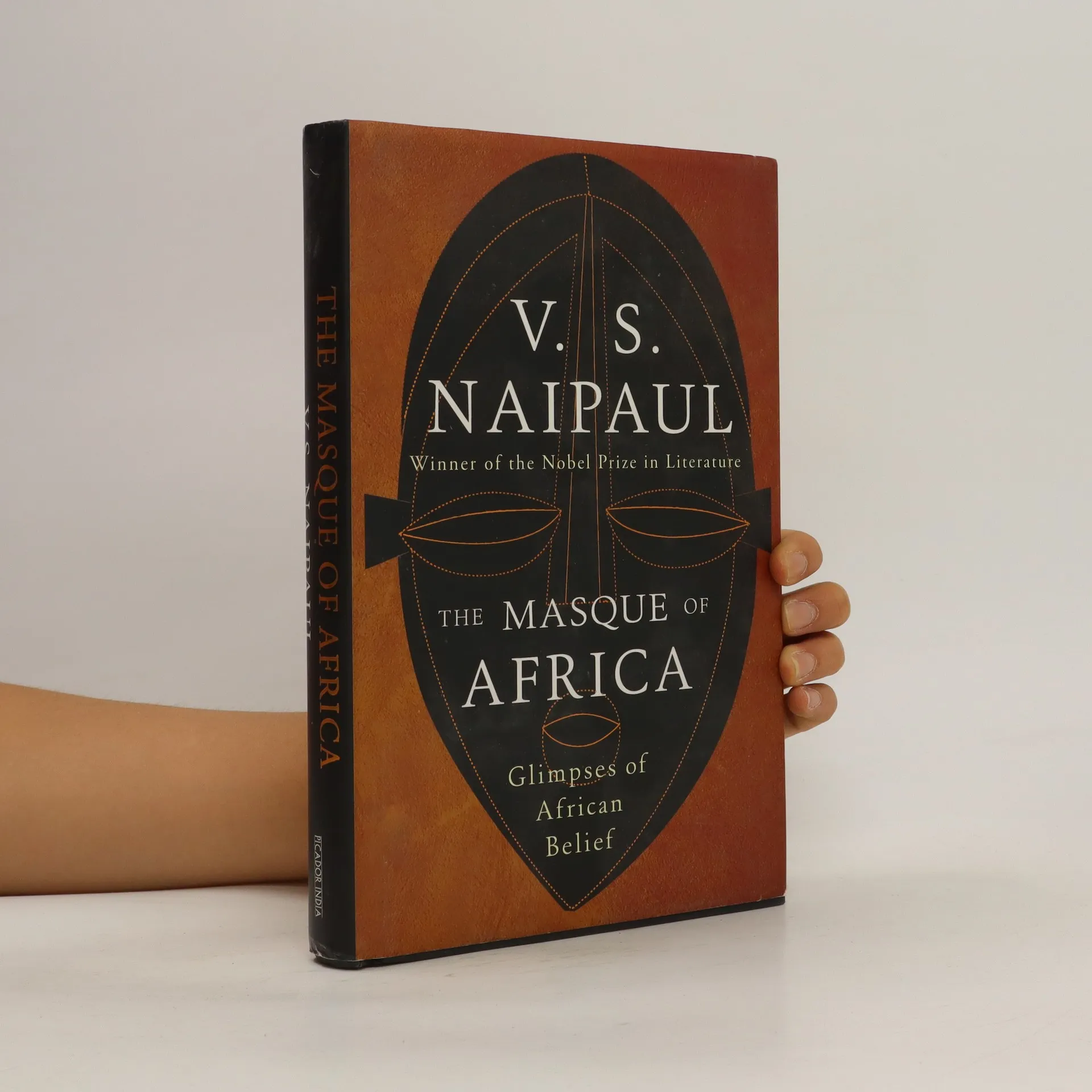
Like all of V. S. Naipaul's 'travel' books, encompasses amuch larger narrative and purpose: to judge the effects of belief (in indigenous animisms, the foreign religions of Christianity and Islam, the cults of leaders and mythical history) upon the progress of civilization
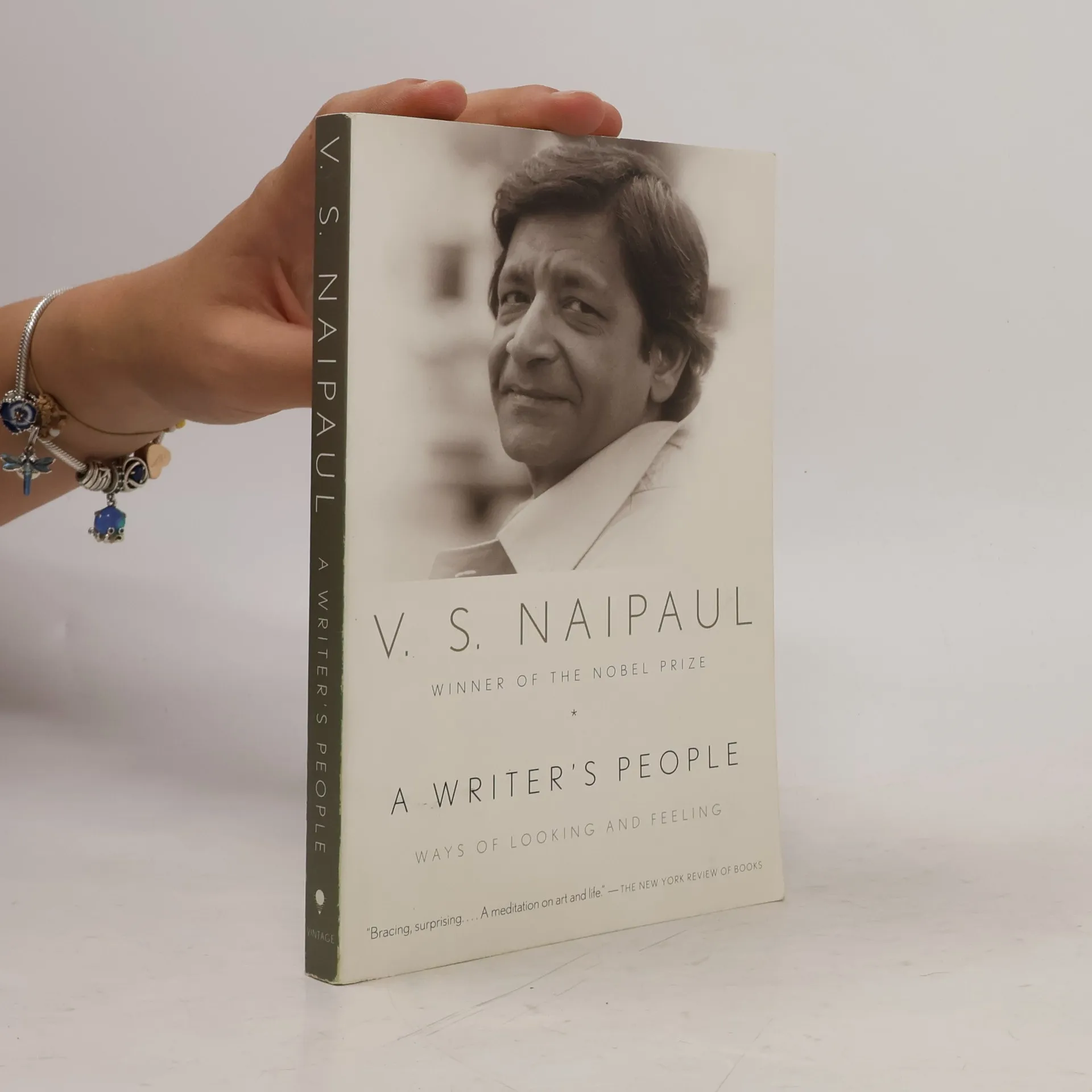
V. S. Naipaul has always faced the challenges of "fitting one civilization to another." In A Writer's People , he takes us into this process of creative and intellectual assimilation, which has shaped both his writing and his life. Naipaul discusses the writers to whom he was exposed early on—Derek Walcott, Gustave Flaubert, and his father, among them—and his first encounters with literary culture. He illuminates the ways in which the writings of Gandhi, Nehru, and other Indian writers both reveal and conceal the authors themselves and their nation. And he brings the same scrutiny to bear on his own life: his early years in Trinidad; the empty spaces in his family history; his ever-evolving reactions to the more complicated India he would encounter for the first time at age thirty.
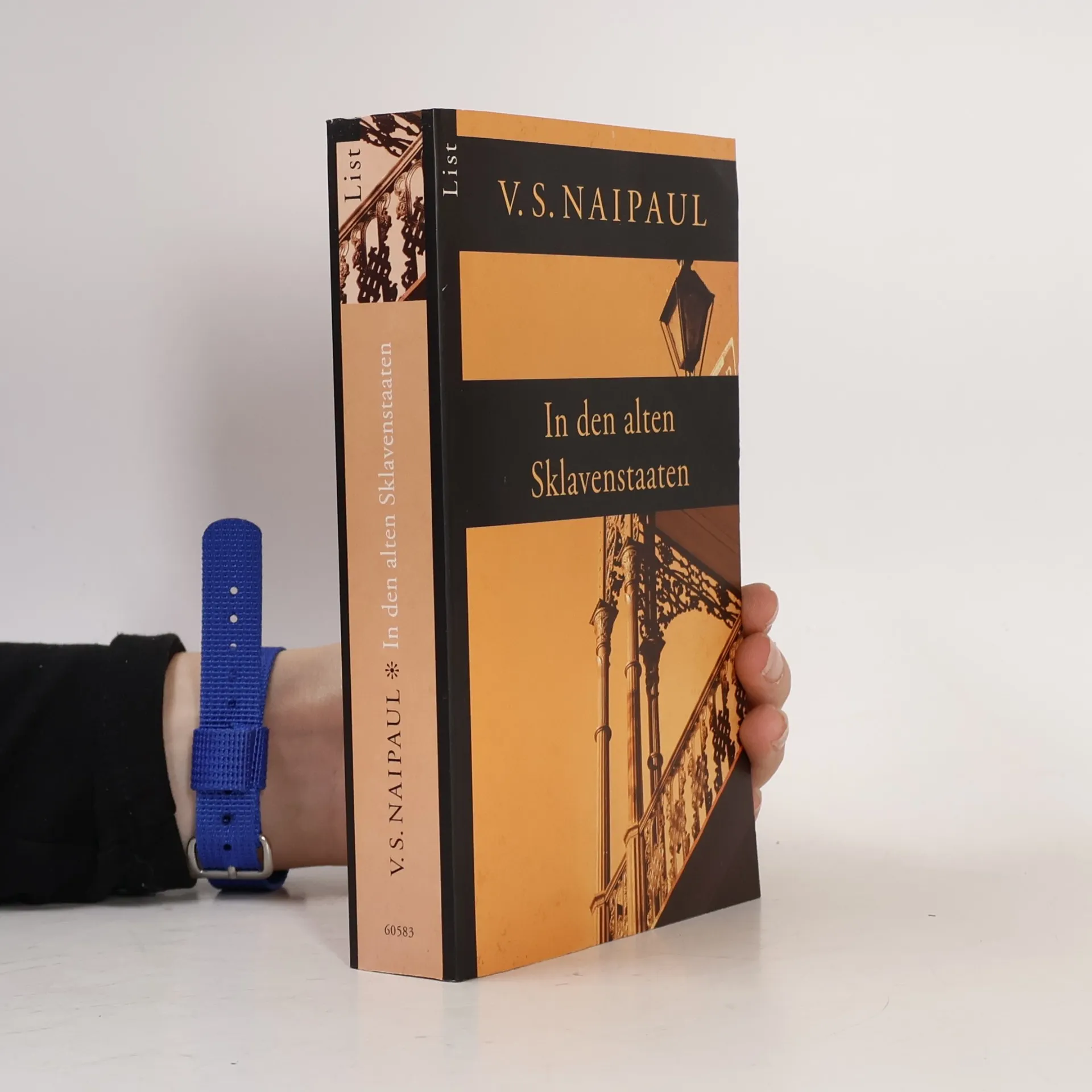
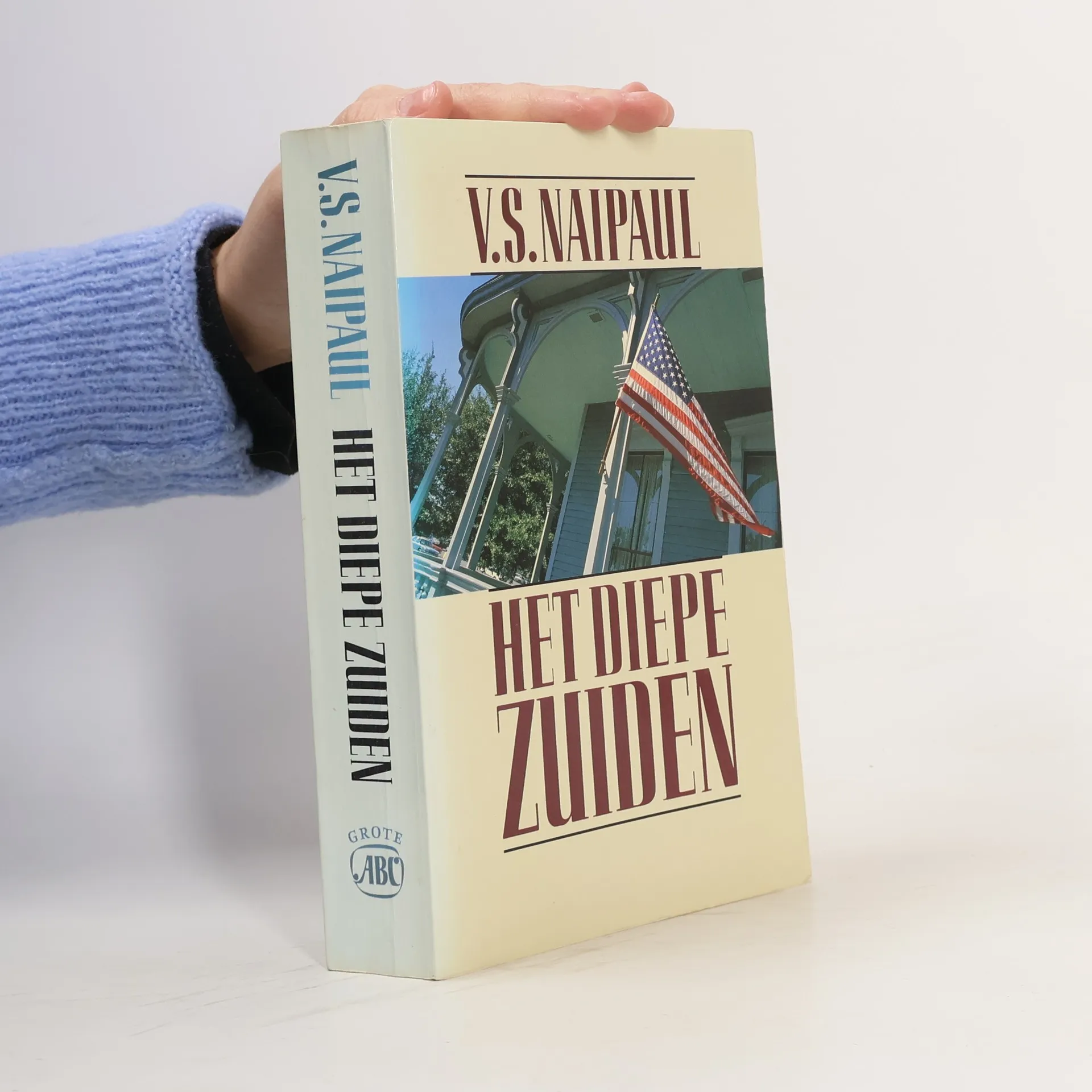
Der 'literarische Forschungsreisende' V. S. Naipaul unternimmt eine Fahrt durch die Südstaaten der USA, wobei er sich mit Veränderung und Beständigkeit, Gegenwart und Vergangenheit auseinandersetzt. Naipauls Hauptinteresse gilt dabei den alten Städten, auf denen noch der Schatten des Bürgerkriegs liegt, die aber auch wachsendes schwarzes Selbstbewußtsein demonstrieren.
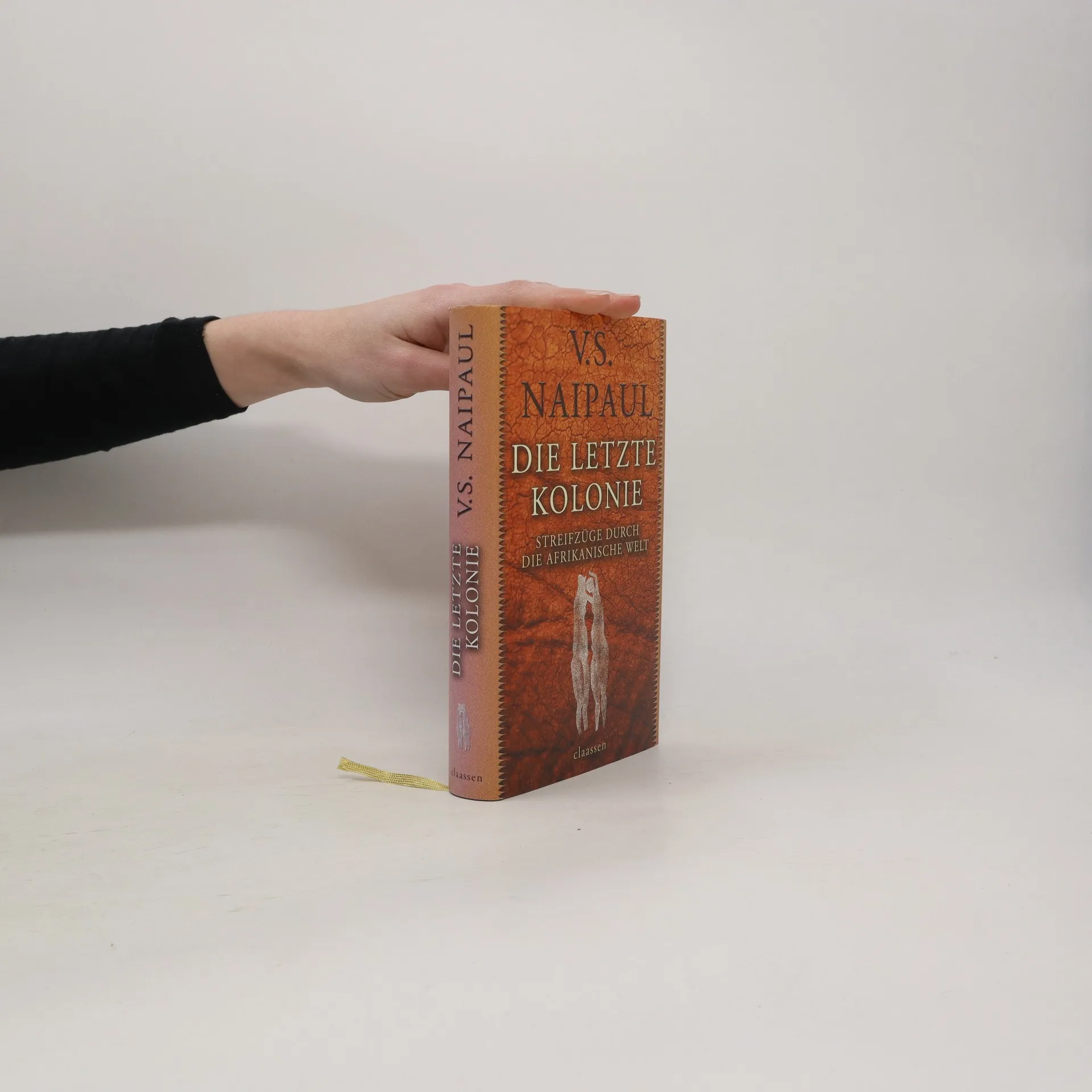
Was bedeutet es, in einer ehemaligen Kolonie zu leben?§Und wie lebt es sich als Kind von Einwanderern fernab der Heimat?§Diese Fragen bewegen V.S.Naipaul seit jeher, sie bestimmen auch sein Interesse für den afrikanischen Kontinent.
Mrs. Jansen, eine Frau mittleren Alters mit unbekannter Vergangenheit, lebt kurz in Paris. Ihr Leben ist geprägt von Alkoholabhängigkeit und dem Verlust ihres Sohnes. Der Roman thematisiert das innere und äußere Exil sowie das Gefühl der Wurzel- und Heimatlosigkeit, zentrale Motive in Jean Rhys' Werken.
Presenting a moving tale of a man searching for his life and fearing he has wasted it, this novel is also a testing study of the conflicts between the rich and the poor, and the struggles within each.
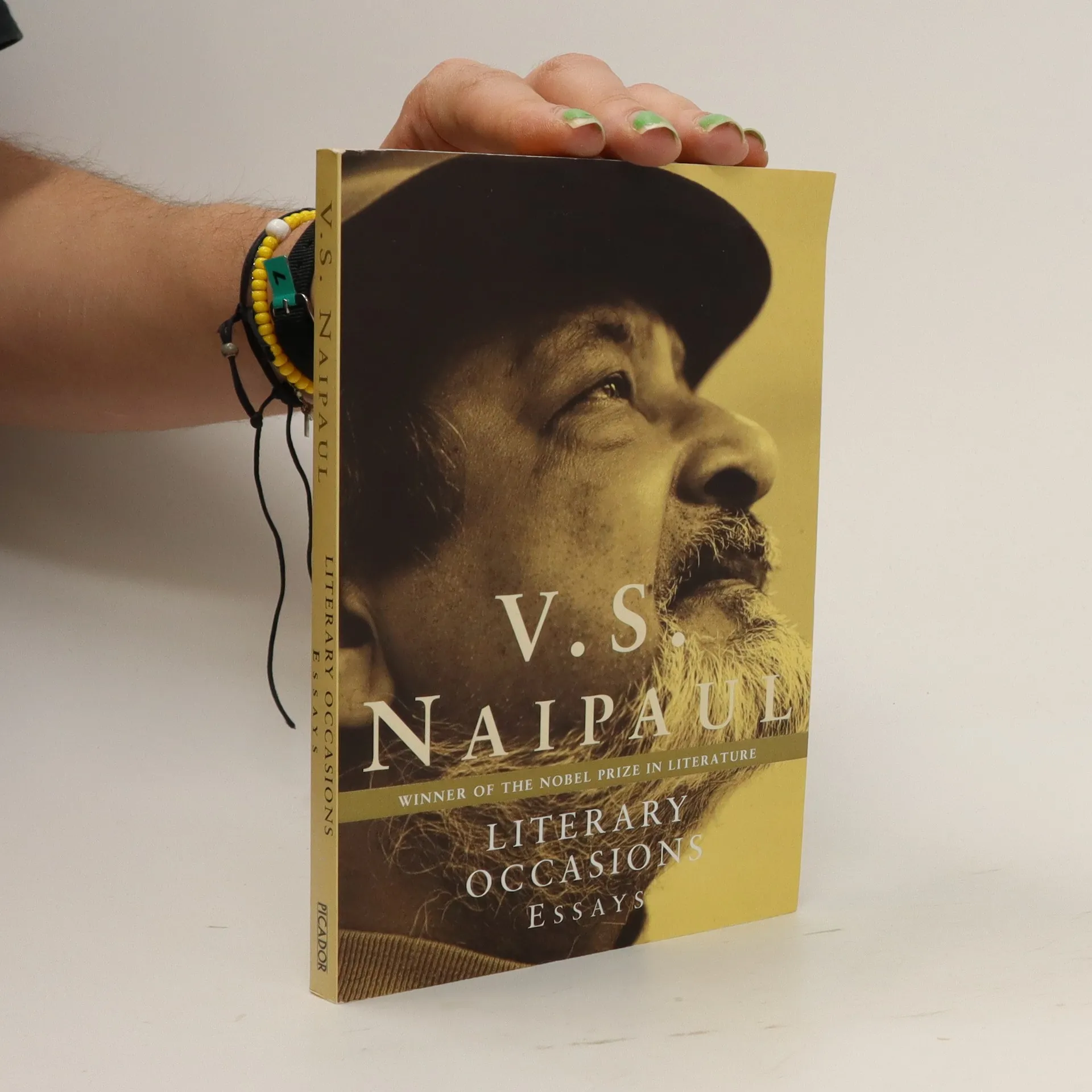
Charting half a lifetime spent exploring the written word, these eleven articles include Naipaul’s boyhood experiences of reading books and his first youthful efforts at writing them; the evolution of his ideas about the extent to which individual cultures shape identities and influence literary forms; Naipaul’s observations on Conrad, his literary forebear; the moving preface he wrote to the only book his father ever published; and his reflections on his career, ending with his celebrated Nobel lecture ‘Two Worlds’. A remarkable companion piece to The Writer and the World, Naipaul’s previous volume of highly-acclaimed essays, Literary Occasions is a stirring contribution to the fading art of the critic, and a revelation of a life in letters.
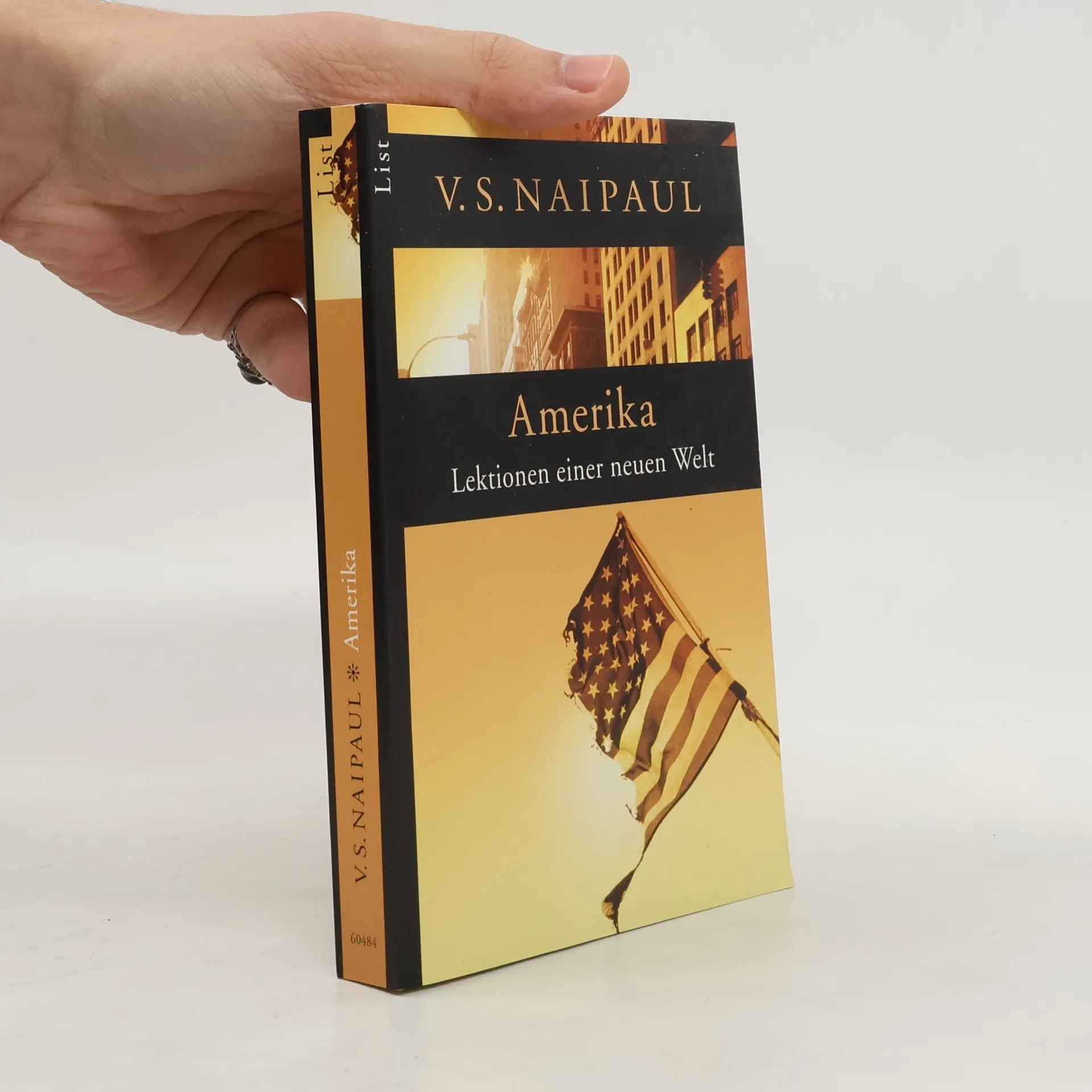
Quo vadis, Amerika? Dem in Trinidad aufgewachsenen V. S. Naipaul galt Amerika schon früh als „Land der Finsternis“. In diesem Buch beschreibt der Nobelpreisträger es als einen Kontinent voller Widersprüche, der bis heute sein koloniales Erbe nicht losgeworden ist.
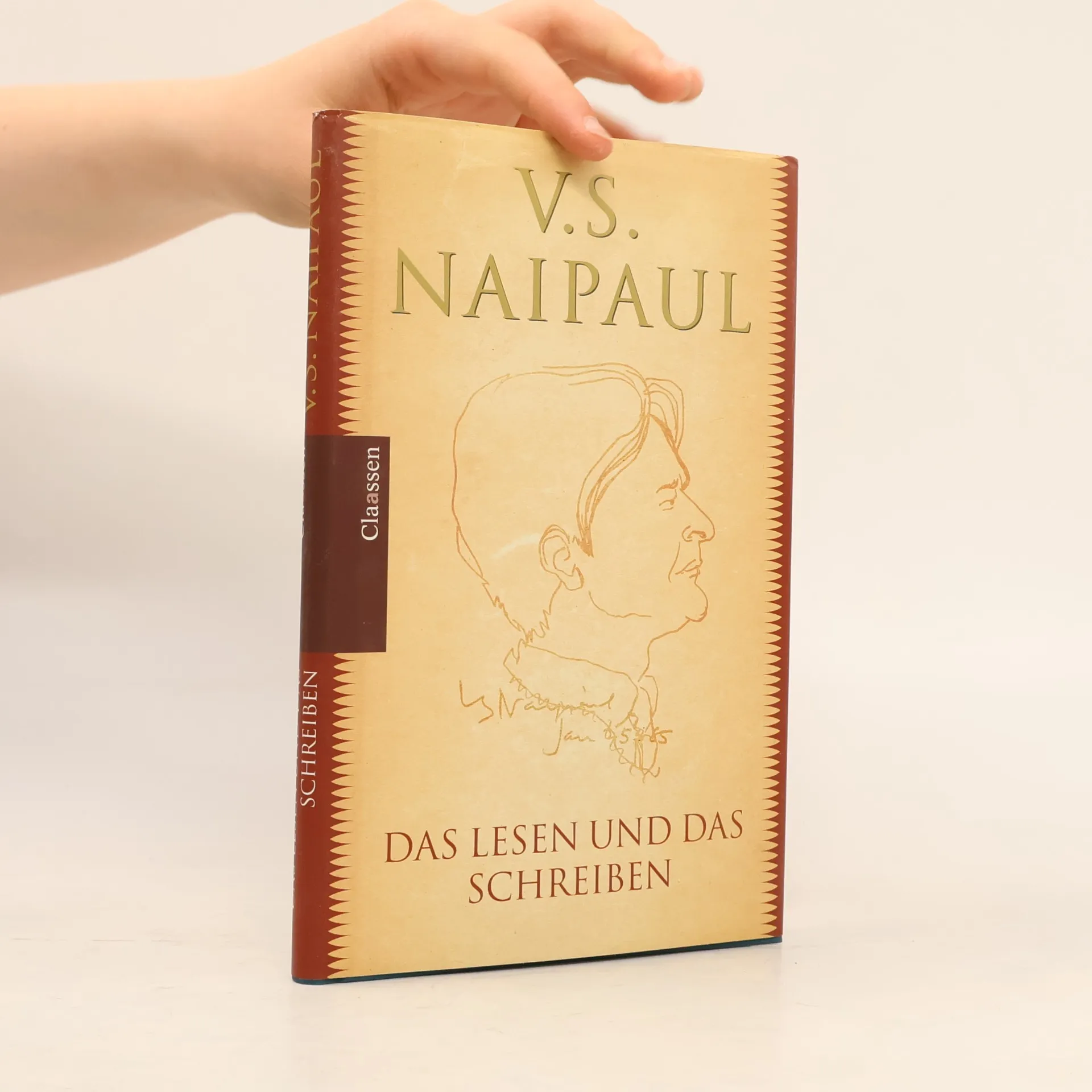
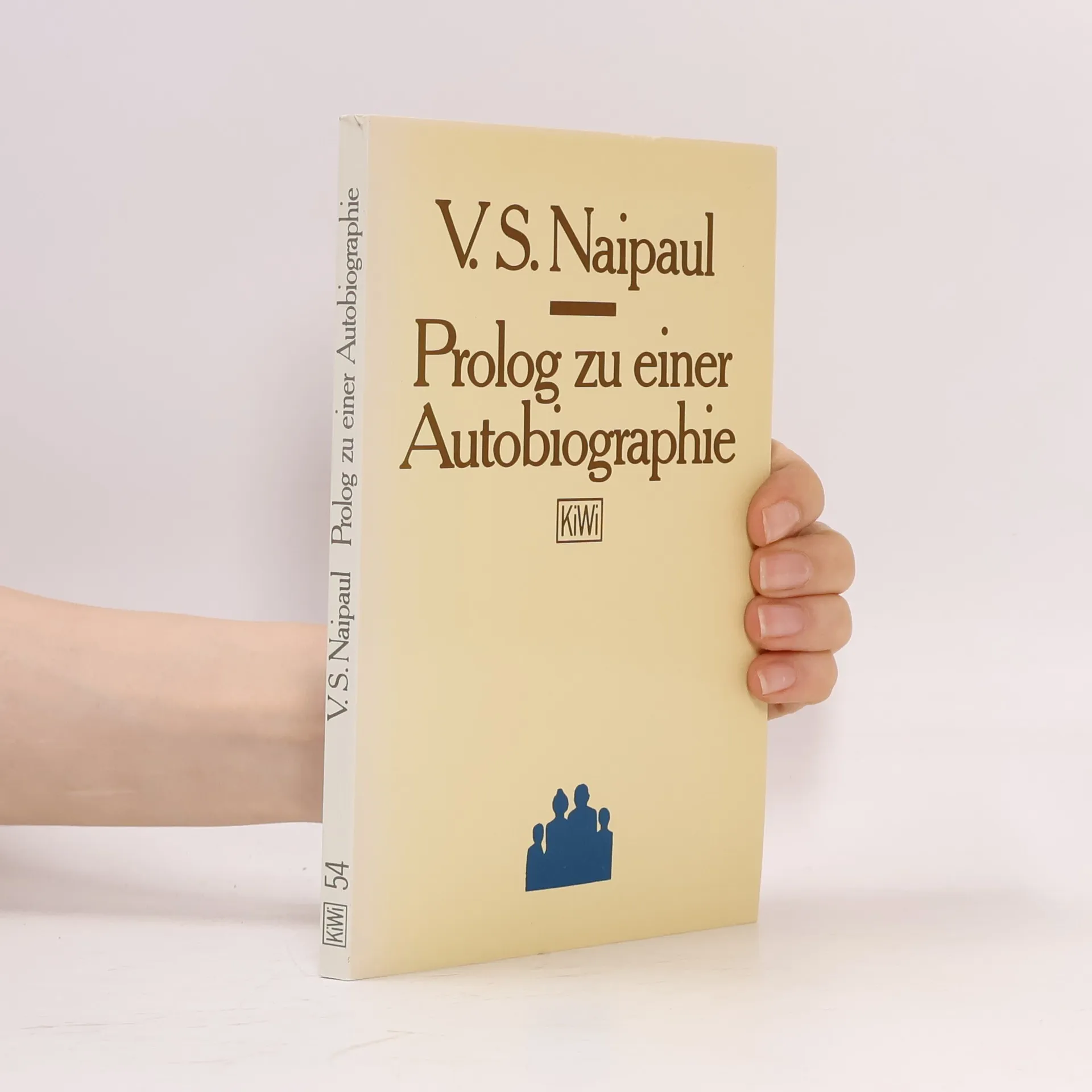
Die literarische Autobiographie des Nobelpreisträgers Schon im Alter von elf Jahren wollte V.S. Naipaul Schriftsteller werden. Welche Bücher haben ihn in seinem Wunsch bestärkt? Wie fand er seine Themen? Welchen Traditionen fühlt er sich verpflichtet? Diesen Fragen geht Naipaul in seinen Essays nach, die durch seine Rede zur Nobelpreisverleihung vollendet werden.
Dva klíčové prvky díla světoznámého britského prozaika karibského původu – autobiograficky pojatý příběh uměleckého zrání a cesty za vlastním já a nezjednodušený obraz postkoloniální situace třetího světa – se v románové sekvenci z poloviny 90. let, řadící se k vrcholným autorovým prózám, projevují se zvlášť výraznou naléhavostí. V časově i tematicky široce pojatém cyklu devíti kapitol sjednoceném rodným karibským regionem se Naipaulovi podařilo skloubit tragické historické osudy evropských objevitelů a dobyvatelů, epizody z poválečného politického vývoje i osobně laděný příběh hledání vlastních kořenů v neobyčejně originální a přesvědčivý celek, potvrzující autorovu mistrovskou schopnost reflexe historického vývoje i vlastního osudu.
U zakutku Indije koji antikolonijalno komešanje nikada nije dotaklo, otac Willyja Chandrana neprestano je u raskoraku sa svijetom koji ga okružuje. Dok u sebi izgara od želje za životom ispunjenim velikim dostignućima, u stvarnosti njegovu su turobnu egzistenciju već odavno odredili njegovi preci. U očajnom pokušaju da se oslobodi okova prošlosti te kako bi utišao vlastiti bijes, vjenčat će se s pripadnicom niže kaste, a plod te nesretne zajednice, Willy Chandran u potpunosti će biti nalik na svog oca. Neprestano u potrazi za nečim što bi mu konačno omogućilo sjedinjenje s vanjskim svijetom, do kraja njegove očajničke potrage napokon bi ga mogli dovesti ljubavni osjećaji koje će u njemu pobuditi Anna, žena iz portugalske kolonije u Africi, zemlje napučene frustriranim biznismenima i njihovim besposlenim suprugama koji u nesigurnosti proživljavaju posljednje dane kolonijalizma. Pola života, ispunjen istančanom osjećajnošću, uzvišenošću i humorom te sa svojom vizijom poluživota ljudi u neprestanoj želji da ga prožive potpuno, najnoviji roman V. S. Naipaula otkriva nam najistančanije ljudske osjećaje u sasvim novom svjetlu: sve ono što bismo od dobitnika Nobelove nagrade i očekivali.
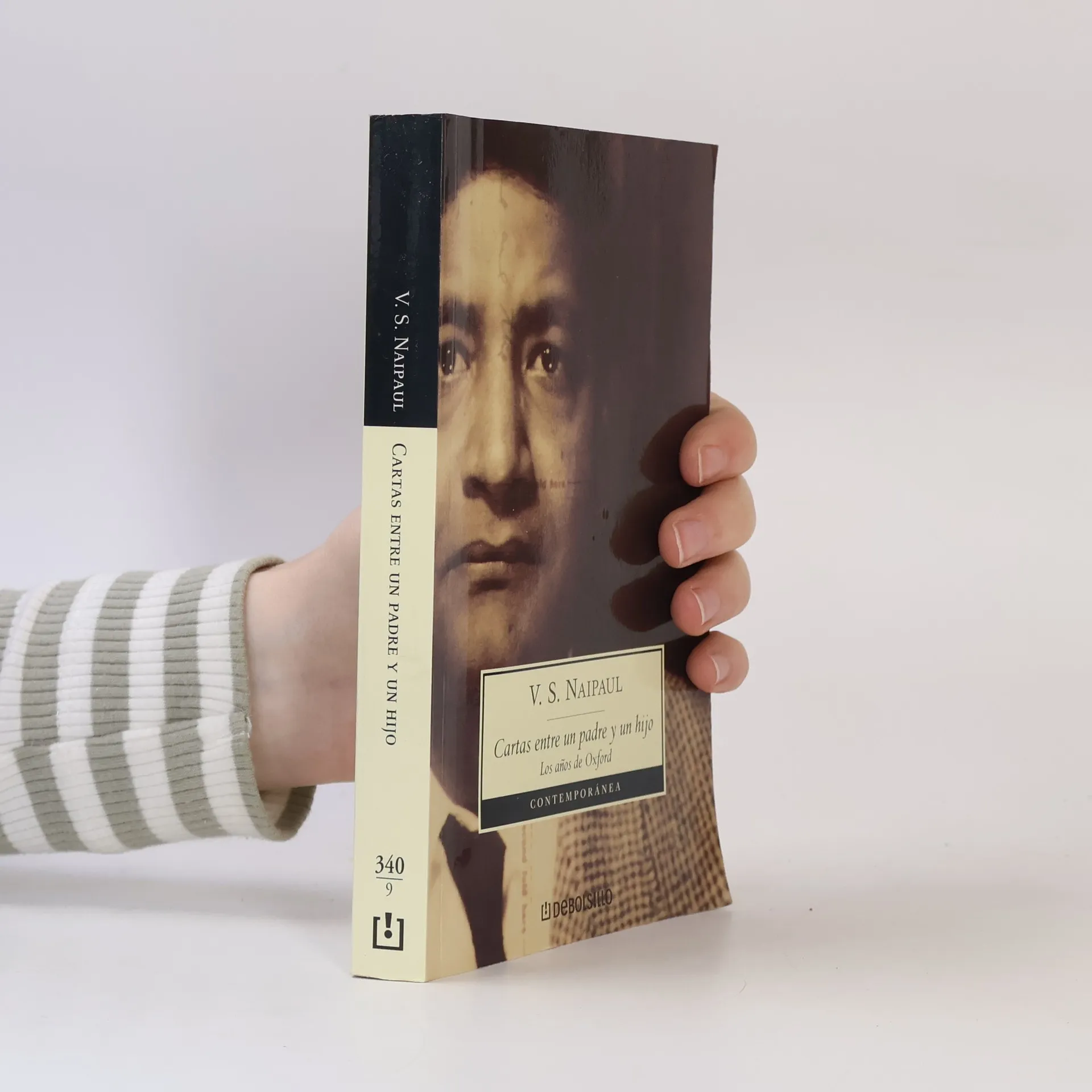
V.S. Naipaul llegó a Inglaterra en 1950 con dieciocho años, una beca para estudiar en Oxford, poco dinero y un profundo deseo de ser escritor. Su experiencia estuvo marcada por dificultades, alegrías, anhelos y nostalgias, reflejadas en la correspondencia con su padre, figura crucial en su vida, y su hermana. Estas cartas, escritas con el brío narrativo que caracterizaría su obra, abarcan desde su llegada a Oxford hasta la inesperada muerte de su padre en 1953, a los cuarenta y siete años. Incluyen temas que van desde preocupaciones financieras, que revelan la personalidad del autor, hasta emotivas reflexiones de añoranza. También aborda comentarios sobre la universidad, profesores, sus progresos en la escritura y su vocación. La correspondencia de Naipaul ofrece un retrato fascinante de este controvertido autor y su vida íntima en una Inglaterra de los años cincuenta, su patria adoptiva. Este conjunto epistolar destaca la importancia de la literatura en la forma de cartas, funcionando como una autobiografía conmovedora e indignante, que permite una mirada privilegiada a su vida y su entorno.
Half a Life finds V.S. Naipaul blending autobiography and fiction to explore the "half lives" of individuals raised in English colonies and educated in metropolitan cities. The protagonist, Willie Somerset Chandran, is named after Somerset Maugham's encounter with Willie's father in the 1930s. Willie travels to England for his education and becomes part of the bohemian-immigrant life of late 1950s London. He soon realizes that his colonial background allows him to write stories for well-meaning white liberals, leading him to understand that he can reshape his identity and past through writing. However, this realization becomes suffocating rather than liberating. He marries a young woman from an African country, who has read his published work, but soon finds himself in another "half life" in colonial Mozambique. Tired of the domestic and sexual monotony of plantation life, he flees to Germany, reflecting on his prolonged hiding. This work exemplifies Naipaul's skillful dissection of the personal consequences of post-war decolonization. However, it may feel like a conflation of earlier works, leading some readers to perceive it as more of a half novel than a complete one.
Penguin inaugurates a series of revised editions of Conrad's finest works, with new introductions Exploring the workings of consciousness as well as the grim realities of imperialism, Heart of Darkness tells of Marlow, a seaman and wanderer, who journeys into the heart of the African continent to discover how the enigmatic Kurtz has gained power over the local people.
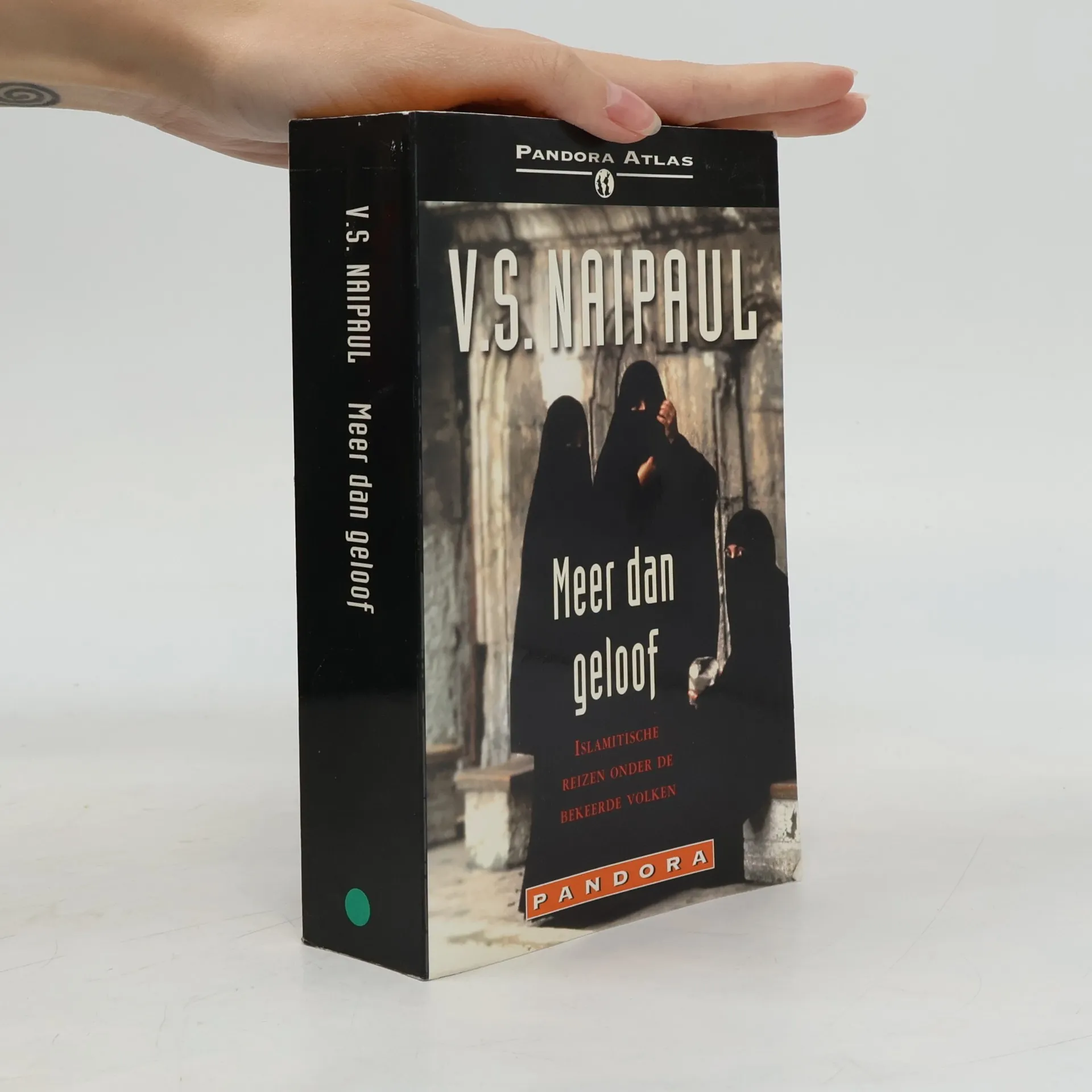
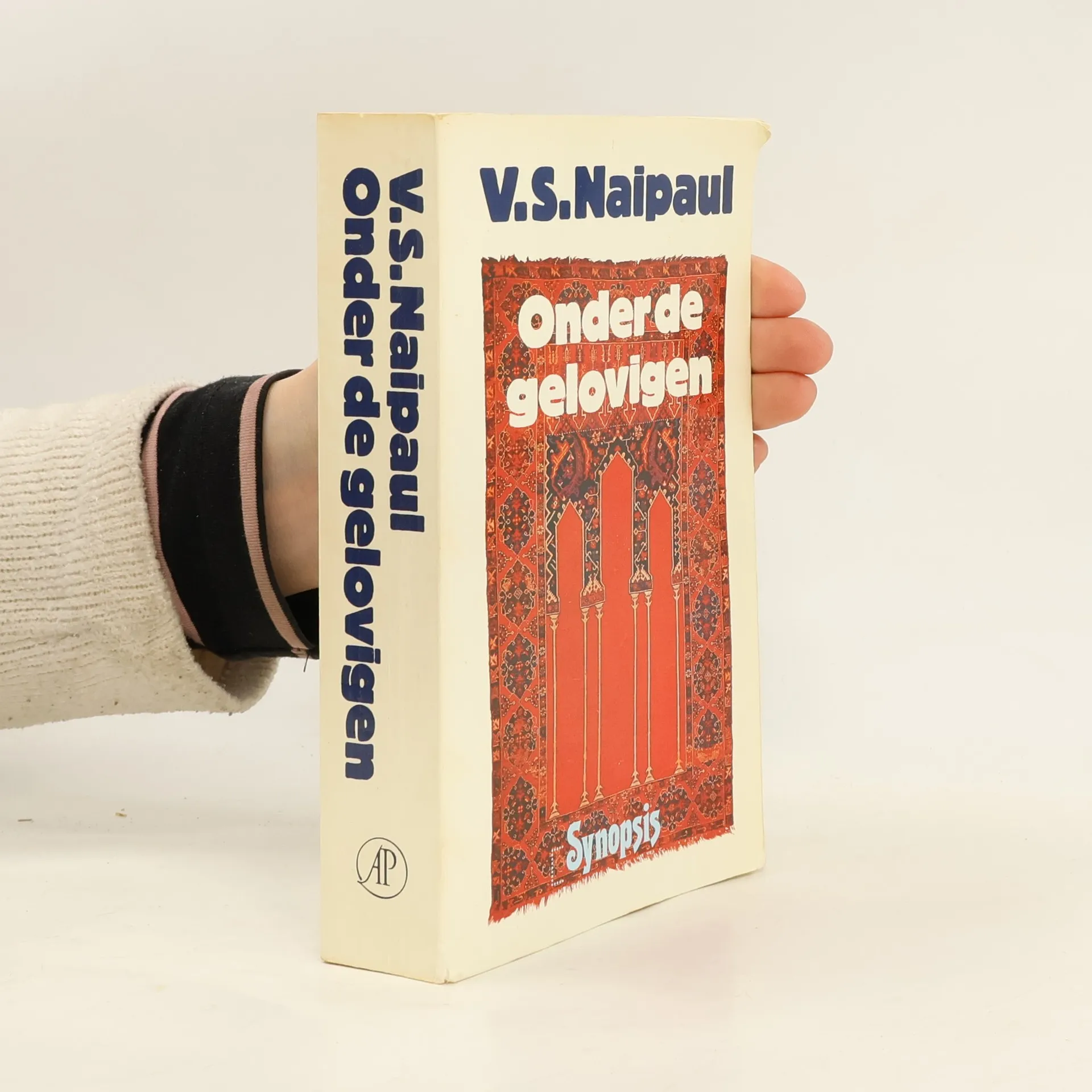
In 1981 publiceerde V.S. Naipul het ophefmakende 'Onder de gelovigen'. Hierin beschreef hij een reis naar Iran, Pakistan, Maleisië en Indonesië. Vijftien jaar later maakte hij dezelfde reis opnieuw en ontmoette daarbij veel personen die hij in het eerdere boek al had beschreven. Zonder ook maar iets te hebben verloren van zijn scherpe analytische blik vertelt hij over de huidige politieke en godsdienstige situatie in deze 4 landen. Doordat hij beide reizen met elkaar verbindt en persoonlijke geschiedenissen uitbreidt krijgt dit bij uitstek politieke boek tevens de kracht van een roman.
No writer has rendered our boundariless, post-colonial world more acutely or prophetically than V. S. Naipaul, or given its upheavals such a hauntingly human face. A perfect case in point is this riveting novel, a masterful and stylishly rendered narrative of emigration, dislocation, and dread, accompanied by four supporting narratives. In the beginning it is just a car trip through Africa. Two English people--Bobby, a civil servant with a guilty appetite for African boys, and Linda, a supercilious compound wife -- are driving back to their enclave after a stay in the capital. But in between lies the landscape of an unnamed country whose squalor and ethnic bloodletting suggest Idi Amin's Uganda. And the farther Naipaul's protagonists travel into it, the more they find themselves crossing the line that separates privileged outsiders from horrified victims. Alongside this Conradian tour de force are four incisive portraits of men seeking liberation far from home. By turns funny and terrifying, sorrowful and unsparing, In A Free State is Naipaul at his best.
In his long-awaited, vastly innovative new novel, Naipaul, "one of literature's great travelers" (Los Angles Times), spans continents and centuries to create what is at once an autobiography and a fictional archaeology of colonialism. "Dickensian . . . a brilliant new prism through which to view (Naipaul's) life and work."--New York Times.
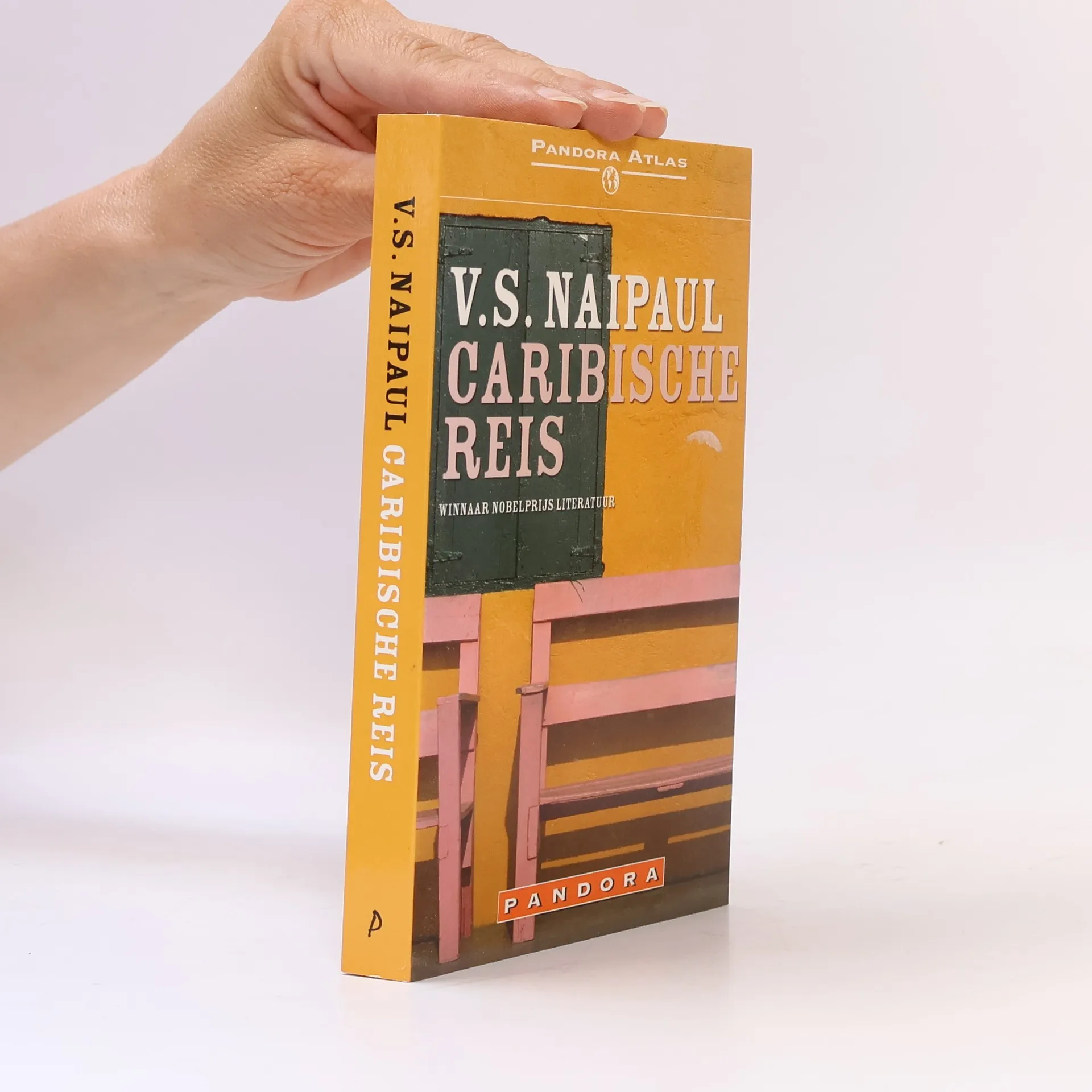
In 1960 the government of Trinidad invited V. S. Naipaul to revisit his native country and record his impressions. In this classic of modern travel writing he has created a deft and remarkably prescient portrait of Trinidad and four adjacent Caribbean societies; countries haunted by the legacies of slavery and colonialism and so thoroughly defined by the norms of Empire that they can scarcely believe that the Empire is ending. In The Middle Passage , Naipaul watches a Trinidadian movie audience greeting Humphrey Bogart's appearance with cries of "That is man!" He ventures into a Trinidad slum so insalubrious that the locals call it the Gaza Strip. He follows a racially charged election campaign in British Guiana (now Guyana) and marvels at the Gallic pretension of Martinique society, which maintains the fiction that its roads are extensions of France's routes nationales . And throughout he relates the ghastly episodes of the region's colonial past and shows how they continue to inform its language, politics, and values. The result is a work of novelistic vividness and dazzling perspicacity that displays Naipaul at the peak of his powers.
Verslag van een reis door Indonesië, Iran, Maleisië en Pakistan, waarbij de aandacht van de schrijver vooral uitgaat naar de invloed van de Islam op deze landen.
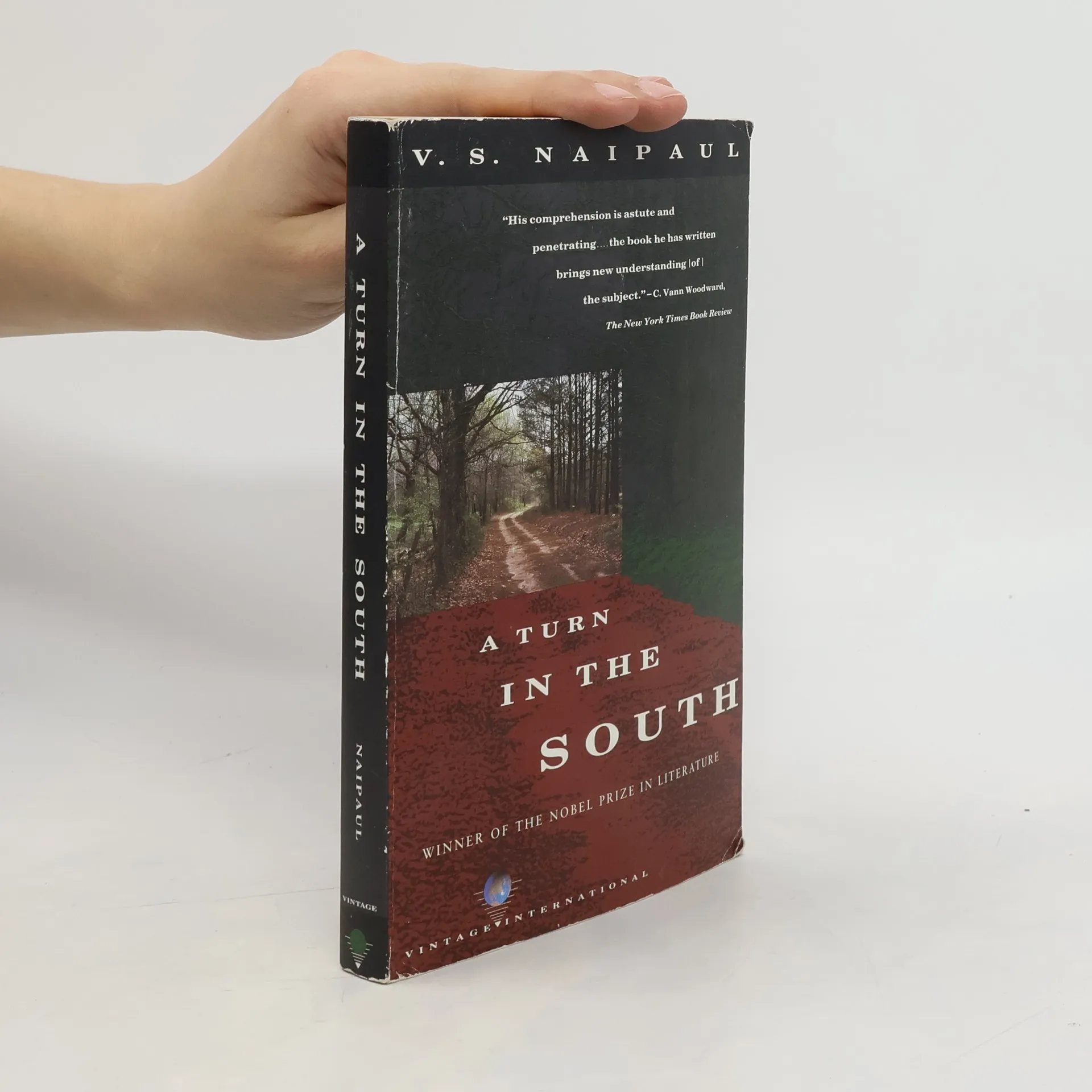
In the tradition of political and cultural revelation V.S. Naipaul so brilliantly made his own in Among The Believers, A Turn In The South, his first book about the United States, is a revealing, disturbing, elegiac book about the American South—from Atlanta to Charleston, Tallahassee to Tuskegee, Nashville to Chapel Hill.
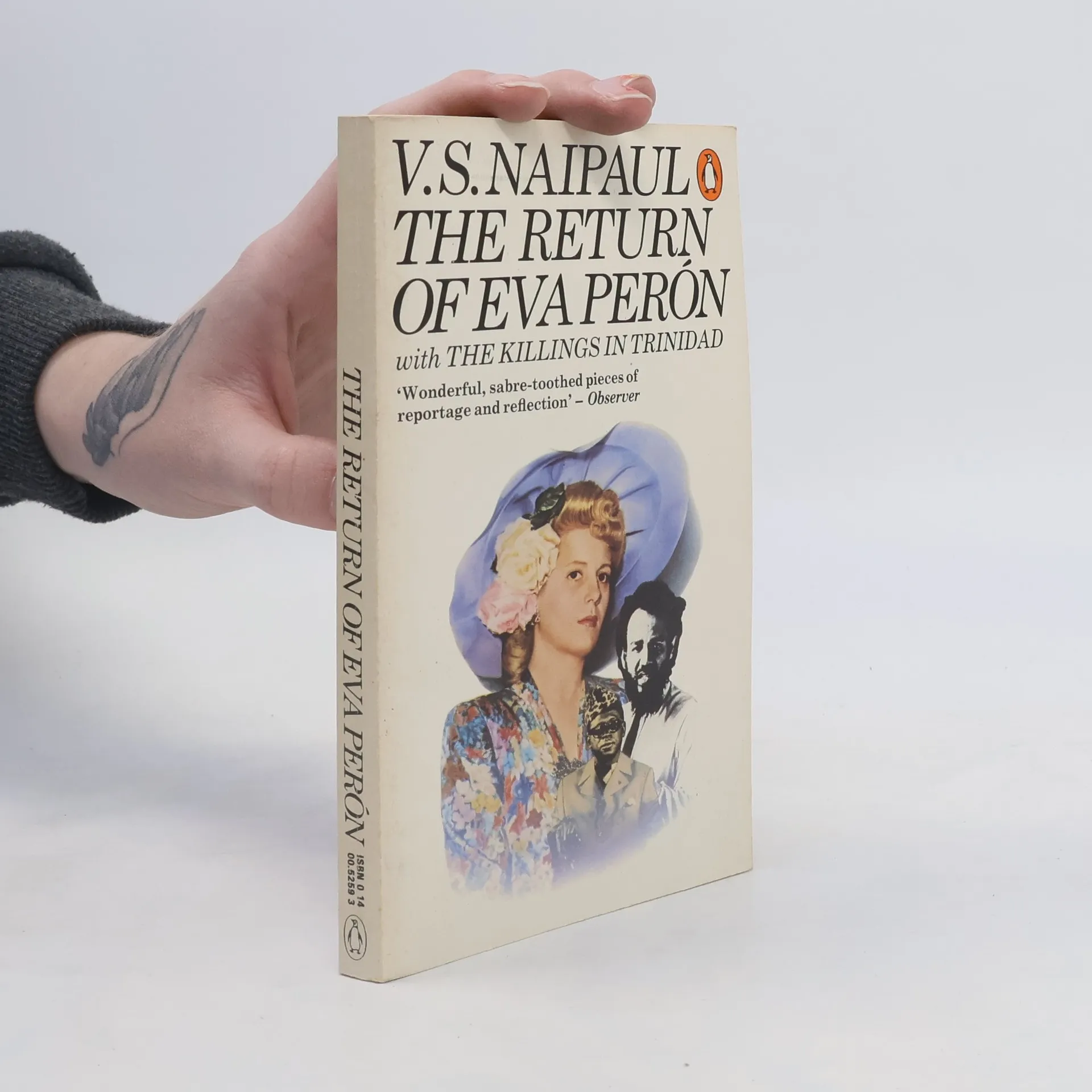
A collection of pieces of reportage and reflections on societies which are still suffering from the profound deprivations of colonialism. Amongst the topics covered are Michael X in Trinidad, Peronism in Argentina, and the cult of Kingship in Mobuto's Zaire.
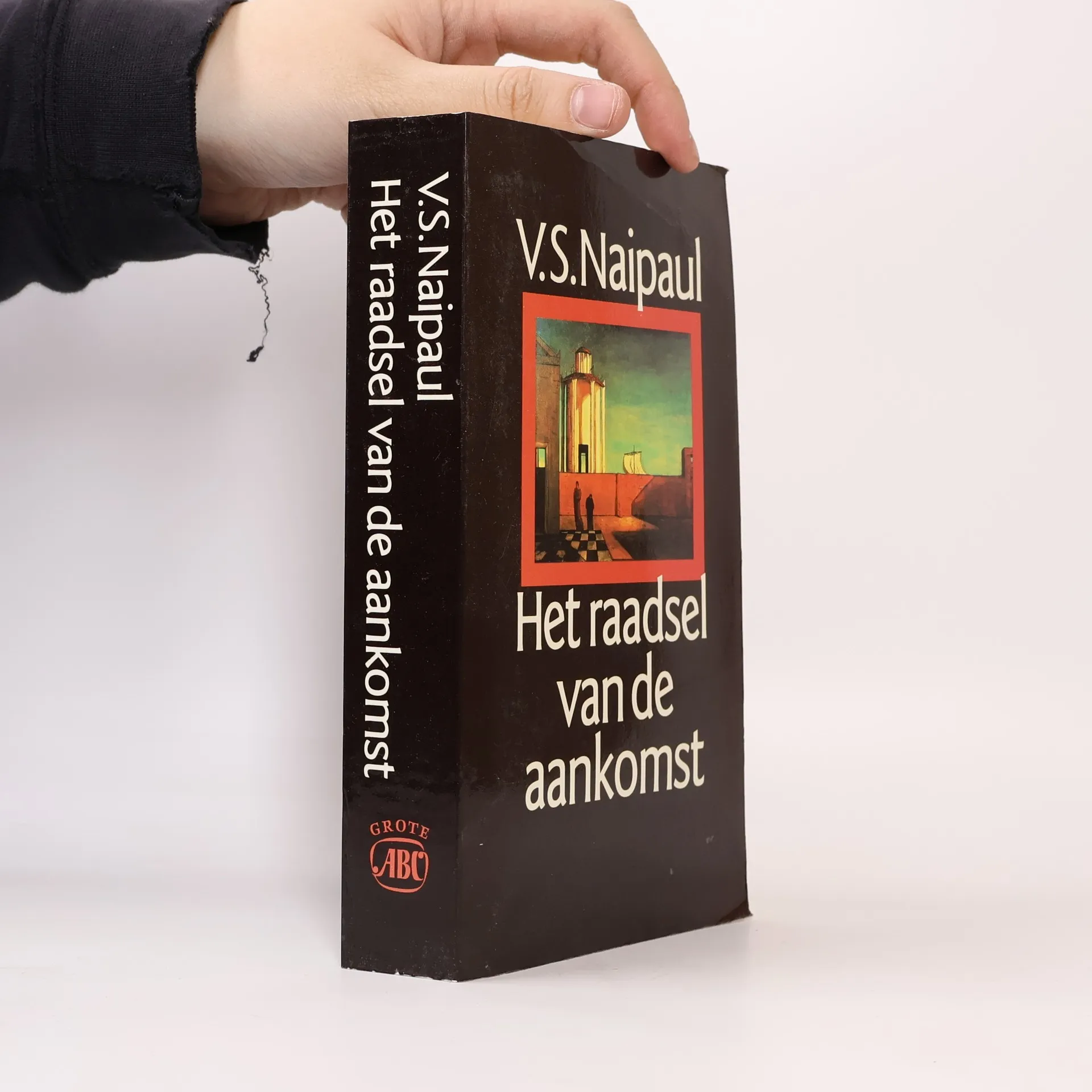
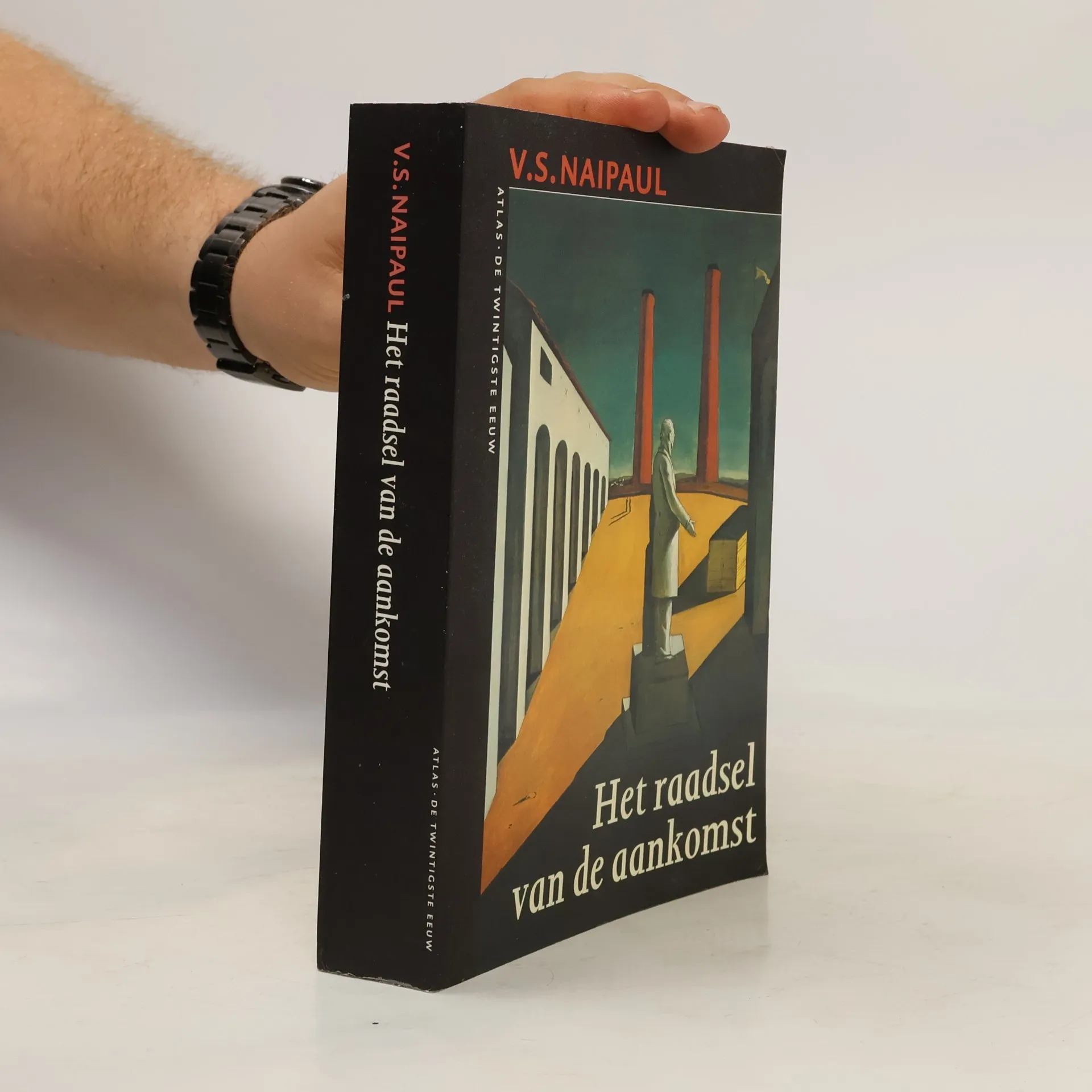
Een schrijver, op zoek naar de volmaakte, natuurlijke orde van een Engels landgoed, trekt zich steeds meer terug op het platteland. Daar moet hij erkennen dat het leven een voortdurende staat van verandering is, en dat elk verleden telkens ongedaan gemaakt wordt door het heden. Elke harmonie, ook die van het Engelse landschap, wordt daarom geleidelijk, maar onherroepelijk aangetast en vernietigd. De schrijver beseft echter ook dat het afscheid van een geliefde omgeving tot de ontdekking van een nieuwe leidt. Verval, zo leert hij, is eveneens herwinning. V.S. Naipauls Het raadsel van de aankomst is tegelijk een geraffineerde autobiografie en een met ironie en afstand geschreven roman over Engeland en over de westerse cultuur in de nadagen.
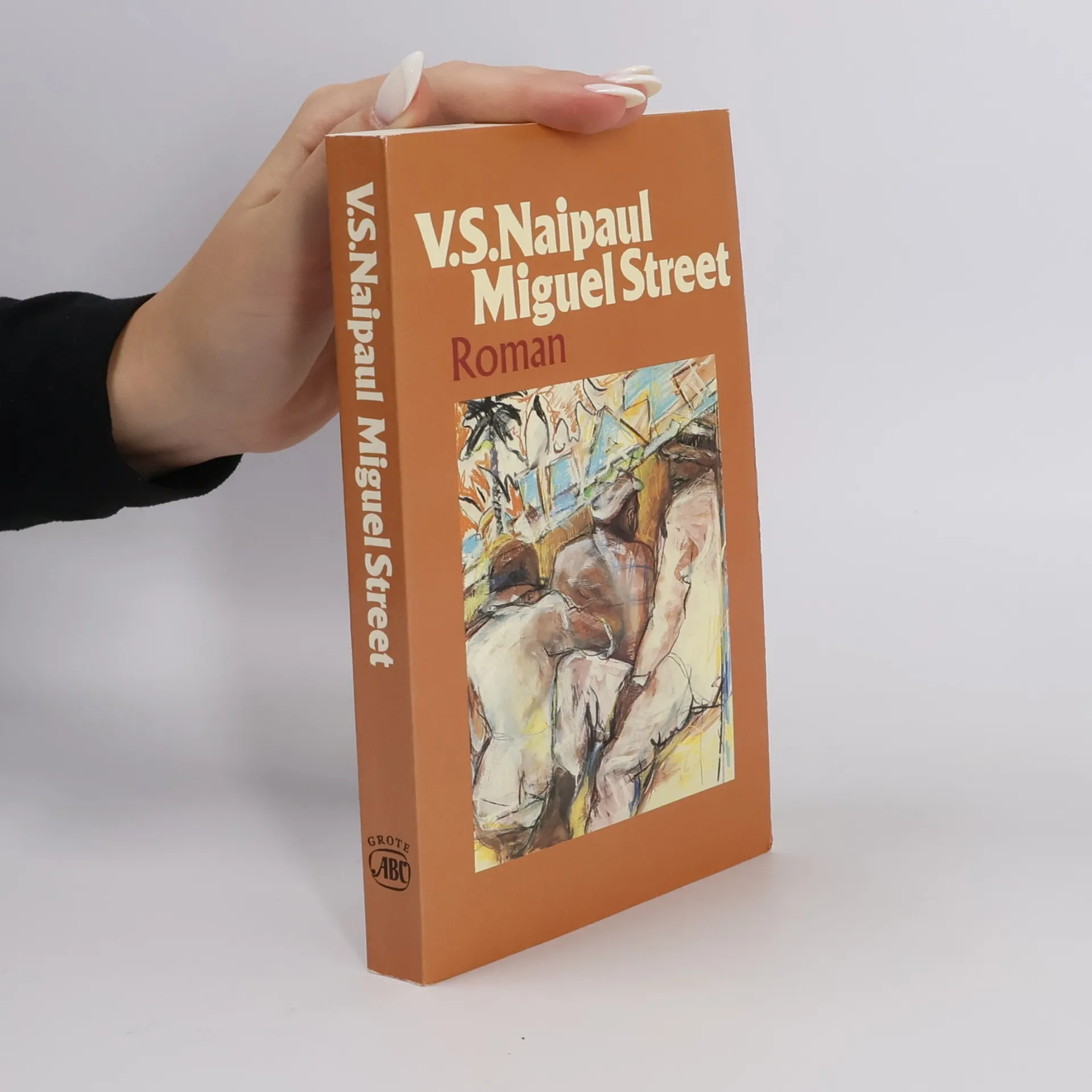
A stranger could drive through Miguel Street and just say "Slum!" because he could see no more. But to its residents this derelict corner of Trinidad's capital is a complete world, where everybody is quite different from everybody else. There's Popo the carpenter, who neglects his livelihood to build "the thing without a name." There's Man-man, who goes from running for public office to staging his own crucifixion, and the dreaded Big Foot, the bully with glass tear ducts. There's the lovely Mrs. Hereira, in thrall to her monstrous husband. In this tender, funny early novel, V. S. Naipaul renders their lives (and the legends their neighbors construct around them) with Dickensian verve and Chekhovian compassion. Set during World War II and narrated by an unnamed, but precociously observant, neighborhood boy, Miguel Street is a work of mercurial mood shifts, by turns sweetly melancholy and anarchically funny. It overflows with life on every page.
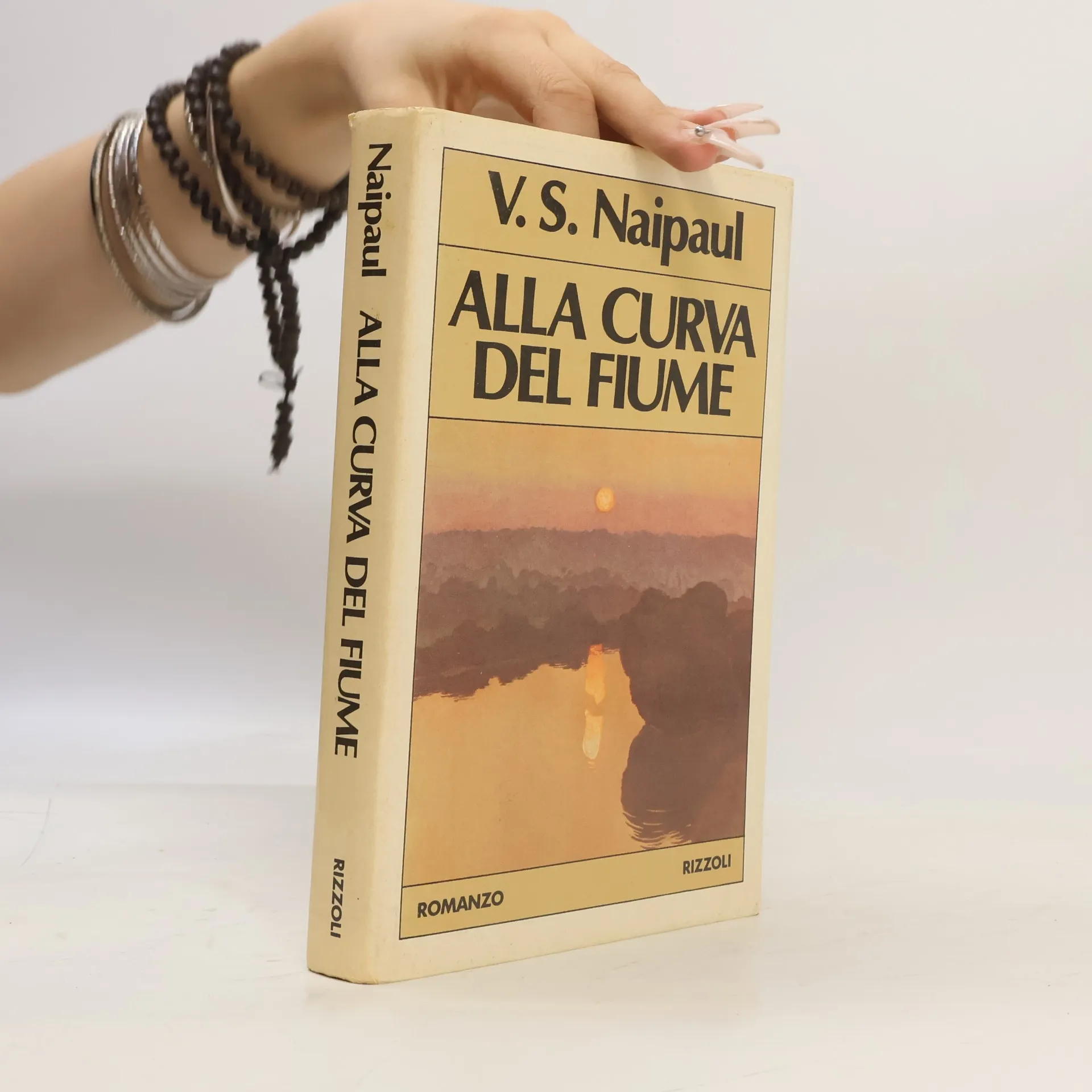
In een naamloos, denkbeeldig Afrikaans land dat sterk aan Zaïre doet denken, vestigt zich Salim, een telg uit een familie van Indische kooplieden. Hij komt terecht in een maatschappij die getekend is door koloniale onderdrukking en migratie. In Salims memoires - de feitelijke inhoud van dit boek - verbindt Naipaul zoals in zijn meeste boeken de persoonlijke geschiedenis van de hoofdpersoon met algemene, politiek-sociale ontwikkelingen. Een bocht in de rivier is het indringende verhaal van een Indische refugié, die slachtoffer wordt van een wrede burgeroorlog.
V.S. Naipaul s fascinating account of his journey around India approaches this shifting, changing land from a variety of perspectives. Through interviews with people from many different walks of life, he builds an oral history of a country constantly on t
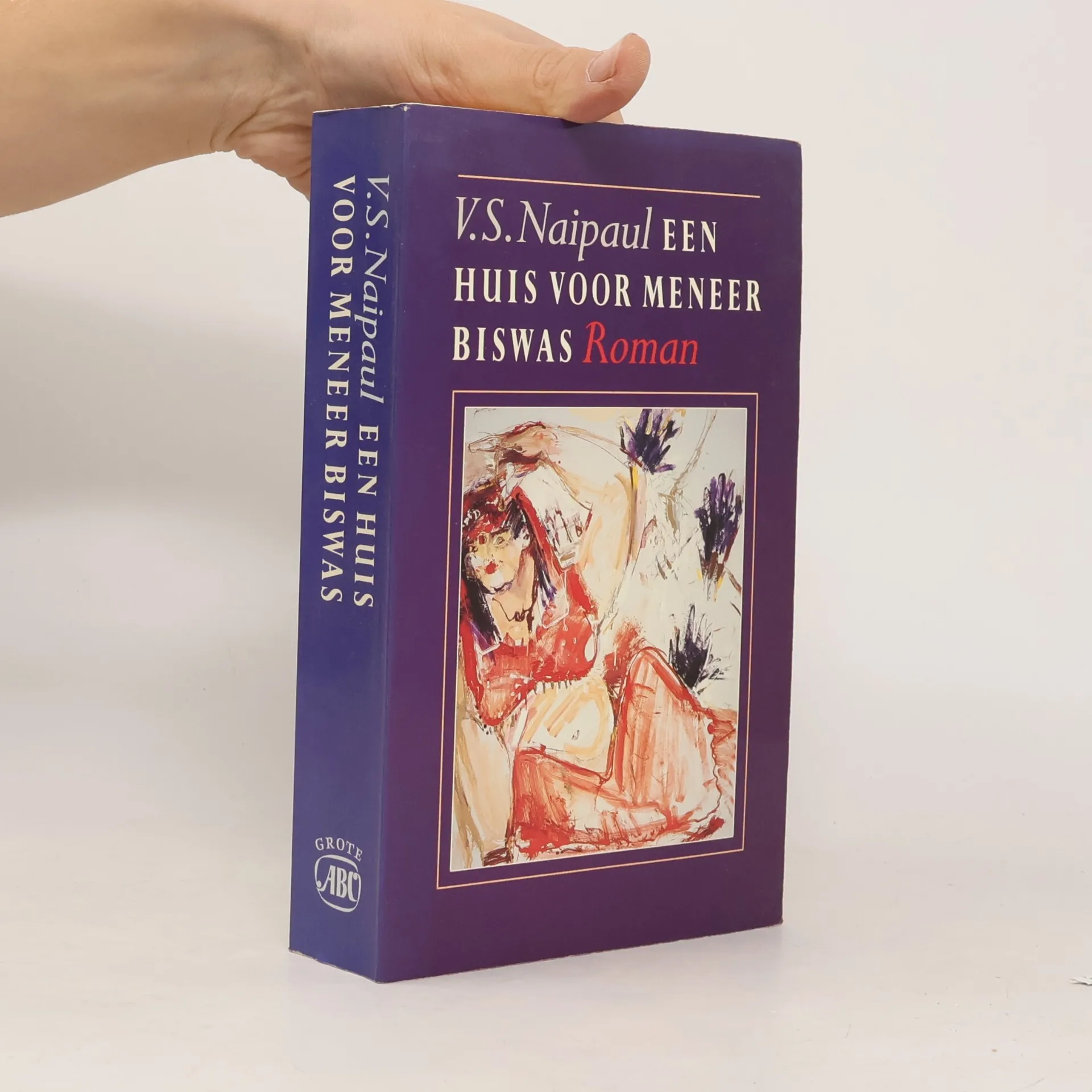
Mohun Biswas has spent his 46 years of life striving for independence. Shuttled from one residence to another after the drowning of his father, he yearns for a place he can call home. He marries into the Tulsi family, on whom he becomes dependent, but rebels and takes on a succession of occupations in a struggle to weaken their hold over him.
An expatriate English couple and a West Indian would-be revolutionary yield to infidelity, sexual abuse, murder, and irrevocable mental and moral decay on a socially fragile, post-colonial Caribbean island. A novel of colonialism and revolution, death, sexual violence and political and spiritual impotence.
A profound novel of cultural displacement, The Mimic Men masterfully evokes a colonial man’s experience in a postcolonial world. Born of Indian heritage and raised on a British-dependent Caribbean island, Ralph Singh has retired to suburban London, writing his memoirs as a means to impose order on a chaotic existence. His memories lead him to recognize the paradox of his childhood during which he secretly fantasized about a heroic India, yet changed his name from Ranjit Kripalsingh. As he assesses his short-lived marriage to an ostentatious white woman, Singh realizes what has kept him from becoming a proper Englishman. But it is the return home and his subsequent immersion in the roiling political atmosphere of a newly self-governed nation that ultimately provide Singh with the necessary insight to discover the crux of his disillusionment.
In Het verlies van Eldorado vertelt V.S. Naipaul op een even spannende als diepgaande wijze de geschiedenis van de kolonisatie van zijn geboorte-eiland Trinidad. De uitgangspunten van het boek vormen Antonio de Berrio, de Spaanse conquistador, en Sir Walter Ralegh, de Engelse avonturier. Zij wisselen elkaar af in het Caraïbisch gebied op zoek naar 'Eldorado', een land waar goud alledaagser zou zijn dan kleding. Wat van de illusies omtrent Eldorado overblijft, is een trieste realiteit: een verliesgevende uithoek van het Spaanse rijk, waar de Indianen worden uitgeroeid en vervangen door Afrikaanse negers. Naipaul beschrijft dan het vervolg: de Engelse bezetting van Trinidad eind achttiende eeuw en het gebruik van het eiland als springplank voor de revolutie in Zuid-Amerika, waarvan grote handelsmogelijkheden verwacht werden: een nieuwe fantasie van begeerte.
In this work of autobiographical travel writing in India, the author desribes his encounter with a force in his life which shocked him into an awareness of a need for self-examination and self-explanation. V.S. Naipul has also written 13 works of fiction and won the 2001 Nobel Prize for Literature.