
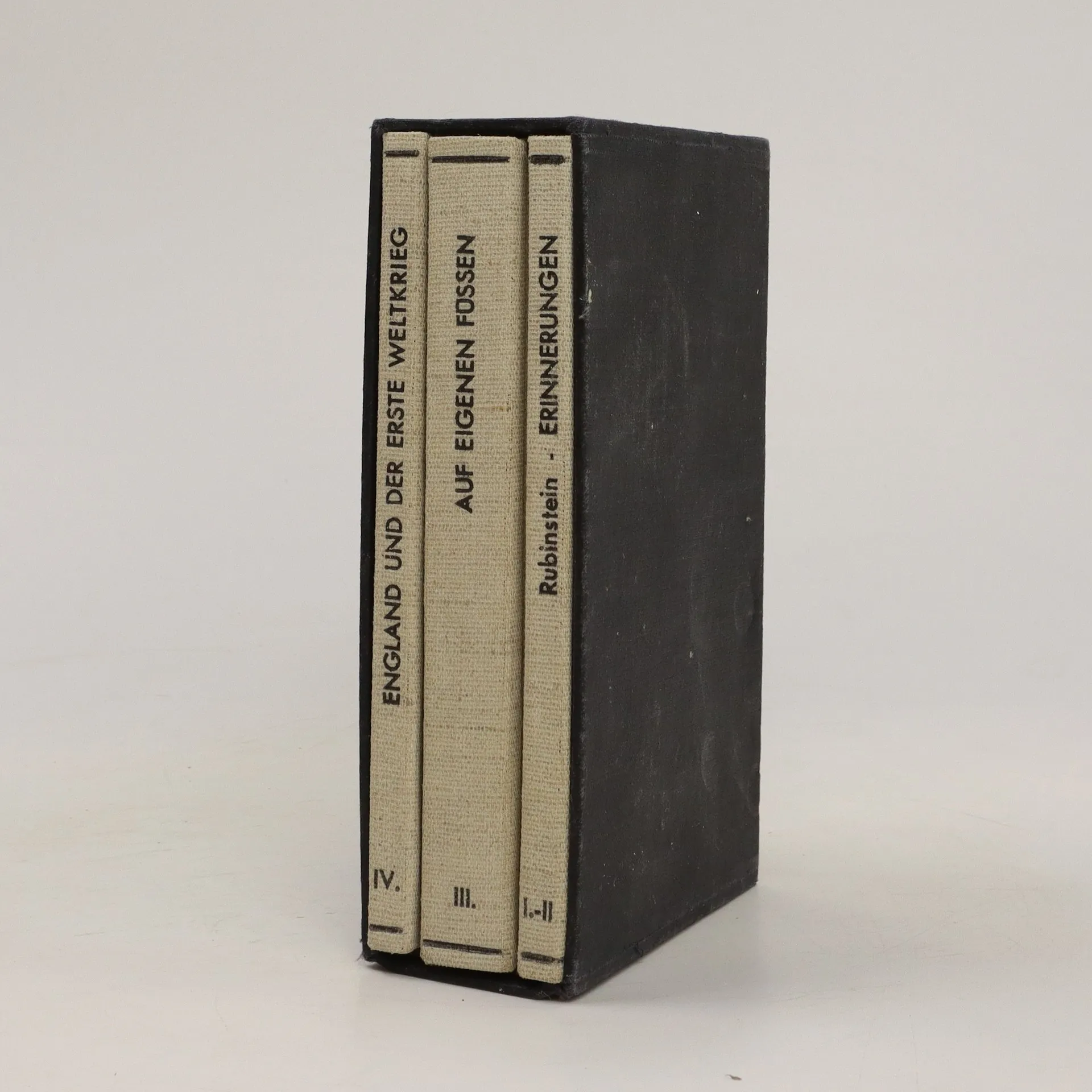
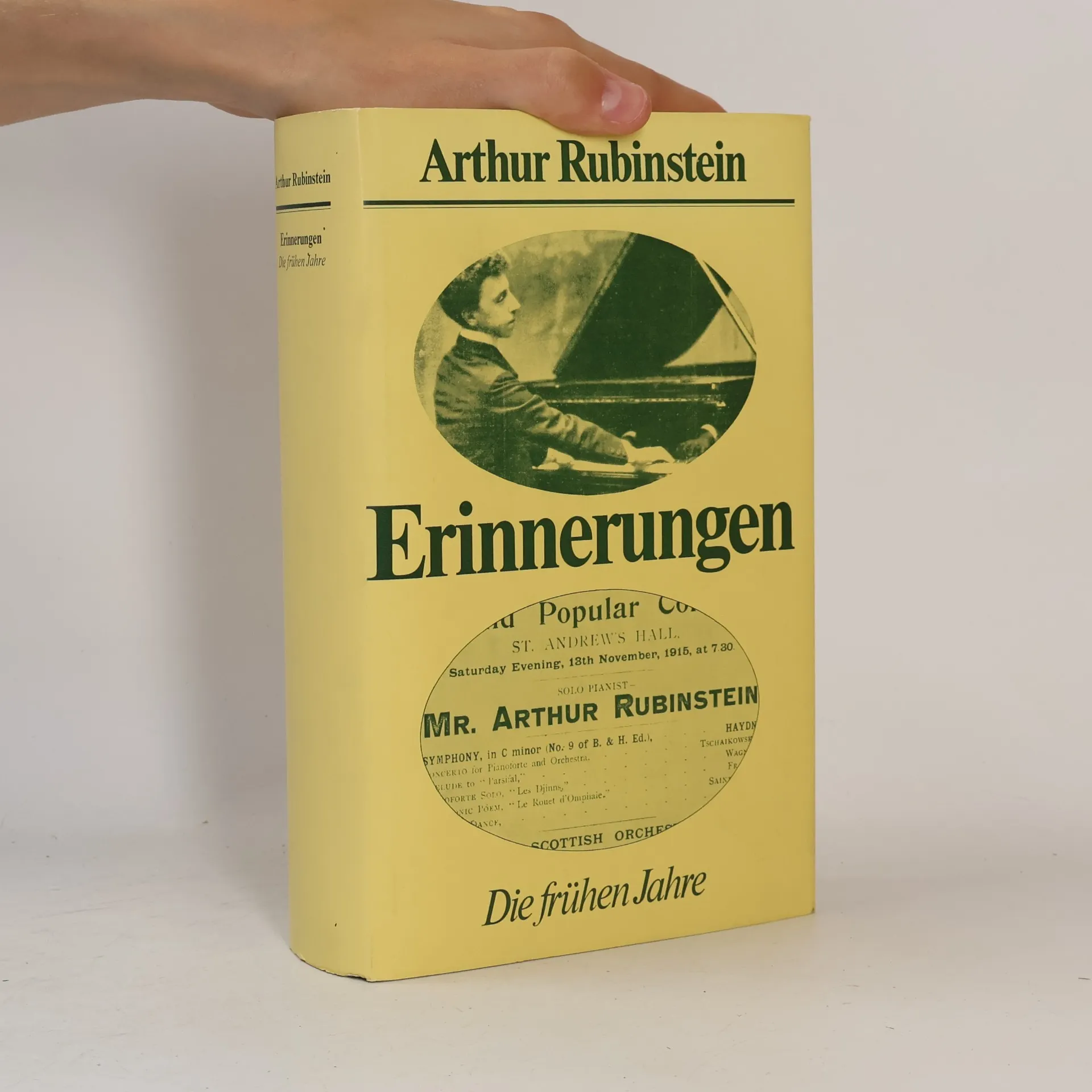
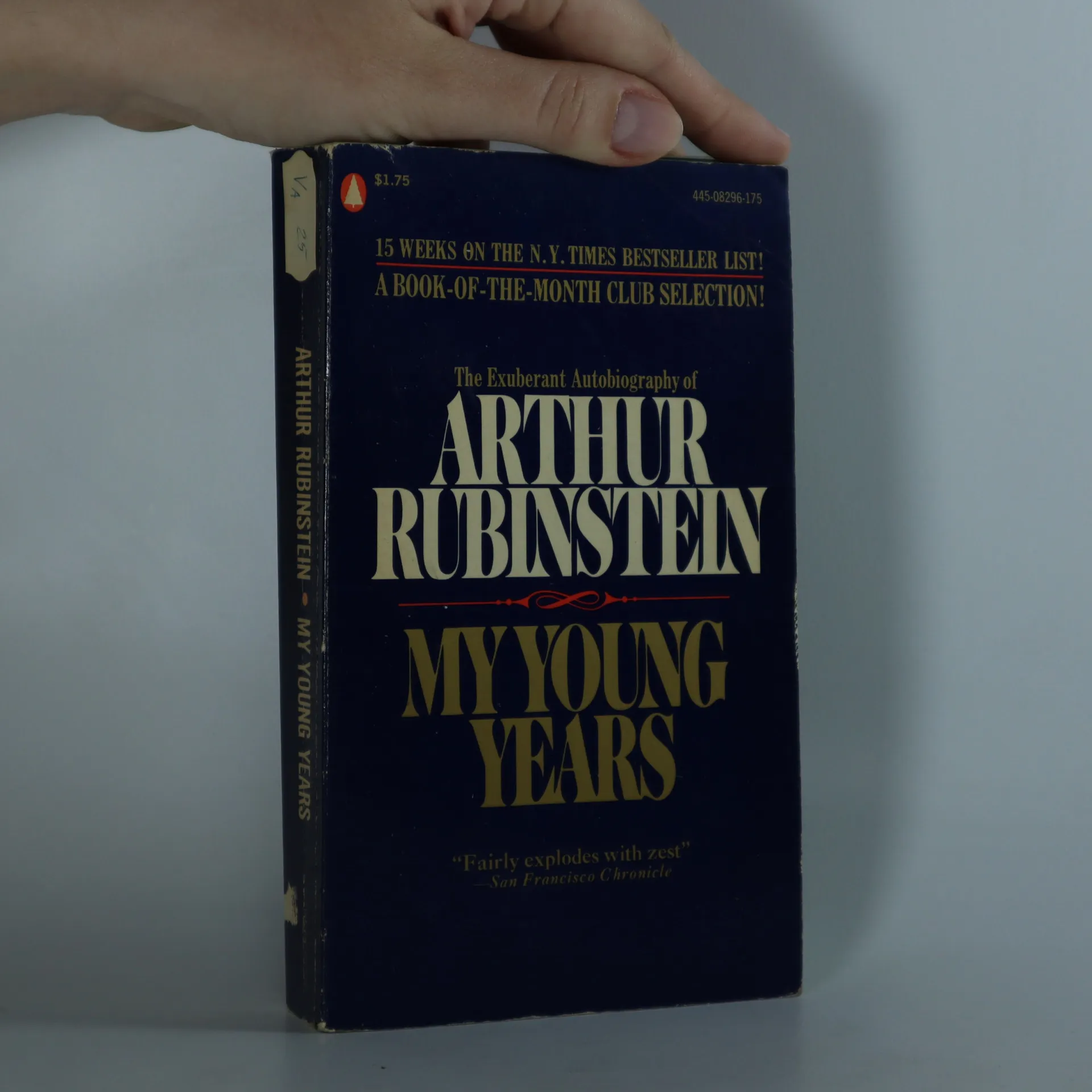
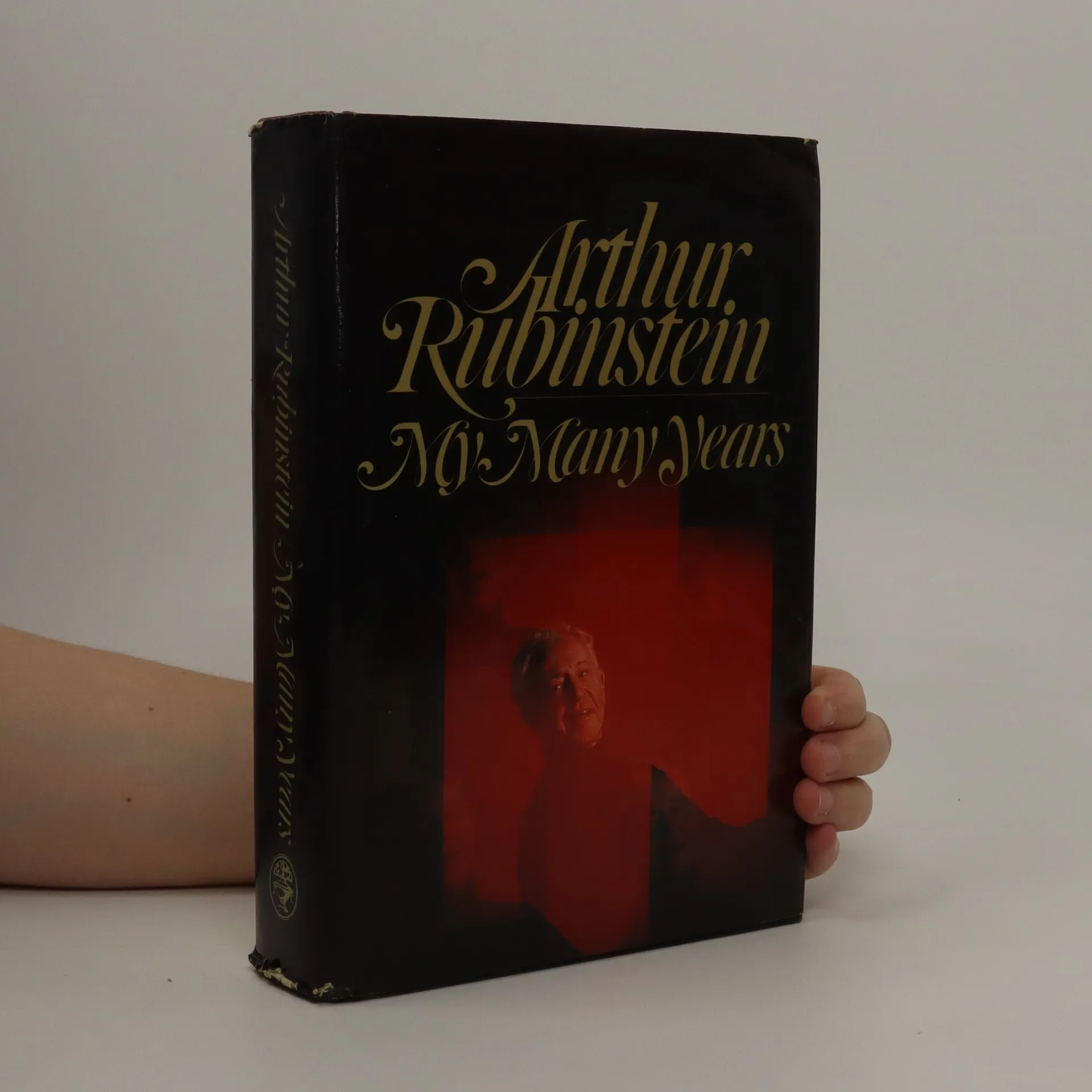
Artur Rubinstein was een Poolse pianist die algemeen wordt beschouwd als een van de grootste pianovirtuozen van de 20e eeuw. Hij verwierf internationale erkenning voor zijn uitvoeringen van Frédéric Chopin en Johannes Brahms, evenals voor zijn steun aan Spaanse muziek. Zijn technische beheersing en diepgaande muzikale inzicht stelden hem in staat om de volledige emotionele reikwijdte van de uitgevoerde werken over te brengen. Rubinsteins nalatenschap leeft voort door zijn opnames, die huidige en toekomstige generaties musici en luisteraars inspireren.
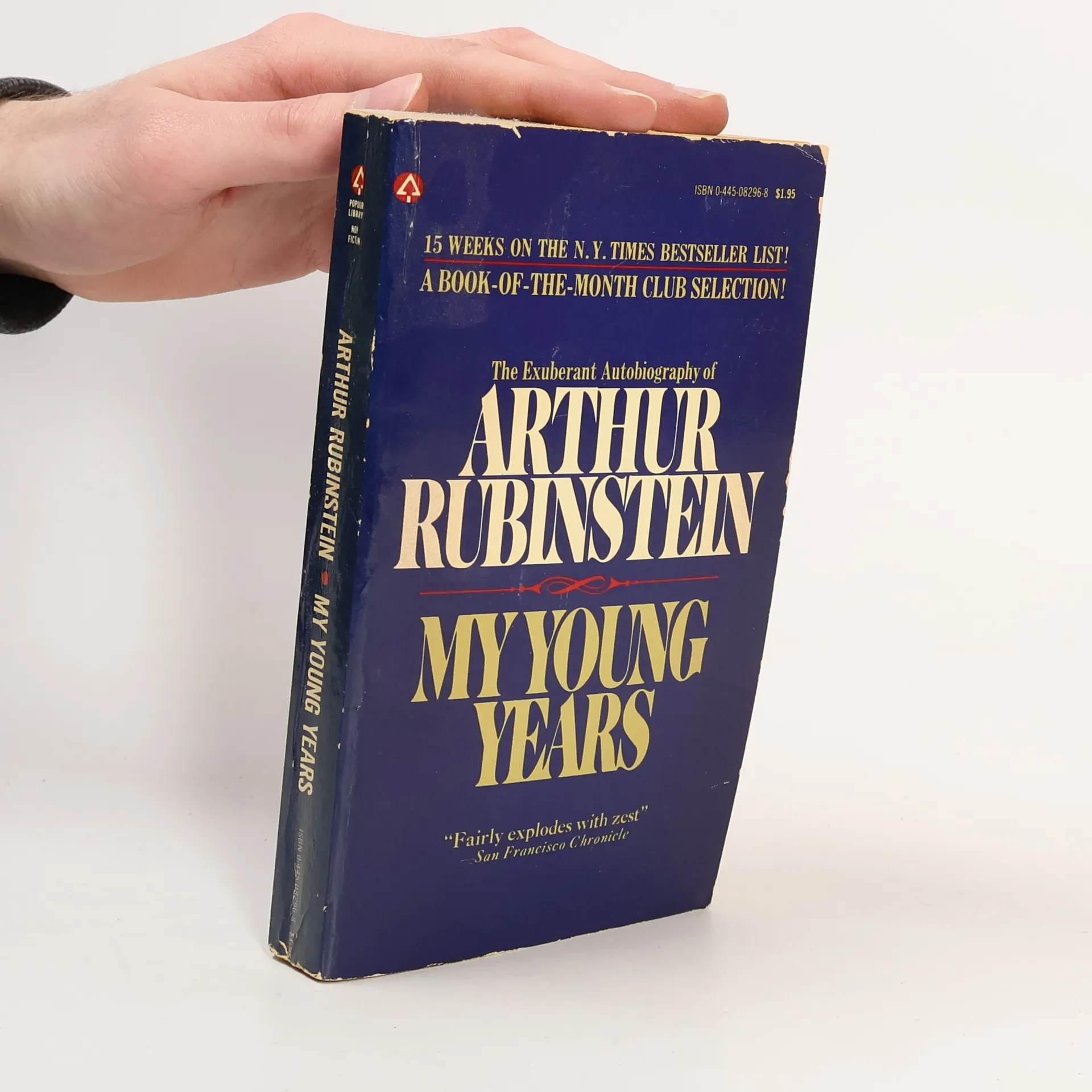
Interesantně napsané vzpomínky jedno z největších novodobých pianistů, který proslul nejen svým virtuózním uměním, ale i "bohatýrským" životem, v němž nechyběla četná milostná dobrodružství a nevázané pijatiky, končící nočním flámem. Tato kniha mapuje počáteční fázi jeho života, kterou končí rokem 1916.
Rubinstein's memoir is the continuation of his first earlier work which dealt with his childhood and early adult years. This work covers the year 1917 to 1980. It opens with an account of his South American tour, then goes on to tell of his brief time in New York. It then gives much space to his years in Paris in the 1920's and 1930's. It goes on to tell of his meeting his future wife Nela, their feeling the Gestapo in France and settling in Hollywood. As in Paris Rubinstein rapidly establishes himself as desired social figure and mingles with the social elite.Above all of course Rubinstein is a great master pianist. And he has much to say about the way an artist must use the gift which he has been given. This is a rich work and one most highly recommended.
The personal recollections of the piano virtuoso provide a record of his life and creative development from his childhood days in Poland to the years of the First World War.
Arthur Rubinstein, 1887-1982, hat vor allem als Chopin-Interpret Musikgeschichte gemacht. Der führende NewYorker Musikkritiker Schonberg sagte über ihn: 'Das Spiel keines anderen zeitgenössischen Pianisten strahlt soviel Kultur, soviel Fülle, klare gesunde Männlichkeit und soviel Kraft aus, wie das von Rubinstein.' Im ersten Band seiner Erinnerungen beschreibt Rubinstein die Zeit bis 1917, seinen ersten öffentlichen Auftritt als Siebenjähriger und seine Schwierigkeiten als Wunderkind, seine erste Tournee in die USA und seine Auftritte in Europa. Glänzend erzählt und gespickt voll mit Anekdoten über die musikalische Welt, die Aristokratie, die Boheme, Musiker und Musikliebhaber sind seine Erinnerungen ein Spiegel des gesellschaftlichen Lebens in Europa vor dem Ersten Weltkrieg.