

Bookbot

Judith Herrin

    16 oktober 1942

    Judith Herrin is een vooraanstaand historica van de Laat-Antieke en Byzantijnse periode, wier werk zich voornamelijk richt op de vorming van de Christenheid en de rol van vrouwen binnen de Byzantijnse samenleving. Haar onderzoek duikt in de ingewikkelde verbanden tussen Byzantium en de islamitische wereld, evenals de relatie ervan met het Westen. Herrin synthetiseert meesterlijk archeologisch bewijsmateriaal met tekstuele bronnen, waardoor het middeleeuwse rijk levendig wordt. Haar wetenschap biedt lezers een boeiend en genuanceerd begrip van de Byzantijnse geschiedenis en cultuur.

    Judith Herrin
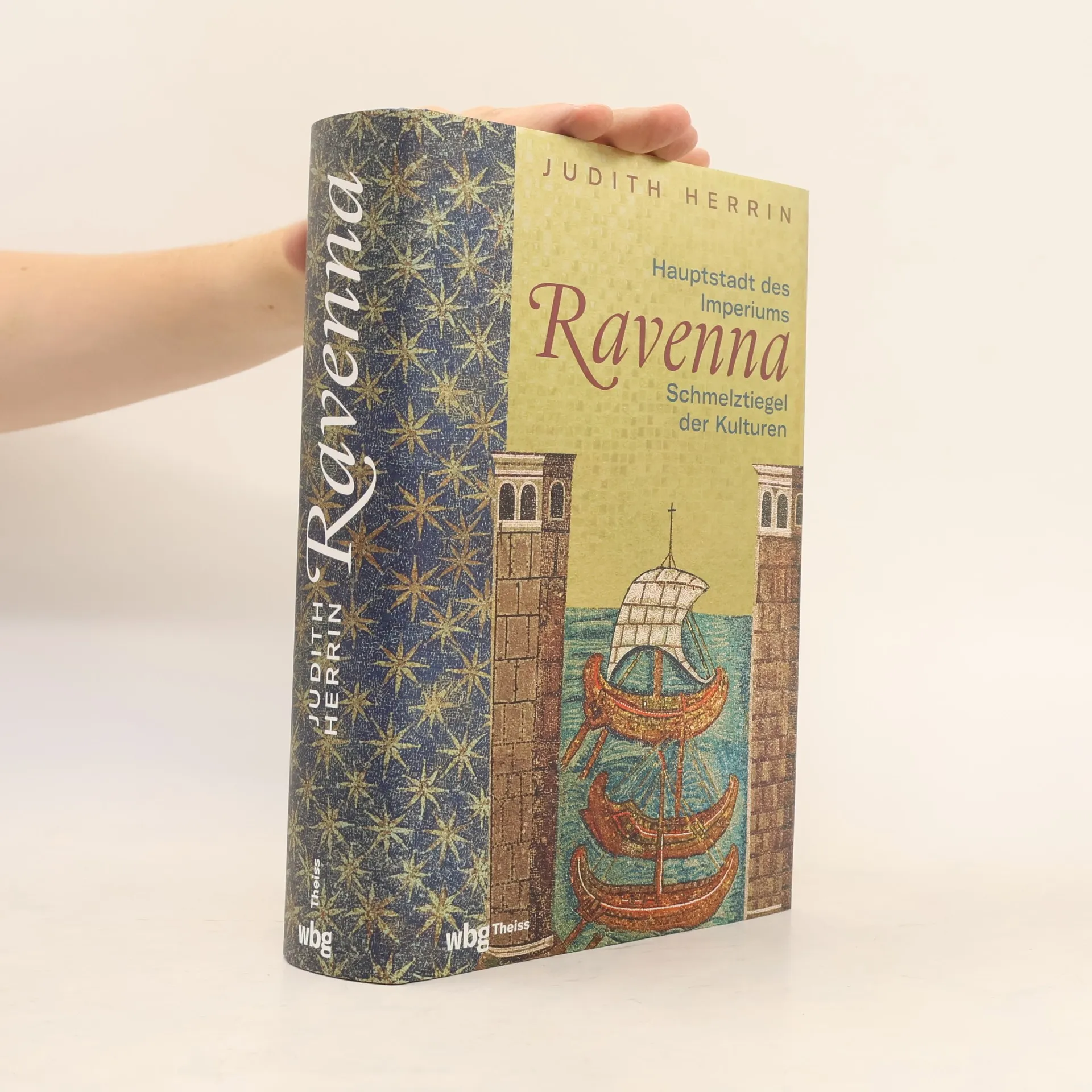
    Ravenna. Capital of empire, crucible of Europe
    Women in Purple
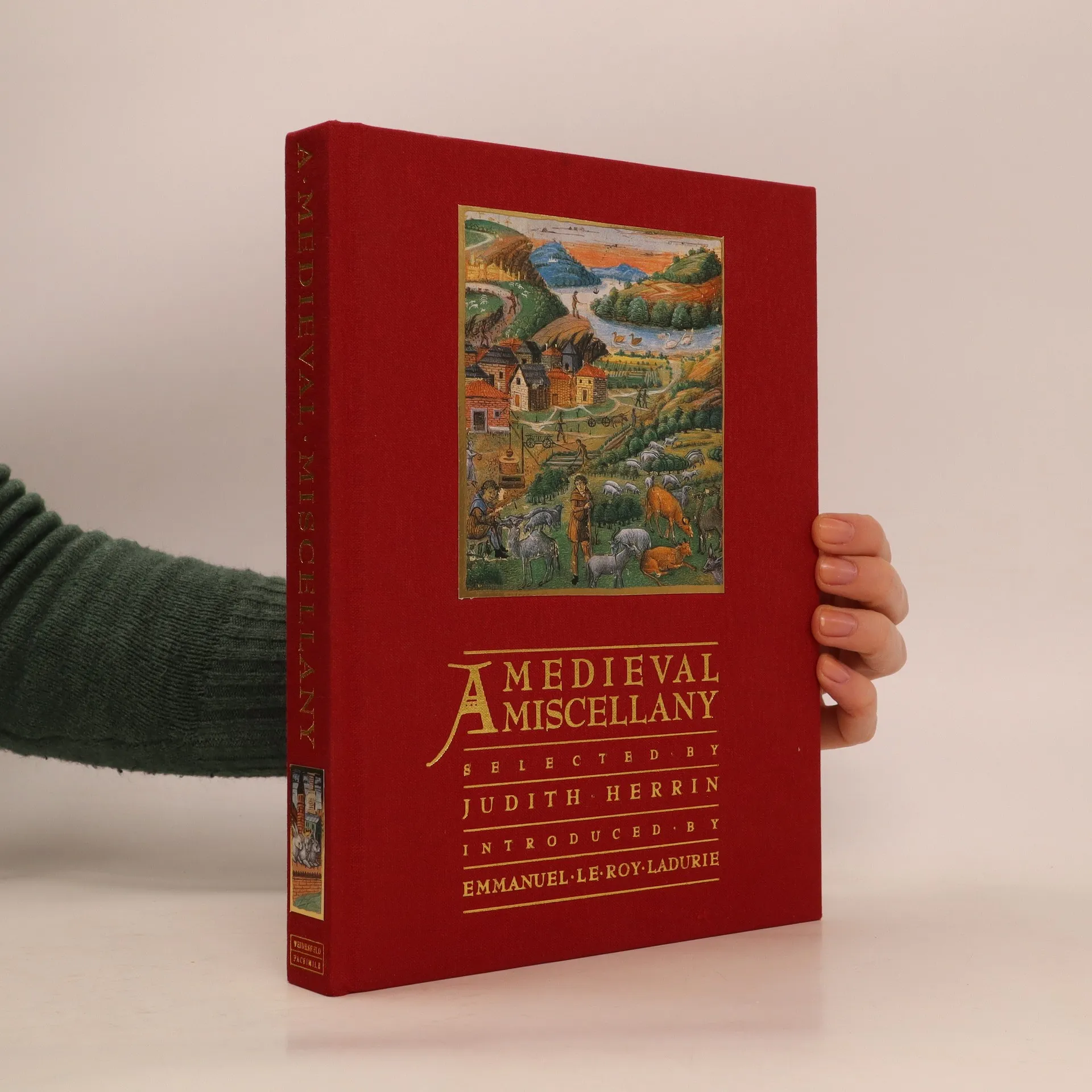
    A Medieval Miscellany
    The Formation of Christendom
    Leven in de Middeleeuwen
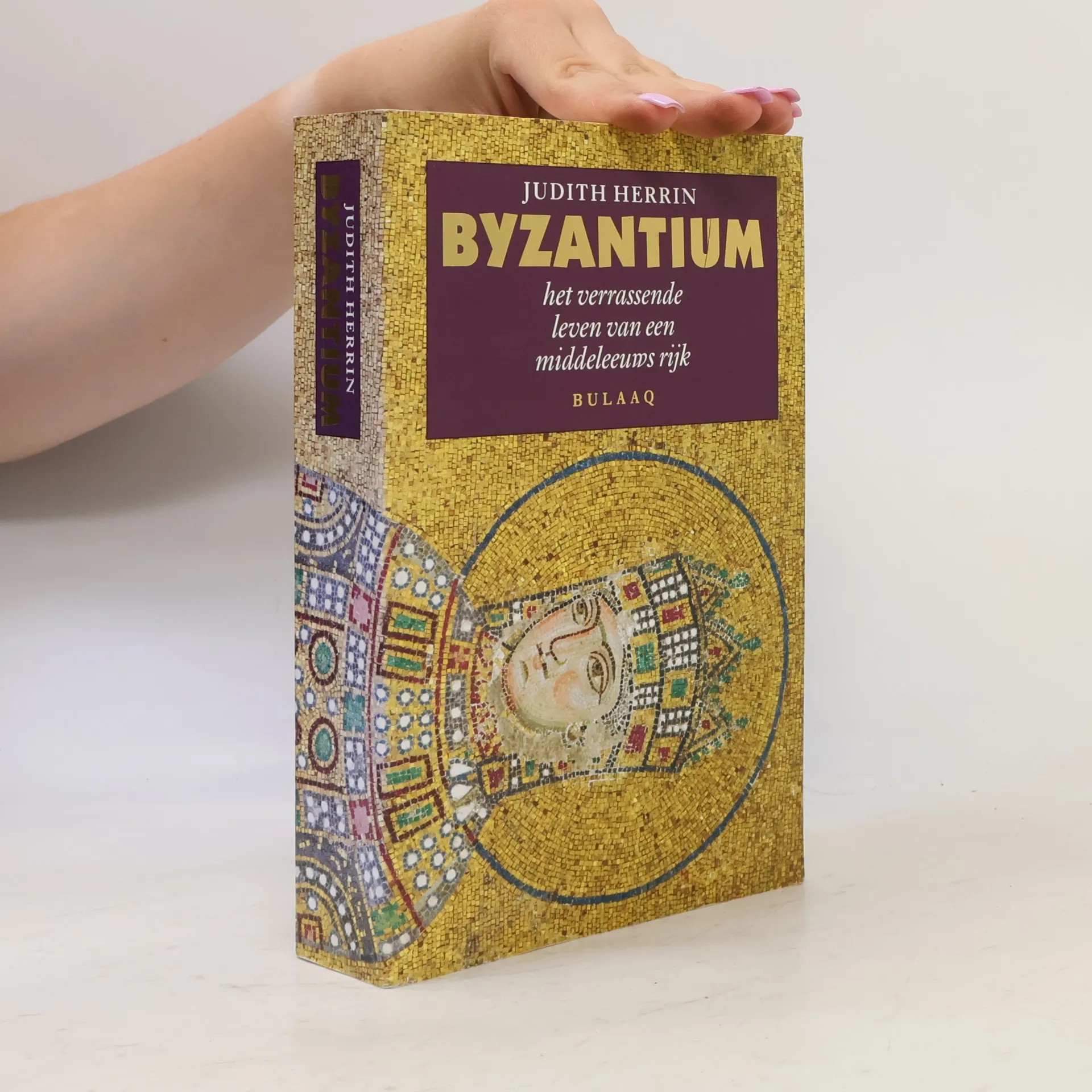
    Byzantium. Het verrassende leven van een middeleeuws rijk
    • Byzantium is synoniem met macht, goud en exotisme. Heidendom en christelijke orthodoxie hadden er een plaats naast klassieke Griekse en Romeinse kennis. Eeuwenlang hebben de Byzantijnse legers als een buffer tegen de islamitische expansie in de vroege middeleeuwen gefungeerd, en, zo laat Herrin zien, Europa en de moderne westerse wereld in staat gesteld om zich te vormen. Veel boeken over Byzantium gaan over keizers en veldslagen. Judith Herrin heeft hier gekozen voor een thematische aanpak. In korte hoofdstukken die zich aaneenrijgen als een fraai halssnoer, behandelt zij onderwerpen als de bouw van de Haghia Sophia, wagenraces, de vork, kruistochten en literatuur. Herrins elegante proza, haar diepgaande kennis en inzichten en haar bijzondere aanpak leveren een toegankelijk en fraai boek op, mede door de verhelderende kaarten en fraaie illustraties. Zo wordt Byzantium een boeiende en leerzame reis door de late oudheid en de middeleeuwen.
      Byzantium. Het verrassende leven van een middeleeuws rijk
      3,8
    • The Formation of Christendom

      • 568bladzijden
      • 20 uur lezen

      "A groundbreaking history of how the Christian "West" emerged from the ancient Mediterranean world"--

      The Formation of Christendom
      4,3
    • A Medieval Miscellany

      • 207bladzijden
      • 8 uur lezen

      "This sumptuous book is the ideal Christmas gift for anyone interested in the medieval era. Beautifully produced, with cloth binding, ribbon bookmark, and quality paper, it is lavishly illustrated throughout with images from illuminated manuscripts and selections from a range of medieval texts. A superb entry into medieval life as it was lived day-to-day."

      A Medieval Miscellany
      4,2
    • Women in Purple

      Rulers of Medieval Byzantium

      • 312bladzijden
      • 11 uur lezen

      Focusing on the lives of three lesser-known Byzantine empresses, Judith Herrin's work sheds light on their significance and the broader historical context of the medieval Byzantine era. By exploring the experiences of these extraordinary women, the book aims to engage a wider audience with this often-overlooked period in history. Herrin advocates for a renewed appreciation of Byzantium, positioning her exploration as a crucial step toward revitalizing interest in its rich legacy.

      Women in Purple
      4,0
    • A glorious history of the jewel-like city on the Adriatic which was a melting-pot of Greek, Latin, Christian and barbarian culture. Winner of the 2020 Duff Cooper Prize In 402 AD, after invading tribes broke through the Alpine frontiers of Italy and threatened the imperial government in Milan, the young Emperor Honorius made the momentous decision to move his capital to a small, easy defendable city in the Po estuary - Ravenna. From then until 751 AD, Ravenna was first the capital of the Western Roman Empire, then that of the immense kingdom of Theoderic the Goth and finally the centre of Byzantine power in Italy. In this engrossing account Judith Herrin explains how scholars, lawyers, doctors, craftsmen, cosmologists and religious luminaries were drawn to Ravenna where they created a cultural and political capital that dominated northern Italy and the Adriatic. As she traces the lives of Ravenna's rulers, chroniclers and inhabitants, Herrin shows how the city became the pivot between East and West; and the meeting place of Greek, Latin, Christian and barbarian cultures. While Ravenna's palaces have crumbled, its churches have survived. In them, Catholic Romans and Arian Goths competed to produce an unrivalled concentration of spectacular mosaics, many of which still astonish visitors today. Ravenna- Capital of Empire, Crucible of Europe brings the early Middle Ages to life through the history of this dazzling city

      Ravenna. Capital of empire, crucible of Europe
      3,9
    • Ravenna

      Hauptstadt des Imperiums, Schmelztiegel der Kulturen

      Ravenna war vom 5. bis 8. Jahrhundert ein kultureller Schmelztiegel, der griechische, lateinische, christliche und barbarische Einflüsse vereinte und als Zentrum zwischen Ost und West fungierte. Während Rom an Bedeutung verlor, erlebte Ravenna eine Blütezeit. Judith Herrin erzählt detailreich von den Menschen dieser Epoche, darunter Kaiserinnen, Könige, Bischöfe, Gelehrte, Ärzte und Handwerker. Der Aufstieg Ravennas ist eng mit dem Niedergang Roms und den Invasionen der Hunnen und Goten verbunden. Die Geschichte beleuchtet auch die Spaltungen und Glaubenskämpfe im frühen Christentum. Herrins meisterhafte Erzählweise wurde mit dem Duff Cooper-Preis 2020 ausgezeichnet. Die Kirchen und Mosaiken der Stadt, die zum UNESCO-Weltkulturerbe gehören, sind steinerne Zeugen dieser Umbruchszeit, aus der das christliche Europa hervorging. Im Jahr 402 n. Chr. verlegte Kaiser Honorius den Regierungssitz nach Ravenna, als angreifende Stämme Mailand belagerten. Bis 751 war die Stadt die Hauptstadt des Weströmischen Reiches, des Königreichs des Goten Theoderich und später das Zentrum der byzantinischen Macht in Italien. Herrin porträtiert meisterhaft diese Stadt und ihre Bewohner in der Übergangszeit zwischen Spätantike und Frühmittelalter.

      Ravenna
      5,0