
Koop 10 boeken voor 10 € hier!
Bookbot

Otto Weiss

    4 juli 1898 – 1 januari 1944
    Otto Weiss
    Tun, was der Tag verlangt
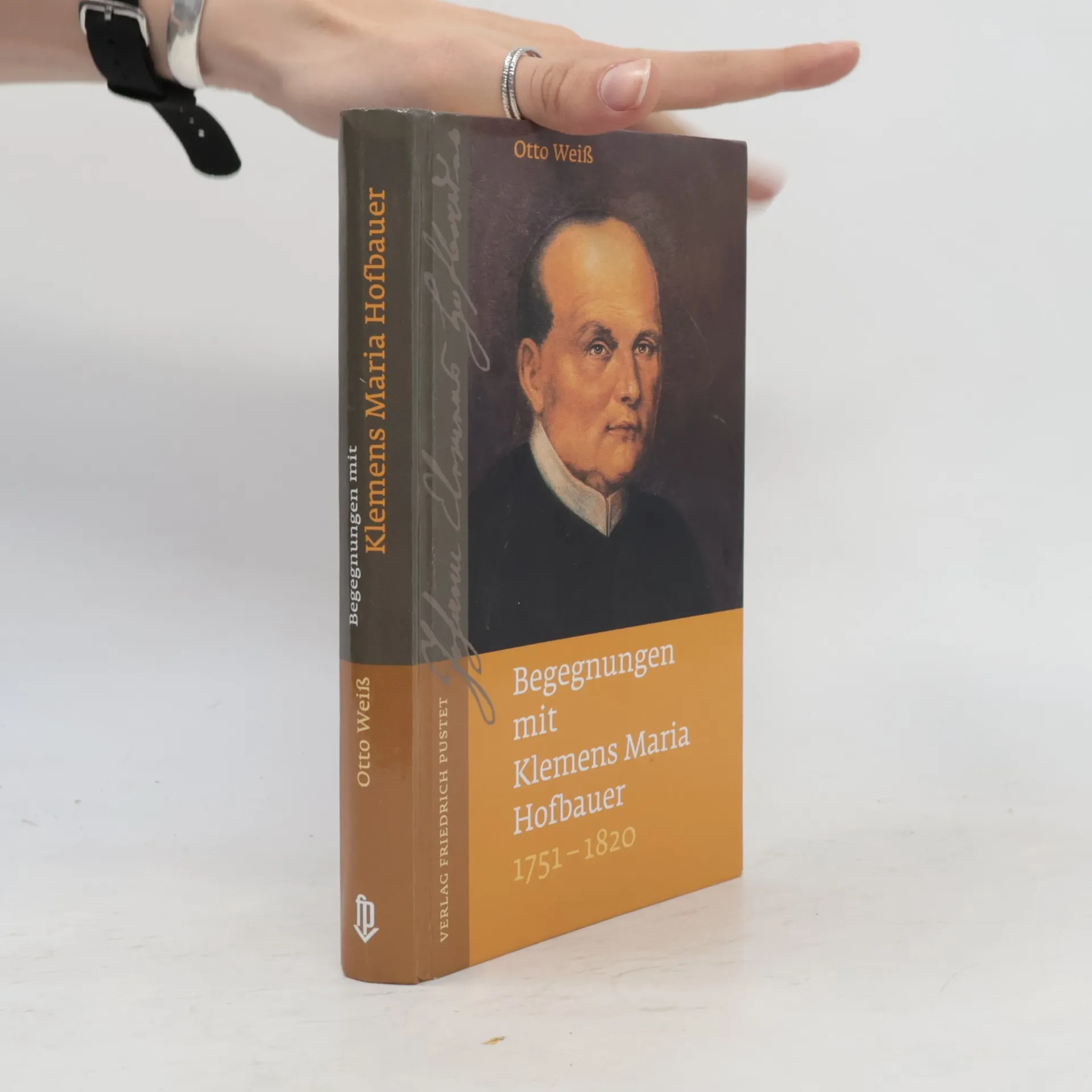
    Begegnungen mit Klemens Maria Hofbauer 1751-1820
    Tak bolely hvězdy - Verše
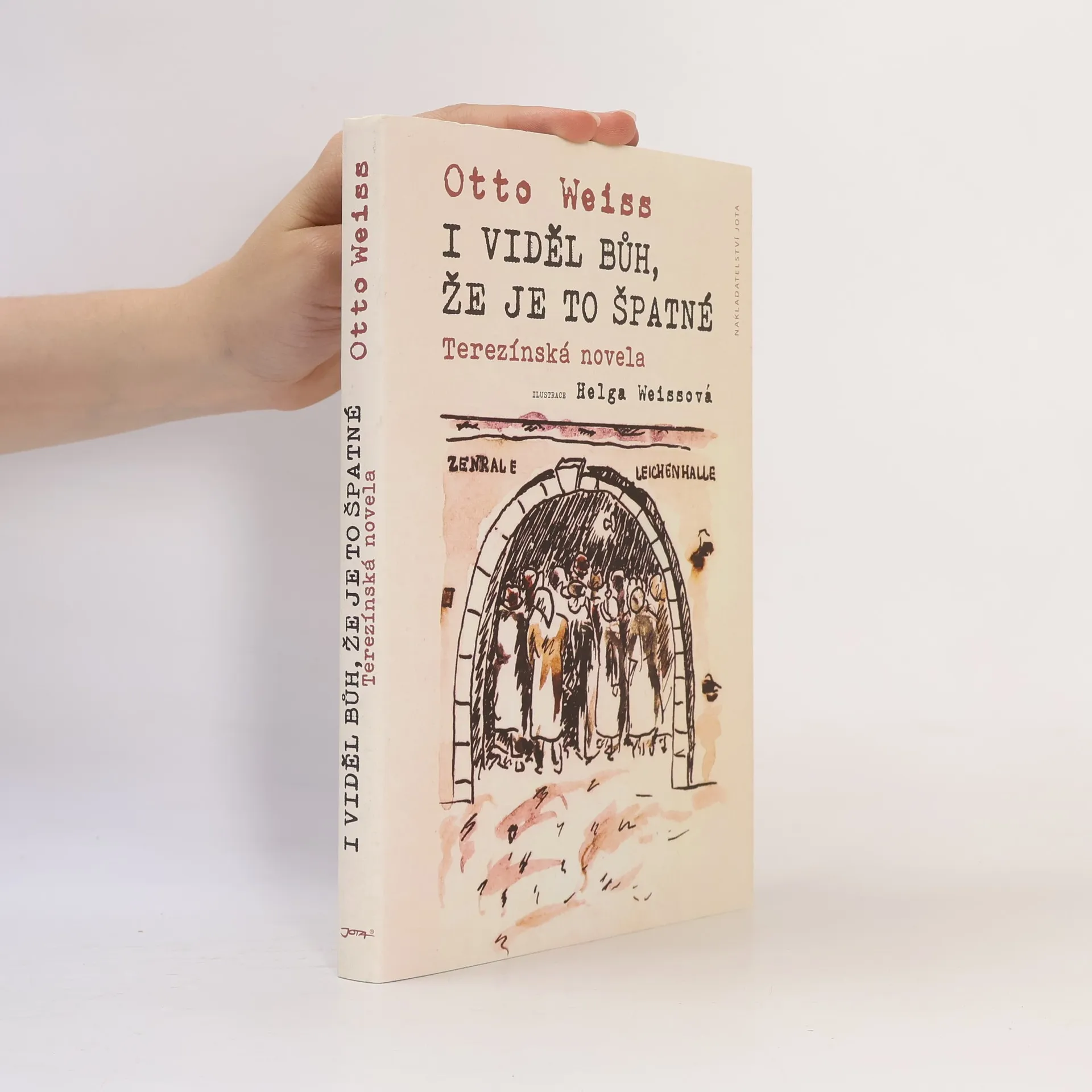
    I viděl Bůh, že je to špatné
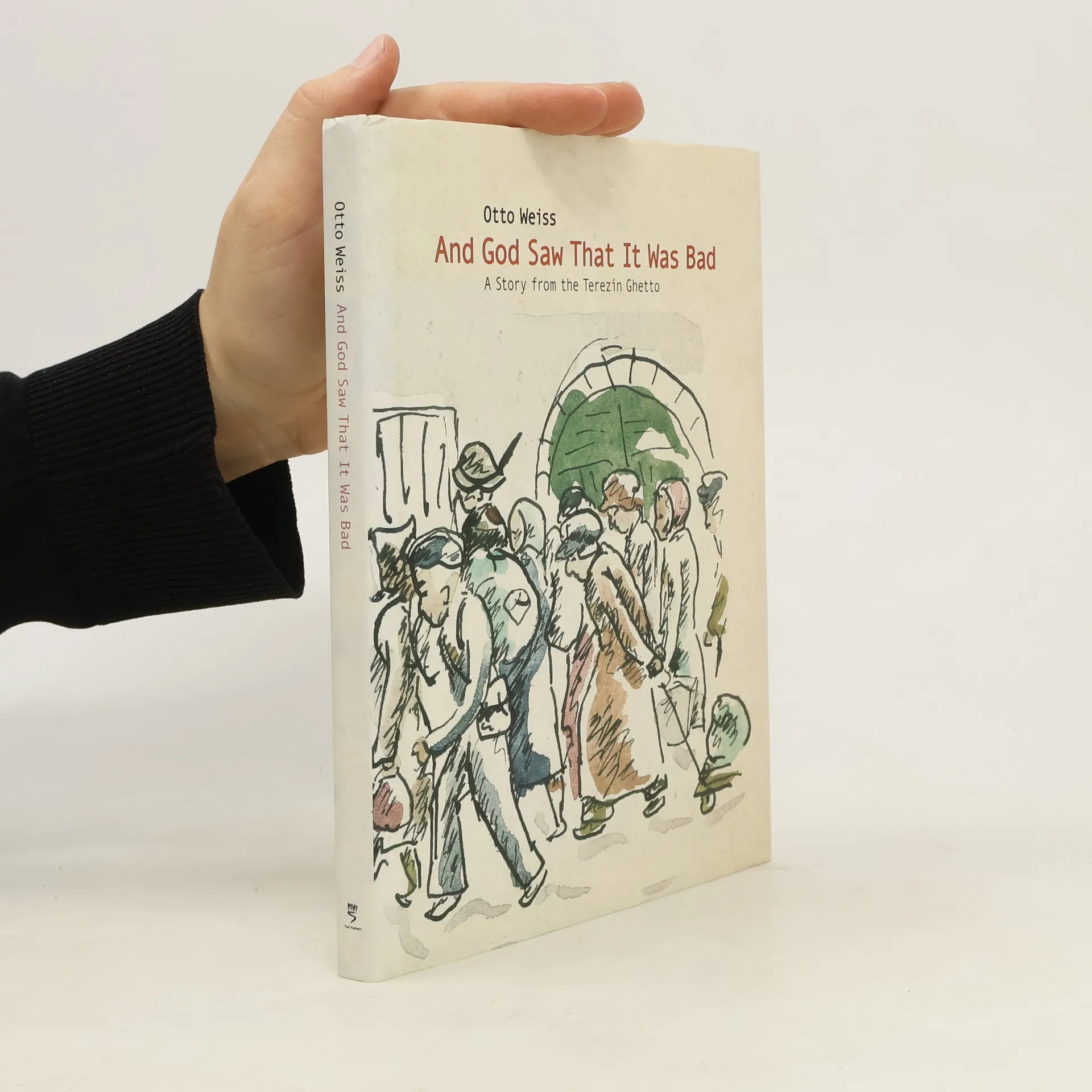
    And God saw that it was bad : a story from the Terezín ghetto
    • This novella written by Otto Weiss (1898-1944), a Czech Jew, is a unique literary work and historical testimony. The novella was composed in Terezín as a surprise birthday present for his wife, Irena, and was produced with the conspiratorial artistic assistance of his young daughter Helga. Before his deportation to Auschwitz in October 1944, Otto Weiss gave the novella to a relative remaining in the ghetto, who hid it in the Magdeburg barracks. And God Saw That It Was Bad relates the experiences of God, who comes down to Terezín incognito, in human form, as Aaaron Gottesmann, in order to examine the situation personally. God finds his encounter with the reality of this ghetto most disturbing, and through him the author exposes the truth of life in Terezín. The result is a rare, unique literary document from the Holocaust. Weiss was murdered in Auschwitz-Birkenau in October 1944. His wife and daughter survived and retrieved the book. Foreword and original illustrations are by the author’s daughter, artist, Helga Weissova-Hoškova; Afterword and explanatory notes by historian Ruth Bondy.

      And God saw that it was bad : a story from the Terezín ghetto
    • I viděl Bůh, že je to špatné

      • 112bladzijden
      • 4 uur lezen
      4,4(90)Tarief

      Výjimečné osobní svědectví z terezínského ghetta, které přečkalo válku zazděné na půdě místních kasáren. Novela Otty Weisse I viděl Bůh, že je to špatné je jedinečným literárním počinem a zároveň silným osobním svědectvím historického významu. Otto Weiss tuto knihu napsal v Terezíně v roce 1943, kresbami ji doplnila jeho dcera Helga, autorka Deníku 1938–1945, tehdy 13letá. Společně pak knihu věnovali Helžině matce Ireně k narozeninám. Krátce poté byl Otto Weiss zařazen do transportu do Osvětimi, odkud se už nevrátil. Bůh, který na sebe vzal lidskou podobu, se přichází podívat do Terezína, aby se na vlastní kůži přesvědčil, jaká je mezi vězněnými Židy situace. Do prostého příběhu je vložena vážnost i hloubka, předstíraný úsměv zakrývá hořkost a smutek. Kniha odhaluje zrůdnost a rafinovanost lživé nacistické propagandy užívané k utajení pravdy a k oklamání světa.

      I viděl Bůh, že je to špatné
    • Básně vymyšlené během druhé světové války a sepsané v Terezíně židovským vězněm Otto Weissem. O životě a dění té doby.

      Tak bolely hvězdy - Verše
    • Otto Weiß, der als bester Kenner Klemens Maria Hofbauers und seiner Umwelt galt, präsentierte ein neues Bild des Heiligen, wie es in den Quellen erscheint und wie ihn seine Zeitgenossen erlebten. Diesen „wirklichen Hofbauer“ stellte er dem Bild entgegen, das ihn als engstirnigen Gefolgsmann Roms und als Gegner aufgeklärten Denkens, als Überwinder der Aufklärung und des Josephinismus zeichnet. Sichtbar wird ein Mensch mit Ecken und Kanten, ein kluger, durchaus aufgeklärter und „romkritischer“ Mann, der stur sein konnte und zu Zornausbrüchen neigte, aber vielleicht gerade deswegen als rastloser Seelsorger voll Zärtlichkeit und Verständnis Menschen aller Bevölkerungsschichten Halt und Sicherheit gab.

      Begegnungen mit Klemens Maria Hofbauer 1751-1820