Daniel Clement DennettVolgorde van de boeken (chronologisch)
Daniel Dennett is een vooraanstaand filosoof wiens werk zich verdiept in de filosofie van geest, wetenschap en biologie. Zijn onderzoek verkent de kruising van evolutionaire biologie en cognitieve wetenschap, waarbij hij de aard van bewustzijn en de geest onderzoekt. Dennetts schrijfstijl wordt gekenmerkt door duidelijkheid en overtuigingskracht, waarmee hij complexe concepten ontmystificeert en conventionele opvattingen over menselijke cognitie en hun plaats in het universum uitdaagt. Zijn geschriften nodigen uit tot diepe reflectie over wat het betekent om mens te zijn in het licht van de moderne wetenschappelijke inzichten.
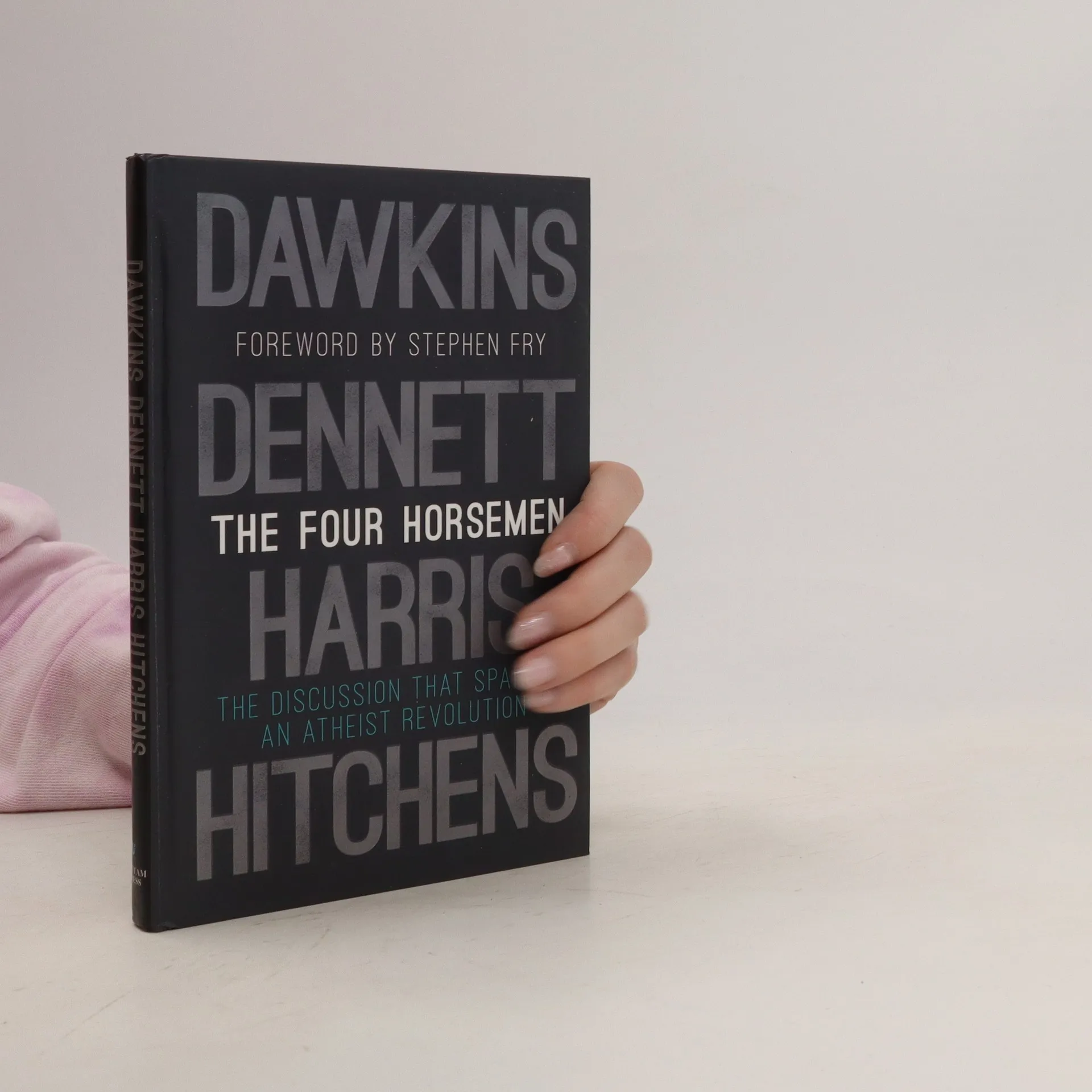
Known as the "four horsemen" of the New Atheism, four thinkers of the twenty-first century met only once. Their examination of ideas was wide-ranging. Everything that was said as they agreed and disagreed with one another, interrogated ideas and exchanged insights about religion and atheism, science and sense speaks to our present age. The dialogue was recorded, and is transcribed and presented in this book
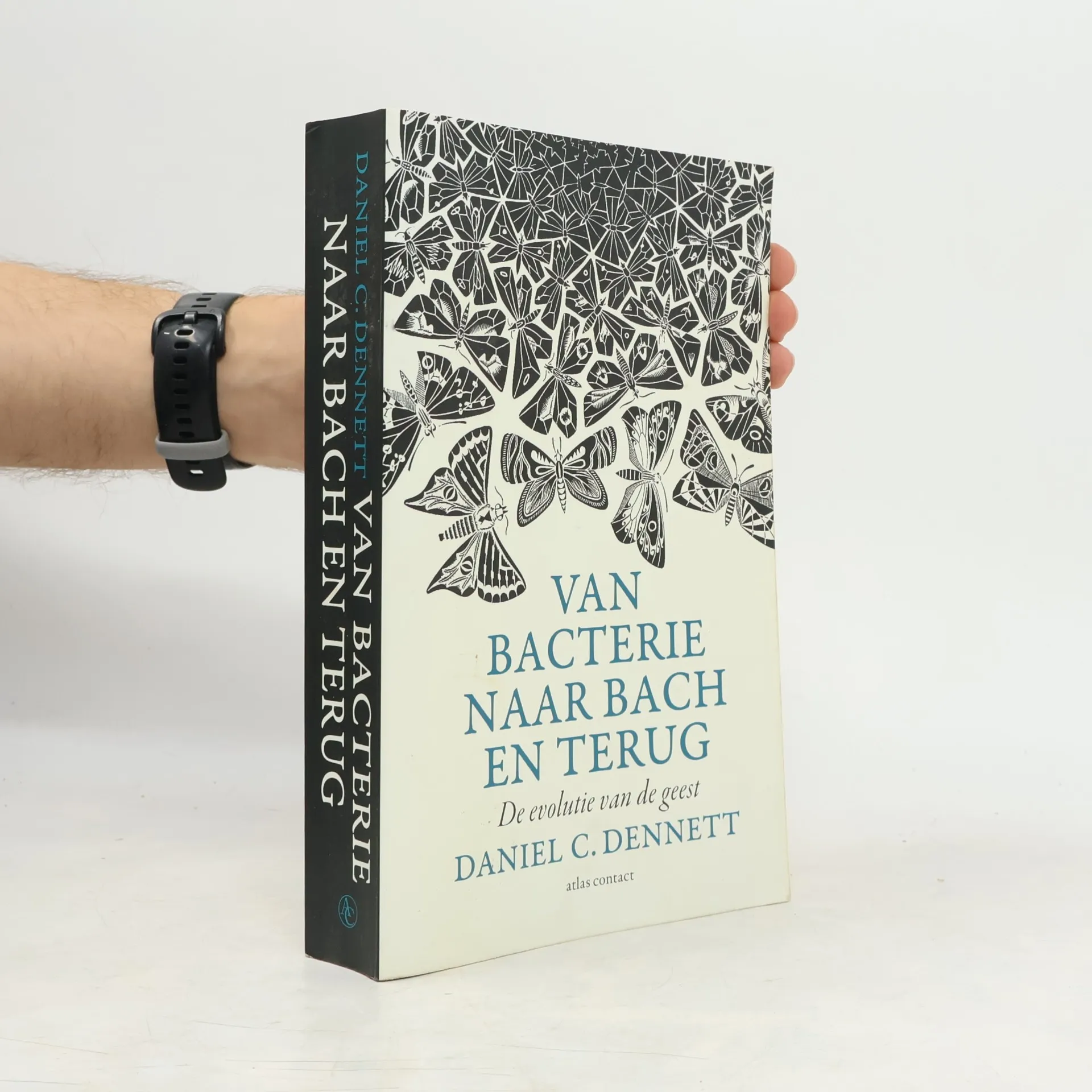
One of America’s foremost philosophers presents a major new account of the origins of the conscious mind, addressing the long-standing question of how we developed our unique cognitive abilities. For centuries, this inquiry has captivated psychologists, physicists, poets, and philosophers, all seeking to understand the emergence of consciousness, language, and culture through natural selection. While Darwinian disciples have made strides in this area, their efforts often lead to confusion. Despite advancements in our understanding of proteins, neurons, and DNA, the mystery of how our minds evolved has persisted. Daniel C. Dennett aims to change that in his comprehensive exploration of evolutionary thinking. He integrates concepts from computer science and biology to illustrate how a comprehending mind could arise from a mindless process of natural selection. This work combines philosophical inquiry with scientific conjecture, expanding on themes central to Dennett's career. He argues that a pivotal shift occurred when humans began sharing memes—cultural ideas and practices not rooted in genetic instinct. Language, composed of memes, enhanced this exchange, leading to competition among them that acted as a form of natural selection. This process ultimately shaped a mind capable of perception, control, creation, and comprehension, driven by cultural evolution. This book serves as an essential resource for a new generation of thi
People commonly view evolution as a process of competition between individuals—known as “survival of the fittest”—with the individual representing the “unit of selection.” Richard Dawkins offers a controversial reinterpretation of that idea in The Extended Phenotype, now being reissued to coincide with the publication of the second edition of his highly-acclaimed The Selfish Gene. He proposes that we look at evolution as a battle between genes instead of between whole organisms. We can then view changes in phenotypes—the end products of genes, like eye color or leaf shape, which are usually considered to increase the fitness of an individual—as serving the evolutionary interests of genes.Dawkins makes a convincing case that considering one’s body, personality, and environment as a field of combat in a kind of “arms race” between genes fighting to express themselves on a strand of DNA can clarify and extend the idea of survival of the fittest. This influential and controversial book illuminates the complex world of genetics in an engaging, lively manner.
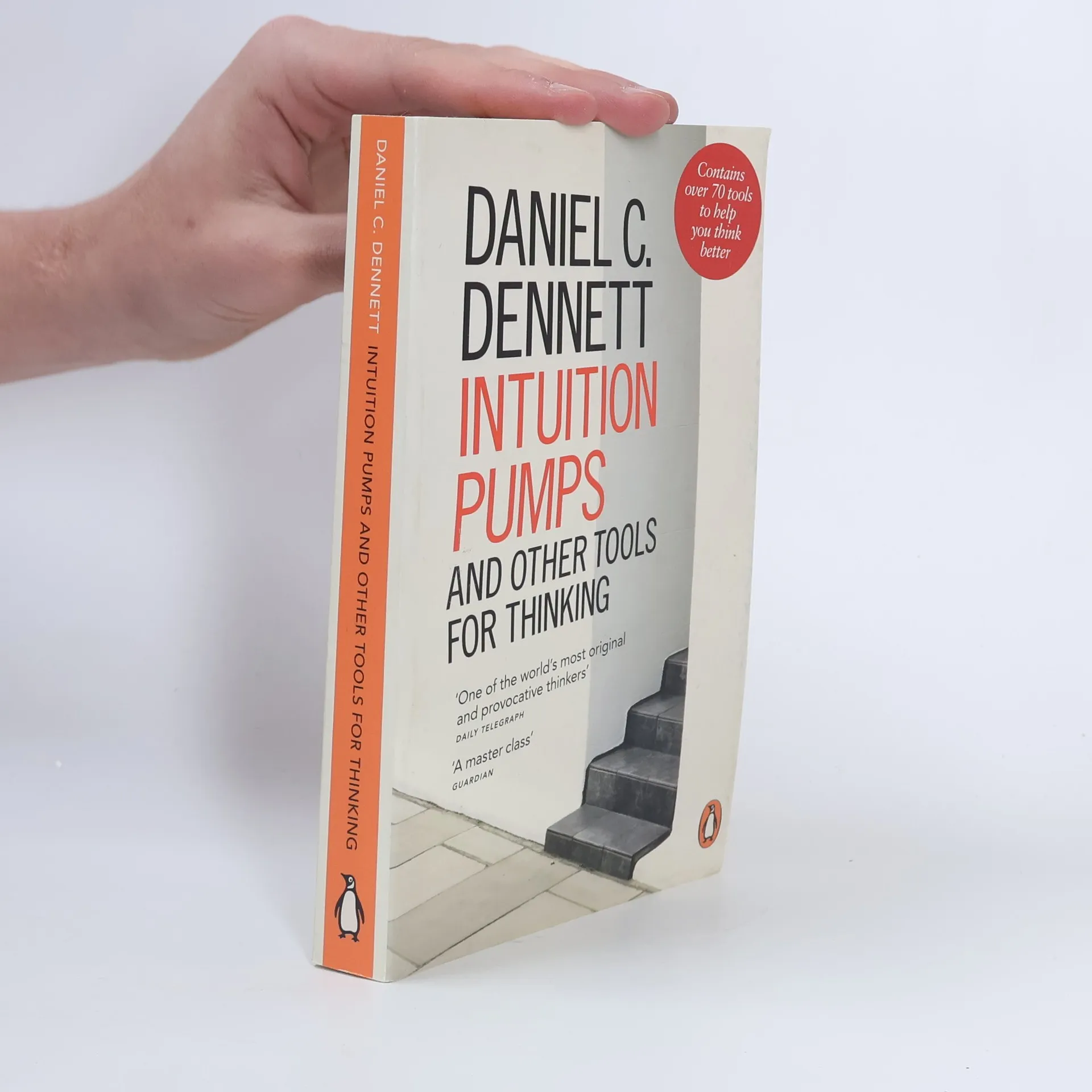
Thinking is hard. A few of us may be natural geniuses; others are blessed with reserves of willpower. Then there are the rest of us: not prodigies and short on time, but still aspiring to understand the world. What can we do? Acclaimed thinker Daniel Dennett reveals a collection of his favourite thinking tools, or 'intuition pumps'. From Occam's Razor to the benefit of mistakes, the 90% rule to avoiding 'deepities', this entertaining guide will enable you to tackle life's most fundamental questions - evolution, meaning, consciousness and free will - and teach you to think independently and creatively. 'Intelligence, insight and flair . . . They don't come much bigger than Daniel Dennett.' Julian Baggini, Guardian 'Brilliant . . . Vintage Dennett.' @ Richard Dawkins 'A philosopher's box of tools for the musing mind.' Melvin Konner, Nature 'A lively primer on the radical answers Mr. Dennett has elaborated to the big questions in his nearly five decades in philosophy.' Jennifer Schuessler, The New York Times 'America's most important and entertaining philosopher.' Observer 'Dennett will lift the top off your head.' Daily Beast
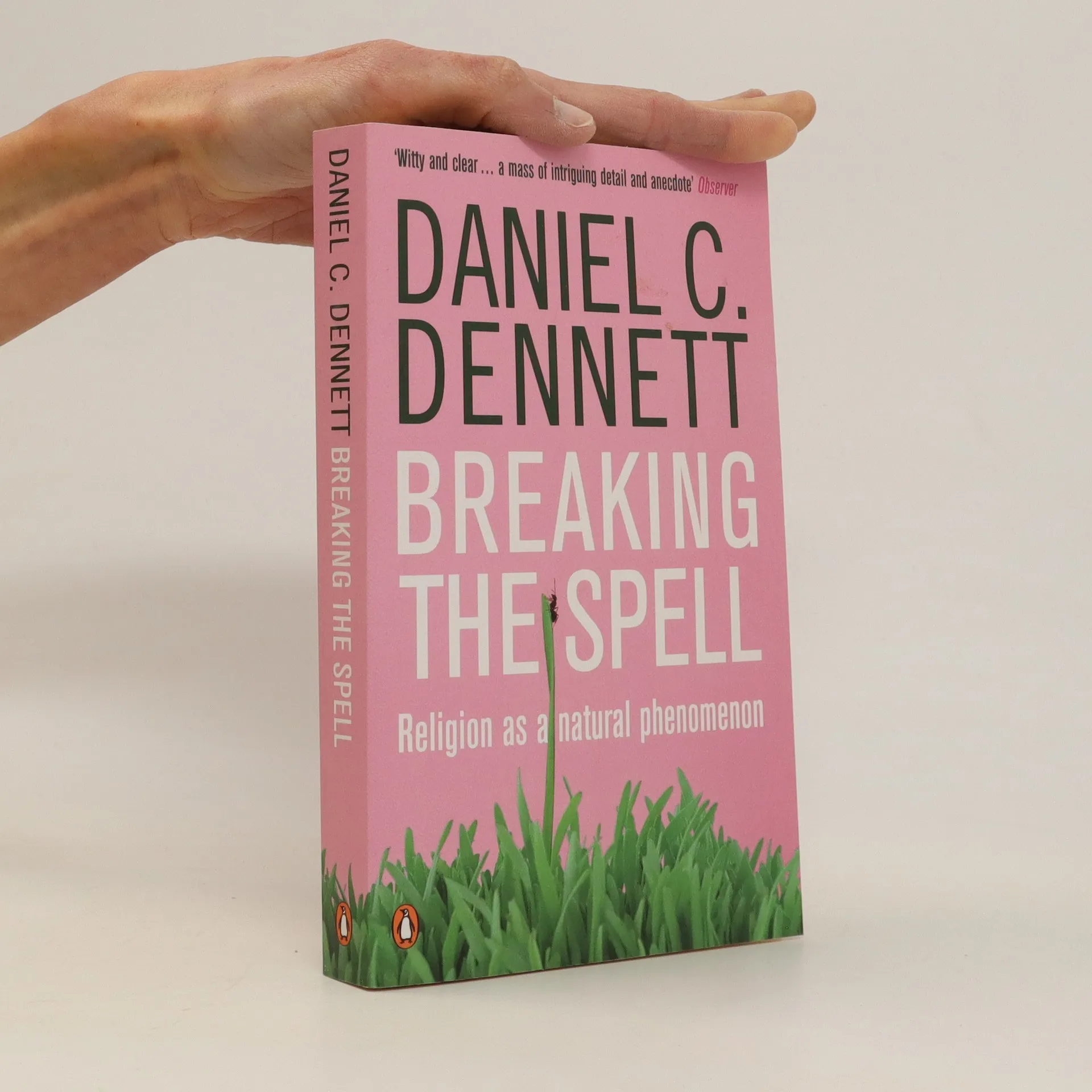
Offering a challenge to society and a different history of belief, this book discusses why and how different faiths have commanded allegiance and shaped so many lives. It argues for the need to understand this multifaceted phenomenon, and also presents a comprehensive explanation for religion.
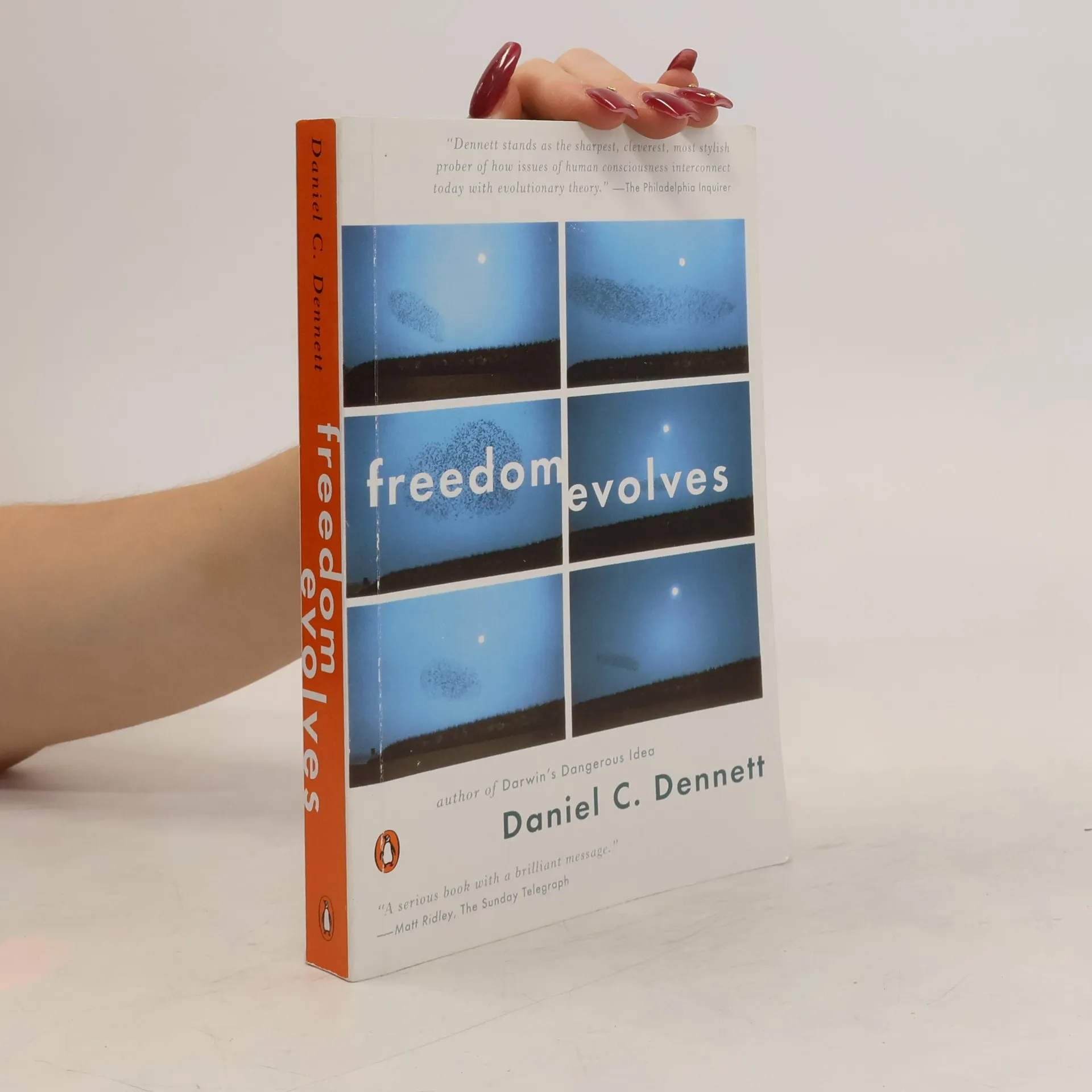
Can there be freedom and free will in a deterministic world? Renowned philosopher Daniel Dennett emphatically answers "yes!" Using an array of provocative formulations, Dennett sets out to show how we alone among the animals have evolved minds that give us free will and morality. Weaving a richly detailed narrative, Dennett explains in a series of strikingly original arguments—drawing upon evolutionary biology, cognitive neuroscience, economics, and philosophy—that far from being an enemy of traditional explorations of freedom, morality, and meaning, the evolutionary perspective can be an indispensable ally. In Freedom Evolves, Dennett seeks to place ethics on the foundation it deserves: a realistic, naturalistic, potentially unified vision of our place in nature.
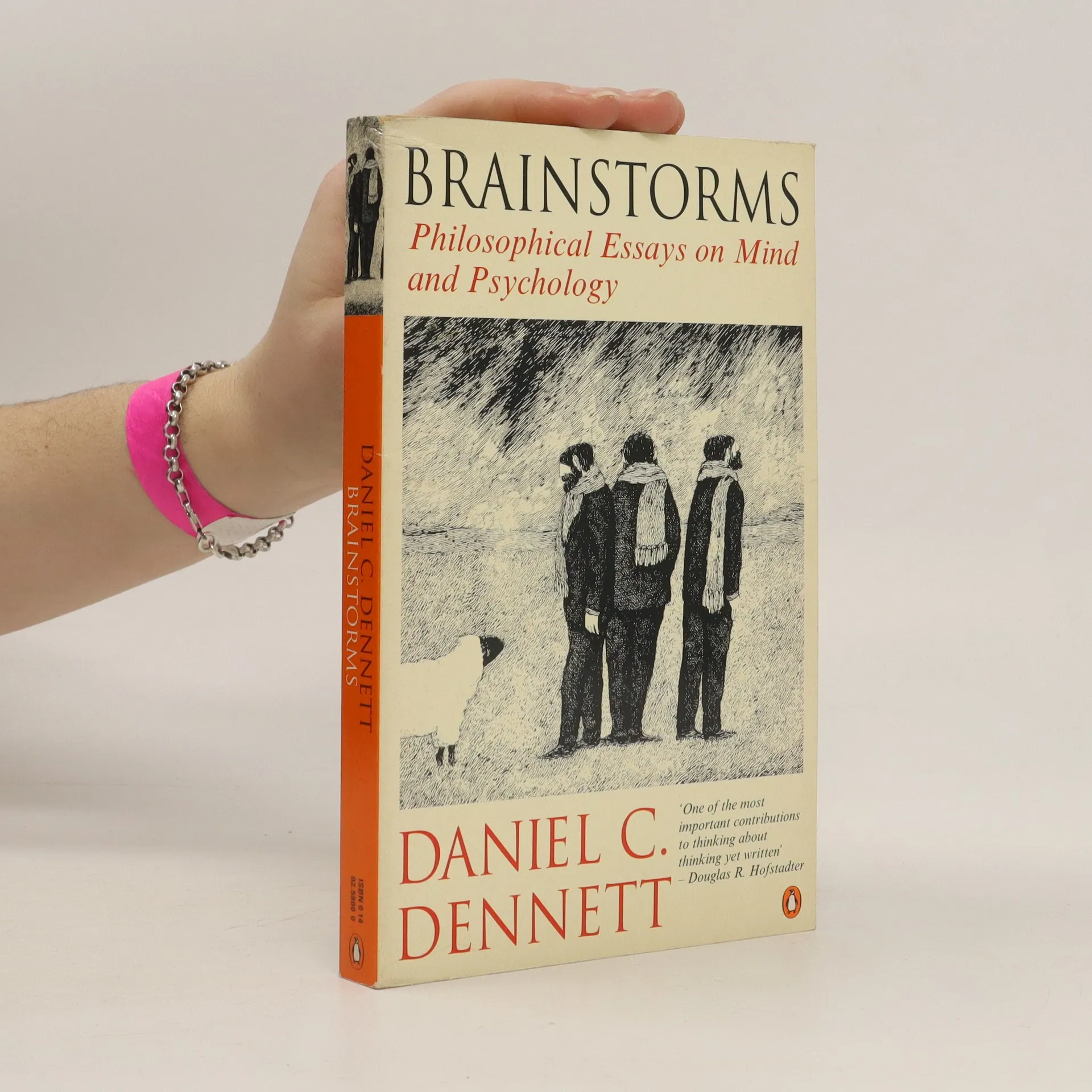
A collection of 17 essays exploring the central issues of the philosophy of the mind, and human interaction with psychology and evolutionary biology. This book questions the relationship between psychology and morality as well as exploring the concept of human intentionality. It argues that intentional attributes such as desires, goals, beliefs and knowledge are purely mechanistic.
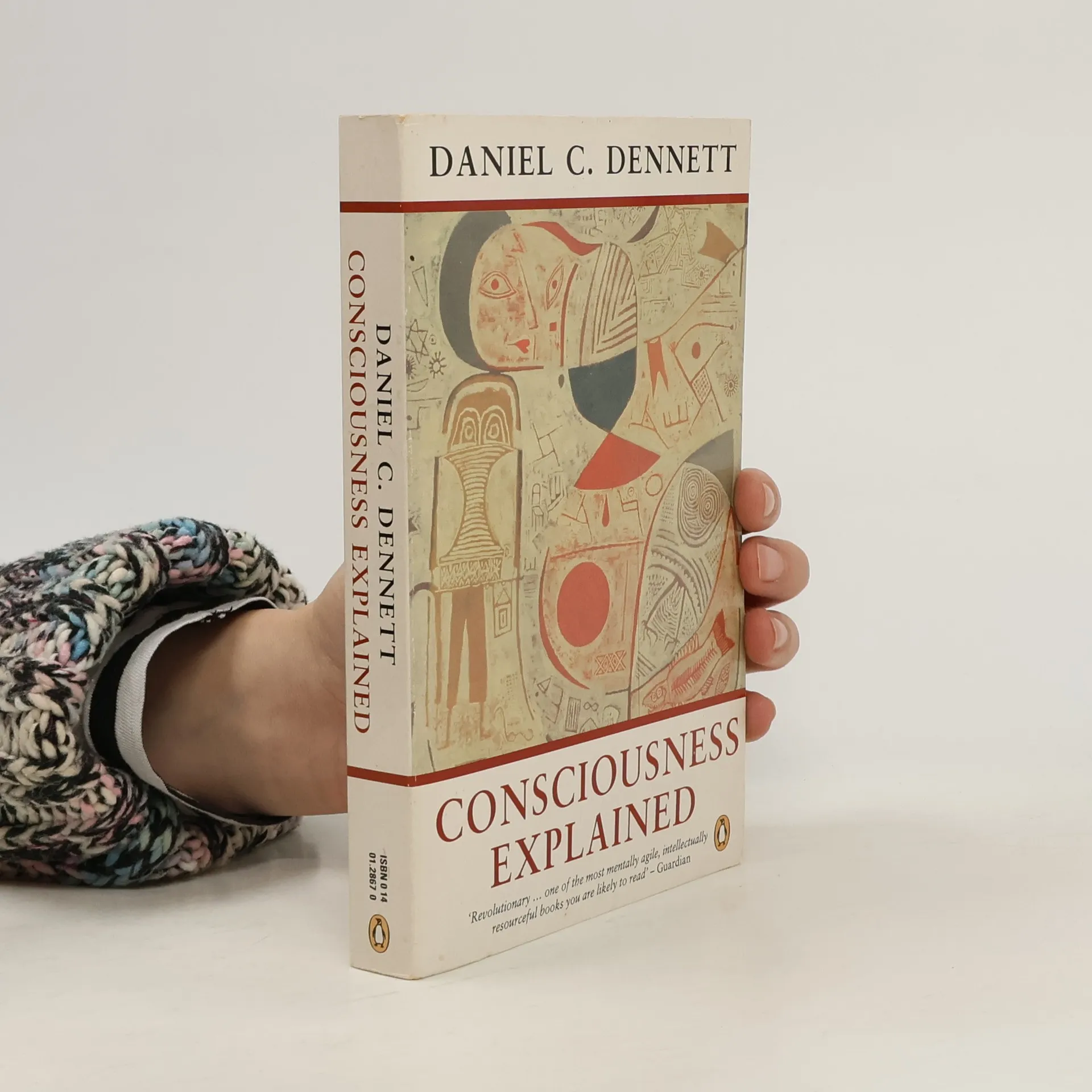
This book revises the traditional view of consciousness by claiming that Cartesianism and Descartes' dualism of mind and body should be replaced with theories from the realms of neuroscience, psychology and artificial intelligence. What people think of as the stream of consciousness is not a single, unified sequence, the author argues, but "multiple drafts" of reality composed by a computer-like "virtual machine". Dennett considers how consciousness could have evolved in human beings and confronts the classic mysteries of consciousness: the nature of introspection, the self or ego and its relation to thoughts and sensations, and the level of consciousness of non-human creatures.
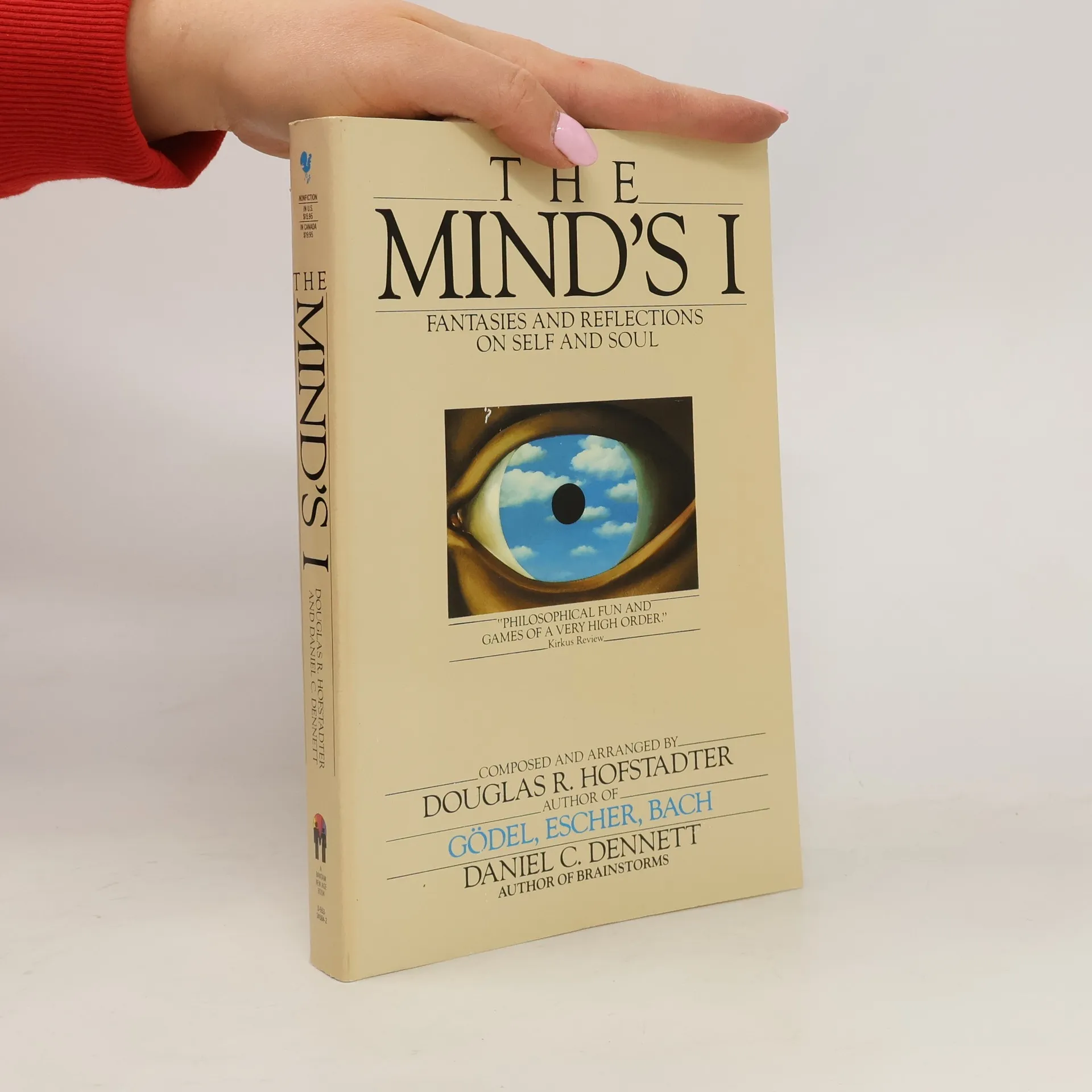
Brilliant, shattering, mind-jolting,The Mind's Iis a searching, probing nook--a cosmic journey of the mind--that goes deeply into the problem of self and self-consciousness as anything written in our time. From verbalizing chimpanzees to scientific speculations involving machines with souls, from the mesmerizing, maze-like fiction of Borges to the tantalizing, dreamlike fiction of Lem and Princess Ineffable, her circuits glowing read and gold,The Mind's I opens the mind to the Black Box of fantasy, to the windfalls of reflection, to new dimensions of exciting possibilities.