At Large
- 315bladzijden
- 12 uur lezen
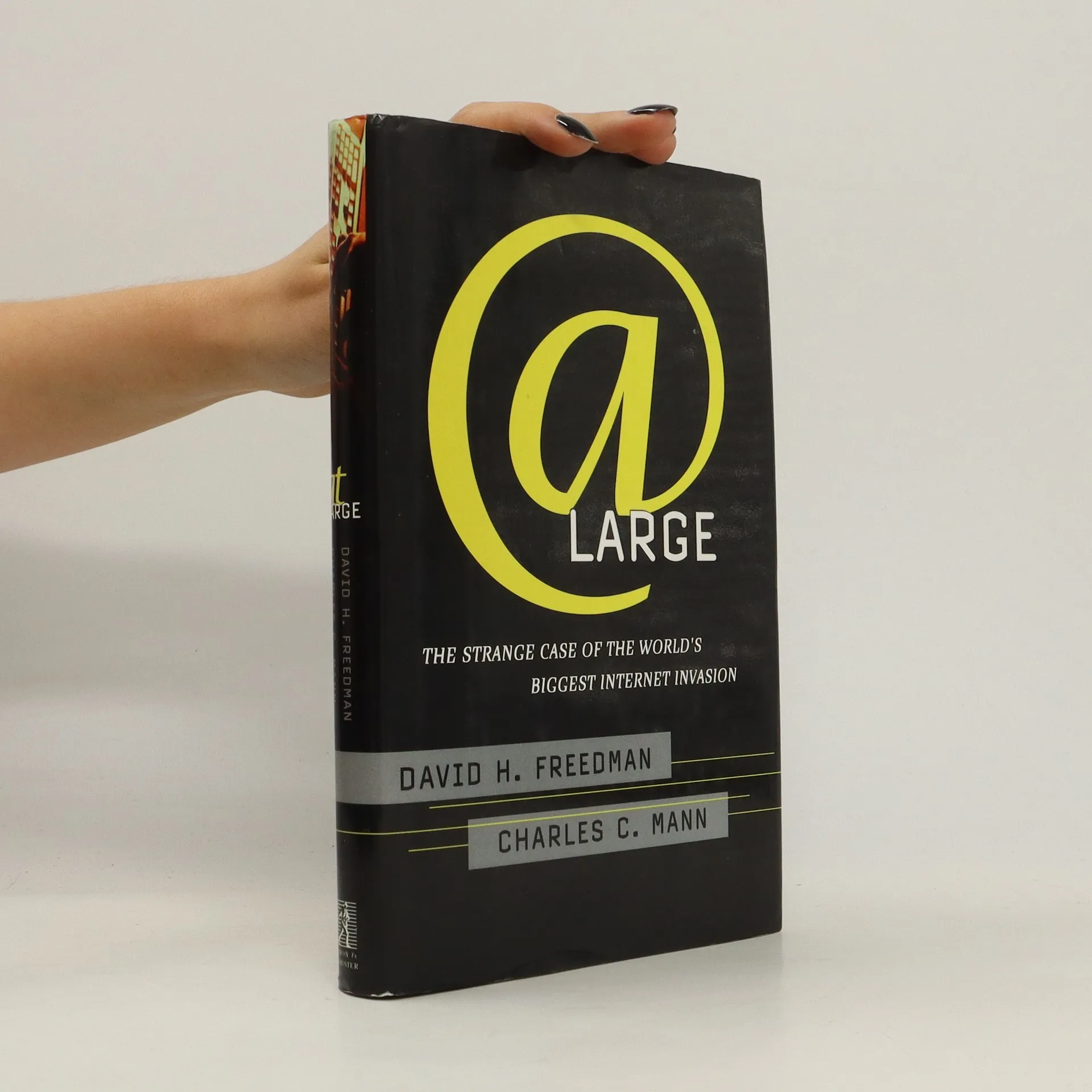
Describes how one computer hacker was able to access hundreds of business and government files and explains why the Internet is becoming less secure



Describes how one computer hacker was able to access hundreds of business and government files and explains why the Internet is becoming less secure
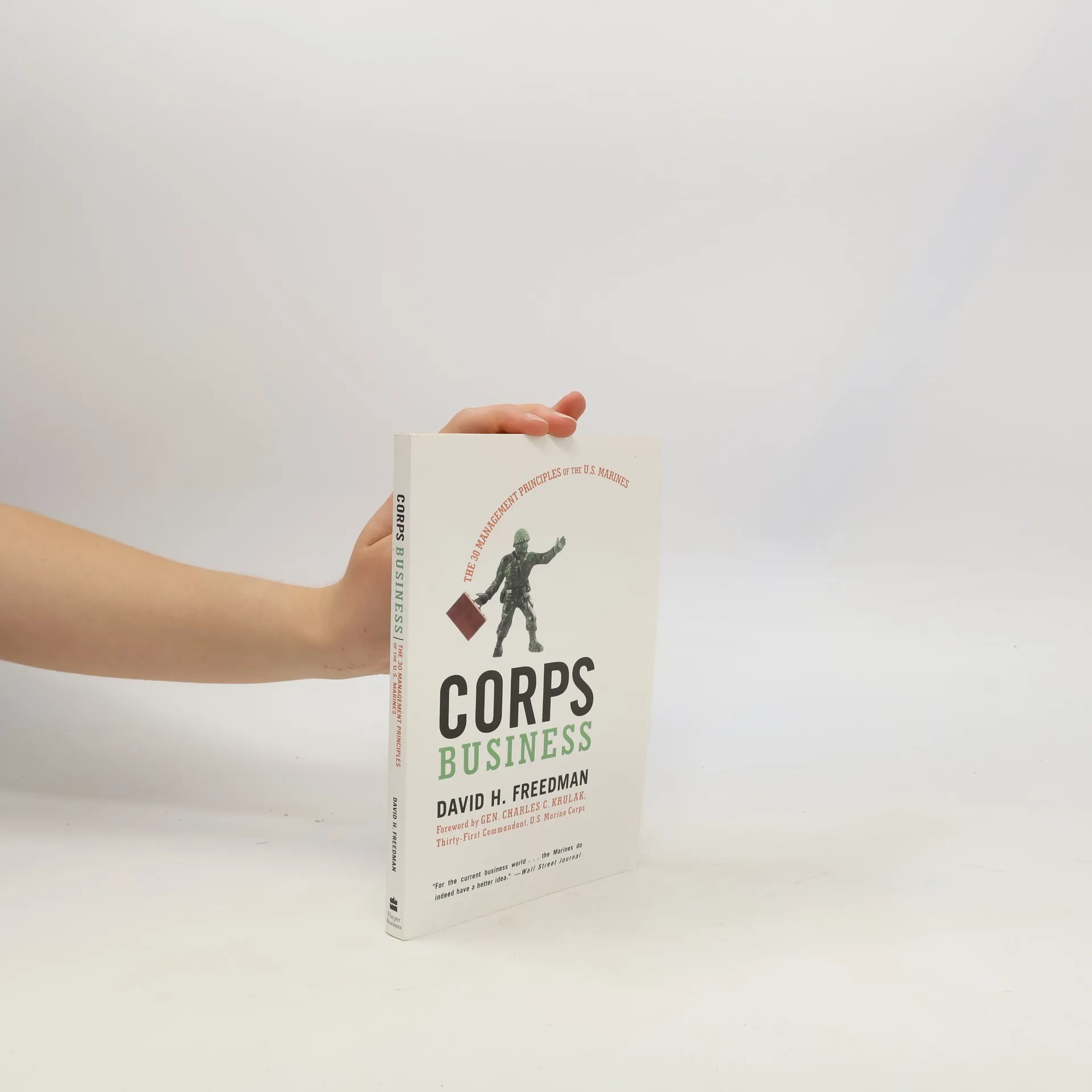
Fast. Motivated. Hard-hitting. That's what every business wants to be. And that's why the U.S. Marines excel in every mission American throws at them, no matter how tough the odds. In Corps Business , journalist David H. Freeman identifies the Marine's simple but devastatingly effective principles for managing people and resources -- and ultimately winning. Freedman discusses such techniques as "the rule of three," "managing by end state," and the "70% solution," to show how they can be applied to business solutions.
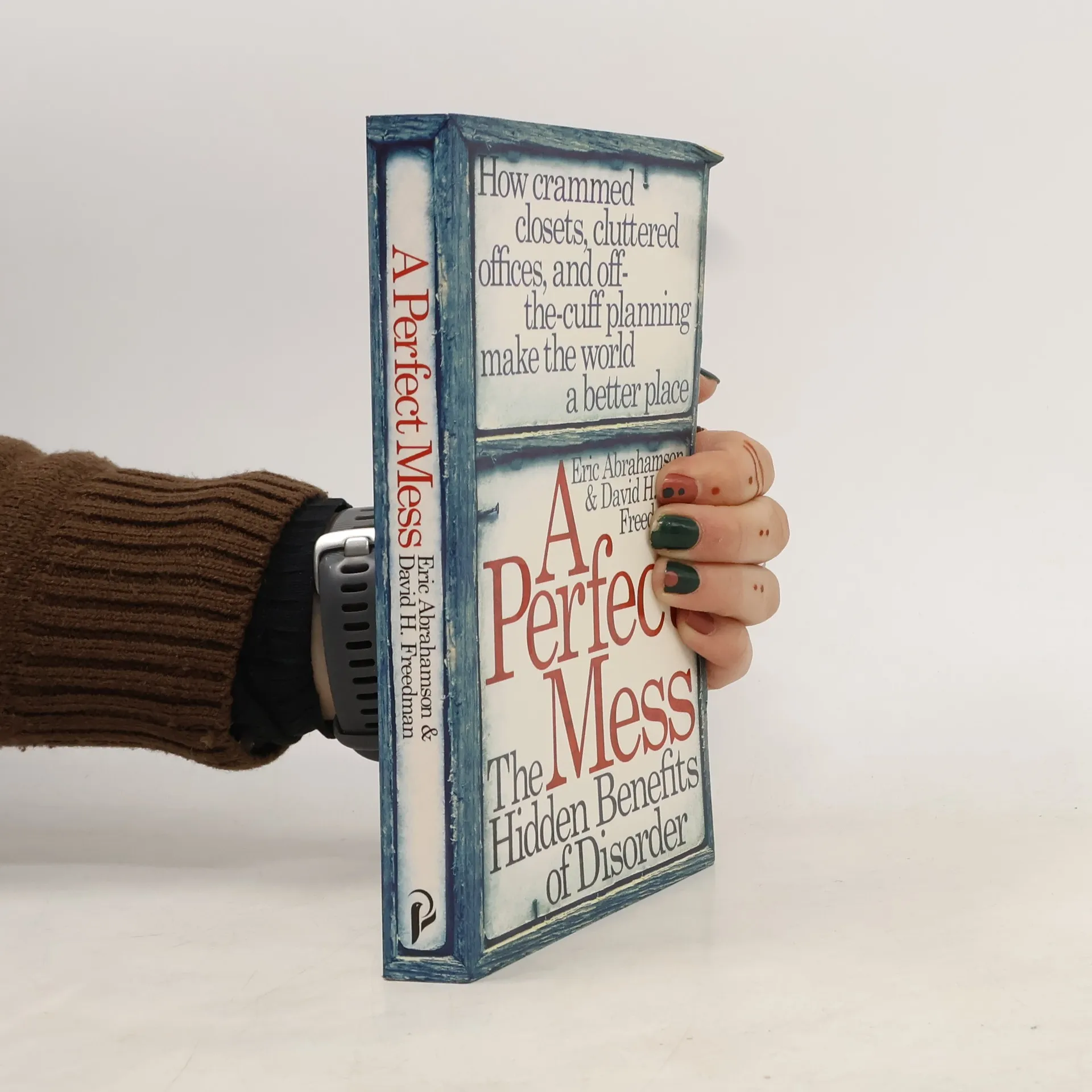
Ever since Einstein's study of Brownian motion, scientists have understood that a little disorder can actually make systems more effective. But most people still shun disorder-or suffer guilt over the mess they can't avoid. No longer! With a spectacular array of true stories and case studies of the hidden benefits of mess, A PERFECT MESS overturns the accepted wisdom that tight schedules, organization, neatness, and consistency are the keys to success. Drawing on examples from business, parenting, cooking, the war on terrorism, retail, and even the meteoric career of Arnold Schwarzenegger, coauthors Abrahamson and Freedman demonstrate that moderately messy systems use resources more efficiently, yield better solutions, and are harder to break than neat ones. Applying this idea on scales both large (government, society) and small (desktops, garages), A PERFECT MESS uncovers all the ways messiness can trump neatness, and will help you assess the right amount of disorder for any system. Whether it's your company's management plan or your hallway closet that bedevils you, this book will show you why to say yes to mess.
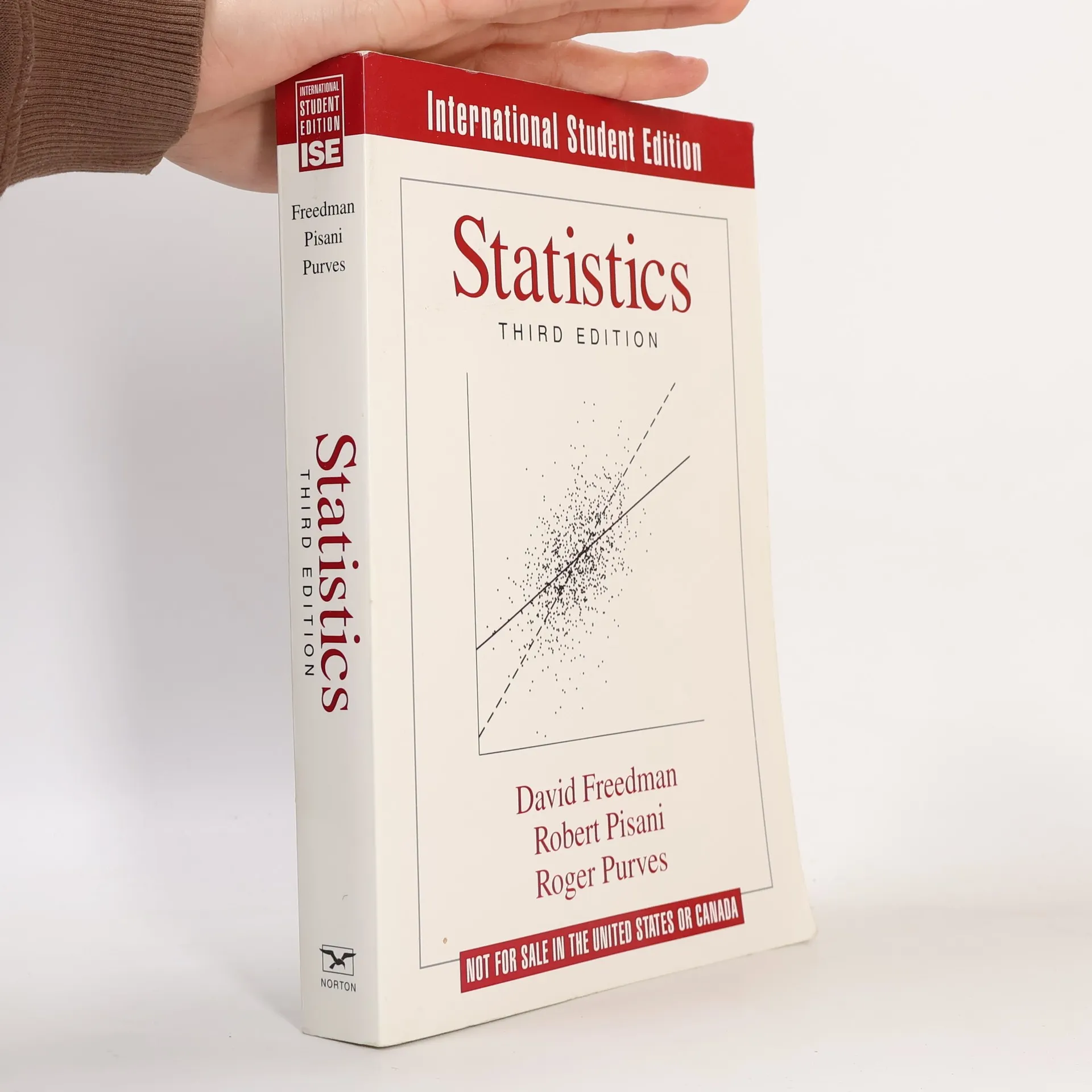
This book emphasizes foundational concepts through practical, real-world examples and data, making complex ideas accessible without delving into advanced mathematics. It's designed for readers seeking to understand essential principles in a straightforward manner.
An eye-opening exploration of why experts are constantly misleading us-and what we can do about it.
Die Autoren zeigen, dass übermäßige Ordnung in Alltag und Arbeit oft mehr kostet als sie nützt. Durch Beispiele aus verschiedenen Bereichen belegen sie, dass Mut zur Unordnung zu mehr Effizienz, Kreativität und Erfolg führen kann. Ordnung kann Zeit, Energie und Geld verschwenden.
Experten-Irrtümer sind nicht die Ausnahme, sondern die Regel. Hintergründe zu einem System, das falsche Aussagen belohnt. „Wenn die Welt zugrunde geht, so wird dies nicht wegen ihrer Verrückten geschehen, sondern wegen der Vernunft ihrer Experten“, sagte John le Carré. Experten rieten Generationen von Müttern, ihre Kinder schreien zu lassen, bis diese heiser und verzweifelt aufgaben. Experten machten Firmenchefs weis, dass Outsourcing profitabel sei und trieben Tausende ins berufliche Abseits. Experten stellten „zweifelsfrei“ fest, dass Saddam Hussein über Massenvernichtungswaffen verfüge und leiteten so den Irakkrieg ein. „Irren ist menschlich“, werden manche beschwichtigend einwenden. Es sind aber gerade die Fachleute aller Couleur, die überproportional häufig Irrtümer verbreiten, weiß David H. Freedman. Die Selbstüberschätzung der Kompetenzträger sowie die Käuflichkeit und Manipulierbarkeit von „Wahrheit“ sind Systemfehler, die dafür sorgen, dass falsche Expertisen eher die Regel als die Ausnahme sind. Leichtgläubigkeit und Autoritätshörigkeit der Beratenen machen das Chaos perfekt. Die unumstößliche Wahrheit von gestern ist stets der offensichtliche Irrtum von morgen.