Norbert Wiener-A Life in Cybernetics
- 526bladzijden
- 19 uur lezen
Norbert Wiener's celebrated autobiography, available for the first time in one volume. číst celé





Norbert Wiener's celebrated autobiography, available for the first time in one volume. číst celé
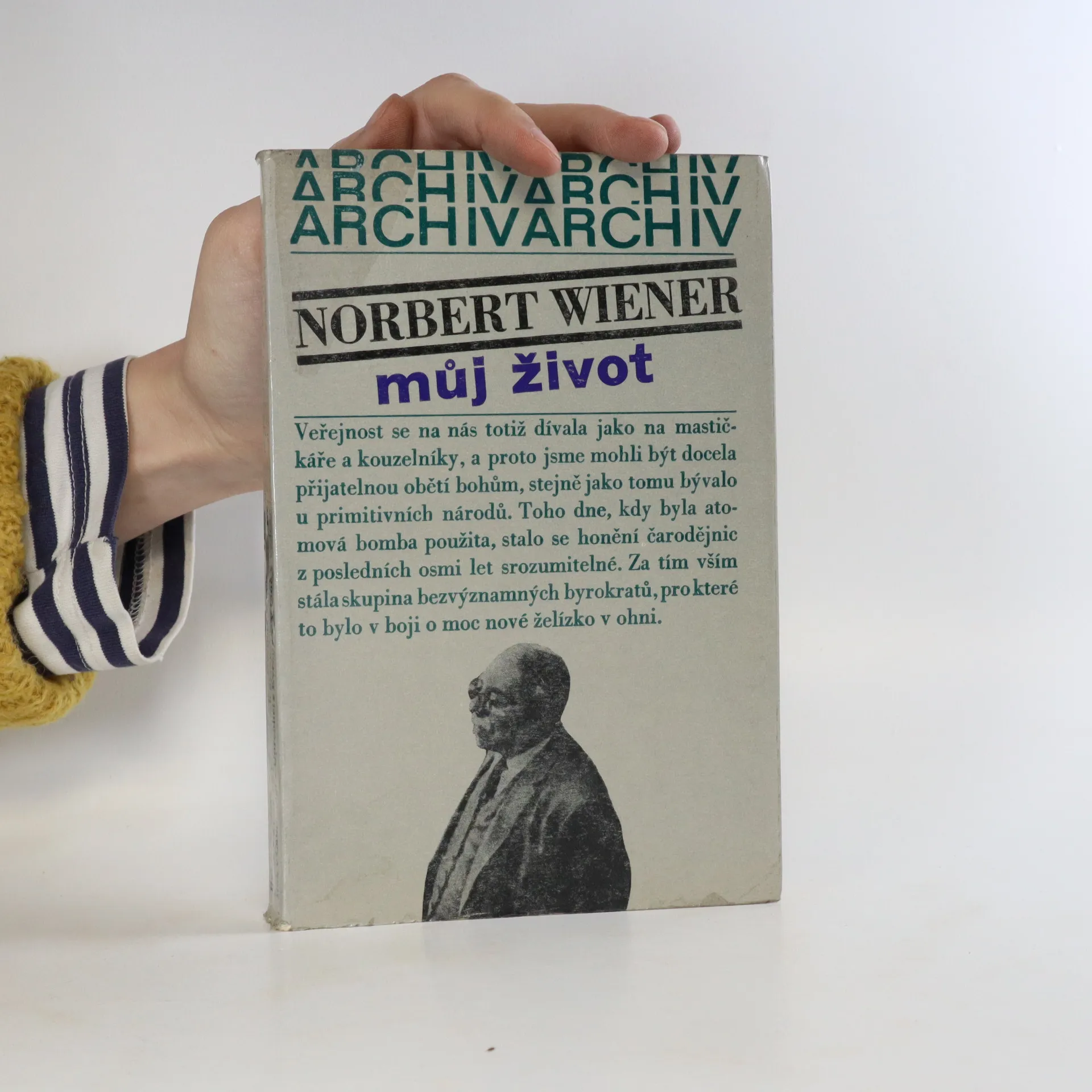
Věhlasný matematik, zakladatel kybernetiky, bilancuje svou vědeckou kariéru od r. 1919 až k první polovině padesátých let. Navazuje tak na prvý autobiografický svazek „Byl jsem zázračné dítě“. Líčí vnější životní události i svůj myšlenkový vývoj a srozumitelným způsobem se zmiňuje o základních principech, které jsou obsaženy v jeho objevných pracích. Zároveň také vyslovuje své mínění o moderní vědě a o postavení vědce v současném světě, o jeho morální situaci a odpovědnosti.
In the 1964 book God & Golem, Inc.: A Comment on Certain Points Where Cybernetics Impinges on Religion, Norbert Wiener lays down his ideas on machine learning, machine reproduction, and the place of machines in society, against a backdrop of religious references. The provocative title sums up the confrontation of technical, mathematical, and imaginative boldness with cultural prejudice. He mentions concerns such as sensory feedback in artificial limbs, the problems of human responsibility in relation to technology, the limits of machine game-playing, Darwinism, Marxism, the Cold War, the rigidity of ideological thinking, and a critique of economy as a science. In the conclusion, he shifts the burden of ethics to politics, away from religion.
Oficiální anotace: „A. Kolman v předmluvě analyzuje stanovisko zakladatele kybernetiky, v ideologické oblasti poplatné idealismu, v politické imperialismu. Usnadňuje nám, abychom pochopili Wienerovu rozpolcenost, vlastní maloburžoaznímu inteligentu. Tato rozpolcenost proniká do všech kapitol knihy,pojednávajících o dějinách kybernetiky, pokroku a entropii, dvou způsobech komunikativního chování, o mechanismu a dějinách jazyka apod. České vydání bylo rozšířeno o dvě stati.“
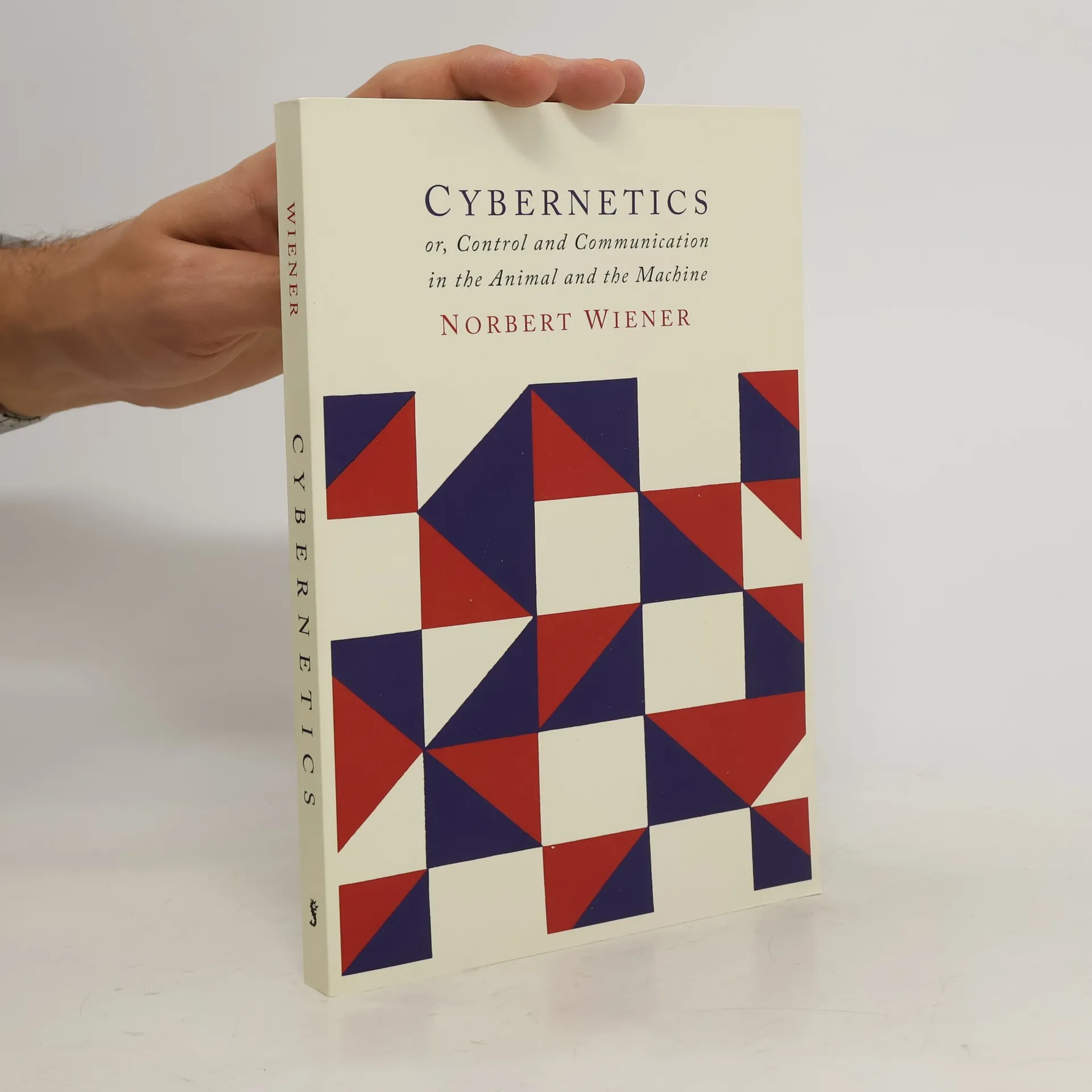
2013 Reprint of 1961 Second Edition. Full facsimile of the original edition, not reproduced with Optical Recognition Software. Acclaimed one of the "seminal books... comparable in ultimate importance to... Galileo or Malthus or Rousseau or Mill," "Cybernetics" was judged by twenty-seven historians, economists, educators, and philosophers to be one of those books published during the "past four decades," which may have a substantial impact on public thought and action in the years ahead." -- Saturday Review. Cybernetics was defined in the mid 20th century by Norbert Wiener as "the scientific study of control and communication in the animal and the machine." Fields of study which have influenced or been influenced by cybernetics include game theory, system theory (a mathematical counterpart to cybernetics), perceptual control theory, sociology, psychology (especially neuropsychology, behavioral psychology, cognitive psychology), philosophy, architecture, and organizational theory. Contents: Part one: original edition - Newtonian and Bergsonian time - Groups and statistical mechanics - Time series, information, and communication - Feedback and oscillation - Computing machines and nervous system - Gestalt and universals - Cybernetics and psychopathology - Information, language, and society - Part two: supplement chapters - On learning and self - reproducing machines - Brain waves and self - organizing systems.
Určeno věd. a techn. pracovníkům v nejrůznějších oborech lidské činnosti a studentům, kteří znají základy matem. analysy. Základní práce o kybernetice. Autor popisuje nejprve jak nová věda, jíž dal jméno kybernetika, vznikala. Hlavním obsahem knihy je velmi náročný výklad teoretických základů nové vědy, která v krátkém čase vedla k dalekosáhlým výsledkům v oblasti elektronických automatů a zasahuje do mnoha dalších oborů praxe i výzkumu. Předmluvu k českému vydáni napsal Karel Winkelbauer.
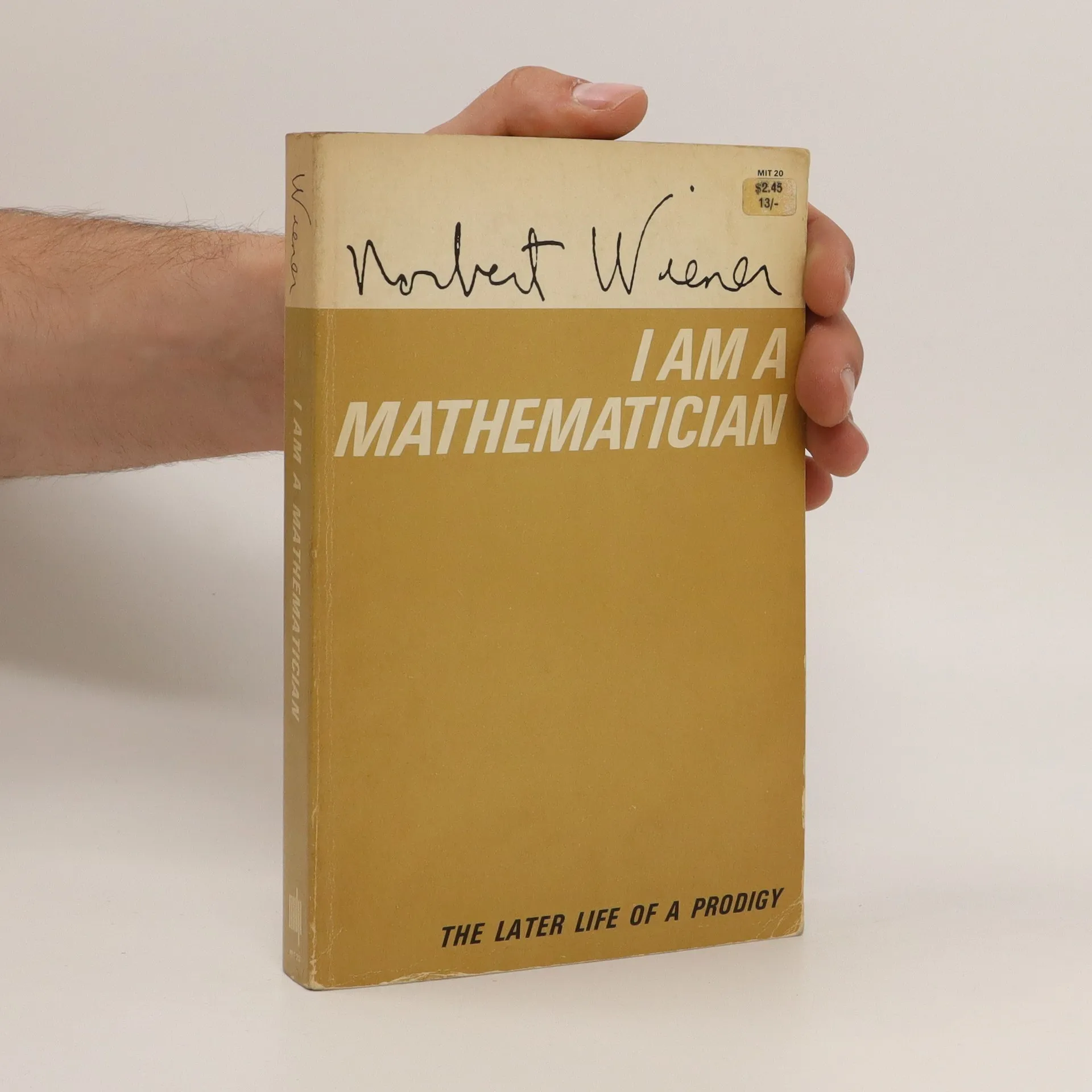
Only a few books stand as landmarks in social and scientific upheaval. Norbert Wiener's classic is one in that small company. Founder of the science of cybernetics—the study of the relationship between computers and the human nervous system—Wiener was widely misunderstood as one who advocated the automation of human life. As this book reveals, his vision was much more complex and interesting. He hoped that machines would release people from relentless and repetitive drudgery in order to achieve more creative pursuits. At the same time he realized the danger of dehumanizing and displacement. His book examines the implications of cybernetics for education, law, language, science, technology, as he anticipates the enormous impact—in effect, a third industrial revolution—that the computer has had on our lives.