Essays by historians such as Norman Davies, John Grigg and Redmond O'Hanlan tell the lives of subjects such as Isaiah Berlin, W.B. Yeats, Kim Philby, Margaret Thatcher and Bruce Chatwin.
Alistair Horne Boeken
Alistair Horne was een Engelse journalist, biograaf en historicus van Europa, met een bijzondere focus op het 19e- en 20e-eeuwse Frankrijk. Zijn geschriften verkenden een breed scala aan onderwerpen, waaronder reizen, geschiedenis en biografieën, waarbij hij zich vaak verdiepte in complexe historische gebeurtenissen en de menselijke impact daarvan. Horne stond bekend om zijn vermogen om gedetailleerd historisch onderzoek te verweven met een meeslepende vertelstijl, wat zijn boeken een onderscheidende stem gaf. Zijn werk biedt diepgaande inzichten in cruciale momenten van de Europese geschiedenis, waarbij hij de politieke en sociale krachten onderzoekt die het continent vormden en zich vaak richt op conflicten en hun gevolgen.


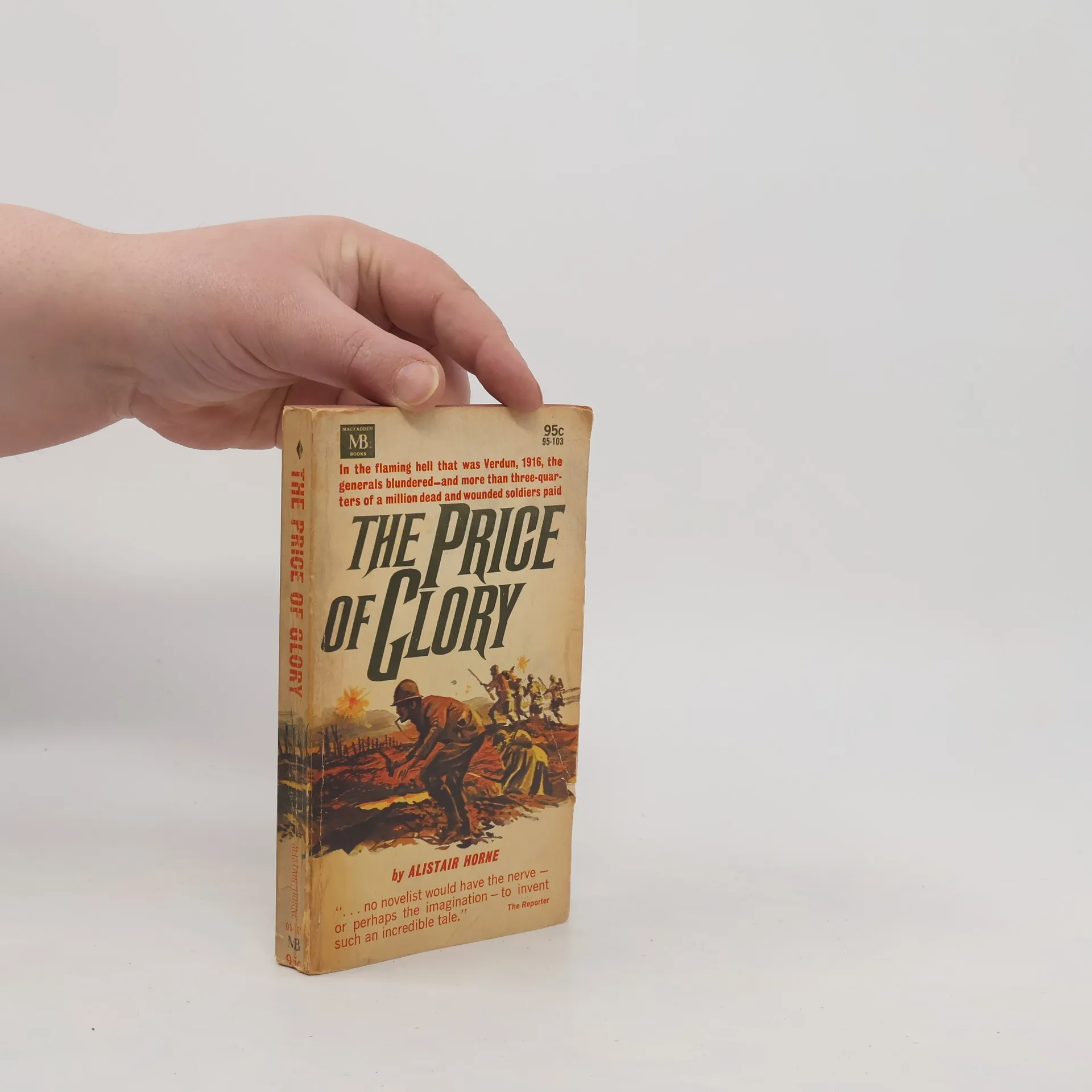

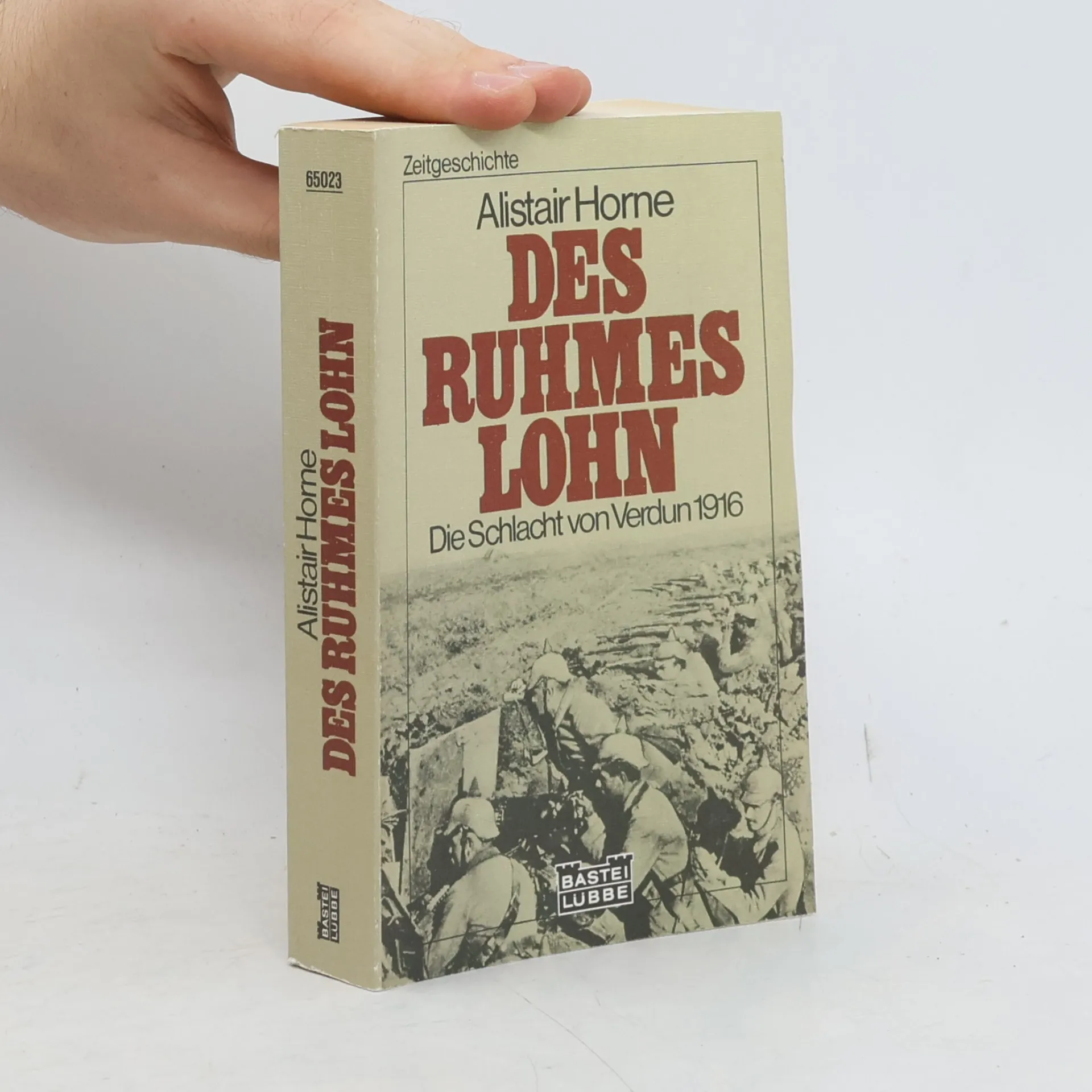
The battle of Verdun lasted ten months. It was a battle in which at least 700,000 men fell, along a front of fifteen miles. This book shows that Verdun is a key to understanding the First World War to the minds of those who waged it, the traditions that bound them and the world that gave them the opportunity.
Small Earthquake in Chile
New, Revised and Expanded Edition of the Classic Account of Allende's Chile
- 390bladzijden
- 14 uur lezen
Part history and current affairs, part travelogue, this is the story of a journey made by Alistair Horne and American politician/journalist, Bill Buckley through Colombia, Peru, Chile and Bolivia. They set off in September 1970, just after a Marxist government had come to power in a free election in Chile. The author's account has been updated with a further 10,000 words to include the only interview ever given to a Western journalist by Pinochet.
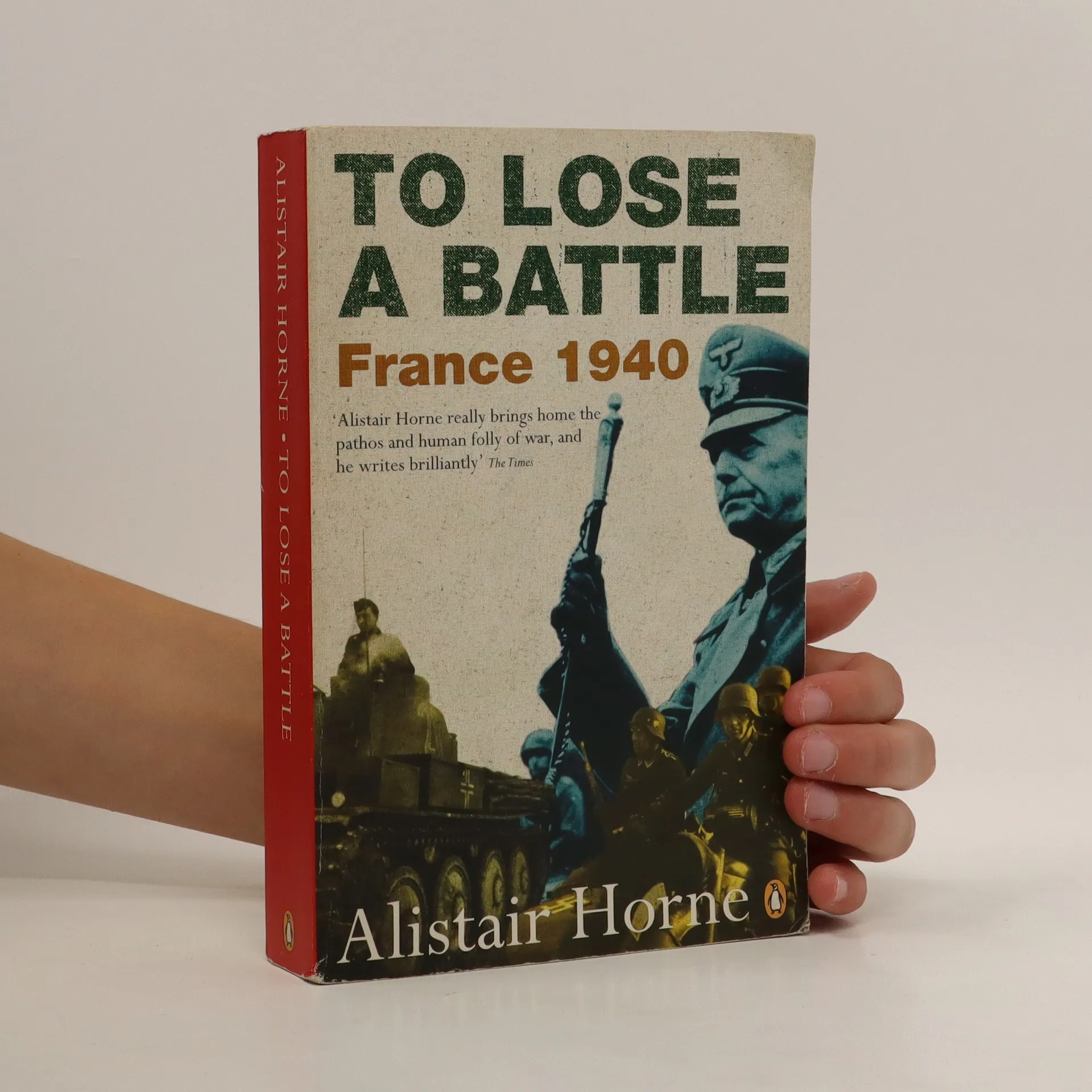
To Lose a Battle: France 1940
- 736bladzijden
- 26 uur lezen
In 1940, the German army fought and won an extraordinary battle with France in six weeks of lightning warfare. With the subtlety and compulsion of a novel, Horne�s narrative shifts from minor battlefield incidents to high military and political decisions, stepping far beyond the confines of military history to form a major contribution to our understanding of the crises of the Franco-German rivalry. To Lose a Battle is the third part of the trilogy beginning with The Fall of Paris and continuing with The Price of Glory (already available in Penguin).
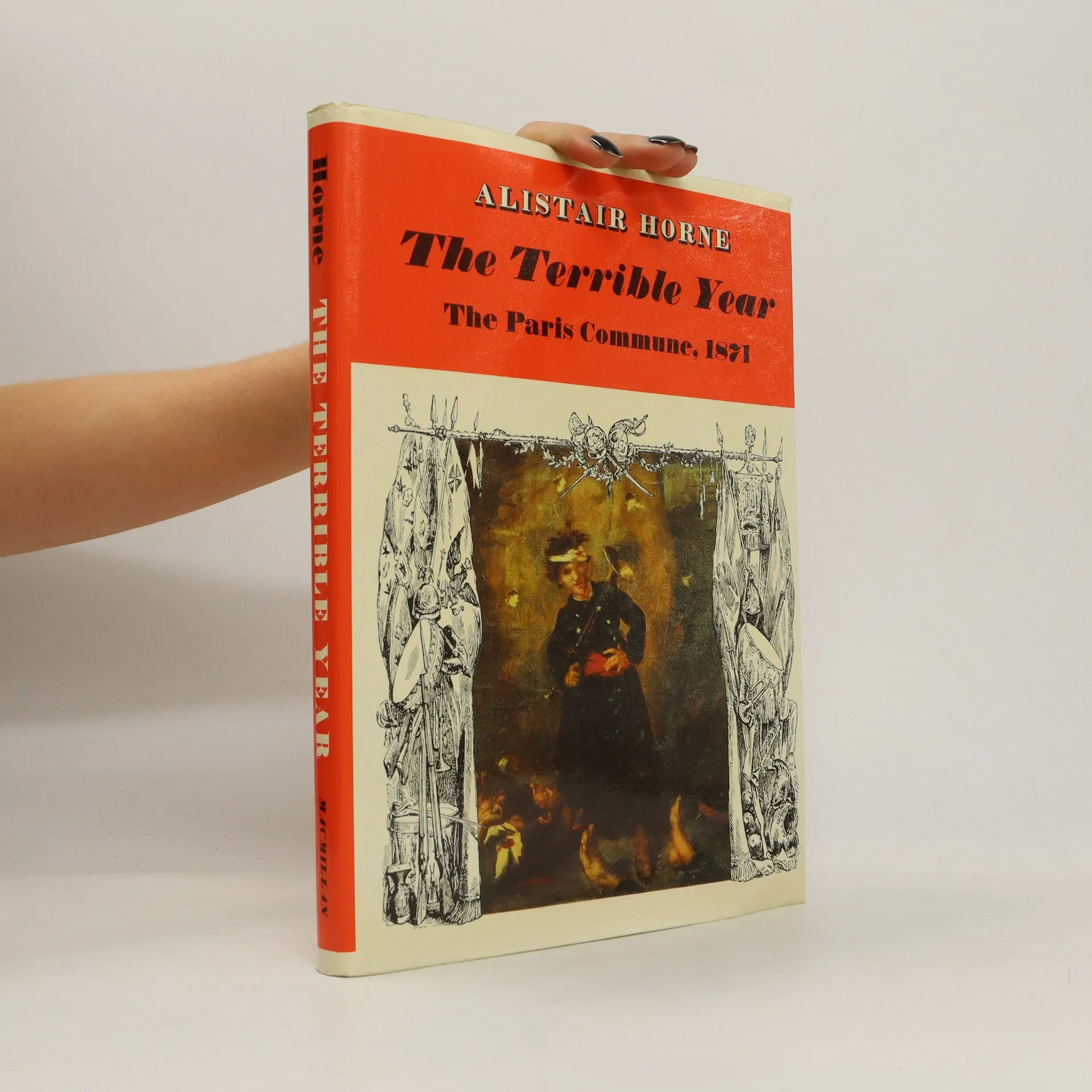
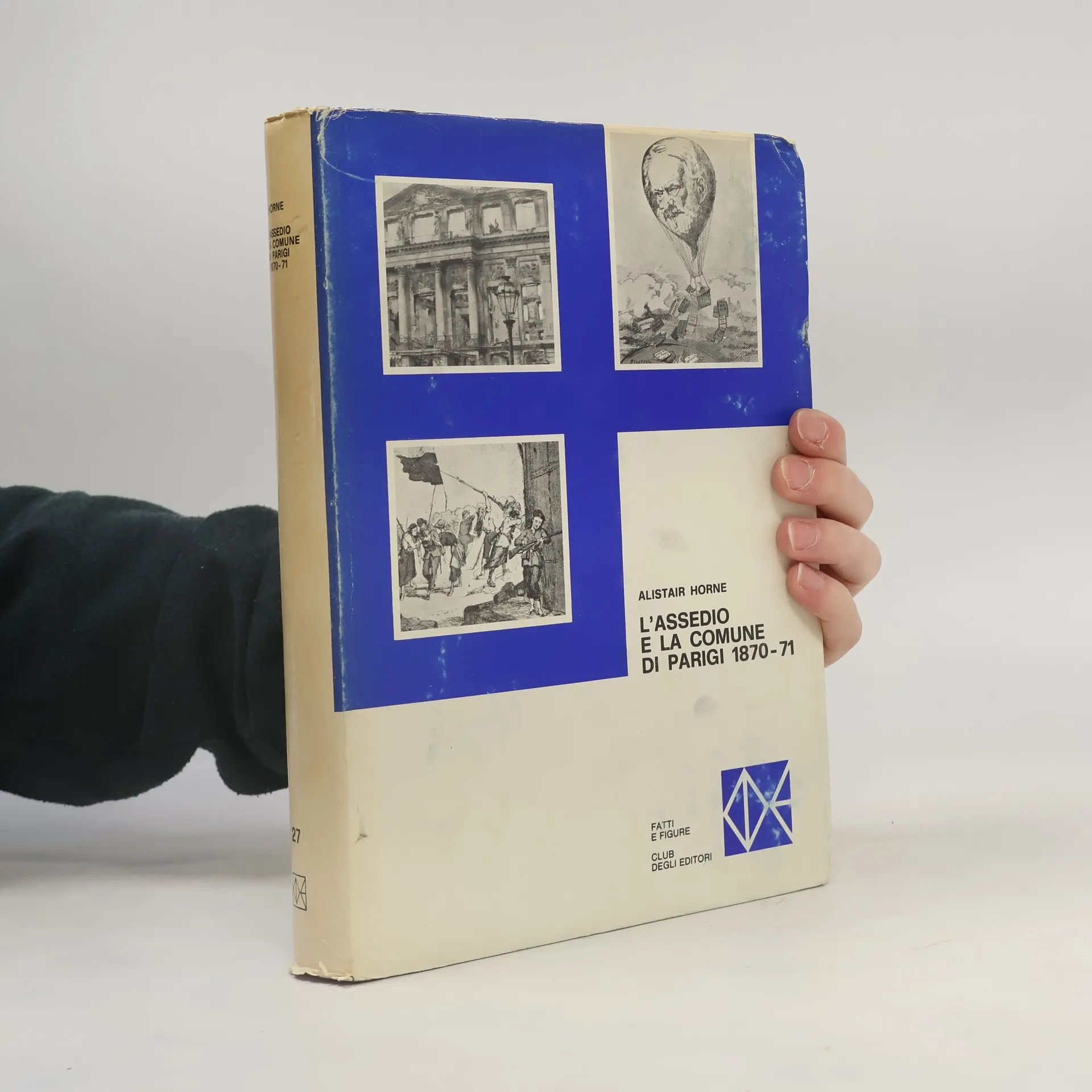
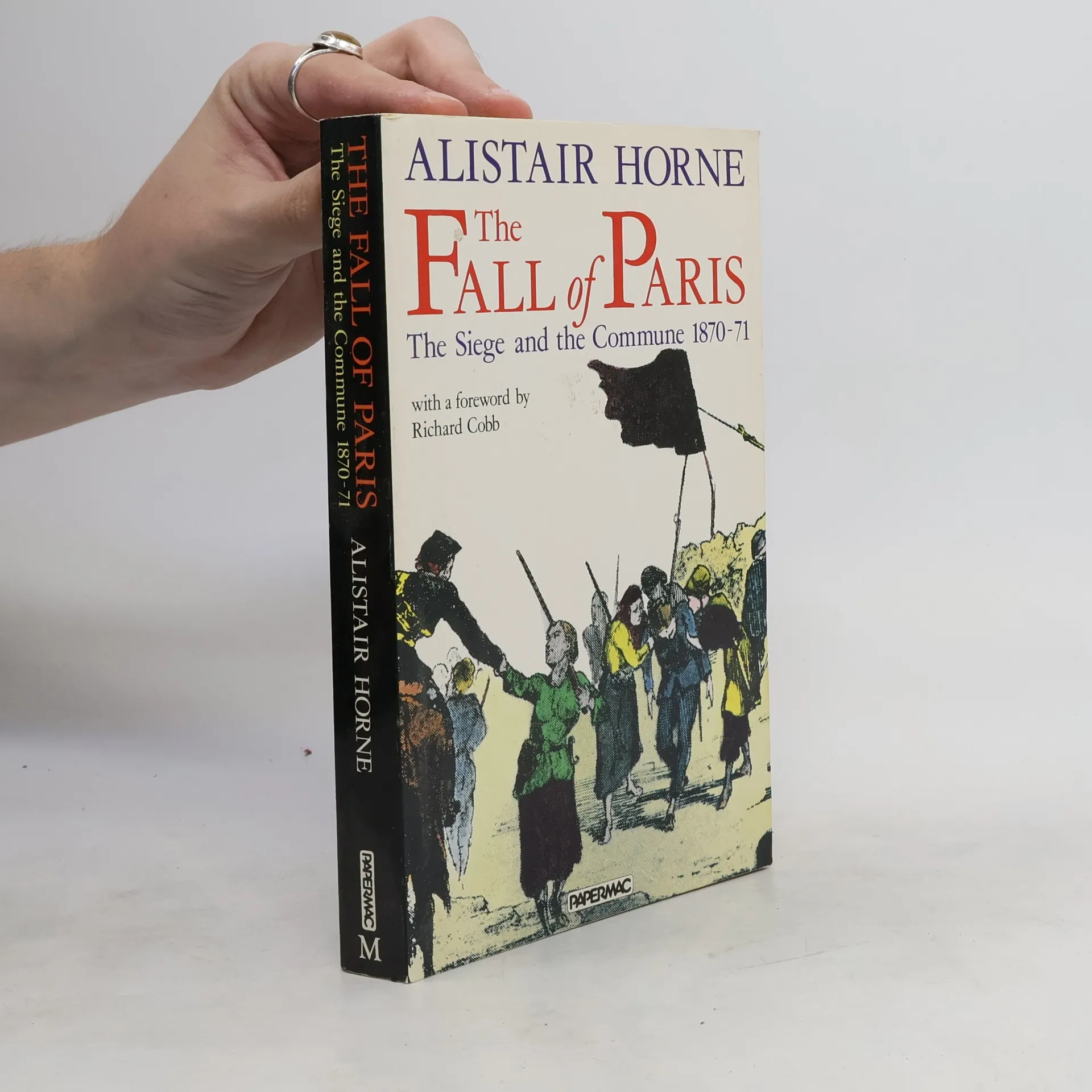
A portrayal of the most significant events in 19th-century France. It begins with the military operations from the beginning of the Siege, in September 1870, to the last resistance of the Commune during May Week 1871.
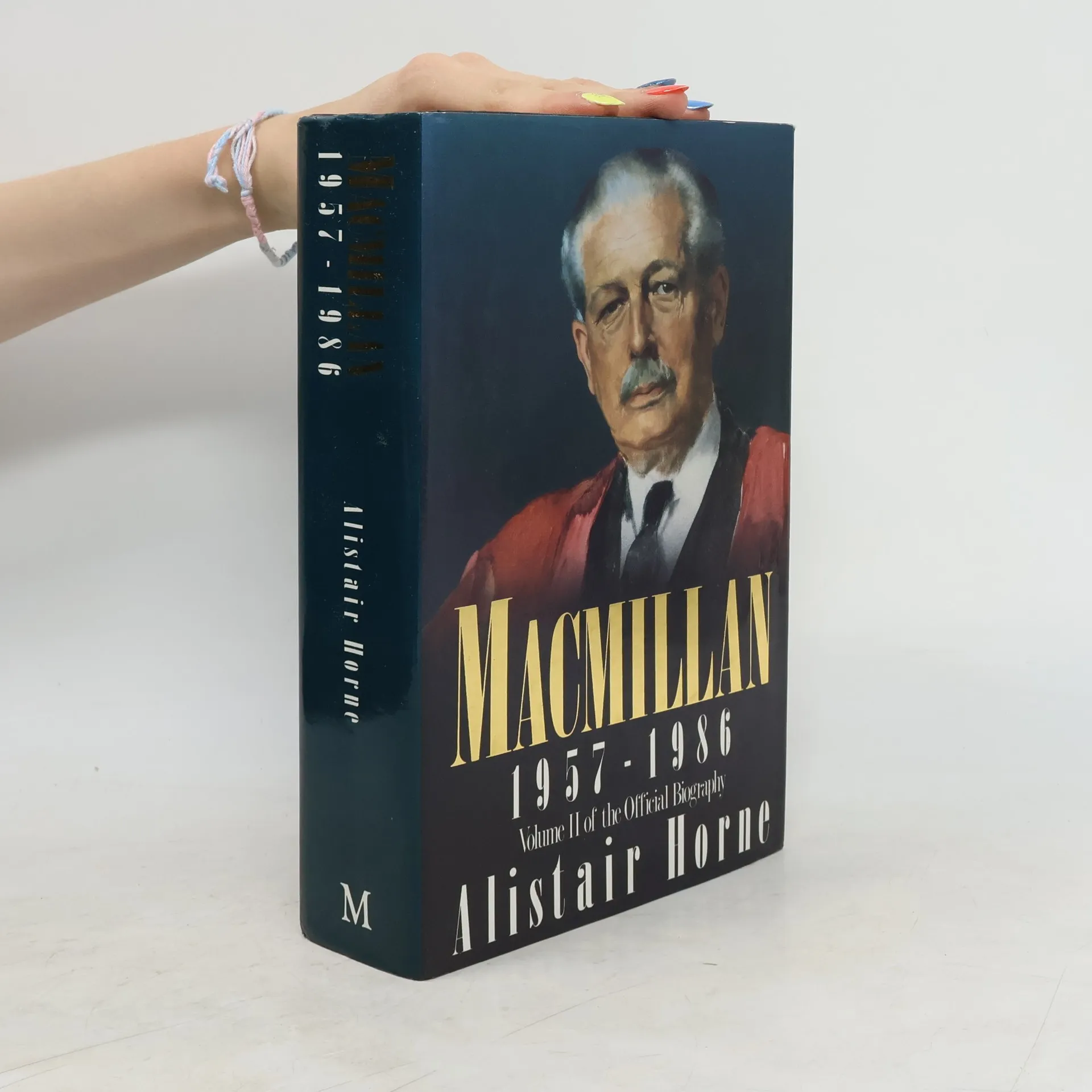
Uses diaries, interviews, and letters to trace the life of the British Prime Minister
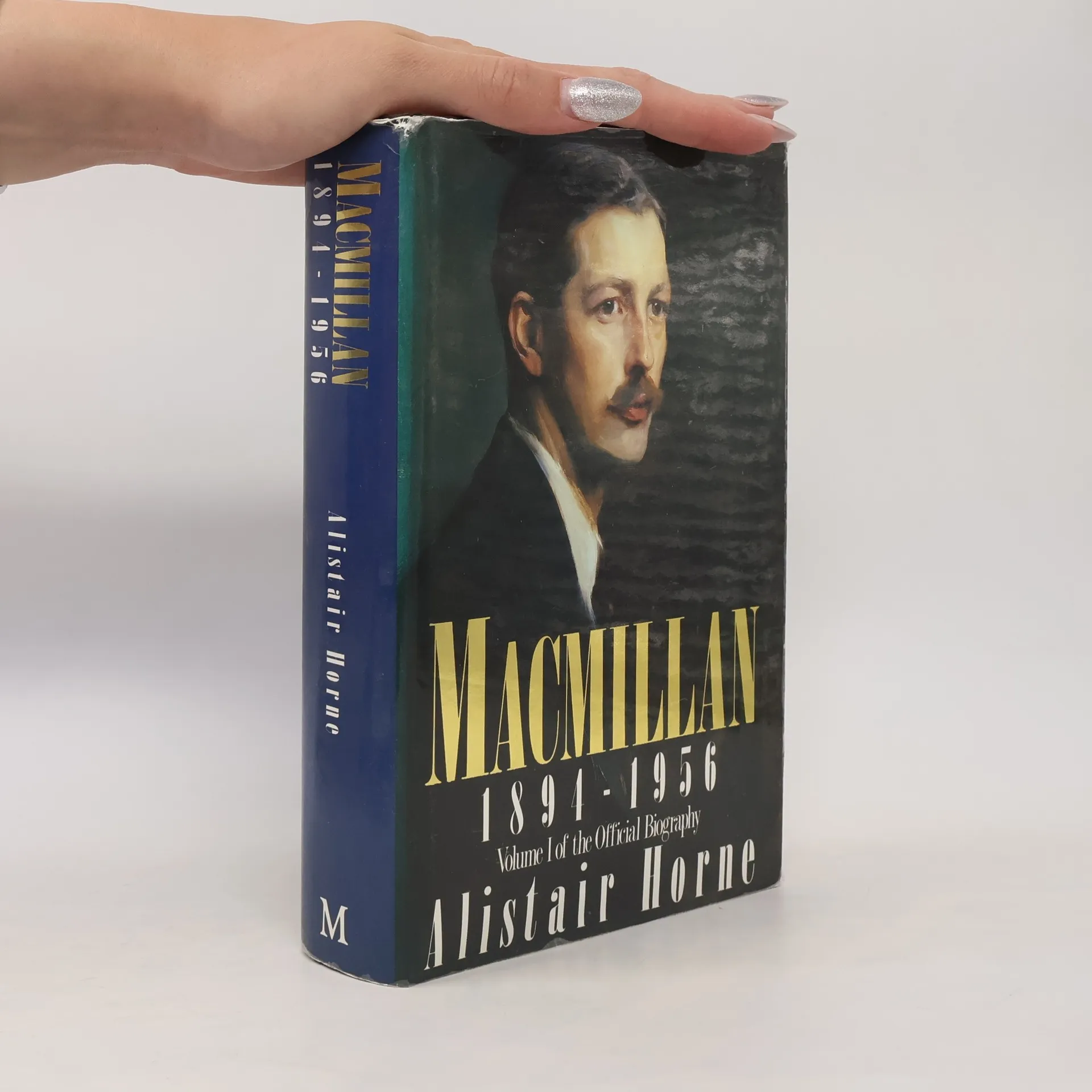
Uses diaries, interviews, and letters to trace the life of the British Prime Minister
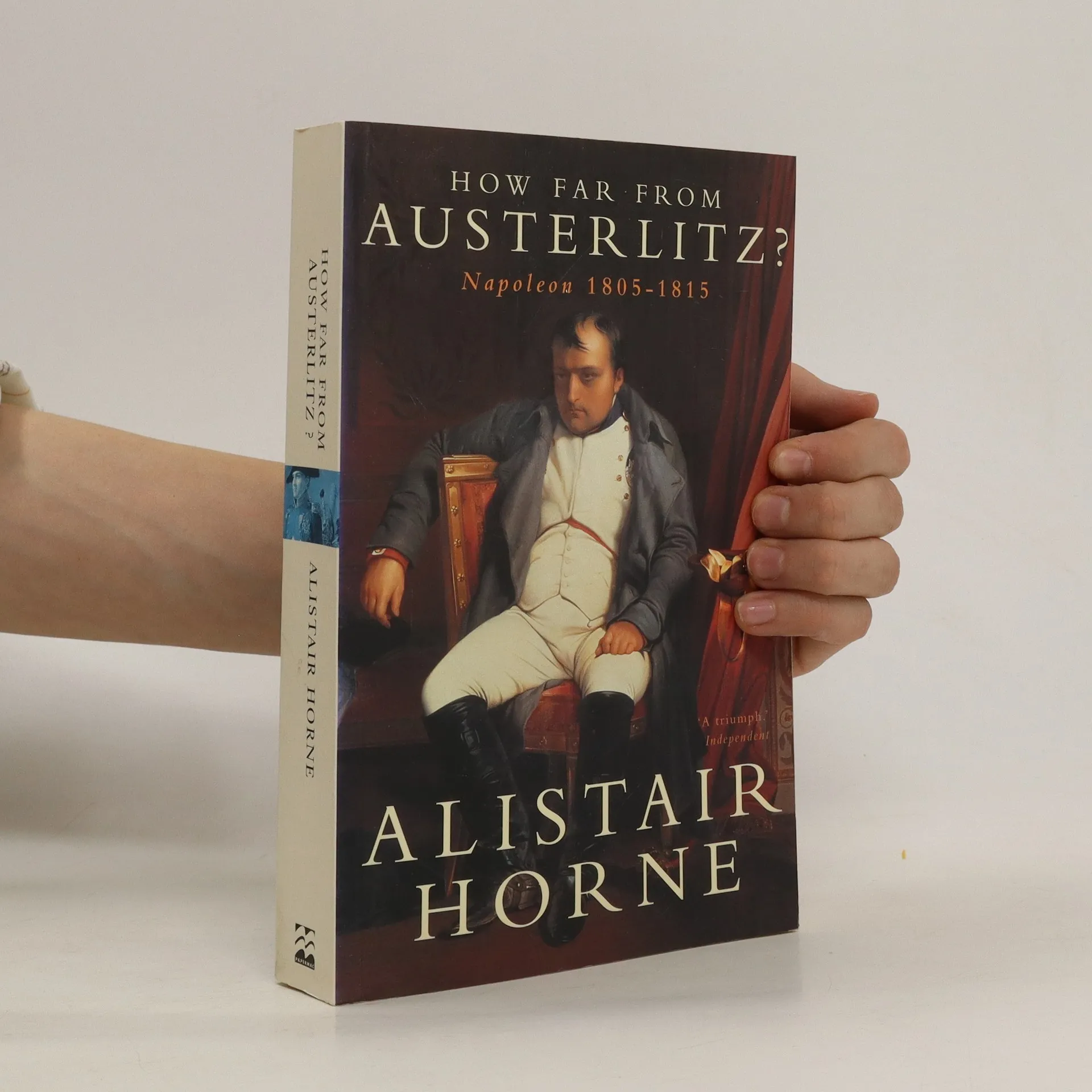
Austerlitz was Napoleon's greatest victory, but it was also the beginning of the end. The success blurred his tactical vision and although there were victories after it, the apogee had been reached and the process has begun which resulted in the 1812 Russian campaign and Waterloo, his last battle.
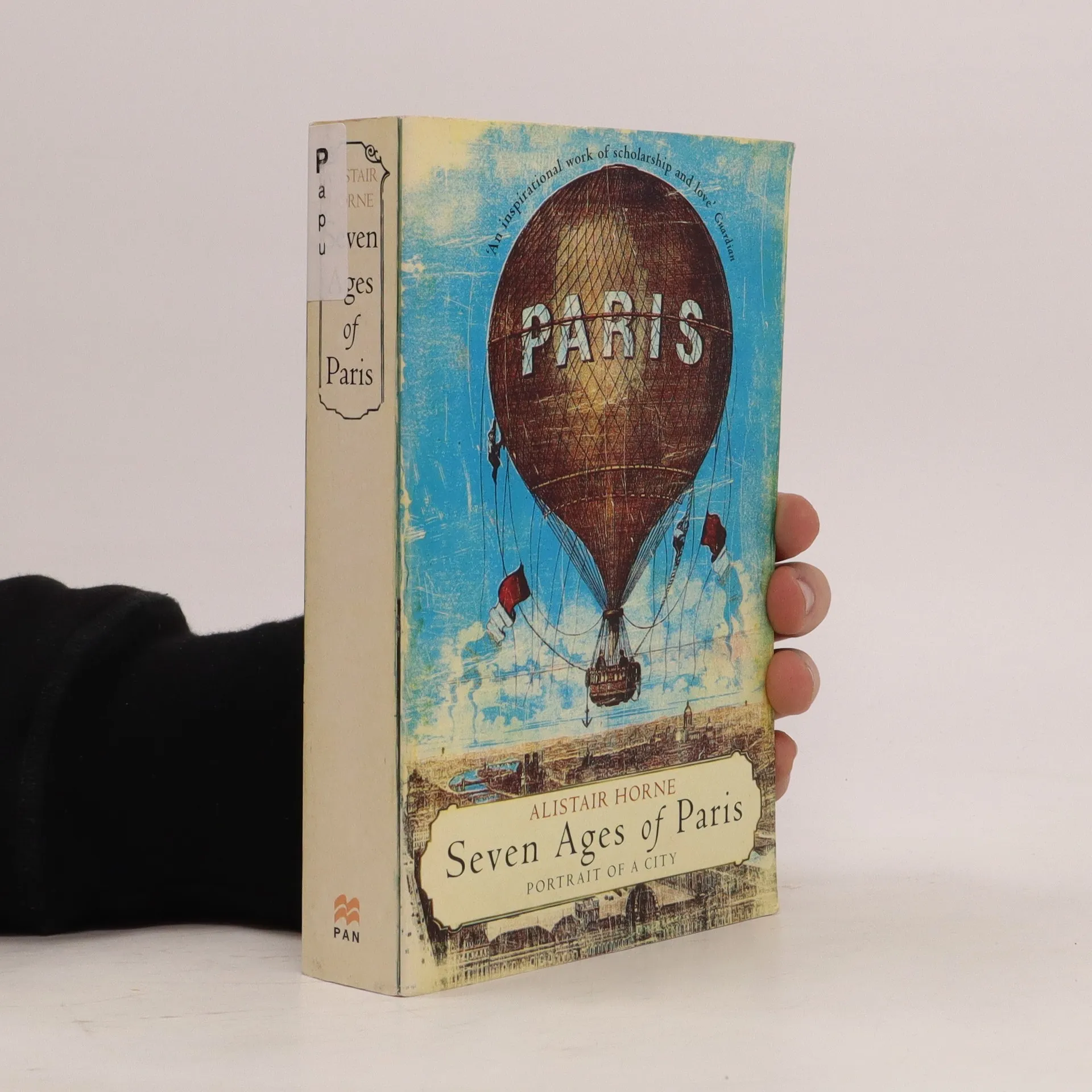
Seven Ages of Paris
- 400bladzijden
- 14 uur lezen
This volume divides the history of Paris into seven distinct ages, with a foreword taking in Julius Caesar to Philip-Augustus, the great rival of Richard the Lionheart, to an epilogue taking in France since 1968. Historical narrative is interwoven with revealing detail, social and cultural history.
La Belle France : a short history
- 485bladzijden
- 17 uur lezen
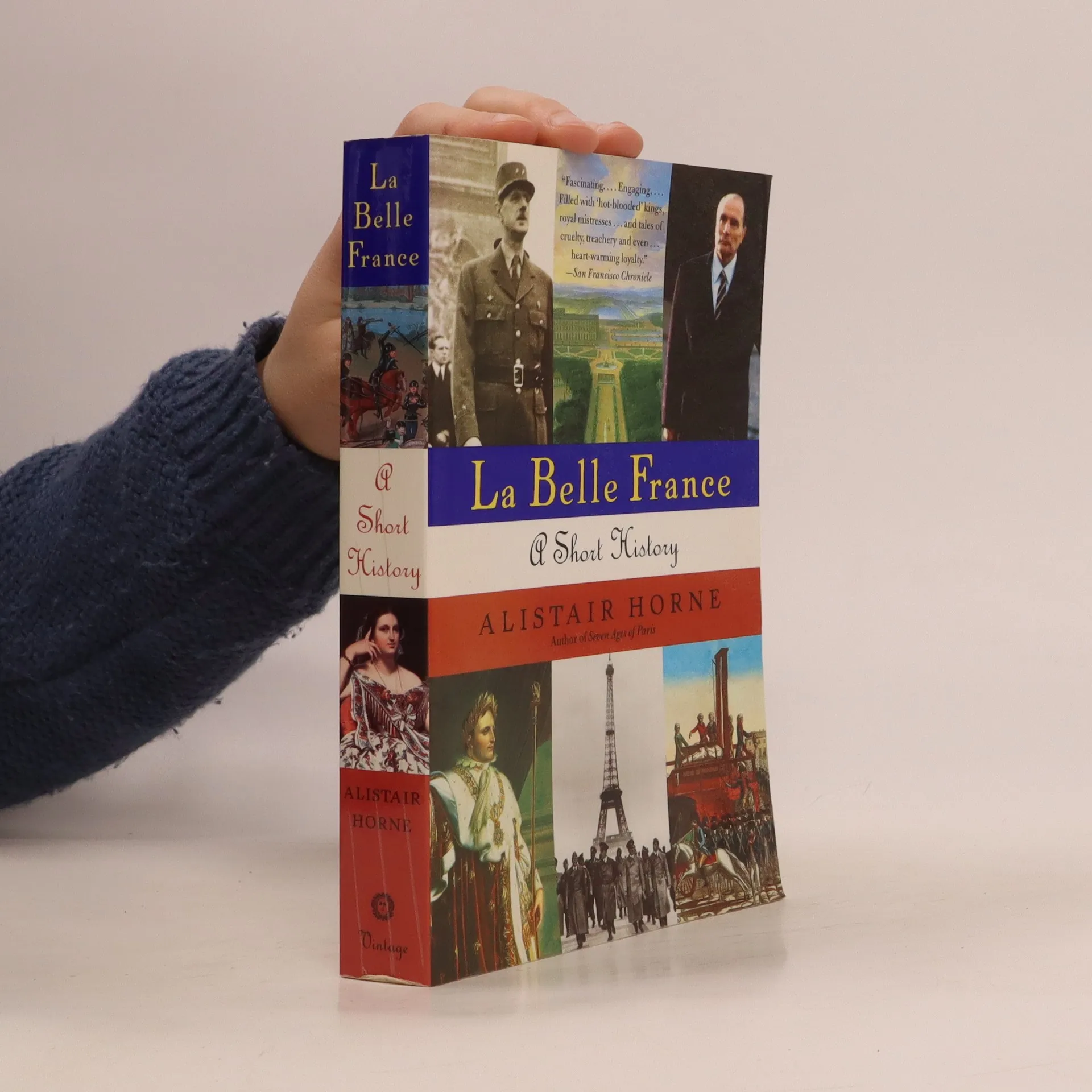
"A useful and charming introduction to a nation that has oh-so-definitely helped make the modern world what it is... Horne does a service in helping the reading navigate the complexities of French history." —Los Angeles Times From the aclaimed British historian and author of Seven Ages of Paris comes a sweeping, grand narrative written with all the verve, erudition, and vividness that are his hallmarks. It recounts the hugely absorbing story of the country that has contributed to the world so much talent, style, and political innovation. Beginning with Julius Caesar’s division of Gaul into three parts, Horne leads us through the ages from Charlemagne to Chirac, touring battlefields from the Hundred Years’ War to Indochina and Algeria, and giving us luminous portraits of the nation’s leaders, philosophers, writers, artists, and composers. This is a captivating, beautifully illustrated, and comprehensive yet concise history of France.
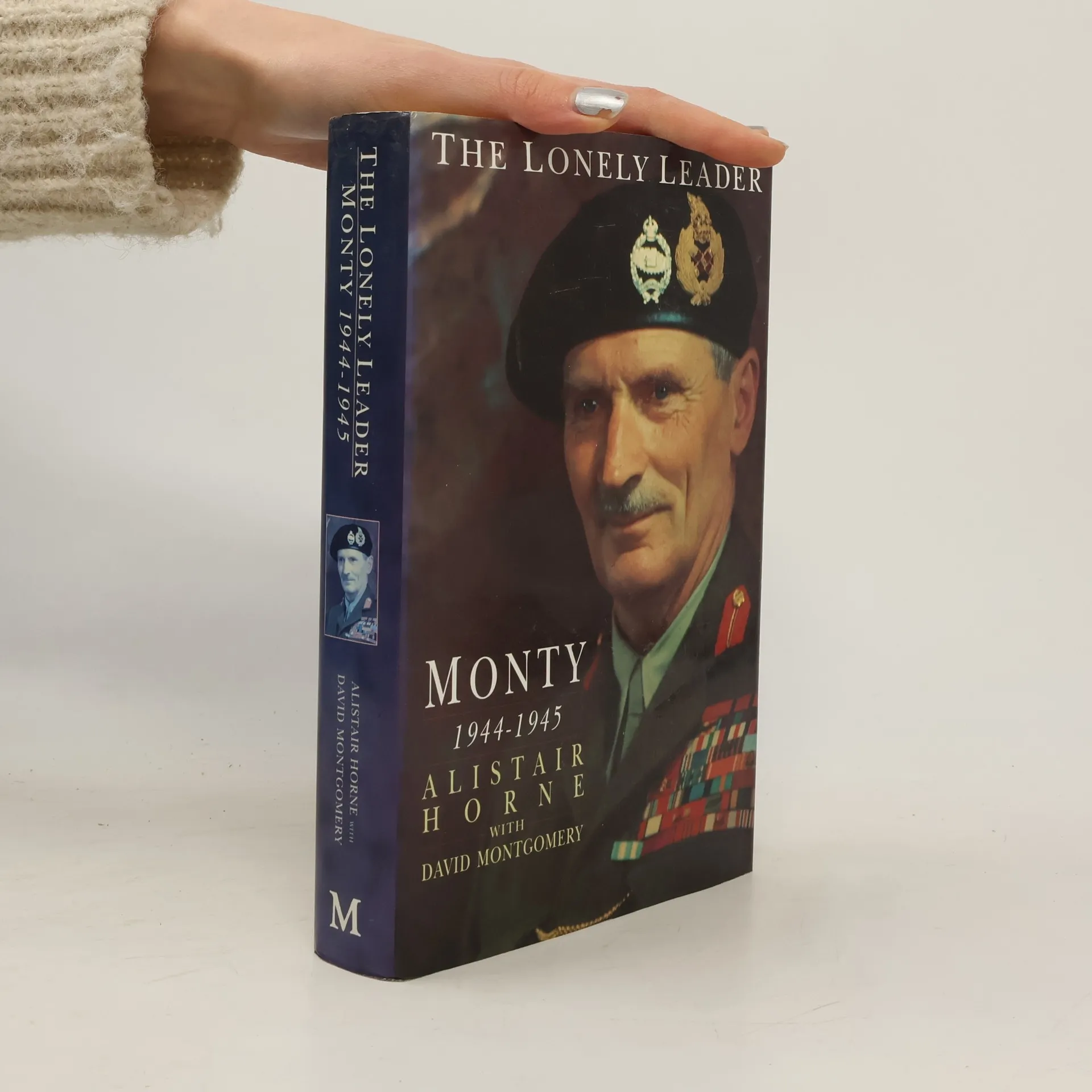
Skildrer Bernard Montgomery (1887-1976) som leder af den allierede offensiv fra D-dag i Frankrig til Tysklands kapitulation i Lüneburg
Napoleon a jeho doba
- 175bladzijden
- 7 uur lezen
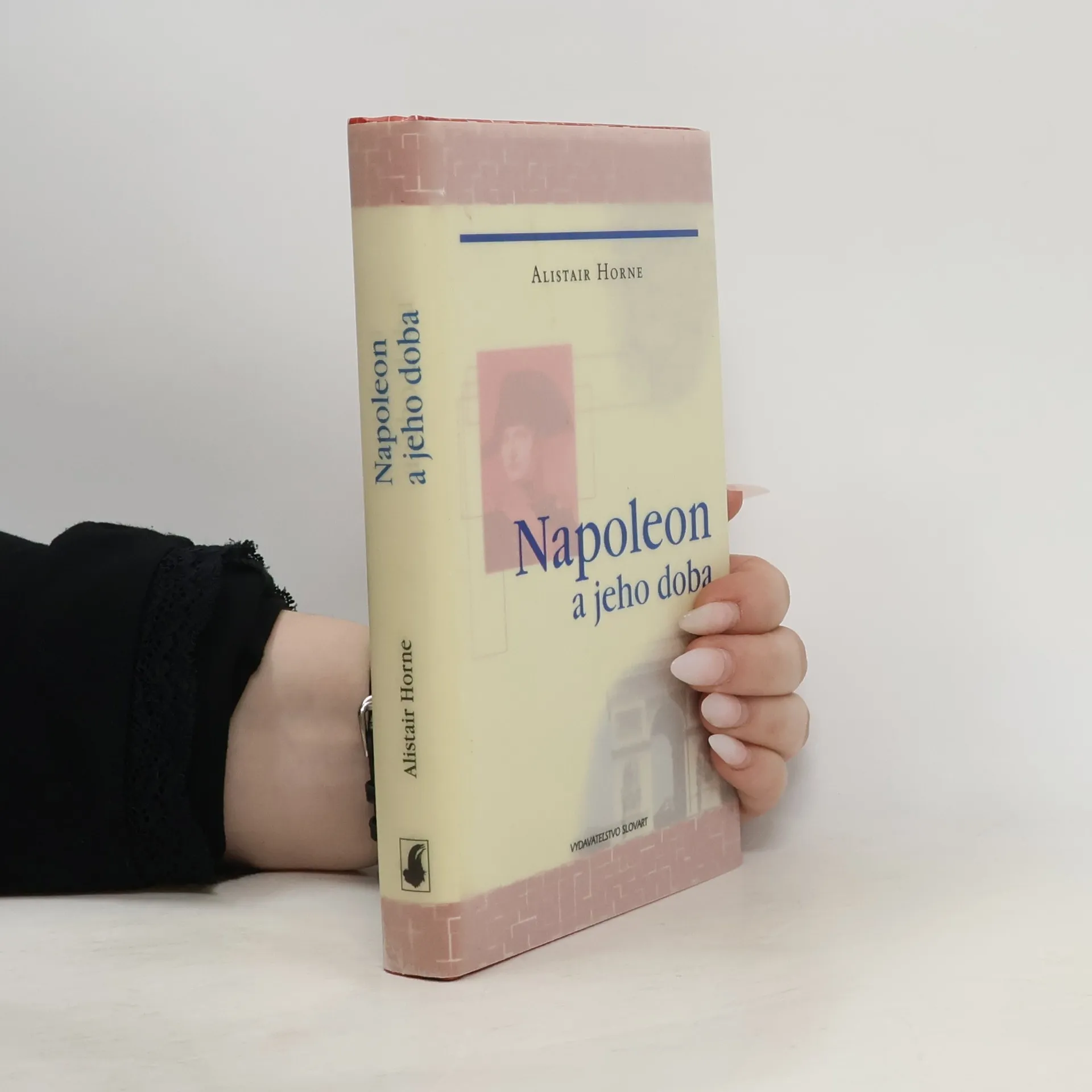
Alistair Horne, vynikajúci historik a životopisec, podáva vo svojej knihe mimoriadne zaujímavý a objektívny obraz ctižiadostivého cisára, ktorý vniesol do svojho najbližšieho okolia, ale i do celej krajiny pocit neistoty a trvalého ohrozenia, a za svojej dvadsaťpäťročnej krvavej vlády rozpútal veľké sociálne nepokoje vo Francúzsku i po celej Európe.
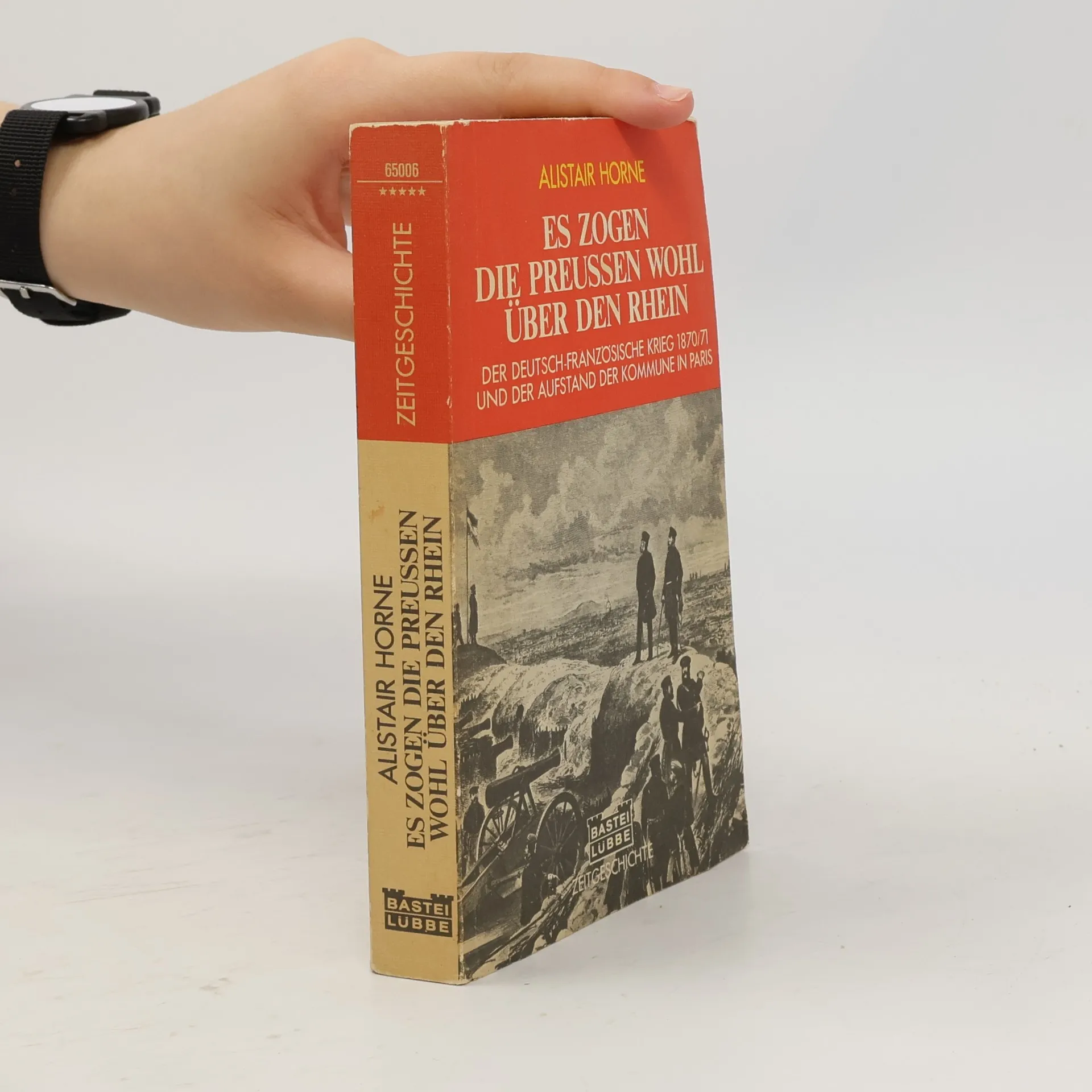
Es zogen die Preussen wohl über den Rhein
- 427bladzijden
- 15 uur lezen
Des Ruhmes Lohn
Verdun 1916