Bookbot

Simon Bromley

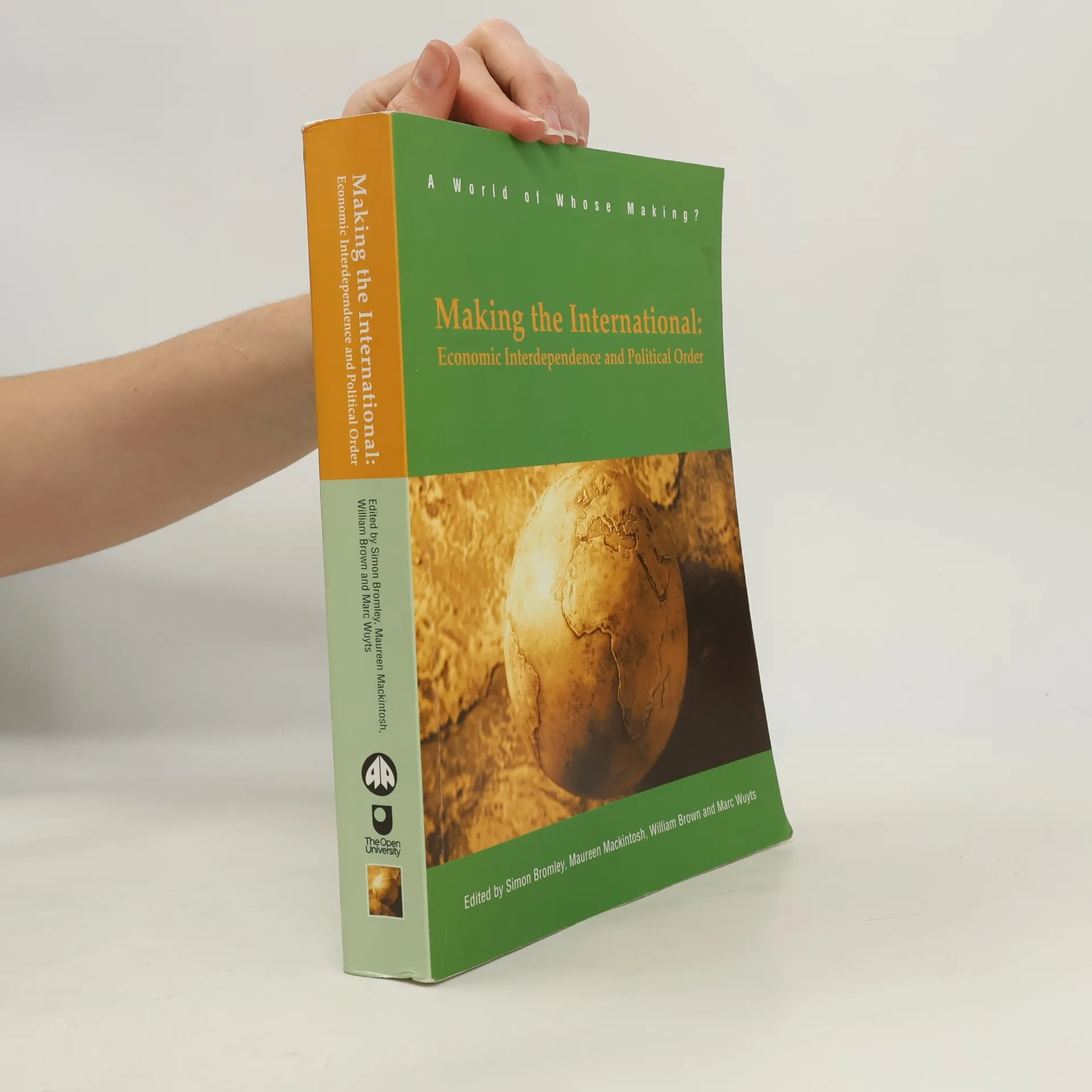
    Making the International
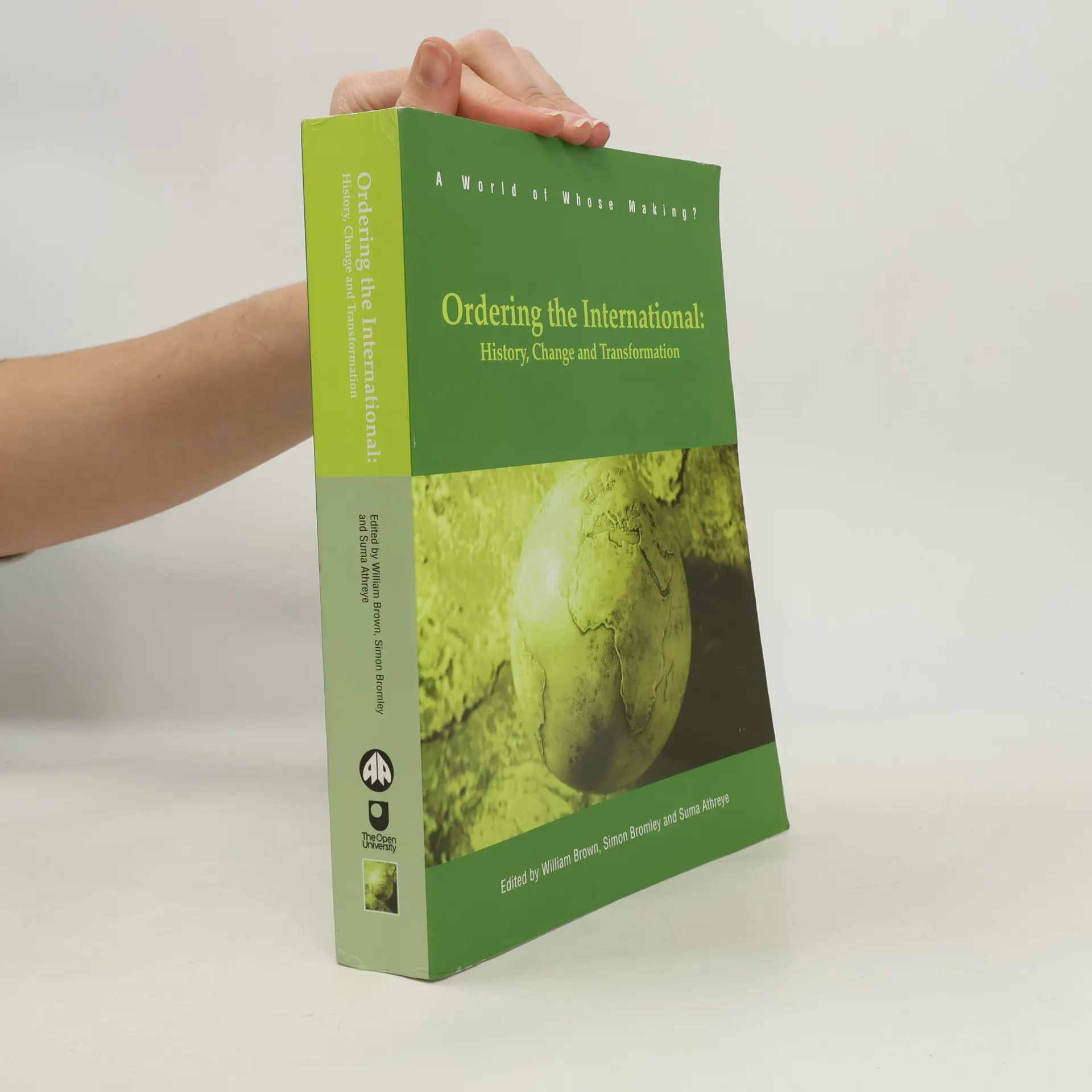
    Ordering the International
    Governing the European union
    Rethinking Middle East Politics
    • Rethinking Middle East Politics considers a range of debates on the character of political and socioeconomic development in the Middle East, focusing on the linked processes of state formation and capitalist development. Simon Bromley seeks to reformulate the central questions involved in the study of state formation. He builds a comparative framework based on an examination of key developmental processes in Turkey, Egypt, Iraq, Saudi Arabia, and Iran and offers a range of substantive theses on the place of democracy and Islam in the region. His findings explain a very large part of what appears to be significant in the emergence of the modern Middle East. Rethinking Middle East Politics presents a new way of analyzing politics in the Middle East, offering a perspective that has major implications for rethinking Third World politics more generally and for the social and political theory of modernity.

      Rethinking Middle East Politics
      4,6
    • Governing the European Union is a completely new introductory text that is ideal for first-time students of the politics and government of the European Union (EU). Each topic is introduced thematically to provide an invaluable and accessible guide to the main issues and debates in the contemporary study of EU politics and governance.

      Governing the European union
    • Ordering the International

      History, Change and Transformation

      • 656bladzijden
      • 23 uur lezen

      Ordering the International is a new textbook which teaches the core themes of International Studies in an innovative way. It • Can we analyse international order as a whole, and if so, how?• How can we best understand and explain the processes of international interaction and the kinds of order and disorder with which they are associated?• Is the contemporary international system changing and, if so, by whose agency?Ideal for students in International Studies, the book analyses the historical origins, evolution and transformation of three sectors of the modern international the political, the socio-cultural, and the economic-technological. Drawing on a combination of approaches and debates, it concludes by discussing theories of international order and contending claims about its transformation. Ordering the International will provide you with the knowledge and skills to understand, and participate in, key debates about the world in which we live.

      Ordering the International
    • Making the International

      Economic Interdependence and Political Order

      • 560bladzijden
      • 20 uur lezen

      Understanding today's international economic and political landscape is a significant challenge for scholars, citizens, and decision-makers. This innovative introductory text equips readers with essential political and economic analysis skills. It emphasizes core concepts and integrates key ideas, allowing readers to develop their critical perspectives on the international system and its operations. The book features a genuinely global perspective, with contributions from authors in India, Mexico, Africa, the USA, and the European Union. The content is organized into five main sections. The first examines trade and states, contrasting the WTO's free market arguments with the experiences of both developed and developing nations. The second section focuses on state policy, exploring how countries navigate the international trading system's constraints and their resulting industrialization and development strategies. The third section addresses inequality and power, analyzing the effects of liberalized trade and investment policies on inequality in developing countries. The fourth section discusses autonomy, sovereignty, and macroeconomic policy, assessing states' capacities to implement national macroeconomic strategies in a globalized economy. Finally, the fifth section on international collective action highlights notable successes and failures in achieving cooperation among states, particularly regarding global climate chang

      Making the International