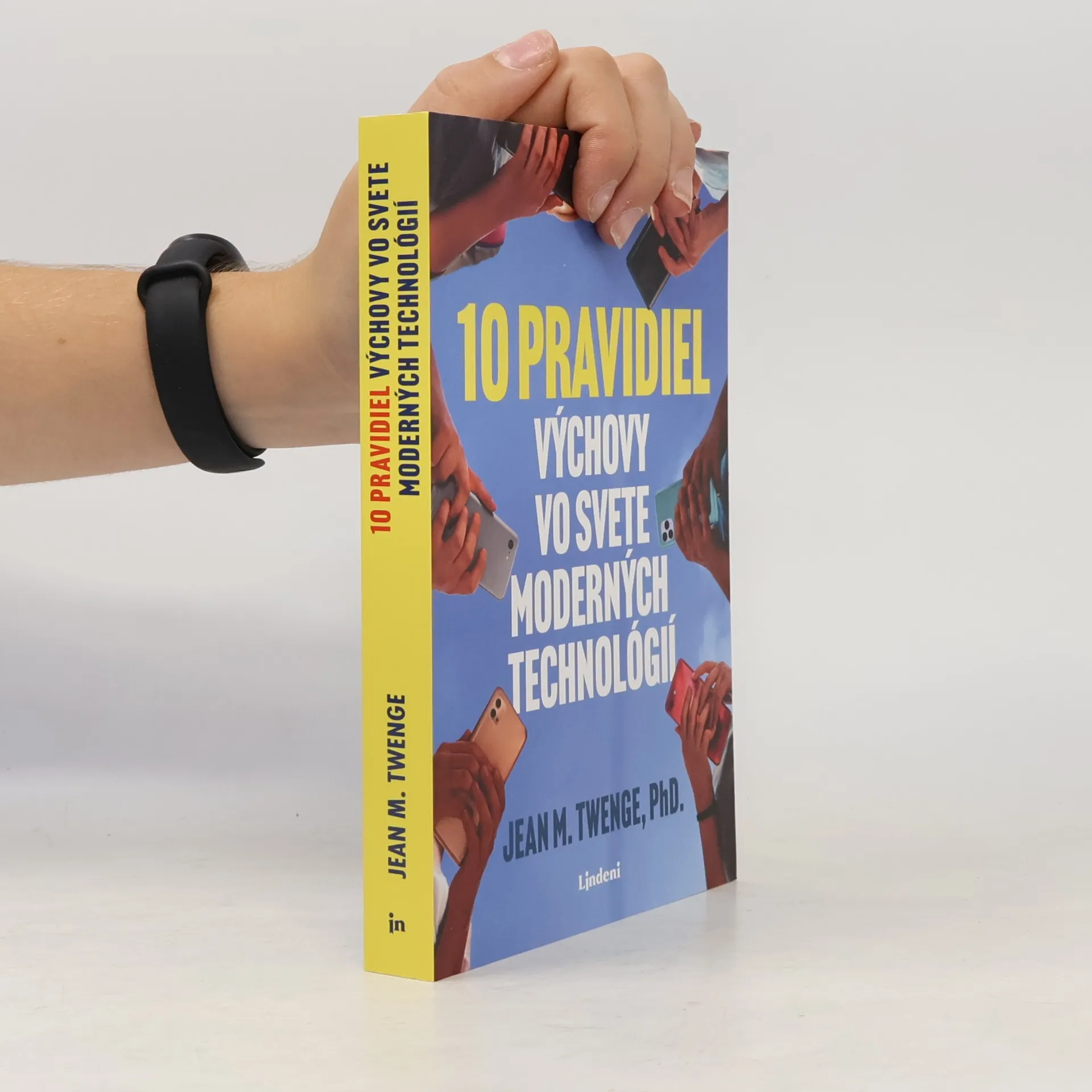
Rodičovstvo samo osebe sa často javí ako ťažký boj a technológie, ktoré čoraz viac prenikajú do života detí, ho vôbec neuľahčujú. Nárast závislosti od sociálnych médií a prehlbujúca sa kríza duševného zdravia u detí a tínedžerov rodičov motivuje hľadať spôsob, ako svoje ratolesti viesť k zdravému a vyváženému vzťahu k nim. Profesorka psychológie Jean Twenge ponúka veľmi potrebný návod, ktorý doteraz rodičom chýbal. Desaťročia štúdia vplyvu technológií na duševné zdravie a osobné skúsenosti matky troch tínedžerov vyústili do desiatich praktických pravidiel na výchovu nezávislých a všestranne rozvinutých detí. Pomôžu vám: rozhodnúť sa, ako zvoliť prvý telefón pre dieťa (a kedy je ten správny čas), vytvoriť zóny bez telefónov, napríklad spálne a rodinné večere, zabrániť deťom v prístupe na sociálne médiá, kým na to nebudú pripravené, nastaviť účinnú rodičovskú kontrolu na zariadeniach, mať pod kontrolou používanie školského notebooku, hernej konzoly, tabletu a iných technológií, poskytnúť deťom slobodu v reálnom svete.
Jean M. Twenge Volgorde van de boeken (chronologisch)
Deze auteur richt zich in haar werk op de hedendaagse jeugd en de jonge generatie van vandaag. Op basis van uitgebreide datasets analyseert ze hun gedrag, motivaties en uitdagingen. Haar onderzoek verkent vaak de sociale en technologische trends die jongeren vormen en biedt inzichten in hun unieke wereldbeeld. Ze zorgt voor een waardevol begrip van deze belangrijke demografische groep.
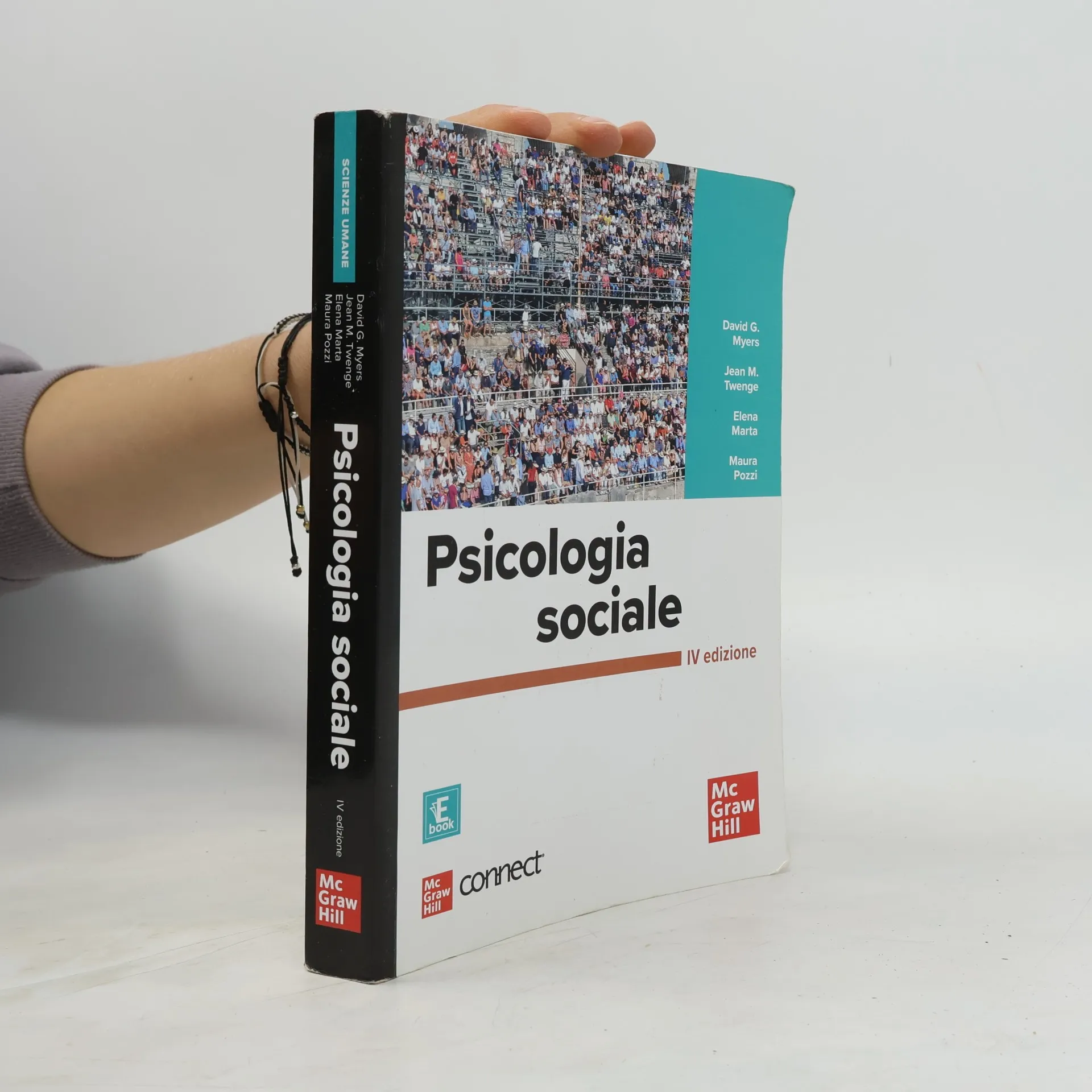
Psicologia sociale. Con connet - IV edizione
- 688bladzijden
- 25 uur lezen
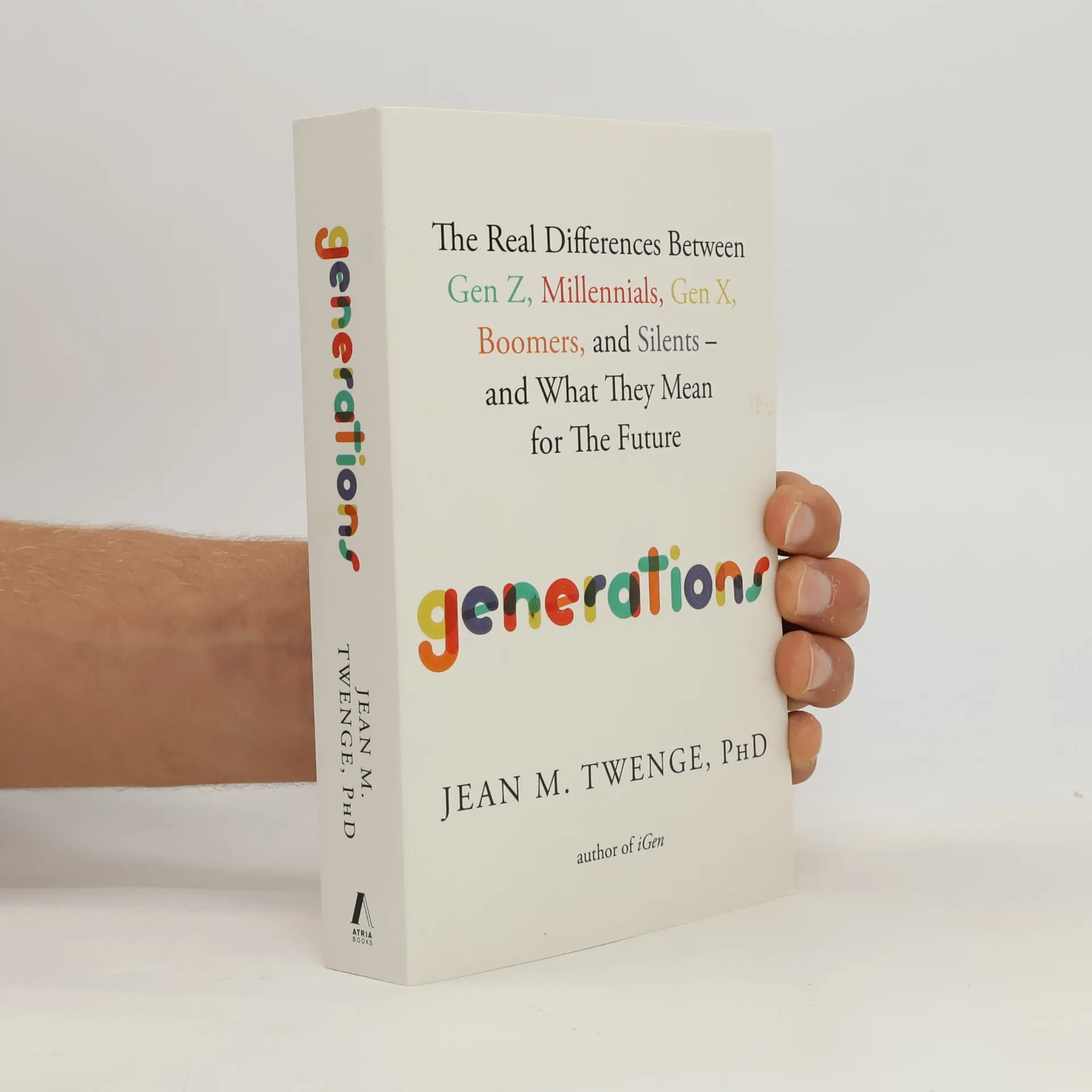
Generations
- 560bladzijden
- 20 uur lezen
A groundbreaking, "lavishly informative" (The New York Times) portrait of the six generations that currently live in the United States and how they connect, conflict, and compete with one another--from the acclaimed author of Generation Me and iGen. Upending the conventional theory that generational differences are caused by major events, Dr. Jean Twenge analyzes data on 39 million people from robust national surveys--some going back nearly a century--to show that changes in technology are the underlying driver of each generation's unique makeup. In this revelatory work, Twenge outlines key shifts in attitudes and lifestyle choices that define each generation regarding gender, income, politics, race, sexuality, marriage, mental health, and much more. Surprising, engaging, and informative, Generations "gets you thinking about how appreciating generational differences can, ironically, bring us together" (Angela Duckworth, New York Times bestselling author). It will forever change the way you view your parents, peers, coworkers, and children, no matter which generation you call your own.
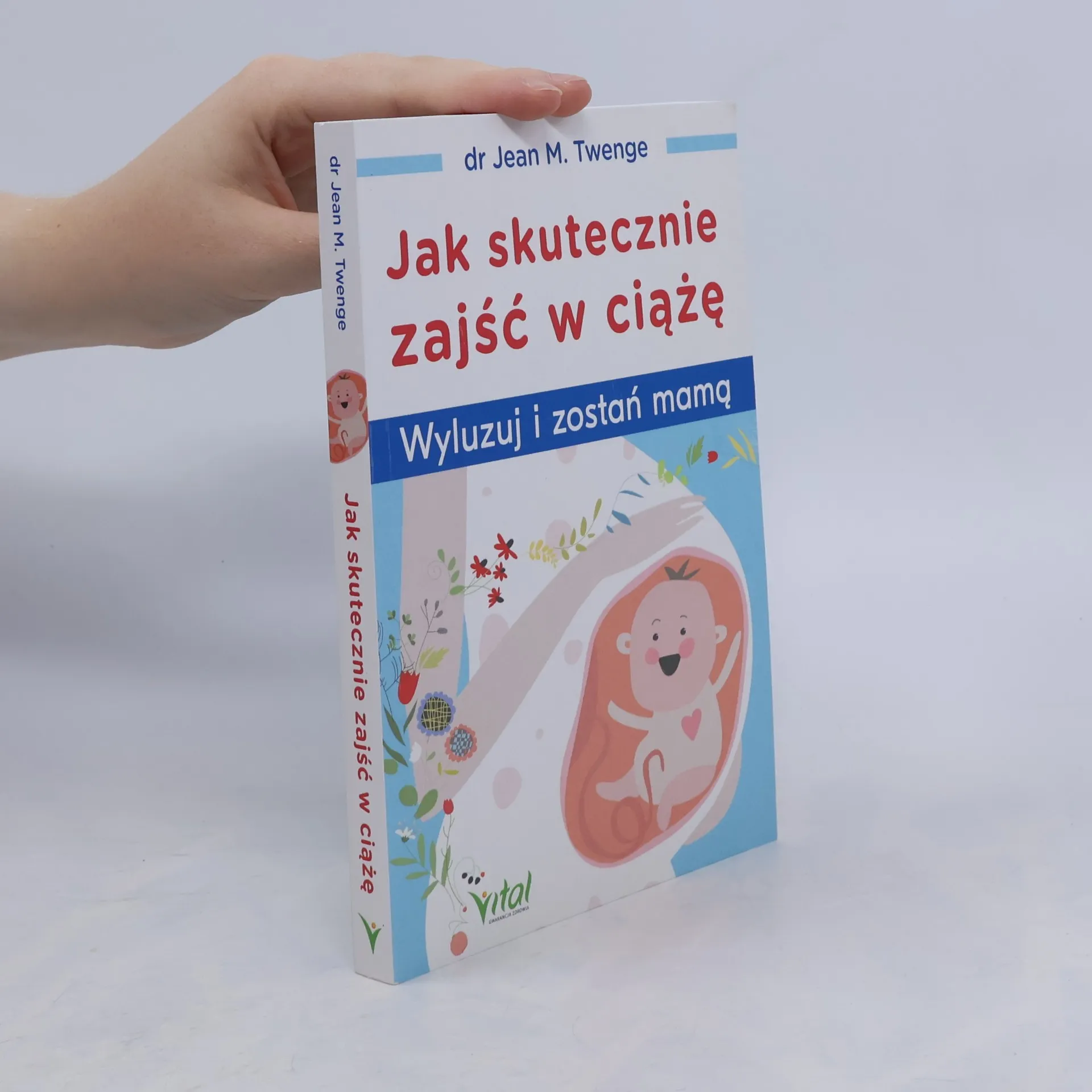
Jak skutecznie zajść w ciążę
- 264bladzijden
- 10 uur lezen
Niepłodność uznaje się za jedno z największych wyzwań medycznych. Tymczasem wiele os�b wstydzi się o niej m�wić, a kobiety, kt�re poroniły, muszą samotnie walczyć z odczuwanym b�lem. Tymczasem mężczyźni zamykają się w czterech ścianach rozpaczy ze świadomością, że ich męskość nie wyszła zwycięsko z pr�by poczęcia dzieci. Czy naprawdę jest aż tak źle? Podnoszący na duchu, a zarazem niezwykle praktyczny, przewodnik zachodzenia w ciążę trafia w sedno wszystkich emocjonalnych problem�w związanych z posiadaniem dzieci. Autorka skupia się na biologicznej presji, rodzinnych naciskach i jeszcze większemu ciśnieniu stwarzanemu przez społeczeństwo. Wszystko to robi w celu wsparcia kobiet, kt�re rozważają powiększenie rodziny. Ciąża łatwiejsza niż myślisz!
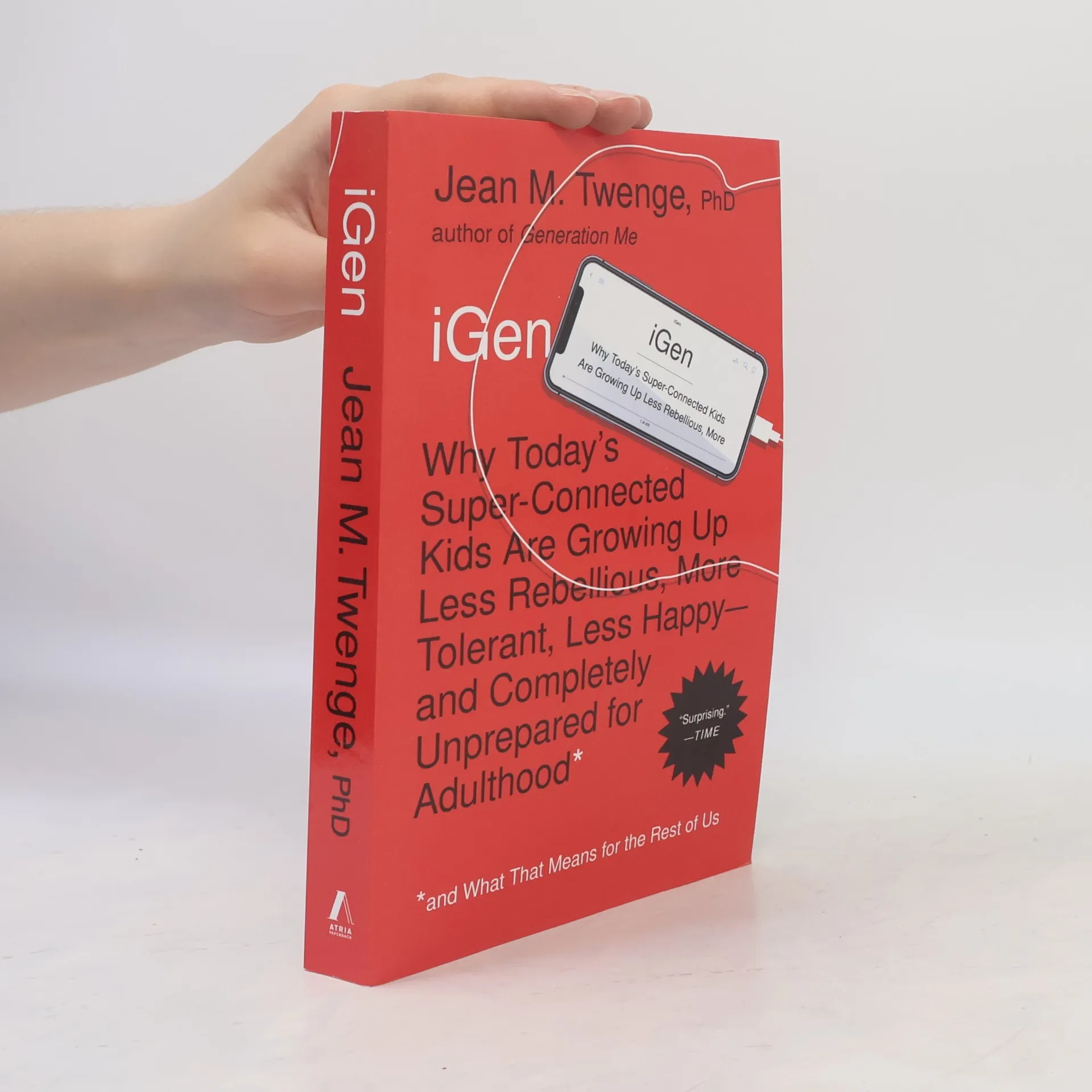
iGen
- 342bladzijden
- 12 uur lezen
They were born after 1995. They grew up with cell phones, had an Instagram page before they started high school, and do not remember a time before the Internet. They are iGen. In the book that has sparked conversations around the world, Dr. Jean Twenge offers a revelatory portrait of a new generation growing up more slowly and more anxious -- but also more socially tolerant and safe -- then any generation in history. Through her deep analysis of data drawn from more than 11 million respondents over multiple decades, Dr. Twenge identifies iGen's surprising attitudes toward religion, sexuality, and politics, as well as unprecedented levels of anxiety and loneliness. As this new group of young people grows into adulthood, parents, educators, and employers have an urgent need to understand them. Because where iGen goes, so goes our nation -- and the world. - Back cover
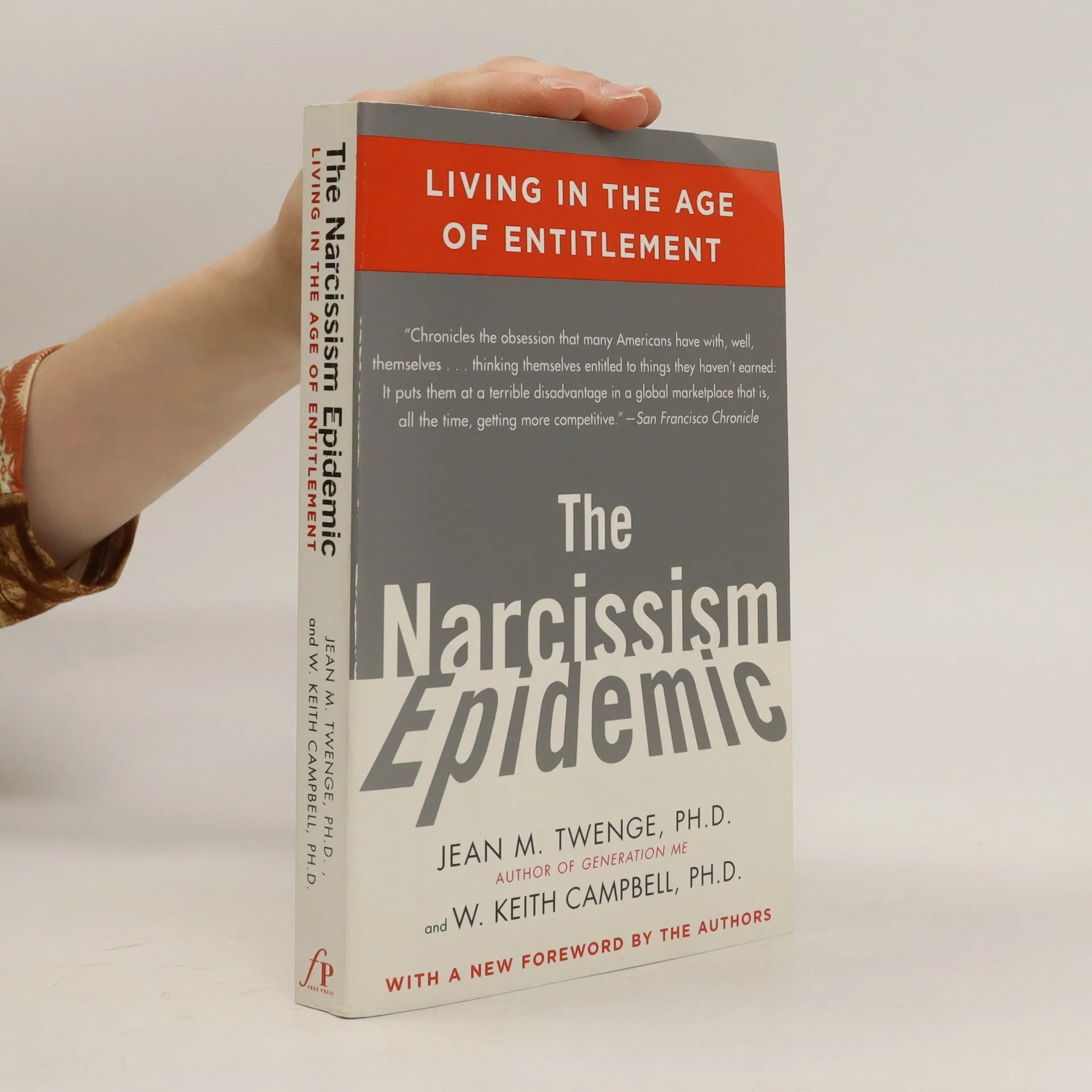
The Narcissism Epidemic
- 368bladzijden
- 13 uur lezen
Citing a rise in such factors as cosmetic surgery, status-related debt and misrepresented Facebook profiles, a cautionary report on the increase of unhealthy ego-related behaviors examines its actual cost to families, organizations and societies. By the author of Generation Me.
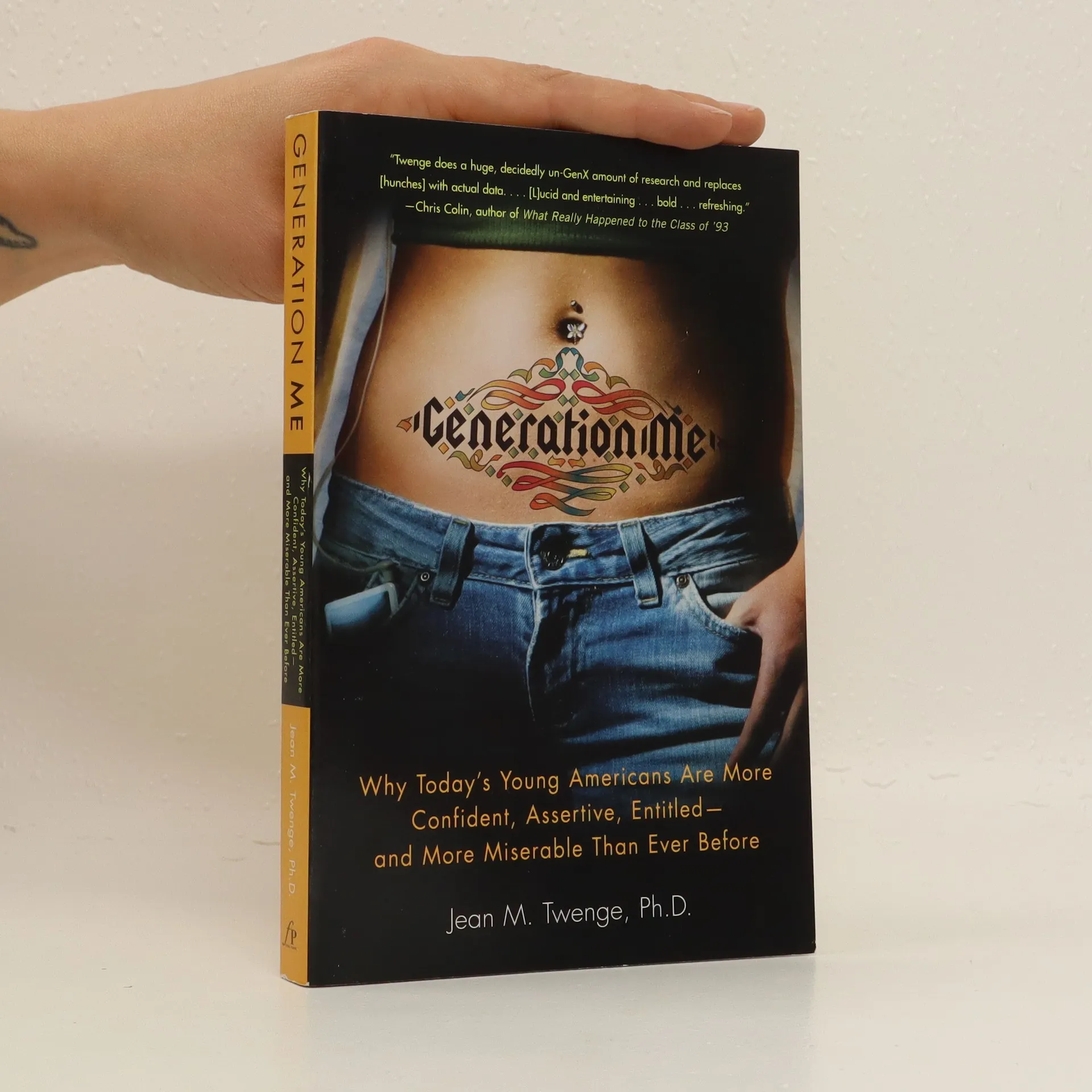
Generation Me
- 304bladzijden
- 11 uur lezen
Noted researcher Dr. Twenge uses 14 years of research and its data from 1.3 million respondents to reveal how profoundly different today's young adults are from previous generations, and makes controversial predictions about what the future holds.