

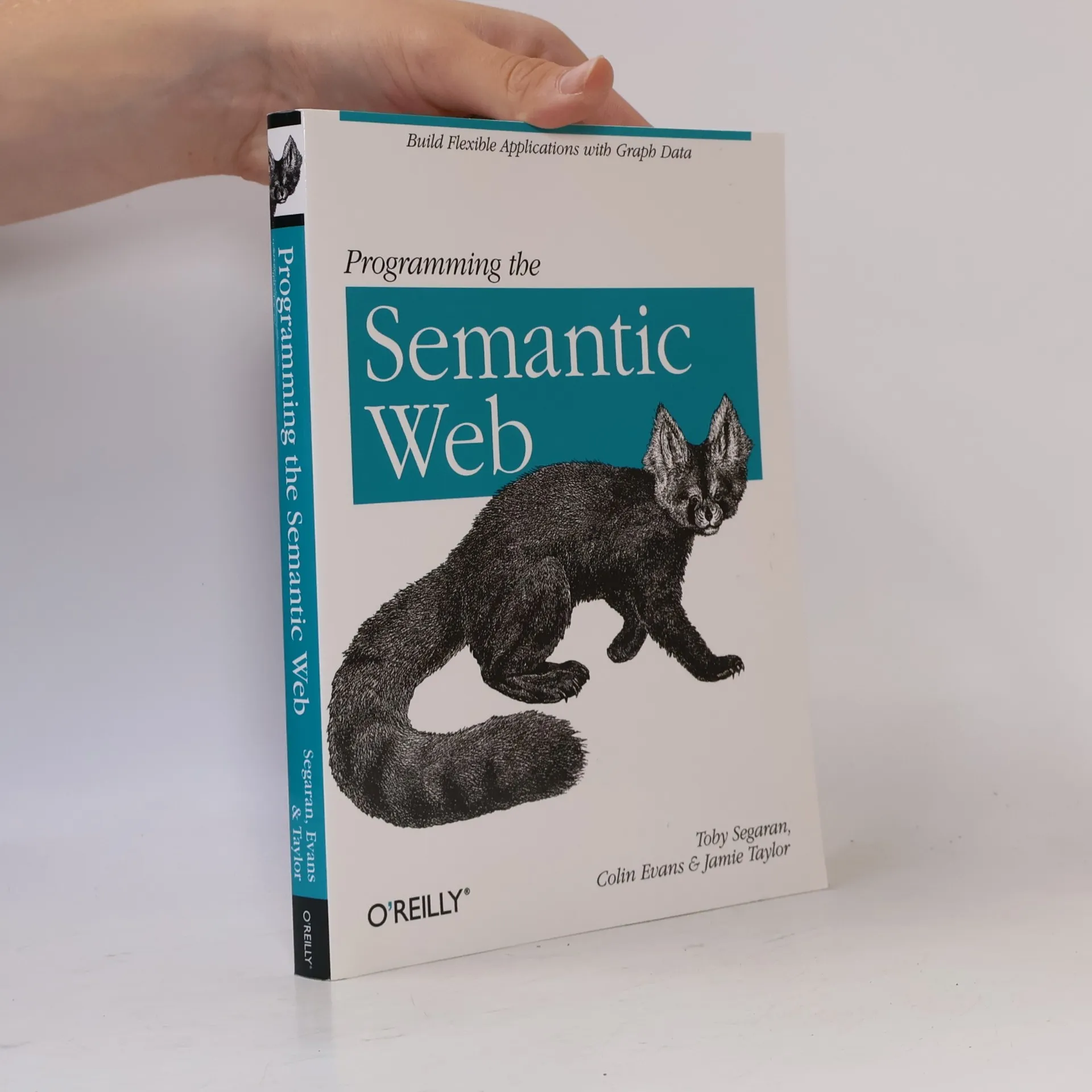
With this book, the promise of the Semantic Web -- in which machines can find, share, and combine data on the Web -- is not just a technical possibility, but a practical reality Programming the Semantic Web demonstrates several ways to implement semantic web applications, using current and emerging standards and technologies. You'll learn how to incorporate existing data sources into semantically aware applications and publish rich semantic data.Each chapter walks you through a single piece of semantic technology and explains how you can use it to solve real problems. Whether you're writing a simple mashup or maintaining a high-performance enterprise solution, Programming the Semantic Web provides a standard, flexible approach for integrating and future-proofing systems and data.This book will help
Toby Segaran Volgorde van de boeken (chronologisch)

Helps you explore the opportunities and challenges involved in working with the many number of datasets made available by the Web. This book also helps you learn how to visualize trends in urban crime, using maps and data mashups, and discover the challenges of designing a data processing system that works within the constraints of space travel.
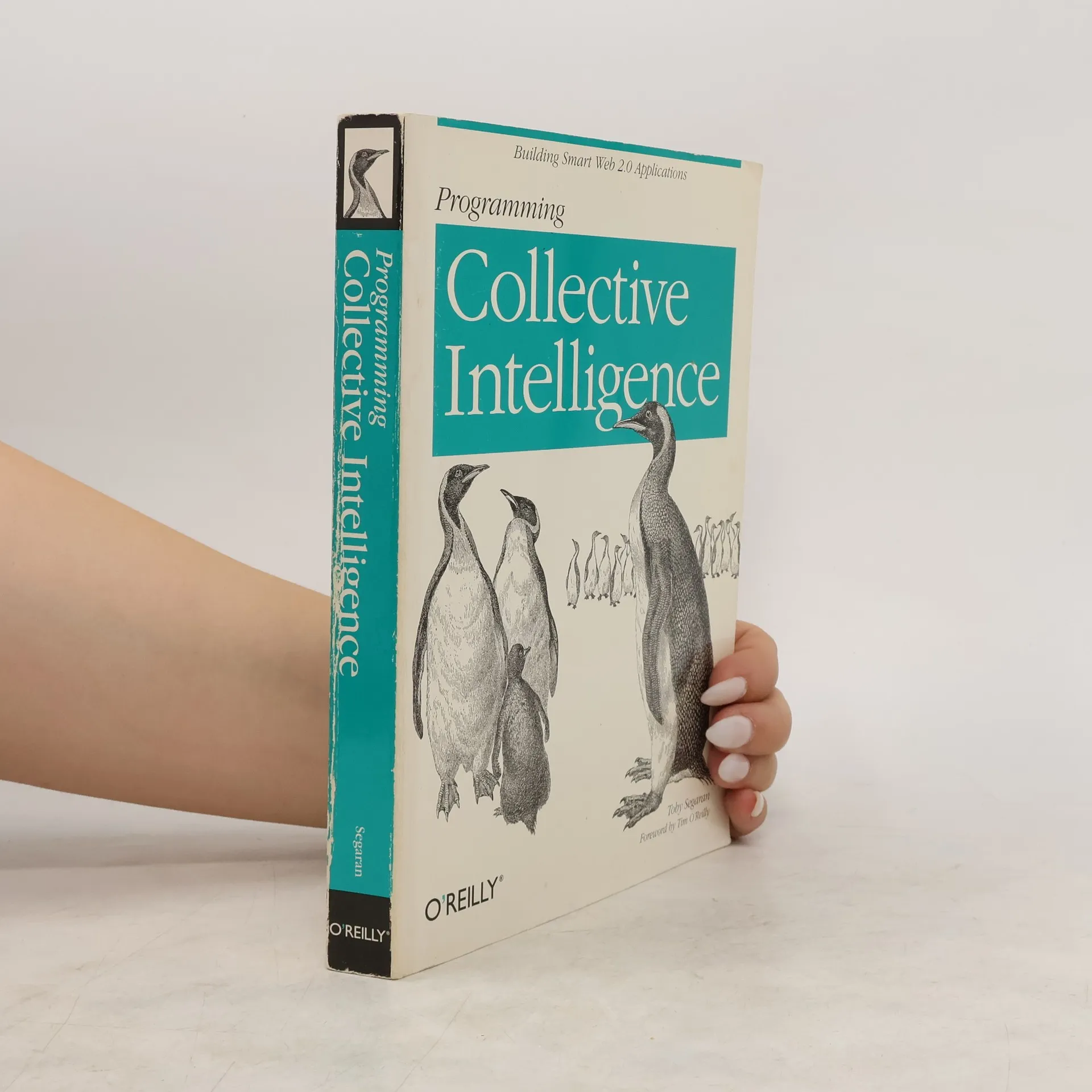
Programming Collective Intelligence
- 360bladzijden
- 13 uur lezen
This book explores the technical workings of rankings, product recommendations, and online matchmaking services. It demonstrates how to develop Web 2.0 applications that search and analyze the vast amounts of data generated by users of current web applications. Introducing the world of machine learning and statistics, it explains how to draw conclusions from user experience, personal preferences, and human behavior. The book illustrates how to leverage user data and user-generated content to extract "collective intelligence" using the right algorithms, creating real value for applications. It provides practical insights into complex topics, using clear examples to explain how machine learning algorithms operate. Key techniques covered include collaborative filtering, clustering methods, optimization algorithms, Bayesian filtering, and support vector machines. Each algorithm is succinctly described with understandable Python code. Real-world examples from sites like Facebook and eBay, along with numerous exercises, encourage experimentation and showcase new techniques to enhance Web 2.0 websites.