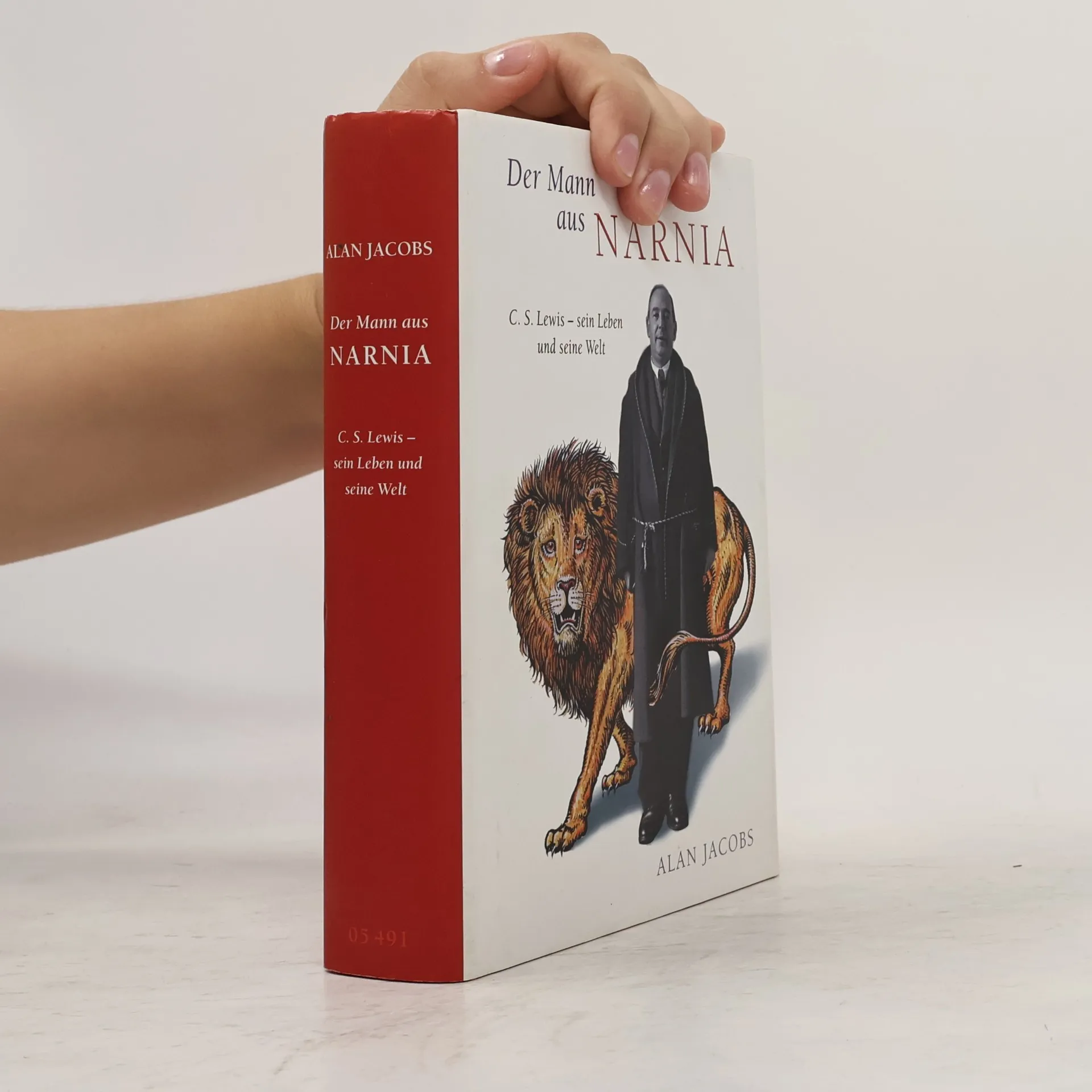
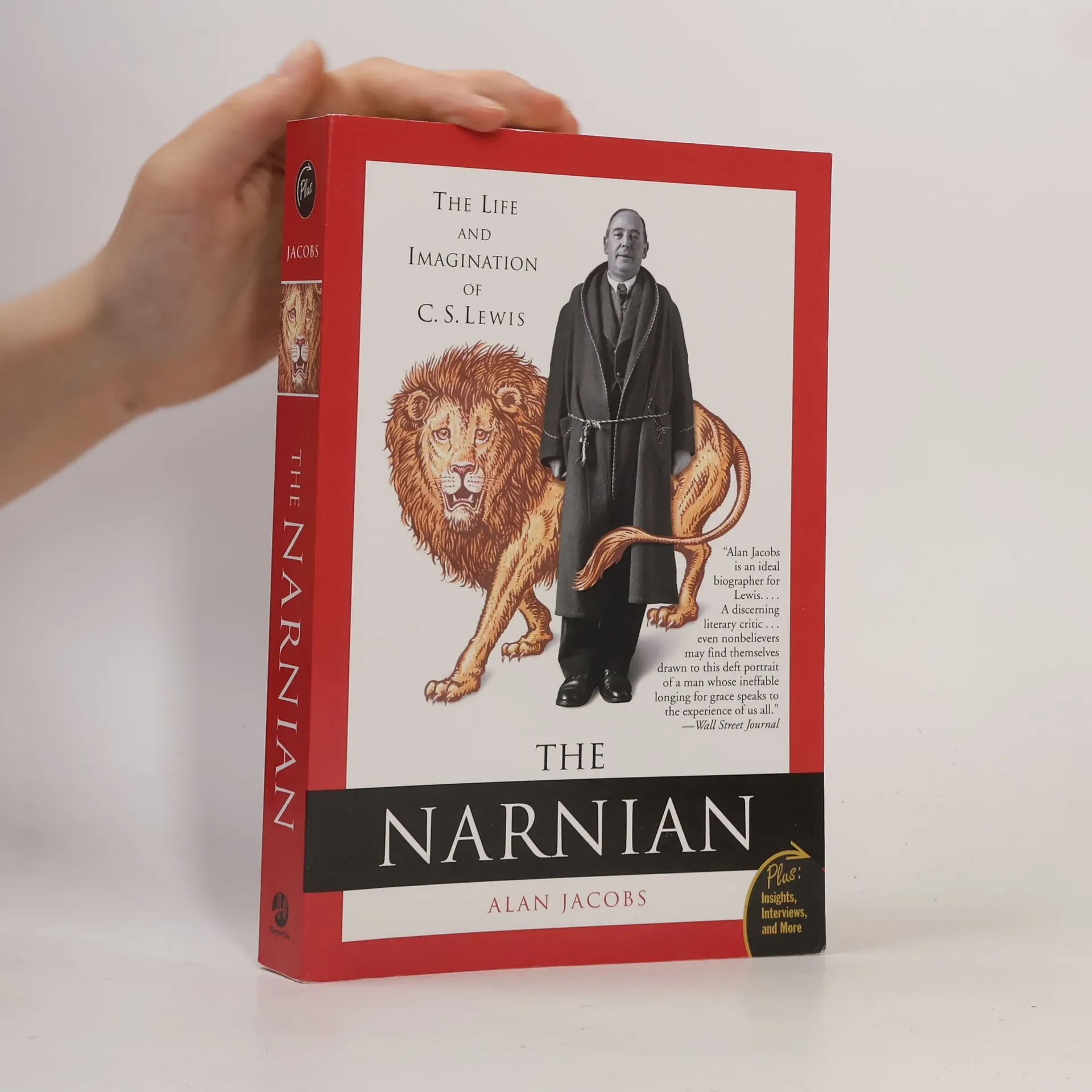
Focusing on the life of C. S. Lewis, this biography explores the creative journey behind the beloved world of Narnia, filled with iconic characters like the White Witch and Aslan. It delves into the inspirations and experiences that shaped Lewis's imagination, revealing how his personal story intertwined with the epic battles between good and evil that have captivated generations of readers. This insightful look offers a deeper understanding of the man who brought Narnia to life and the enduring magic of his tales.
Alan Jacobs Boeken
Alan Jacobs is een auteur wiens werken zich verdiepen in de diepten van religie en mystiek. Zijn schrijven onderzoekt de zoektocht naar waarheid en spirituele oefening via verschillende tradities. Jacobs probeert oude wijsheid toegankelijk te maken voor de moderne lezer door zijn poëtische en prozaïsche benaderingen. Zijn werk wordt gekenmerkt door een diepe interesse in zelfrealisatie en spirituele verlichting.



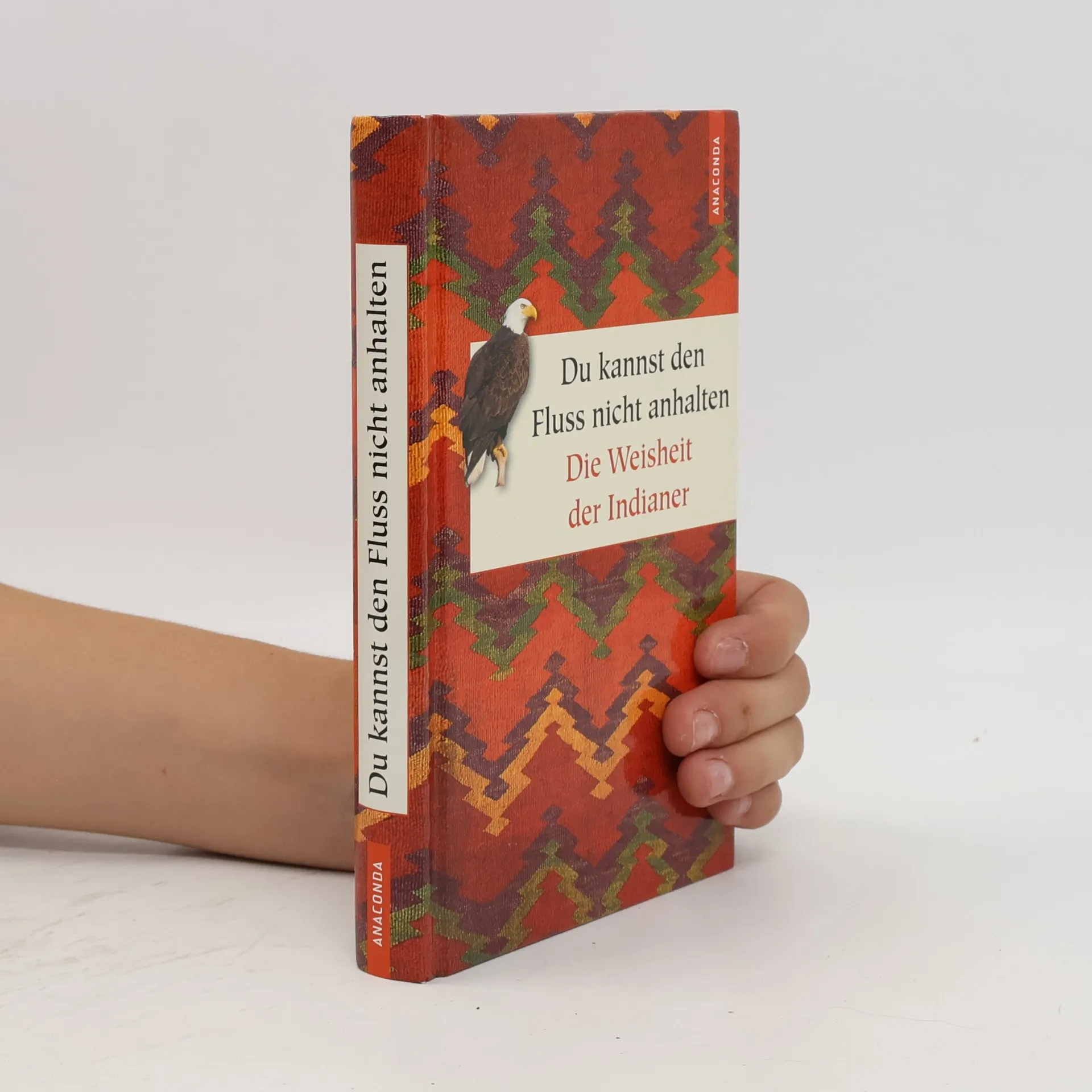
Native American Wisdom - Sacred Texts
- 192bladzijden
- 7 uur lezen
A wonderful and inspiring collection of eloquent prose, beautiful poetry and ancestral wisdom from Chiefs, Medicine Men and ordinary members of many Native American tribes.
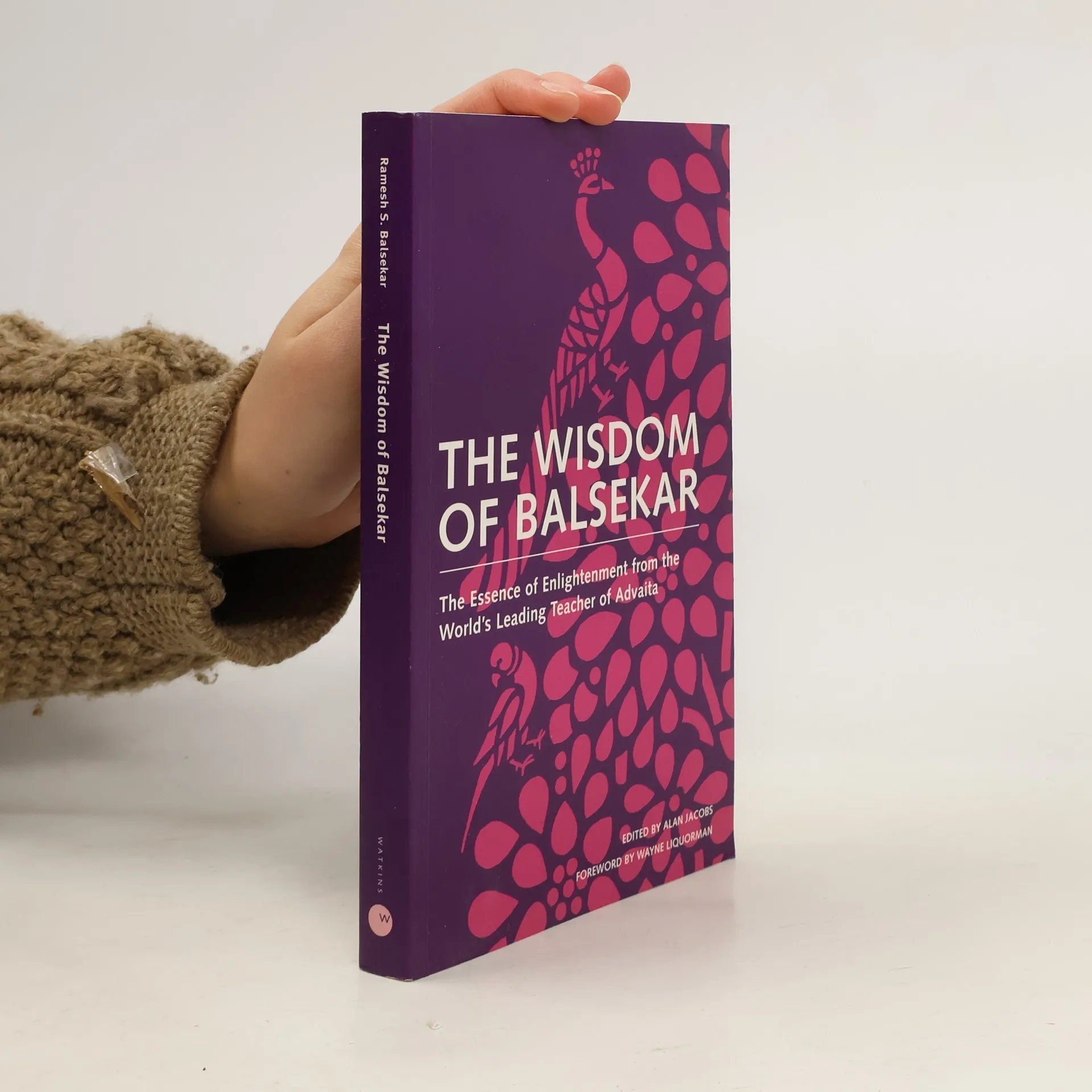
The Wisdom of Balsekar
The Essence of Enlightenment from the World's Leading Teacher of Advaita
- 224bladzijden
- 8 uur lezen
Retired bank president, golfer, husband, and father doesn't fit the stereotype of an Indian guru—which may account for Ramesh Balsekar's enormous popularity. His background and education, combined with his profound spiritual studies, make him an ideal bridge between East and West, the spiritual and the material. Regarded as the world's greatest living sage, Balsekar is the primary exponent of the teaching of Advaita, which holds that everything is one, that all humanity is an intrinsic part of the universe rather than split from it: in short, that nonduality is the all-encompassing truth. This anthology comprises thematic extracts from all the master’s written works to date. Approved by Balsekar, as well as by his leading disciple, Wayne Liquorman, it is powerful, accessible, witty, and always to the point.
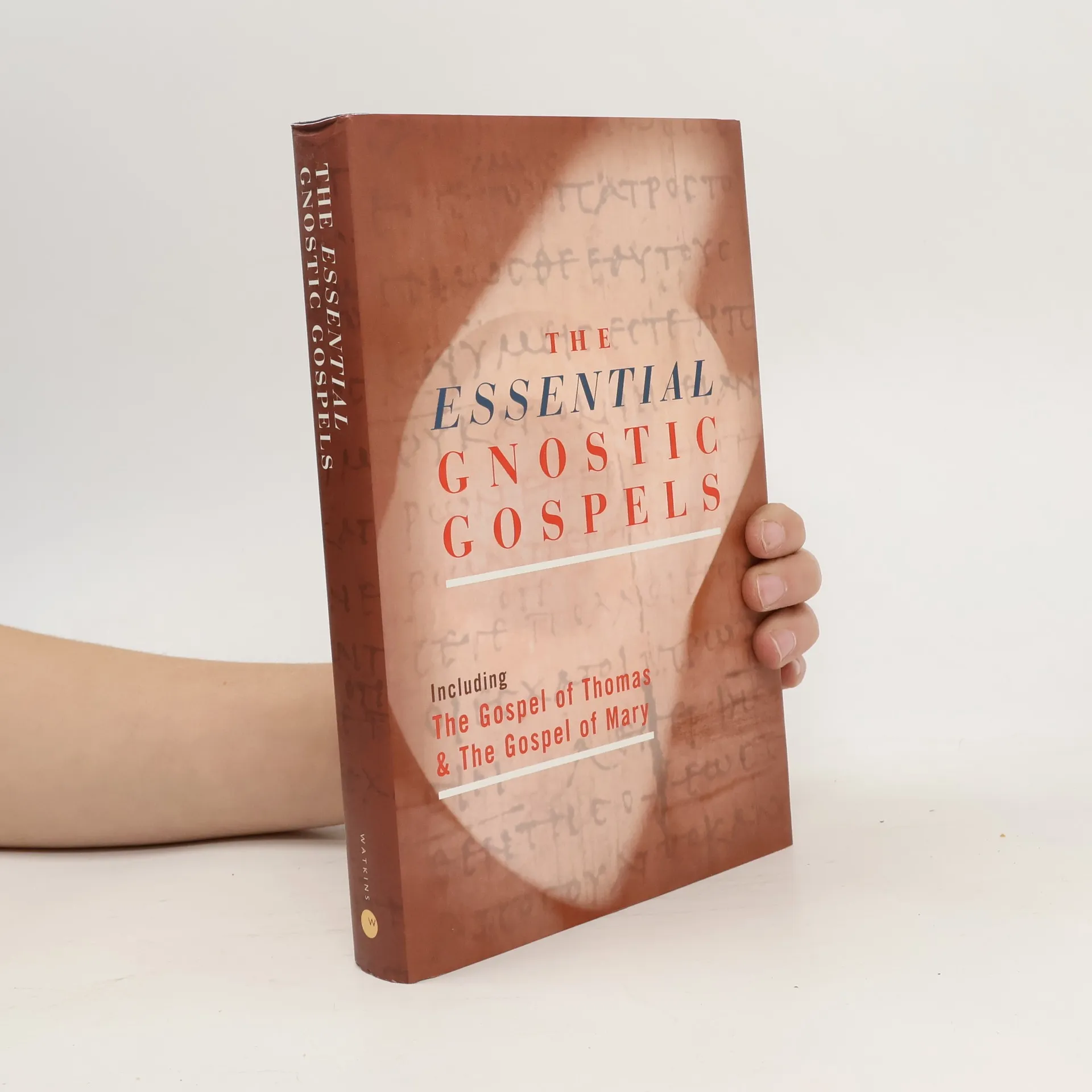
The Essential Gnostic Gospels
- 384bladzijden
- 14 uur lezen
The Gnostics were early Christians whose beliefs and practices put them at odds with the orthodox Church; indeed, the Church considered Gnostics to be heretics and made a concerted effort to destroy their writings. However, in 1945, a remarkable discovery was made in Nag Hamadi, in the Egyptian desert: a jar containing 13 papyrus documents, dating back to the fourth century ad, with genuine Gnostic texts in the original Greek. In addition, this manuscript included four gospels that offered accounts of Jesus and His times that are strikingly different from the New Testament. Alan Jacobs brings his unrivalled scholarship to bear on these illuminating and eye-opening works, offering inspiring and poetic translations that capture the verses’ uplifting spiritual message and beauty.
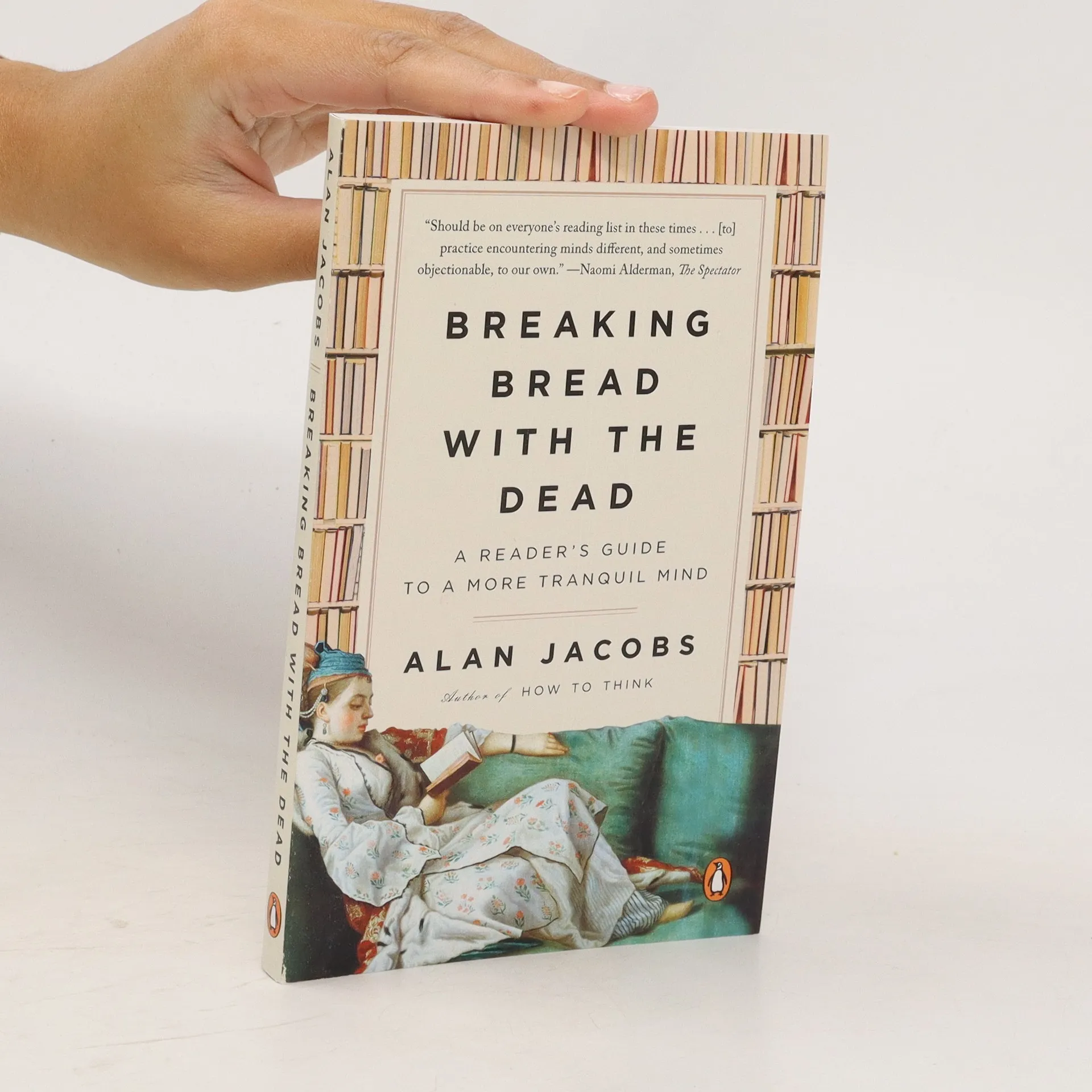
Exploring the intersection of literature and mental well-being, this guide encourages readers to connect with historical voices to find clarity and solace in today's chaotic world. It offers insights on how engaging with classic texts can provide comfort and perspective, helping individuals navigate modern challenges. The author draws on previous works to emphasize the importance of reading as a means of mental refuge and personal growth.
The Pleasures of Reading in an Age of Distraction
- 162bladzijden
- 6 uur lezen
Cultural commentators have raised concerns about the state of reading in America, claiming that people are not reading enough or engaging with the right material. However, Alan Jacobs counters this narrative by asserting that reading is thriving, with millions of dedicated readers supporting numerous bookstores and online retailers. Influential platforms like Oprah's Book Club and a recent NEA survey indicate a resurgence in literary fiction readership. Despite this, many readers struggle with confidence, questioning their ability to read effectively and absorb content. They often feel pressured by the belief that reading is primarily a moral obligation, akin to eating vegetables. Jacobs offers a refreshing perspective, encouraging readers to pursue what brings them joy without guilt, whether it’s popular fiction or classic literature. Unlike Mortimer Adler's structured approach in "How to Read a Book," Jacobs presents a more engaging and irreverent guide for readers. Each chapter delves into different aspects of engaging with literary fiction, poetry, and nonfiction, covering topics like the history of silent reading and the nuances of rereading. With a blend of wit and insight, this work appeals to both novice readers seeking guidance and seasoned ones wishing to rediscover the joy of reading.
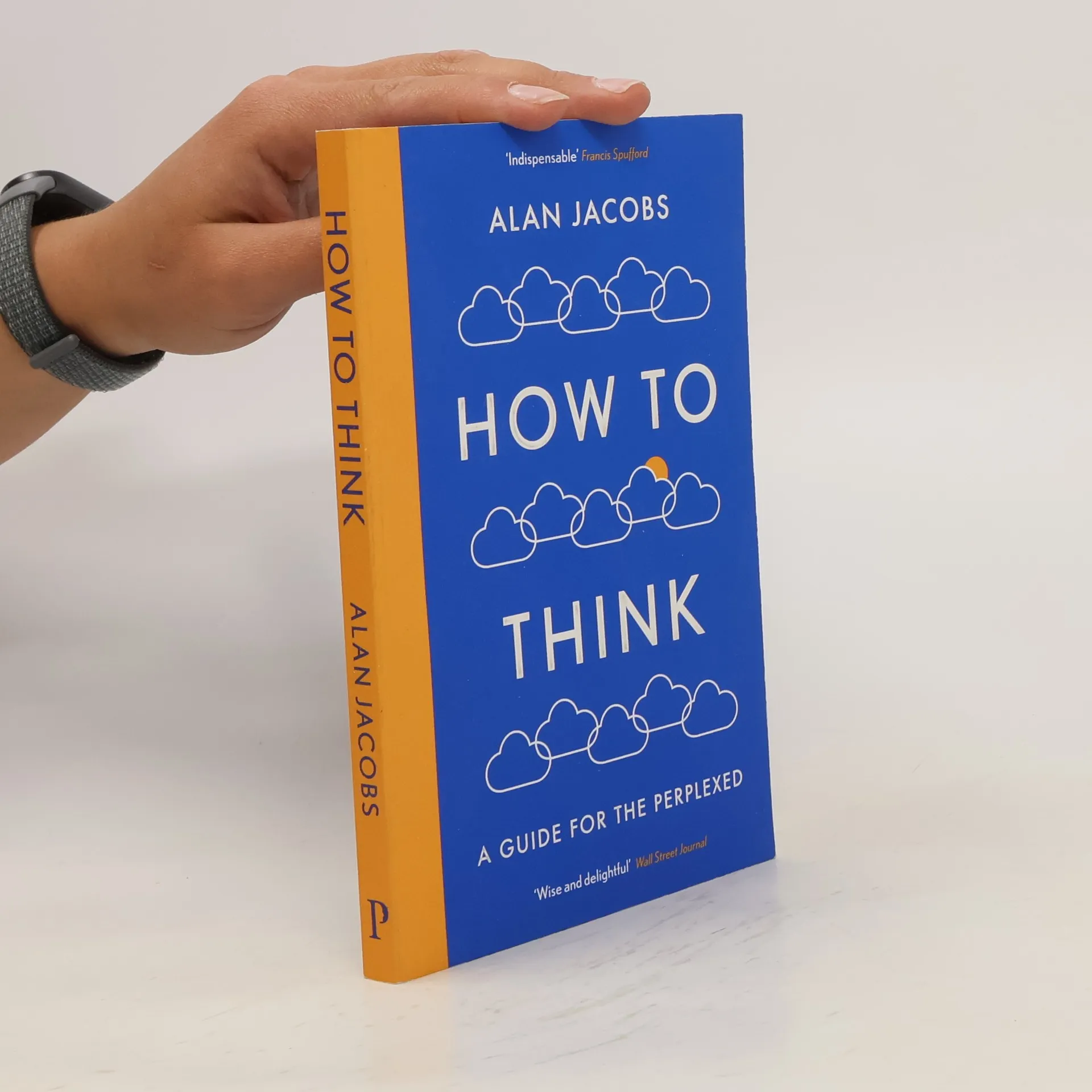
How to think : a guide for the perplexed
- 160bladzijden
- 6 uur lezen
How to Think is a contrarian treatise on why we're not as good at thinking as we assume - but how recovering this lost art can rescue our inner lives from the chaos of modern life.Most of us don't want to think, writes the American essayist Alan Jacobs. Thinking is trouble. It can force us out of familiar, comforting habits, and it can complicate our relationships with like-minded friends. Finally, thinking is slow, and that's a problem when our habits of consuming information (mostly online) leave us lost in the echo chamber of social media, where speed and factionalism trump accuracy and nuance.In this clever, witty book, Jacobs diagnoses the many forces that prevent thought - forces that have only worsened in the age of Twitter, such as "alternative facts," and information overload. He also dispels the many myths we hold about what it means to think well. (For example: it's impossible to "think for yourself.")Drawing on sources as far-flung as the novelist Marilynne Robinson, the basketball legend Wilt Chamberlain, the British philosopher John Stuart Mill and the Christian theologian C.S. Lewis, Jacobs digs into the nuts and bolts of the cognitive process, offering hope that each of us can reclaim our mental lives from the whirlpool of what now passes for public debate.After all, if we can learn to think together, perhaps we can learn to live together.
The House on the Moor
- 276bladzijden
- 10 uur lezen
Haunted by his past and physical scars, a former Royal Navy pilot seeks solitude in a desolate moorland house, only to uncover its dark history. The residence is a chilling site where orphaned girls suffered horrific fates at the hands of powerful figures in the 1920s. As he confronts the ghosts of these tragic victims, the story intertwines themes of trauma, guilt, and the quest for redemption, revealing the haunting legacy of violence and exploitation that lingers in the shadows of his new home.
Six of Diamonds
- 268bladzijden
- 10 uur lezen
The plot revolves around two detectives tasked with unraveling the mystery behind the deaths of six jewellers, each linked to six enormous diamonds. Their investigation takes them on a globe-trotting adventure, facing unusual challenges and opposition. Along the way, they receive unexpected help from a peculiar benefactor, adding layers of intrigue to their quest for the truth.
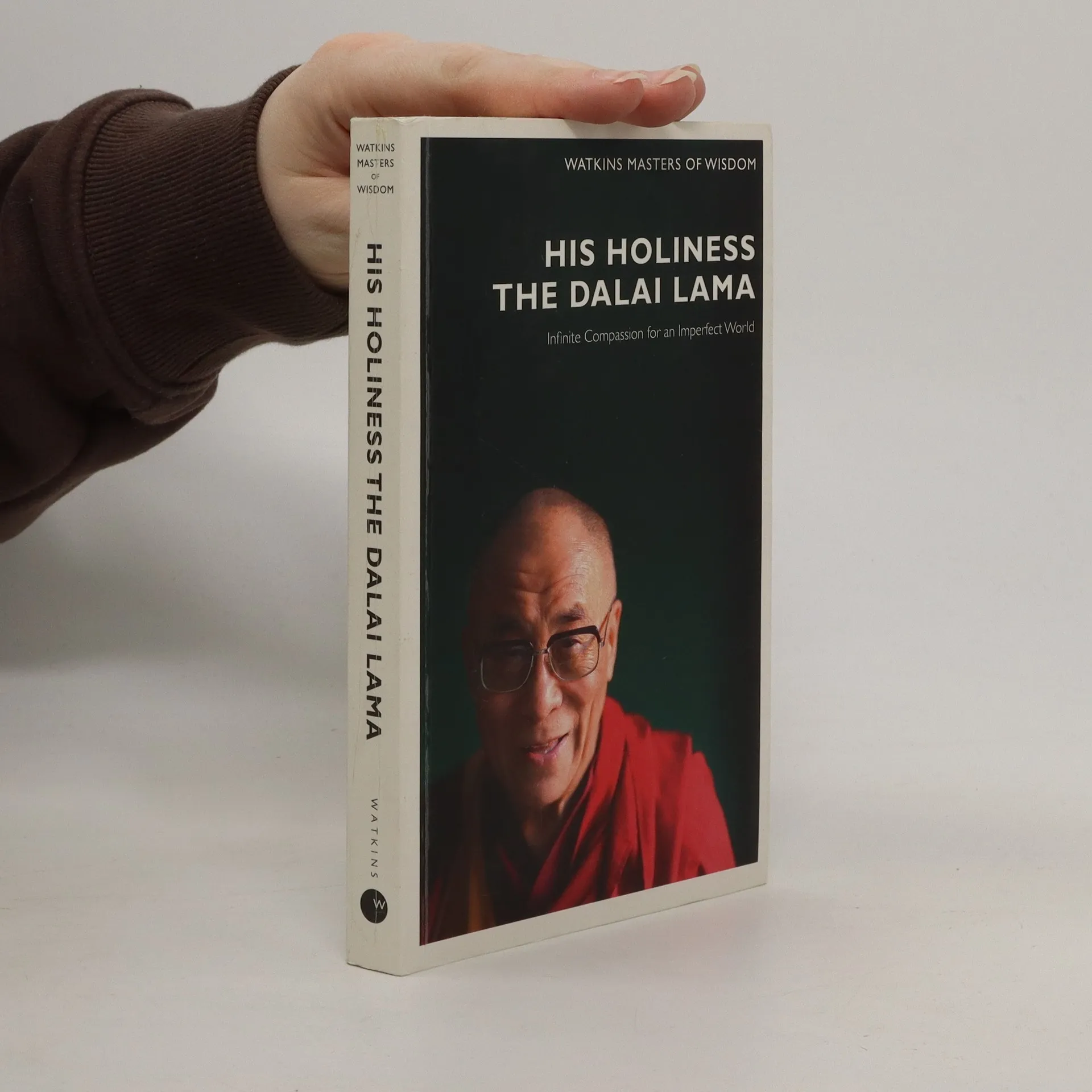
His Holiness the Dalai Lama: infinite compassion for an imperfect world
- 244bladzijden
- 9 uur lezen
This inspirational new book brings together the Dalai Lama's teachings on love, peace and compassion, applying the principles of ancient Buddhist thought to contemporary issues.
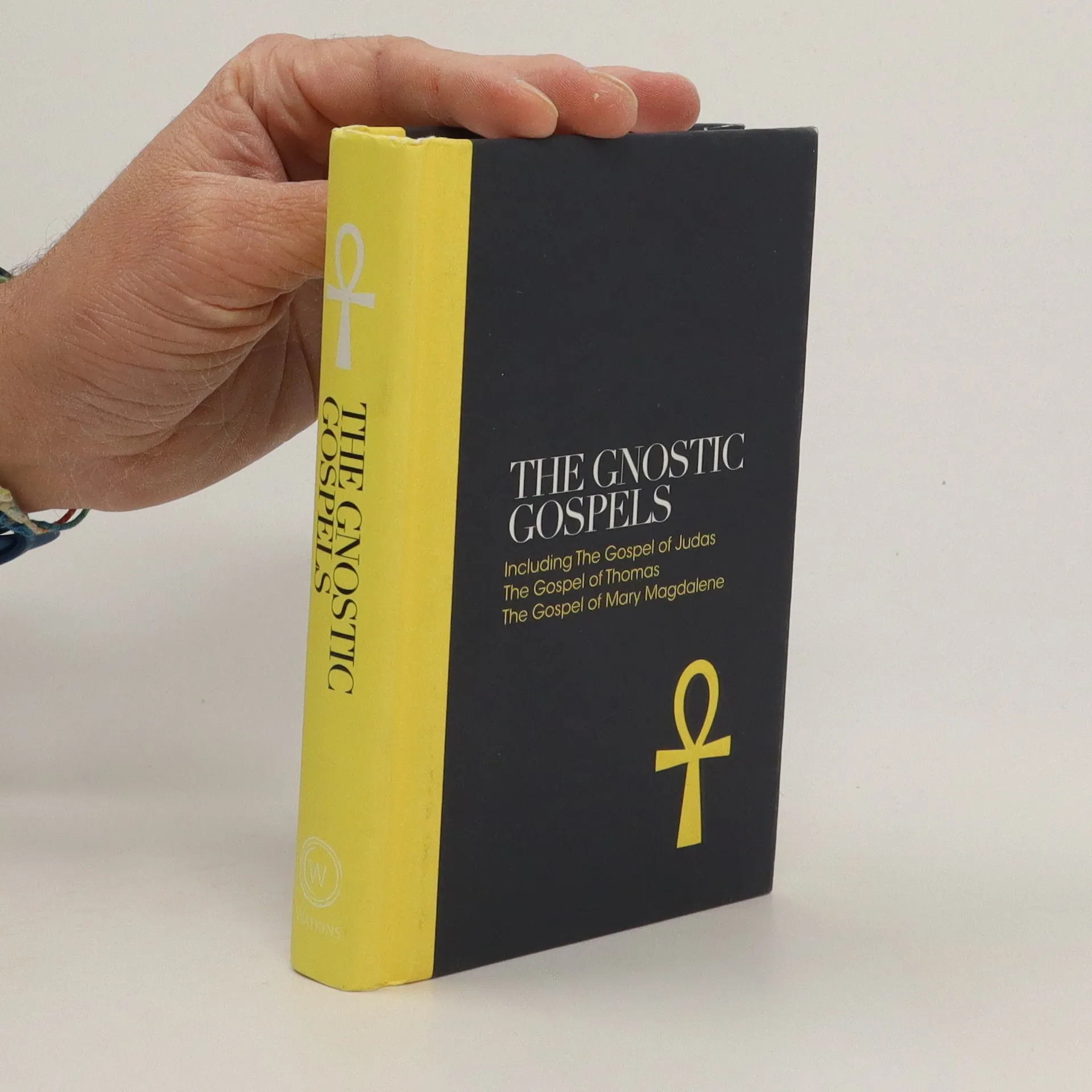
The Gnostic Gospels
- 256bladzijden
- 9 uur lezen
A landmark collection of 14 texts from the Nag Hammadi library that shed new light on the esoteric knowledge of Gnosticism—including the Gospels of Mary Magdalene, Thomas, and Judas, and The Sophia of Jesus Christ. Discover the intimate conversations between Jesus and his Disciples. In 1945, several gospels, hidden since the first century, were found in the Egyptian Desert at Nag Hammadi. This discovery caused a sensation as the scrolls revealed the mysteries of the Gnostics—a movement which emerged during the formative period of Christianity. ‘Gnosis’, from the Greek, broadly meaning ‘hidden spiritual knowledge’, was associated with renouncing the material world, and focusing on attaining the life of the Holy Spirit. Many Christian sects are derived from the esoteric knowledge of Gnosticism. The gospels selected here by Alan Jacobs reveal intimate conversations between Jesus and his Disciples. The Gospel of Mary Magdalene sheds new light on his relationship with his favorite follower, while the Gospel of Thomas consists of mini-parables of deep inward and symbolic meaning—many of which are not found in the New Testament. The wisdom in this inspiring collection of texts is wholly relevant to our lives today, addressing the questions of good and evil, sin and suffering, and the path to salvation.
Ein fester Glaube an die Allbeseeltheit der Erscheinungen und die Kontaktaufnahme zu Geistern bilden seit jeher die spirituelle Grundlage der indigenen Völker Nordamerikas. Dieser fachkundig zusammengestellte Band umfasst authentische Prosatexte, Gedichte und die überlieferte Weisheit von Häuptlingen, Medizinmännern und anderen Angehörigen zahlreicher Indianerstämme. Die Schriften der Apachen und Zuñi, der Sioux, Inuit und Cherokee vermitteln Respekt vor der Umwelt und ein Bewusstsein vom Leben im Einklang mit der Natur.
C. S. Lewis war sicherlich einer der bedeutendsten christlichen Denker des 20. Jahrhunderts. Oxford-Gelehrter und Professor in Cambridge, eine Koryphäe auf dem Gebiet der englischen Literatur des Mittelalters und der Renaissance, war Lewis zu- gleich Autor einer ungemein belieb- ten Kinderbuchreihe - der Narnia-Chroniken. Wie kam ein irischer Junggeselle mittleren Alters dazu, Kinderbücher zu schreiben, die zu den erfolg- reichsten zählen, die je veröffentlicht wurden? Alan Jacobs schildert in dieser meisterhaften Biographie nicht nur den äußeren Werdegang und die Lebens- umstände von C. S. Lewis, sondern erschließt zugleich die reiche Vorstellungswelt des „Mannes aus Narnia“ und liefert Schlüssel zum tiefe- ren Verständnis seines vielfältigen Werkes.