
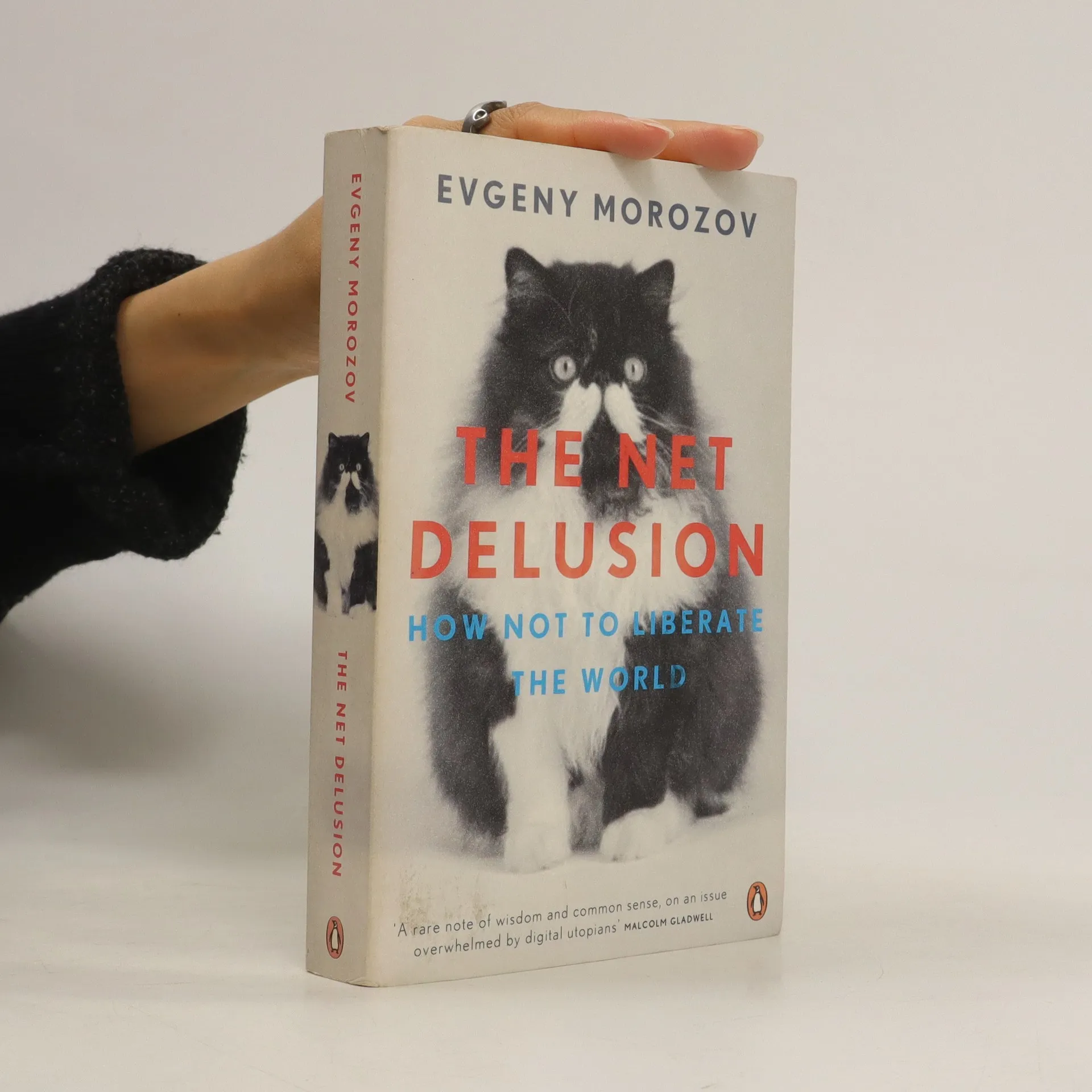

Looks at the shape of society in the digital age, of the direction in which the 21st Century may take us. From urging us to drop outdated ideas of the internet to showing how to design more humane and democratic technological solutions, this title is about why we should always question the way we use technology.
Evgeny Morozov Volgorde van de boeken
Evgeny Morozov is een leidende stem die de complexe relatie tussen technologie en samenleving onderzoekt. Zijn werk onderzoekt kritisch hoe het internet de mondiale politiek vormgeeft en conventionele ideeën over vooruitgang uitdaagt. Morozovs inzichtelijke analyse biedt een genuanceerd perspectief op het digitale tijdperk en spoort lezers aan om de diepgaande implicaties van onze onderling verbonden wereld te overwegen.


- 2013
- 2013
Our gadgets are getting smarter. Technology can log what we buy, customize what we consume and enable us to save and share every aspect of our existence. In the future, we're told, it will even make public life - from how we're governed to how we record crime - better. But can the digital age fix everything? Should it? By quantifying our behaviour, Evgeny Morozov argues, we are profoundly reshaping society - and risk losing the opacity and imperfection that make us human.
- 2011
The Net Delusion
- 409bladzijden
- 15 uur lezen
“The revolution will be Twittered!” declared journalist Andrew Sullivan after protests erupted in Iran in June 2009. Yet for all the talk about the democratizing power of the Internet, regimes in Iran and China are as stable and repressive as ever. In fact, authoritarian governments are effectively using the Internet to suppress free speech, hone their surveillance techniques, disseminate cutting-edge propaganda, and pacify their populations with digital entertainment. Could the recent Western obsession with promoting democracy by digital means backfire? In this spirited book, journalist and social commentator Evgeny Morozov shows that by falling for the supposedly democratizing nature of the Internet, Western do-gooders may have missed how it also entrenches dictators, threatens dissidents, and makes it harder—not easier—to promote democracy. Buzzwords like “21st-century statecraft” sound good in PowerPoint presentations, but the reality is that “digital diplomacy” requires just as much oversight and consideration as any other kind of diplomacy. Marshaling compelling evidence, Morozov shows why we must stop thinking of the Internet and social media as inherently liberating and why ambitious and seemingly noble initiatives like the promotion of “Internet freedom” might have disastrous implications for the future of democracy as a whole.