

LARGE PRINT EDITION with an easy-to-read layout and complete footnotes (>1000). "The City of God, for those who can understand it, contains the secret of death and life, war and peace, hell and heaven." -Thomas Merton. "Of all the saints, Augustine is possibly the one who, as the Quakers phrase it, 'speaks most clearly to our condition.' Today as fifteen hundred years ago." -Anne Fremantle. Written by Saint Augustine between 413-426 CE, this philosophical treatise defends Christianity and aims to solidify its influence in the Roman world. Augustine's mastery of rhetoric and philosophical inquiry has shaped his enduring legacy, impacting theologians like Thomas Aquinas and John Calvin. The first half (Books I-X) critiques Roman religion and philosophy, representing the Earthly City. The second half (Books XI-XXII) defends Christianity through Augustine's philosophy and theology of history. Key excerpts highlight the contrast between the two cities formed by two loves: the earthly city, driven by self-love and pride, and the heavenly city, founded on love for God and humility. The former seeks glory from men, while the latter finds glory in God. In this dichotomy, the earthly city is marked by human wisdom and vanity, while the heavenly city embodies godliness and true worship, aspiring for divine communion.
of Hippo Saint Augustine Boeken
Augustinus van Hippo wordt beschouwd als een van de grootste christelijke denkers aller tijden, wiens geschriften een diepgaande invloed hebben gehad op de ontwikkeling van het westerse christendom. Zijn werk onderzoekt de complexe relatie tussen geloof en rede, vrije wil en goddelijke genade. Na aanvankelijke invloeden van het manicheïsme en neoplatonisme ontwikkelde hij een eigen filosofische en theologische benadering. Hij conceptualiseerde de erfzonde en de rechtvaardige oorlog, waarbij hij de onmisbaarheid van Gods genade voor menselijke vrijheid benadrukte. Zijn visie op de "Stad van God" als een spirituele gemeenschap had een diepgaande invloed op het middeleeuwse wereldbeeld.
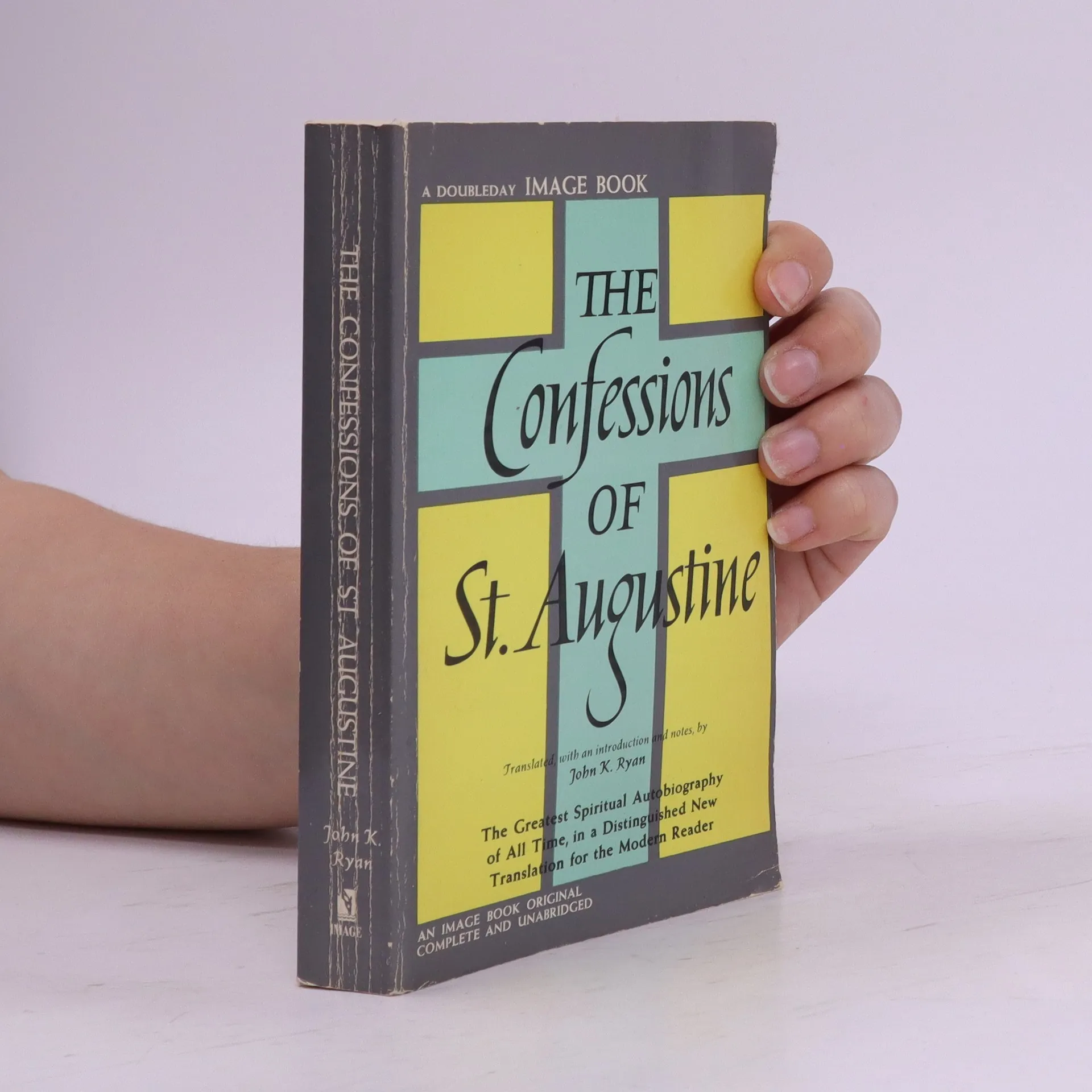

The Confessions of St. Augustine has been translated into more languages than any Latin writings except Virgil's. Now this great classic appears in a distinguished new translation for the modern reader by celebrated translator, John K. Ryan