


Koop 10 boeken voor 10 € hier!
Bookbot

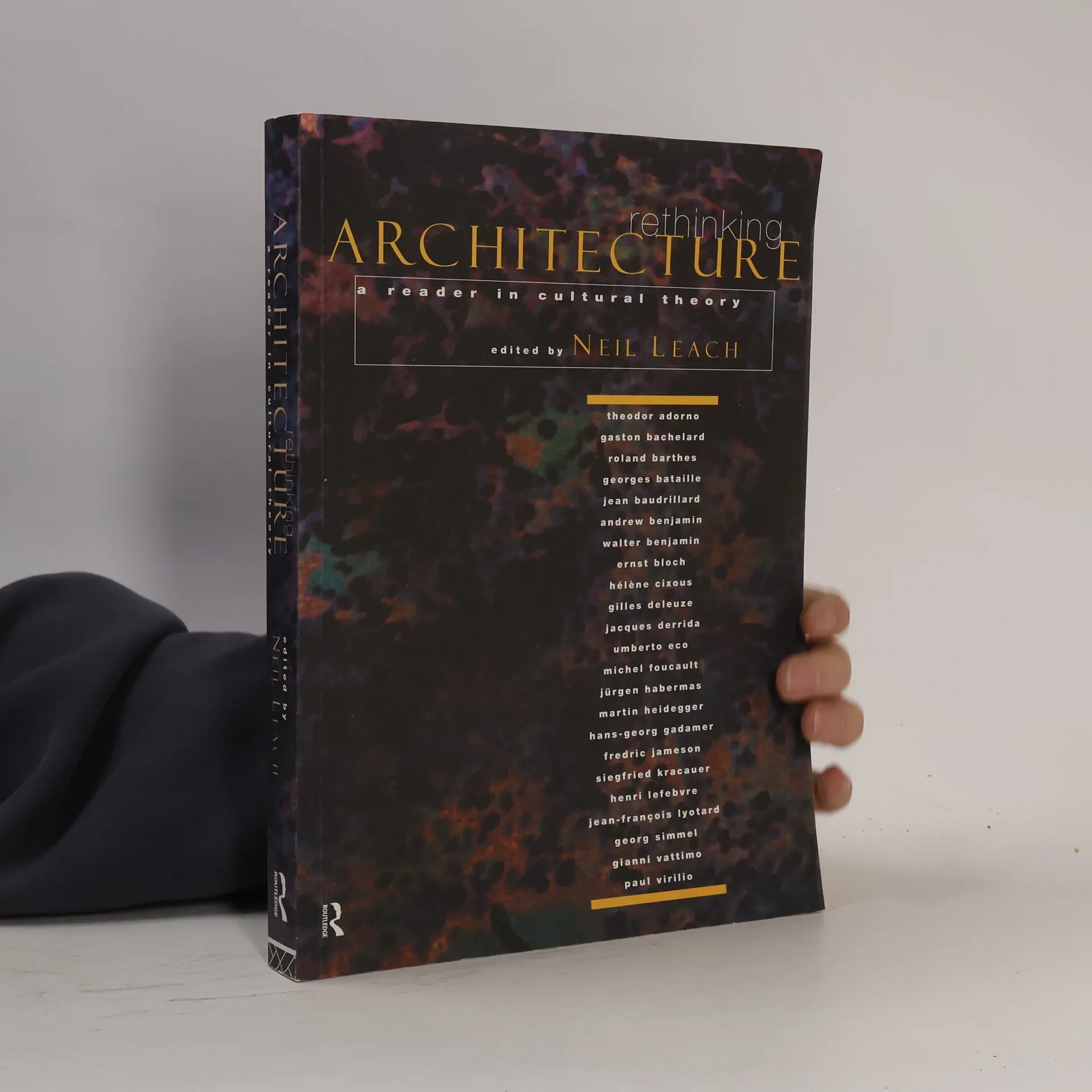
Neil Leach

    Matter Aggregation
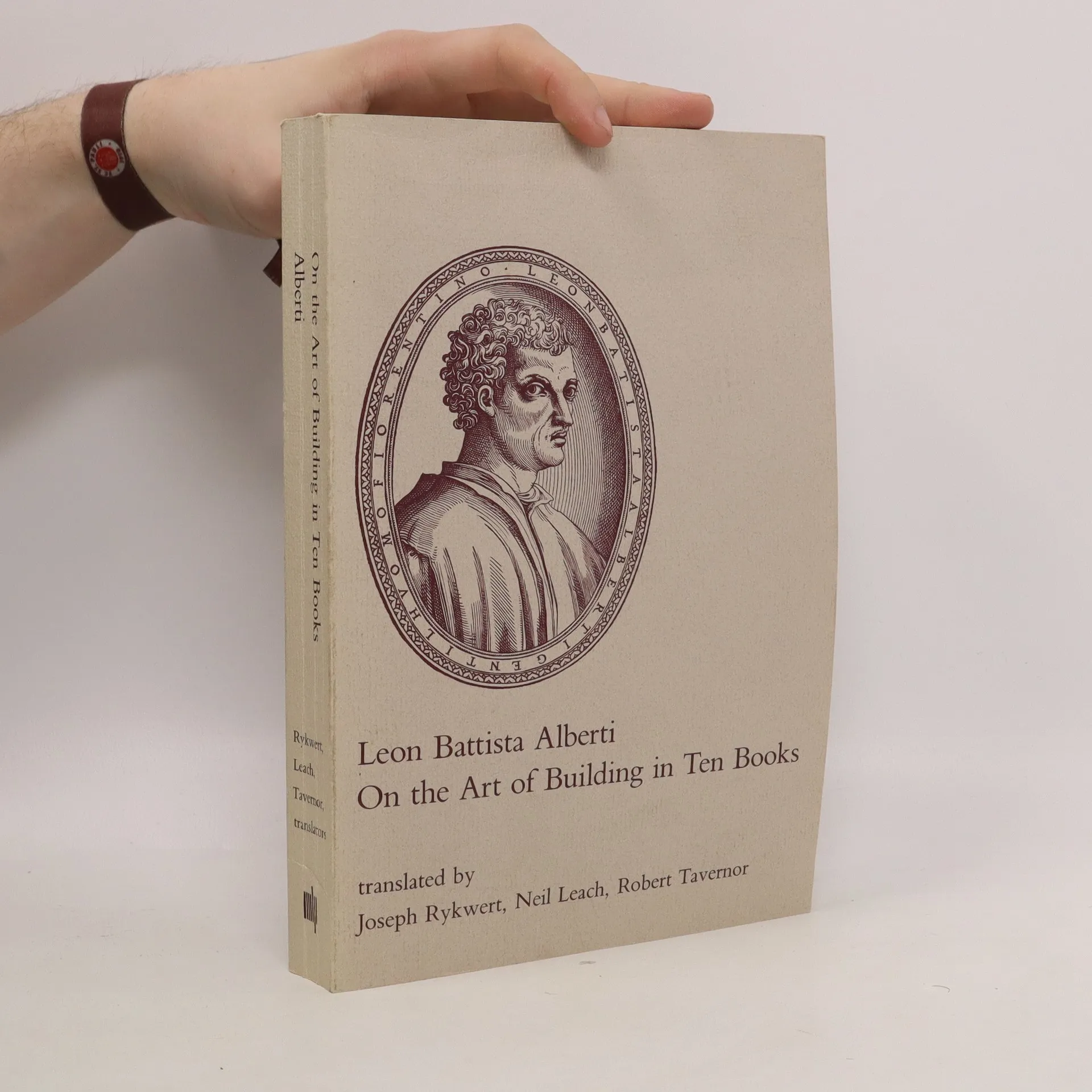
    On the art of building in ten books
    Architecture in the Age of Artificial Intelligence
    • Artificial intelligence is everywhere – from the apps on our phones to the algorithms of search engines. Without us noticing, the AI revolution has arrived. But what does this mean for the world of design? The first volume in a two-book series, Architecture in the Age of Artificial Intelligence introduces AI for designers and considers its positive potential for the future of architecture and design. Explaining what AI is and how it works, the book examines how different manifestations of AI will impact the discipline and profession of architecture. Highlighting current case-studies as well as near-future applications, it shows how AI is already being used as a powerful design tool, and how AI-driven information systems will soon transform the design of buildings and cities. Far-sighted, provocative and challenging, yet rooted in careful research and cautious speculation, this book, written by architect and theorist Neil Leach, is a must-read for all architects and designers – including students of architecture and all design professionals interested in keeping their practice at the cutting edge of technology.

      Architecture in the Age of Artificial Intelligence
    • On the art of building in ten books

      • 470bladzijden
      • 17 uur lezen
      4,0(57)Tarief

      De Re Aedificatoria, by Leon Battista Alberti (1404-1472), was the first modern treatise on the theory and practice of architecture. Its importance for the subsequent history of architecture is incalculable, yet this is the first English translation based on the original, exceptionally eloquent Latin text on which Alberti's reputation as a theorist is founded.

      On the art of building in ten books
    • The book explores the computational mechanisms and diagrammatic grammar within these craft-based aggregation systems, paying close attention to geometrical configurations, material effects and fabrication details and take advantage of these qualities to produce a unique spatiality.

      Matter Aggregation