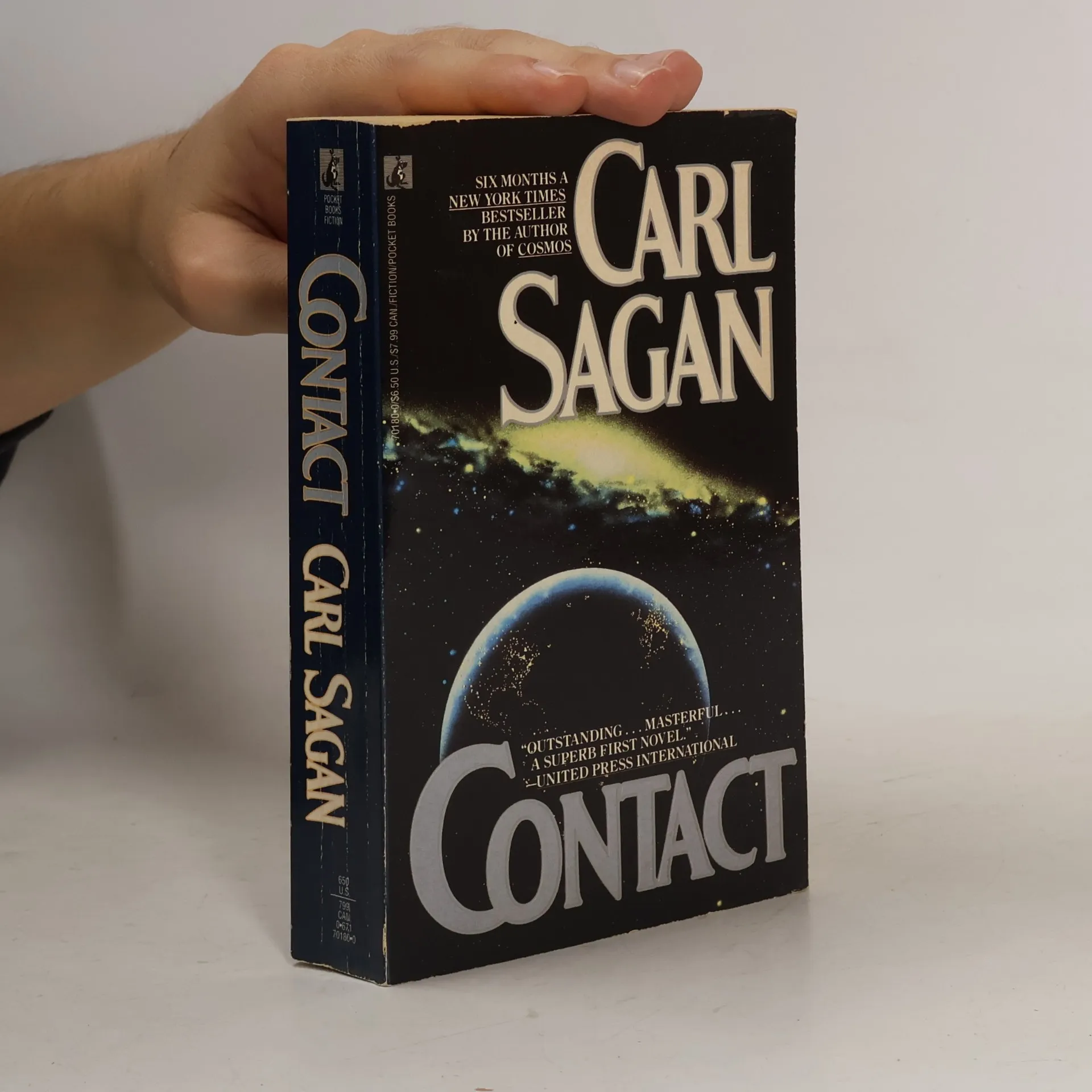
Pulitzer Prize-winner Carl Sagan imagines the greatest adventure of all... the discovery of an advanced civilization in the depths of space. December, 1999, a multinational team journeys out to the stars, to the most awesome encounter in human history. Who-- or what-- is out there? In Cosmos, Carl Sagan explained the universe. In Contact, he predict its future-- and our own.
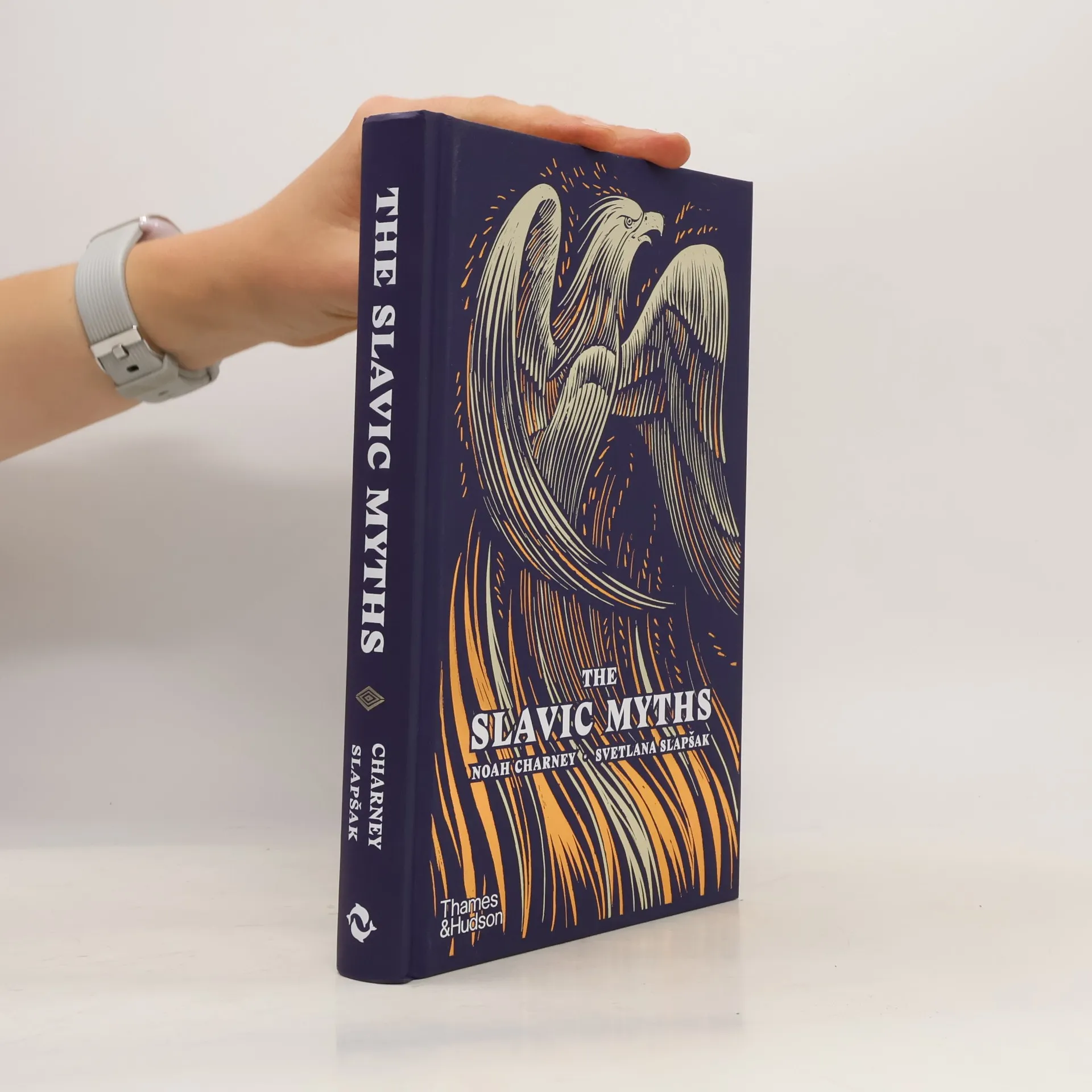
A Pulitzer-nominated author and a prominent public intellectual of Slavic culture explore the rich and unfamiliar myths and legends of the Slavic world. This collection encompasses the diverse East Slavs (Russia, Ukraine, Belarus), West Slavs (Czech Republic, Slovakia, Poland), and South Slavs (former Yugoslavia and Bulgaria), all united by tales of adventure and magic rooted in a shared lore. The authors expertly retell these ancient stories while providing nuanced analysis that highlights their significance within Slavic tradition. While less known than the myths of ancient Egypt, Greece, and Scandinavia, Slavic mythology features relatable elements: capricious deities, demons, faeries, and witches, including the dual-natured vestica. A supreme god commands storms, and gods convene under a World Tree, echoing Norse mythology. The vampire and werewolf emerge from Slavic belief systems. Through careful analysis and sensitive reconstructions, the authors reveal the original Slavic beliefs before they were altered by Christian chroniclers and 19th-century nationalists. They also draw connections to neighboring pantheons and the belief systems of indigenous cultures worldwide, uncovering universal themes in the stories that shape our understanding of humanity.
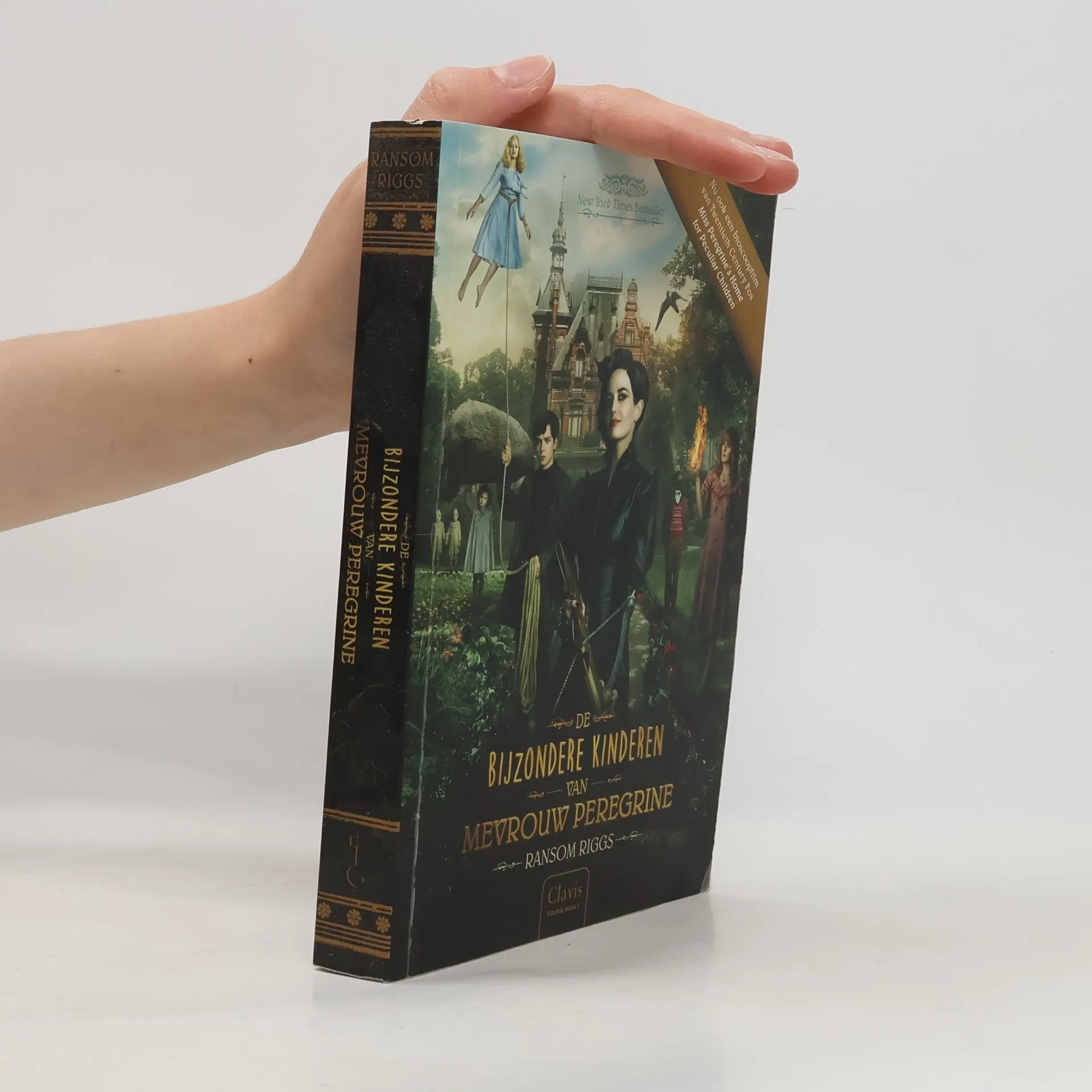
Een mysterieus eiland. Een verlaten weeshuis. Een vreemde verzameling foto's. Als kind had Jacob al een speciale band met zijn opa Abraham. Die vertelde zijn kleinzoon bizarre verhalen over zijn jeugd in een weeshuis voor bijzondere kinderen. Opa illustreerde zijn verhalen met oude, echt uitziende foto's. Jaren later komt de oude Abraham op een gewelddadige manier aan zijn eind. De inmiddels zestienjarige Jacob reist naar een afgelegen eiland voor de kust van Wales, waar hij de ruïne vindt van het tehuis waar zijn opa gewoond heeft. Als Jacob het huis verkent, blijkt dat de jeugdvrienden van Abraham meer dan bijzonder waren. Misschien was er wel een goede reden om hen in afzondering op het eiland te laten wonen. En misschien leven ze nog steeds ... Wat volgt is afwisselend wonderbaarlijk, aandoenlijk en huiveringwekkend.