

One of Kafka's most famous stories, 'Metamorphosis' explores the notions of alienation and human loneliness, demonstrating his extraordinary narrative techniques and depth of imagination. In the second story the relationship between a father and son is explored.
Gérard Rudent Volgorde van de boeken (chronologisch)
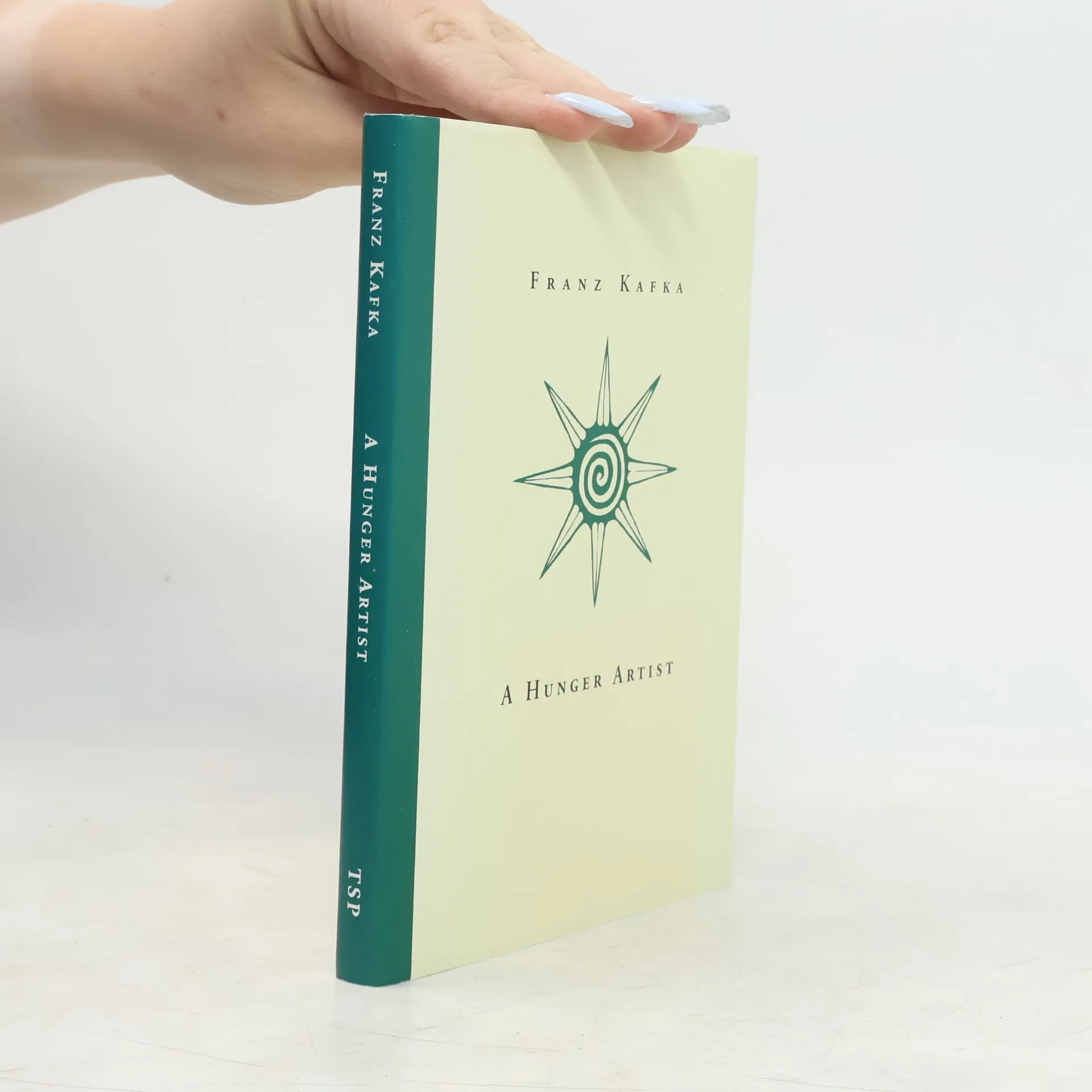
A Hunger Artist
- 88bladzijden
- 4 uur lezen
The last book published during Kafka's lifetime, A Hunger Artist (1924) explores many of the themes that were close to him: spiritual poverty, asceticism, futility, and the alienation of the modern artist. He edited the manuscript just before his death, and these four stories are some of his best known and most powerful work, marking his maturity as a writer. In addition to "First Sorrow," "A Little Woman," and "Josephine the Singer, or the Mouse People" is the title story, "A Hunger Artist," which has been called by the critic Heinz Politzer "a perfection, a fatal fulfillment that expresses Kafka's desire for permanence." The three volumes Twisted Spoon Press has published: Contemplation, A Country Doctor, and A Hunger Artist are the collections of stories that Kafka had published during his lifetime. Though each volume has its own distinctive character, they have most often appeared in English in collected editions. They are presented here as separate editions, in new translations by Kevin Blahut, each with its own illustrator from the Prague community.
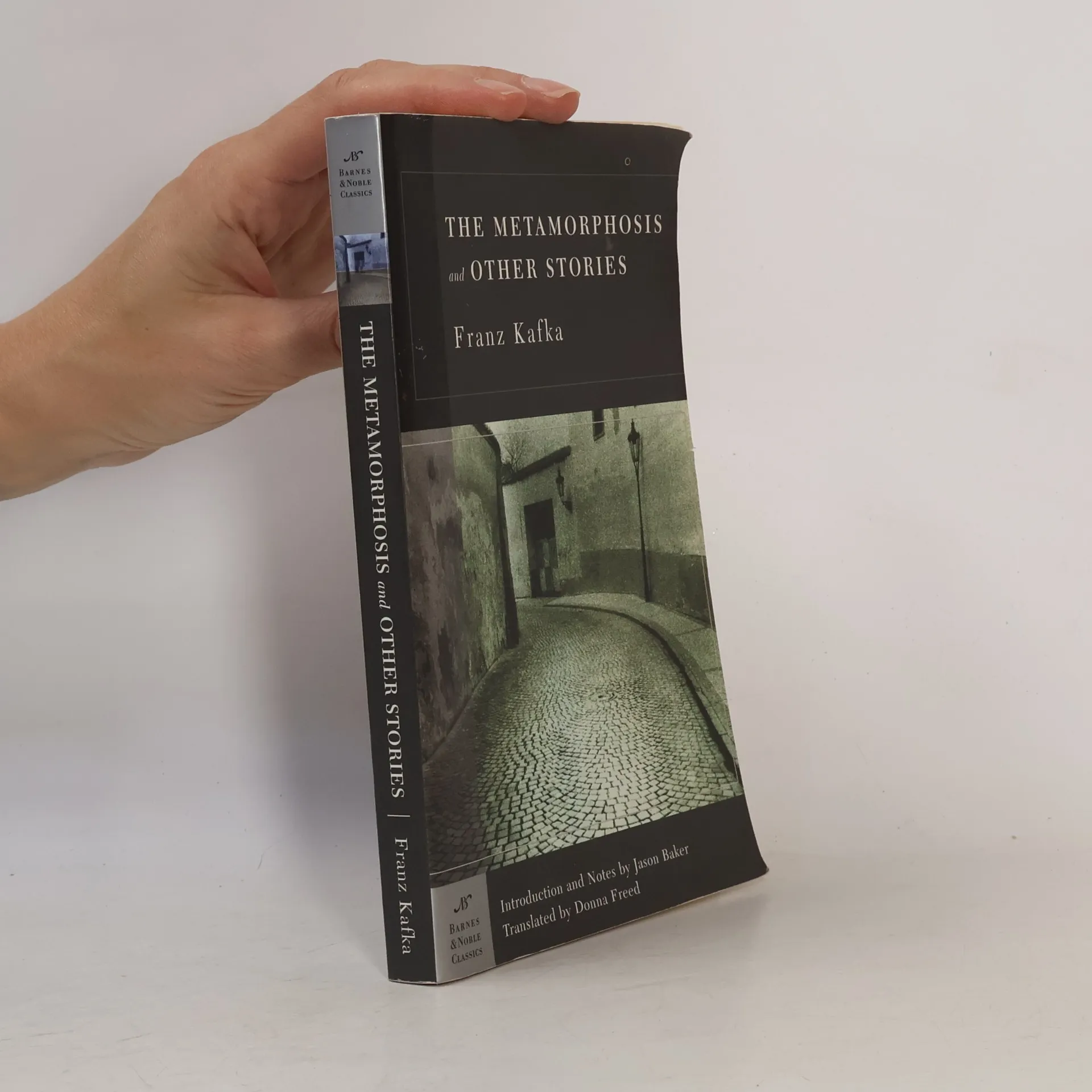
Metamorphosis and Other Stories (Barnes & Noble Classics Series)
- 224bladzijden
- 8 uur lezen
Franz Kafka's nightmarish novels and short stories have come to symbolize modern man's anxiety and alienation in a bizarre, hostile, and dehumanized world. This vision is most fully realized in Kafka's masterpiece, "The Metamorphosis," a story that is both harrowing and amusing, and a landmark of modern literature. Bringing together some of Kafka's finest work, this collection demonstrates the richness and variety of the author's artistry. "The Judgment," which Kafka considered to be his decisive breakthrough, and "The Stoker," which became the first chapter of his novel "Amerika, are here included. These two, along with "The Metamorphosis," form a suite of stories Kafka referred to as "The Sons," and they collectively present a devastating portrait of the modern family. Jason Baker is a writer of short stories living in Brooklyn, New York