

Text: German
Donald B. Donald Burton Kuspit Boeken
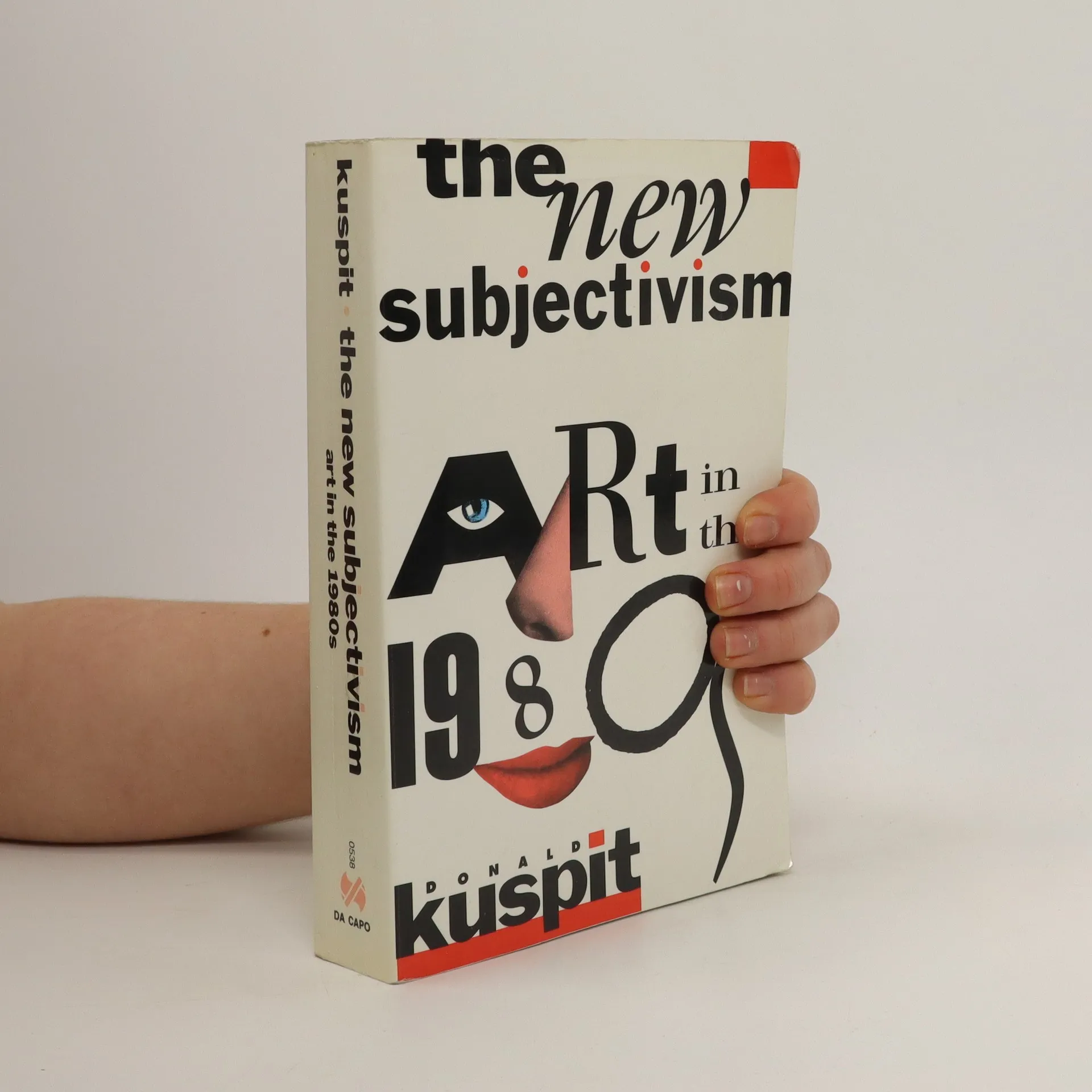
The new subjectivism : art in the 1980s
- 578bladzijden
- 21 uur lezen
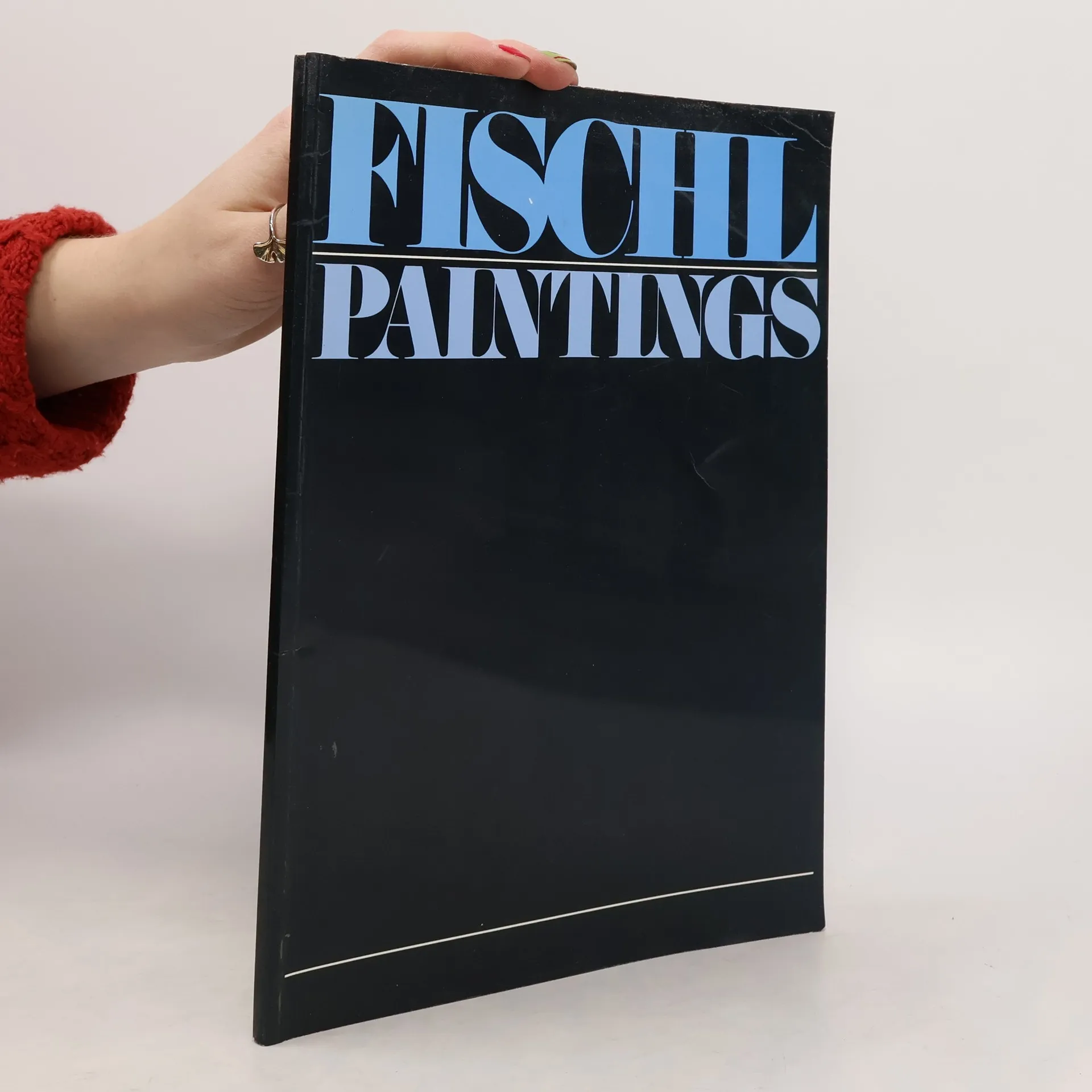
Eric Fischl Paintings
- 56bladzijden
- 2 uur lezen
This is a catalog of an exhibition organized to celebrate the 10th anniversary of the artist's first one-man show, and contains over 30 black and white and color plates and well as the "Eric Fischl's To Whom Does it Belong" by Jean-Christophe Ammann; "Voyeurism, Eric Fischl's Vision Of The Perverse" by Donald B. Kuspit; and, "Corrupting Four Probes Into A Body Of Work" by Bruce W. Ferguson.
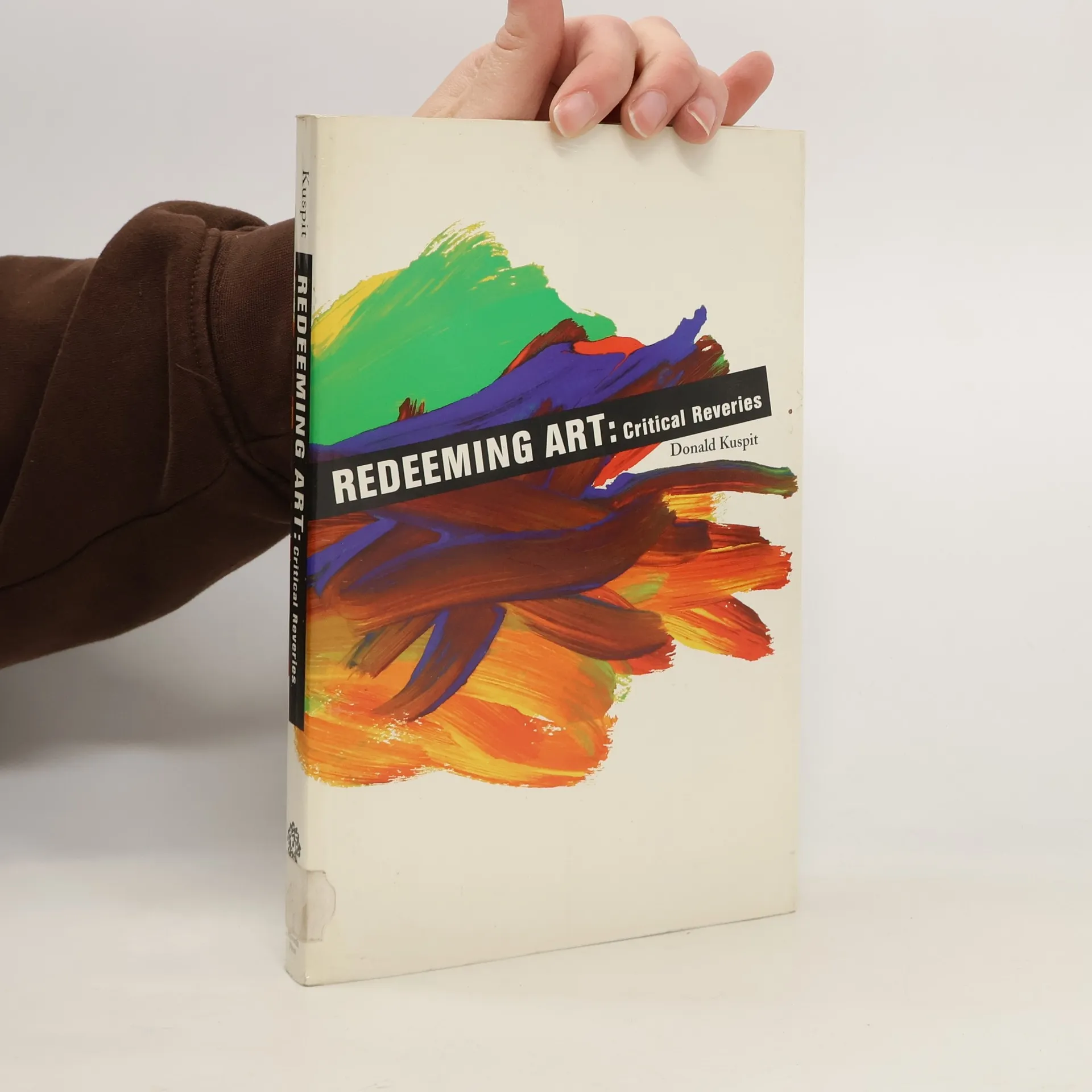
This choice collection of essays scrutinizes the aesthetic developments of the last twenty-five years, from Abstract Expressionism to the most recent permutation of Postmodernism. In essays culled from three decades of critical writing, Donald Kuspit explores the aesthetic developments of the twentieth century, from post-impressionism to the latest permutation of post-Modernism. Ranging from Willem de Kooning to Andy Warhol to Sue Coe, this provocative anthology chronicles the distinctive voice of a formidable art critic whose reflections on art, artists, and art criticism constitute an eclectic exploration of the ways in which art and art criticism have influenced contemporary thought and psychology. The book's investigation into the social impact of artwork also reflects on the inner life of the artist.
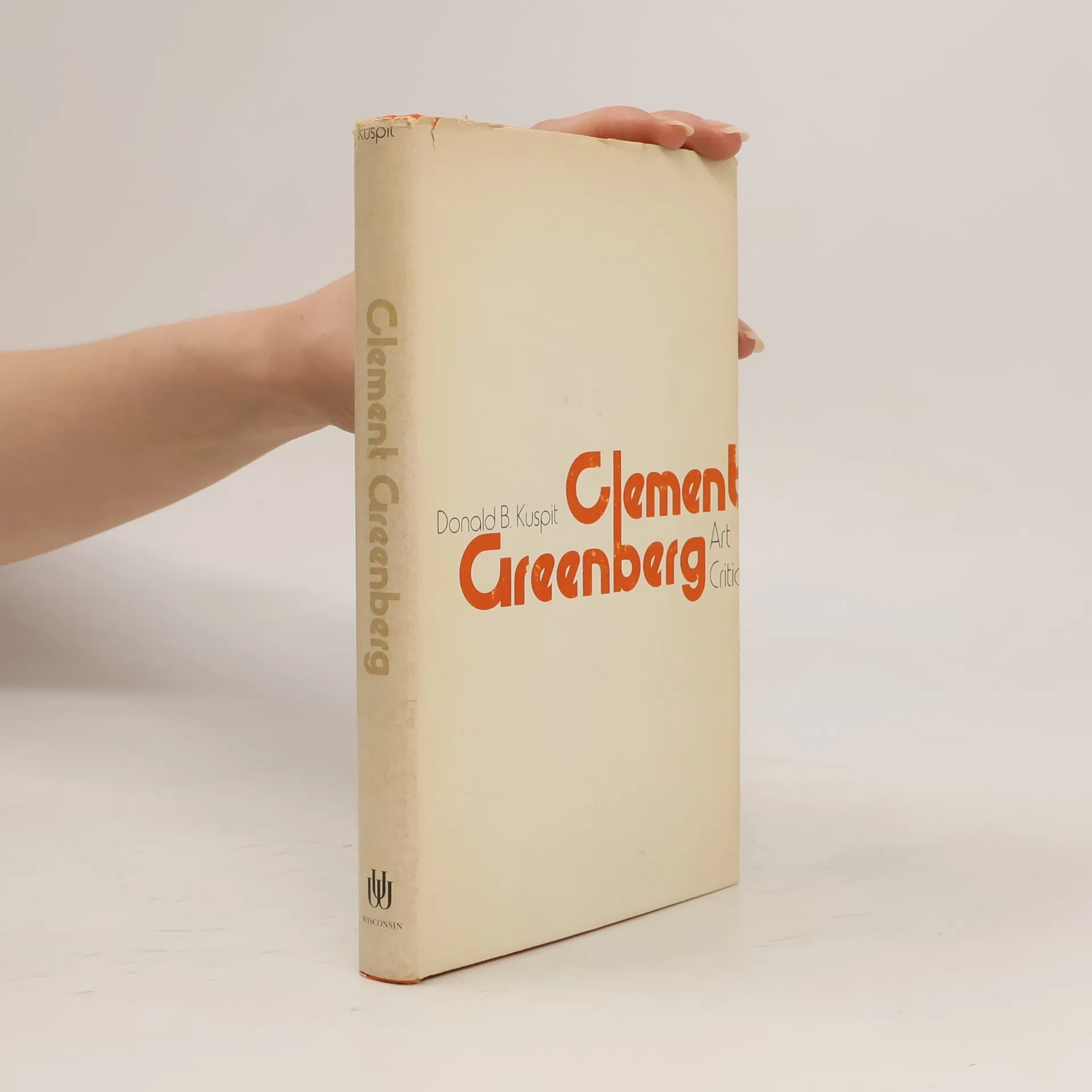
Clement Greenberg, Art Critic
- 224bladzijden
- 8 uur lezen
First Printing. A fine copy in a fine dust jacket.
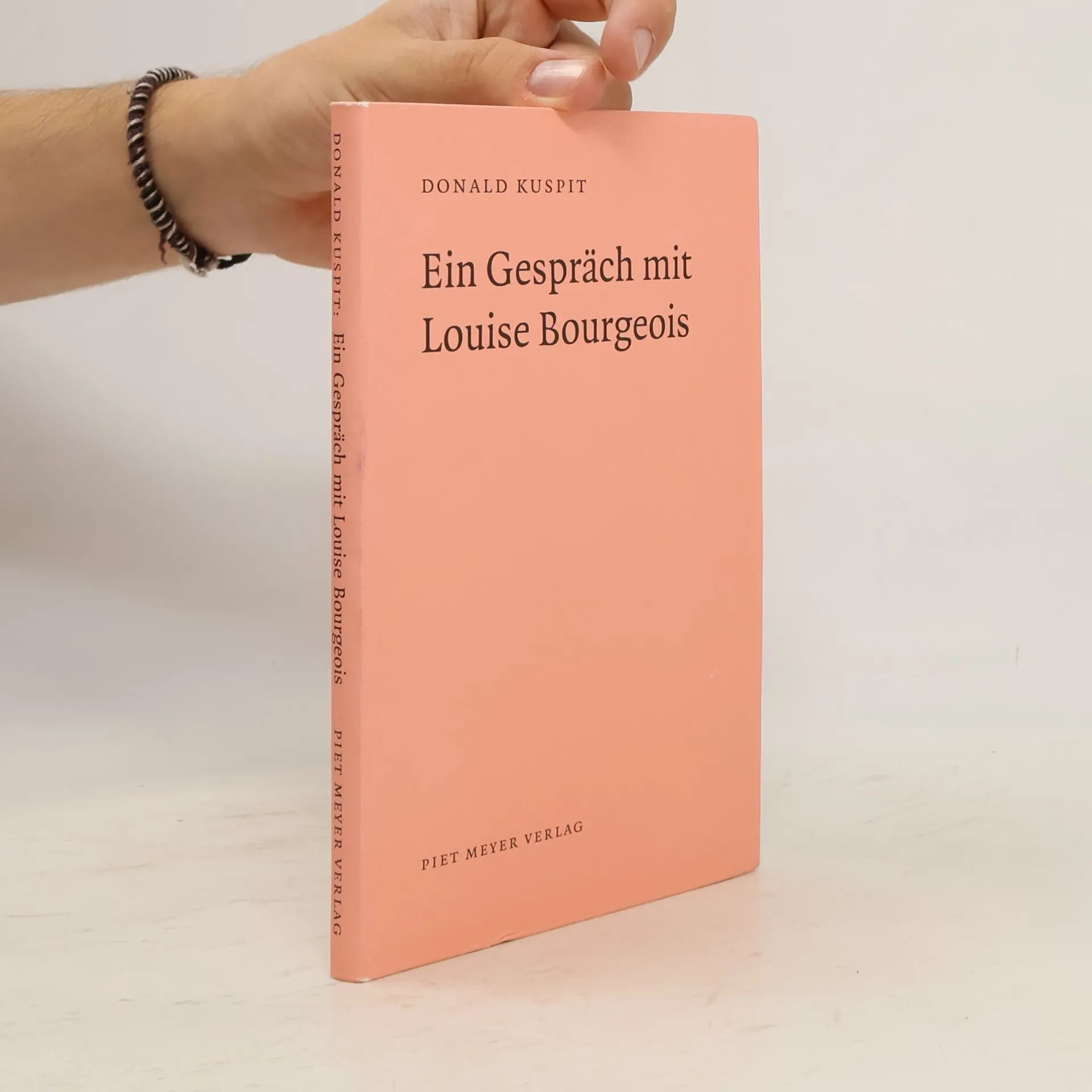
Ein Gespräch mit Louise Bourgeois
- 117bladzijden
- 5 uur lezen
Wie wird man (sehr) alt? Louise Bourgeois (1911–2010), die franko-amerikanische Bildhauerin, hat immer behauptet, das Rezept sei, Kunst zu machen und die eigene Vergangenheit mit, wenn nötig, drastischen Mitteln aufzuarbeiten. Sie selbst, die 98 Jahre alt geworden ist, hat es exemplarisch vorgelebt. Im Gespräch mit Donald Kuspit, dem (weltberühmten) amerikanischen Kunstkritiker, schildert Bourgeois – von ihrer Biografie ausgehend – anschaulich und präzise, wie ihr dies gelungen ist. Sie erzählt von ihrer als zwiespältig erfahrenen Jugend in Frankreich, der tief empfundenen Einsamkeit, dem Ringen um Anerkennung in den ersten Jahren in den USA und wie sich der Erfolg mit der Zeit dann doch noch einstellte. Ihr Gesprächspartner, seit Jahren mit der Künstlerin bekannt, war dank psychoanalytischer Schulung und großer Sensibilität der geeignete Lotse auf diesem – Ende der 1980er Jahre durchgeführten – Gesprächsgang mit ihr. Wir legen dieses für das Verständnis der Künstlerin zentrale Gespräch, versehen mit zahlreichen Abbildungen, zum ersten Mal in vollständiger Fassung auf Deutsch in Buchform vor.