Otto Rank Volgorde van de boeken (chronologisch)
22 april 1884 – 31 oktober 1939
Otto Rank was een productief schrijver en creatief theoreticus op het gebied van de psychoanalyse, bekend om zijn nauwe twintigjarige samenwerking met Sigmund Freud. Na zijn periode in Wenen zette Rank een succesvolle carrière voort als docent, schrijver en therapeut in Parijs en de Verenigde Staten. Zijn uitgebreide werk verdiepte zich in centrale psychoanalytische thema's en vormde de evolutie van de discipline aanzienlijk. Rank wordt erkend voor zijn originele bijdragen aan de psychoanalytische theorie en praktijk.

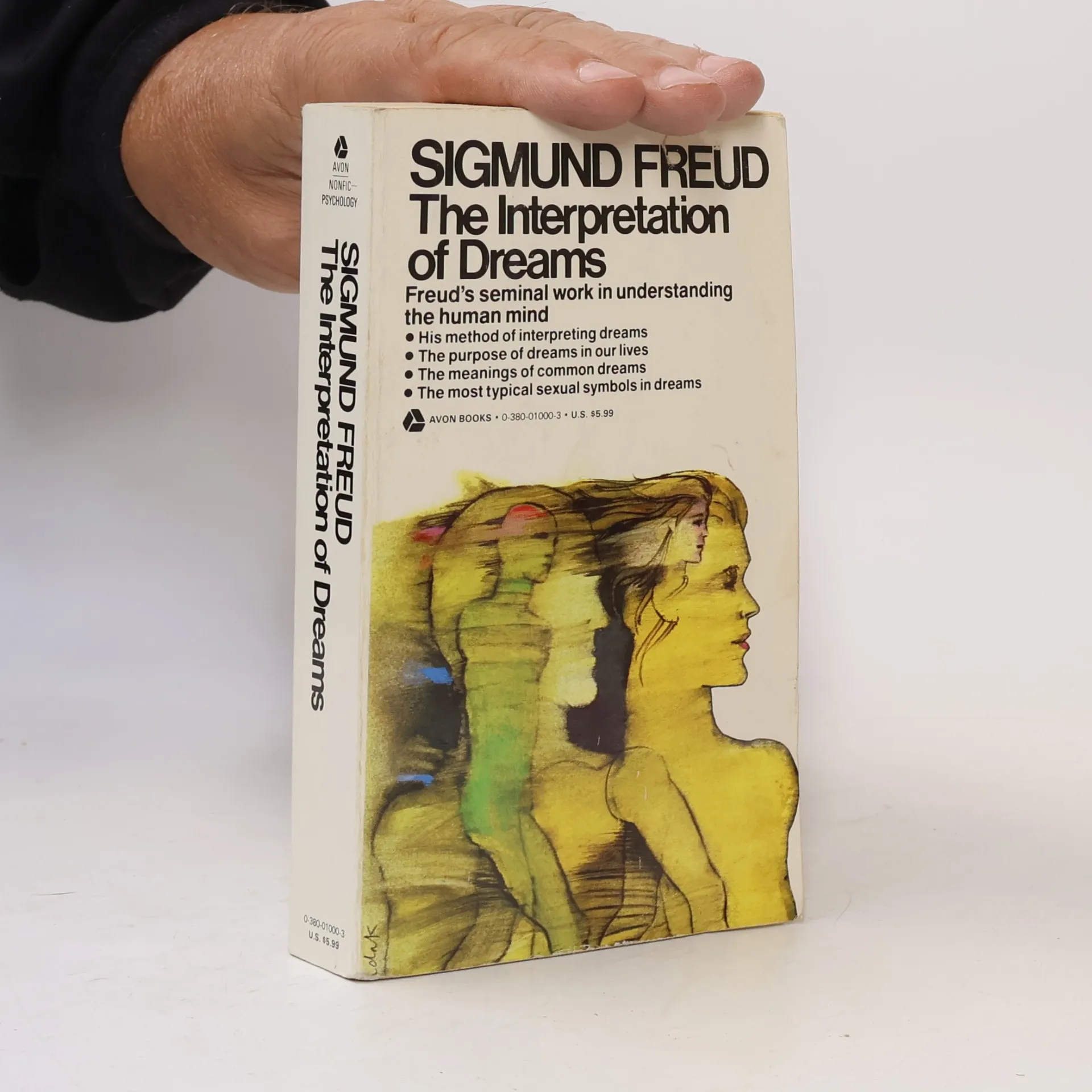
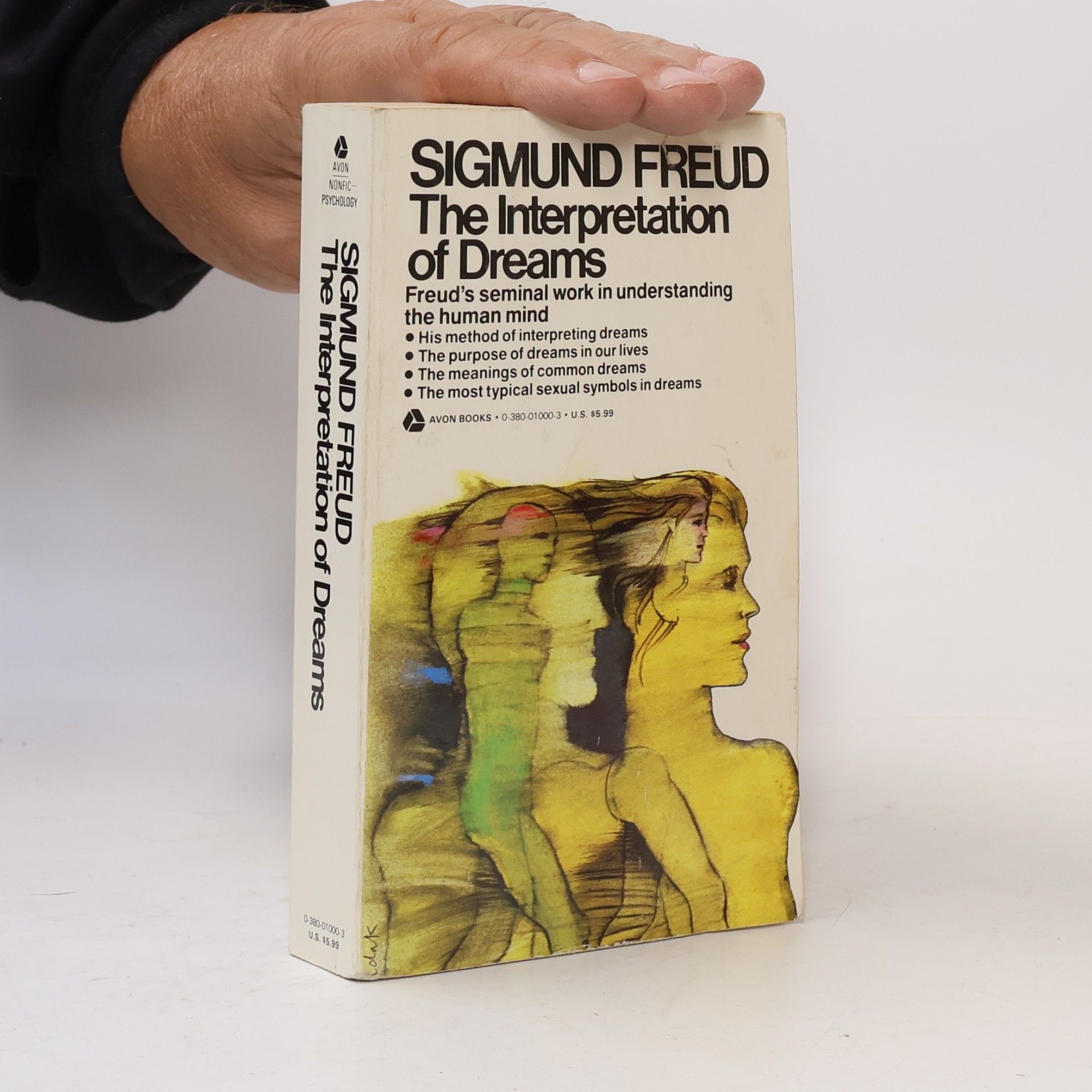
The Interpretation of Dreams
- 736bladzijden
- 26 uur lezen
Freud's Revolutionary Theory This ground-breaking work, which Freud considered his most valuable, forever changed the way we think. Now, in this definitive and bestselling translation by James Strachey, Freud's timeless exploration of the unconscious through the dream world is clearly and precisely rendered. Including dozens of case histories and detailed analyses of actual dreams, The Interpretation of Dreams remains an invaluable tool in helping us all discover the truth about ourselves.
 3,6
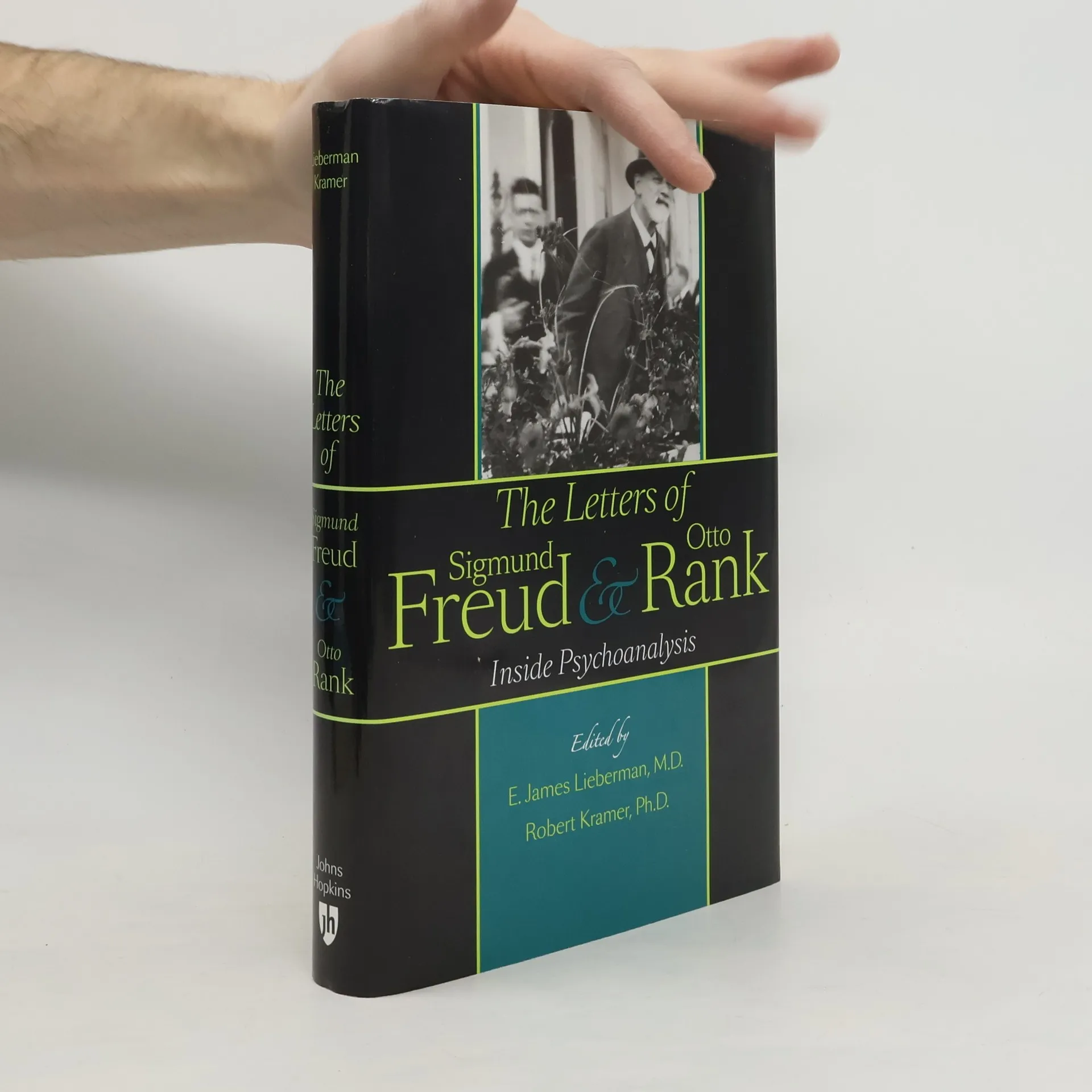
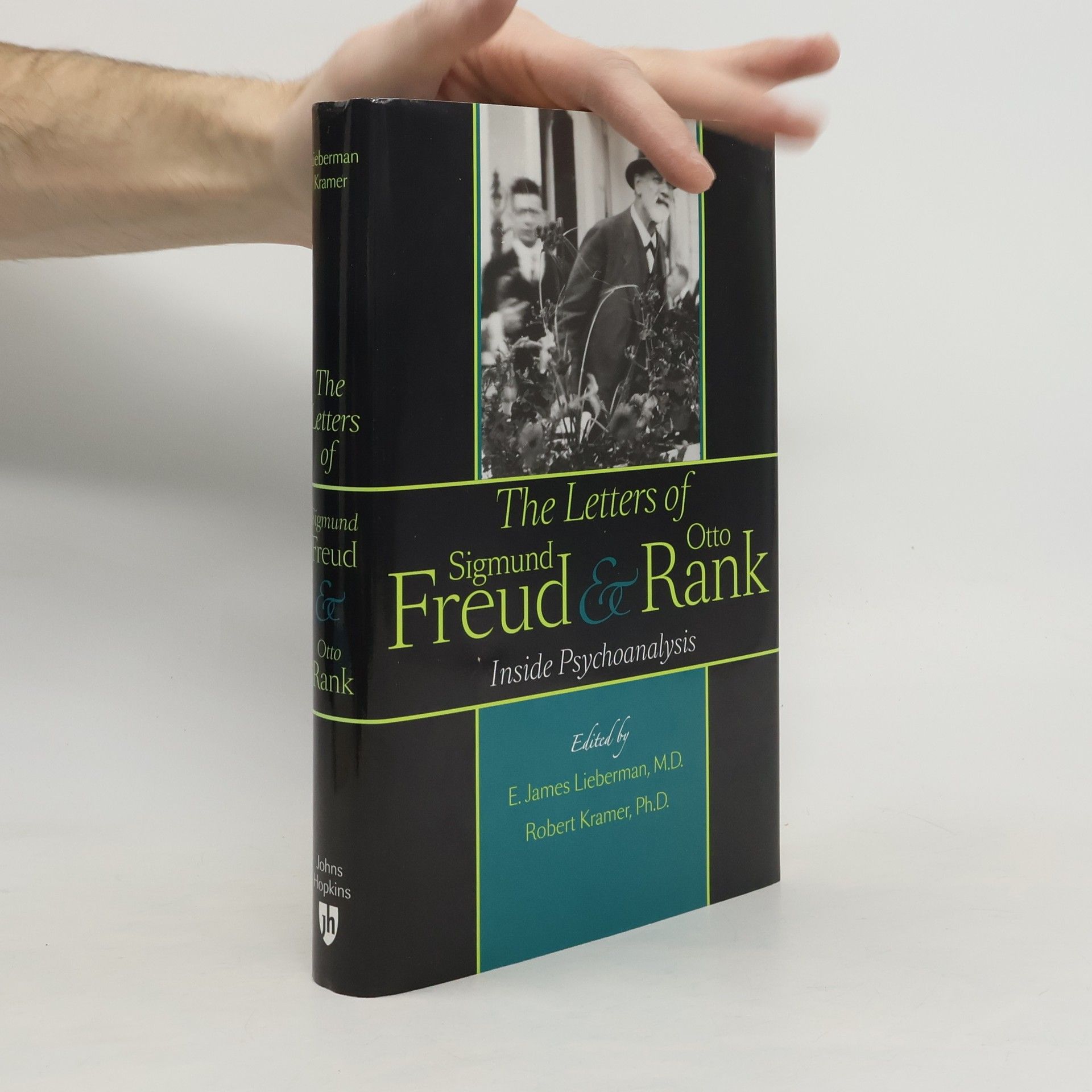
Sigmund Freud’s relationship with Otto Rank was the most significant of his professional life, with Freud regarding Rank as his most brilliant disciple. Their collaboration spanned psychoanalytic writing, practice, and politics; Rank served as the managing director of Freud’s publishing house and contributed two chapters to Freud's seminal work, The Interpretation of Dreams, marking the only instance of another name on its title page. This collection of 250 letters, compiled by E. James Lieberman and Robert Kramer, illuminates their twenty-year partnership and the eventual painful split. The correspondence, spanning from 1906 to 1925, reveals not only their professional insights but also their personal lives, including friendships, rivals, families, and travels. Notably, the letters document Rank’s growing independence, the father-son schism over his "anti-Oedipal" views, and their surprising reconciliation before their final separation. This candid correspondence offers a glimpse into how the pioneers of modern psychotherapy interacted with patients, colleagues, and each other, illustrating the development of psychoanalysis alongside early twentieth-century science, art, philosophy, and politics. This rich primary source serves as a powerful narrative of early psychoanalysis and its two most influential figures.
 4,3
2010 Reprint of 1952 Edition. First published in 1924, Otto Rank's The Trauma of Birth took as its starting point a note that Freud added to his The Interpretation of Dreams: "Moreover, the act of birth is the first experience of anxiety, and thus the source and prototype of the affect of anxiety." Rank set out to identify "the ultimate biological basis of the psychical," the very "nucleus of the unconscious" (p. xxiii). For him this was the physical event of birth, whereby the infant passes from a state of perfectly contented union with the mother to a state of parlous separation via an oppressive experience of asphyxiation, constriction, confinement in the vaginal canal, and so on-all feelings recognizable in anxiety states of every kind. It was the struggle against this traumatic experience of birth, in Rank's account, that structured the fantasy life of the child, including the disavowal of the difference between the sexes, infantile sexual theories, and oedipal scenarios. Castration anxiety was a defensive derivative of the anxiety associated with the birth trauma.
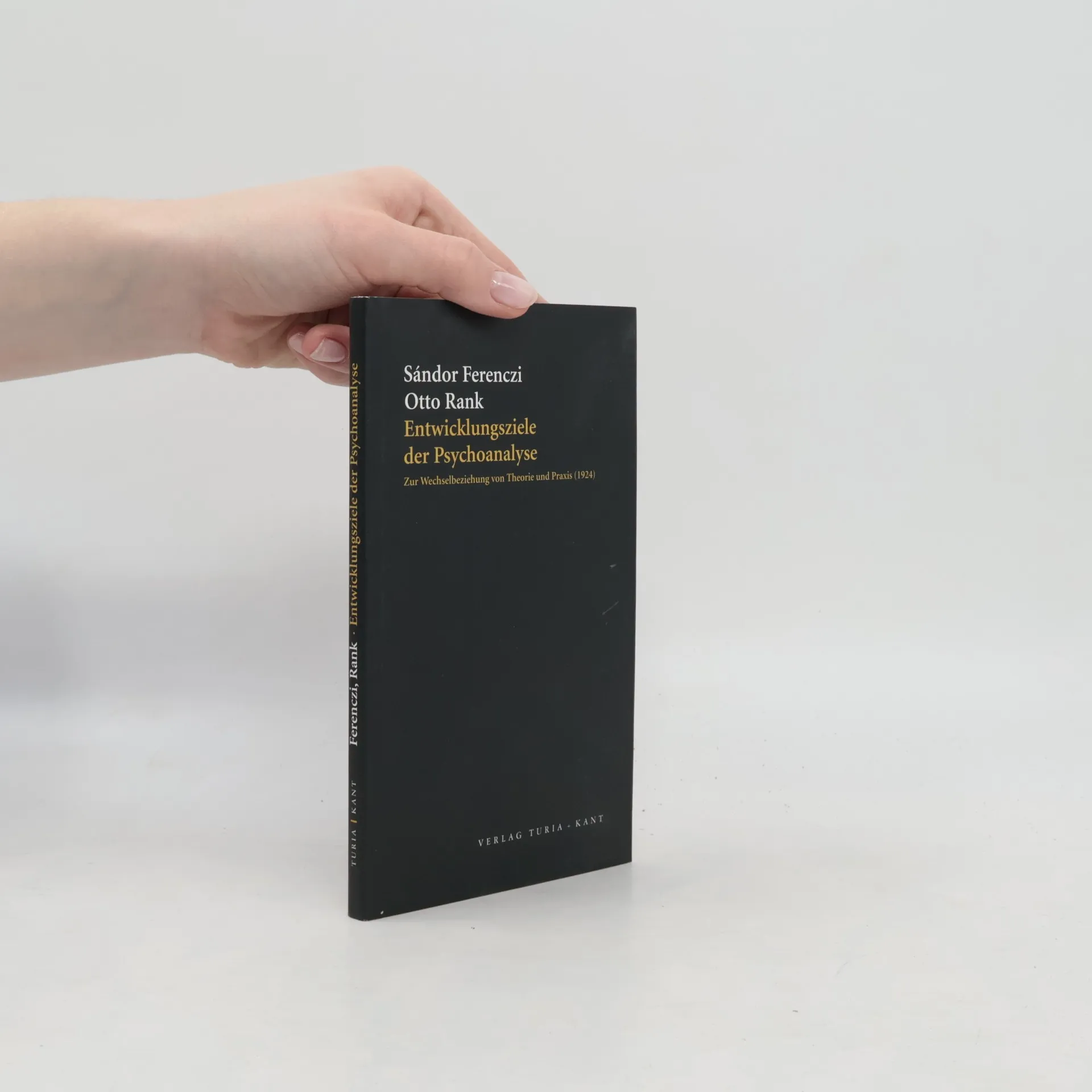
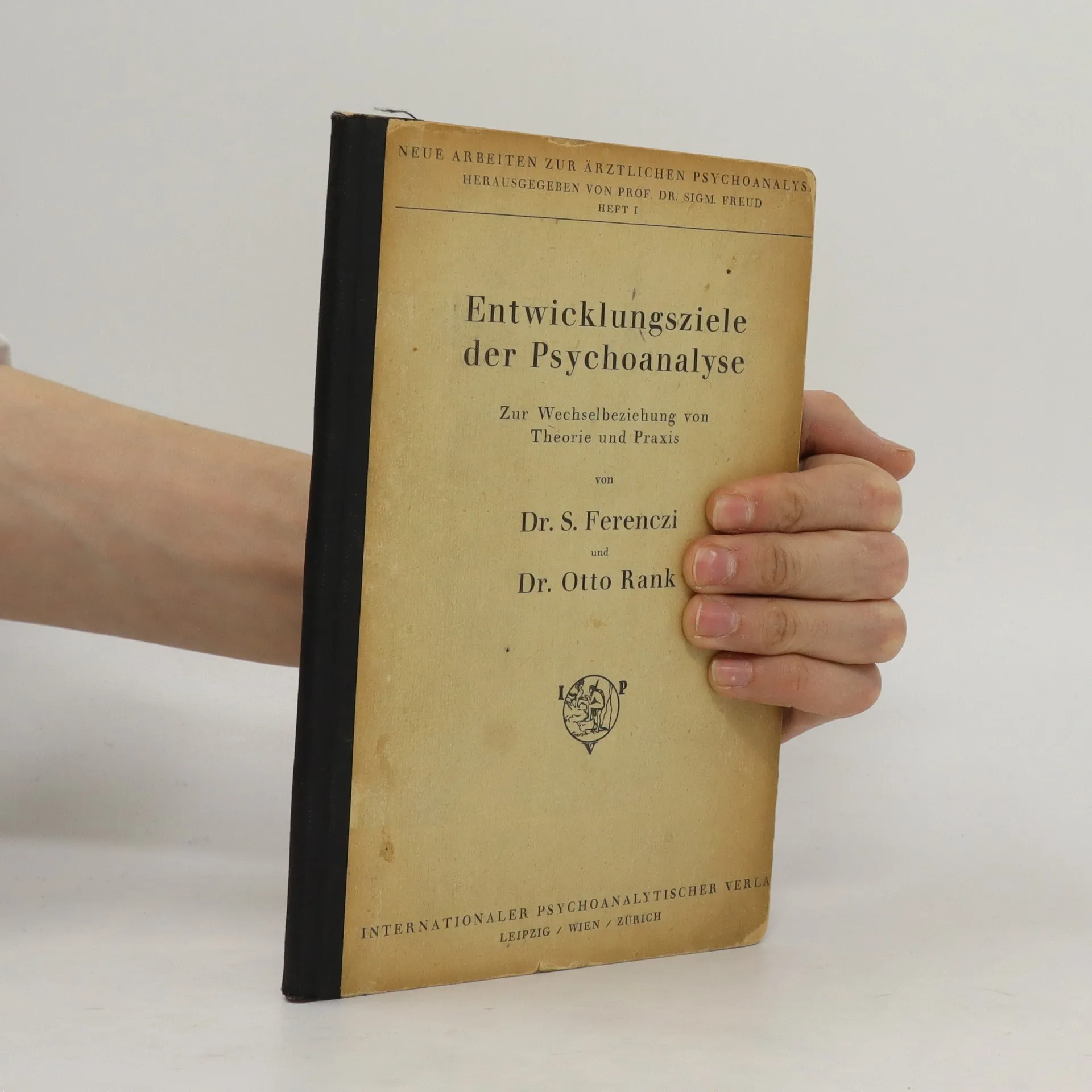
Entwicklungsziele der Psychoanalyse
Zur Wechselbeziehung von Theorie und Praxis (1924)
- 108bladzijden
- 4 uur lezen

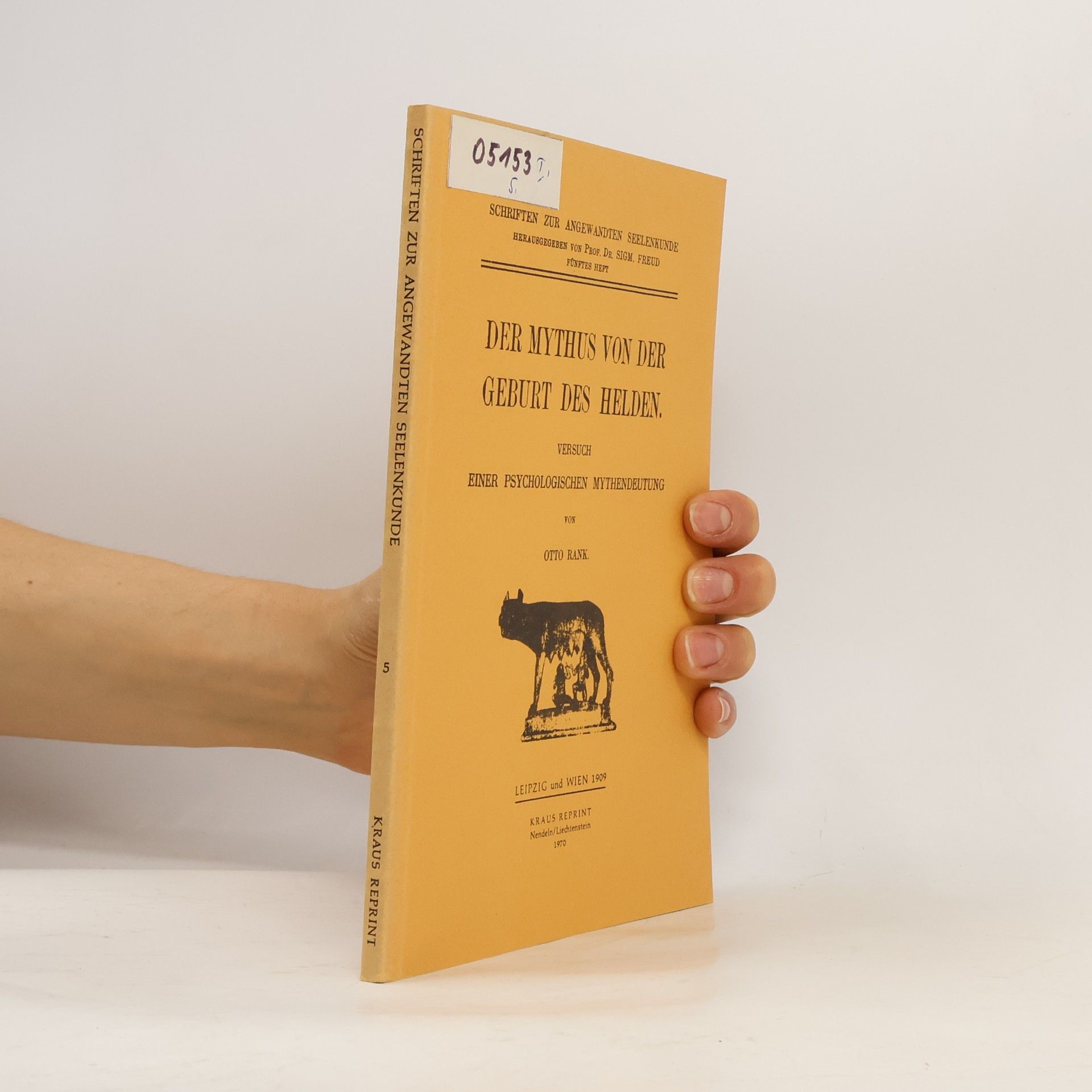
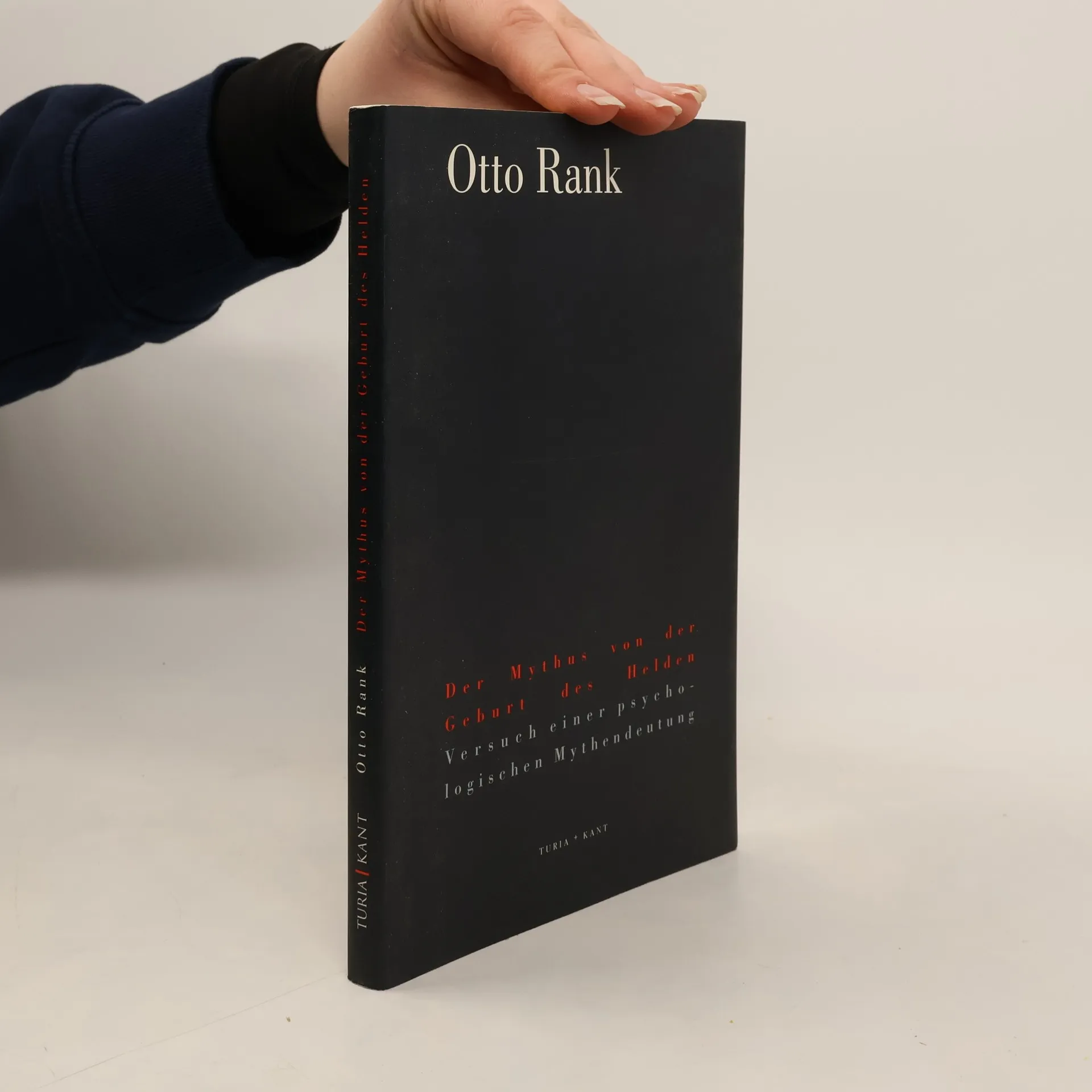
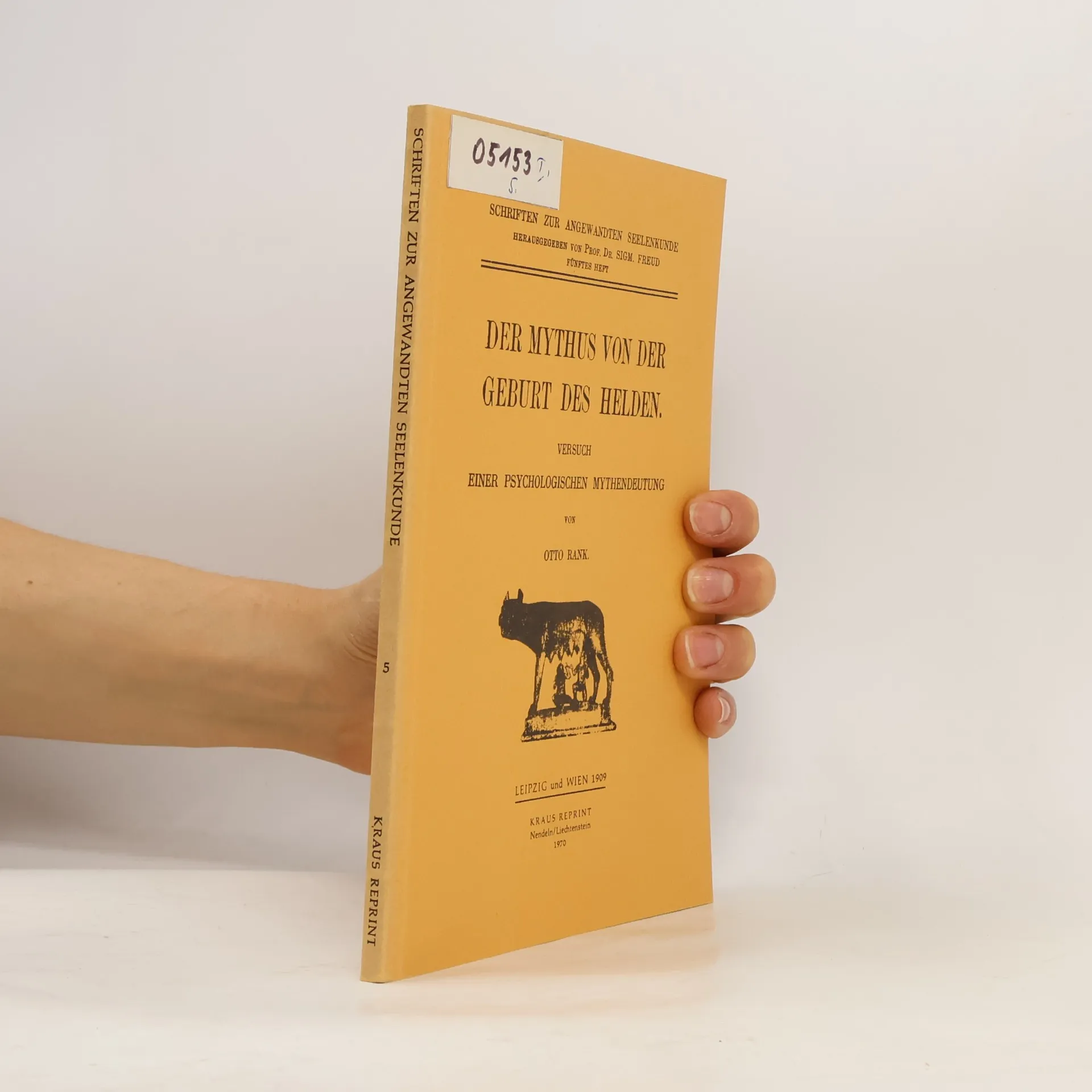
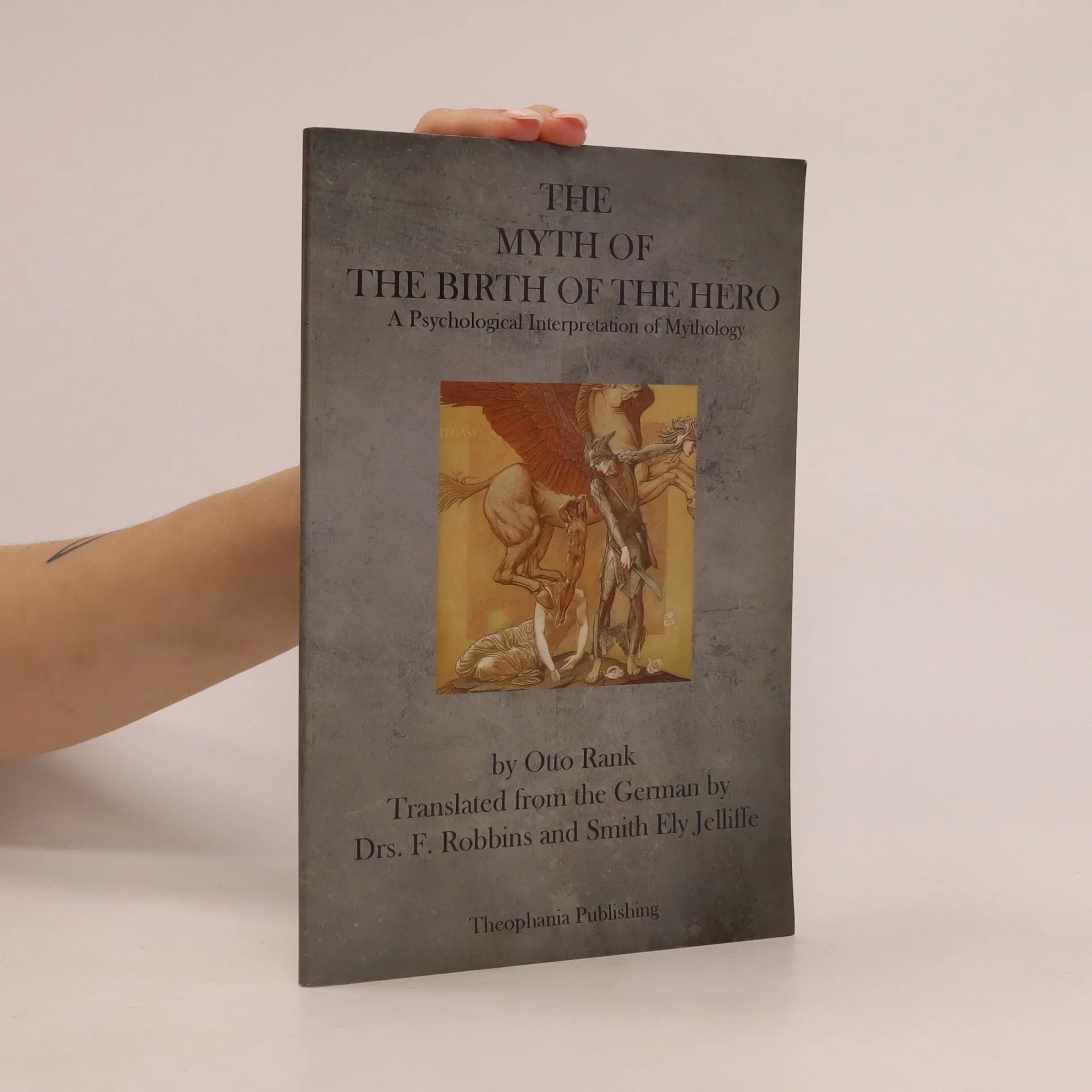
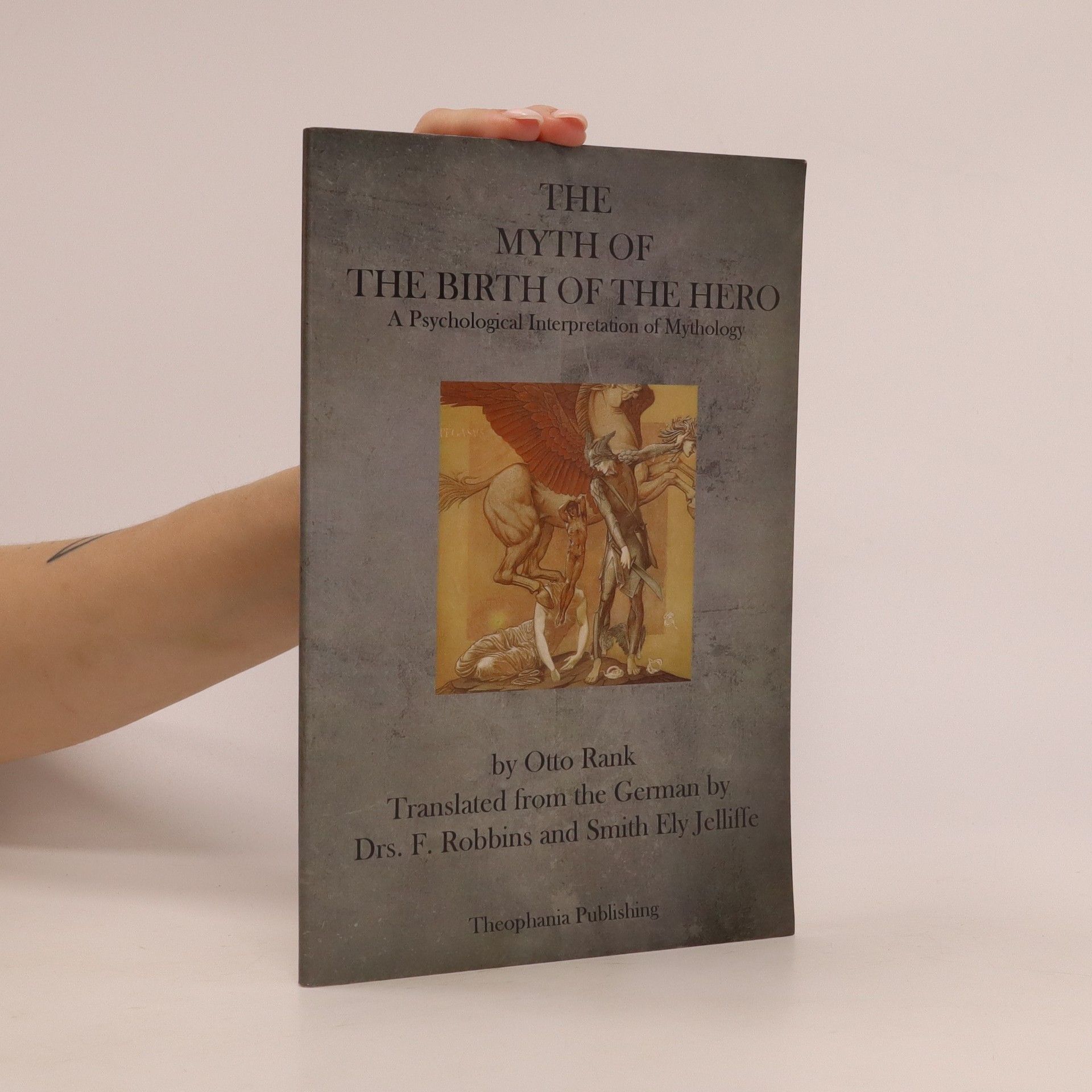
The myth of the birth of the hero
- 88bladzijden
- 4 uur lezen
THE prominent civilized nations--the Babylonians and Egyptians, the Hebrews and Hindus, the Persians, the Greeks and the Romans, as well as the Teutons and others--all began at an early stage to glorify their national heroes--mythical princes and kings, founders of religions, dynasties, empires, or cities--in a number of poetic tales and legends. The history of the birth and of the early life of these personalities came to be especially invested with fantastic features, which in different nations--even though widely separated by space and entirely independent of each other--present a baffling similarity or, in part, a literal correspondence. Many investigators have long been impressed with this fact, and one of the chief problems of mythological research still consists in the elucidation of the reason for the extensive analogies in the fundamental outlines of mythical tales, which are rendered still more puzzling by the unanimity in certain details and their reappearance in most of the mythical groupings.
 3,8
Der Mythos von der Geburt des Helden
Versuch einer psychologischen Mythendeutung
- 172bladzijden
- 7 uur lezen
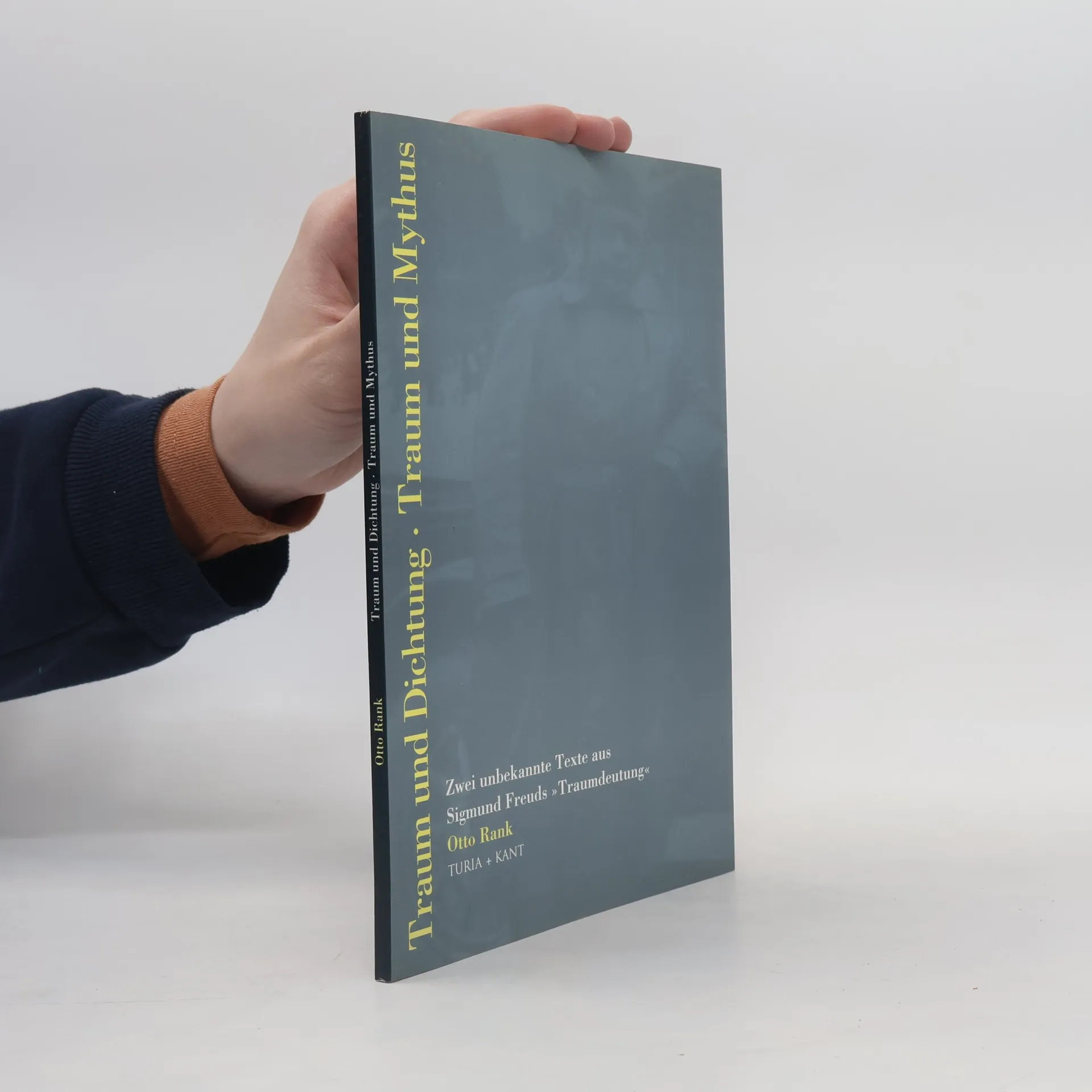
Traum und Dichtung
- 77bladzijden
- 3 uur lezen

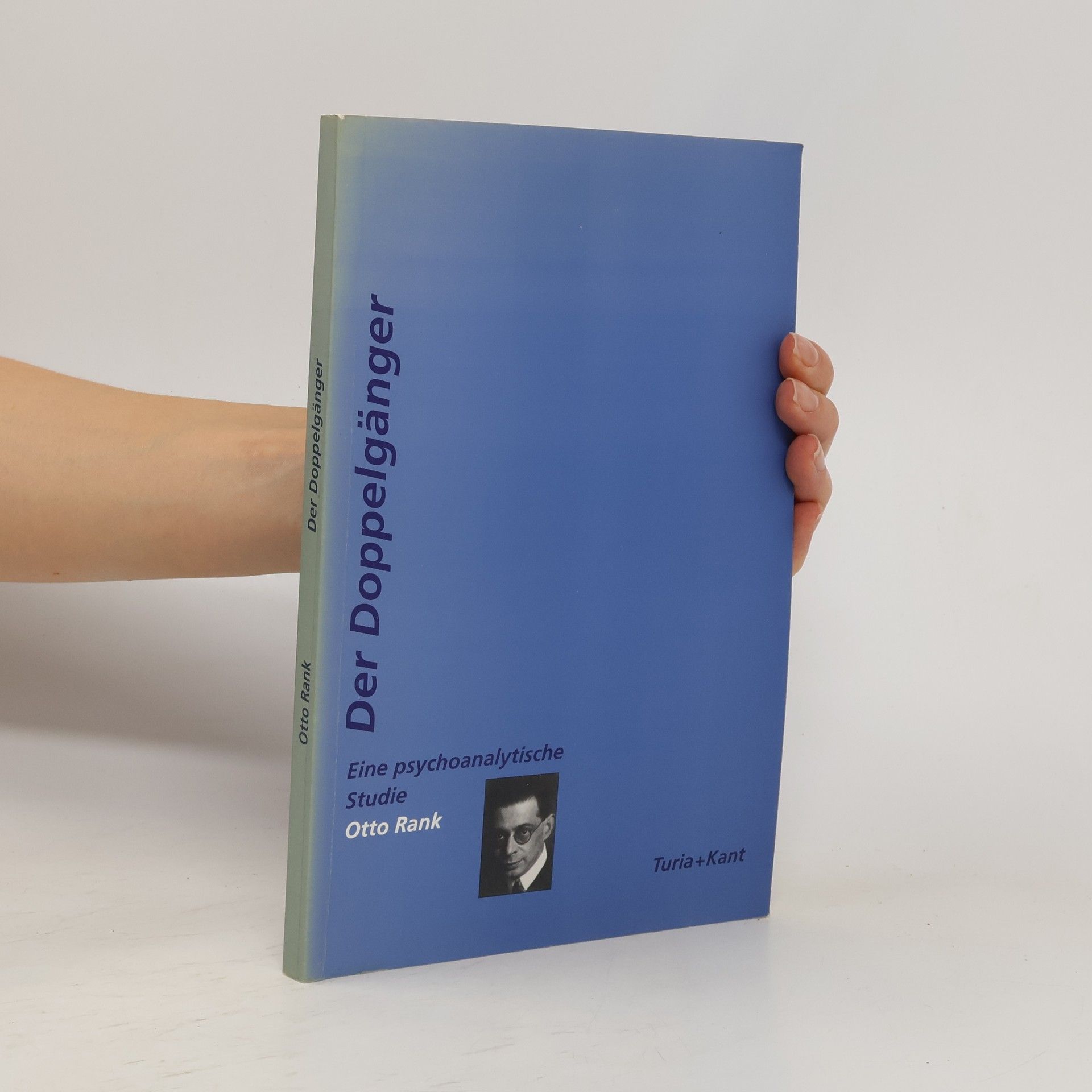
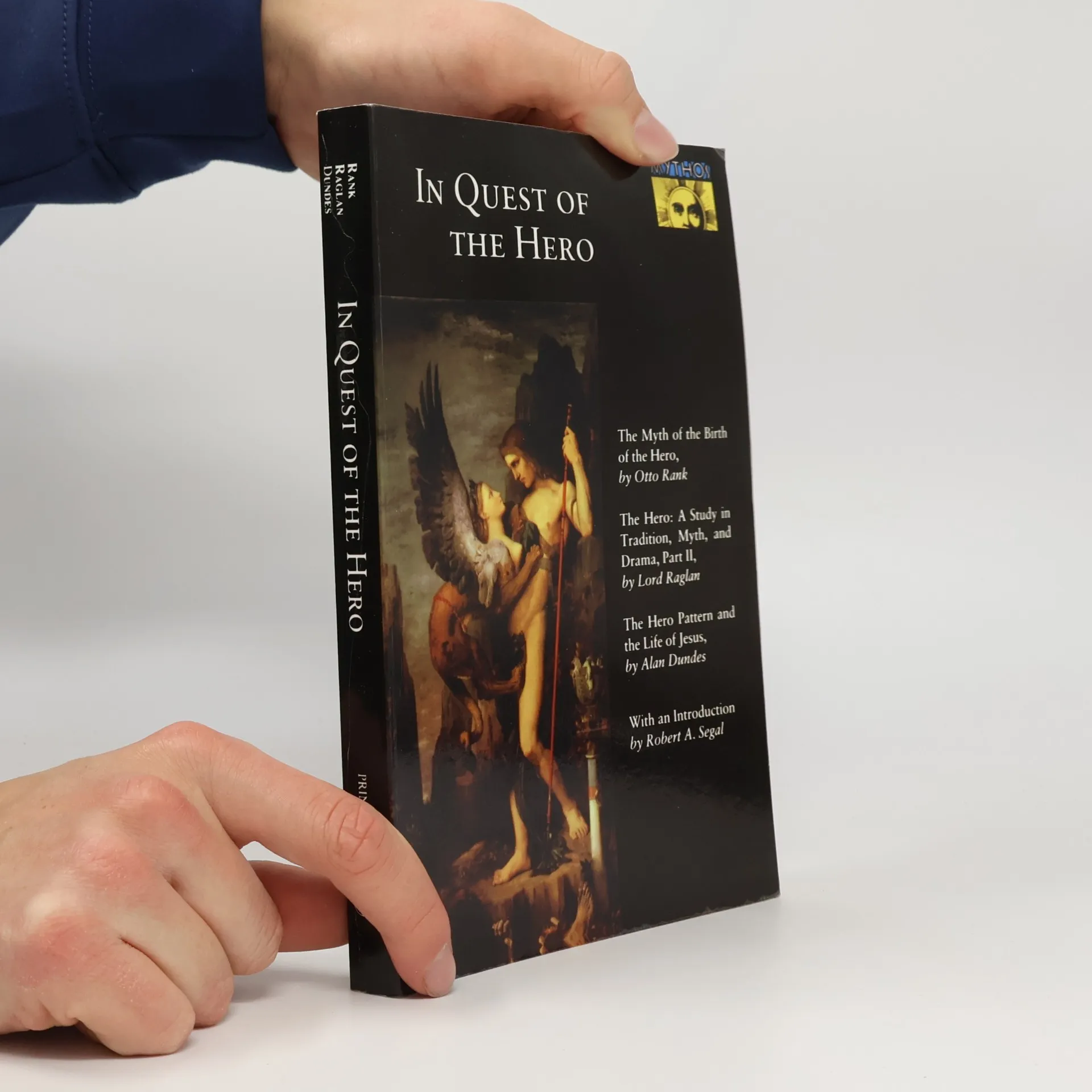
Mythos: In Quest of the Hero
- 272bladzijden
- 10 uur lezen
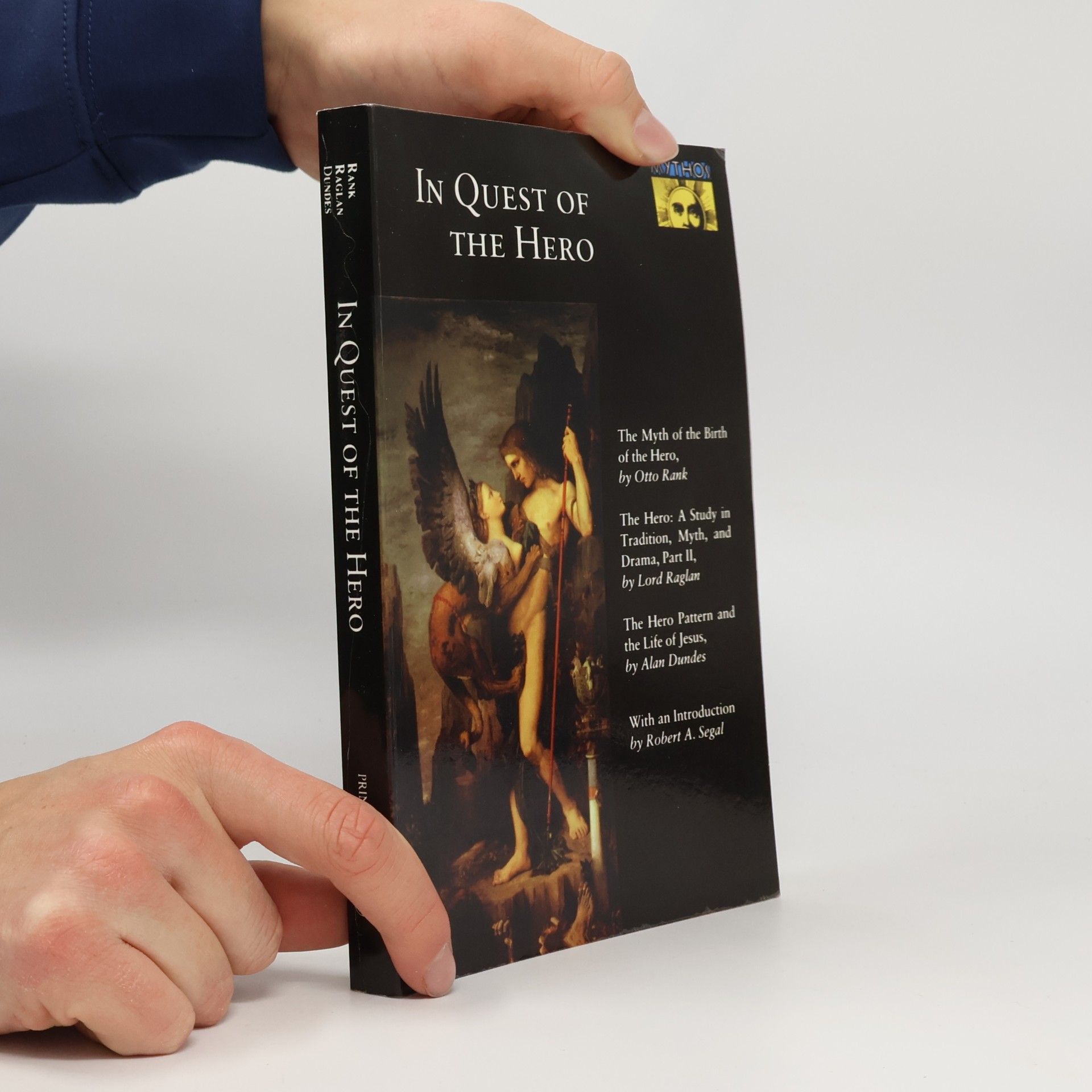
In Quest of the Hero makes available for a new generation of readers two key works on hero myths: Otto Rank's Myth of the Birth of the Hero and the central section of Lord Raglan's The Hero. Amplifying these is Alan Dundes's fascinating contemporary inquiry, "The Hero Pattern and the Life of Jesus." Examined here are the patterns found in the lore surrounding historical or legendary figures like Gilgamesh, Moses, David, Oedipus, Odysseus, Perseus, Heracles, Aeneas, Romulus, Siegfried, Lohengrin, Arthur, and Buddha.Rank's monograph remains the classic application of Freudian theory to hero myths. In The Hero the noted English ethnologist Raglan singles out the myth- ritualist pattern in James Frazer's many-sided Golden Bough and applies that pattern to hero myths. Dundes, the eminent folklorist at the University of California at Berkeley, applies the theories of Rank, Raglan, and others to the case of Jesus. In his introduction to this selection from Rank, Raglan, and Dundes, Robert Segal, author of the major study of Joseph Campbell, charts the history of theorizing about hero myths and compares the approaches of Rank, Raglan, Dundes, and Campbell.
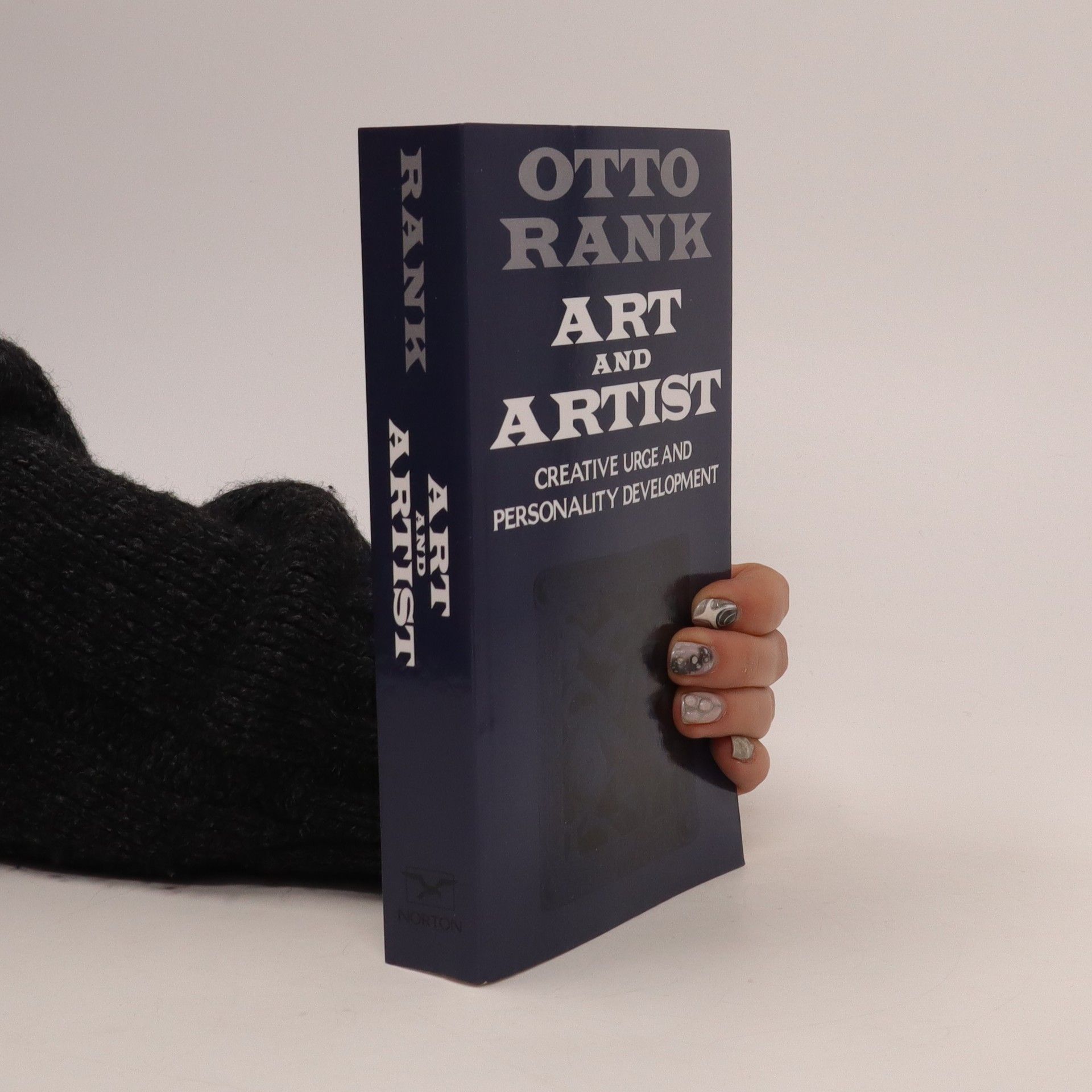
"[Rank's thought] has implications for the deepest and broadest development of the social sciences . . . and of all [Rank's] books, Art and Artist is the most secure monument to his genius." --Ernest Becker
 4,3
Das Trauma der Geburt und seine Bedeutung für die Psychoanalyse
- 220bladzijden
- 8 uur lezen

Das Inzest-Motiv in Dichtung und Sage
- 652bladzijden
- 23 uur lezen