

Story of Tess Durbeyfield, the daughter of a poor and dissipated villager.
Margaret R. Higonnet Volgorde van de boeken (chronologisch)

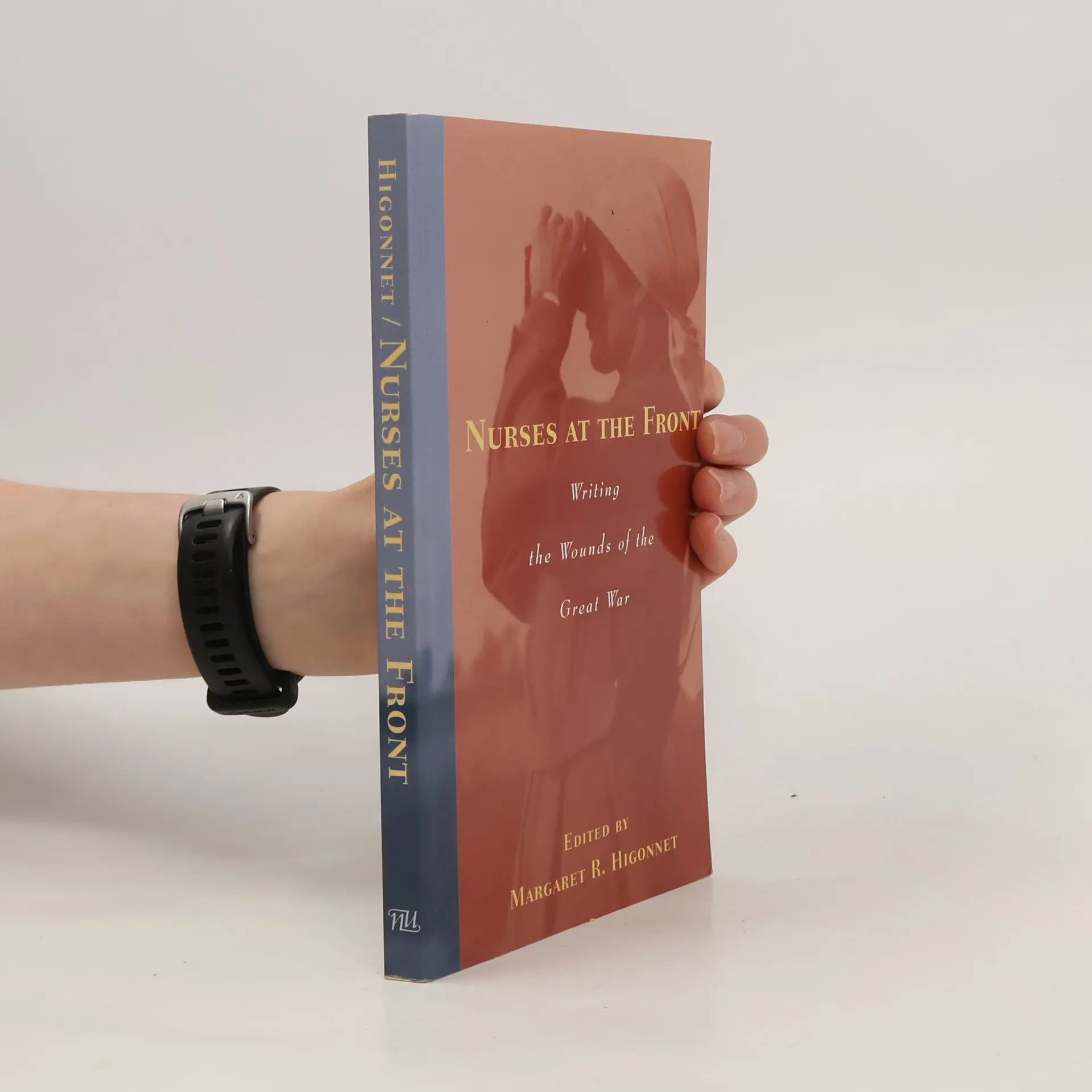
Nurses at the Front
- 161bladzijden
- 6 uur lezen
Ellen N. La Motte (1873-1961) and Mary Borden (1886-1968) are two of the best known American nurses who wrote about their experiences working in the same field hospital on the Western Front during World War I. La Motte's The Backwash of War (1916) and Borden's The Forbidden Zone (1929) present in powerful, vivid, and often haunting prose each woman's acute observations of the stark realities of battle and the severe conditions under which military medicine is practiced.Now representative selections from these classic texts are published for the first time in one volume. Linked by parallel themes and narrative approaches, the episodes recounted by La Motte and Borden expose the intense, horrific world of the surgical wards and operating rooms. Revealing the moral dilemmas faced by those who make decisions about the lives and deaths of soldiers, they describe the ethical contradictions of saving men who will return to the trenches to kill or be killed. Written from the perspective of both observer and actor, these compelling sketches often shift from shocking realism to irony, as they invite the reader to enter the nurses' harsh world and to understand their professional and personal struggles. In addition, the depictions of men's suffering challenge institutional indifference to the human costs of war.