
Forensic DNA analysis plays a central role in the judicial system. A DNA sample can change the course of an investigation with immense consequences. Because DNA typing is recognized as the epitome of forensic science, increasing public awareness in this area is vital. Through several cases, examples and illustrations, this book explains the basic principles of forensic DNA typing, and how it integrates with law enforcement investigations and legal decisions. Written for a general readership, Understanding Forensic DNA explains both the power and the limitations of DNA analysis. This book dispels common misunderstandings regarding DNA analysis and shows how astounding match probabilities such as one-in-a-trillion are calculated, what they really mean, and why DNA alone never solves a case.
Suzanne Bell Boeken


Forensic Chemistry
- 650bladzijden
- 23 uur lezen
Focusing on analytical chemistry, this book offers a foundational understanding of forensic chemistry. It introduces essential chemical concepts and practices, emphasizing their application in forensic contexts. Students will gain insight into the key areas of the field, making it a valuable resource for those interested in the intersection of chemistry and forensic science.
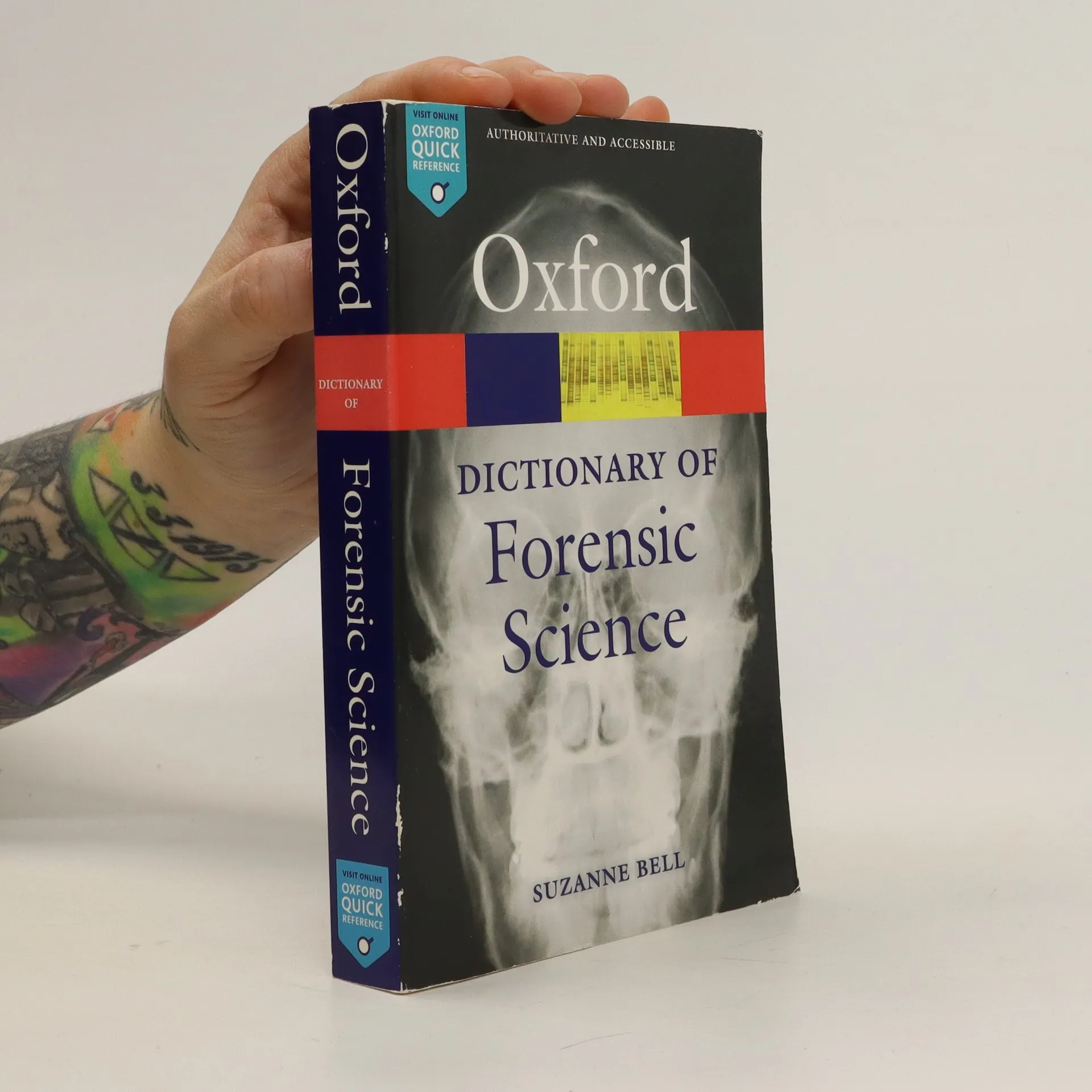
A dictionary of forensic science
- 303bladzijden
- 11 uur lezen
This new dictionary covers a wide range of terms used in the field of forensic science, touching on related disciplines such as chemistry, biology, and anthropology. Case examples, figures, and photographs make it the ideal reference for students and practitioners of forensic science, as well as those with an interest in forensic science.