


Hans Bellmer Volgorde van de boeken (chronologisch)
13 maart 1902 – 24 februari 1975
Hans Bellmer was een kunstenaar die vooral bekend stond om zijn levensgrote poppen van puberale meisjes die hij in het midden van de jaren dertig maakte. Kunst- en fotografiehistorici beschouwen hem ook als een surrealistische fotograaf. Zijn werk duikt in de duistere aspecten van de menselijke psyche en de objectivering van de vrouwelijke vorm door middel van verontrustende en provocerende beelden. Bellmers creaties bezitten een verontrustende kracht en laten een blijvende indruk achter op de kijker.



Kleine Anatomie des körperlichen Unbewussten oder die Anatomie des Bildes
- 58bladzijden
- 3 uur lezen
Hans Bellmer, Max Ernst, Ferdinand Springer, Wols - au camp des Milles
- 120bladzijden
- 5 uur lezen
Cet ouvrage accompagne l'exposition "Bellmer, Ernst, Springer, Wols au camp des Milles". Celle-ci s'inscrit dans la programmation de Marseille-Provence 2013, capitale européenne de la culture, et dans la série d'expositions sur le thème "Créer pour résister" proposées par le Site-Mémorial du Camp des Milles inauguré en septembre 2012. L'histoire du camp d'internement et de déportation des Milles s'intègre dans l'histoire mouvementée de notre pays et de l'Europe durant la Seconde Guerre mondiale. Les artistes et intellectuels qui ont trouvé refuge en France pour fuir l'Allemagne nazie dans les années 1930 se retrouvent isolés dès l'entrée en guerre, considérés à tort comme des ennemis. Ceux, très nombreux, qui sont réfugiés dans le Sud-Est sont internés au camp des Milles et certains sont déportés dès l'été 1942 par le régime de Pétain. L'exposition est centrée sur les premières années de la guerre, sous la IIIe République, puis sous le régime de Vichy. Une mise en perspective pluridisciplinaire et des analyses des commissaires complètent la présentation des oeuvres de ces quatre artistes majeurs de l'histoire de l'art du XXe siècle. Une importante documentation, souvent inédite, relative à la vie quotidienne durant leur internement, témoigne des difficiles conditions de création.
"Les plus belles séries d'estampes érotiques de l'Europe sont celles de Marcantonio Raimondi interprétant Giulio Romano de 1521 à 1524 et celles de Cécile Reims interprétant Hans Bellmer de 1967 à 1975. Comment peut-on définir les miracles ? Des sexes en plus. Des jambes en plus. Des bouches en plus. Du vin en plus. Du pain et du poisson en plus. De la vue en plus. De la vie en plus. Bellmer eut donc cette main de femme en plus qui s'appelait Reims." Pascal Quignard.
Un hommage aux peintres qui ont trouvé l'exil en France pour fuir le nazisme mais qui furent internés dans un camp du sud du pays. Malgré leurs conditions de vie, ils ont eu le courage de continuer à créer. Il s'agit de Hans Bellmer, Max Ernst, Robert Liebknecht, Leo Marsch tz, Ferdinand Springer et Wols
Photographien
- 154bladzijden
- 6 uur lezen
Wesentliche Retrospektive über das Werk von Bellmer.
 4,0
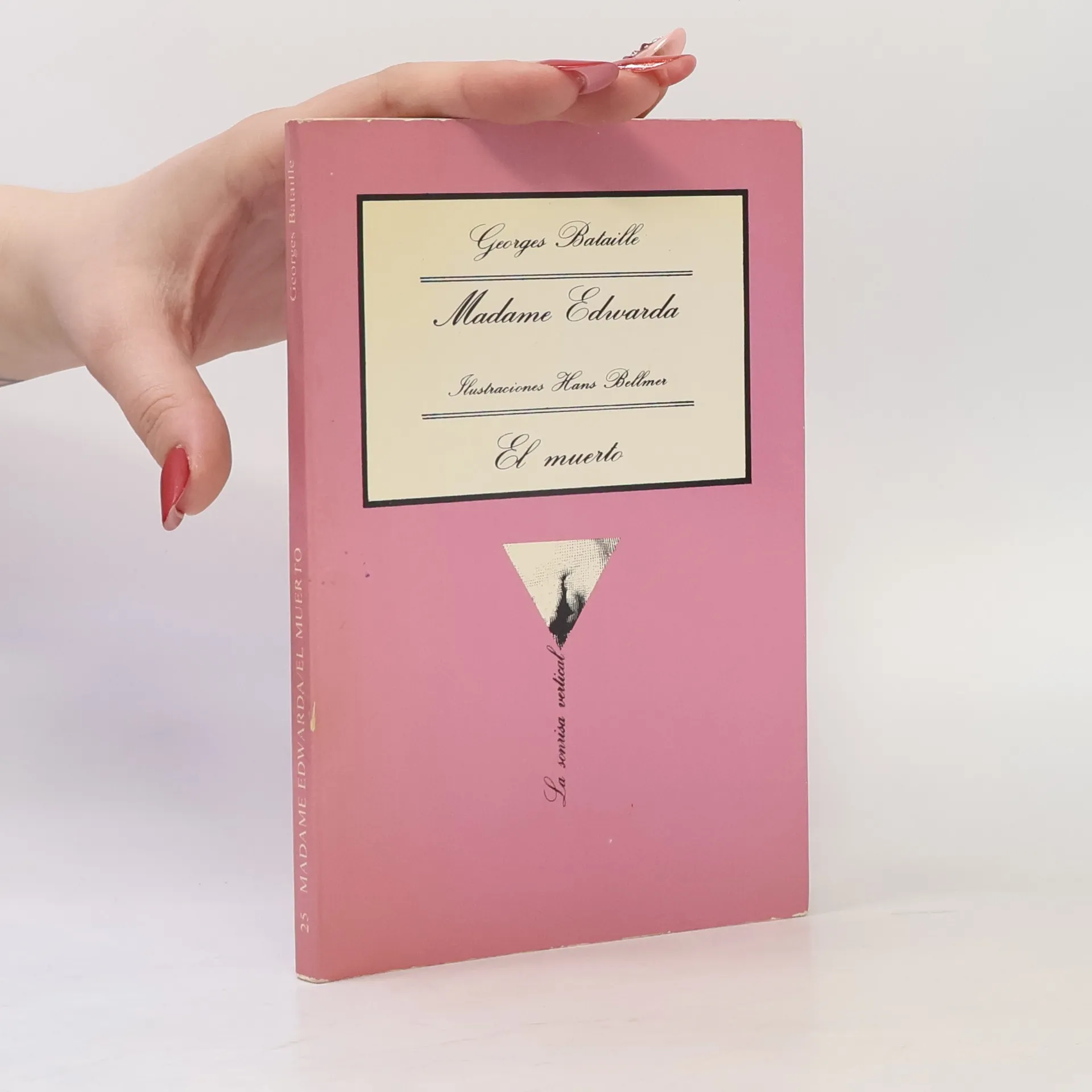
La Sonrisa Vertical - 25: Madame Edwarda seguido de El muerto
- 132bladzijden
- 5 uur lezen
Georges Bataille, bajo el seudónimo de Pierre Angélique, publicó en 1941 y 1945 ediciones clandestinas de Madame Edwarda. En 1956, entregó el texto a su editor, J.-J. Pauvert, para su primera publicación comercial, manteniendo el seudónimo pero añadiendo un prefacio con su nombre real. Diez años después de su muerte, se lanzó la edición definitiva con el nombre del autor. Bataille había planeado un volumen que incluyera Madame Edwarda, Mi madre y otros textos, pero estos fueron publicados por separado. Debido a la brevedad de Madame Edwarda y de El muerto, que no formaba parte del proyecto original, se decidió reunirlos en un solo volumen en la edición española, con la autorización del editor francés. Madame Edwarda representa a la mujer transgresora, que, surgiendo del Mal, se convierte en Dios por su poder sobre su vida, sexo y muerte. El hombre que la sigue, atrapado en un miedo primitivo, encuentra en ella la realización del Deseo. El muerto, publicado póstumamente en 1967, consta de veintiocho breves escenas que relatan las últimas horas de una mujer cuyo amante ha fallecido en sus brazos. Este coito interruptus la lleva a un intenso viaje erótico en busca de su amante en la muerte. Ambos textos son tesoros literarios que encantarán a los amantes de la Literatura y el Erotismo.
 3,5
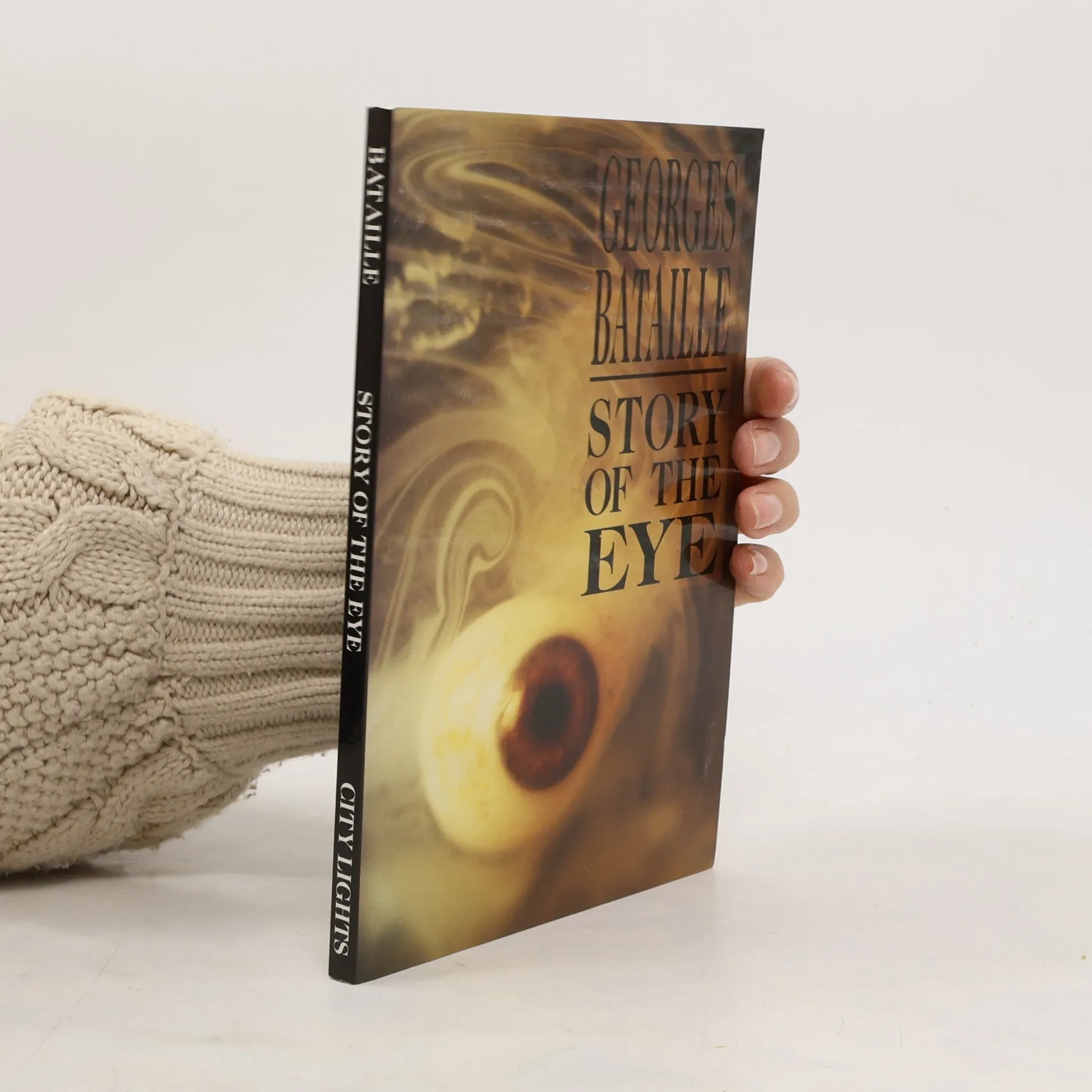
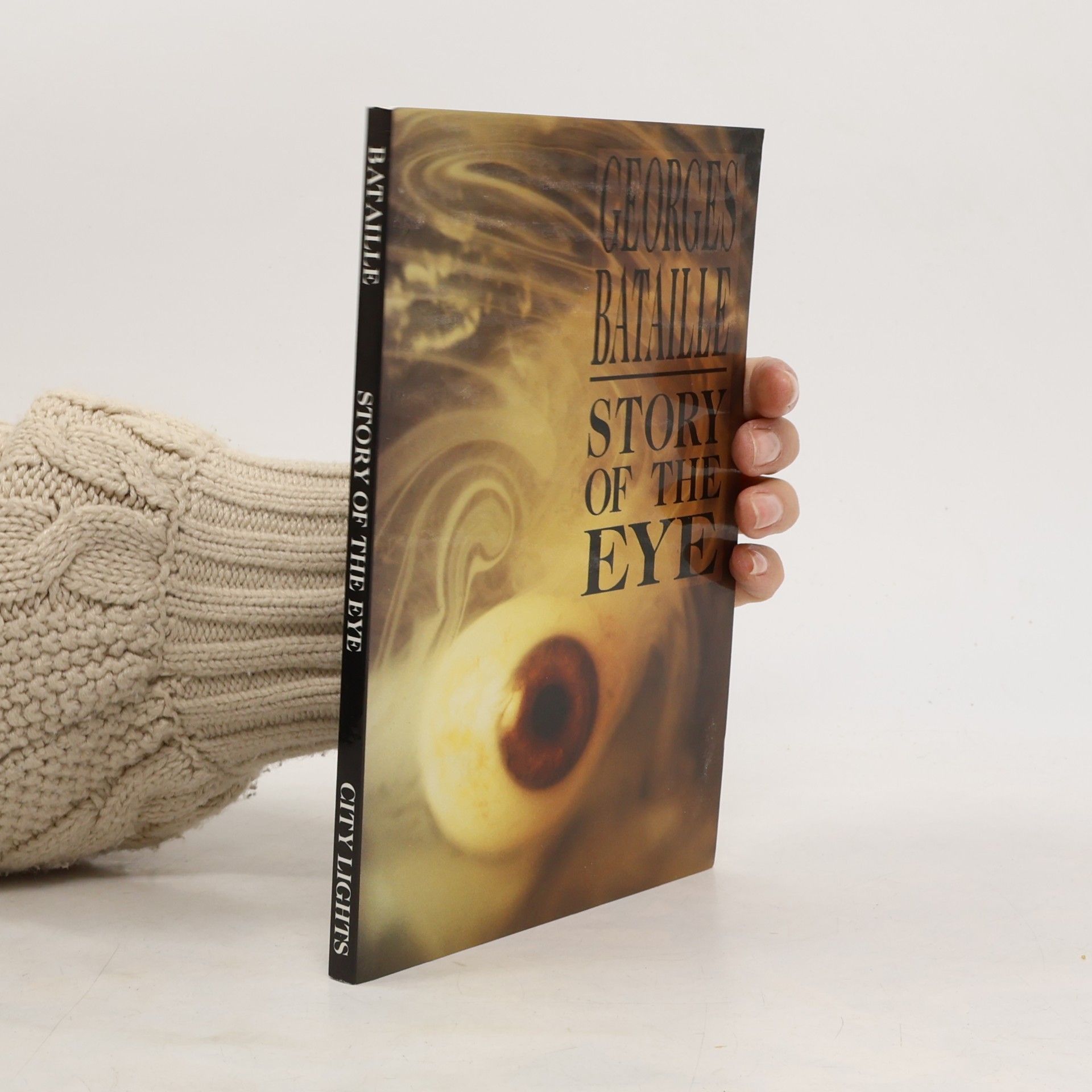
Story of the Eye
- 103bladzijden
- 4 uur lezen
"Only Georges Bataille could write, of an eyeball removed from a corpse, that 'the caress of the eye over the skin is so utterly, so extraordinarily gentle, and the sensation is so bizarre that it has something of a rooster's horrible crowing.' Bataille has been called a 'metaphysician of evil,' specializing in blasphemy, profanation, and horror. Story of the Eye, written in 1928, is his best-known work; it is unashamedly surrealistic, both disgusting and fascinating, and packed with seemingly endless violations. It's something of an underground classic, rediscovered by each new generation. Most recently, the Icelandic pop singer Björk Guðdmundsdóttir cites Story of the Eye as a major inspiration: she made a music video that alludes to Bataille's erotic uses of eggs, and she plans to read an excerpt for an album. Warning: Story of the Eye is graphically sexual, and is only for adults who are not easily offended."--BOOK JACKET.
 3,7
The doll
- 160bladzijden
- 6 uur lezen
Hans Bellmer is one of the most illustrious names in the field of erotic art and Surrealism. The Doll comprises a series of photographs that have acquired iconic status and which exemplify the Surrealists' conception of 'convulsive beauty'. They are accompanied by a body of theoretical, poetic and speculative texts written between the 1930s and early 1960s, which reveal Bellmer as one whose ideas are a scandal for reason. This English edition is based exactly upon Bellmer's original, the texts having been translated for the first time from the final German version.
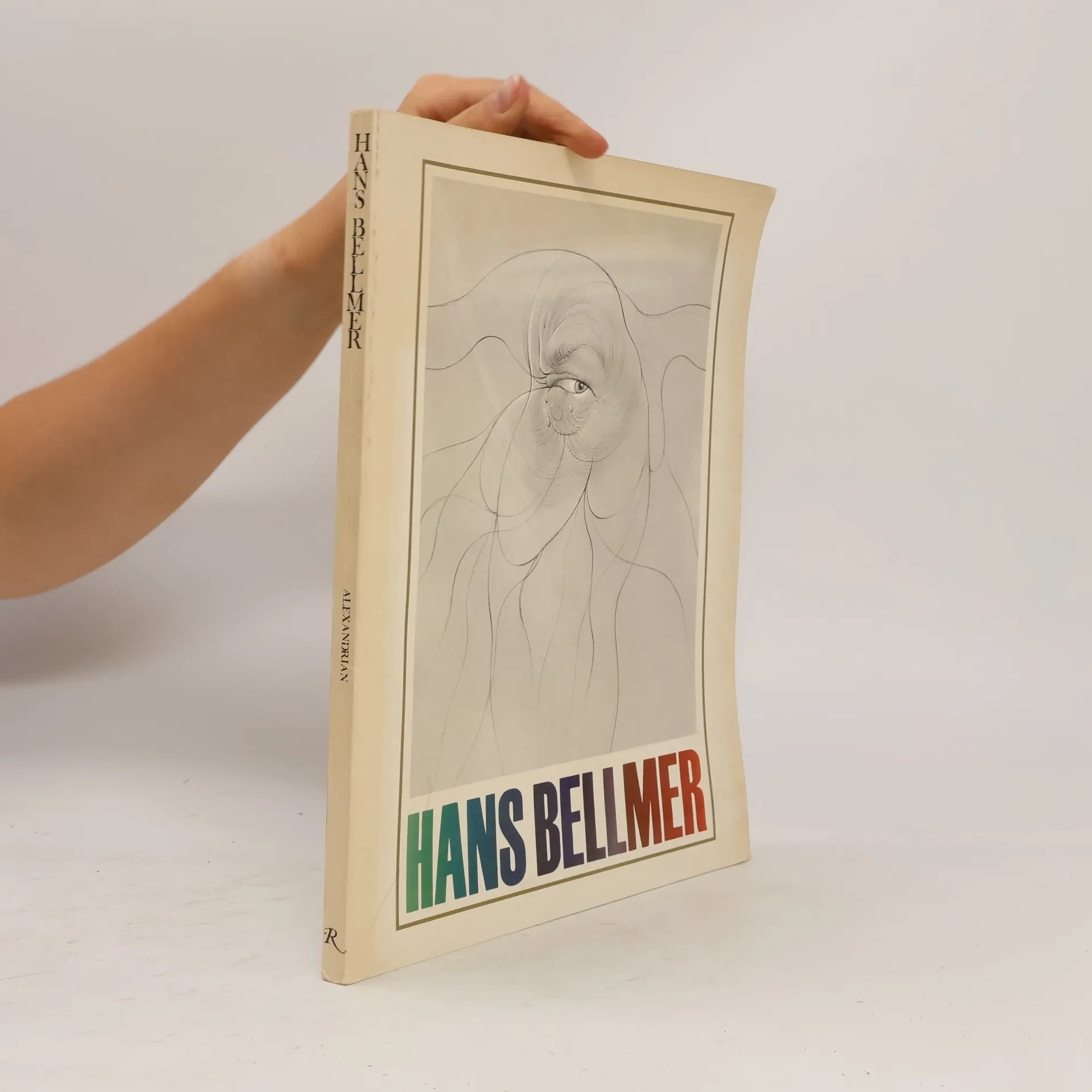
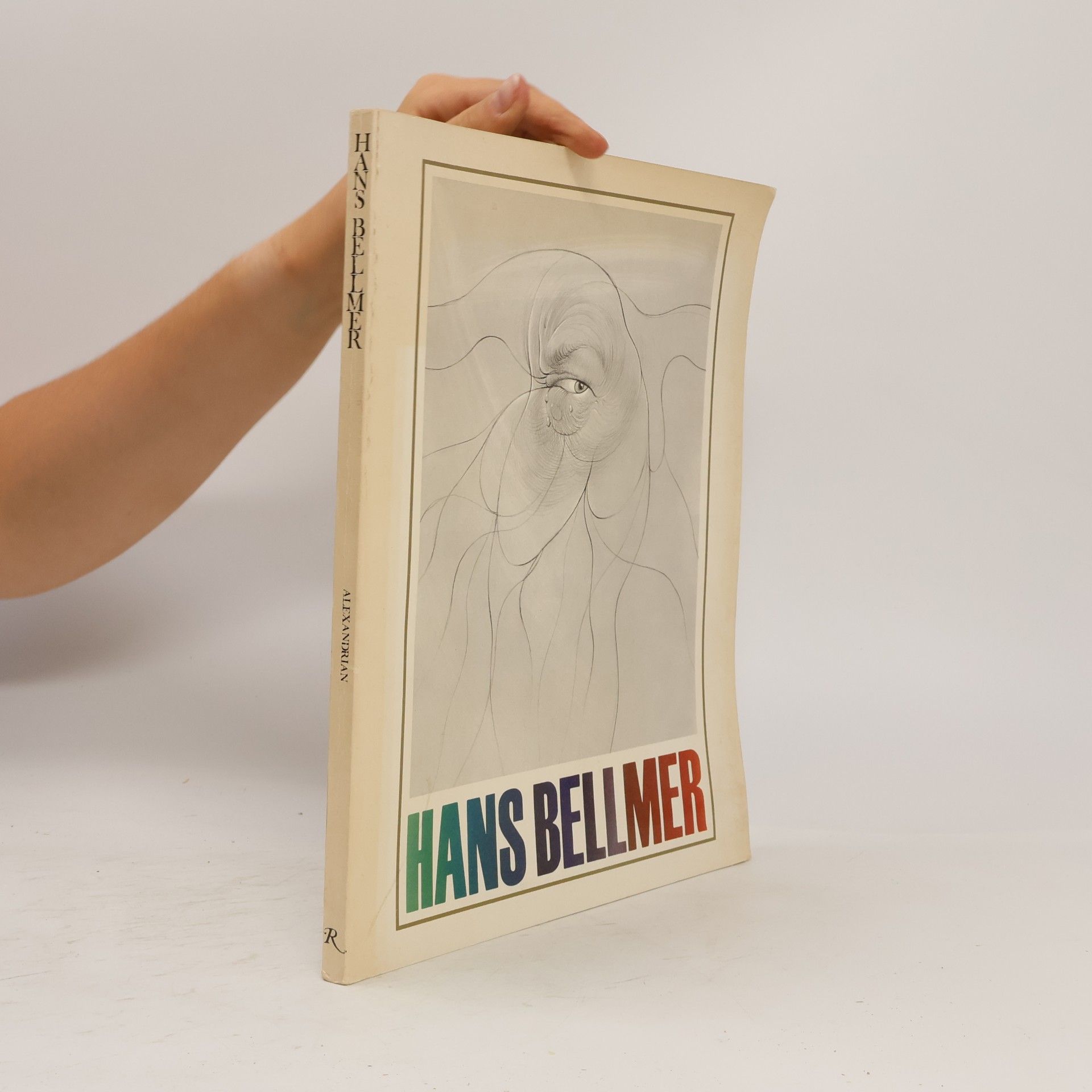
Hans Bellmer
- 88bladzijden
- 4 uur lezen
The fascination of the Surrealists with dolls and humanoid machines is particularly evident in the work of Hans Bellmer (1902-1975). In the years following 1933, the artist created disturbing dolls from wax, wood, flax, plaster, and glue, which he adorned with wigs and glass eyes, in a departure from the body cult of the National Socialists. Photos of these fetishistic figures were published in the surrealist magazine Minotaure and enthusiastically received by the circle around André Breton. The staging of the female body that underlies the famous doll constructions serves as a starting point for his further works: drawings, photographs, and graphics. Intensively engaged in the discussion of Freudian theses, he explored psychoanalytic theories of hysteria and transference, making a valuable contribution to the study of the relationship between language and body.
 5,0
Hans Bellmer, das graphische Werk
- 132bladzijden
- 5 uur lezen