Bookbot

Richard Collier

    8 maart 1924 – 17 december 1996

    Deze Britse historicus richt zich in zijn werk op de Tweede Wereldoorlog en duikt in gedetailleerde en meeslepende verhalen. Zijn stijl wordt gekenmerkt door diepgaande inzichten in menselijke ervaringen te midden van de oorlogscheos. Door middel van zorgvuldig onderzoek en levendige proza brengt hij cruciale momenten van het conflict tot leven en biedt hij lezers een onvergetelijke kijk op de geschiedenis. Zijn werken worden gewaardeerd om hun authenticiteit en hun vermogen om de lezer naar het hart van de gebeurtenissen te transporteren.

    1941
    D-Day, June 6, 1944
    The Few
    Few
    The Sands of Dunkirk
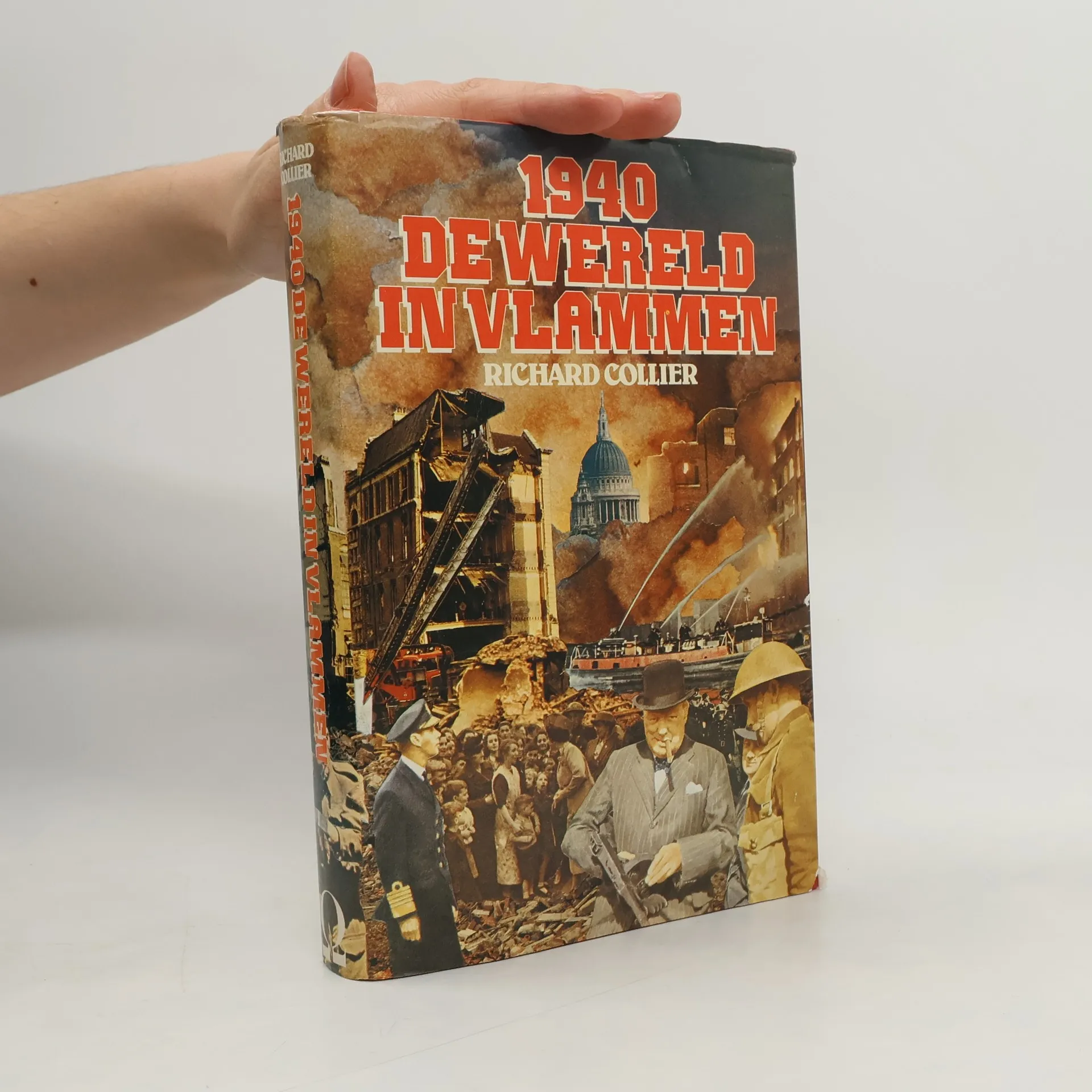
    1940 de wereld in vlammen
    • 1940 de wereld in vlammen

      • 340bladzijden
      • 12 uur lezen

      In het jaar 1940 leden de Westerse democratieën de grootste nederlaag uit hun geschiedenis. Heel West-Europa werd door Duitsland onder de voet gelopen, en alleen Engeland was nog in oorlog met Duitsland en Italië. Hoe dit alles in dat ene jaar en dan nog binnen het tijdsbestek van enkele maanden (april-juni) kon gebeuren, beschrijft Collier in dit boek met vlotte, journalistieke pen. Hij beperkt zich niet tot Europa maar ook de reacties van Amerika op de rampzalige gebeurtenissen worden beschreven, de positie van Tsjang Kai Tsjek in China, de pogingen om Zuid-Amerika uit het Nazikamp te houden, etc. De auteur is niet helemaal vrij te pleiten van een wat eng-nationalistische (Engelse) kijk op de gang van zaken. De populaire toon waarin een en ander is beschreven zal daarentegen veel mensen wel aanspreken en voor degenen die voor het eerst iets over het jaar 1940 willen vernemen is dit best een instructief en onderhoudend boek.
      1940 de wereld in vlammen
      3,0
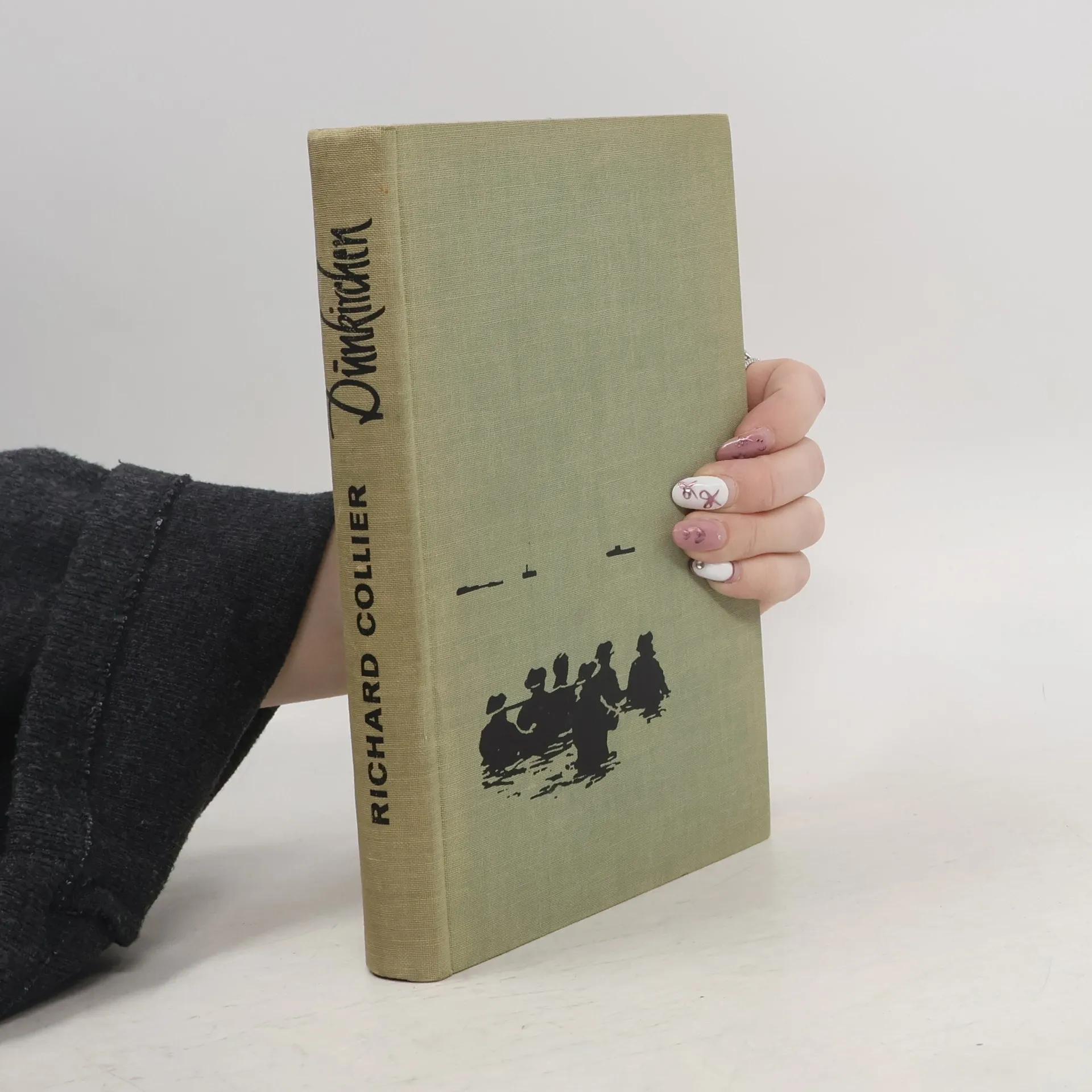
    • Part of the SECOND WORLD WAR VOICES series, with a new introduction by bestselling historian James Holland, and in partnership with the podcast We Have Ways of Making You Talk, presented by comedian Al Murray and James Holland May 1940: In the face of a lightning German advance, the British Army found themselves, stunned, broken, beaten, their backs truly against the wall on the sands of the north French coast. And yet it was on the beaches of Dunkirk that the seeds of a remarkable victory were sown. The evacuation of over three hundred thousand men in ships of all sizes was a logistical feat which has never been seen, before or since. This vivid, visceral story takes you inside the making of a miracle: the story of eight frantic days, as the net tightened around the beleaguered troops, told from all sides, as the enemy draws closer and the bombardment intensifies, in the words of those who were there. It is impossible to get closer to experiencing this legendary action.

      The Sands of Dunkirk
      4,7
    • Few

      The Battle of Britain

      • 224bladzijden
      • 8 uur lezen

      Moment by moment, relive one of the most decisive events in World War Two. Collier's history of the Battle of Britain, drawing heavily on eyewitness accounts from combatants in both the RAF and the Luftwaffe, has become an established classic, a compelling story of history in the making. Trace the true course of actions as they unfolded between August 6th and September 15, 1940--a period of slightly more than a month that may have determined the fate of the world. Over the English Channel, all across southern Britain, and right into the heart of the savagely fought confrontation, go where the commanders of both sides made their decisions, along with those who fought and experienced this tumultuous time.

      Few
      4,0
    • The Few

      Summer 1940, The Battle of Britain

      • 224bladzijden
      • 8 uur lezen

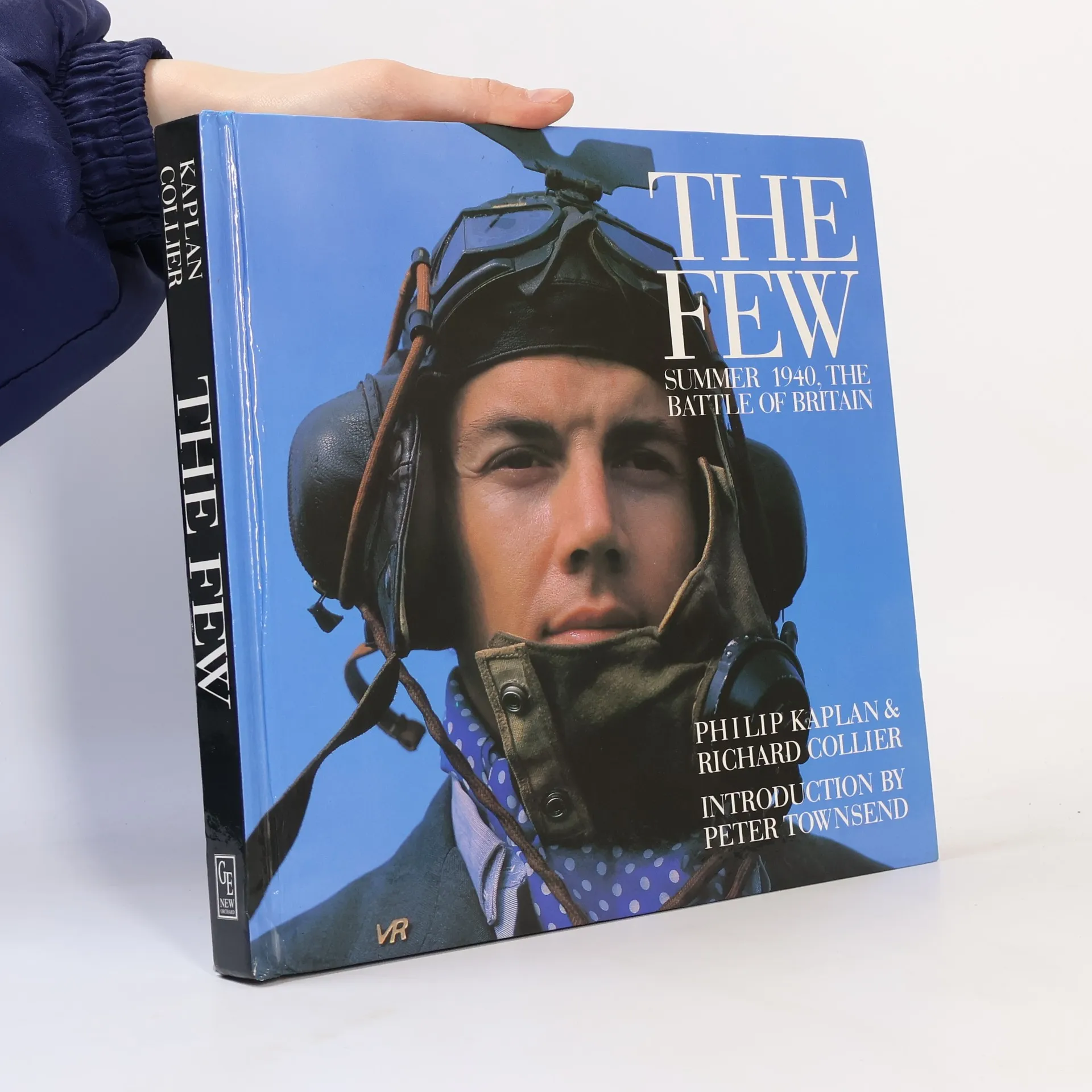
      "The best sort of popular military history"--Times Literary Supplement. Sixty years ago, in England's summer skies, history's greatest air battle raged. In a decisive moment, those whom Churchill so famously addressed as "the few" thwarted Hitler's planned invasion. Over 160 graphic images and riveting testimony by Allied and Luftwaffe pilots, ground crew, and civilians paint a panoramic portrait of this confrontation. Pictures of wartime locations as they were then and are now, plus vintage photos from scrapbooks and diary excerpts, provide a uniquely personal perspective.

      The Few
      4,0
    • D-Day, June 6, 1944

      • 232bladzijden
      • 9 uur lezen

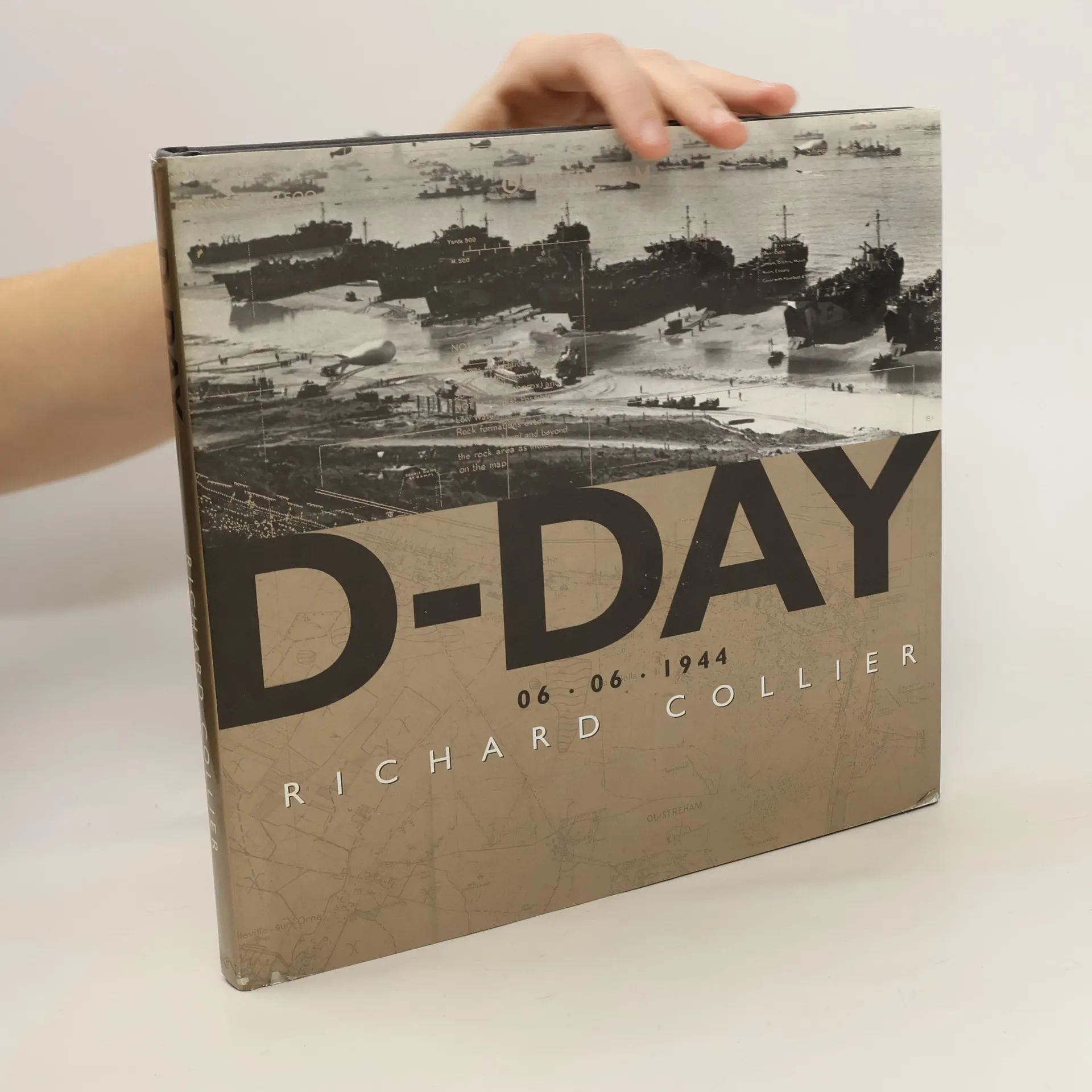
      "The best sort of popular military history."--Times Literary Supplement. No one who was alive on June 6, 1944, will ever forget that historic day ... and those who came after will hear of it with awe: it was the moment when the tide of war turned to victory, when the long-elusive dream of peace finally seemed attainable. This minute-by-minute account of the Normandy landings by Allied forces unforgettably reconstructs, in pictures and first-person reminiscences, every important minute of the invasion

      D-Day, June 6, 1944
      4,0
    • 1941

      • 376bladzijden
      • 14 uur lezen

      One of the greatest and most terrible years in world history. 'This war has now assumed the character', wrote Benito Mussolini, before 1941 was six months old, 'of a war between two worlds', and the Italian dictator had rarely predicted more truly. Before the year had ended, following Hitler's surprise assault on Russia and the Japanese attack on Pearl Harbor, thirty-seven nations were engaged in an all-out war reminiscent of Armageddon, 'the battle of that great day of God Almighty'. Richard Collier's latest narrative spans both this entire, devastating year, as well as the events that led up to it. From the hunting of the Bismarck through the North Atlantic to the triumphs of Rommel's Afrika Korps, from the horror and heroism of besieged Leningrad to the debacles of Hong Kong, Malaya and the Far East, this is a panorama of truly world-wide proportions. An unputdownable narrative of the most extraordinary year in world history, perfect for readers of Max Hastings, James Holland and Antony Beevor.

      1941
      4,0
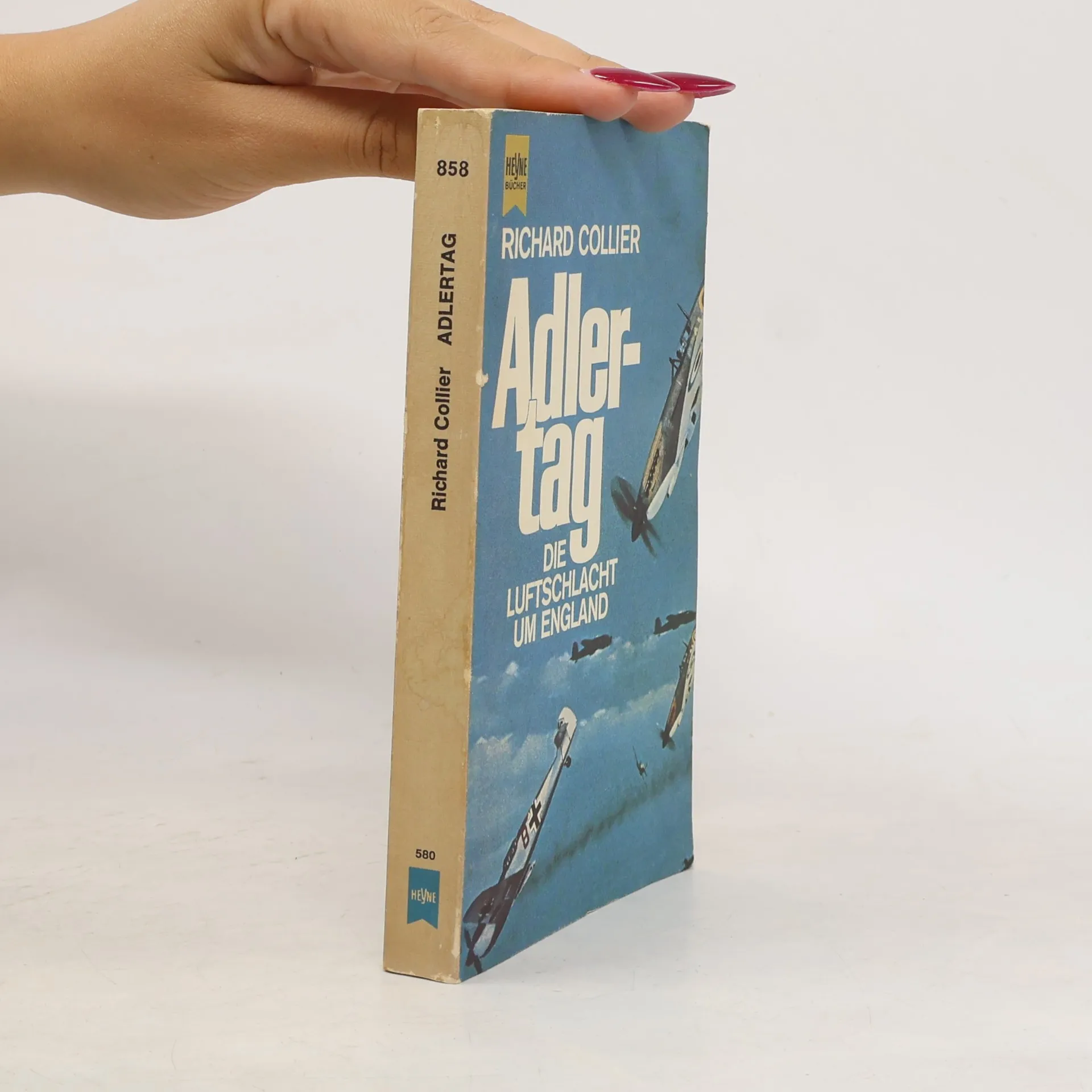
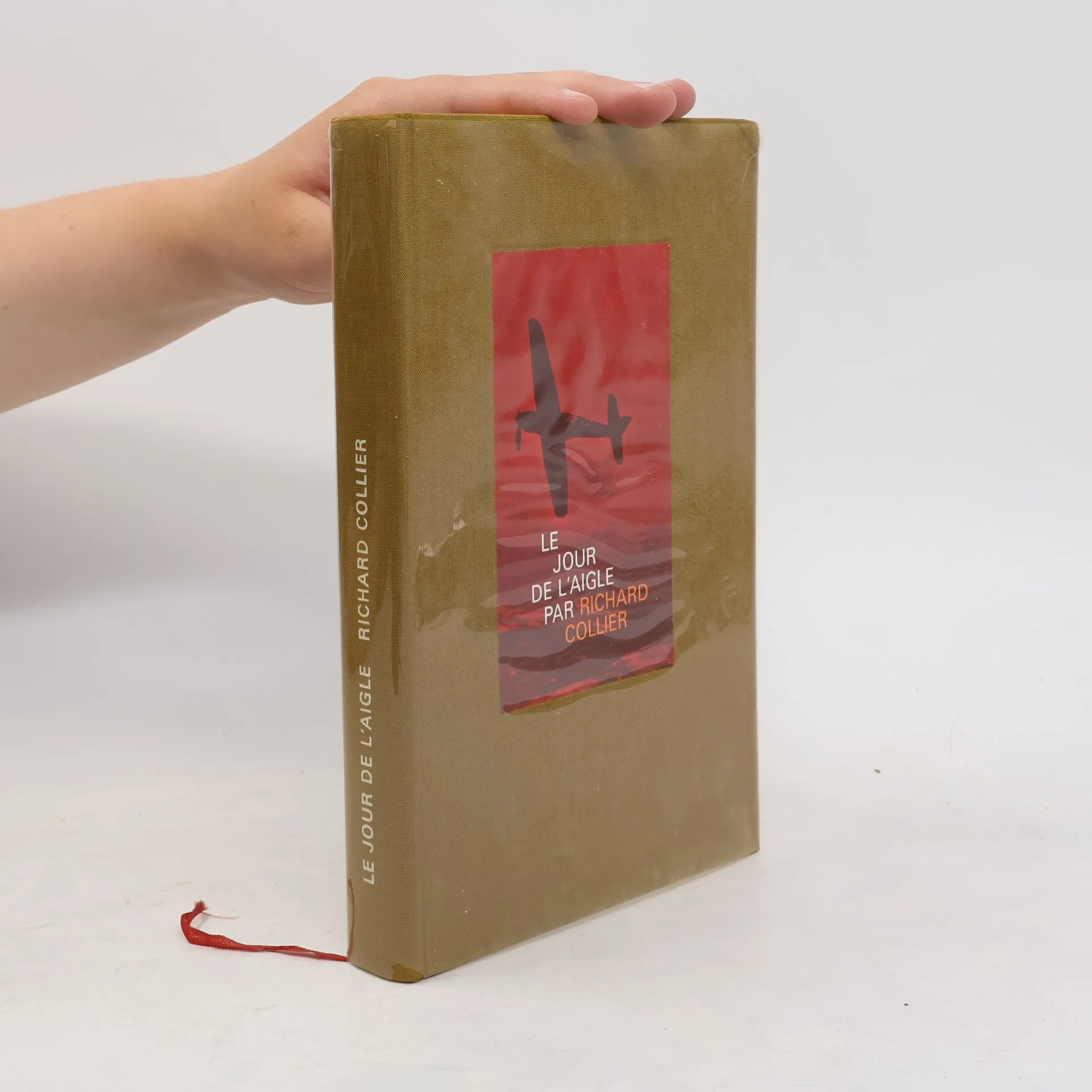
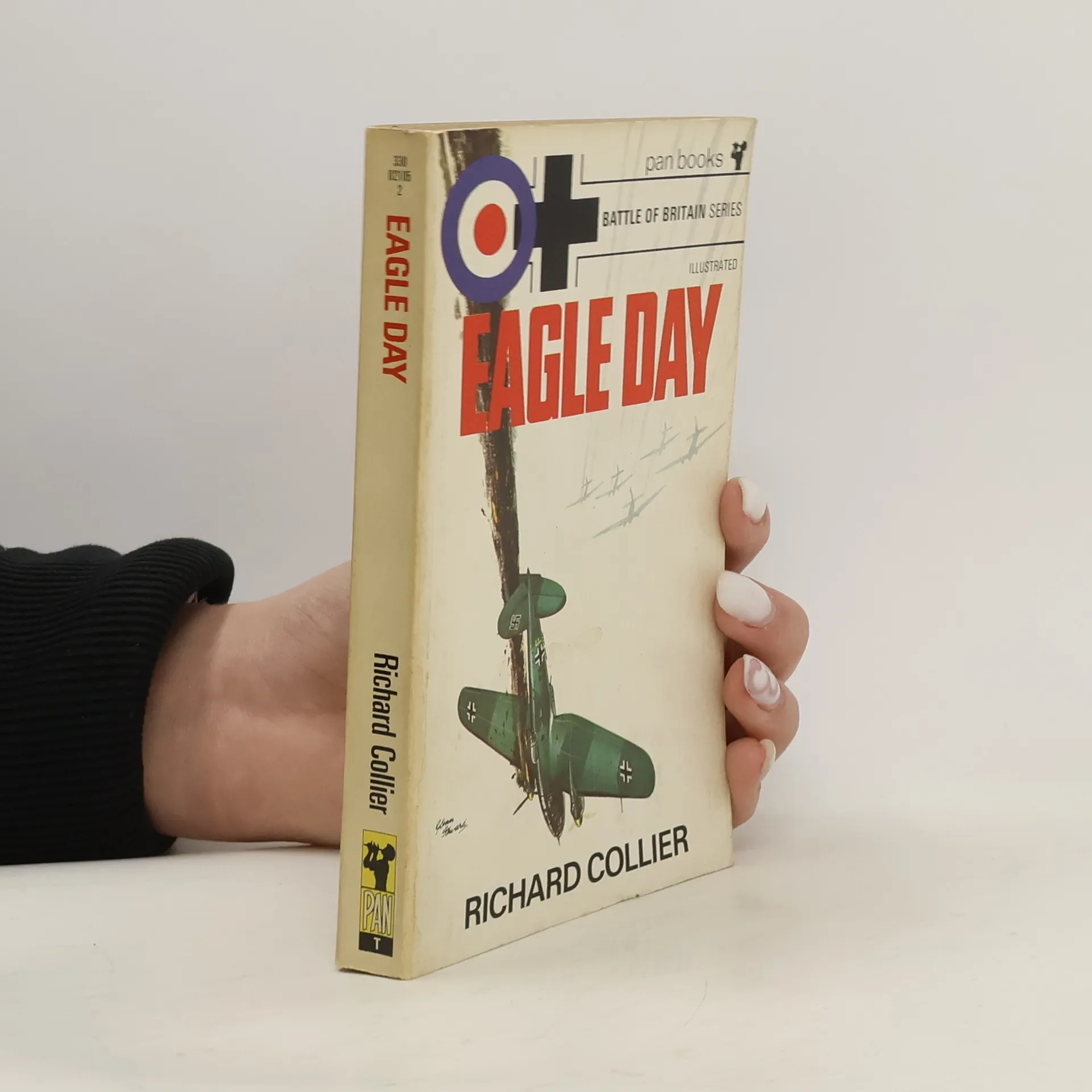
    • This is not only a definitive history of the six weeks over which the Battle of Britain took place, it is also a fast-moving narrative drawing on accounts from combatants on both sides. On August 13th, 1940 - Eagle Day - the long-awaited assault on the RAF was launched. Over the coming weeks the south coast of England was subject to wave after wave of attack, culminating on September 15th with the greatest offensive yet. But each time the German planes were met with a fierce resistance. This book traces the course of the Battle of Britain as it unfolded. It gives first-hand accounts of the individual pilots who daily faced the danger of gunfire, burning planes and crash landings in the sea. It tells of the dismay experienced by the men and women at RAF stations like Biggin Hill and Manston, which experienced some of the worst bombing of all. It also recounts the stories of the German pilots whose skill and determination so frequently ended in disaster.

      Eagle Day
      4,0
    • 1944-45

      • 378bladzijden
      • 14 uur lezen
      1944-45
      3,0
    • Ten Thousand Eyes

      • 392bladzijden
      • 14 uur lezen

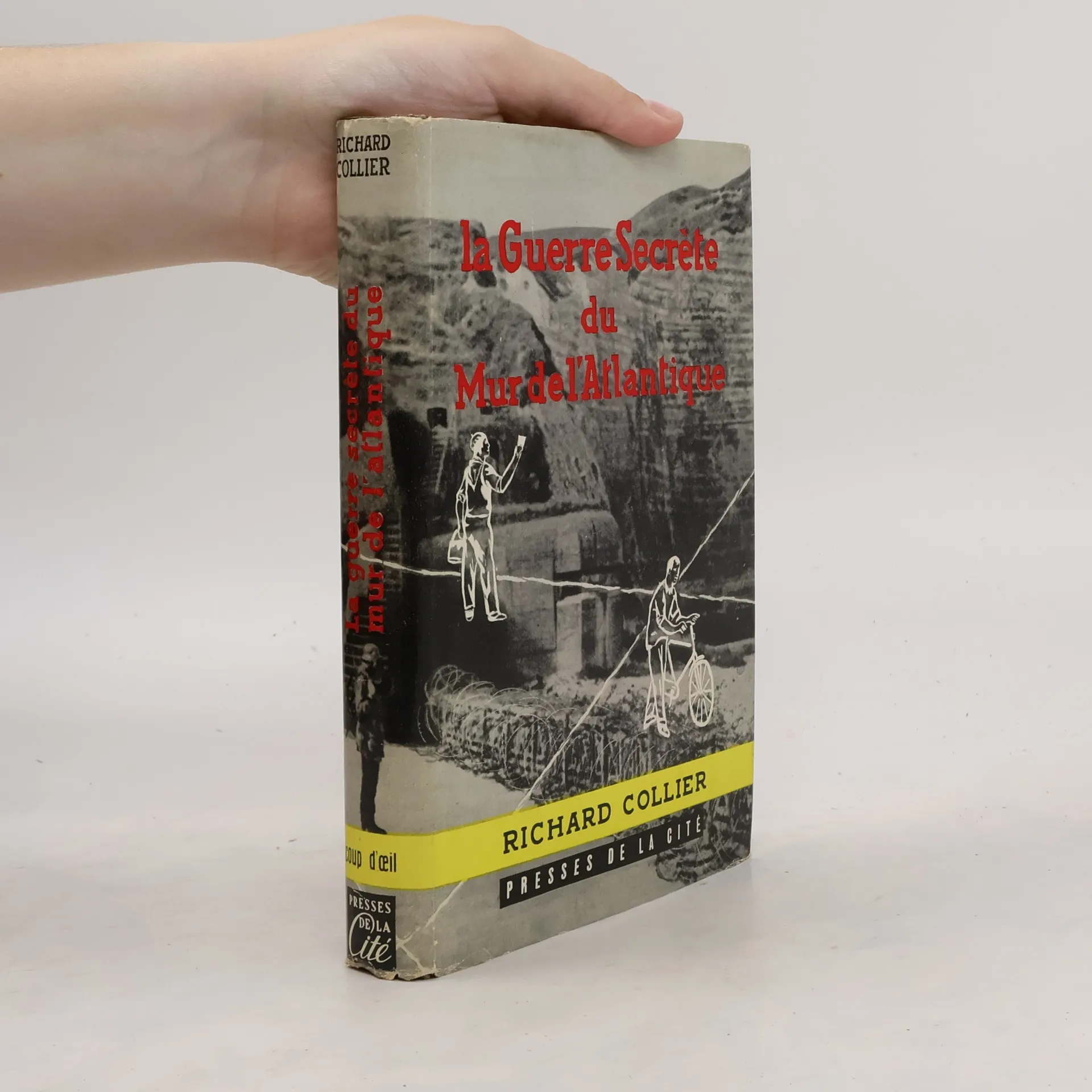
      'Without the networks of the French Resistance, the invasion would not have been possible' Major General Walter Bedell Smith, Chief of Staff, Supreme Headquarters Allied Expeditionary Force Days after France fell in June 1940, Charles de Gaulle appointed André Dewavrin to create, from scratch, the Free French Intelligence Service. Recruiting agents among the sailors, farmers, painters, housewives and children of Occupied France, he managed cells of spies across the country, and focused their attention on one goal: preparing for the Allied invasion of France, even at the risk of torture and death. Hitler's fortifications along the European coastline - known as the Atlantic Wall - were their target. Gun battery locations, troop movements, and more... All this information was funnelled back to the Allies by a network of brave individuals, creating a living map that became essential to the planning of D-Day, and the selection of Normandy as the invasion point. Using a wealth of material both published and unpublished, including interviews with Dewavrin and de Gaulle himself, Collier has produced an authentic record of one of the most remarkable episodes of the Second World War; a human story of a group of ordinary people whose faith paved the way for Eisenhower's great sweep across Europe. Perfect for readers of Antony Beevor and Max Hastings.

      Ten Thousand Eyes