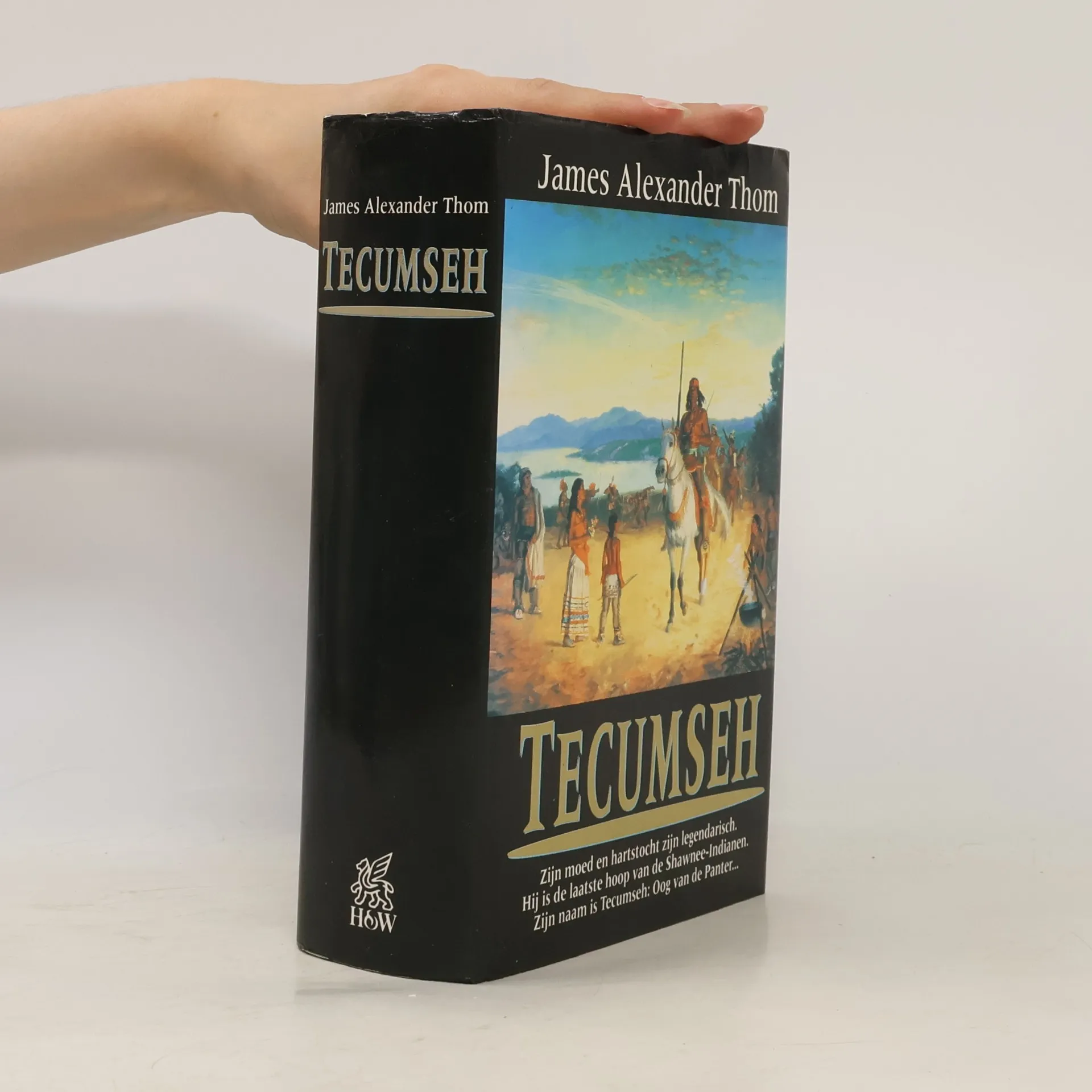
James Alexander Thom is een Amerikaanse auteur, die vooral gevierd wordt om zijn bijdragen aan het Western-genre. Zijn schrijfwerk duikt vaak in thema's als eenzaamheid, overleven en de zoektocht naar identiteit in ruige landschappen. Thom's stijl kenmerkt zich door nauwgezet onderzoek en een diep gevoel voor plaats, waardoor lezers worden ondergedompeld in het hart van het Amerikaanse Westen. Met zijn verhalen probeert hij de essentie van de grens en de blijvende geest van haar bewoners te vangen.
Tecumseh was in de 18e eeuw een van de grootste Indiaanse oorlogsleiders. Hij leidde zijn eigen volk de Shawnee en hun bondgenoten in de strijd om hun woongebied in het Noordoosten van de V.S. De schrijver heeft veel onderzoek gedaan naar de historische toedracht van deze strijd maar nog meer naar de mentaliteit en gedachtenwereld van die Indiaanse volken. Het boek is boeiend geschreven en vertelt op een eenvoudige manier een stuk van de Amerikaanse geschiedenis. Vergelijk: 'Mary, geliefde vrouw van de Creeks' door Dee Brown (a.i. 81-01-052-4) dat over dezelfde periode handelt.
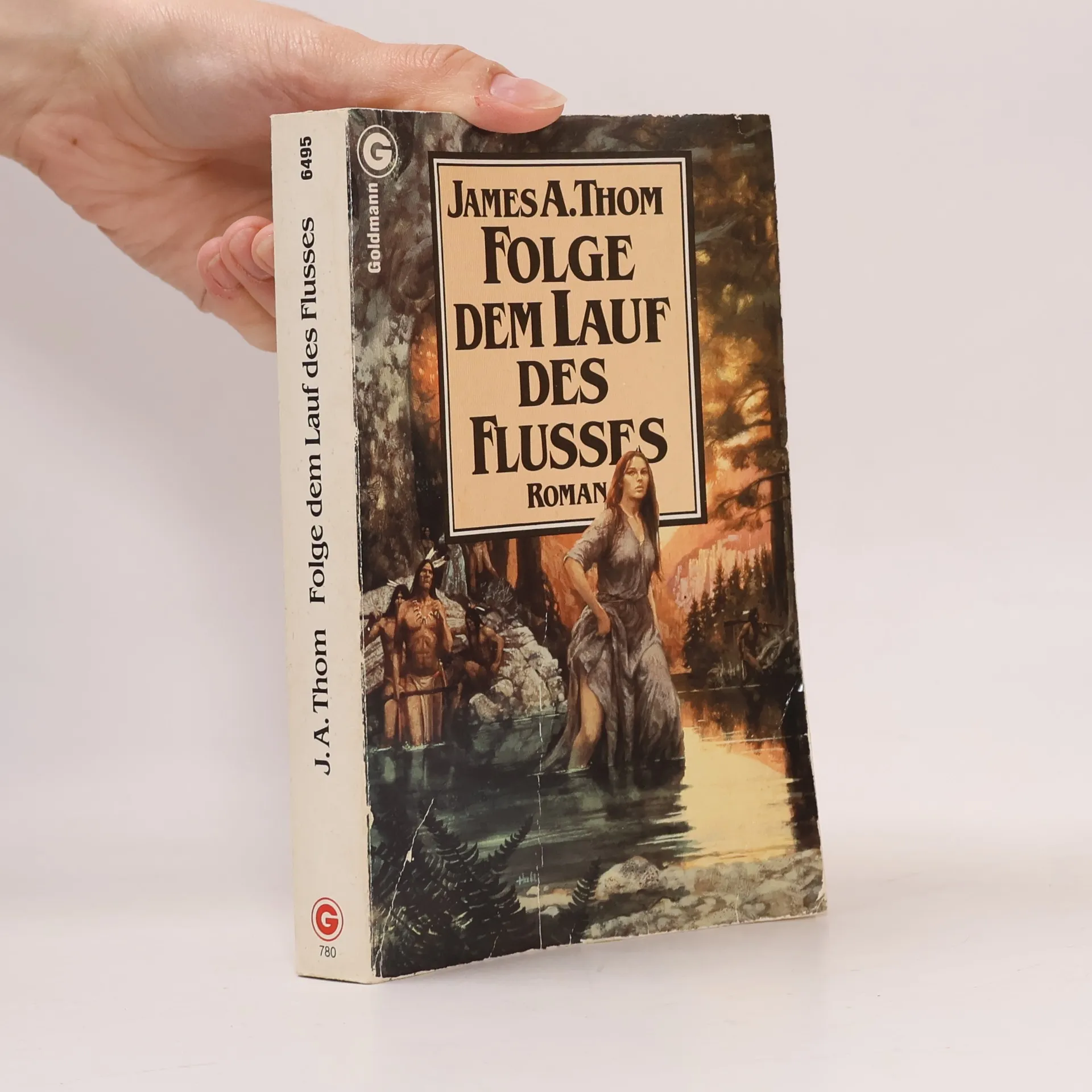
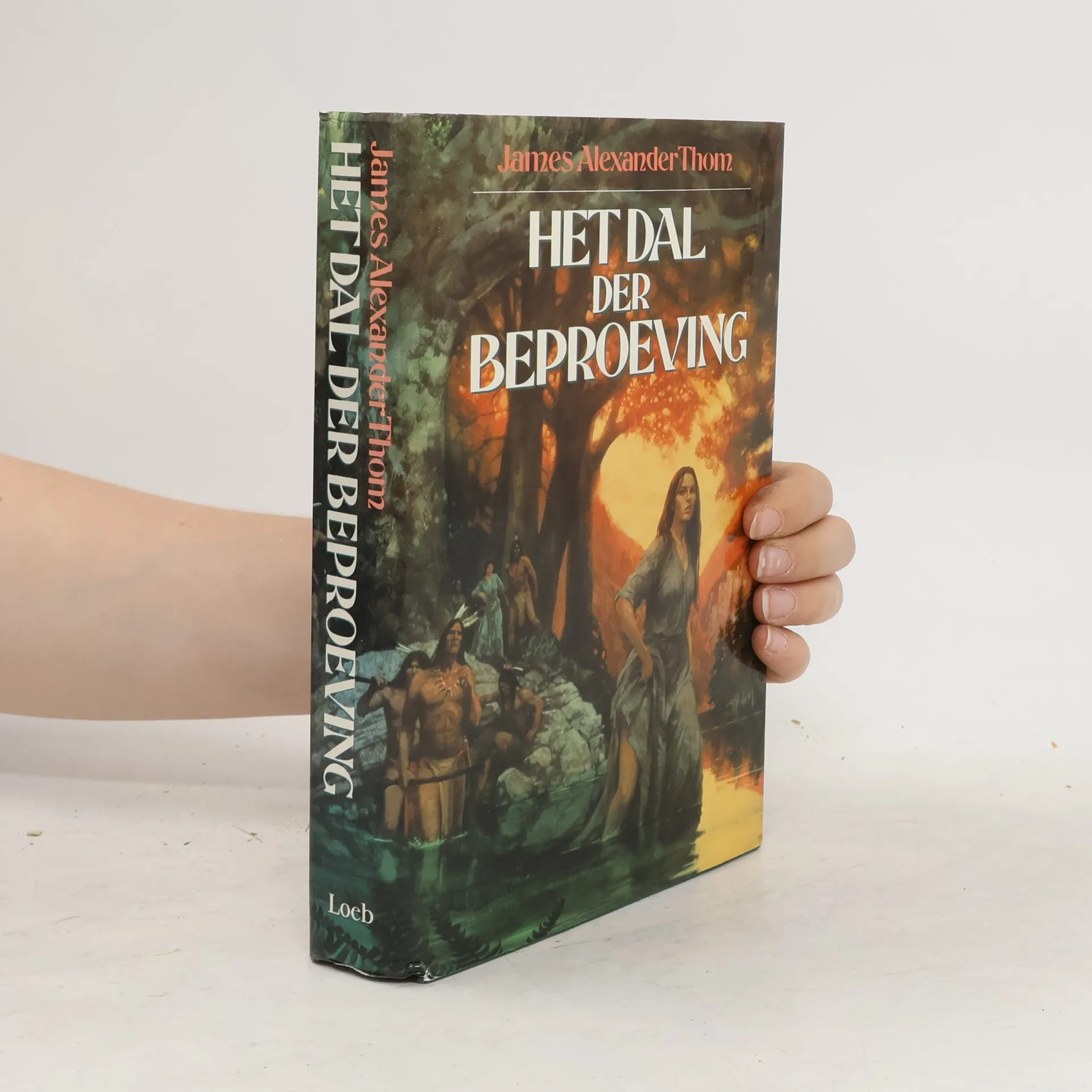
NATIONALE BESTSELLER • Mary Ingles was drieëntwintig, gelukkig getrouwd en zwanger van haar derde kind toen Shawnee-indianen haar vredige nederzetting in Virginia in 1755 binnenvielen en haar ontvoerden, waarbij ze een bloedige slachting achterlieten. Maandenlang hielden ze haar gevangen. Maar niets kon haar geest gevangen houden. Met de snelstromende Ohio-rivier als haar gids, liep Mary Ingles duizend mijl door een ongetemde wildernis die nog nooit door een blanke vrouw was gezien. Haar verhaal leeft voort—een buitengewone getuigenis van de onoverwinnelijke kracht van een pioniersvrouw die haar leven riskeerde om terug te keren naar haar eigen mensen.
Indiana's distinctive character balances agriculture with industry, tradition with innovation. It is a state of contrasts, in its natural terrain and in its populated regions. ""Indiana II"" portrays these contrasts at their best.
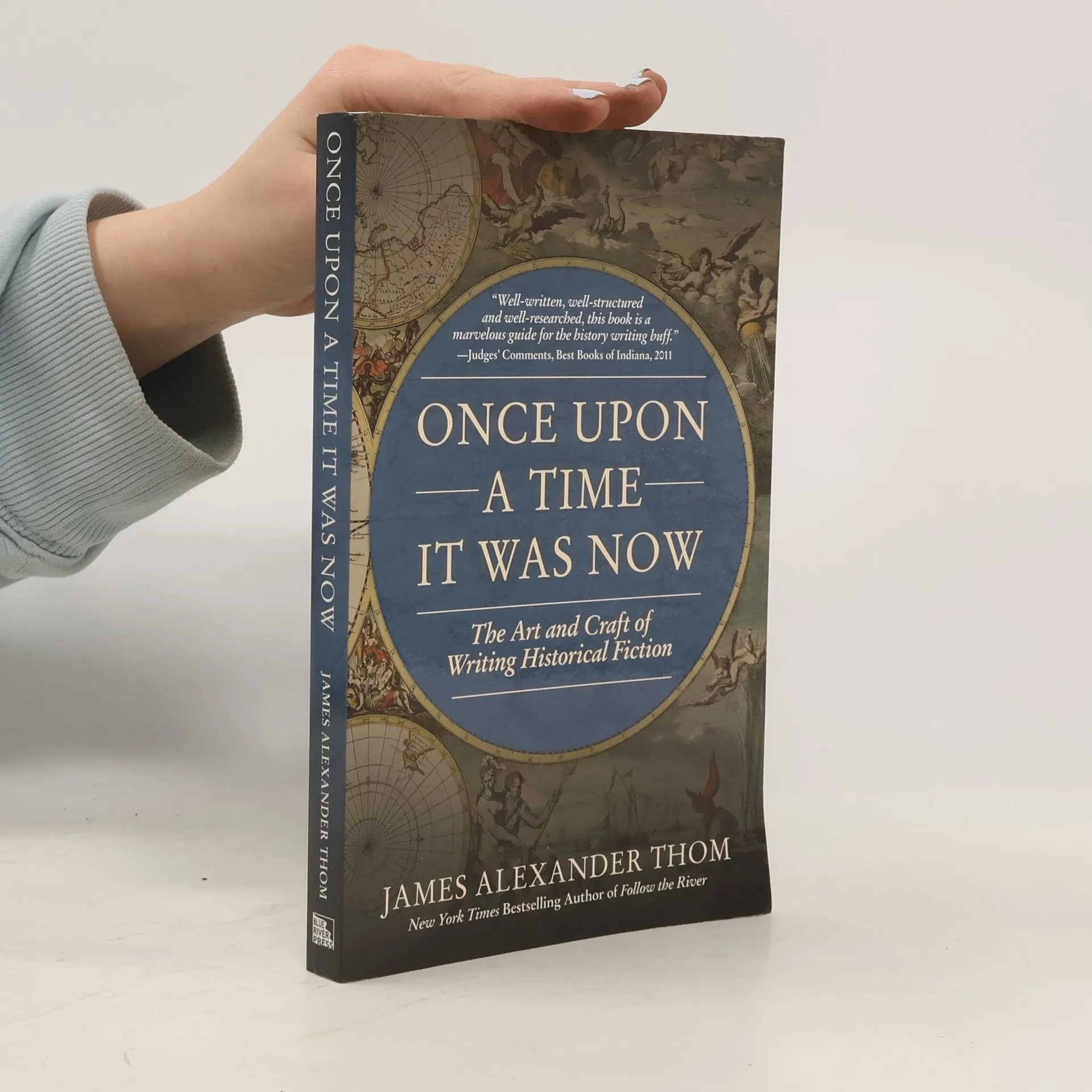
While a historian stands firmly planted in the present and looks back into the past, a historical novelist has a more immediate task: to set readers in the midst of bygone events and lead them forward, allowing them to live and feel the wonderment, fear, hope, triumph, and pain as if they were there. Learning historical stories is easy, creating stories based in history is not. In this book best-selling author James Alexander Thom (Follow the River,From Sea to Shining Sea, Sign-Talker) gives you the tools you need to research and create stories born from the past that will move and inspire modern readers. His comprehensive approach includes lessons on how to: Find and use historical archives and conduct physical field research; Re-construct the world of your novel, including people and voices, physical environments, and cultural context; Achieve verisimilitude in speech, action, setting, and description; Seamlessly weave historical fact with your own compelling plot ideas. With wit and candour, Thom's detailed instruction, illuminating personal experience, and invaluable insights culled from discussions with other trusted historical writers will guide you to craft a novel that is true to what was then, when then was now.