Stanley Wolpert was een Amerikaanse academicus en indoloog, erkend als een van 's werelds meest vooraanstaande autoriteiten op het gebied van de politieke en intellectuele geschiedenis van modern India en Pakistan. Zijn uitgebreide werk, dat zowel fictie als non-fictie omvat, biedt lezers diepgaande inzichten in de complexe geschiedenis en cultuur van het subcontinent. Wolpert duikt met precisie en academische diepgang in het ingewikkelde historische en culturele weefsel van de regio. Zijn aanpak stelt lezers in staat de nuances en de evolutie van India en Pakistan te begrijpen door middel van meeslepende proza.
Ranging from the fall of Singapore in 1942 to the assassination of Mahatma Gandhi in 1948, this text provides a vivid behind-the-scenes look at Britain's decision to divest itself from the crown jewel of its empire. Wolpert, a leading authority on Indian history, paints memorable portraits of all the key participants.
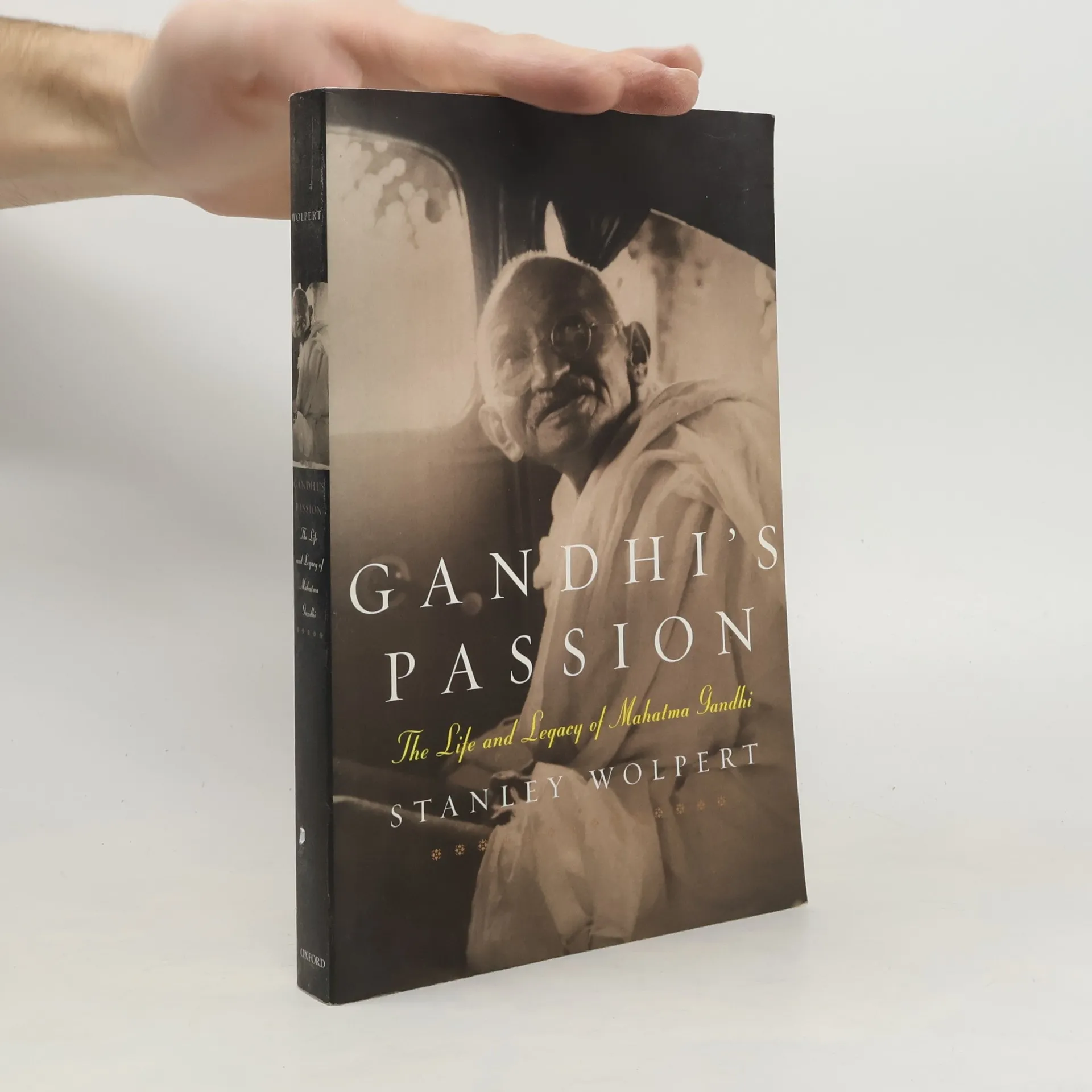
More than fifty years after his death, Mahatma Gandhi remains an inspiration worldwide, yet modern India appears to have strayed from his nonviolent ideals, particularly with its nuclear ambitions. In response to contemporary developments, Stanley Wolpert presents a nuanced biography of India's "Great Soul." He chronicles Gandhi's journey from a privileged childhood to his rise as a leader and his assassination by a fellow believer. Gandhi's path, akin to that of Christ, was shaped by his deliberate embrace of suffering as a means to attain divine truth. His early campaigns against discrimination in South Africa and his pivotal role in India's struggle against British rule reveal a man grappling with inner conflicts, overshadowed by his political acumen and moral clarity. Drawing from diverse influences in Hinduism, Jainism, Christianity, and Buddhism, Gandhi emphasized love for adversaries as a transformative force in conflict. His steadfast opposition to intolerance and oppression inspired India profoundly, leaving a legacy that motivated figures like Martin Luther King, Jr. and Nelson Mandela to advocate for change through peaceful civil disobedience. By portraying Gandhi as a complex human rather than a deified figure, Wolpert offers a fresh perspective on the personality and motivations that fueled his quest for India's freedom.