2000 Mit Schutzumschlag
Jak P. Mallmann Showell Boeken
1 januari 1944

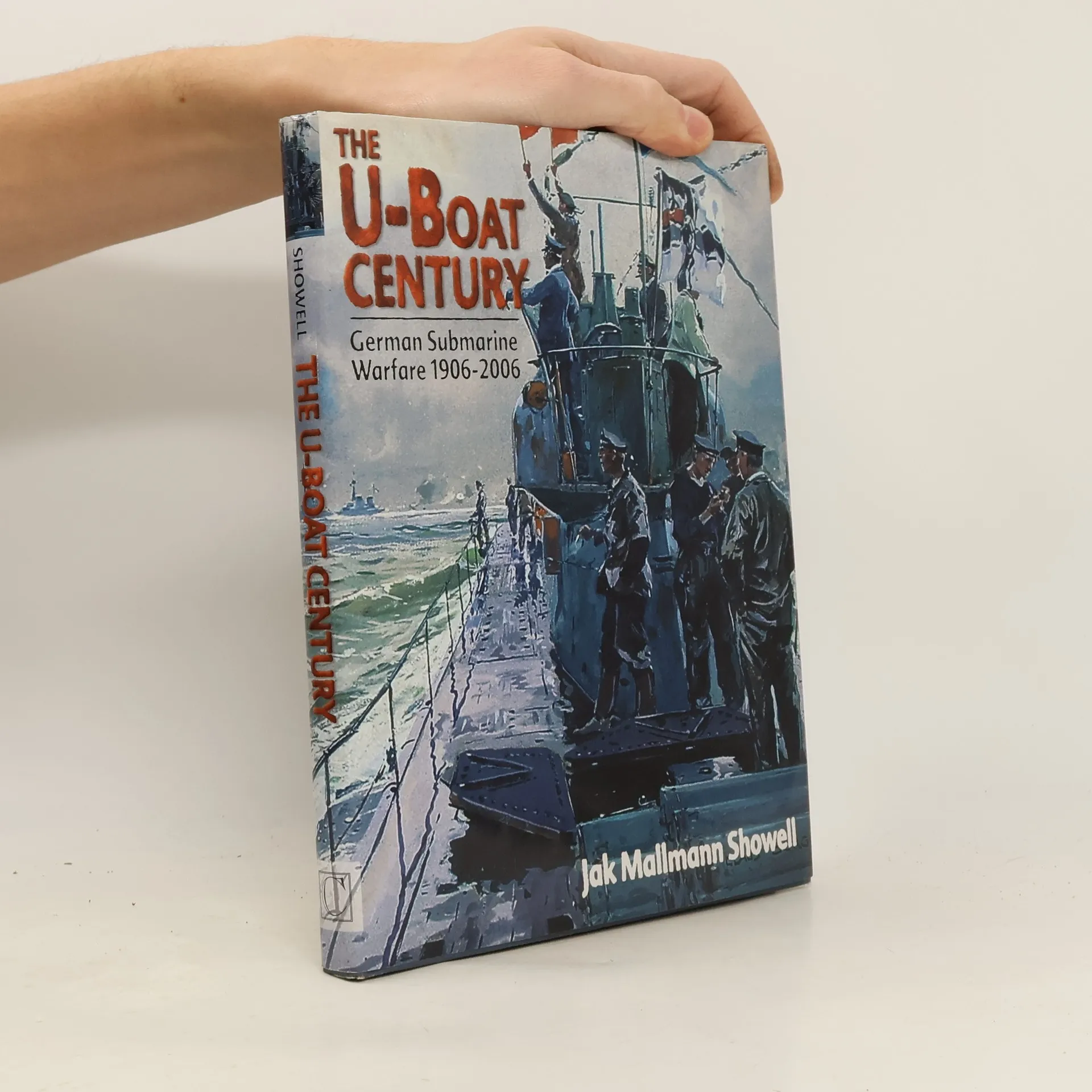
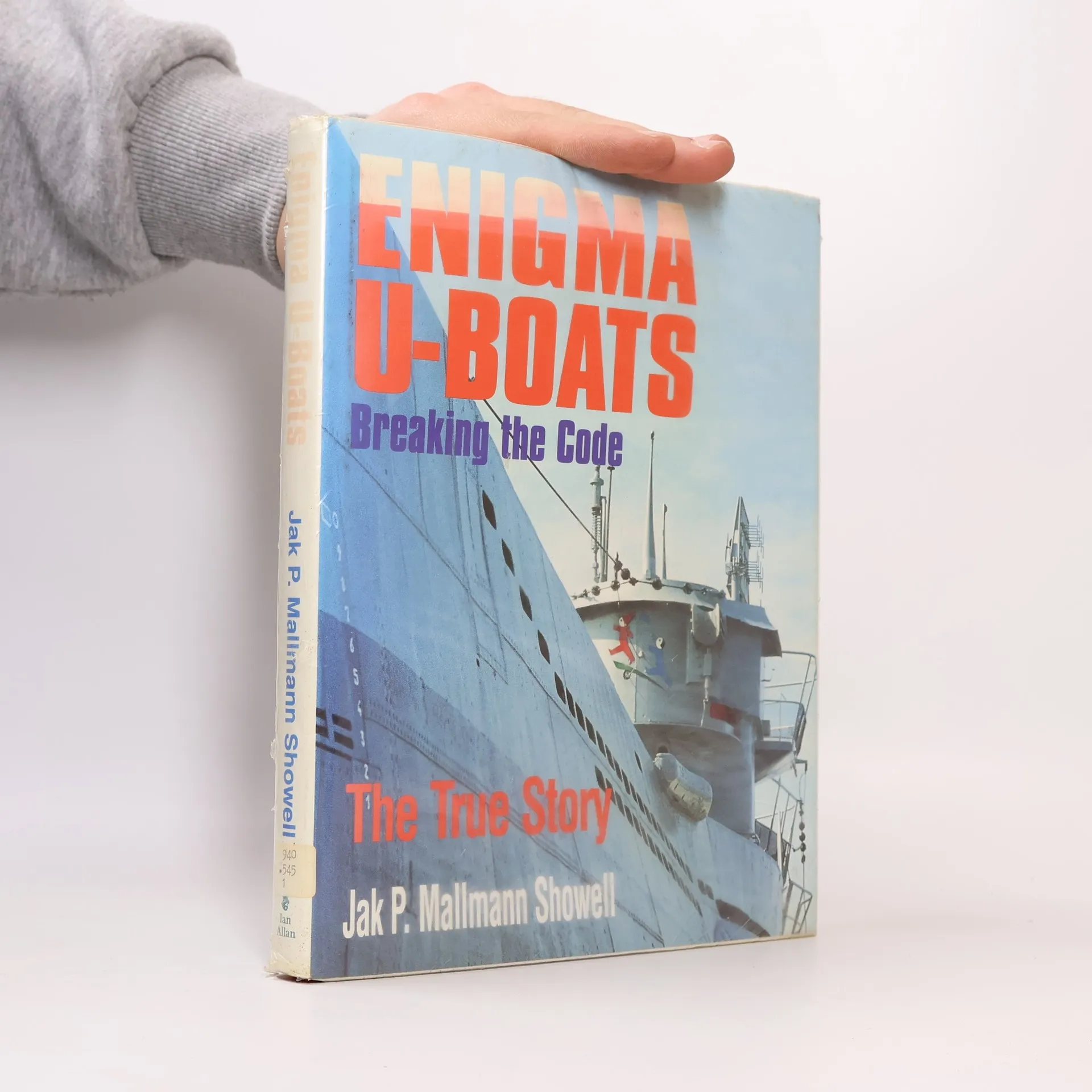
On a sweltering day in August 1906 U-1, or Unterseeboot 1, meaning underwater boat, was lifted into Kiel's waters for trials; 100 hundred years later Kiel still witnesses the launching of U-boats, modern submarines with fuel cell propulsion systems, built for navies worldwide. In the years in between Germany fought two world wars, in which the U-boat almost defeated the Allies. --The U-boat was one of the most potent weapons of the 20th century, and here Mallmann Showell, perhaps the world's leading U-boat historian, explains how it was developed and designed and then deployed to wreak havoc in European waters and further afield in the Atlantic and the Far East. This is not a dry technical book but a work that looks behind the scenes at the men who built and fought in them. Weapons systems, operational areas, bases, builders and fleet organisation are covered, and as well as dealing with the world wars, the author brings the story up to date with the third, latest, generation of U-boats. The text is augmented by over 300 images, many never published before. --Publisher description.
The German Navy, both before the War and throughout the years of fighting, was heavily outnumbered by the navies of Great Britain and the United States; nonetheless, it proved to be serious thorn in the sides of its adversaries. The U-boat war in the North Atlantic threatened the very liberation of Europe, while the major warships posed a constant threat to the Allied shipping lanes. This important reference book is an indispensable guide to the ships, organisation, command and rank structure, and leaders of the Kriegsmarine, and helps explain why it was such a potent force. A detailed text, augmented by photos, maps and diagrams, studies the German Navy from the Treaty of Versailles to the collapse of the U-boat offensive and the demise of the Third Reich. After covering the background organisation and naval bases, the author gives detailed descriptions of all the classes of ship from the battleships to motor torpedo boats and minesweepers. The officers and sailors are covered along with their uniforms and awards and insignia. Biographies of notable personalities and a chronology of the main naval events are included, as well as appendices and a select bibliography. Based on the author's 1979 title The German Navy in World War Two, this is a classic work of reference for a new generation of readers.
Geschichte der deutschen U-Boot-Waffe
- 301bladzijden
- 11 uur lezen
Die U-Boot-Waffe wurde in zwei Weltkriegen nirgends so weitreichend entwickelt wie in Deutschland. Es gibt keinen Truppenteil, der in den Anfängen so große Erfolge verzeichnen konnte wie dieser. Der Autor beschreibt in diesem Titel nicht nur die wichtigsten deutschen Unterseeboote, ihre Organisation, Waffensysteme und Erbauer, sondern zeichnet vor dem Hintergrund der beiden Kriege ein Bild vom Dasein der U-Boot-Waffe. Schließlich rundet der Autor seine Darstellung mit Daten und Fakten ihrer modernsten Vertreter, der U-Boote der Bundesmarine ab, deren Technik zu den bestgeschützten Geheimnissen der Bundeswehr zählt.
Geheime deutsche U-Boot-Operationen
Einsätze, Stützpunkte und Bunkeranlagen 1933-1945
Während des Zweiten Weltkriegs landeten deutsche U-Boote aus operativen Gründen vielfach an bedrohlichen Gestaden. So fanden Landungen z.B. aus Spionagegründen an den Küsten von Staaten wie Irland, Spanien und den USA statt, aber auch an der nordafrikanischen Küste zur Unterstützung von Rommels Afrikakorps. Mallmann-Showell dokumentiert viele dieser schwierigen und speziellen U-Boot-Einsätze. Dabei geht er auf U-Boot-Stützpunkte und Bunkeranlagen ein, die er in Deutschland, Frankreich und Norwegen besucht hat, zeigt deren strategische Bedeutung und erklärt, wie und warum diese Anlagen gebaut wurden.
Deutsche U-Boot-Stützpunkte und Bunkeranlagen
- 224bladzijden
- 8 uur lezen
Von Kiel bis Trondheim Dieses Werk berichtet detailliert über deutsche U-Boot-Stützpunkte und ihre Bunkeranlagen. Es zeigt ihre strategische Bedeutung und erklärt, wie und warum die Anlagen gebaut wurden. Entwurf und Baumaterialien spielten eine besondere Rolle, denn mit über drei Meter dicken Betondecken haben viele dieser Bunker selbst den schwersten alliierten Bomben und sämtlichen Zerstörungsversuchen der Nachkriegszeit widerstanden. Der Verfasser hat viele ehemalige U-Boot-Stützpunkte in Frankreich, Deutschland und Norwegen besucht und noch nie veröffentlichte Berichte über sie aufgespürt. Er bezieht wichtige neue Informationen über die verbliebenen Bunker mit ein, die zum Teil heute noch Landschaft und Umgebung beherrschen oder unter strenger Abschirmung weiter genutzt werden. Ein umfassendes Verzeichnis der Orte mit genauer Beschreibung legt dar, was Besucher an den Örtlichkeiten heute noch vorfinden können.
Uboote gegen England
- 189bladzijden
- 7 uur lezen
Während des Zweiten Weltkriegs lieferte sich die deutsche Kriegsmarine einen unerbittlichen und verlustreichen Kampf mit den Alliierten im Atlantik. Sowohl die Einsätze der umherstreifenden »Wolfsrudel«, der U-Boote, als auch die der Überwasser- Kriegsschiffe gehören zweifellos zu den wichtigsten Ereignissen der Seekriegsgeschichte. Mallman-Showell widmet sich in diesem Buch sowohl den Aufgaben und der Organisation als auch der Ausbildungsfähigkeit der deutschen Flotte während der Kriegsjahre. Abgerundet mit zahlreichen Fotos, Karten und Diagrammen ist dieses Werk ein Muss für jeden zeitgeschichtlich Interessierten.
Kriegsmarine 1939 - 1945
- 304bladzijden
- 11 uur lezen