Bookbot

Robert Jacob Alexander Skidelsky Volgorde van de boeken (chronologisch)

    25 april 1939

    Lord Skidelsky is Emeritus Hoogleraar Politieke Economie wiens werk zich verdiept in de rol van de staat in economische aangelegenheden en de gevolgen van globalisering. Zijn uitgebreide biografieën van J. M. Keynes en zijn geschriften over het communisme onthullen een diepe betrokkenheid bij sleutelfiguren en ideologieën van de 20e eeuw. Skidelsky's proza is analytisch en scherpzinnig, en behandelt complexe economische en politieke onderwerpen. Zijn geleerdheid trekt vaak historische parallellen, en biedt diepgaande inzichten in de uitdagingen van de moderne wereld.

    John Maynard Keynes, 1883-1946 : economist, philosopher, statesman
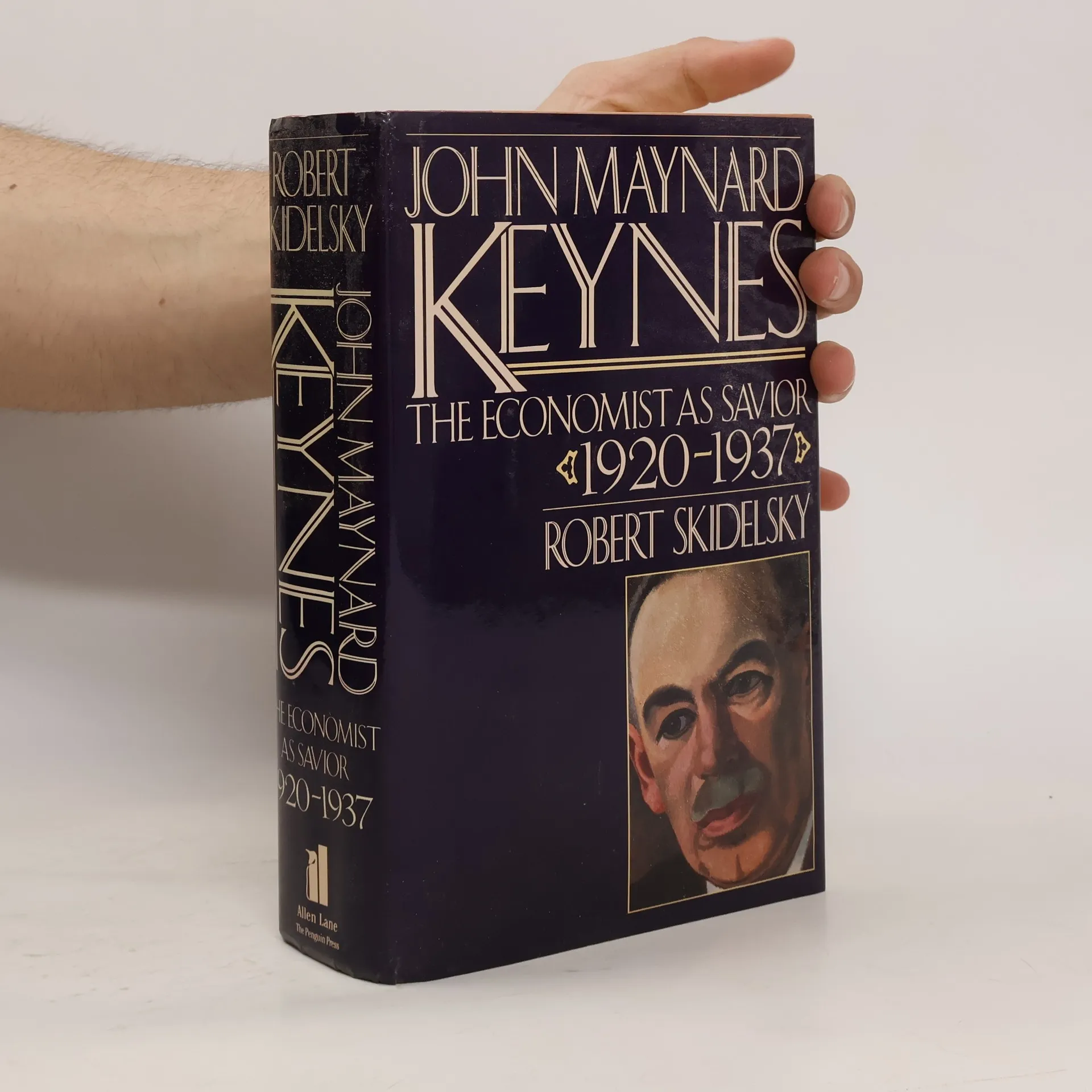
    John Maynard Keynes: The economist as saviour, 1920-1937
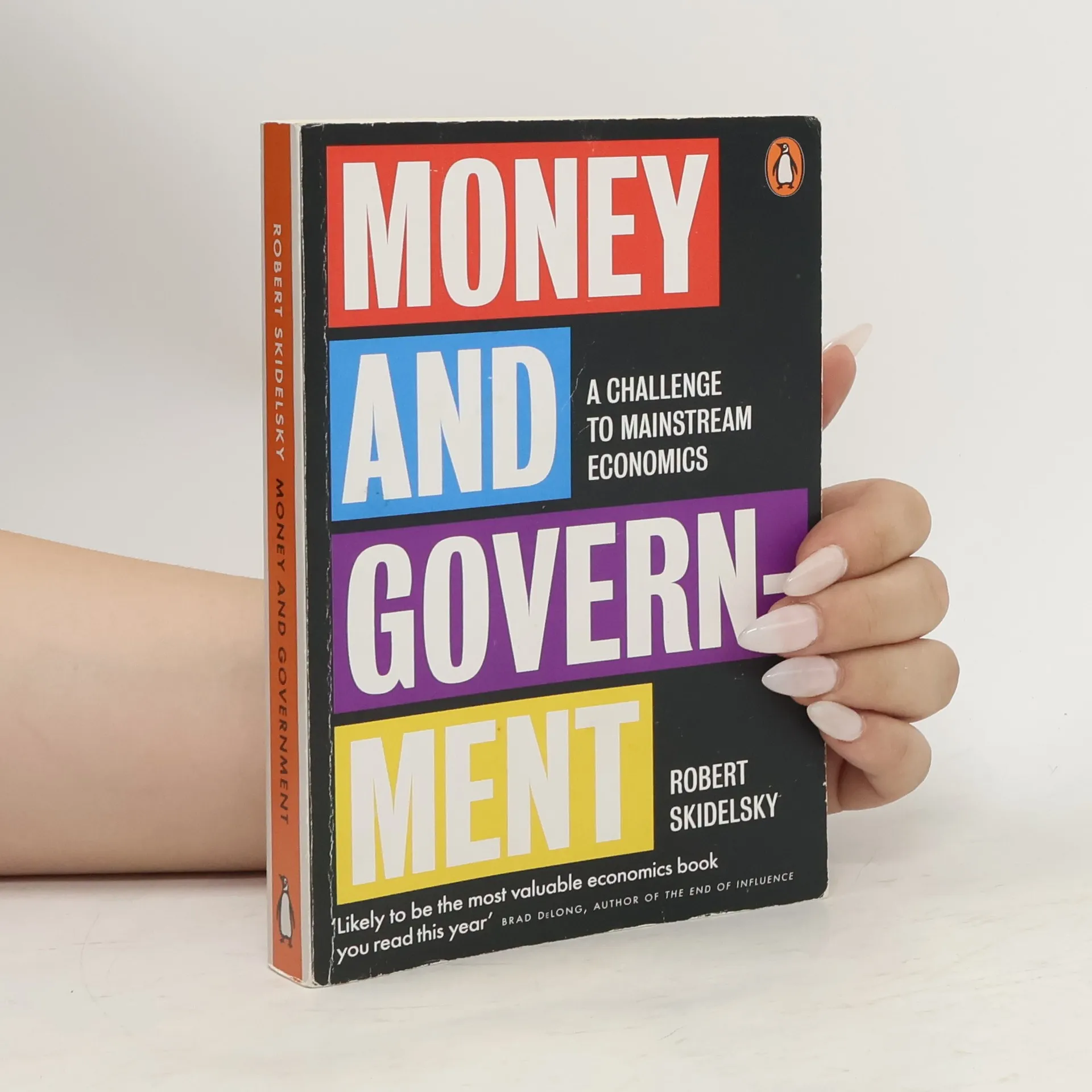
    Money and Government : A Challenge to Mainstream Economics
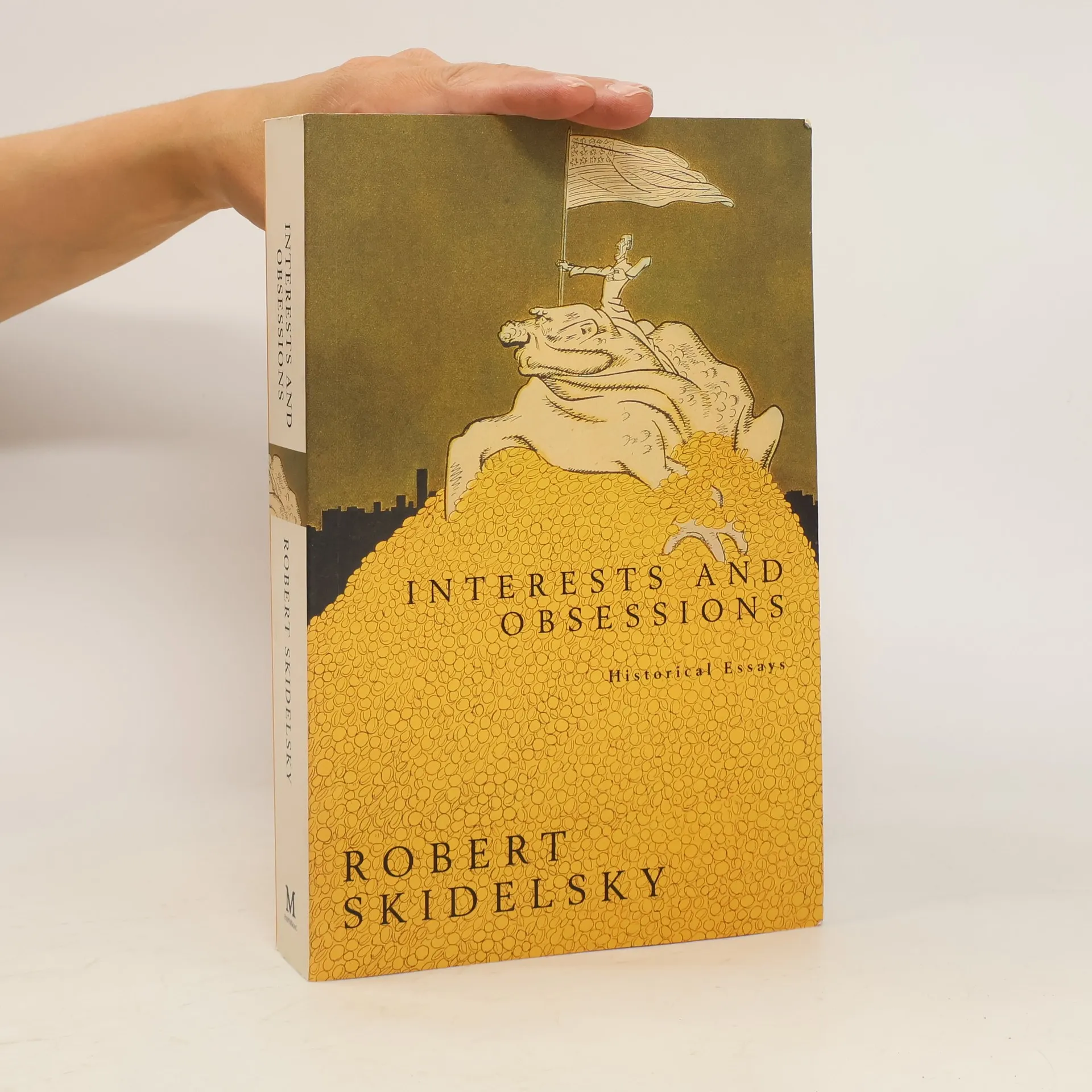
    Interests and Obsessions
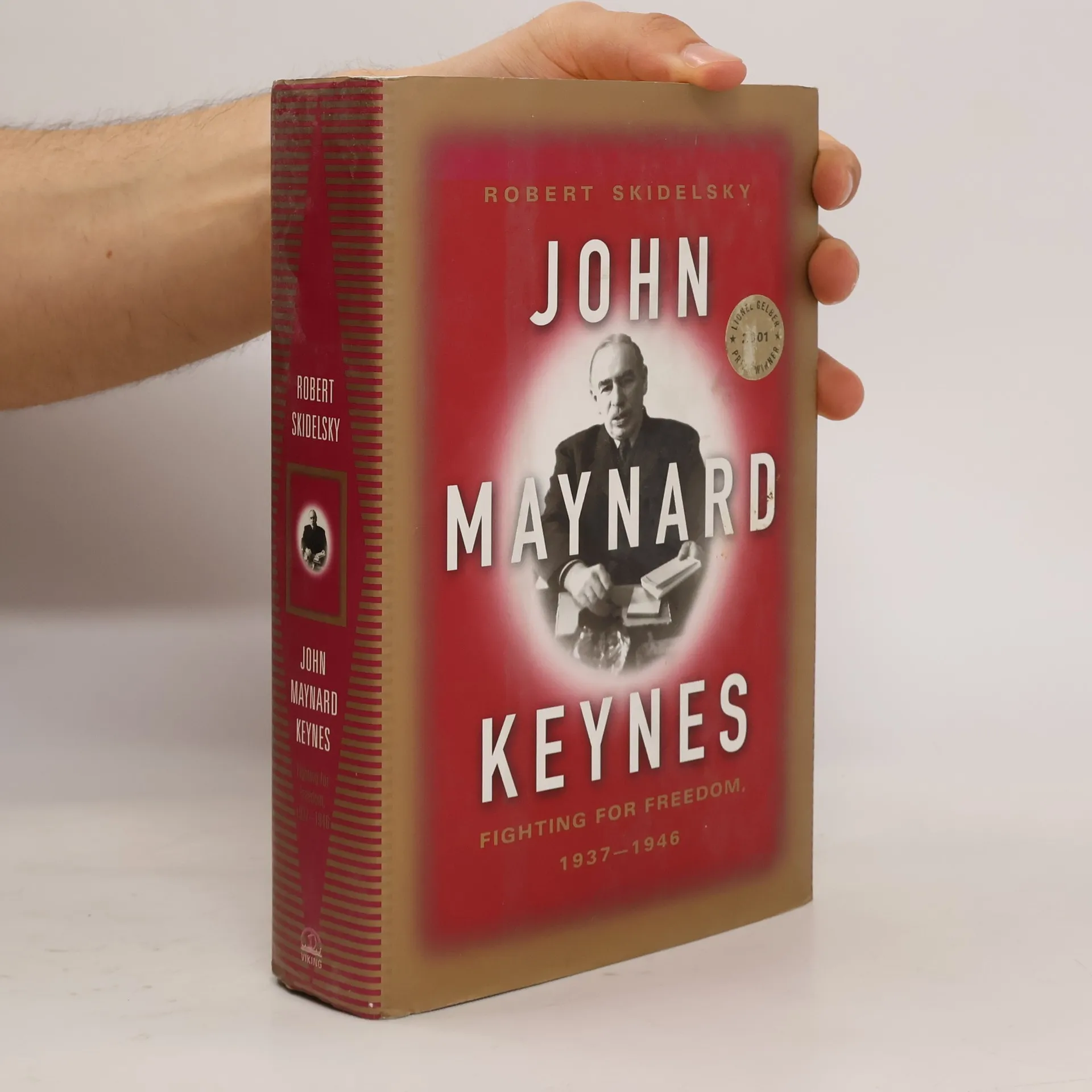
    John Maynard Keynes. Vol. 3, Fighting for freedom, 1937-1946
    John Maynard Keynes
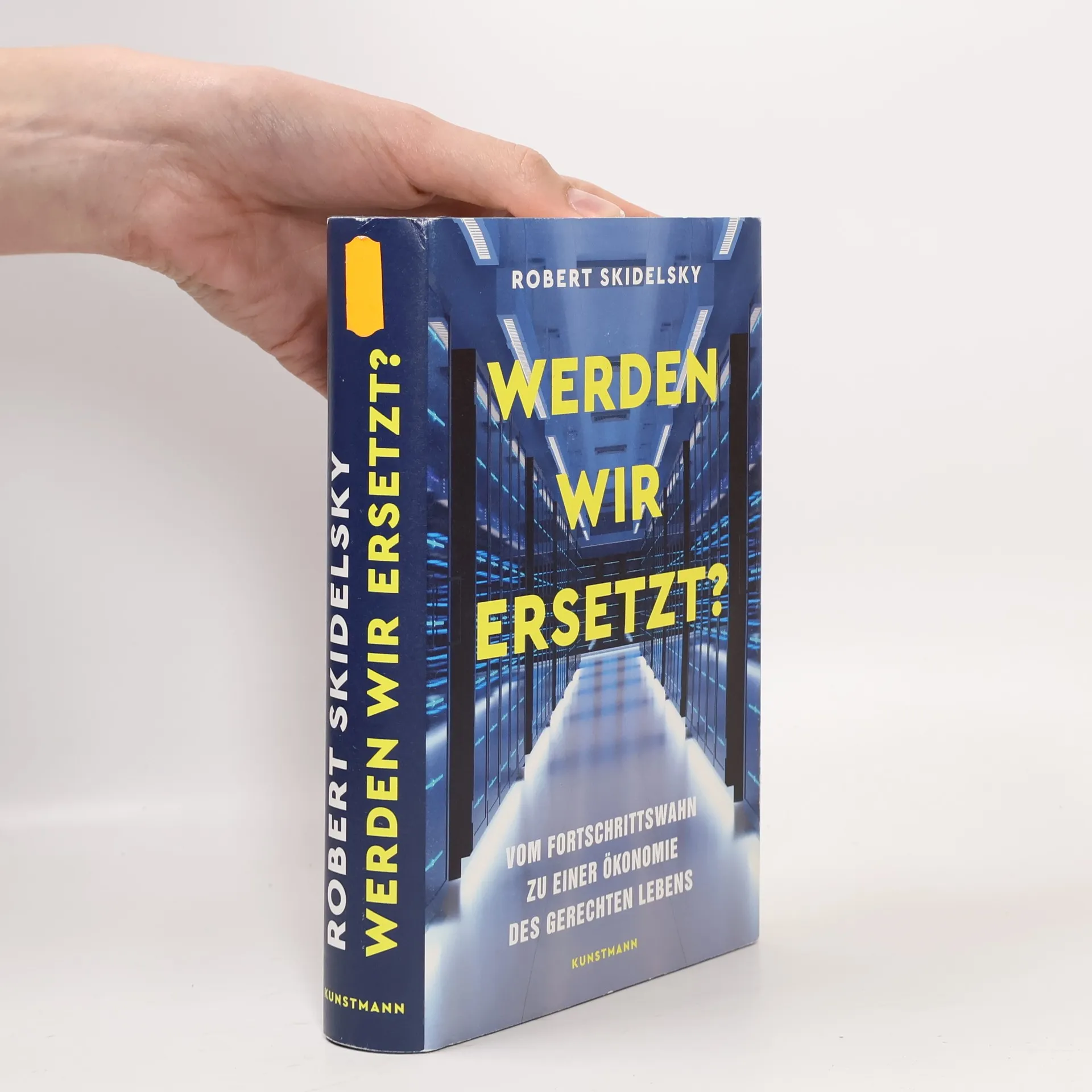
    • Werden wir ersetzt?

      Vom Fortschrittswahn zu einer Ökonomie des gerechten Lebens

      • 400bladzijden
      • 14 uur lezen

      Wie sich das Verhältnis von Mensch und Maschine entwickelt hat, wie es unsere Wirtschaft und unser Leben beeinflusst und welche politischen Weichen wir jetzt stellen müssen, darüber schreibt Robert Skidelsky kenntnisreich und erhellend. Es ist ein alter Menschheitstraum, von Mühsal und Not befreit zu sein. Ein Traum, der durch die rasante technologische Entwicklung sowohl zu einer realistischen Perspektive als auch zu einer realen Bedrohung wird, wenn nur einige wenige von diesem Fortschritt profitieren, während er für zu viele mit Arbeitslosigkeit, Abhängigkeit und Armut einhergeht. Zeit, sich die Grundfragen neu zu stellen: Kontrollieren wir die Maschinen oder kontrollieren die Maschinen – und die, denen sie gehören – uns? Was droht uns im Fortschrittswahn verloren zu gehen? Wie können wir eine gerechte Arbeitswelt und ein gutes Leben für alle organisieren? Robert Skidelsky erzählt kenntnisreich die wechselhafte Beziehung von Mensch und Maschine: Wie haben führende Denker, von der Antike bis ins 21. Jahrhundert, über den technischen Fortschritt – von den ersten Werkzeugen bis zur künstlichen Intelligenz – und seine Auswirkungen auf die Menschheit nachgedacht? Ein grundlegendes Buch zu den drängenden Fragen unserer Zeit, das uns zeigt, auf was wir jetzt achten müssen, damit wir unsere Zukunft in der eigenen Hand behalten.

      Werden wir ersetzt?2024
    • Welche Auswirkungen werden Automatisierung und künstliche Intelligenz auf die Arbeit und das "gute Leben" haben? In einer Reihe von Essays beleuchtet Robert Skidelsky die weitreichenden Implikationen der modernen Entwicklungen der Arbeit und skizziert Handlungsmöglichkeiten.Zwar trägt die Reduktion von Arbeitszeit wesentlich zu materiellem und spirituellem Wohlergehen bei, aber die von Keynes vorausgesagte 15-Stunden-Arbeitswoche ist auch in den führenden Industrieländern nie verwirklicht worden. Worin bestehen heute die notwendigen Voraussetzungen für eine Reduktion der Arbeitszeit und welche Möglichkeiten birgt sie? Robert Skidelsky plädiert für die Entwicklung einer Ethik, die auf die Ziele der Technologie fokussiert. Ein Leben, das zugleich menschlich und menschenwürdig ist, ist nur durch die Förderung der Freizeitausbildung anstelle eines sinnlosen Wettlaufs des Menschen mit Maschinen und durch die Würdigung der Unvollkommenheit als Voraussetzung aller menschlichen Bemühungen möglich.

      Automatisierung der Arbeit: Segen oder Fluch?2020
    • "A passionate and informed critique of mainstream economics from one of the leading economic thinkers of our time. This insightful book looks at how mainstream economics' quest for scientific certainty has led to a narrowing of vision and a convergence on an orthodoxy that is unhealthy for the field, not to mention the societies which base policy decisions on the advice of flawed economic models. Noted economic thinker Robert Skidelsky explains the circumstances that have brought about this constriction and proposes an approach to economics which includes philosophy, history, sociology, and politics. Skidelsky's clearly written and compelling critique takes aim at the way that economics is taught in today's universities, where a focus on modelling leaves students ill-equipped to grapple with what is important and true about human life. He argues for a return to the ideal set out by John Maynard Keynes that the economist must be a "mathematician, historian, statesman, [and] philosopher" in equal measure."--Provided by publisher.

      What's Wrong with Economics?2020
      4,0
    • In this remarkable work, Robert Skidelsky combines his expertise in a sweeping account of money and power. The prevailing economic view suggests that money and government should play a minimal role in economic life, portraying money merely as a medium of exchange and advocating for the 'invisible hand' of the market. However, this book argues that uncertainty makes money and government crucial in any market economy. Money is necessary because the future is unpredictable, and effective government can reduce this uncertainty, thereby diminishing the demand for money. Following Adam Smith, orthodox economics favored non-intervention until the Great Depression of 1929-32 challenged this perspective, leading to the rise of Keynesian economics as a new policy paradigm. Yet, the stagflation of the 1970s prompted a rejection of Keynesian policies in favor of neoclassical orthodoxy. Despite the severe 2008 financial crash, which was addressed with Keynesian measures, the pre-crash orthodoxy was reinstated, continuing to impose austerity measures that have left the global economy weak. This book seeks to introduce readers to the essential elements of Keynes's ideas, arguing that much of economic orthodoxy is not the hard science it claims to be. It aims to inspire the next generation of economists to recognize the vital roles of money and government in the economic landscape.

      Money and Government : A Challenge to Mainstream Economics2018
      4,3
    • Hoeveel is genoeg? geld en het verlangen naar een goed leven

      geld en het verlangen naar een goed leven

      • 304bladzijden
      • 11 uur lezen

      Iedereen heeft de mond vol van ‘goed leven’. Maar wat houdt dat eigenlijk in? En waarom werken we ons te pletter om steeds meer rijkdom te vergaren? Het zijn vragen die ons nog meer bezighouden sinds de economische crisis is losgebarsten. Robert en Edward Skidelsky zoeken een antwoord bij de Britse econoom John Maynard Keynes. Die voorspelde in 1930 dat we binnen de eeuw in een land van melk en honing zouden leven: ons inkomen zou alleen maar toenemen en we zouden niet meer dan vijftien uur per week moeten werken. De Skidelsky’s vertellen hoe en waarom Keynes zich heeft vergist. Volgens hen heeft de economie een morele dimensie gehad sinds het begin van onze beschaving. Die zijn we uit het oog verloren. Daarom moeten we opnieuw bepalen wat in ons leven echt belangrijk is.

      Hoeveel is genoeg? geld en het verlangen naar een goed leven2012
      3,6
    • Keynes: A Very Short Introduction

      • 144bladzijden
      • 6 uur lezen

      John Maynard Keynes was one of the most influential economists of the twentieth century. His ideas have had a central influence on many of areas of economics used today, both in theory and practice. In this Very Short Introduction Lord Robert Skidelsky looks at Keynes's life, his philosophy, his theories, and the legacy he left behind.

      Keynes: A Very Short Introduction2010
    • Keynes

      De terugkeer van de meester

      • 315bladzijden
      • 12 uur lezen

      Is er een alternatief als het kapitalisme faalt? De meest wijze en invloedrijkste econoom van de wereld zegt van wel. De geest van John Maynard Keynes waart al decennialang rond in centrale banken en ministeries van Financiën.

      Keynes2010
      3,8
    • THE DEFINITIVE SINGLE-VOLUME BIOGRAPHYRobert Skidelsky's three-volume biography of John Maynard Keynes has been acclaimed as the authoritative account of the great economist-statesman's life. Here, Skidelsky has revised and abridged his magnum opus into one definitive book, which examines in its entirety the intellectual and ideological journey that led an extraordinarily gifted young man to concern himself with the practical problems of an age overshadowed by war. John Maynard Keynes offers a sympathetic account of the life of a passionate visionary and an invaluable insight into the economic philosophy that still remains at the centre of political and economic thought.ROBERT SKIDELSKY is Emeritus Professor of Political Economy at the University of Warwick. His three volume biography of John Maynard Keynes (1983, 1992, 2000) received numerous prizes, including the Lionel Gelber Prize for International Relations and the Council on Foreign Relations Prize for International Relations. ('This three-volume life of the British economist should be given a Nobel Prize for History if there was such a thing' - Norman Stone.) He was made a life peer in 1991, and a Fellow of the British Academy in 1994.'A masterpiece of biographical and historical analysis' - New York Times

      John Maynard Keynes, 1883-1946 : economist, philosopher, statesman2005
      4,2
    • Ten years in the making, the second volume of Skidelsky's acclaimed biography of Keynes takes up the story of this century's most important economist after the controversial publication of The Economic Consequences of the Peace, and traces his life, his work, and their relationship to world events throu gh the reception of The General Theory in 1937. Photos.

      John Maynard Keynes: The economist as saviour, 1920-19371994
      4,0
    • Interests and Obsessions

      Historical Essays

      • 445bladzijden
      • 16 uur lezen

      The interplay between politics, economics and ideas from the late 19th century is focused upon in these essays. A series of figures and subjects crucial to an understanding of modern history are included, such as Sidney and Beatrice Webb. Skidelsky is winner of the 1993 Wolfson History Prize.

      Interests and Obsessions1993
      4,4
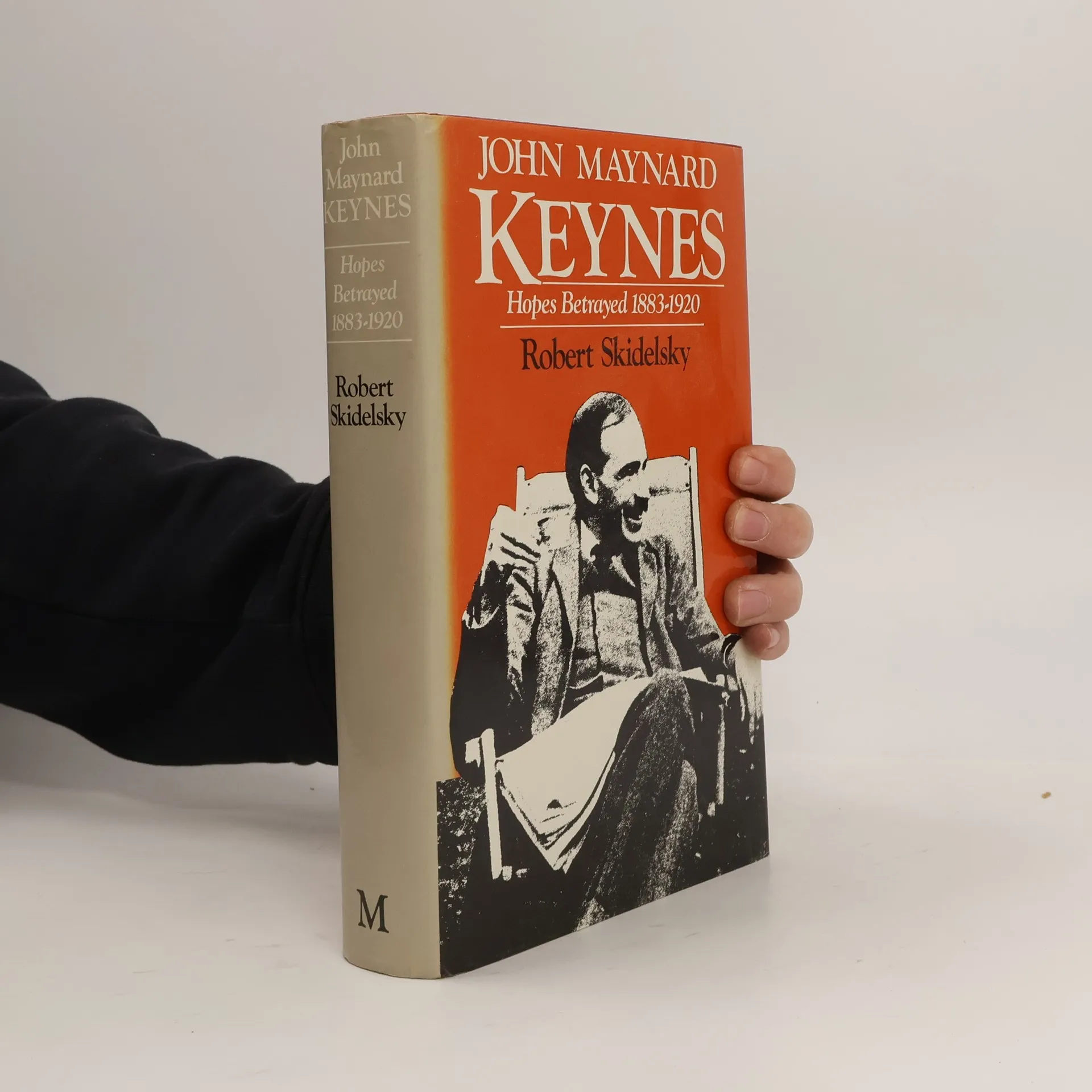
    • John Maynard Keynes

      Hopes Betrayed, 1883-1920

      • 480bladzijden
      • 17 uur lezen

      This first volume of Robert Skidelsky's exploration of the life and ideas of a renowned economist-statesman details how a remarkable individual engaged with the pressing issues of his time and significantly influenced them. The richness of Keynes's character and talents explains his achievements and creates an underlying tension, as he grappled with the demands of friendship, beauty, and philosophy against the backdrop of public life, never fully reconciling the 'aesthetic' and 'managerial' aspects of his persona. Skidelsky skillfully illustrates Keynes's extraordinary mental and spiritual agility, allowing him to navigate multiple roles without haste. As a schoolboy, he remained unfazed by his father's meticulous educational concerns. At Cambridge, he was influenced by G. E. Moore and a generation that dismissed Victorian ethics, valuing good states of mind. The narrative delves into Keynes's relationships with the Cambridge Apostles and Bloomsbury friends, revealing insights into his life and thought. Skidelsky examines his connections with figures like Lytton Strachey and Duncan Grant, as well as his perspective on the Great War. The volume brings to life his early reflections on probability, economics, and conscientious objection. It concludes with a pivotal moment in Keynes's life: the Paris Peace Conference and his writing of The Economic Consequences of the Peace, marking his commitment to addressing the threats to civi

      John Maynard Keynes1983
      4,5