

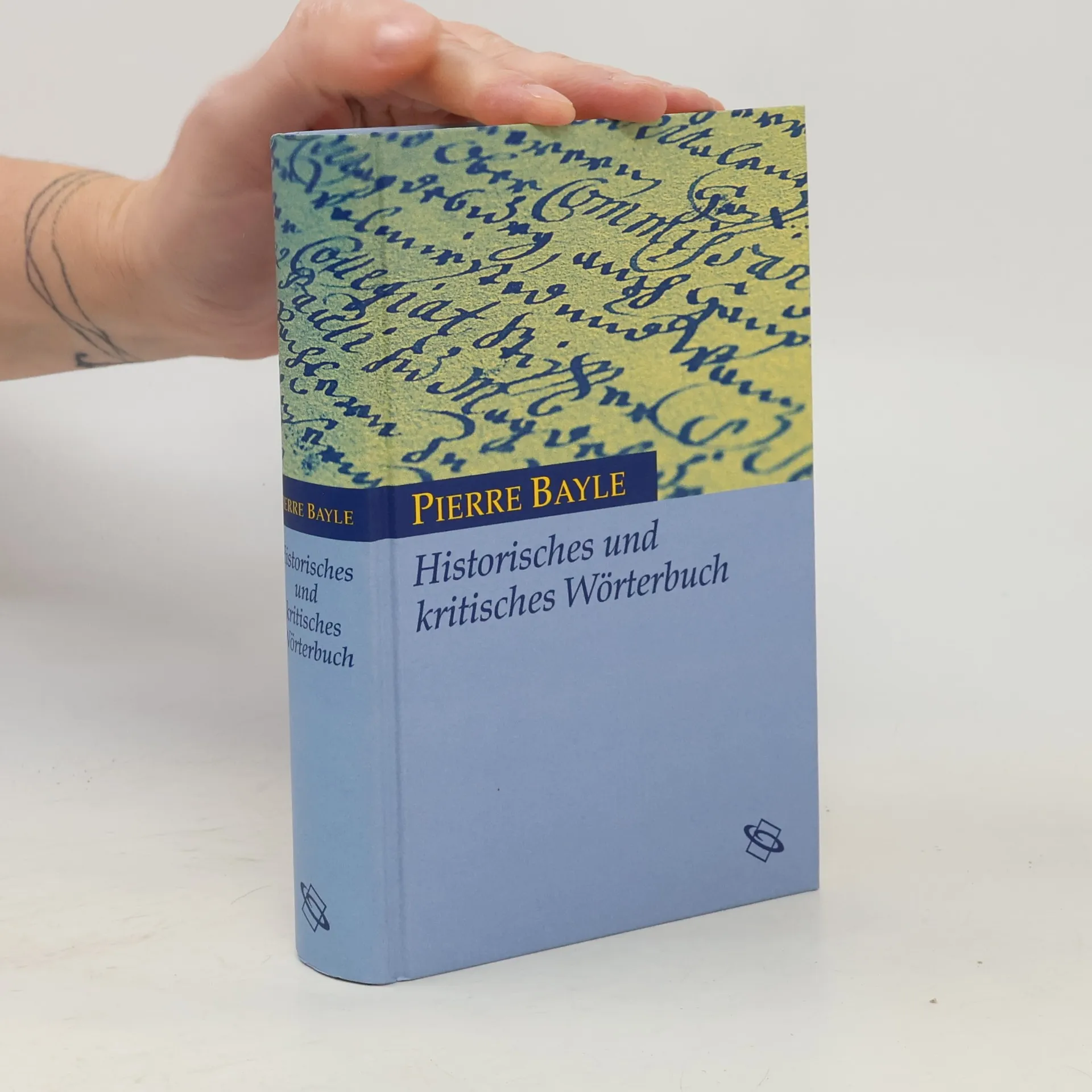
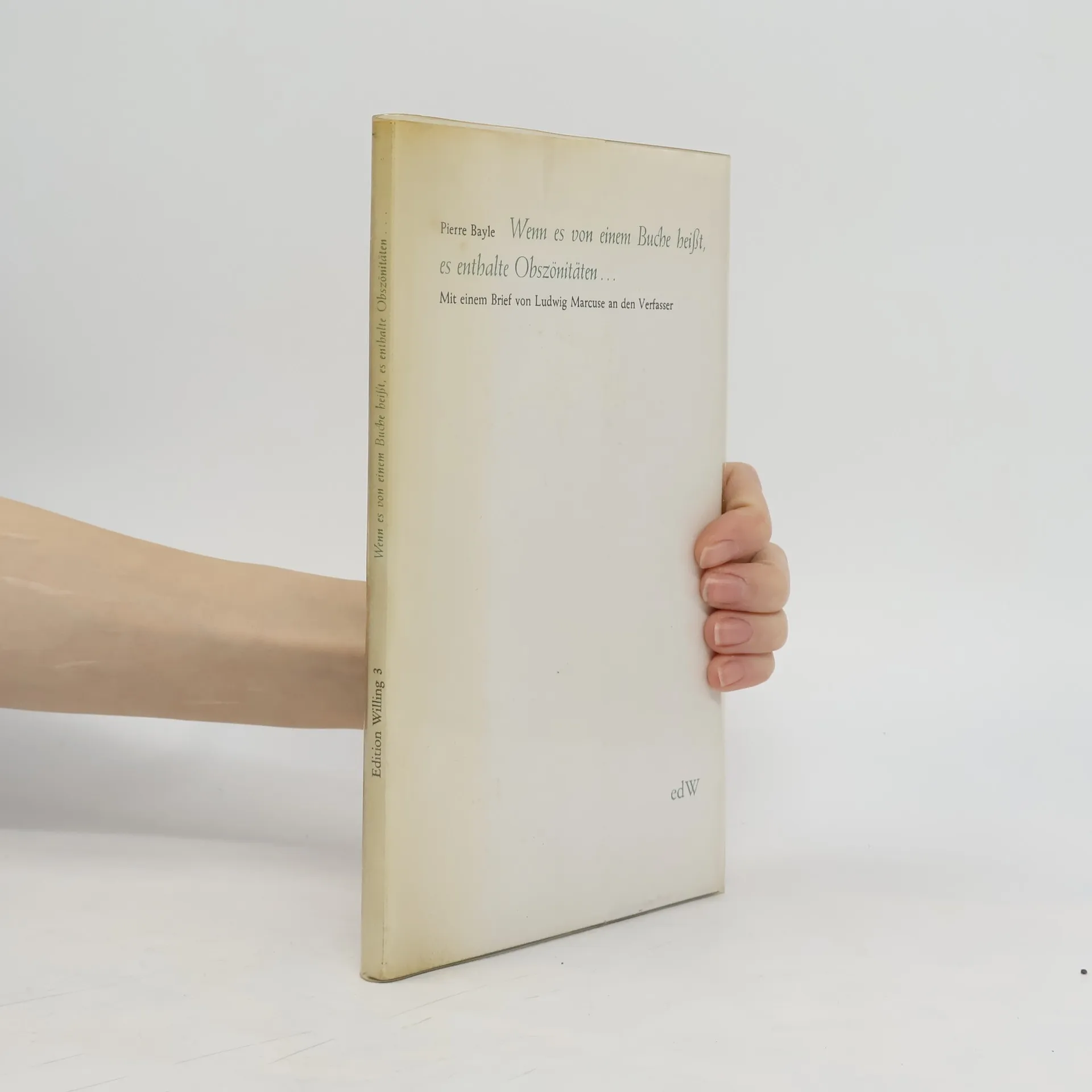
Der »Dictionnaire historique et critique« von Pierre Bayle gilt als Schlüsselwerk der Aufklärung, das eine nüchterne und vorurteilsfreie Prüfung von Philosophie, Theologie und anderen Disziplinen bietet. Mit über 2000 Artikeln, von denen etwa 60 philosophisch bedeutende ausgewählt und übersetzt wurden, reflektiert das Werk das Lebensgefühl des 18. Jahrhunderts, das sich nach rationaler Legitimität sehnte. Bedeutende Denker wie Anaxagoras, Hobbes und Spinoza werden ebenso behandelt wie historische Figuren wie Luther und Mohammed, wodurch Bayles Einfluss auf die Aufklärung eindrucksvoll dokumentiert wird.
Pierre Bayle Volgorde van de boeken (chronologisch)
18 november 1647 – 28 december 1706
Pierre Bayle was een centrale filosoof en criticus wiens werk zich verdiepte in fundamentele vragen over geloof, rede en scepsis. Hij stond bekend om zijn strenge intellectuele stijl en zijn vermogen om complexe filosofische en theologische kwesties te ontleden. Bayle daagde dogmatisch denken uit en bepleitte intellectuele vrijheid en kritisch onderzoek, waarmee hij zich vestigde als een cruciale figuur in de Verlichting. Zijn geschriften blijven resoneren bij lezers die op zoek zijn naar inzichtelijke verkenningen van de aard van kennis en de menselijke conditie.
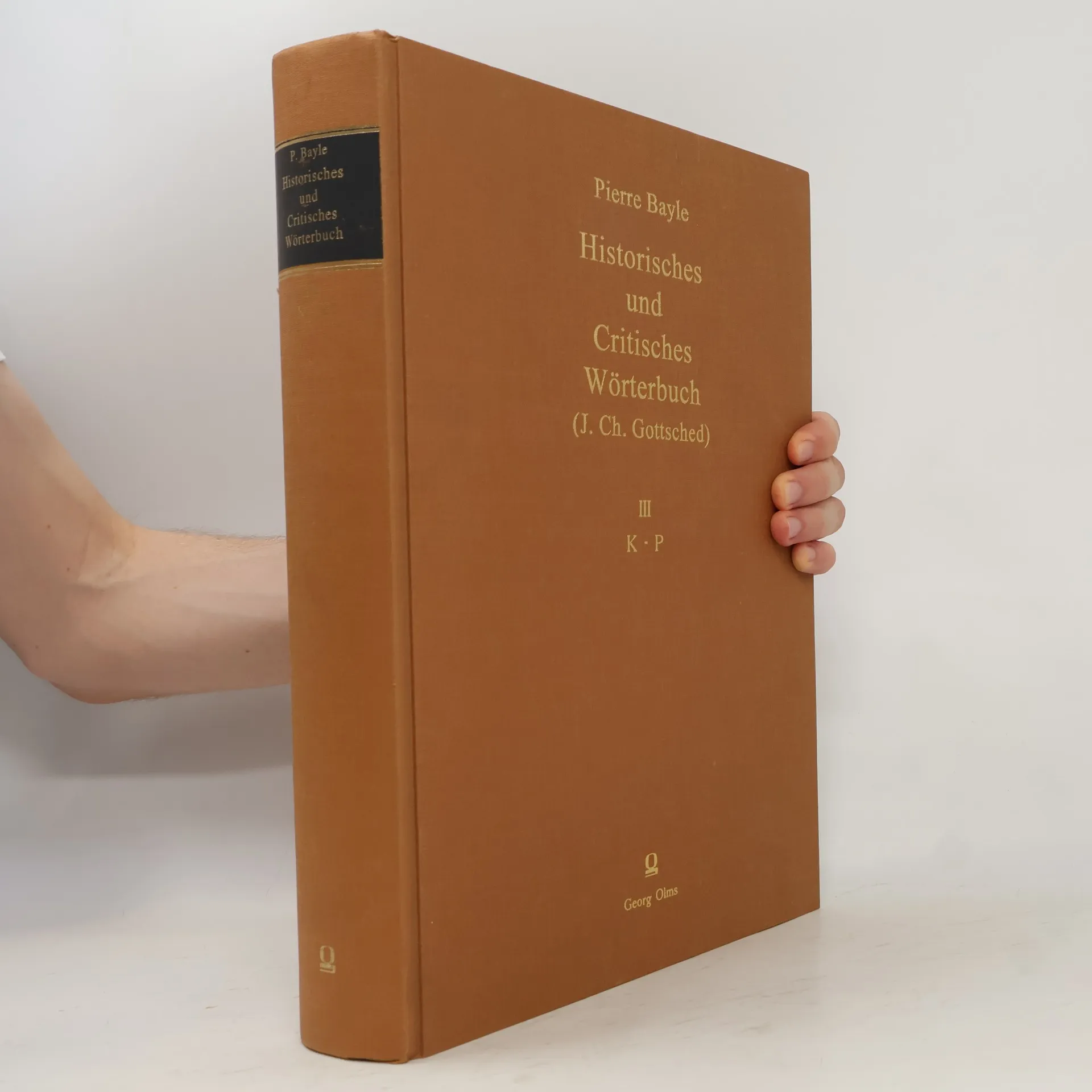
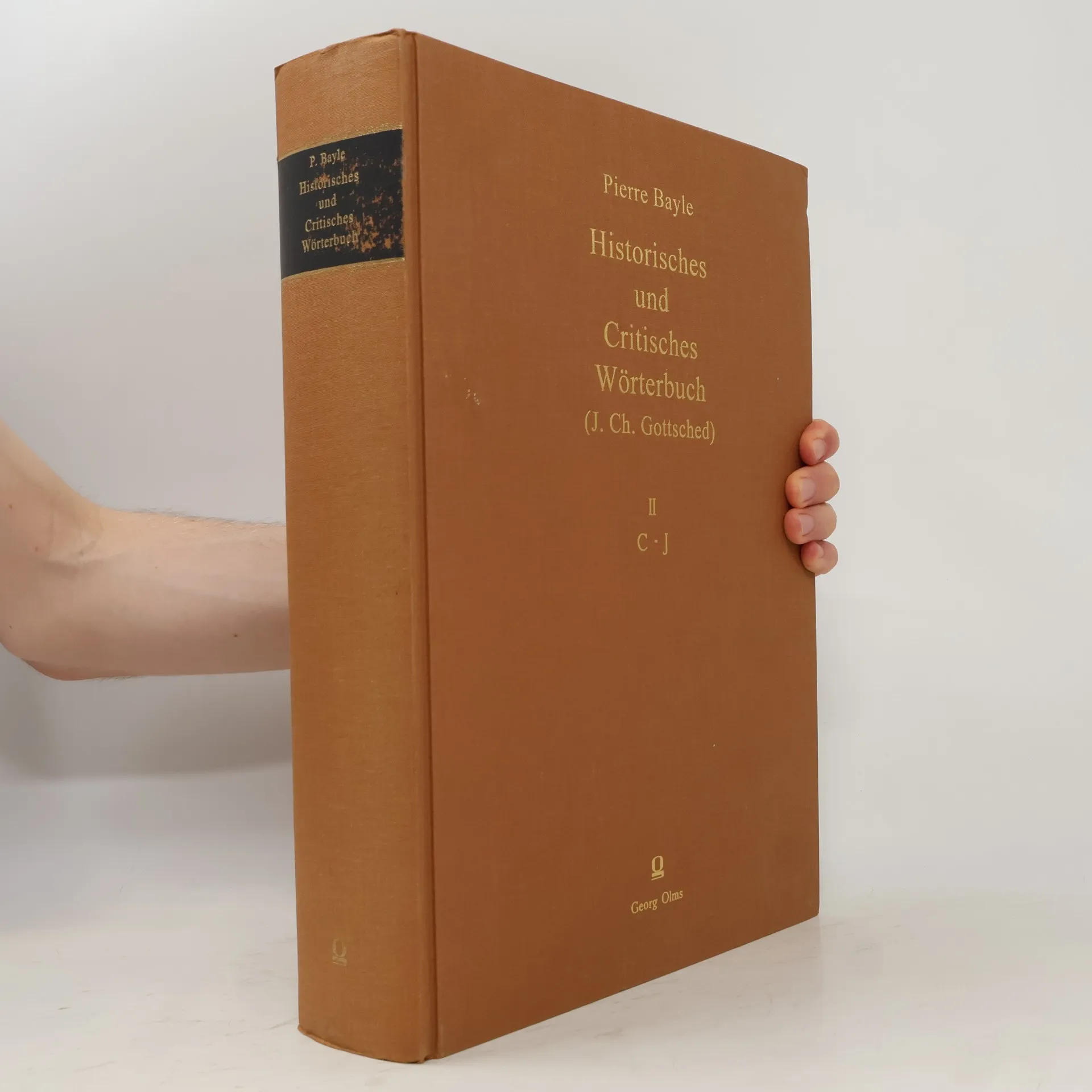
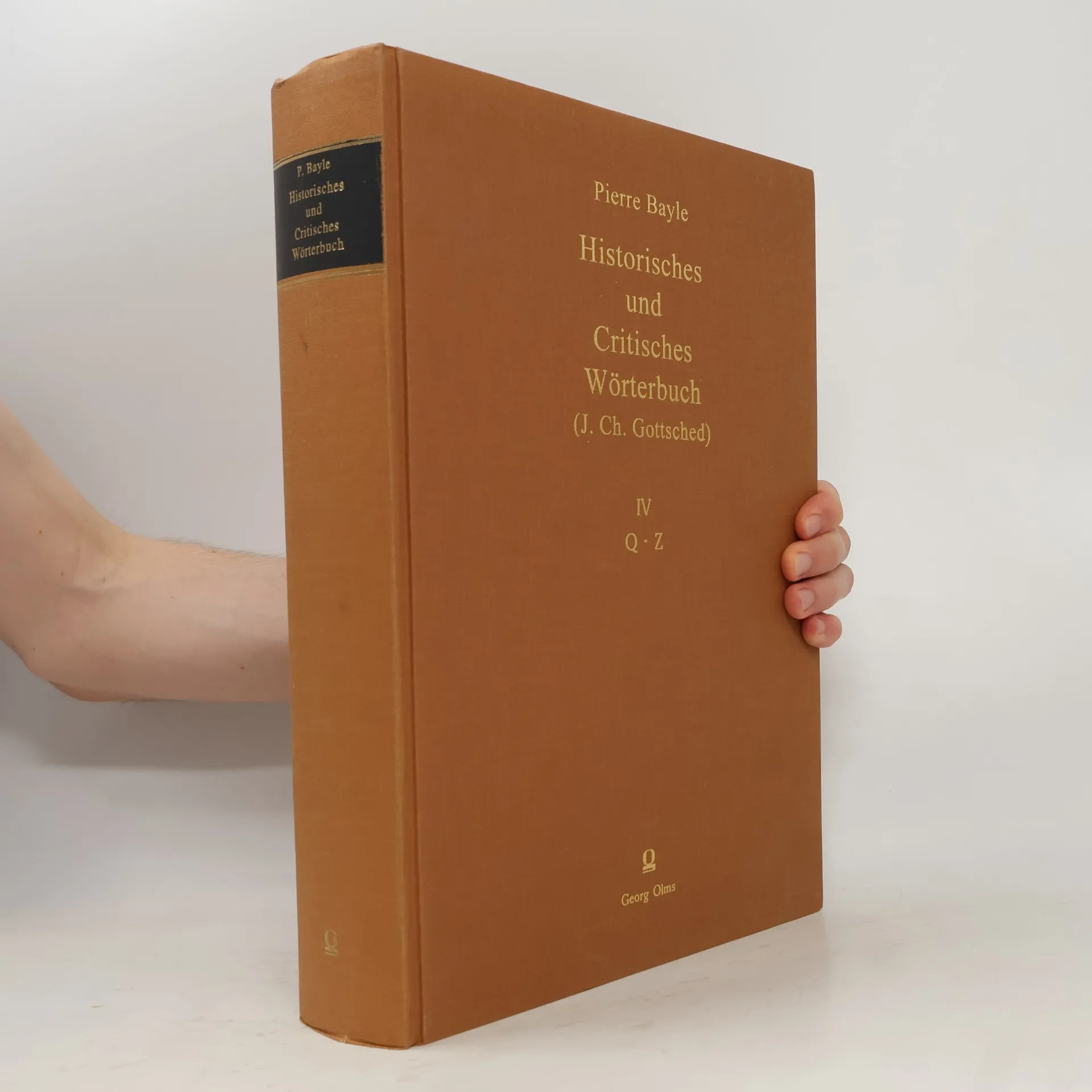

Historisches und Critisches Wörterbuch IV (Q-Z)
J. Ch. Gottsched
Historisches und Critisches Wörterbuch III
J. Ch. Gottsched