Karl E. WeickVolgorde van de boeken (chronologisch)
31 oktober 1936
Deze Amerikaanse organisatietheoreticus staat bekend om de introductie van baanbrekende concepten als "loose coupling" (losse koppeling), "mindfulness" (aandacht) en "sensemaking" (betekenisgeving) binnen organisatiestudies. Zijn werk beïnvloedt diepgaand hoe we complexe systemen en besluitvorming binnen organisaties begrijpen en analyseren. Hij blinkt uit in het blootleggen van subtiele dynamieken en de manieren waarop organisaties functioneren ondanks schijnbare ambiguïteit. Zijn inzichten blijven essentieel voor iedereen die geïnteresseerd is in de aard van menselijke samenwerking en management.
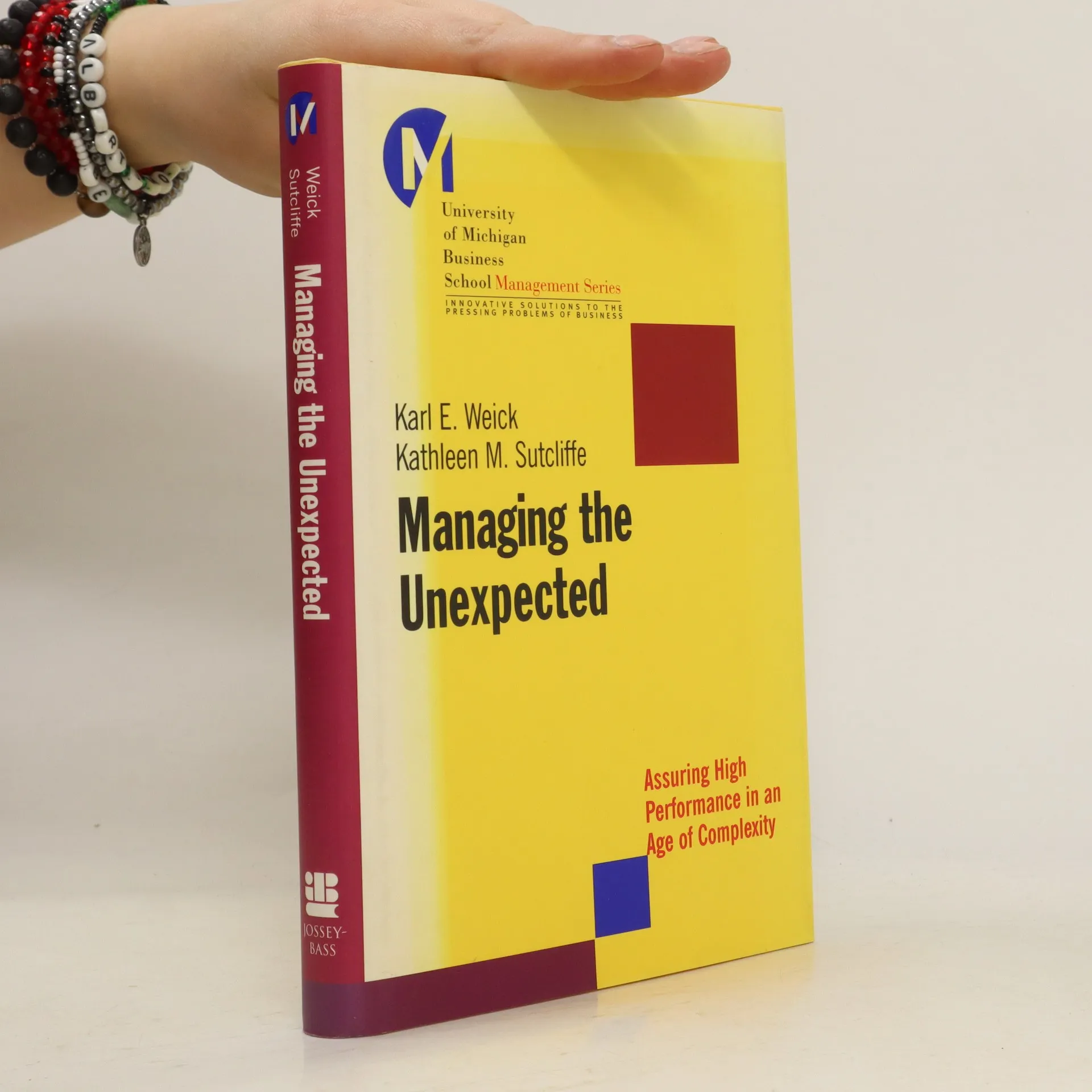
High reliability organizations (HROs), such as ER units in hospitals or firefighting units, are designed to perform under stress and pressure. This work aims to turn your organization into a panic-proof unit that can handle any emergency.
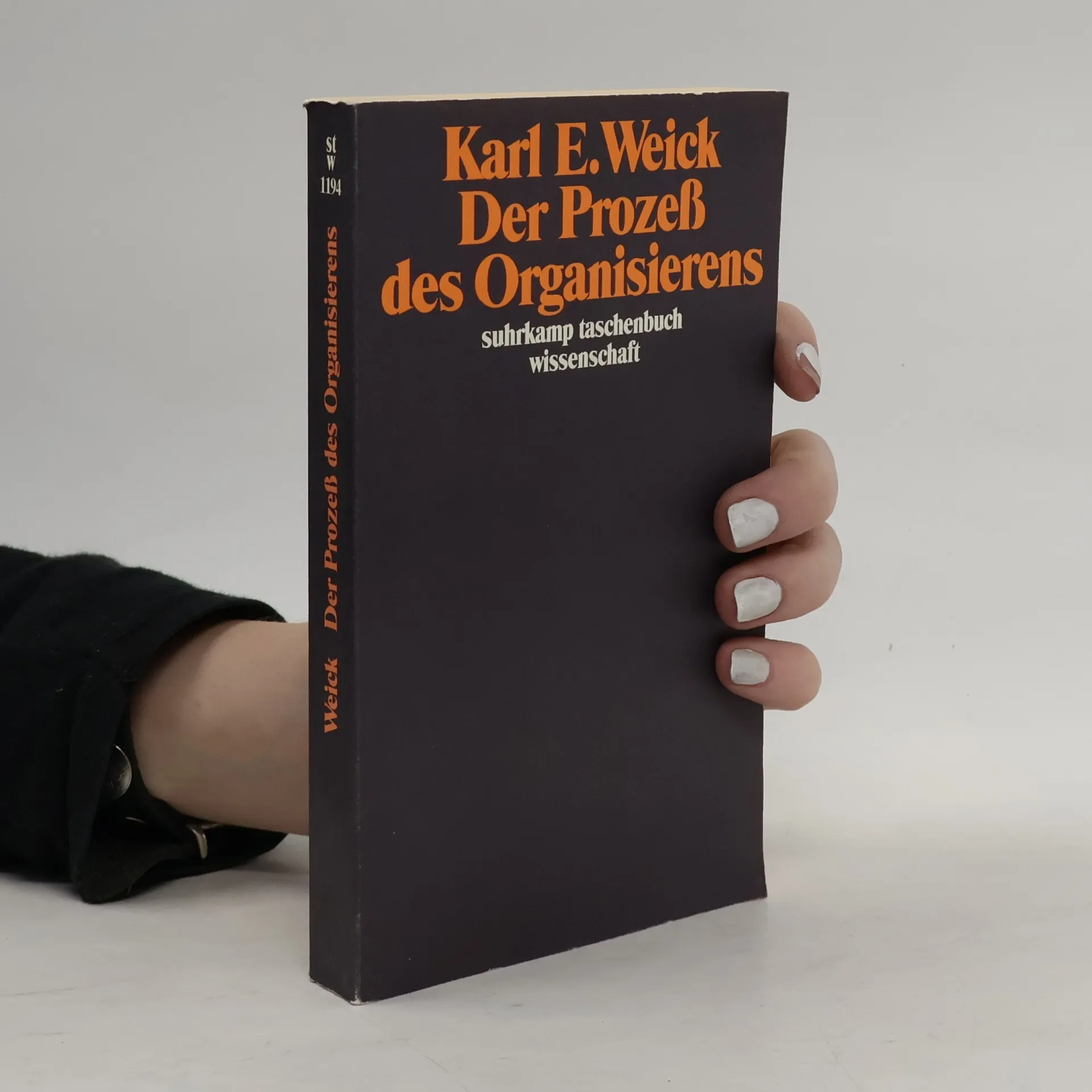
Weicks Sozialpsychologie des Organisierens ist keine Organisationstheorie im üblichen Sinne. Die strukturellen Merkmale von Organisationen, ihre Zielsetzungen, die Aufgabenteilung, die Ordnung der Entscheidungsprozesse - all dies zentrale Gegenstände der klassischen Organisationslehren - interessieren hier erst in zweiter Linie. Im Mittelpunkt steht vielmehr die Frage, wie Organisationen ihre Umwelt und sich selbst verstehen. Weick möchte eine Epistemologie des Organisierens schaffen, die selbst wieder eine Wirkung im Prozeß des Organisierens zu entfalten vermag, weil sie Begriffe bereitstellt, mit denen Menschen in Organisationen ihr Handeln begreifen können. In diesem Sinne wäre Weicks Theorie des Organisierens zugleich eine Metatheorie.