
Koop 10 boeken voor 10 € hier!
Bookbot

Anselm Kiefer

    8 maart 1945
    Anselm Kiefer in conversation with Klaus Dermutz
    Anselm Kiefer - für Andrea Emo
    Anselm Kiefer, cette obscure clarté qui tombe des étoiles
    Anselm Kiefer
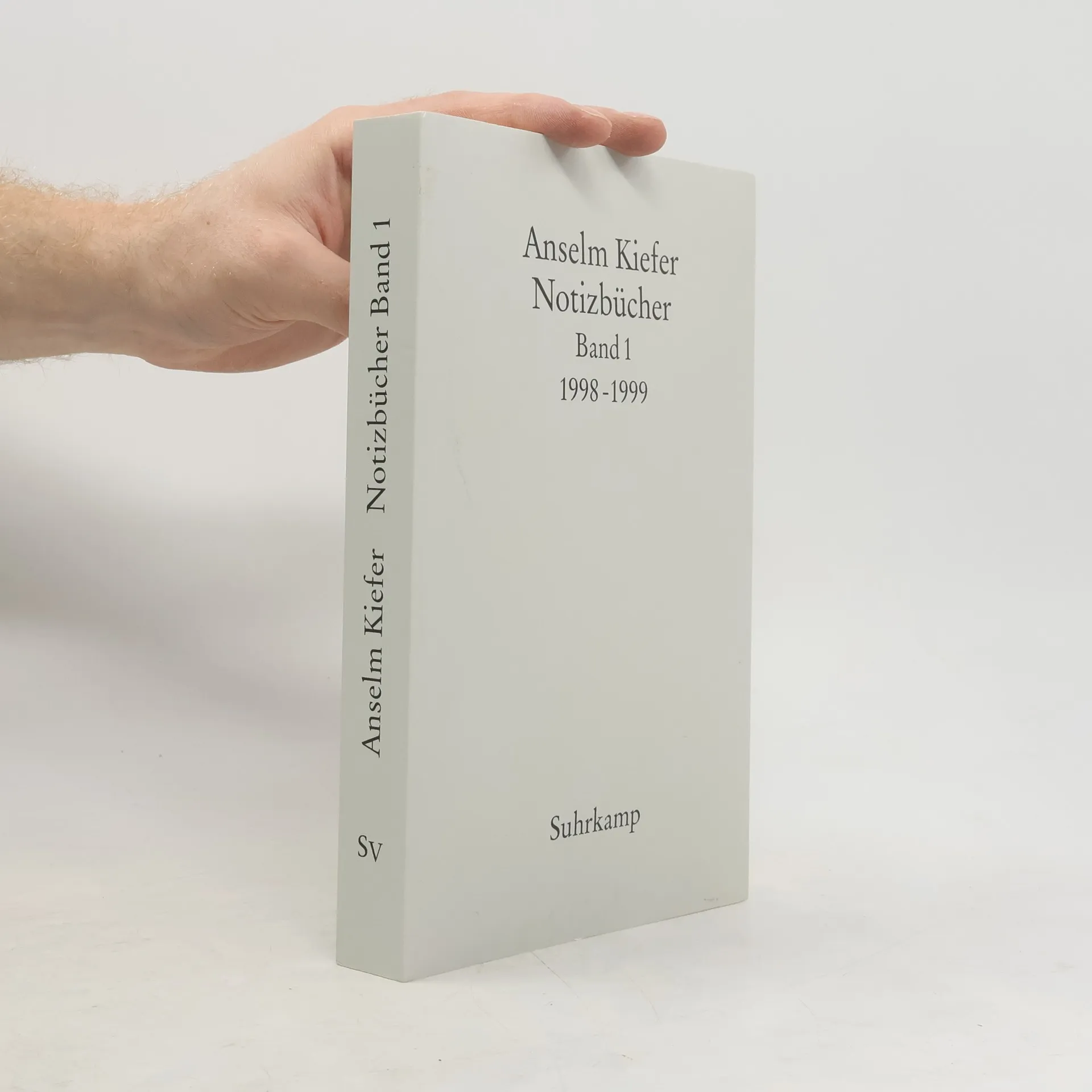
    Notebooks, Volume 1, 1998-99
    Anselm Kiefer, The heavenly palaces: Merkabah
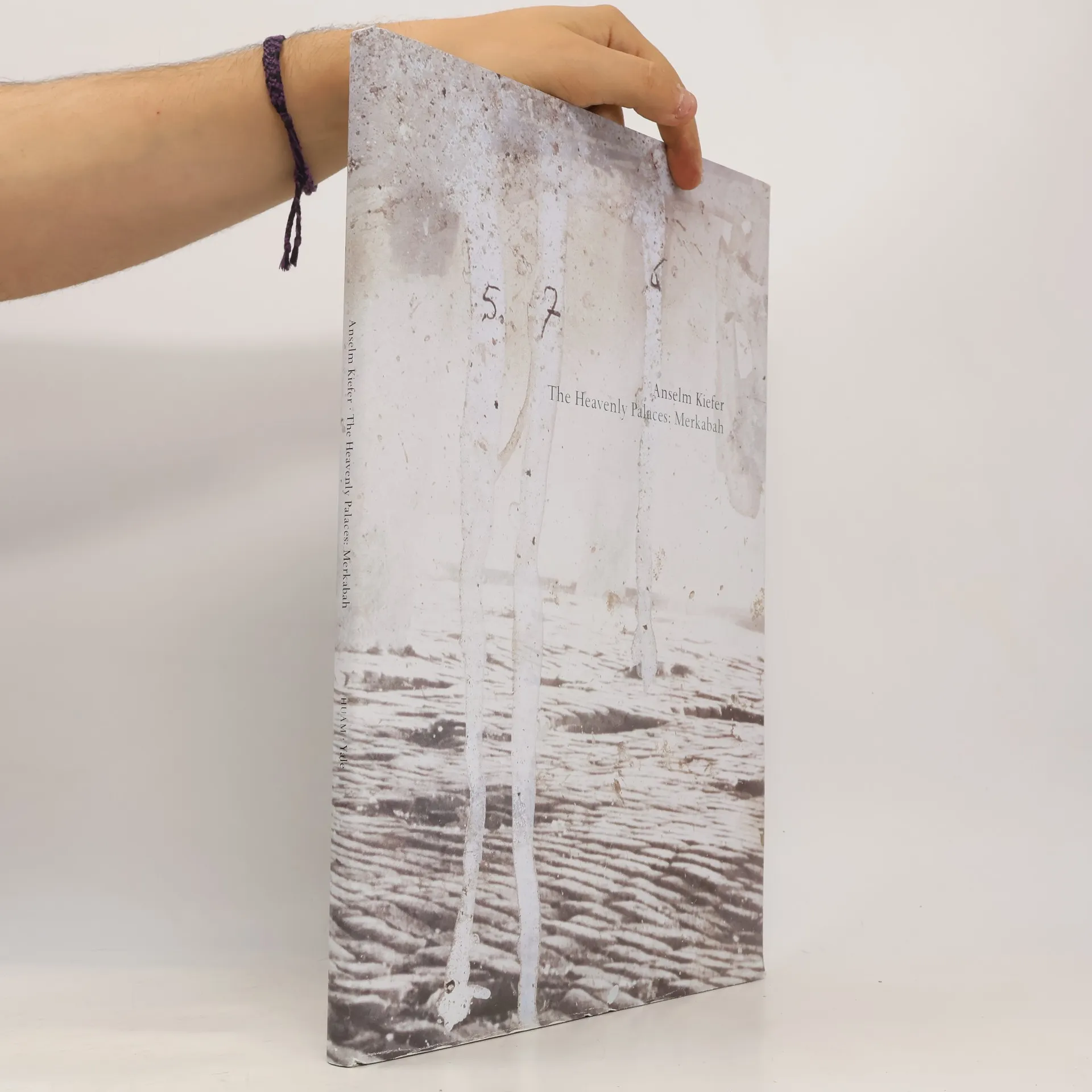
    • While most major museums in the United States and abroad hold examples of the German artist Anselm Kiefer's work, the nature and extent of his achievement are the subject of intense debate. This volume reproduces in full The Heavenly Palaces - Merkabah, an important large-scale artist's book created by Kiefer in 1990. Featuring highly evocative images beautifully reproduced here in full color, this work is accompanied by three penetrating essays by experts who approach the book from various perspectives, explicating its many layers of meaning to an unprecedented degree. The first essay deals impressionistically with the motifs and iconography of The Heavenly Palaces - Merkabah. The next treats its themes and meaning, concentrating especially on Jewish references and resonances, an especially challenging aspect of this German artist's oeuvre. In the final essay, the importance of the medium of photography is addressed by surveying its use by Kiefer since the beginning of his career.

      Anselm Kiefer, The heavenly palaces: Merkabah
    • Notebooks, Volume 1, 1998-99

      • 472bladzijden
      • 17 uur lezen
      4,2(9)Tarief

      The first volume of Notebooks spans the years 1998-1999 and traces the origins and creative process of Kiefer's visual works during this period.

      Notebooks, Volume 1, 1998-99
    • Anselm Kiefer

      • 132bladzijden
      • 5 uur lezen
      3,5(2)Tarief

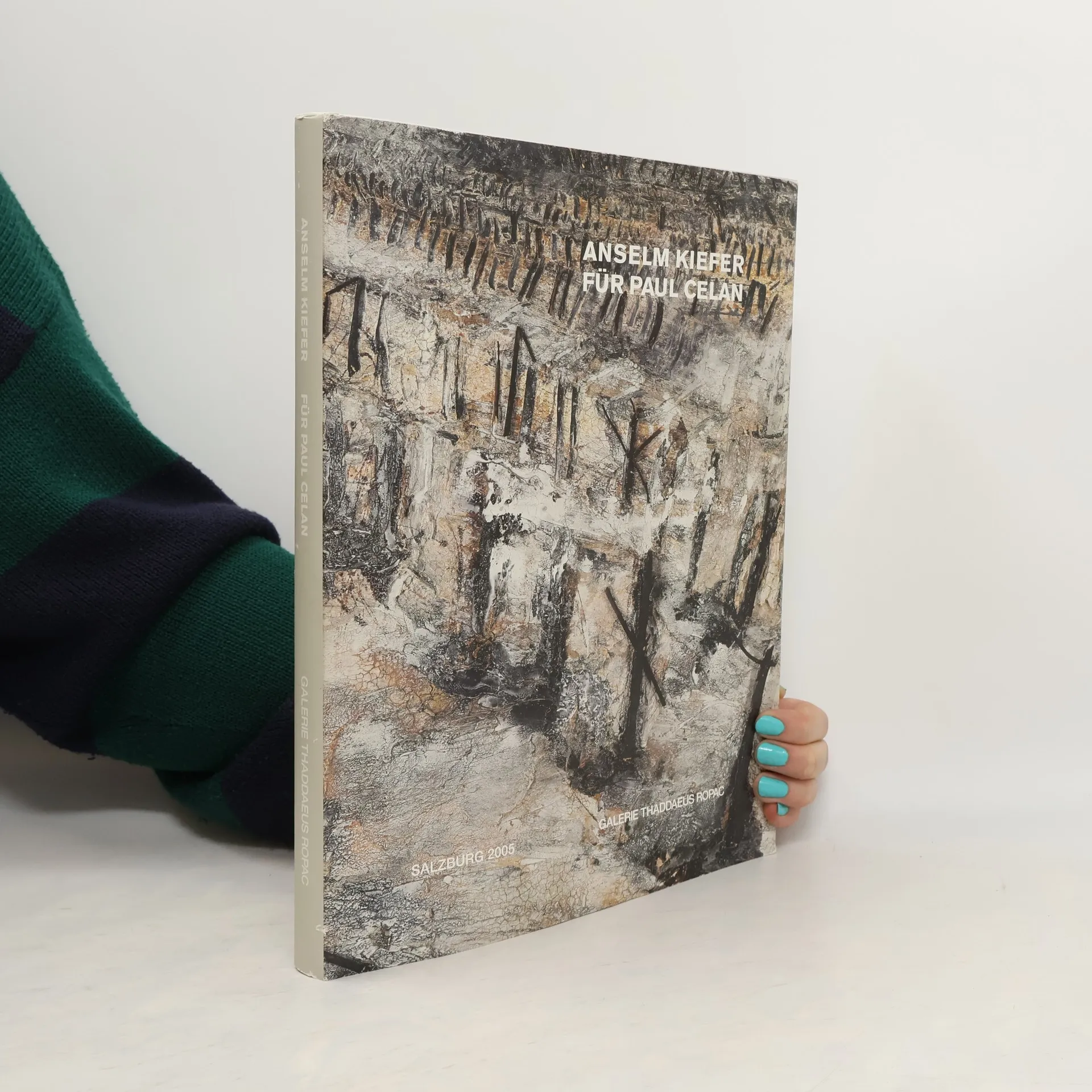
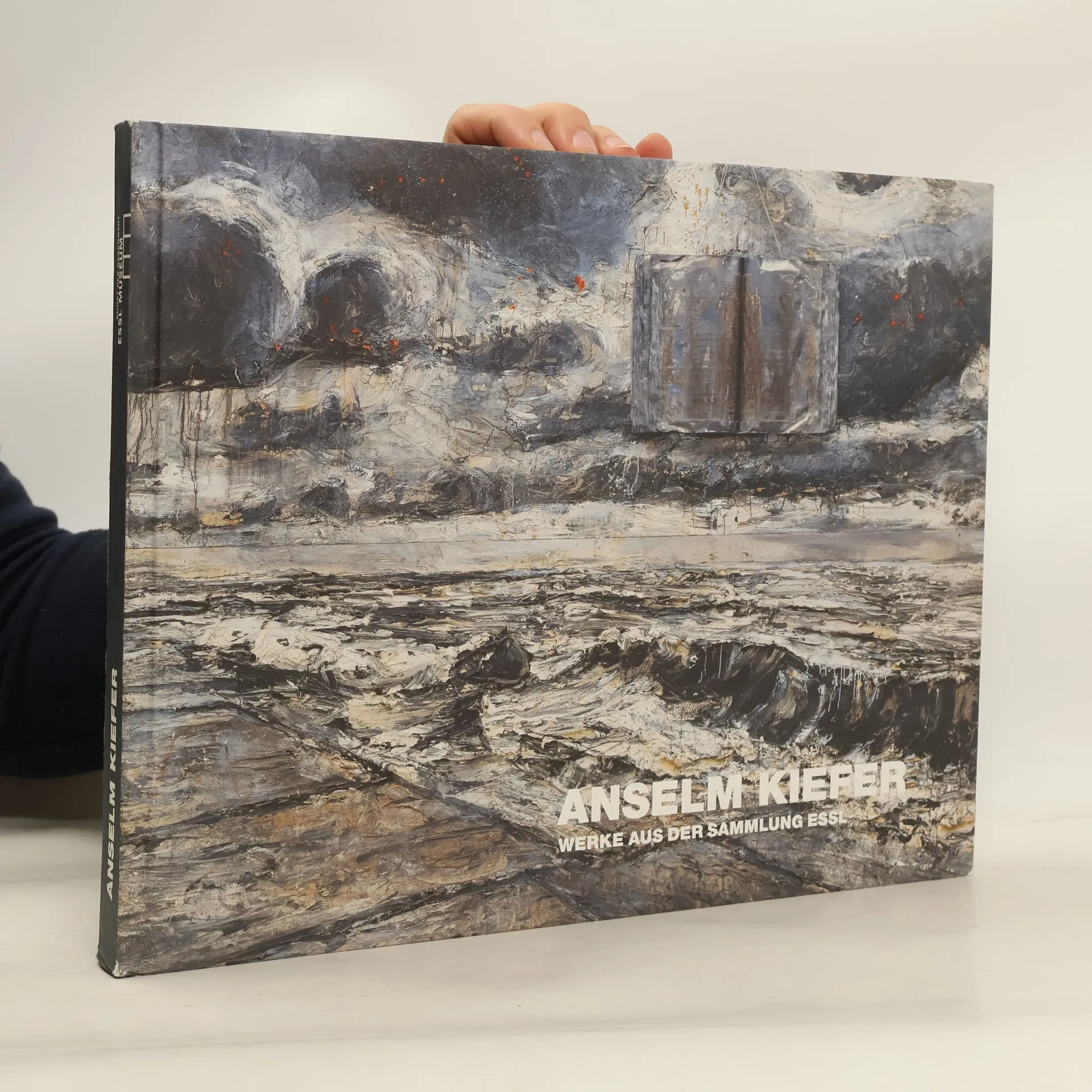
      Anselm Kiefer, einer der bedeutendsten zeitgenössischen Künstler, eröffnet im Februar 2012 das Ausstellungsjahr im Essl Museum mit einer von Sammler Karlheinz Essl persönlich kuratierten Retrospektive. Die Ausstellung umfasst 15 Werke, darunter vier neue Hauptwerke aus Kiefers jüngster Schaffensperiode. Agnes und Karlheinz Essl haben sich über viele Jahre intensiv mit Kiefers Werk auseinandergesetzt und zahlreiche bedeutende Werke erworben, die nun erstmals einer breiten Öffentlichkeit zugänglich gemacht werden. Kiefers Kunst thematisiert das Erinnern, Gedächtnis, Vergänglichkeit und Vergessen. Seine großformatigen, antiheroischen Bilder zeigen eine von der Vergangenheit geprägte, zerstörte Gegenwart. Kiefer setzt gegen die Leere Namen von Orten, Göttern und Personen in ungelenker Schrift, oft inspiriert von Gedichten, etwa von Ingeborg Bachmann oder Paul Celan. Werke wie „Horlogium“ und „Für Paul Celan“ reflektieren zentrale Themen wie den Holocaust und die Schrecken des Zweiten Weltkriegs. Kiefer verwendet in seinen Arbeiten organische Materialien wie Sand, Erde und Asche, um die Vergänglichkeit von Kunst und Leben darzustellen. Zur Ausstellung erscheint ein umfassender Katalog mit zahlreichen Abbildungen.

      Anselm Kiefer
    • Anselm Kiefer - für Andrea Emo

      • 107bladzijden
      • 4 uur lezen

      Für Andrea Emo brings together around twenty paintings and three vitrines alongside recent diaries of Anselm Kiefer (born 1945). Dedicated to nihilist philosopher Andrea Emo, Kiefer's use of molten lead on painted canvases reflects his interest in the concept of destruction and regeneration.

      Anselm Kiefer - für Andrea Emo
    • "I think in pictures. Poems help me with this. They are like buoys in the sea. I swim to them, from one to the other. In between, without them, I am lost." Anselm Kiefer, the only visual artist to win the Peace Prize of the German Book Trade, is a deeply literary painter. In ten conversations with writer and theologian Klaus Dermutz, Kiefer explores the core elements of his art, aesthetics, and creative processes. He reflects on how the materials he uses—lead, sand, water, fire, ashes, plants, clothing, oil paint, watercolor, and ink—shape his artistic expression. Kiefer also discusses his intellectual influences, including the sixteenth-century Jewish mystic Isaac Luria, German Romantic poet Novalis, Ingeborg Bachmann, Paul Celan, Martin Heidegger, Marcel Proust, Adalbert Stifter, Richard Wagner's operas, the Catholic liturgy, and theater director Tadeusz Kantor. The conversations delve into Kiefer's controversial status, marked by his exploration of German history, themes of guilt, suffering, communal memory, and the allure of destruction, which have garnered both criticism and acclaim. This collection provides a rare glimpse into the mind of a gifted creator, appealing to artists, critics, art historians, cultural journalists, and those interested in the visual arts and twentieth-century literature and history.

      Anselm Kiefer in conversation with Klaus Dermutz
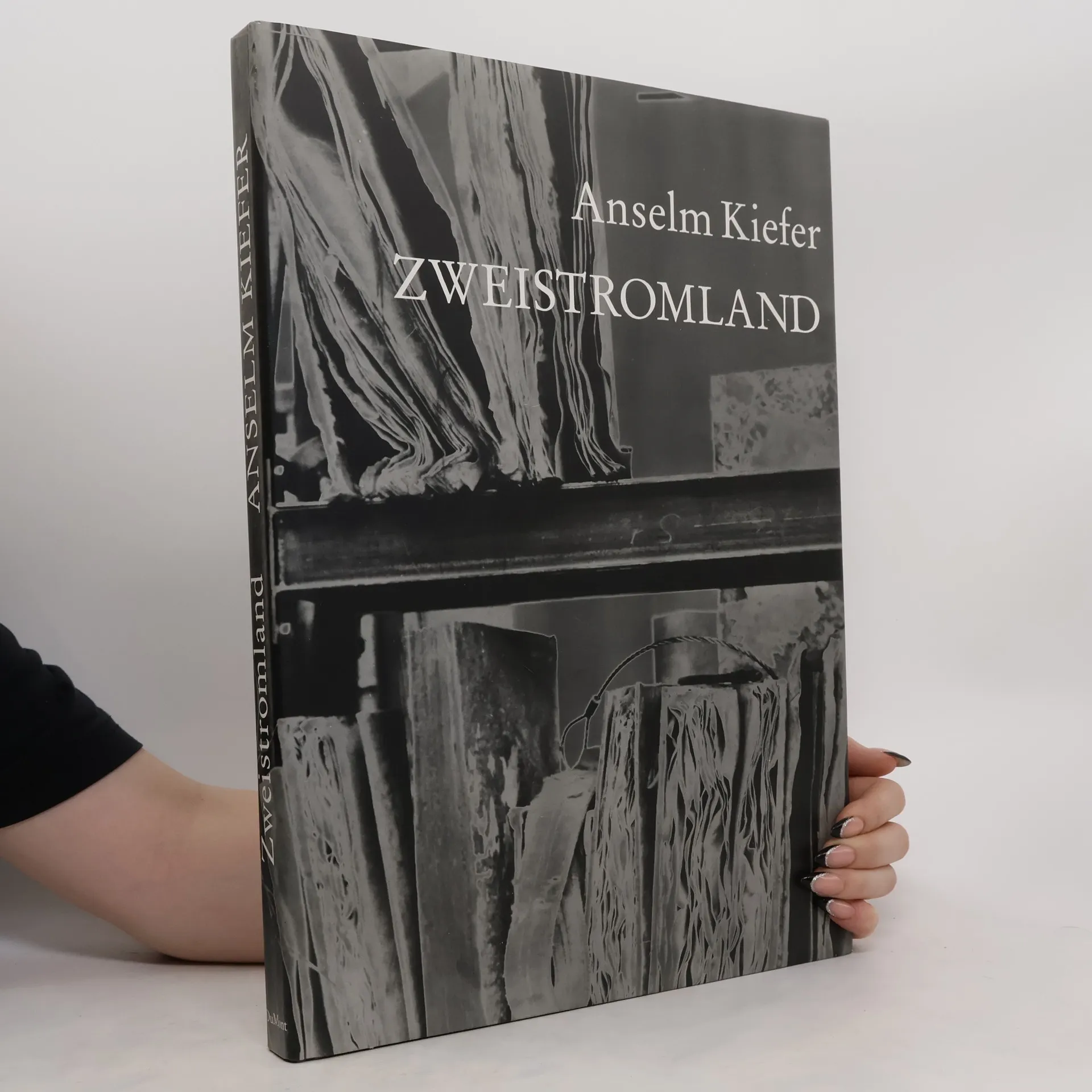
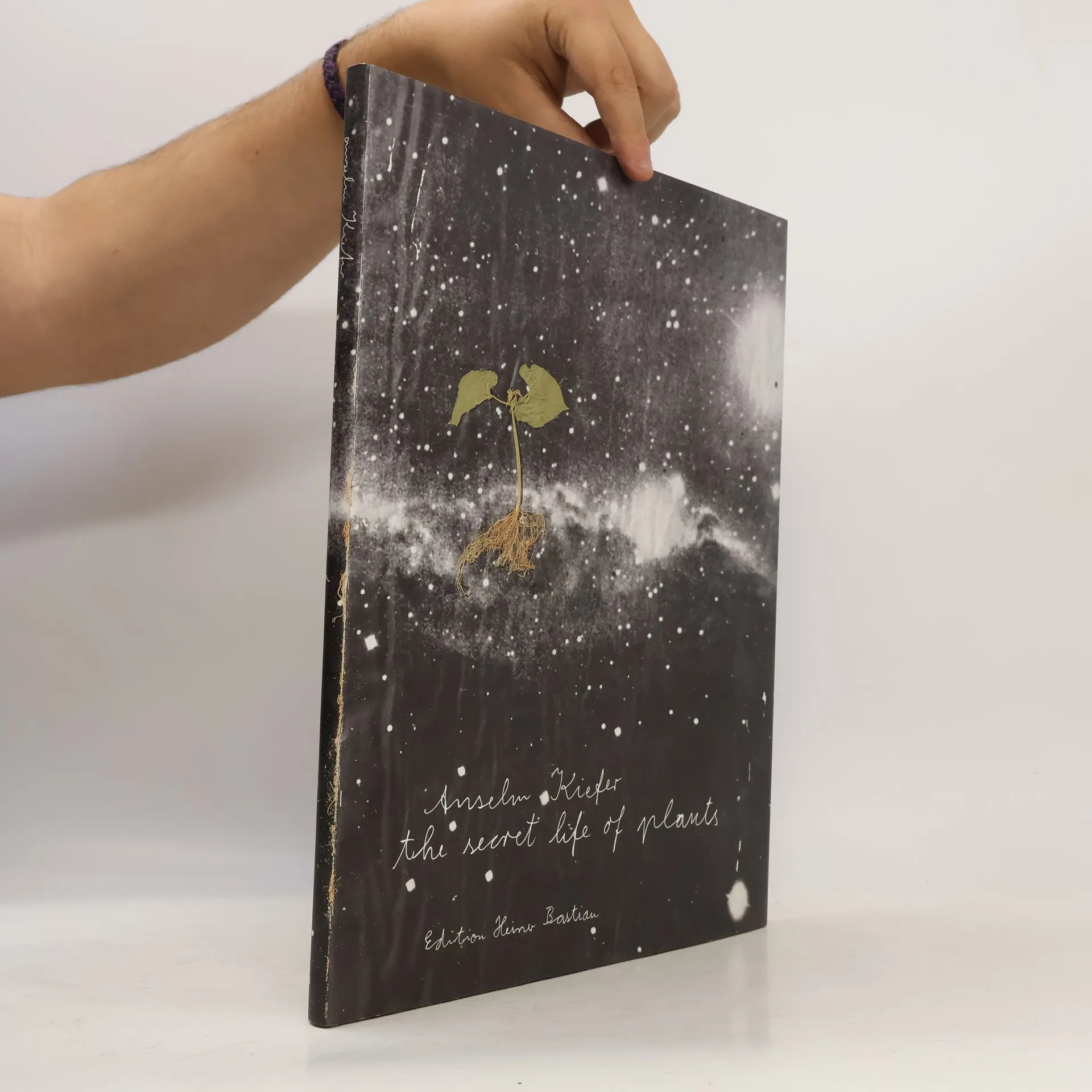
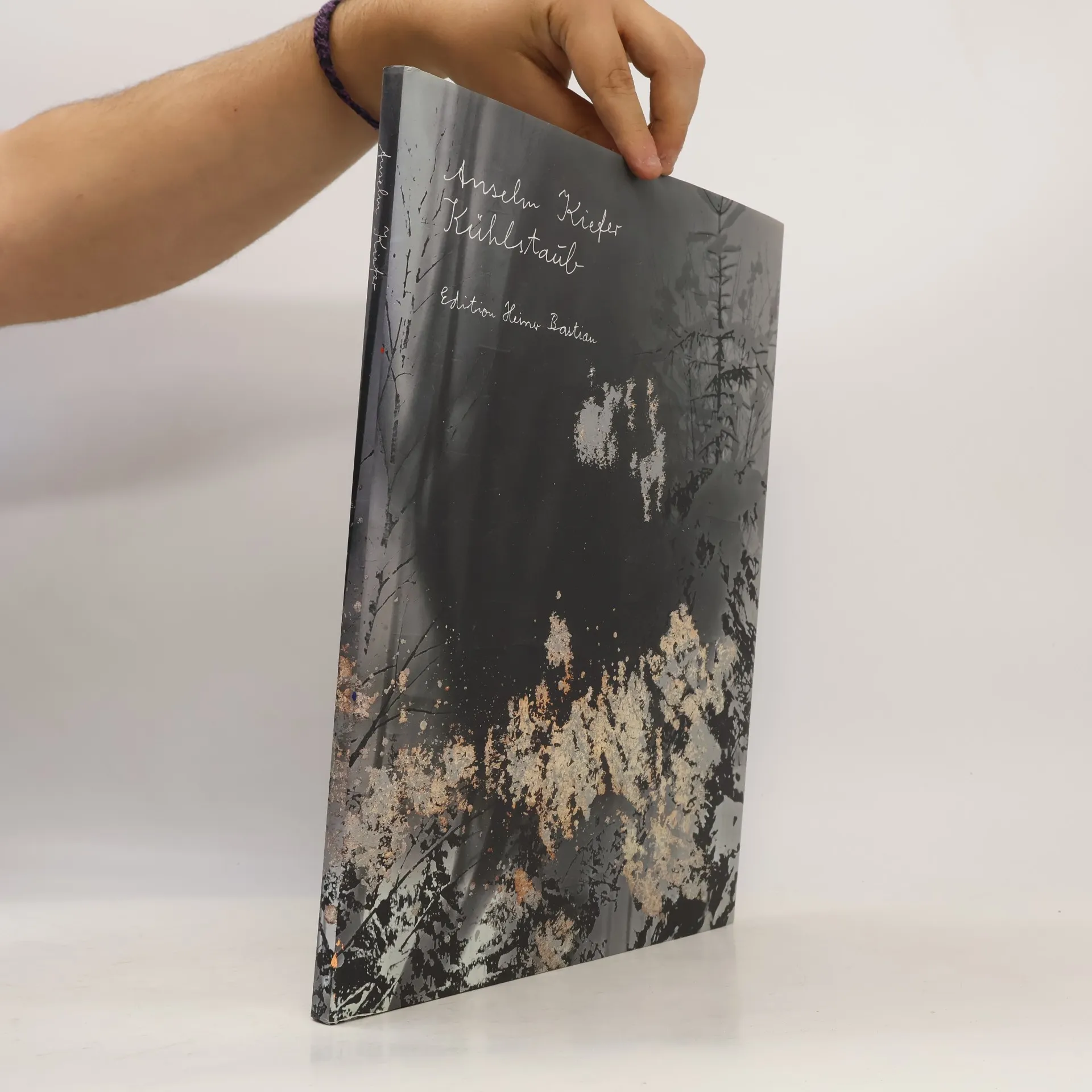
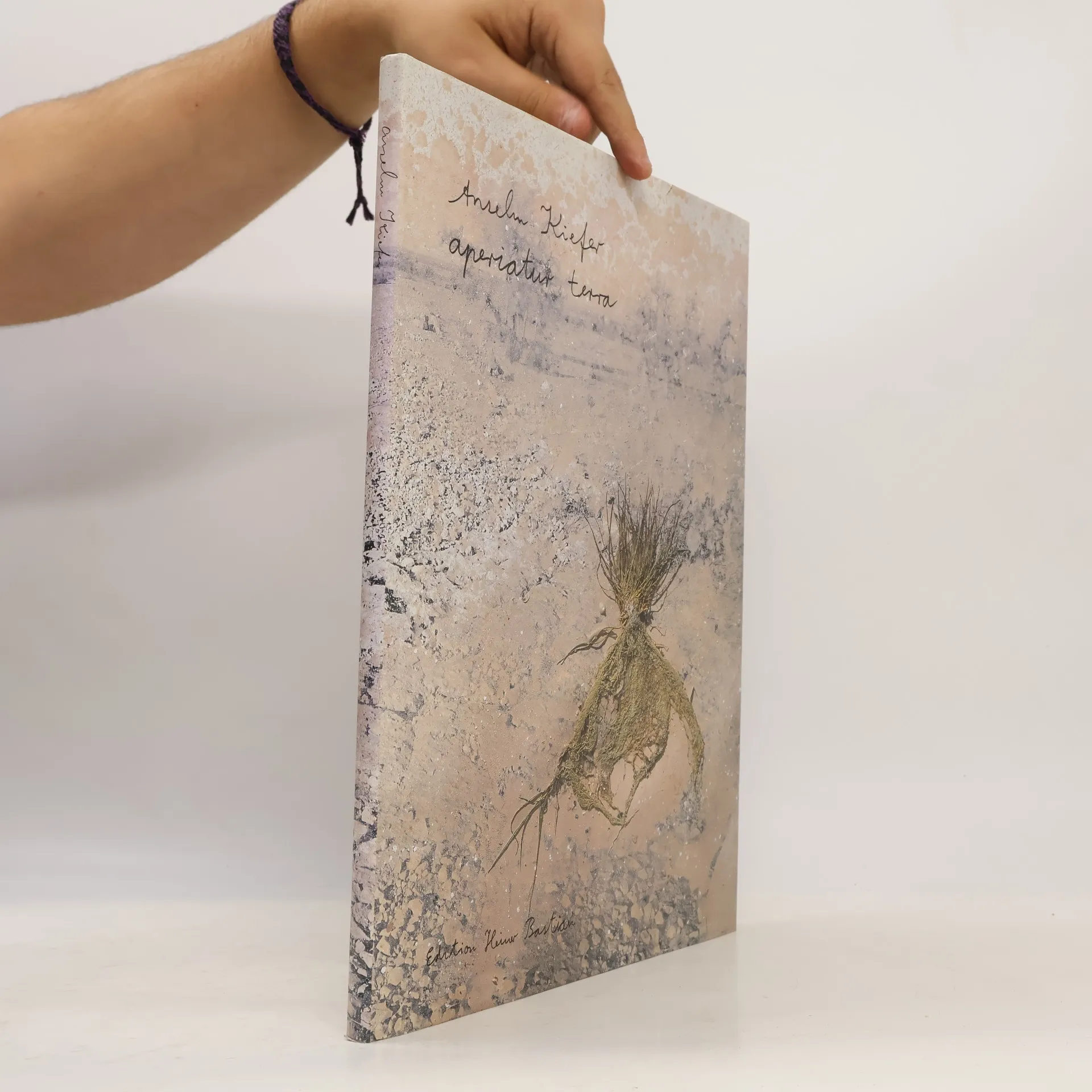
    • Anselm Kiefer is one of the most important and highly regarded artists at work in the world today, and well known for his book art. This beautifully printed volume demonstrates how Kiefer has revitalized and brilliantly used the book form as a means of artistic expression, will be welcomed by the artist's many admirers.

      Erotik im Fernen Osten oder: transition from cool to warm
    • Anselm Kiefer und Alexander Kluge erforschen in ihrer Freundschaft die Konzepte von Verlässlichkeit und Zeit sowie deren Verbindung zu Macht, Liebe, Wahrheit und Geld. Sie kombinieren Bilder und Texte, um historische und gegenwärtige Themen zu beleuchten und unsere poetische Aufmerksamkeit für die Zusammenhänge der Zeit zu schärfen.

      »Klugheit ist die Kunst, unter verschiedenen Umständen getreu zu bleiben«. Mit zahlreichen bislang ungesehenen Bildern des erfolgreichen Künstlers