Must We Mean What We Say?
- 372bladzijden
- 14 uur lezen
This famous collection of essays by Stanley Cavell explores a diverse range of issues from philosophy to music and drama.


Stanley Cavell was een Amerikaanse filosoof wiens werk werd gekenmerkt door een conversationele toon en frequente literaire verwijzingen. Hij werkte op het gebied van ethiek, esthetiek en de filosofie van de gewone taal. Als interpreet produceerde hij invloedrijke werken over Wittgenstein, Austin, Emerson, Thoreau en Heidegger. Zijn benadering van filosofie was diep verweven met de analyse van kunst en alledaagse spraak.

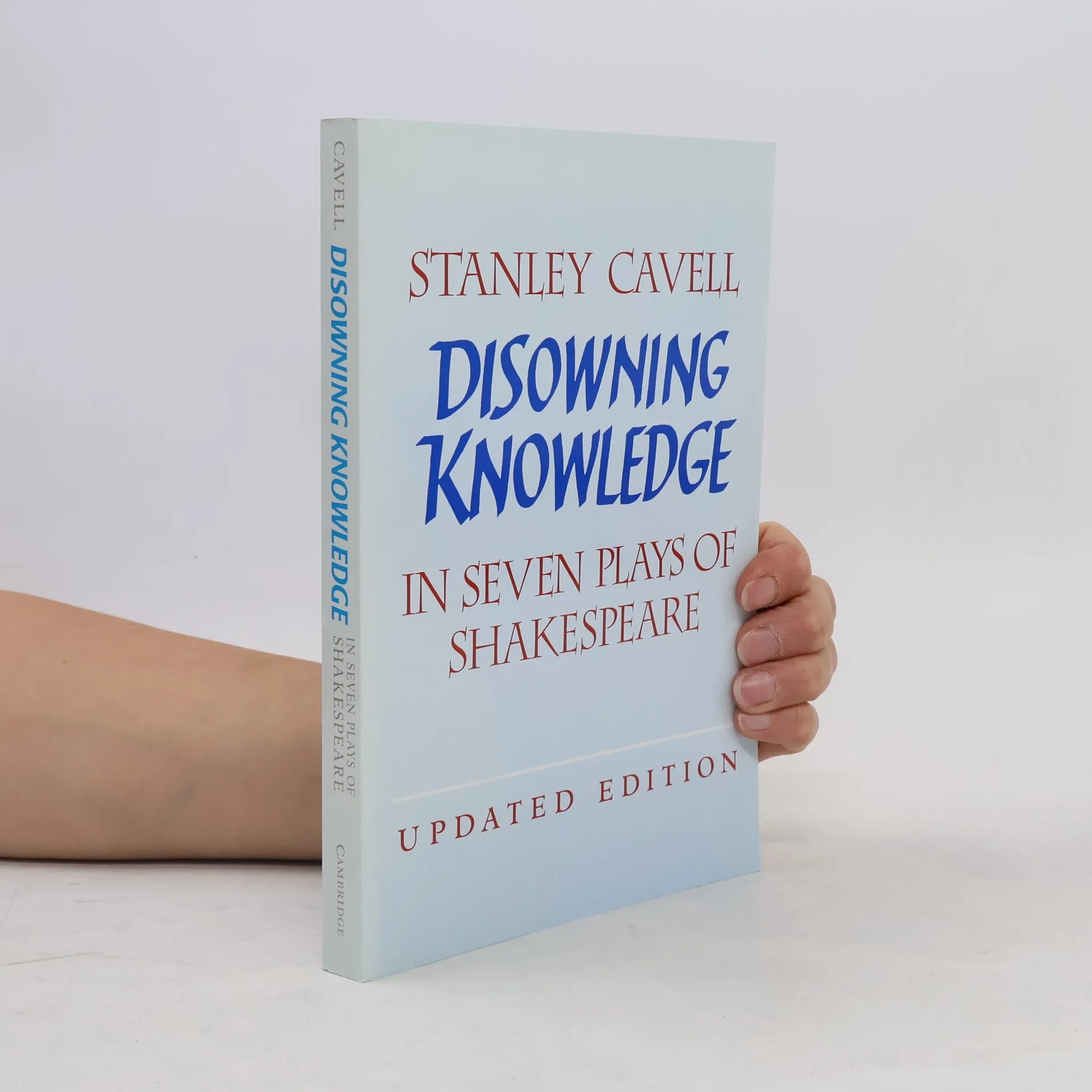

This famous collection of essays by Stanley Cavell explores a diverse range of issues from philosophy to music and drama.
This handsome new edition of Stanley Cavell's landmark text, first published 20 years ago, provides a new preface that discusses the reception and influence of his work, which occupies a unique niche between philosophy and literary studies.
This collection offers insightful essays on Shakespeare's tragedies, examining themes, characters, and the emotional depth of his works. Included is a new essay focusing specifically on "Macbeth," providing a fresh perspective on its complexities and significance within the broader context of Shakespeare's dramatic oeuvre. The essays aim to enhance understanding and appreciation of these timeless plays.
During the '30s and '40s, Hollywood produced a genre of madcap comedies that emphasized reuniting the central couple after divorce or separation. Here, Cavell examines seven of those classic movies for their cinematic techniques, and for such varied themes as feminism, liberty and interdependence.
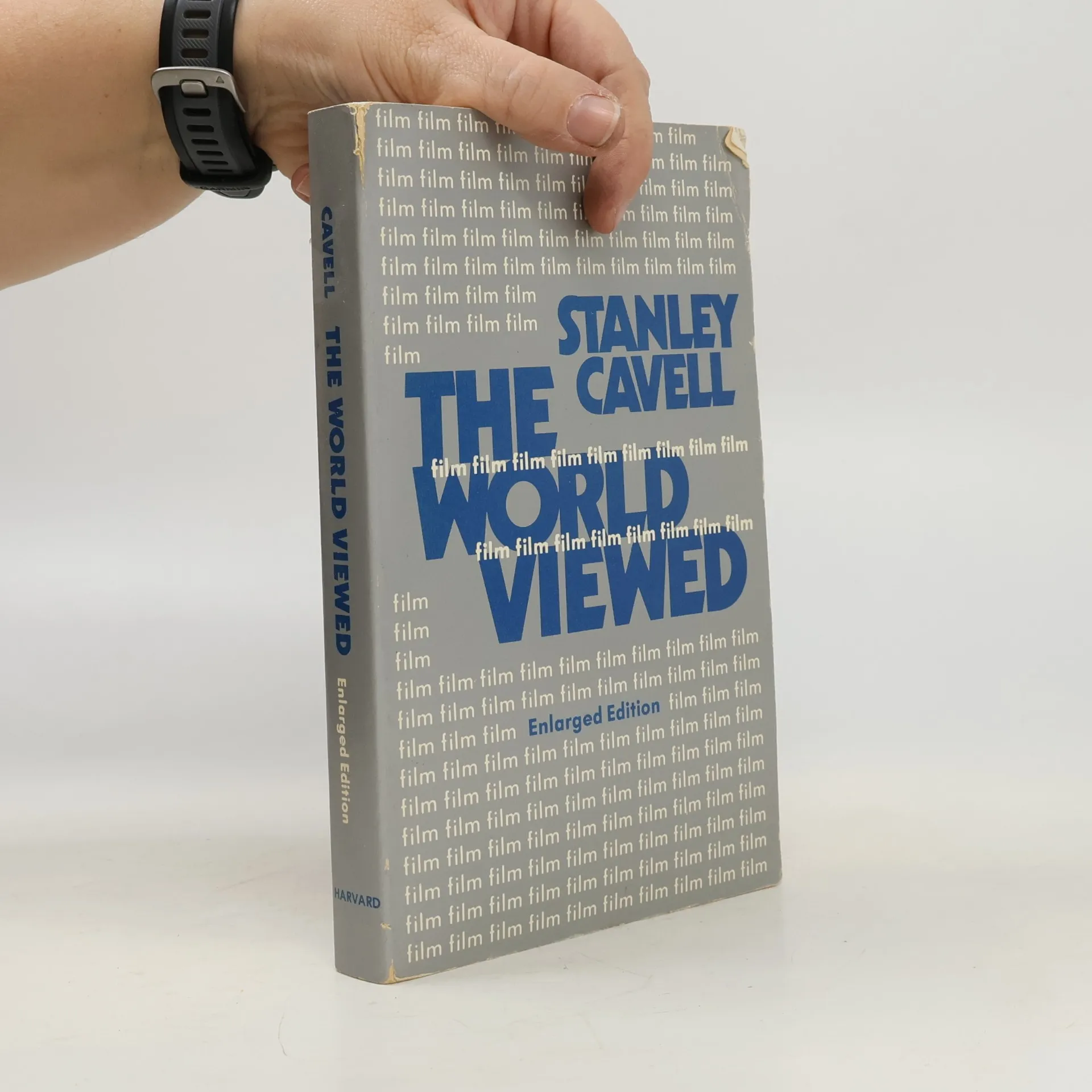
Stanley Cavell looks closely at America's most popular art and our perceptions of it. His explorations of Hollywood's stars, directors, and most famous films-as well as his fresh look at Godard, Bergman, and other great European directors-will be of lasting interest to movie-viewers and intelligent people everywhere.
Essays
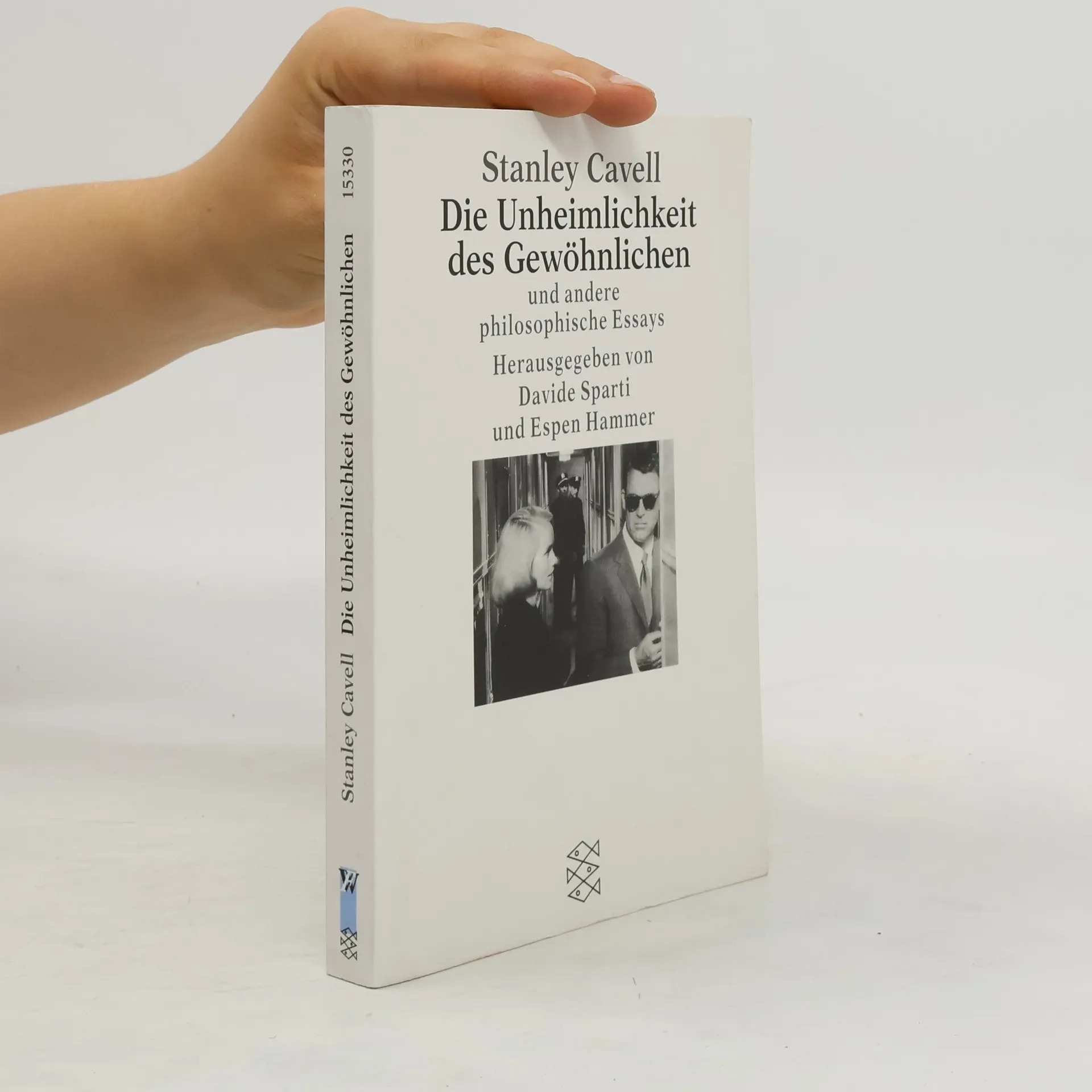
Stanley Cavell, einer der originellsten und provokantesten Denker der amerikanischen Gegenwartsphilosophie, findet in den letzten Jahren immer größere internationale Aufmerksamkeit. Gemessen am Mainstream der analytischen Philosophie ist er ein recht atypischer Autor; er setzt sich nicht nur mit Wittgenstein, Austin und Kant, sondern auch mit Nietzsche, Heidegger und Derrida auseinander und diskutiert das Phantastische der Philosophie. Er interpretiert Dichter wie Shakespeare und Beckett, schreibt aber auch brillante Studien über Fotografie und Film. Die Überfülle der Themen und das Nebeneinanderbestehen werden dem orthodoxen analytischen Philosopen ungewöhnlich, ja suspekt vorkommen ..." (Davide Sparti) Der vorliegende Band bietet einen repräsentativen Querschnittdurch Stanley Cavells philosophische und kunsttheoretische Essays.
Das frühe, hier erstmals übersetzte Hauptwerk Stanley Cavells markiert einen Wendepunkt im Werk dieses einflussreichen Denkers, der als Vaterfigur der heute maßgeblichen amerikanischen Intellektuellen gilt. Im Zentrum des philosophischen Schlüsseltextes steht das Werk Henry David Thoreaus und seine Bedeutung für uns. Darüber hinaus geht es Cavell aber darum zu zeigen, was einen originalen, einen initialen Text auszeichnet und wie aus Philosophie Philosophie entsteht, also um die Frage des philosophischen Denkens selbst.
Ein moralisches Register in Philosophie, Film und Literatur
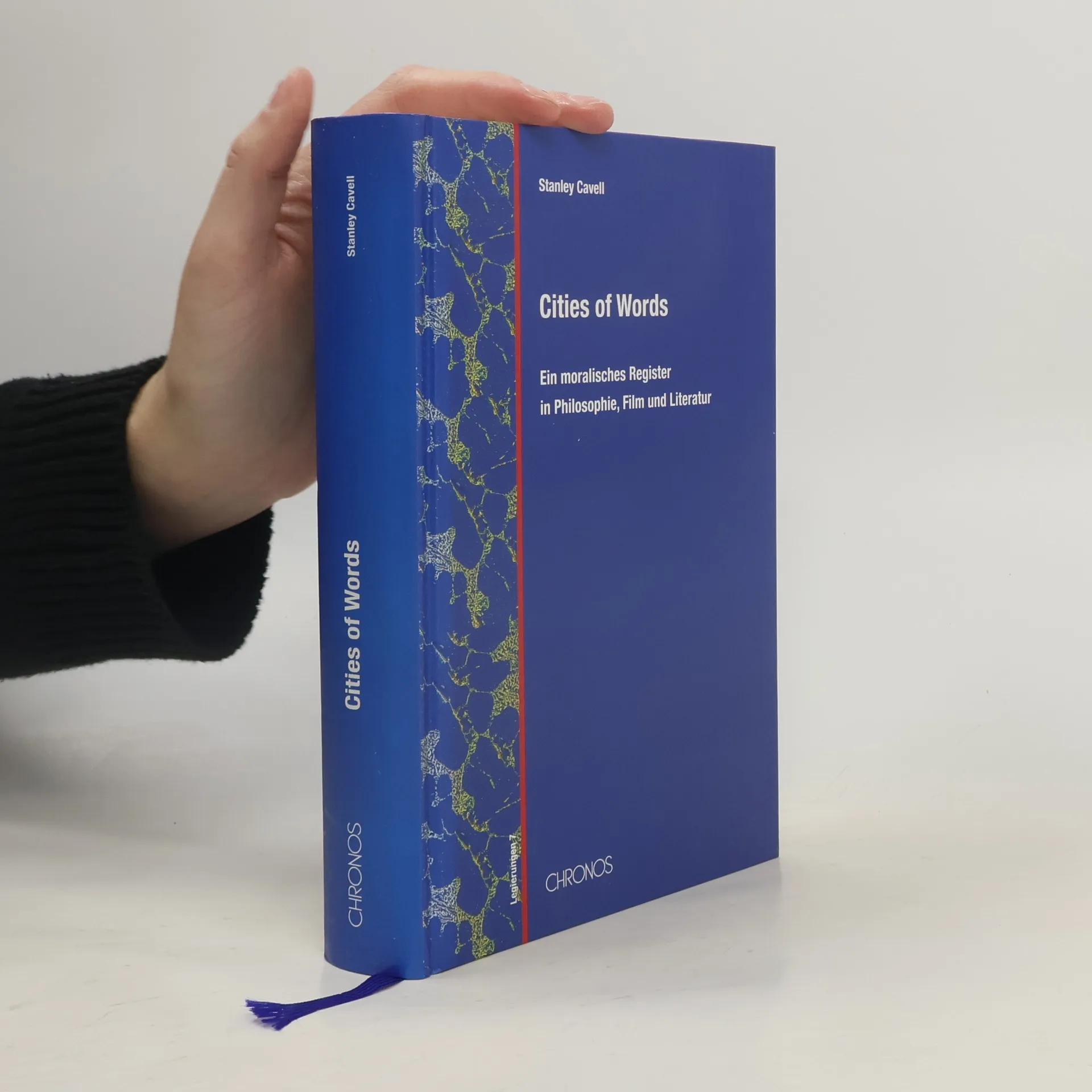
In diesem Buch untersucht der amerikanische Philosoph und Filmtheoretiker Stanley Cavell die Entwicklung und den Verfall von Gemeinschaften und Städten der Worte. Er verbindet Traditionen, die aus Gewohnheit und Misstrauen wenig miteinander kommunizieren: die Philosophie von Platon bis zur Gegenwart und die Filmkomödien sowie Melodramen Hollywoods der dreißiger und vierziger Jahre. Die Mittel, mit denen diese Filme die Schwierigkeiten und Illusionen ehelicher Gemeinschaft darstellen, tragen überraschend zu den Überlegungen von Platon und Locke über die Bedingungen und Bedrohungen politischer Gemeinschaften bei. Zudem beleuchtet Cavell Emersons und Nietzsches Diagnosen des kulturellen Konformismus. Die Mitbestimmung in politischen Gemeinschaften erfordert, wie in Freundschaft und Ehe, die Entwicklung einer eigenen Stimme, ein zentrales Thema, das die Screwballkomödien durchzieht. Der Band bietet Interpretationen von Werken Freuds, Shakespeares, Ibsens und anderer, sowie eine Einführung in die Philosophie von Platon, Aristoteles, Locke, Kant, Emerson, Nietzsche, Mill und Rawls. Gleichzeitig eröffnet er einen unterhaltsamen Zugang zu Klassikern der Filmgeschichte wie „Es geschah in einer Nacht“, „Die Nacht vor der Hochzeit“ und „Ehekrieg“.
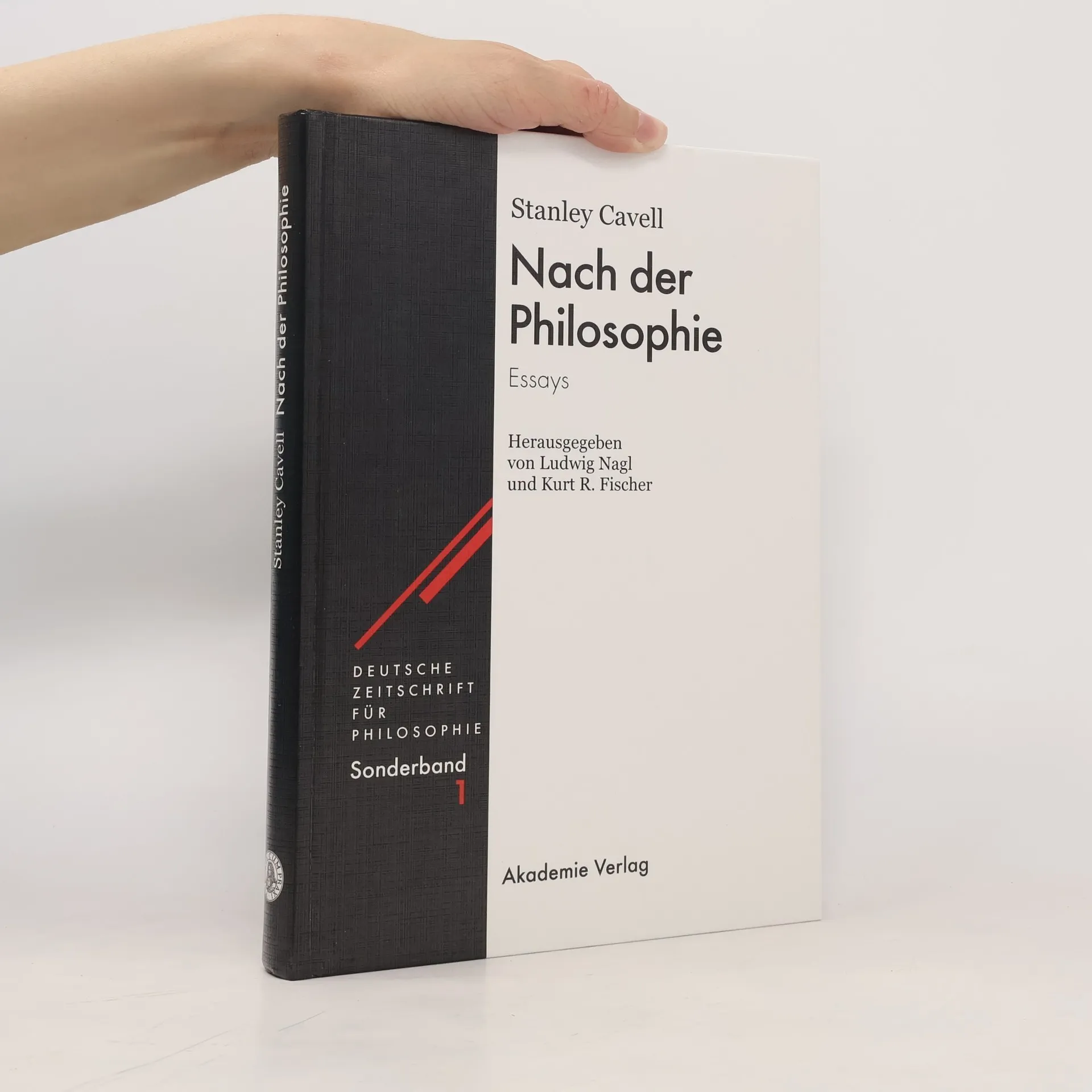
In den in diesem Band versammelten drei Essays zieht Stanley Cavell, einer der interessantesten und vielseitigsten Denker der Gegenwart, die Bilanz seines bisherigen Lebens und Denkens, angefangen von seiner Auseinandersetzung mit der Philosophie der normalen Sprache, dem Einfluss Emersons und Thoreaus auf das Denken in Nordamerika, der Psychoanalyse, dem Film, der Oper bis zur Analyse des Gewöhnlichen und des Skeptizismus. Den Leitfaden der drei Essays bildet die Stimme. Im ersten schildert Cavell, wie er seine eigene Stimme in der Philosophie gefunden hat: Er beschreibt seine Jugend im Milieu jüdischer Einwanderer im Kalifornien der 1930er und 40er Jahre, seine Zeit als Musiker in einer Band, die musikalischen Studien bei Ernest Bloch und schließlich seine Hinwendung zur Philosophie in der Auseinandersetzung mit Ludwig Wittgenstein und im Zusammenhang der persönlichen Begegnung mit J. L. Austin. Im zweiten Kapitel analysiert er die Rolle der Stimme im alten Streit über die Autorität von Metaphysik und Epistemologie anhand der Kontroverse zwischen Derrida und Austin. Im letzten Kapitel untersucht er die Stimme der Frau in der Oper und zeigt mögliche Gefahren auf, die das Erheben der Stimme implizieren kann, woraus er auf eine gender-spezifische Wendung der Skeptizismusproblematik schließt.
La filosofía pasado el mañana fue elegido libro del año por el Times Literary Supplement con ocasión de su publicación en 2005: «La filosofía pasado el mañana no decepciona. ¿Quién sino Cavell, con su tono seductoramente conversacional, podría empezar un ensayo con El nacimiento de la tragedia de Nietzsche y acabarlo con un análisis de Fred Astaire?». En este volumen es posible encontrar reflexiones muy pertinentes sobre Shakespeare, acerca del cual Cavell es un experto, pero también sobre Henry James, Wittgenstein, Heidegger, y Thoreau, en un ensayo que estudia la relación entre ambos. Cavell es uno de los mejores intérpretes de estos autores tan diversos, lo que da una idea de la dimensión panorámica de este respetadísimo filósofo. Siguiendo su temprana vocación por la obra del filósofo de Oxford J.L. Austin, en otro de los ensayos que componen la obra y que consideramos uno de los mejores, Cavell propone añadir a las «expresiones performativas» de Austin las que él llama «expresiones pasionales», y que relaciona con el mundo de la ópera, sobre el cual también ha escrito un libro. La traducción al castellano de uno de los libros más recientes e importantes de este filósofo de Harvard es un acontecimiento reseñable que no dejará indiferente a ningún lector interesado en el pensamiento contemporáneo más audaz.