

This is a first hand account of the discussions that are going on between biologists of different persuasions.On the one side are the ultradarwinians, whose ranks include Richard Dawkins and George C Williams.They emphasise the supremacy of the gene and of natural selection.The other side is a more diverse group,the self styled naturalists,who focus on whole creatures rather than genesand who think in terms of complex interacting ecological processes.
Niles Eldredge Boeken
25 augustus 1943
Niles Eldredge, mede-proponent van de theorie van de onderbroken evenwicht, onderzoekt het evolutieproces aan de hand van herhalende patronen in de levensgeschiedenis. Hij bekritiseert een gen-centrische visie op evolutie en biedt een alternatieve verklaring voor menselijk gedrag, rekening houdend met ecologische en evolutionaire aspecten. Eldredge benadrukt de rol van de omgeving bij het verklaren van evolutionaire patronen en weerlegt het concept van intelligent design. Zijn werk behandelt de uitgebreide vernietiging van natuurlijke habitats en soorten wereldwijd.
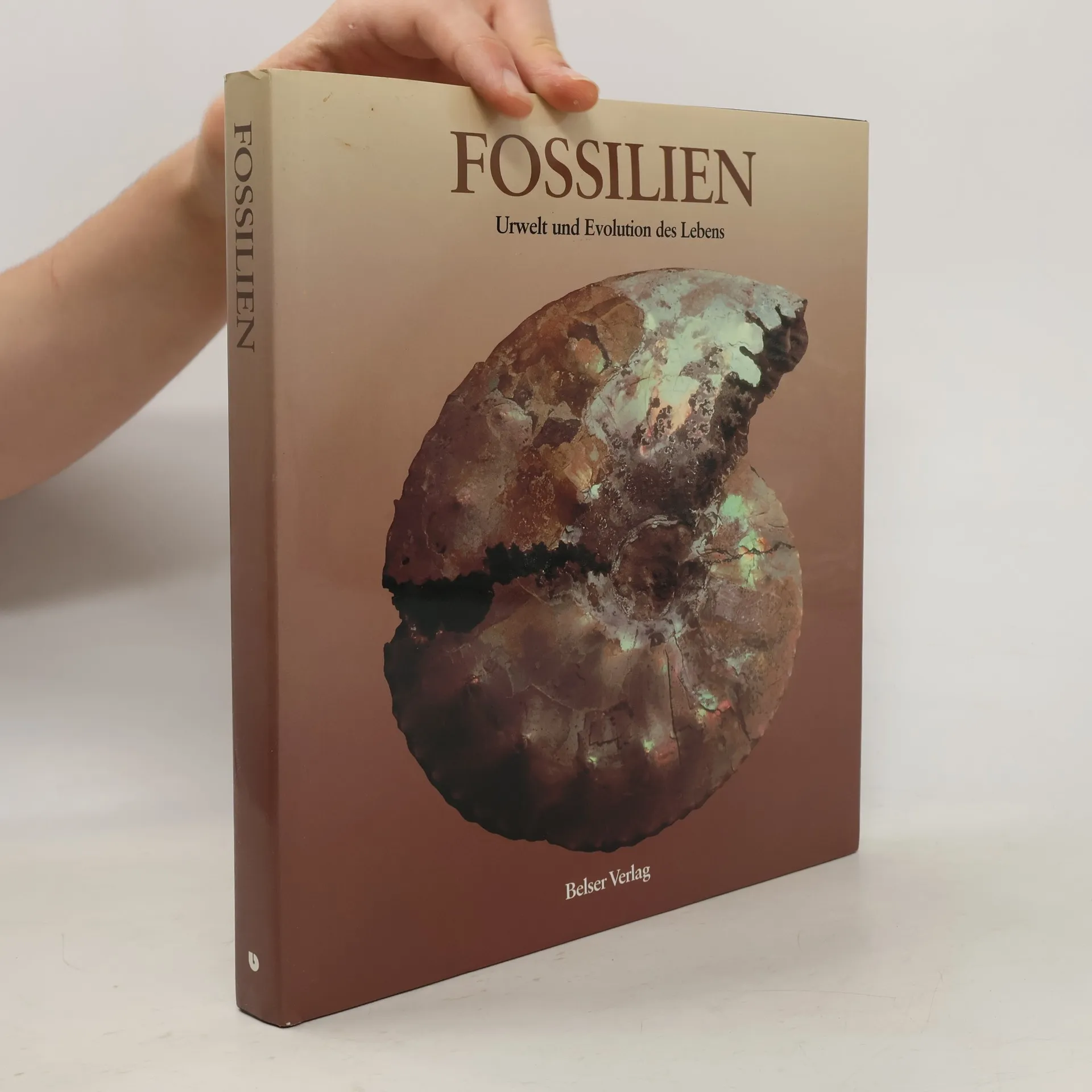

Eldredge presents the most up-to-date examination of the creation-evolution confrontation available.
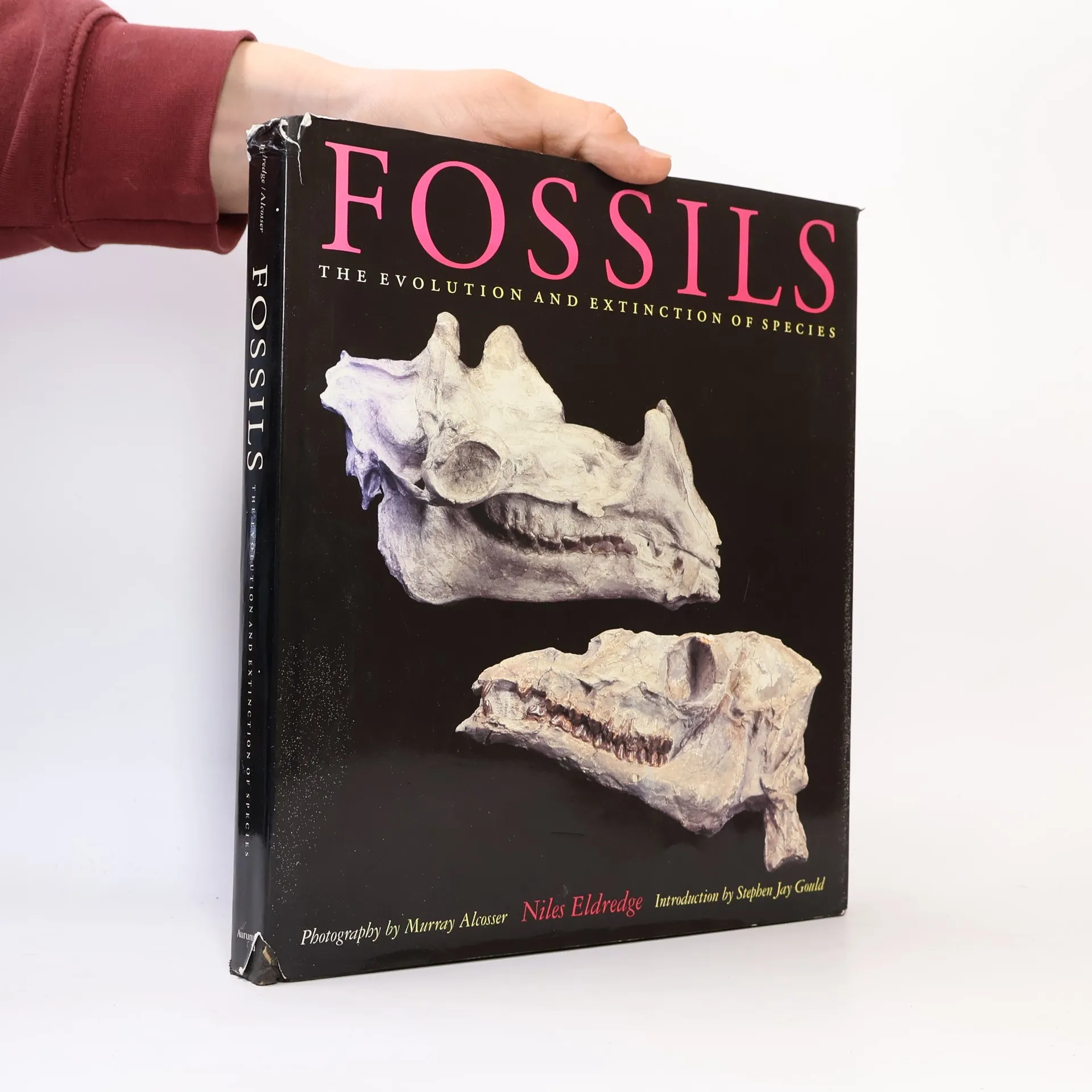
In this captivating exploration of the fossil record, Niles Eldredge challenges the conventional view of evolution as a slow, inevitable process, demonstrating that lifeforms typically do not undergo significant evolution until after major extinction events. This concept, known as punctuated equilibria, is illustrated through fossilized remains of ancient flora and fauna. Accompanying Eldredge's text are 160 stunning color plates by distinguished photographer Murray Alcosser, showcasing over 250 different fossil specimens. The new paperback edition makes this work accessible to a wide audience, including natural history enthusiasts and students. Critics praise the book for its engaging text and exceptional photographs. Ernest Mayr, author of "The Growth of Biological Thought," calls it splendid, while Donald C. Johanson, author of "Lucy: The Beginning of Humankind," commends Eldredge for effectively linking our understanding of living organisms with insights from the fossil record, reinforcing evolution as the unifying concept in biology. New Scientist highlights the book's ability to bridge the gap between informative content and aesthetic pleasure, noting that it serves as more than just a picture book; it is a readable, informative text covering the history of life, geology, biology, and anthropology, including topics like living fossils, stratigraphy, extinction, and evolution.
Eldredge bringt sein umfangreiches Fachwissen in die Suche nach einer allgemeinen Theorie des Aussterbens ein: Was verursacht es? Beschleunigt menschliches Handeln es? Welche sind die einfachen Abläufe der natürlichen Ordnung, und welche sind Vorzeichen ökologischer Katastrophen? Ein faszinierender und lesbarer Bericht, der neues Licht auf die Schlagzeilen von heute – und morgen – wirft.
Fossilien
- 219bladzijden
- 8 uur lezen