

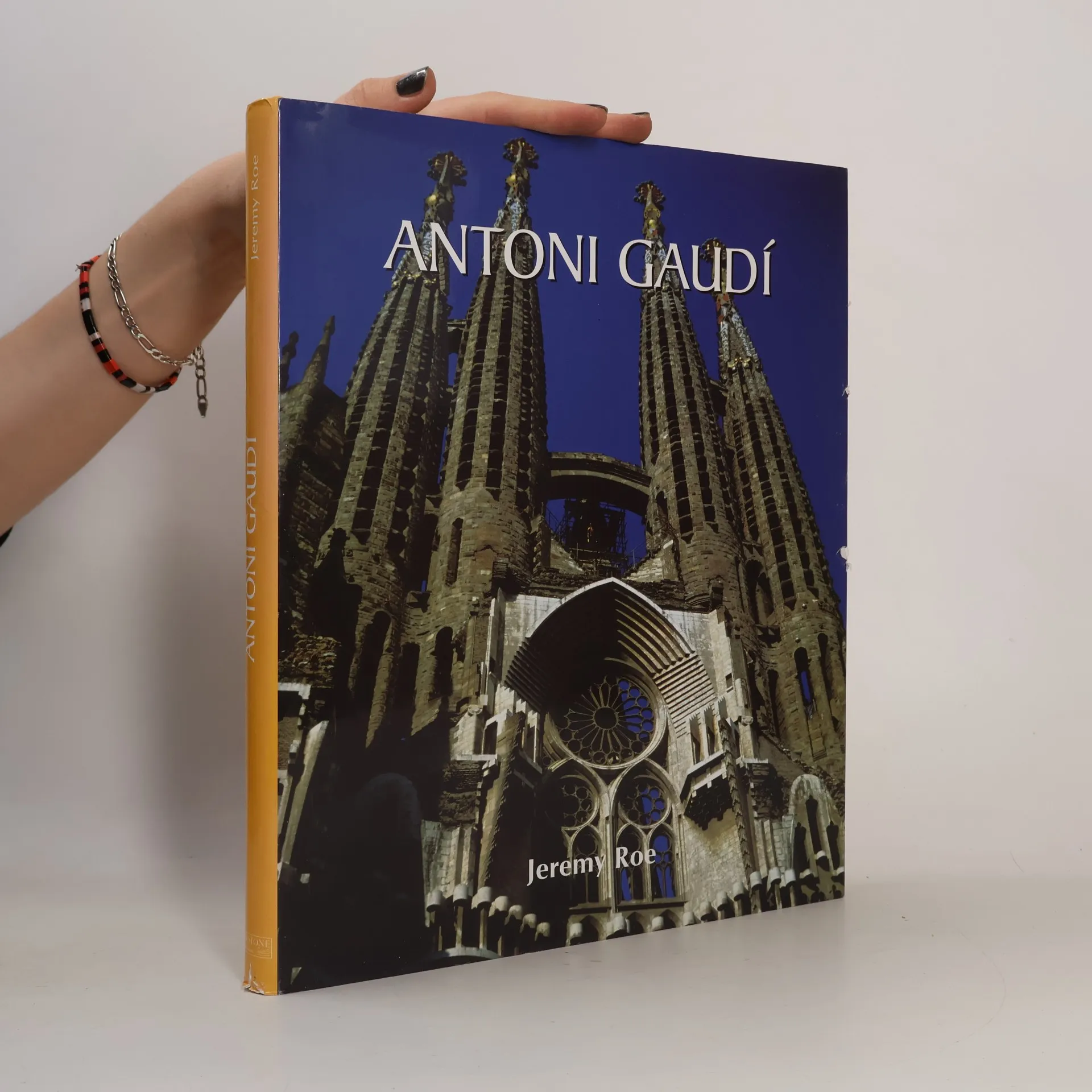
Antoni Gaudí
Parameters
- 207bladzijden
- 8 uur lezen
Meer over het boek
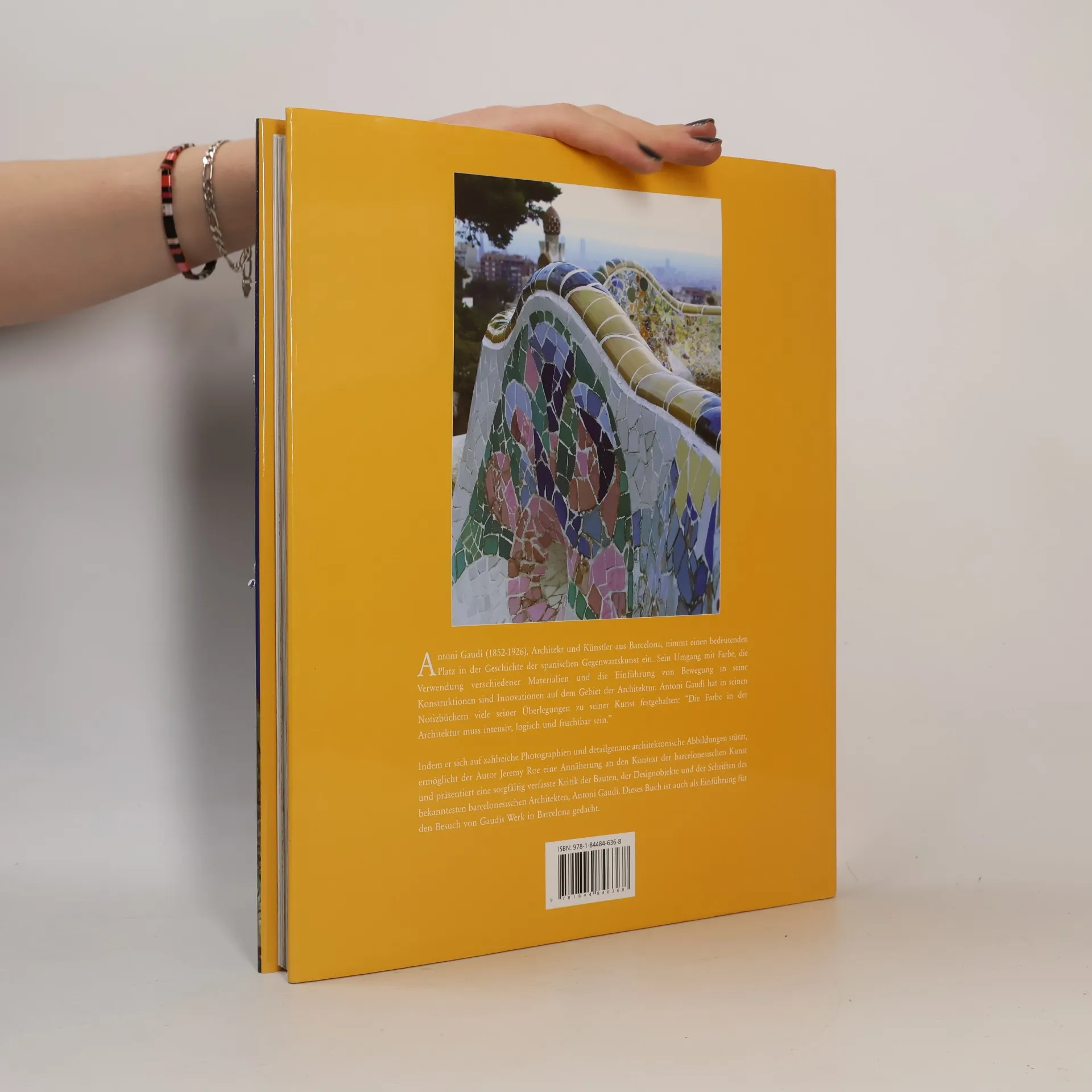
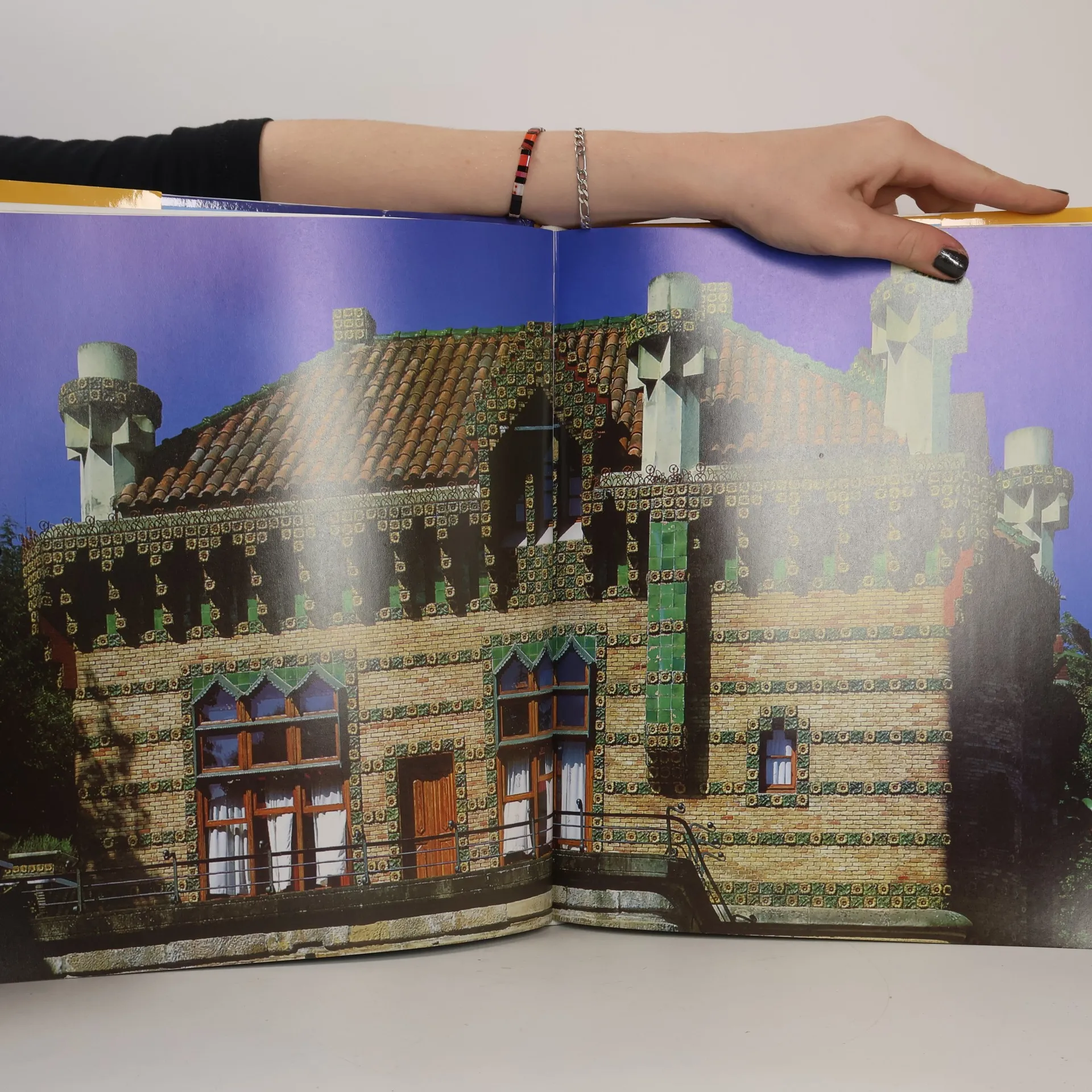
Spanish architect and designer, Antoni Gaudi (1852-1926) was an important and influential figure in the history of contemporary Spanish art. His use of colour, application of a range of materials and the introduction of organic forms into his constructions were an innovation in the realm of architecture. In his journal, Gaudi freely expressed his own feelings on art, "the colours used in architecture have to be intense, logical and fertile." His completed works (the Casa Batllo, 1905-1907 and the Casa Mila, 1905-1910) and his incomplete works (the restoration of the Poblet Monastery and the Retable d'Alella in Barcelona) illustrate the importance of this philosophy. His furniture designs were conceived with the same philosophy, as shown, for example, in his own office (1878) or the lamps in the Placa Reial in Barcelona. The Sagrada Familia (1882-1926) was a monumental project which eventually took over his life (it was still incomplete at the time of his death).
Een boek kopen
Antoni Gaudí, Jeremy Roe, Isabelle Weiss, Geraldine Plaz
- Taal

- Jaar van publicatie
- 2009
- Bindwijze
- (Hardcover),
- Staat van het boek
- Goed
- Prijs
- € 9,39
Betaalmethoden
Nog niemand heeft beoordeeld.
- Titel
- Antoni Gaudí
- Taal
- Duits
- Auteurs
- Jeremy Roe, Isabelle Weiss, Geraldine Plaz
- Uitgever
- Parkstone International
- Jaar van publicatie
- 2009
- Formaat
- Hardcover
- Aantal pagina's
- 207
- ISBN10
- 1844846369
- ISBN13
- 9781844846368
- Reeks
- Tags
- Aantekening
- Spanish architect and designer, Antoni Gaudi (1852-1926) was an important and influential figure in the history of contemporary Spanish art. His use of colour, application of a range of materials and the introduction of organic forms into his constructions were an innovation in the realm of architecture. In his journal, Gaudi freely expressed his own feelings on art, "the colours used in architecture have to be intense, logical and fertile." His completed works (the Casa Batllo, 1905-1907 and the Casa Mila, 1905-1910) and his incomplete works (the restoration of the Poblet Monastery and the Retable d'Alella in Barcelona) illustrate the importance of this philosophy. His furniture designs were conceived with the same philosophy, as shown, for example, in his own office (1878) or the lamps in the Placa Reial in Barcelona. The Sagrada Familia (1882-1926) was a monumental project which eventually took over his life (it was still incomplete at the time of his death).