

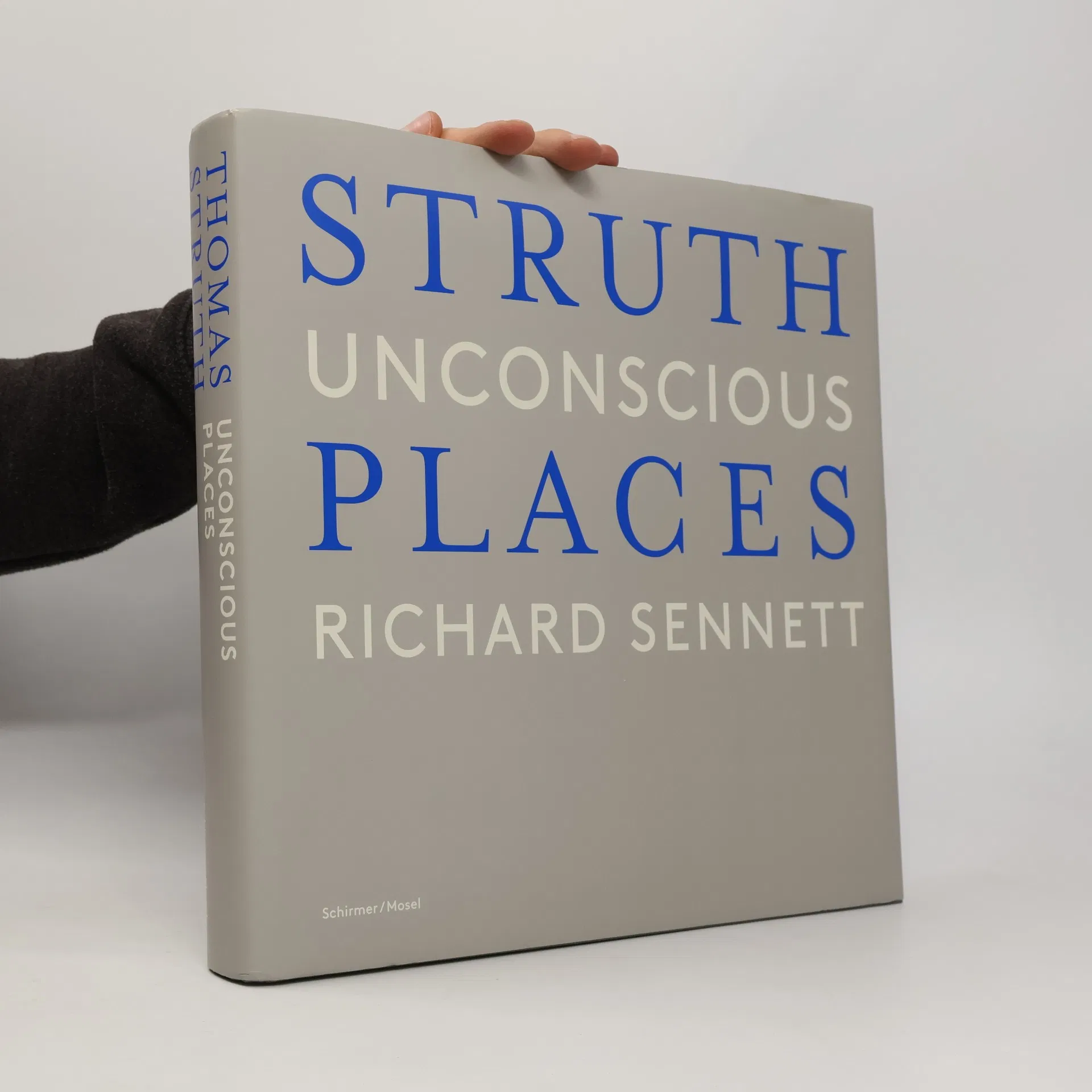
Thomas Struth
Unconscious Places - Englische Ausgabe mit Deutscher Textbeilage
Auteurs
Meer over het boek
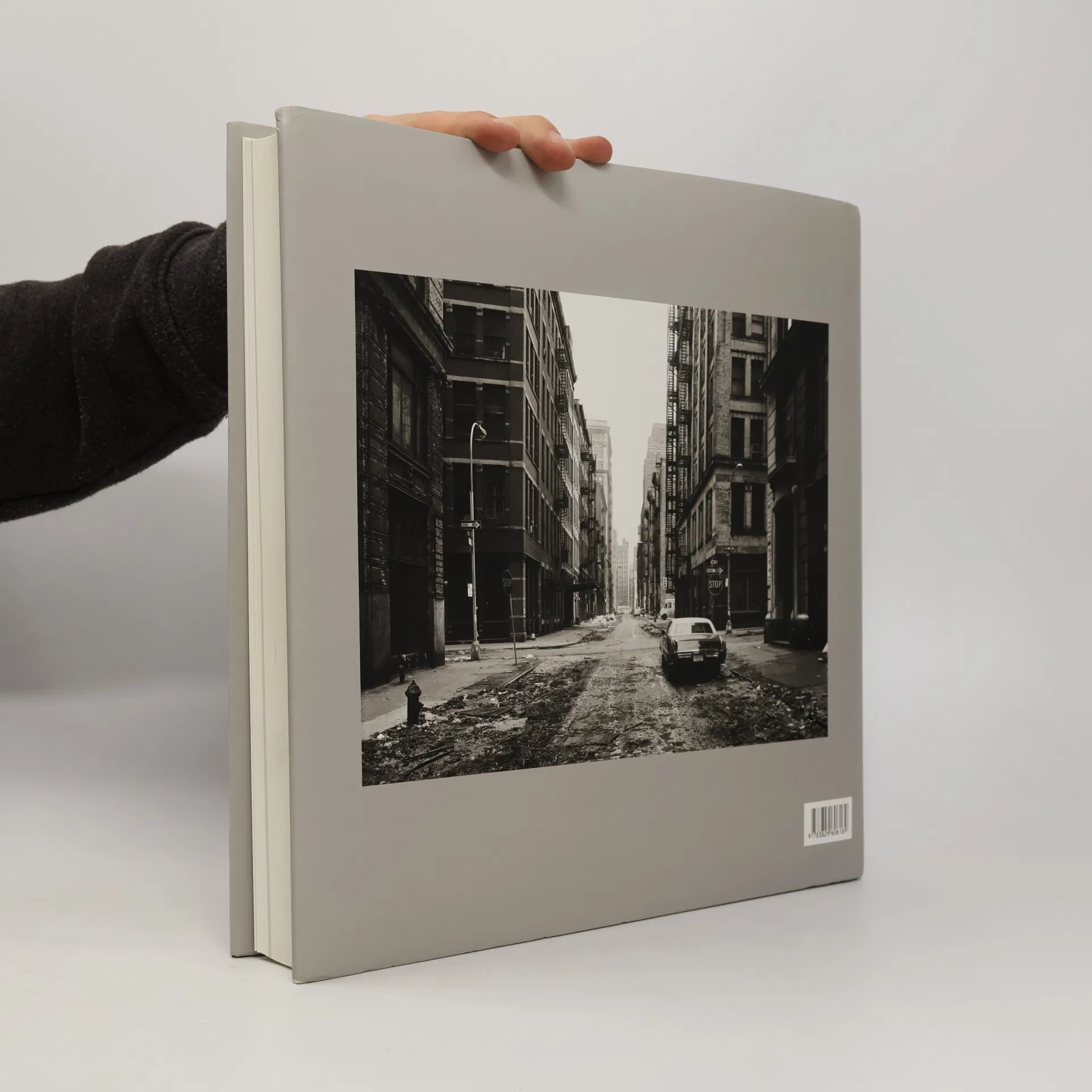
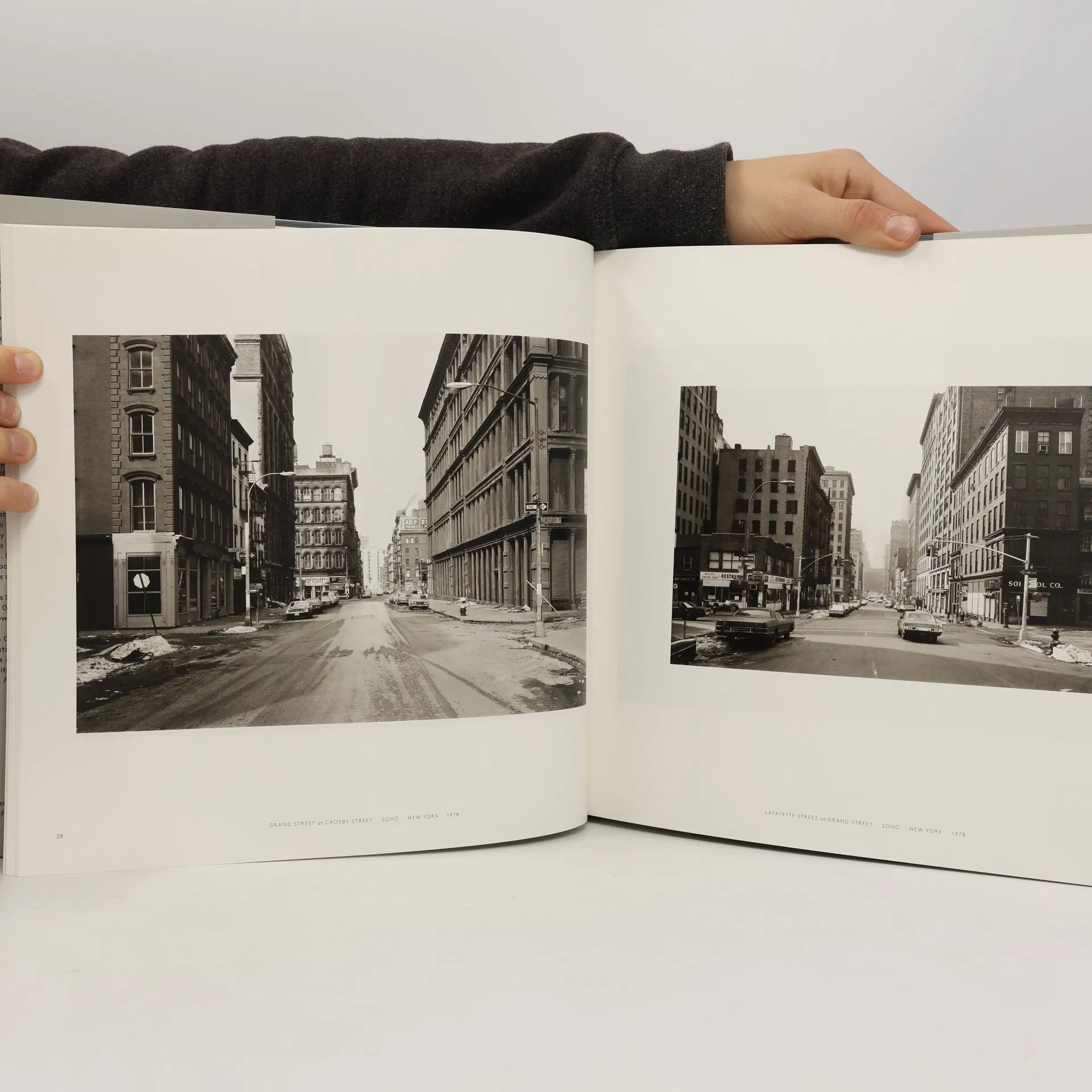
Mundane buildings, nondescript streets, anonymous facades—these are the features that first strike in viewing Thomas Struth’s pictures of streets—"unconscious places". Both in black-and-white and in color, Struth uses a frontal, eye-height view, with no optical distortion to disrupt the impression that what we see is a neutral, objective recording of reality. At the same time, Struth’s urban landscapes are also a critical depiction of different human habitats. This volume presents a comprehensive survey of Struth’s street views from the 1970s to 2010: narrow lanes in Edinburgh, Wuhan, Naples, and Erfurt; satellite towns in Paris, Leverkusen, Chicago, and Pyongyang; thoroughfares in Brussels, Lima, and Los Angeles; grand boulevards in St. Petersburg, New York City, and Beijing. Frequently there is an almost total absence of people in his cityscapes, which provides a feeling of desolation. In contrast, his famous Shibuya Crossing, Tokyo, is bustling with people and billboards.

Een boek kopen
Thomas Struth, Richard Sennett, Thomas Struth
- Taal

- Jaar van publicatie
- 2012
- Bindwijze
- (Hardcover)
Betaalmethoden
Nog niemand heeft beoordeeld.
- Titel
- Thomas Struth
- Ondertitel
- Unconscious Places - Englische Ausgabe mit Deutscher Textbeilage
- Taal
- Engels
- Auteurs
- Richard Sennett, Thomas Struth
- Uitgever
- Schirmer Mosel
- Jaar van publicatie
- 2012
- Formaat
- Hardcover
- Aantal pagina's
- 300
- ISBN10
- 3829606184
- ISBN13
- 9783829606189
- Reeks
- Categorieën
- Aantekening
- Mundane buildings, nondescript streets, anonymous facades—these are the features that first strike in viewing Thomas Struth’s pictures of streets—"unconscious places". Both in black-and-white and in color, Struth uses a frontal, eye-height view, with no optical distortion to disrupt the impression that what we see is a neutral, objective recording of reality. At the same time, Struth’s urban landscapes are also a critical depiction of different human habitats. This volume presents a comprehensive survey of Struth’s street views from the 1970s to 2010: narrow lanes in Edinburgh, Wuhan, Naples, and Erfurt; satellite towns in Paris, Leverkusen, Chicago, and Pyongyang; thoroughfares in Brussels, Lima, and Los Angeles; grand boulevards in St. Petersburg, New York City, and Beijing. Frequently there is an almost total absence of people in his cityscapes, which provides a feeling of desolation. In contrast, his famous Shibuya Crossing, Tokyo, is bustling with people and billboards.