

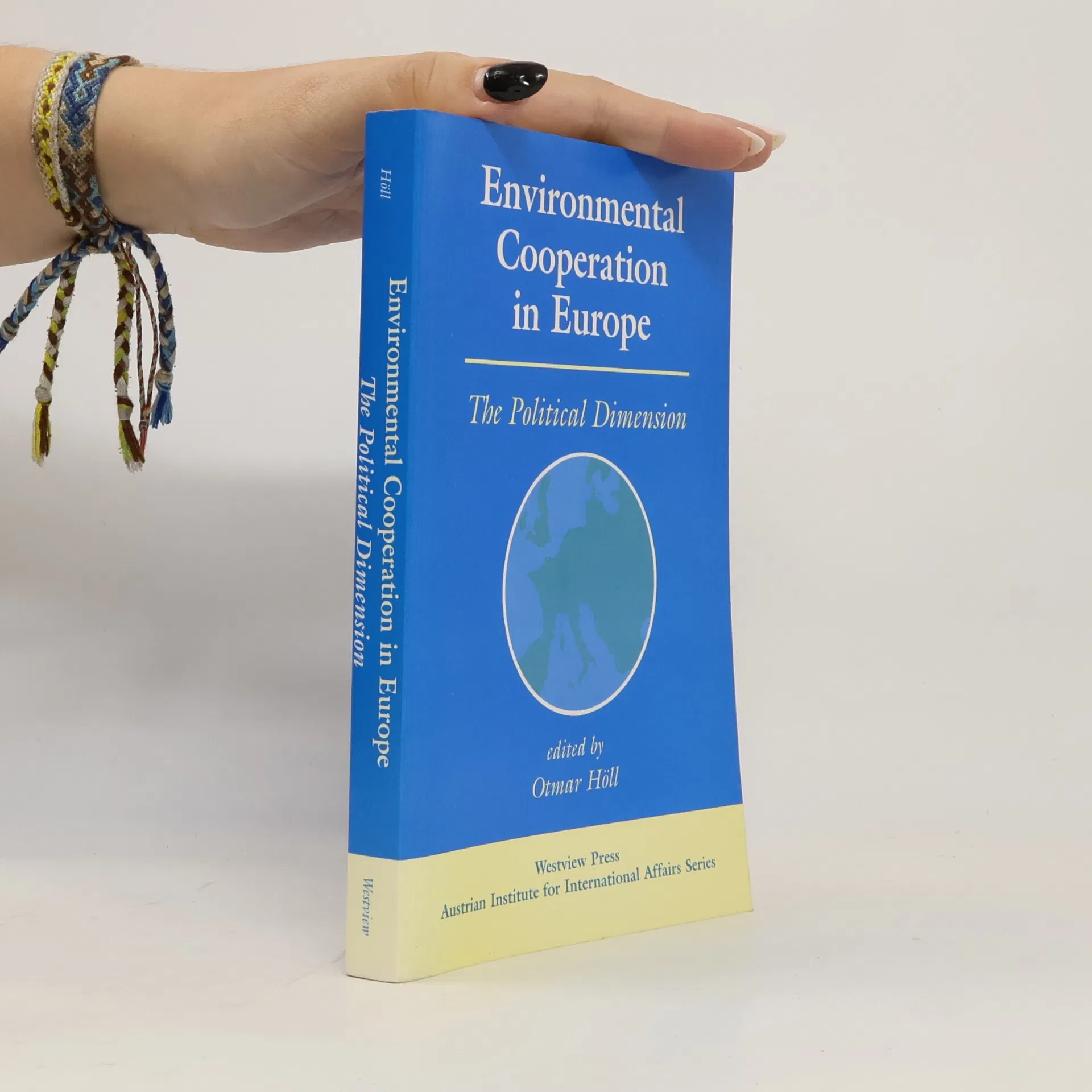


Austrian Institute for International Affairs Series: Environmental Cooperation in Europe
The Political Dimension
Auteurs
Meer over het boek
In this volume, leading European experts analyze the theoretical and practical facets of environmental cooperation in Europe. Chapters outline the roles of various policy-making bodies and institutions and discuss the contexts that they provide for international negotiation and implementation of agreements. A particularly strong role is delegated to the “Atlantic community,” which—given its vast economic and technical resources and relatively stable institutional structures—is at the forefront of efforts to achieve greater cooperation in European environmental matters. The domestic political dimension is also discussed and compared in four case studies (the Nordic countries, east-central Europe, southern Europe and Austria).The authors conclude that to be effective, European environmental policy must take into account the many variations in economic, technical, and institutional resources among countries, and the more resource-rich countries must accept a larger share of the burden of responsibility.
Een boek kopen
Austrian Institute for International Affairs Series: Environmental Cooperation in Europe, Otmar Höll
- Taal

- Jaar van publicatie
- 1994
- Bindwijze
- (Paperback),
- Staat van het boek
- Goed
- Prijs
- € 20,99
Betaalmethoden
Nog niemand heeft beoordeeld.
- Titel
- Austrian Institute for International Affairs Series: Environmental Cooperation in Europe
- Ondertitel
- The Political Dimension
- Taal
- Engels
- Auteurs
- Otmar Höll
- Uitgever
- Westview Press
- Jaar van publicatie
- 1994
- Formaat
- Paperback
- Aantal pagina's
- 299
- ISBN10
- 0813386225
- ISBN13
- 9780813386225
- Reeks
- Aantekening
- In this volume, leading European experts analyze the theoretical and practical facets of environmental cooperation in Europe. Chapters outline the roles of various policy-making bodies and institutions and discuss the contexts that they provide for international negotiation and implementation of agreements. A particularly strong role is delegated to the “Atlantic community,” which—given its vast economic and technical resources and relatively stable institutional structures—is at the forefront of efforts to achieve greater cooperation in European environmental matters. The domestic political dimension is also discussed and compared in four case studies (the Nordic countries, east-central Europe, southern Europe and Austria).The authors conclude that to be effective, European environmental policy must take into account the many variations in economic, technical, and institutional resources among countries, and the more resource-rich countries must accept a larger share of the burden of responsibility.