

De favoriet van de lezers is momenteel uitverkocht.
Heb je het in de bibliotheek?Verdien van € 8,02 tot € 10,57 door dit boek te verkopen.
Boeken verkopenZeugen aus der Todeszone
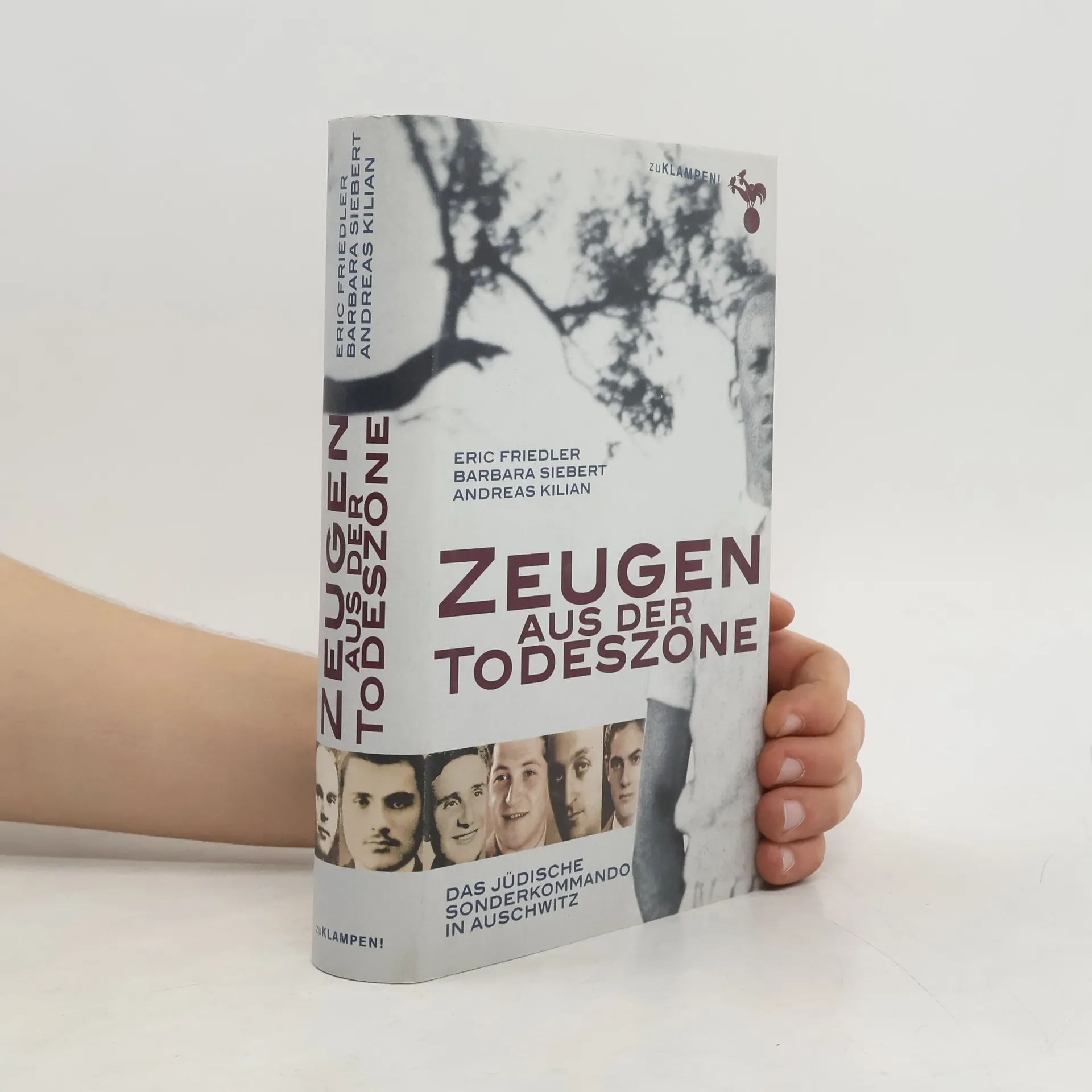
Das jüdische Sonderkommando in Auschwitz
Boekbeoordeling
Meer over het boek
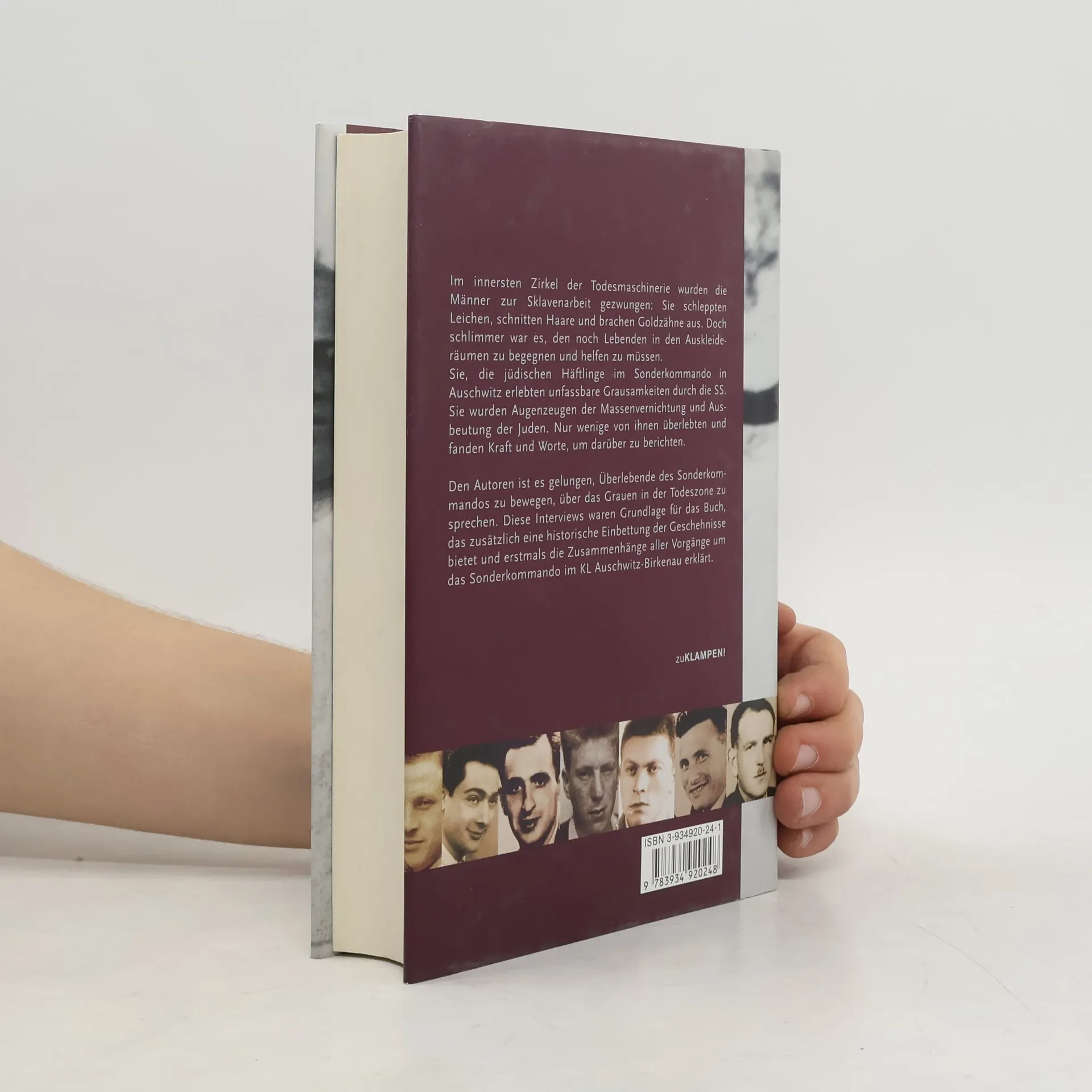
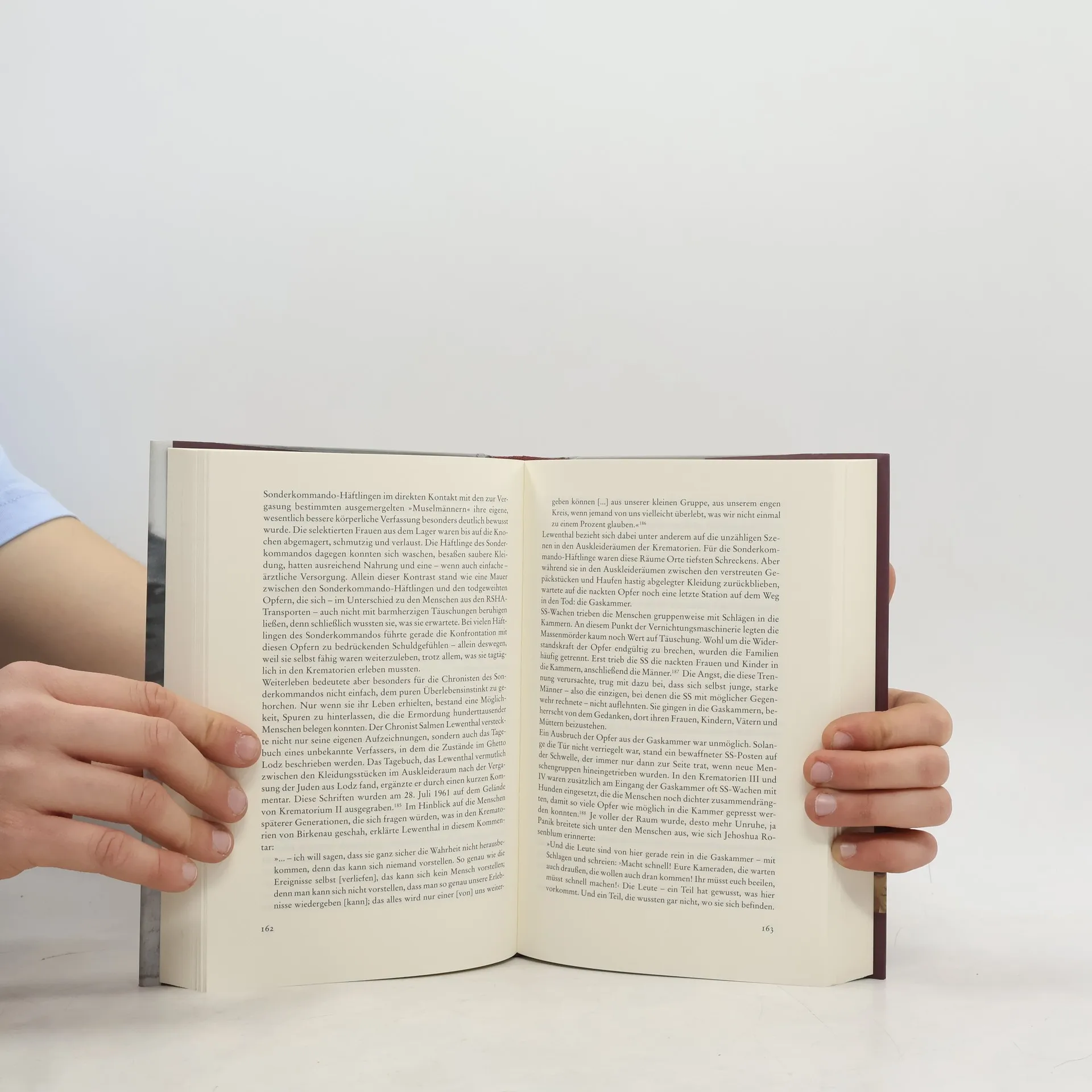
The Sonderkommando was established in Auschwitz in 1942 by the SS. Ca. 2,100 prisoners worked in the unit at various times; 100 of them survived. These prisoners became robot-like creatures who received the victims in the gas chambers and helped them undress, then searched the cadavers and burned them. They learned that, in order to survive, a human being is capable of unimaginable acts. After the war, like other survivors, they feared a confrontation with traumatic memory; however, unlike them, they remained silent due to a deep feeling of guilt.

Uitgave

Een boek kopen
Zeugen aus der Todeszone, Andreas Kilian, Barbara Siebert, Eric Friedler
- Taal

- Jaar van publicatie
- 2002
- Bindwijze
- (Hardcover)
Zodra we het ontdekt hebben, sturen we een e-mail.
Betaalmethoden
4,7
Uitstekend
99+ Beoordelingen
We missen je recensie hier.
- Titel
- Zeugen aus der Todeszone
- Ondertitel
- Das jüdische Sonderkommando in Auschwitz
- Taal
- Duits
- Auteurs
- Andreas Kilian, Barbara Siebert, Eric Friedler
- Uitgever
- Bleicher
- Jaar van publicatie
- 2002
- Formaat
- Hardcover
- Aantal pagina's
- 412
- ISBN10
- 3934920241
- ISBN13
- 9783934920248
- Reeks
- Categorieën
- Tags
- Historisch thema, Verhalende Journalistiek, Oorlogsproza, Tweede Wereldoorlog, Oorlogen, Dood, Joden, Nazisme, Holocaust, Concentratiekampen, Adolf Hitler, Vervolging, Persecutie, Genocide, Auschwitz (concentratiekamp)
- Eerste editie
- 2005
- Oorspronkelijke titel
- Zeugen aus der Todeszone
- Beoordeling
- 4,65 van 5
- Aantekening
- The Sonderkommando was established in Auschwitz in 1942 by the SS. Ca. 2,100 prisoners worked in the unit at various times; 100 of them survived. These prisoners became robot-like creatures who received the victims in the gas chambers and helped them undress, then searched the cadavers and burned them. They learned that, in order to survive, a human being is capable of unimaginable acts. After the war, like other survivors, they feared a confrontation with traumatic memory; however, unlike them, they remained silent due to a deep feeling of guilt.