

Meer over het boek
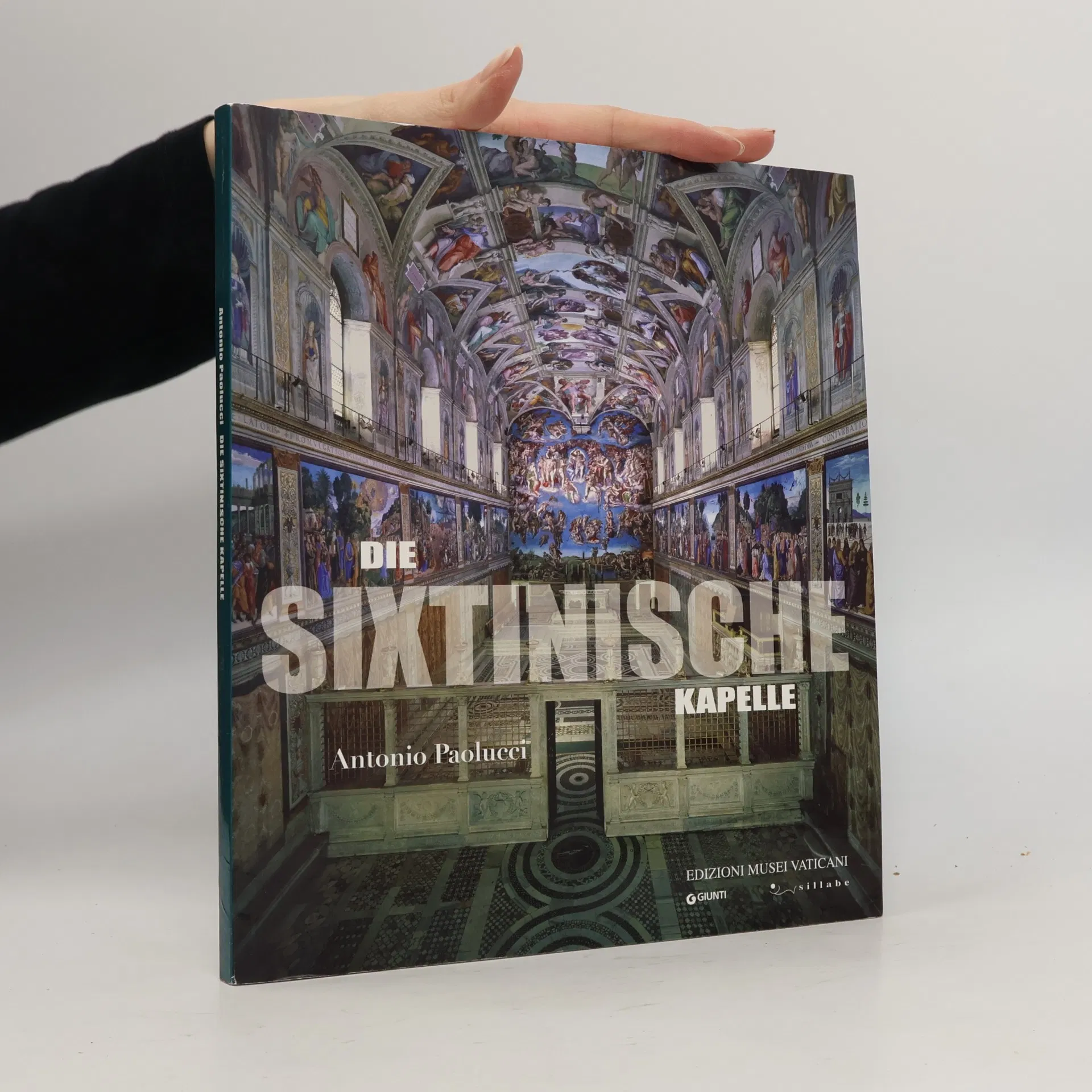
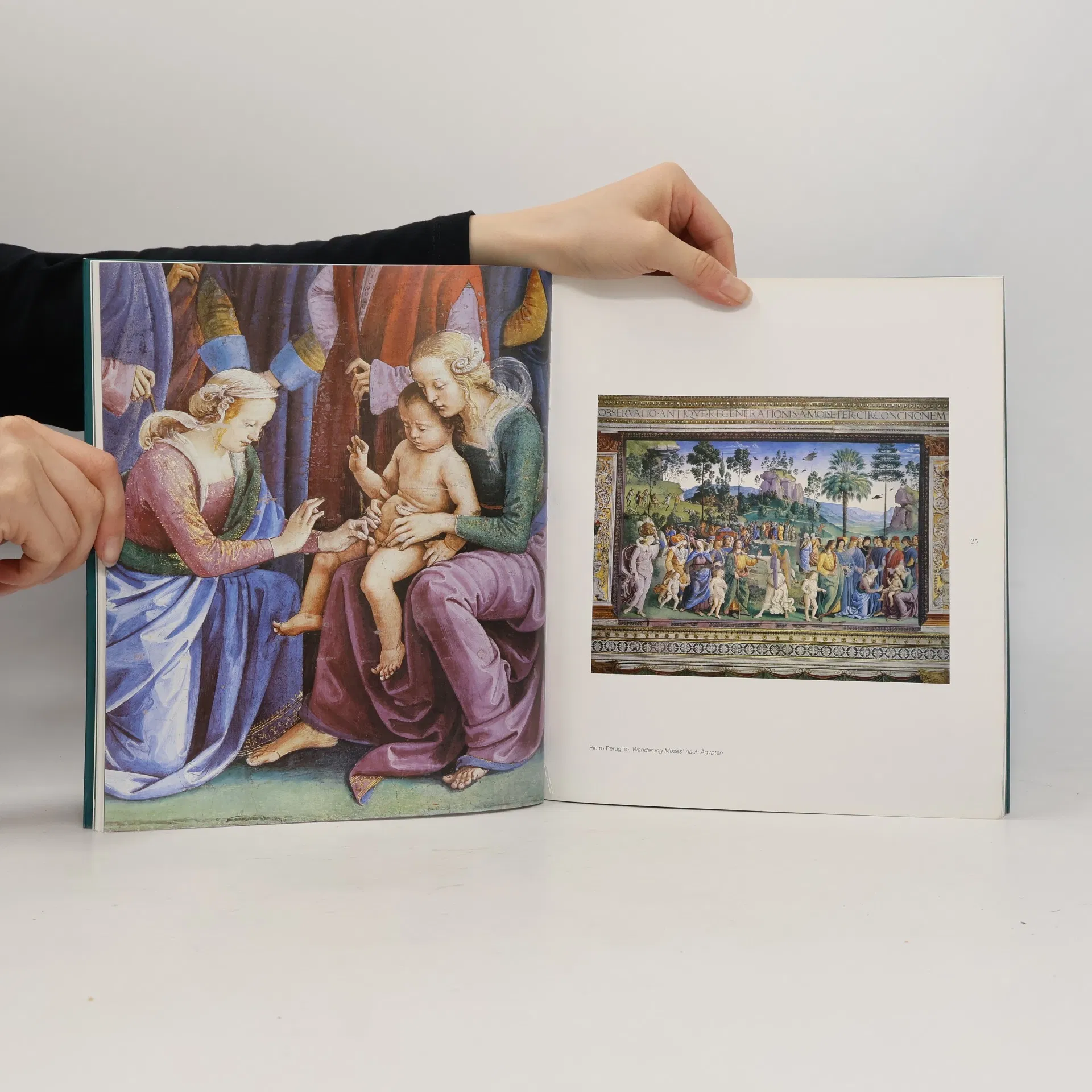
"Almost twenty thousand people a day visit the Sistine Chapel - people of all origins, languages, cultures and religions. The Sistine Chapel is the irresistible attraction, the object of desire of international museum-goers. The Sistine Chapel, however, though part of a museum visit, is not a museum itself. As a consecrated chapel it defines a unique religious space. Moreover the Chapel truly defines the identity of the Roman Catholic Church. "Thus writes Antonio Paolucci, Art Historian and Director of the Vatican Museums, in the opening lines of his book. This book is an essential tool in helping visitors to understand the reasons which, between the fifteenth and the sixteenth century, led to the creation of the Sistine Chapel, "the greatest representation of human art and spirituality."It aspires to enable visitors to understand the extraordinary theological design which governs the space, as well as helping them to appreciate the different styles and artists (Michelangelo, Botticelli, Perugino, Ghirlandaio and Signorelli) who gave form to the message.


Een boek kopen
Die Sixtinische Kapelle, Antonio Paolucci
- Taal

- Jaar van publicatie
- 2013
- Bindwijze
- (Paperback),
- Staat van het boek
- Zeer goed
- Prijs
- € 8,09
Betaalmethoden
We missen je recensie hier.
- Titel
- Die Sixtinische Kapelle
- Taal
- Duits
- Auteurs
- Antonio Paolucci
- Uitgever
- Giunti
- Jaar van publicatie
- 2013
- Formaat
- Paperback
- Aantal pagina's
- 128
- ISBN10
- 8882710408
- ISBN13
- 9788882710408
- Reeks
- Categorieën
- Tags
- Kunst, Zuid-Europa, Italië, Renaissance, 16e eeuw, 15e eeuw, Vaticaan, Michelangelo Buonarroti, 1475-1564
- Eerste editie
- 2010
- Oorspronkelijke titel
- The Sistine Chapel
- Beoordeling
- 4,3 van 5
- Aantekening
- "Almost twenty thousand people a day visit the Sistine Chapel - people of all origins, languages, cultures and religions. The Sistine Chapel is the irresistible attraction, the object of desire of international museum-goers. The Sistine Chapel, however, though part of a museum visit, is not a museum itself. As a consecrated chapel it defines a unique religious space. Moreover the Chapel truly defines the identity of the Roman Catholic Church. "Thus writes Antonio Paolucci, Art Historian and Director of the Vatican Museums, in the opening lines of his book. This book is an essential tool in helping visitors to understand the reasons which, between the fifteenth and the sixteenth century, led to the creation of the Sistine Chapel, "the greatest representation of human art and spirituality."It aspires to enable visitors to understand the extraordinary theological design which governs the space, as well as helping them to appreciate the different styles and artists (Michelangelo, Botticelli, Perugino, Ghirlandaio and Signorelli) who gave form to the message.