



Meer over het boek
Tom Wolfe began his exploration of American heroism during a time when such ideals were considered unfashionable, with the nation grappling with the fallout from Vietnam and the Iranian hostage crisis. His subjects' anachronistic courage captivated him, especially as he noted that in 1970, nearly one in four Navy pilots died in accidents. Wolfe's narrative reveals why these men were not just willing, but delighted to face such peril, contrasting sharply with the era's anti-hero sentiment. Drawing from his roots in New Journalism, Wolfe employs a limited omniscient perspective, immersing readers in the lives of key figures in the space program. The story begins with the fears of a test pilot's wife before delving into the late 1940s, when Americans first sought to break the sound barrier. Test pilots, including Chuck Yeager, embody a fast-paced, dangerous lifestyle, with Yeager's determination to conquer Mach 1 serving as a central theme. The focus soon shifts to the seven initial astronauts, highlighting Alan Shepard's suborbital flight and Gus Grissom's struggles at sea, along with an admiring portrayal of John Glenn's heroism. By the conclusion, Wolfe's narrative achieves epic proportions, solidifying its status as a vivid and humorous account of America's manned space program.




Een boek kopen
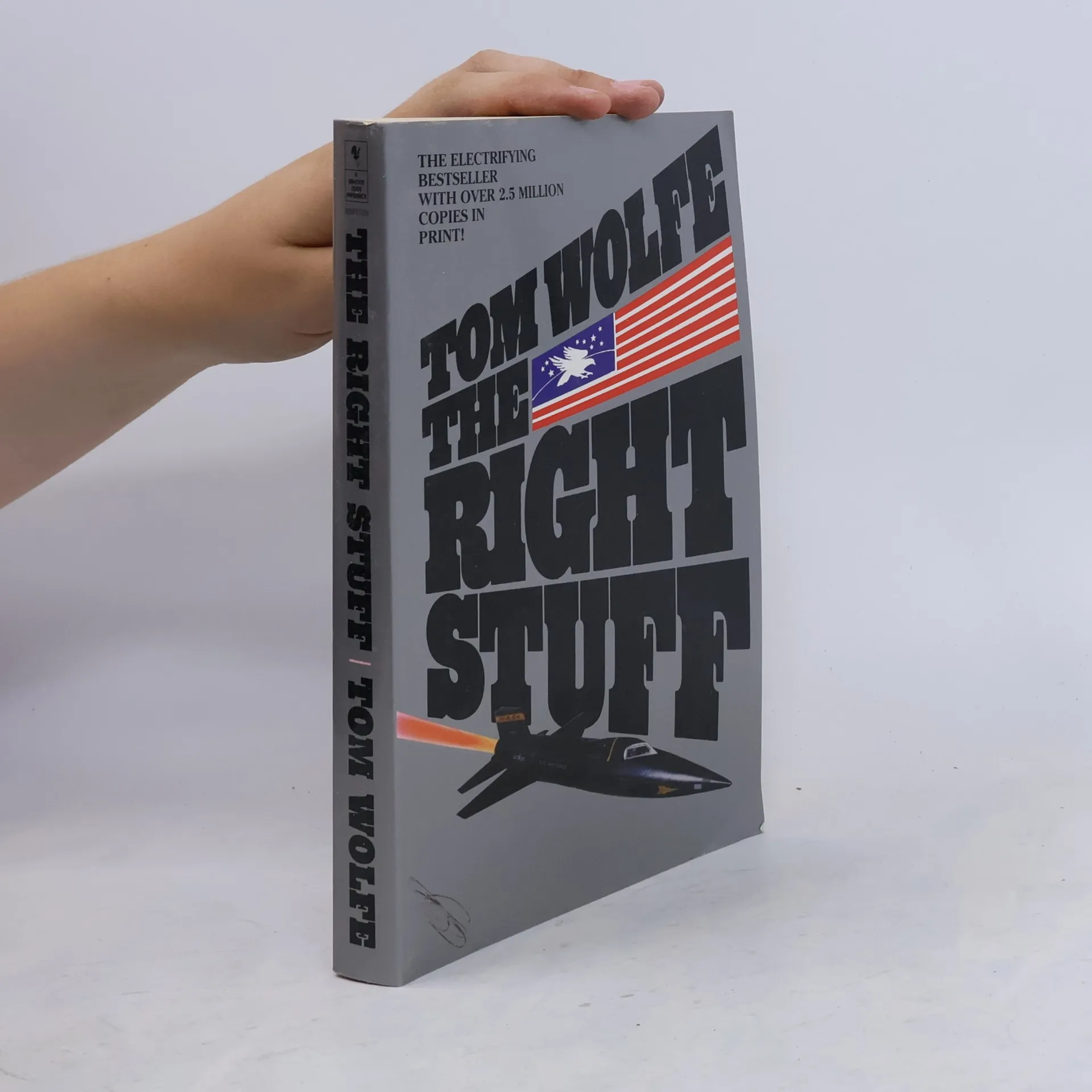
Modern Library Paperbacks: The Right Stuff, Tom Wolfe
- Taal

- Jaar van publicatie
- 2001
- Bindwijze
- (Paperback)
Betaalmethoden
We missen je recensie hier.
- Titel
- Modern Library Paperbacks: The Right Stuff
- Taal
- Engels
- Auteurs
- Tom Wolfe
- Uitgever
- BANTAM
- Jaar van publicatie
- 2001
- Formaat
- Paperback
- Aantal pagina's
- 352
- ISBN10
- 0553381350
- ISBN13
- 9780553381351
- Reeks
- Categorieën
- Oorspronkelijke titel
- The right stuff
- Beoordeling
- 4,25 van 5
- Aantekening
- Tom Wolfe began his exploration of American heroism during a time when such ideals were considered unfashionable, with the nation grappling with the fallout from Vietnam and the Iranian hostage crisis. His subjects' anachronistic courage captivated him, especially as he noted that in 1970, nearly one in four Navy pilots died in accidents. Wolfe's narrative reveals why these men were not just willing, but delighted to face such peril, contrasting sharply with the era's anti-hero sentiment. Drawing from his roots in New Journalism, Wolfe employs a limited omniscient perspective, immersing readers in the lives of key figures in the space program. The story begins with the fears of a test pilot's wife before delving into the late 1940s, when Americans first sought to break the sound barrier. Test pilots, including Chuck Yeager, embody a fast-paced, dangerous lifestyle, with Yeager's determination to conquer Mach 1 serving as a central theme. The focus soon shifts to the seven initial astronauts, highlighting Alan Shepard's suborbital flight and Gus Grissom's struggles at sea, along with an admiring portrayal of John Glenn's heroism. By the conclusion, Wolfe's narrative achieves epic proportions, solidifying its status as a vivid and humorous account of America's manned space program.